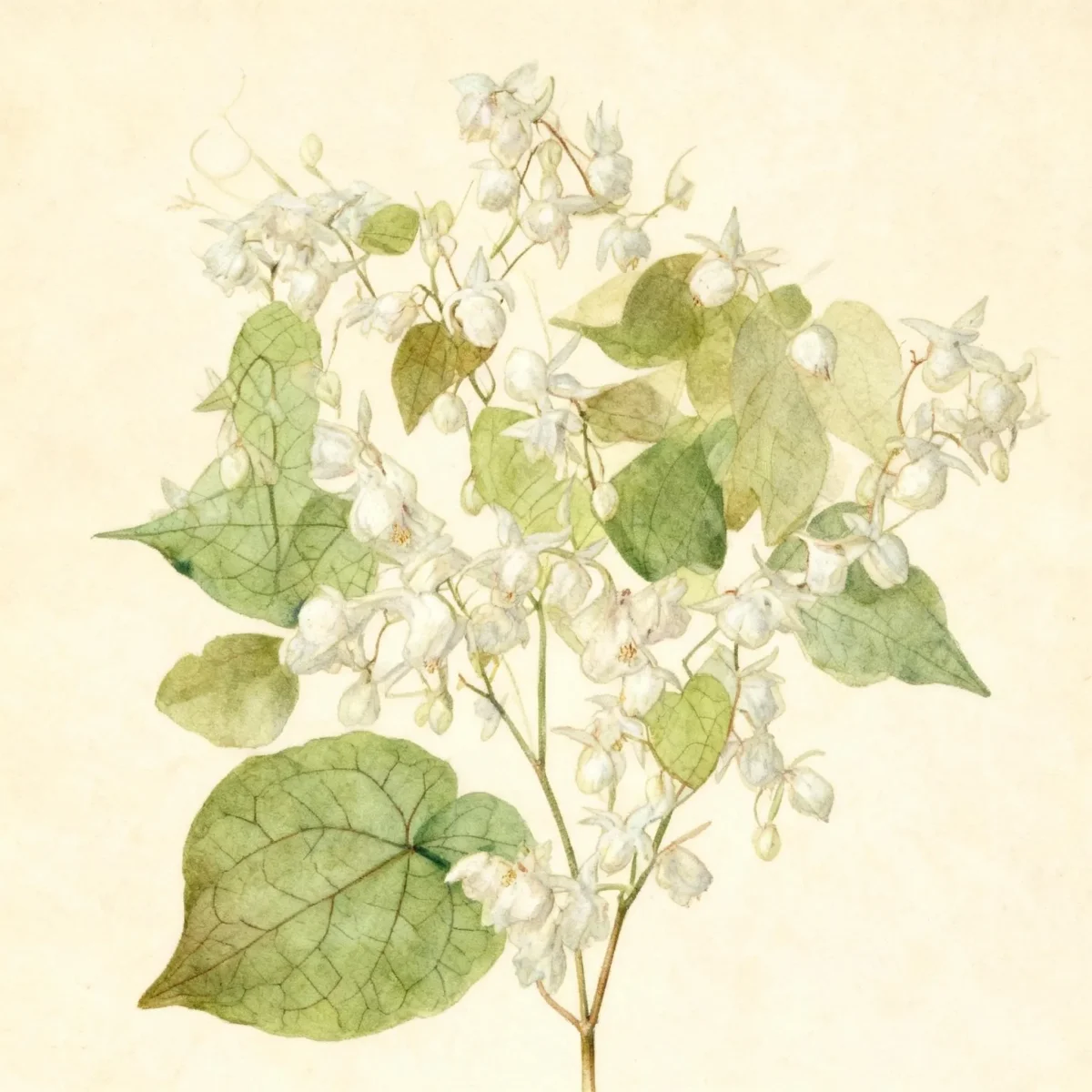
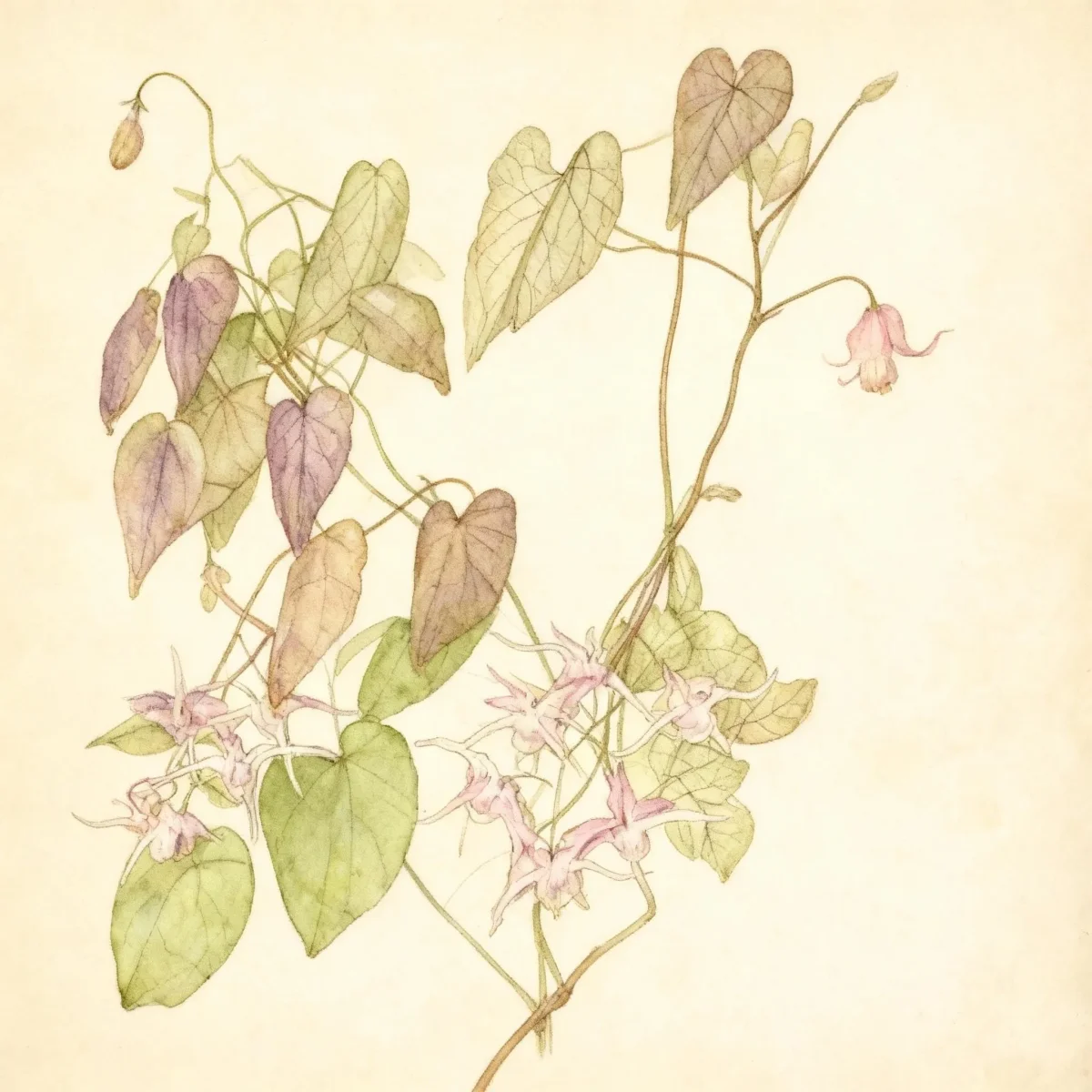
Bishop's hat (Epimedium sempervirens)
Low-maintenance Epimedium sempervirens (Bishop's hat) offers delicate white spring blooms and semi-evergreen foliage for dry shade gardening.
Scroll down to discover growing tips, care requirements, companion plants, and more
Complete Plant Information
Overview
Epimedium sempervirens, commonly known as Bishop’s hat, is a standout herbaceous perennial cherished for its adaptability and elegant spring display. This rhizomatous plant forms dense, attractive colonies, making it an excellent, low-maintenance groundcover solution for challenging shady environments. Its spidery, white flowers, which emerge in mass during spring, are a true delight against the emerging foliage.
Native to the alpine woodlands of Japan and Korea, Bishop’s hat thrives where many other ornamentals struggle, particularly under deep shade or dry conditions once established. The species name sempervirens refers to its semi-evergreen nature in warmer climates, lending year-round structure to the garden.
For gardeners seeking reliable, deer-resistant coverage beneath mature trees or along wooded borders, Epimedium sempervirens provides beauty with minimal input. Its tolerance for drought and dry soil once established significantly reduces ongoing watering needs.
Fast Facts
- Plant Family: Berberidaceae
- Plant Type: Herbaceous perennial
- Native Range: Japan, Korea
- Hardiness Zones: USDA Zones 5-8
- Size at Maturity:
- Height: 1-2 ft
- Spread: 1-2 ft
- Bloom Time: April to May
- Bloom Description: White
- Sun Exposure: Part shade to full shade
- Water Needs: Dry to medium
- Maintenance Level: Low
How to Grow
Planting Epimedium sempervirens is best done in the spring or fall. Choose a location that offers protection from harsh afternoon sun, as the foliage of Bishop’s hat tends to burn in intense light. This perennial prefers average, acidic, well-drained soils, though it appreciates loose, organically rich loams with consistent moisture when first setting roots in part shade.
Maintenance for this species is blessedly low. While it prefers moisture initially, established clumps possess rhizomes that retain water, allowing them to tolerate both drought and dry shade effectively. Avoid planting in alkaline soils, as this plant is intolerant. Fertilization is rarely necessary if the soil has adequate organic matter.
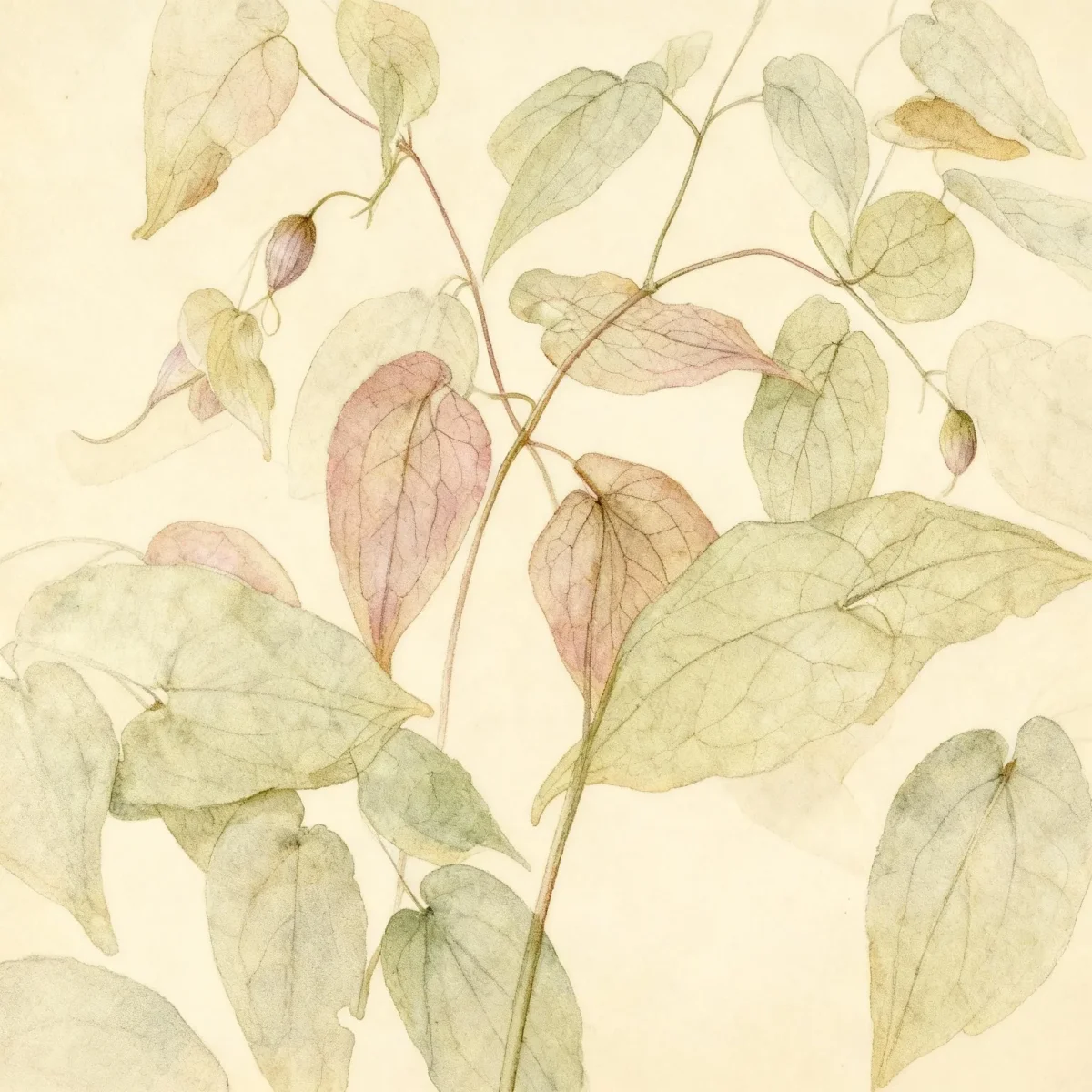
A necessary spring ritual involves cutting back any old, tattered foliage in late winter just before the new growth emerges, especially in colder northern zones where the leaves may have become semi-evergreen or deciduous. Propagation is easily achieved by dividing the slow-spreading clumps in early spring or autumn.
Landscape Uses
The primary strength of Epimedium sempervirens lies in its utility as a tough groundcover and edger for perpetually shady areas. Its dense, clumping habit makes it fantastic for blanketing slopes and controlling erosion where turf struggles. Mass plantings in woodland settings truly showcase the beauty of these Fairy wings blooming in spring.
Bishop’s hat is an ideal choice for naturalized areas, woodland gardens, and underneath mature canopy trees where root competition is a factor. It also performs well as an edging plant along quiet paths, providing a neat, low border that resists browsing deer. Consider pairing it with other shade-lovers like Hostas or ferns for textural contrast as the seasonal interest evolves.
Standout Features
Flower Qualities
- Showy
Noteworthy Characteristics
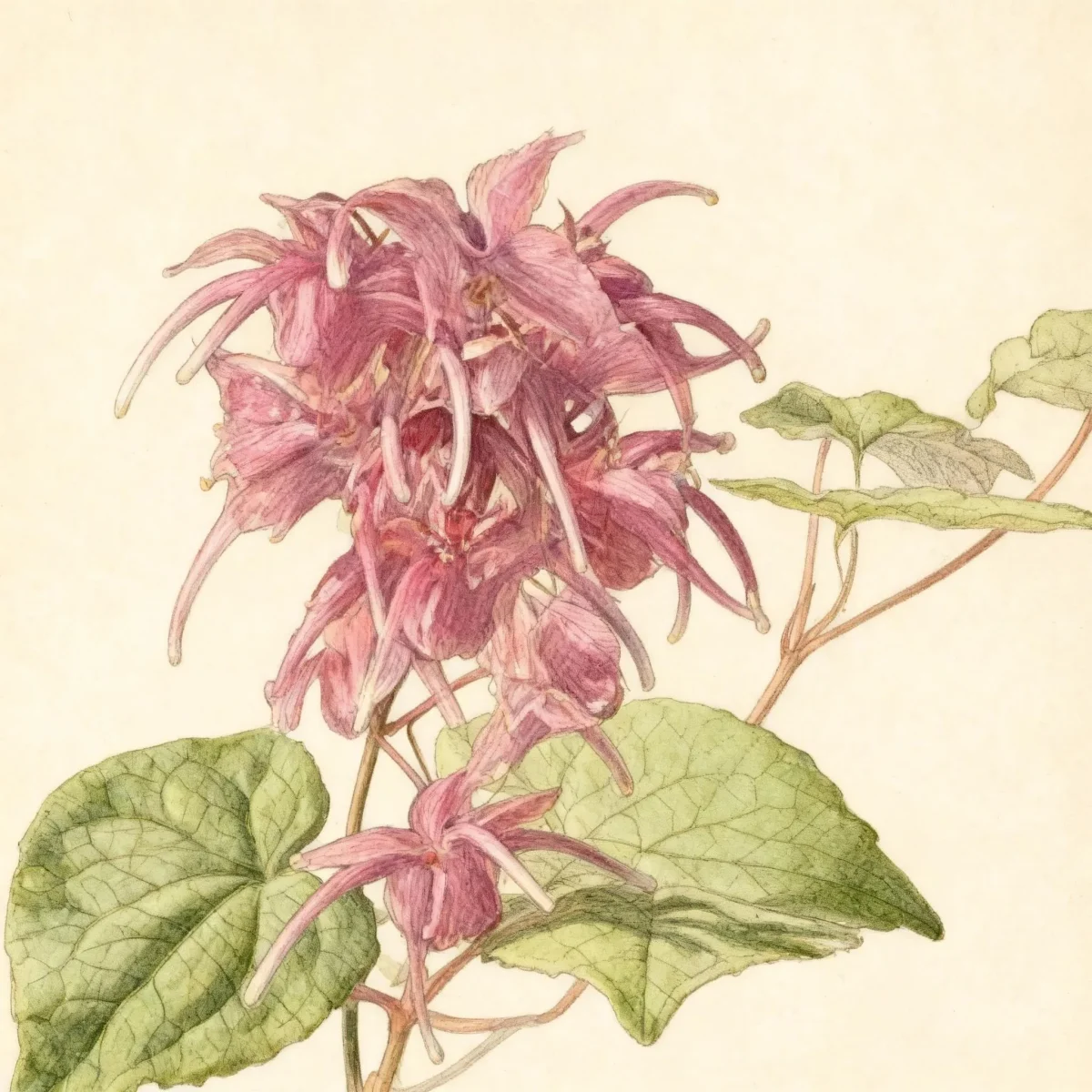
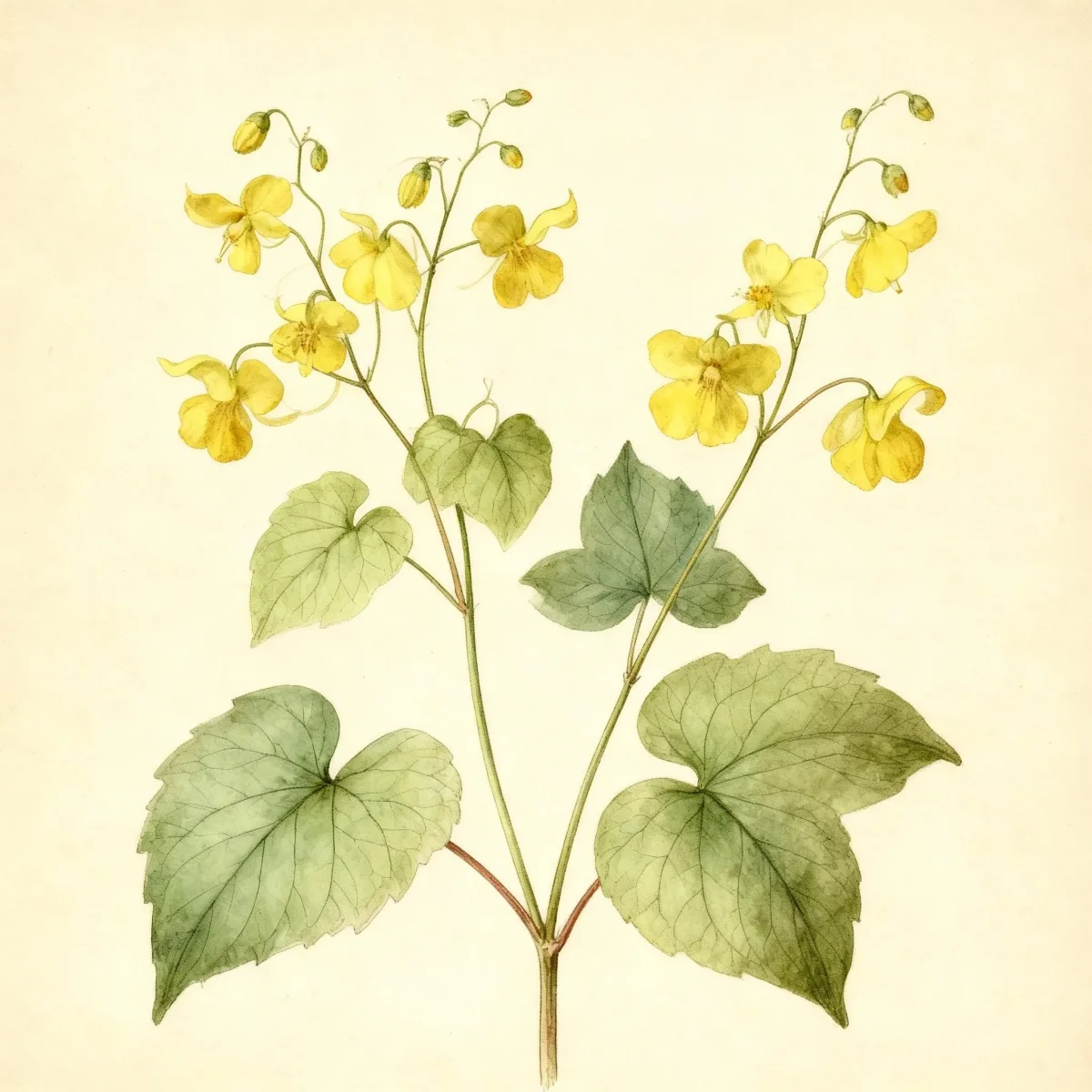
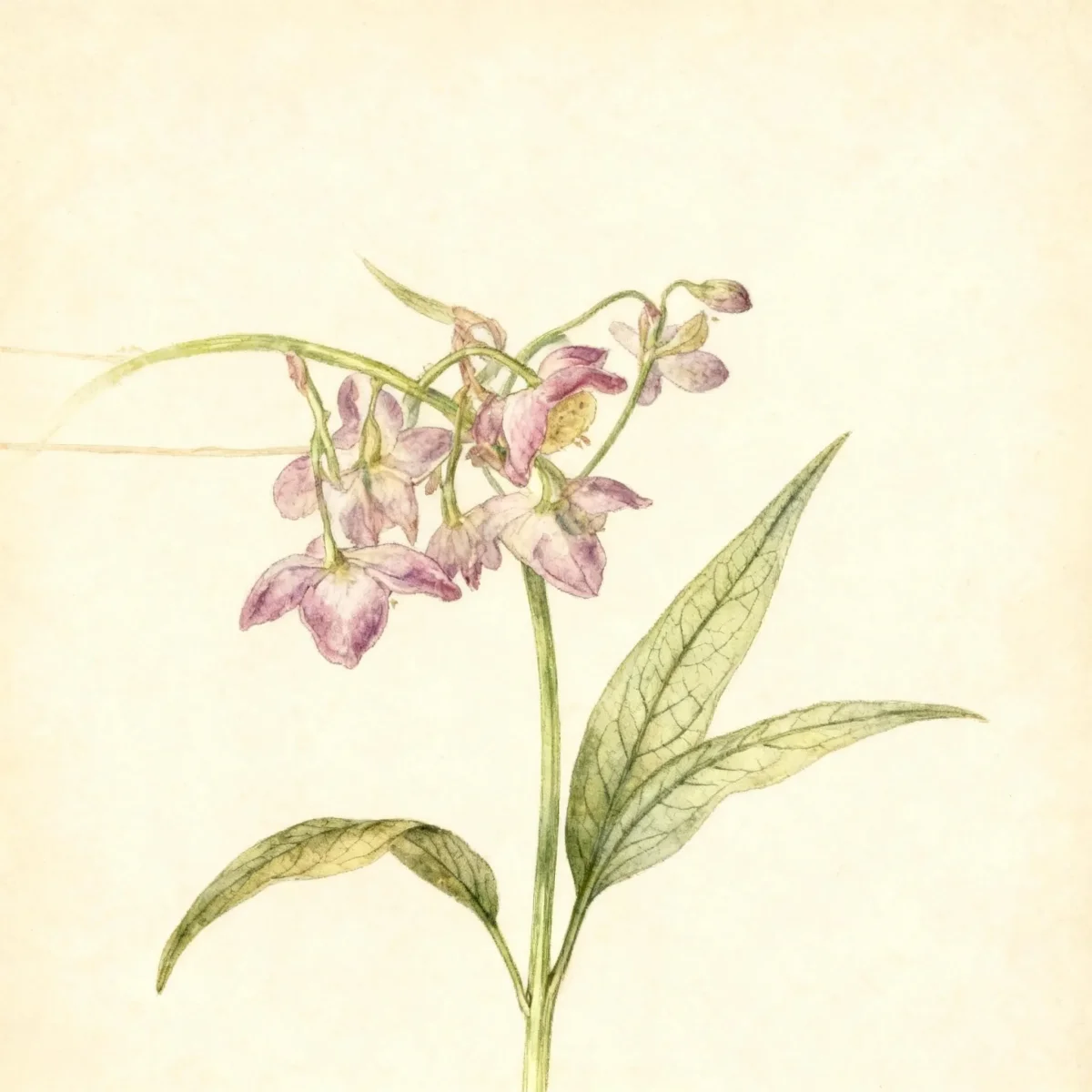
Epimedium sempervirens is a dense, rhizomatous, clump-forming perennial with flowering stems that rise to as much as 24” tall. It is native to alpine woodland areas of Japan. Large, spidery, white flowers with long reflexed spurs bloom in tight racemes above the foliage in spring atop flowering stems bearing one compound leaf. The species name refers to the evergreen nature of its leaves in warmer areas, distinguishing it from similar species.
Tolerances
- Rabbit
- Deer
- Drought
- Heavy Shade
- Erosion
- Dry Soil
- Shallow-Rocky Soil
Potential Problems
Epimedium sempervirens generally suffers from no serious insect or disease problems, contributing to its low-maintenance rating. The most notable disease threat is Mosaic Virus, which is transmitted by aphids. To manage this, control aphid populations early in the season to prevent viral spread between plants. Proper air circulation, achieved by ensuring adequate spacing and the recommended late winter foliage cutback, also helps maintain plant health.
Frequently Asked Questions
What hardiness zones is Bishop’s hat suitable for?
Epimedium sempervirens is reliably hardy across USDA Zones 5 through 8.
How large does Bishop’s hat grow?
This perennial typically reaches between 1 and 2 feet in height and spreads to a similar width of 1 to 2 feet once mature.
When does Epimedium sempervirens bloom?
The delicate white flowers of Epimedium sempervirens appear relatively early in the season, blooming from April into May.
What sun exposure does Bishop’s hat need?
For best performance and foliage health, plant Bishop’s hat where it receives part shade to full shade; direct afternoon sun will scorch the leaves.
Conclusion
The combination of deer resistance, exceptional shade tolerance, and low maintenance makes Bishop’s hat, or Epimedium sempervirens, an indispensable groundcover for challenging garden spots. Its reliable spring bloom and sturdy semi-evergreen foliage provide structure throughout the year. Before planting, confirm your site falls within USDA Zones 5-8 and plan for that late winter cleanup to ensure the best display of white flowers next season.
Companion Planting
When selecting companions for Epimedium sempervirens, focus on plants that share its preference for dry shade and acidic soil conditions. Woodland perennials that emerge slightly later, benefiting from the early flowers of Bishop’s hat, are ideal. Consider pairing this tough perennial with Hellebores (Lenten Rose), which offer contrasting flower shapes and colors in early spring before the Epimedium fully leafs out.
For textural variation beneath mature trees, large-leaved Hostas provide a lush, tropical look beneath the dainty structure of the Bishop’s hat foliage. Additionally, woodland ferns such as Japanese Painted Ferns or Autumn Ferns tolerate the same dry, shaded conditions, creating a rich, layered tapestry across the forest floor.
Propagation Tips
Propagation of Epimedium sempervirens is straightforward and relies primarily on division, a process best undertaken when the plant is dormant or just beginning to wake up. In early spring, before significant new leaf emergence, carefully dig up clumps of the established rhizomatous perennial. Use a clean shovel or sharp spade to divide the root mass into smaller sections.
Ensure each section has healthy root material and at least a few nascent growth buds attached. Replant these divisions immediately into the prepared, well-drained soil at the same depth they were growing previously. Consistent moisture following division will help encourage rapid establishment in both spring and fall division periods.