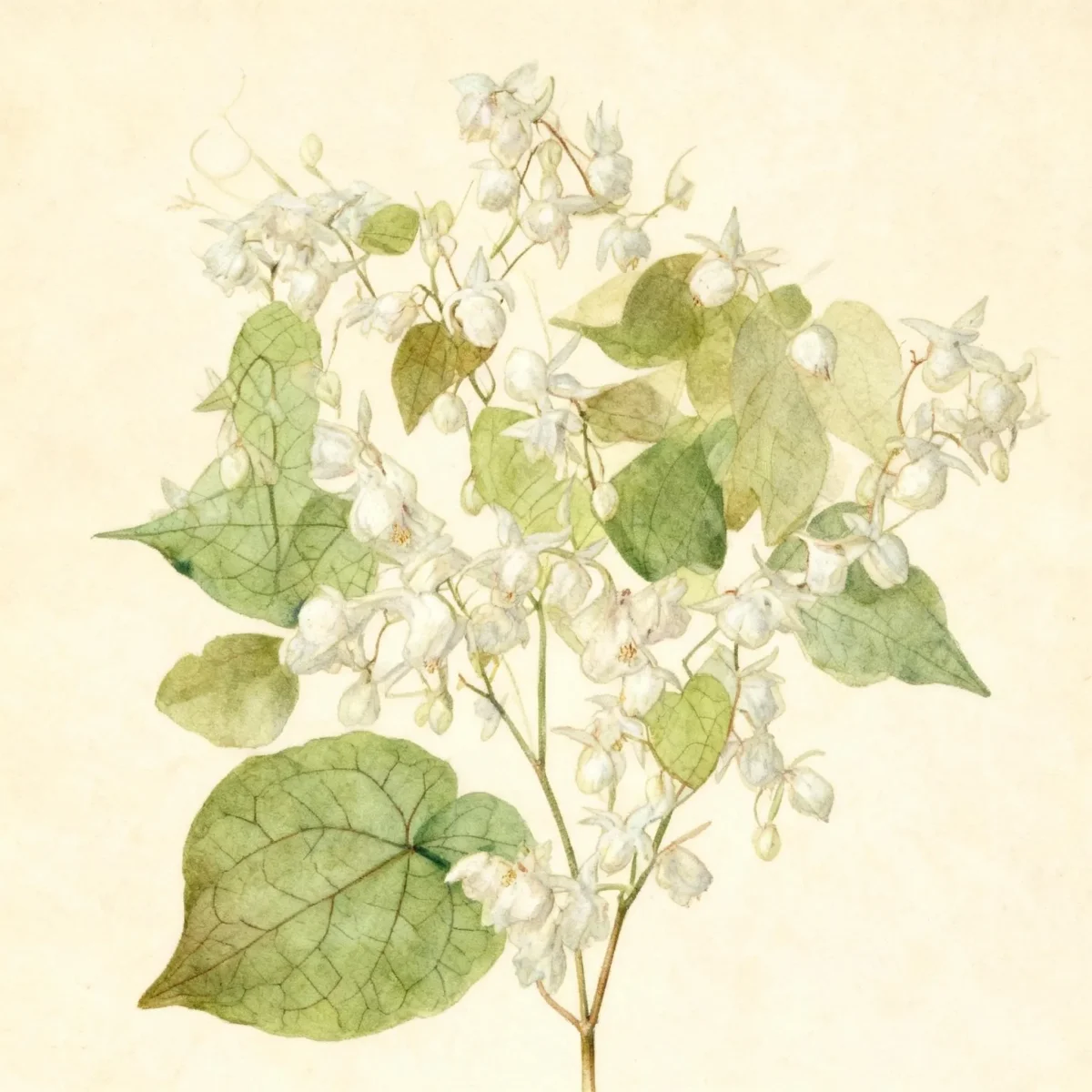
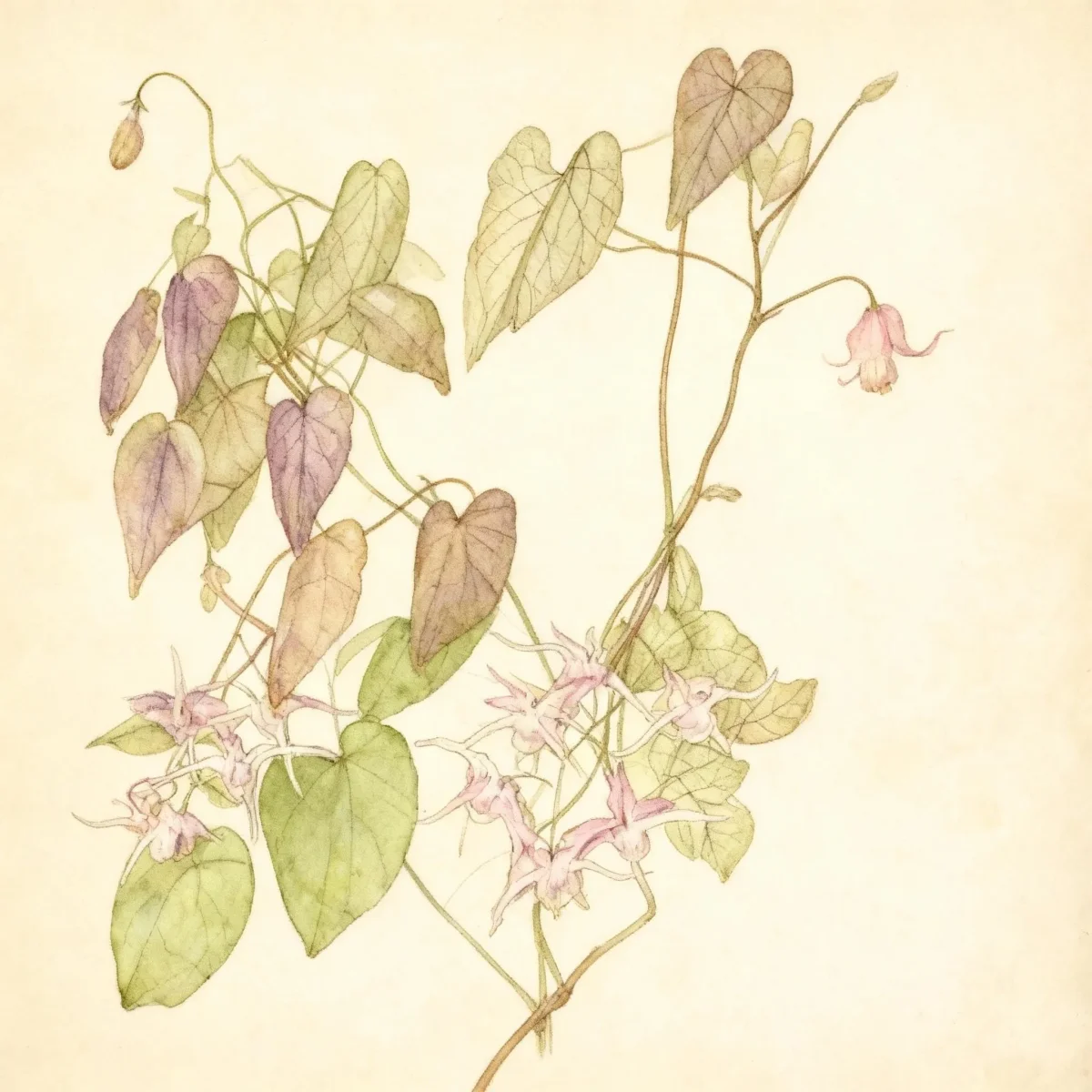
Bishop's hat (Epimedium pinnatum)
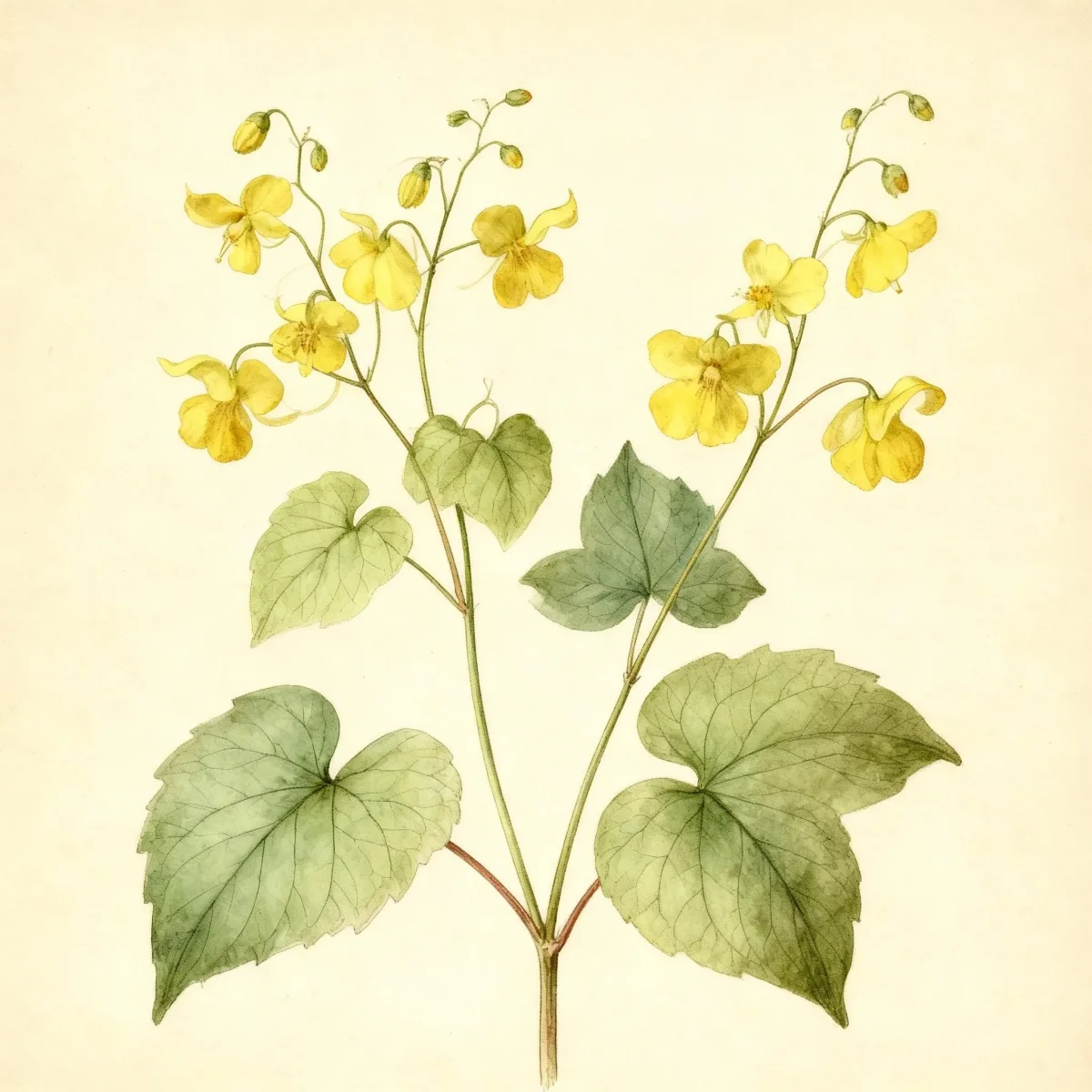
Epimedium pinnatum (Bishop's hat) is a tough, low-growing perennial ideal for dry shade. Features yellow, spurred flowers.
Scroll down to discover growing tips, care requirements, companion plants, and more
Complete Plant Information
Overview
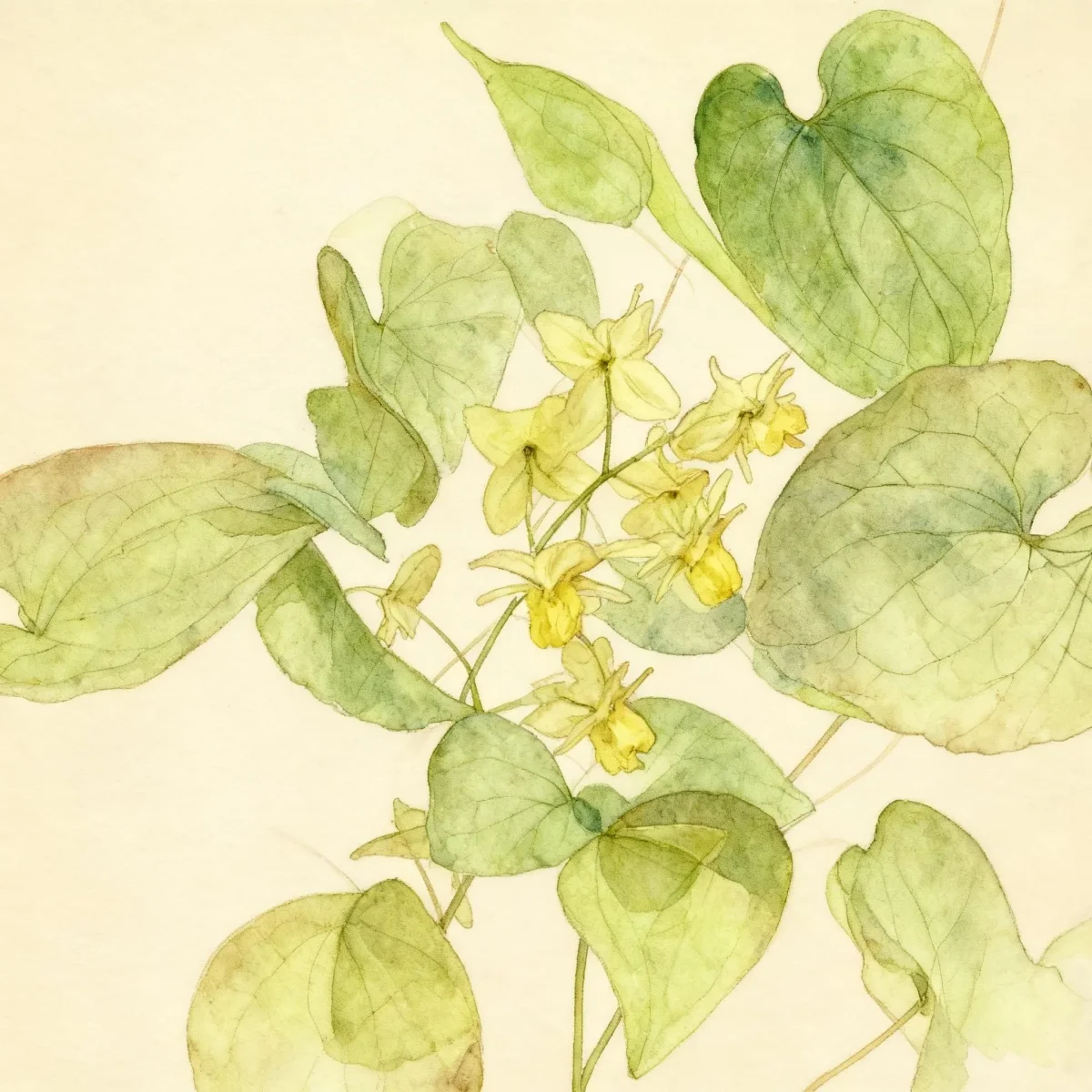
The Epimedium pinnatum, widely known as Bishop’s hat, is a highly valued herbaceous perennial celebrated for its resilience and charming spring display. This plant establishes slowly but forms dense, attractive colonies, making it an excellent long-term solution for challenging garden areas. Its small, spurred yellow flowers emerge early, providing essential color before many other woodland plants awaken.
This tough groundcover thrives under adverse conditions, particularly accommodating deep shade and dry soils once established. The dark green, leathery foliage of Epimedium pinnatum contributes year-round texture, although its winter appearance can vary depending on climate severity. Gardeners rely on this species for its very low maintenance needs and its ability to suppress weeds effectively.
As a native of woodland regions, Bishop’s hat brings natural elegance to shady borders and woodland settings. Its unique flower structure, which gives rise to its common name, offers delicate visual interest against its finely structured basal leaves. Incorporating Epimedium pinnatum ensures visual appeal in locations where few other ornamentals can successfully establish.
Fast Facts
- Plant Family: Berberidaceae
- Plant Type: Herbaceous perennial
- Native Range: Iran
- Hardiness Zones: USDA Zones 5-8
- Size at Maturity:
- Height: 0.5-1 ft
- Spread: 0.5-1 ft
- Bloom Time: April to May
- Bloom Description: Yellow with red spurs
- Sun Exposure: Part shade to full shade
- Water Needs: Dry to medium
- Maintenance Level: Low
How to Grow
Epimedium pinnatum is remarkably easy to establish, ideally planted in early spring or fall while soils are cool. Ensure the chosen location provides well-drained soil, ideally acidic and loose, amended with plenty of organic matter to mimic its native woodland floor. While it prefers consistent moisture in dappled sun or morning light, this tough perennial is known to tolerate dry shade once its rhizomes have matured.
Once established, watering needs are minimal; allow the soil to dry slightly between waterings, as it tolerates drought well. Fertilizing is generally unnecessary if the soil is rich in organic material, though a light top-dressing of compost in spring can benefit new growth. Do not expect vigorous growth if planted in alkaline soils, which this species strongly dislikes.
Pruning is minimal but recommended in late winter before new shoots emerge. Cut back any remaining old or tattered foliage to allow the early spring flowers of Bishop’s hat to shine without obstruction. Propagation is straightforward, handled best by dividing the creeping rhizomes in early spring or fall.
Landscape Uses
Bishop’s hat excels as a functional and beautiful ground cover, particularly effective in wide swaths across shady banks or woodland floors where it can naturalize beautifully. Its slow-spreading rhizomes help stabilize soil, making Epimedium pinnatum an excellent tool for erosion control on slopes. Use it as a sophisticated edger along shady paths or under mature trees where turfgrass fails.
For design versatility, mass plantings create a cohesive carpet of fine texture, beautifully offsetting taller shade lovers like Hostas or Ferns. The fine texture of the foliage contrasts nicely with large-leafed perennials, providing year-round interest. Its low stature makes it perfect for the front of shaded borders, offering structure without obscuring taller specimens.
Standout Features
Flower Qualities
- Showy
Noteworthy Characteristics
Epimedium pinnatum is recognized as a clump-forming, evergreen perennial reaching 8-12 inches tall, native to Caucasian woodland areas. Its showy flowers, featuring bright yellow petal-like inner sepals and distinct red spurs, bloom in sprays during spring. The basal foliage is complex, featuring dark green leaflets with serrated margins, giving the plant substantial year-round structure, though winter foliage can drop in colder climates. Epimediums are commonly called Bishop’s hat due to the shape of the spurred flowers.
Tolerances
- Rabbit
- Deer
- Drought
- Heavy Shade
- Erosion
- Dry Soil
- Shallow-Rocky Soil
Potential Problems
Epimedium pinnatum generally exhibits exceptional resistance to most common garden pests and diseases, contributing to its reputation as a low-maintenance plant. The primary disease concern is Mosaic Virus, which, though rare, is transmitted via aphids. Maintain vigilance for aphid populations early in the season to protect your colony of Bishop’s hat. Healthy plants established in appropriate dry to medium soil conditions are the best defense against potential issues.
Frequently Asked Questions
What hardiness zones is Bishop’s hat suitable for?
Epimedium pinnatum is reliably hardy in USDA Zones 5 through 8.
How large does Epimedium pinnatum grow?
This perennial typically reaches a height between 0.5 and 1 foot tall, with a similar spread, forming dense mats over time.
When does Bishop’s hat bloom?
The characteristic flowers of Epimedium pinnatum appear relatively early in the season, typically blooming from April into May.
What sun exposure does Epimedium pinnatum need?
This plant prefers part shade to full shade conditions and should be protected from intense afternoon sun to prevent leaf scorch.
Conclusion
The Epimedium pinnatum offers undeniable value to gardeners seeking reliable, attractive, and resilient ground cover for shady spots. With its modest size, drought tolerance once established, and delightful yellow spring flowers, Bishop’s hat is a dependable woodland perennial. Evaluate your garden’s shady, dry areas and plan to incorporate this low-maintenance star next planting season.
Companion Planting
When selecting companions for Epimedium pinnatum, focus on other shade-loving plants that appreciate similar dry to medium moisture levels. Hosta varieties with contrasting leaf textures, such as those with bold blue or variegated foliage, create striking visual separation against the fine leaves of Bishop’s hat. Spring ephemerals like Bloodroot (Sanguinaria) or late spring bloomers like Astilbe (in slightly moister pockets) emerge just as the Epimedium pinnatum finishes its floral display, ensuring continuous interest.
For a woodland aesthetic, pair this species with shade-tolerant ferns. Japanese Forest Grass (Hakonechloa macra) provides graceful, arching texture that complements the more upright habit of the epimedium clumps. Since the maintenance is low, choose companions that also require minimal fuss, allowing the established colony of Bishop’s hat to anchor the design effortlessly.
Propagation Tips
Dividing the rhizomes is the most effective way to increase your stock of Epimedium pinnatum. Wait until the weather is mild, either early spring before substantial new growth begins or in the early fall. Use a sharp spade to carefully lift a section of the established clump, ensuring each division has several healthy roots and rhizome segments attached. Replant the divisions immediately into prepared, well-drained soil at the same depth they were growing previously. Keep the newly divided plants consistently moist for the first season to encourage rapid re-establishment.