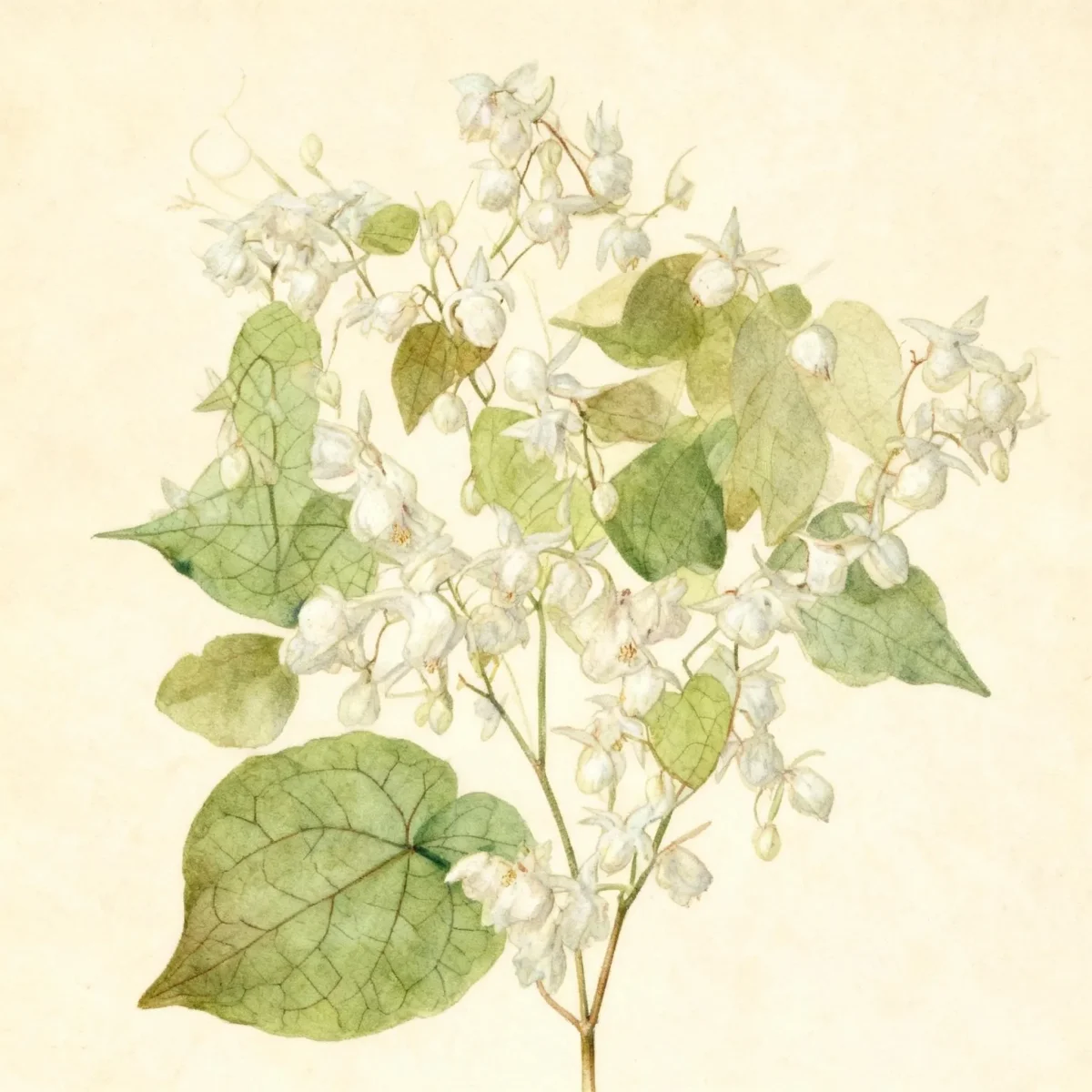
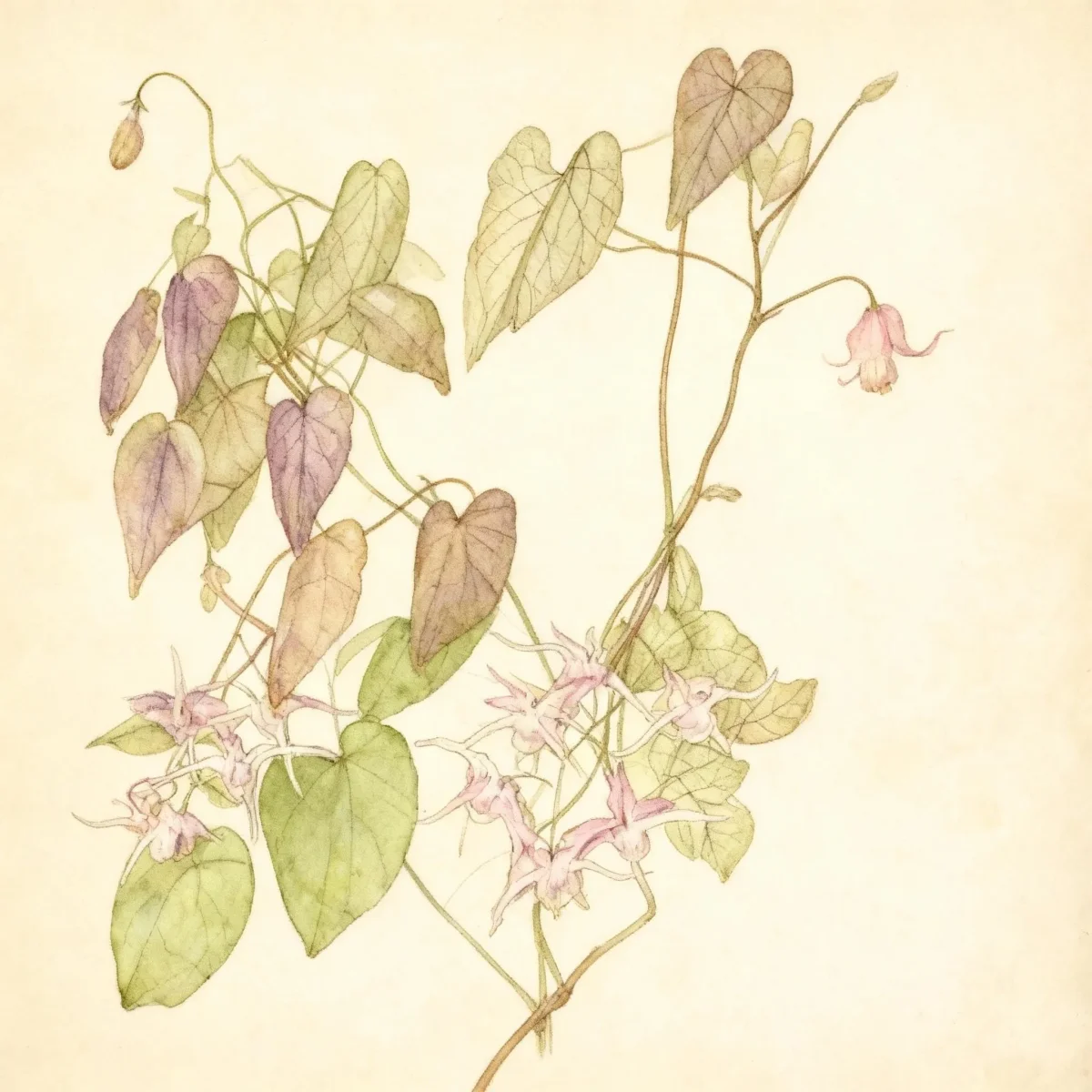
Bishop's hat (Epimedium pubigerum)
Discover Epimedium pubigerum, the tall Bishop's hat, thriving in dry shade. Ground cover with delicate spring blooms.
Scroll down to discover growing tips, care requirements, companion plants, and more
Complete Plant Information
Overview
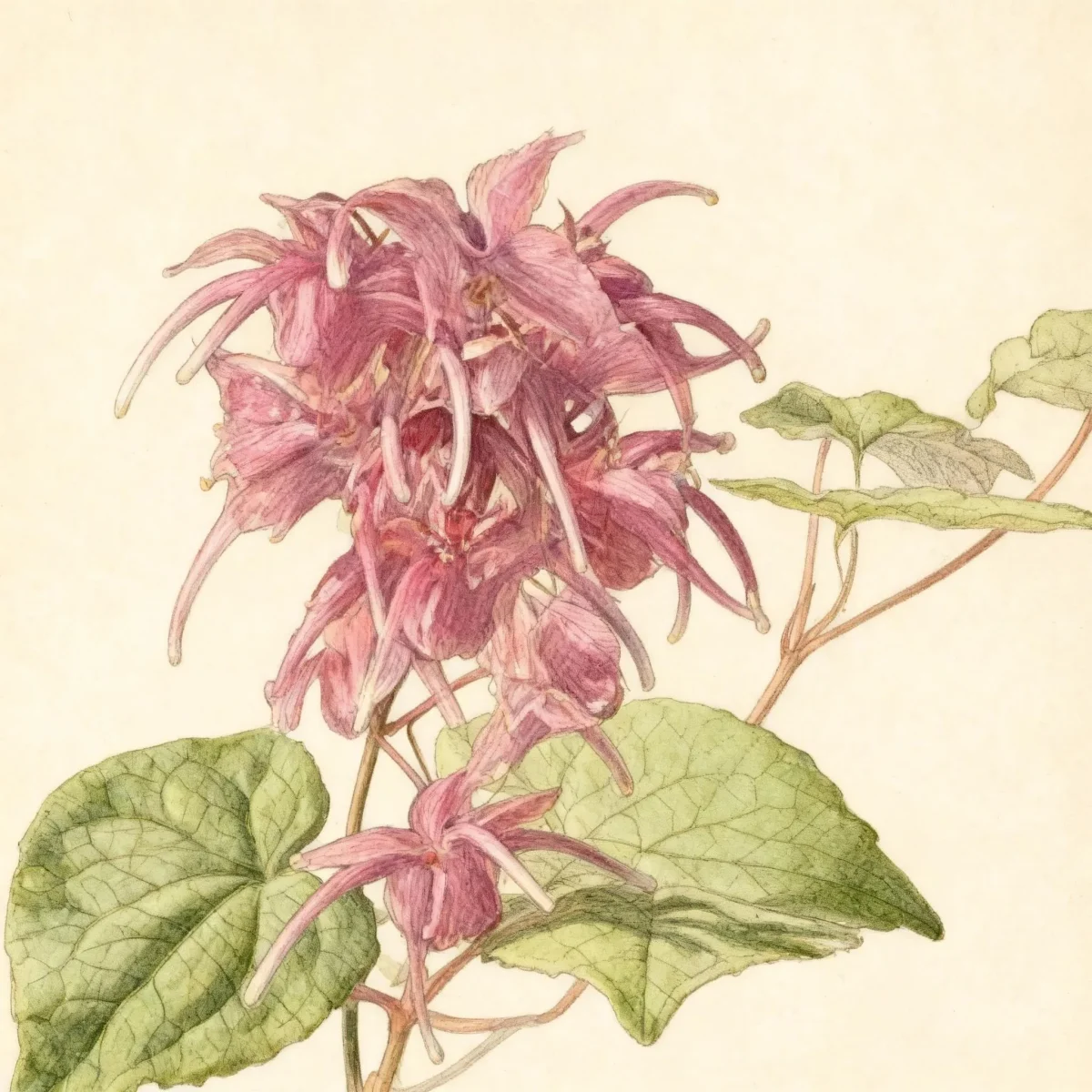
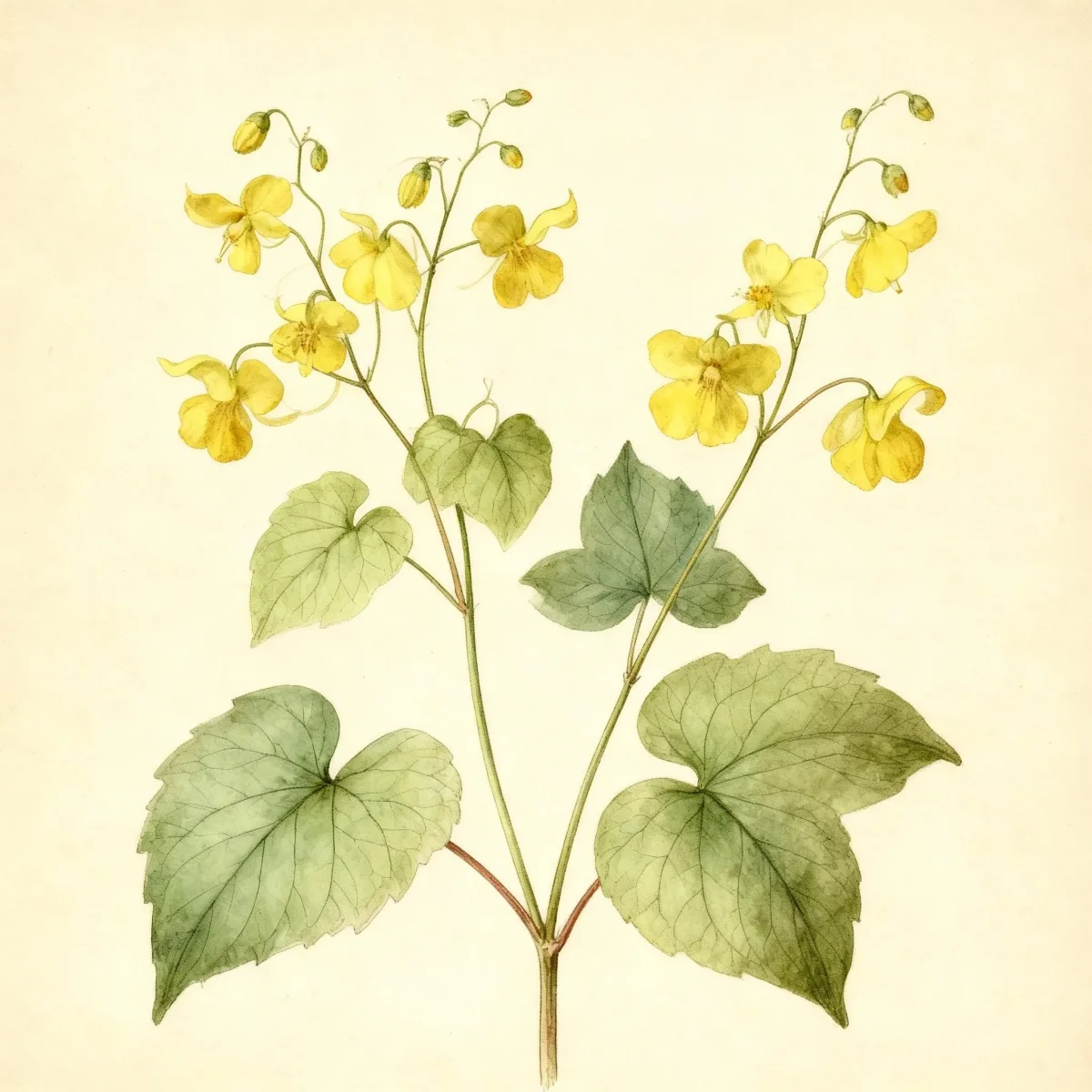
Epimedium pubigerum, commonly known as Bishop’s hat, stands out among its relatives as perhaps the tallest species in the genus. This dense, rhizomatous perennial is highly valued for its ability to colonize shady, difficult sites, forming substantial ground cover mounds. Gardeners appreciate the delicate, complex yellow flowers with contrasting inner sepals that signal the arrival of spring.
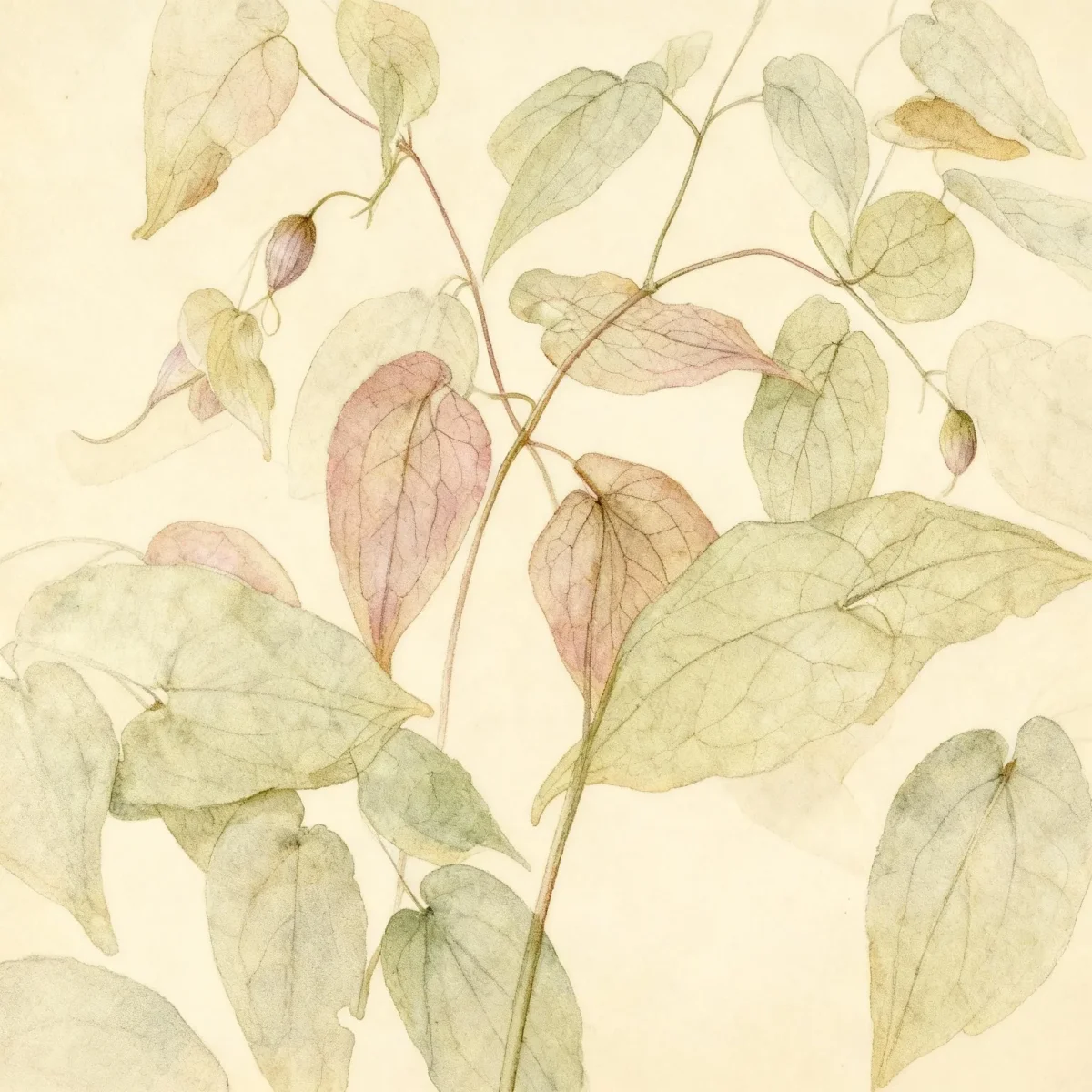
The foliage of Epimedium pubigerum is substantial—leathery, glossy, and dark green, providing consistent texture year-round, especially in milder climates. Its robust, spreading habit makes it an excellent solution for areas dominated by tree roots where turf grass struggles to survive. While its common name is Bishop’s hat, gardeners also recognize this versatile plant as Barrenwort or Fairy wings.
Once established, this plant requires minimal intervention, fitting seamlessly into low-maintenance garden designs, woodland settings, or naturalized slopes. The reliable performance and attractive springtime display solidify the status of Epimedium pubigerum as an indispensable shade perennial.
Fast Facts
- Plant Family: Berberidaceae
- Plant Type: Herbaceous perennial
- Native Range: Bulgaria, Turkey, Caucasus
- Hardiness Zones: USDA Zones 5-9
- Size at Maturity:
- Height: 1-2 ft
- Spread: 1-2 ft
- Bloom Time: April to June
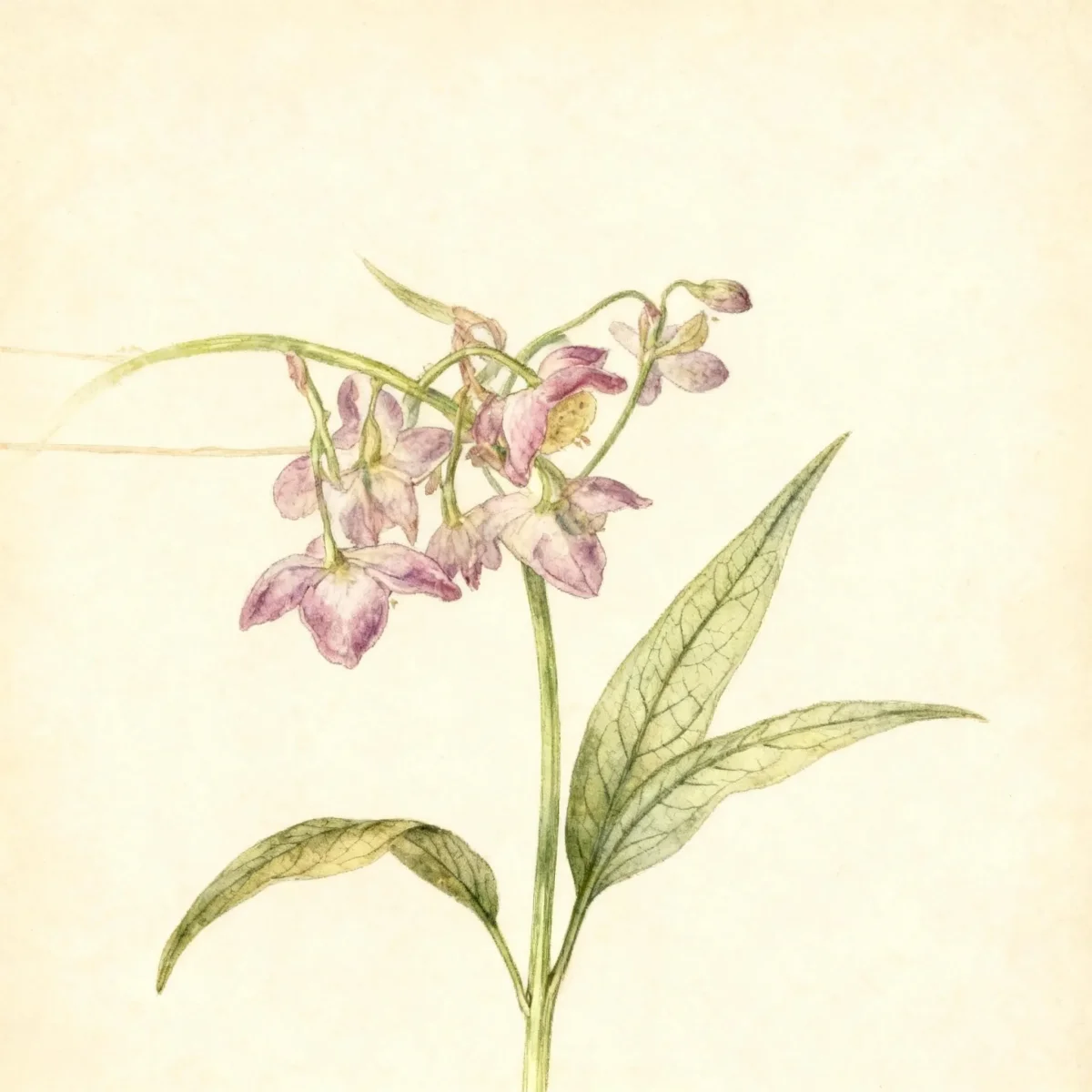
- Bloom Description: Yellow with pink to white inner sepals
- Sun Exposure: Part shade to full shade
- Water Needs: Dry to medium
- Maintenance Level: Low
How to Grow
The best time to establish Epimedium pubigerum is in fall or early spring, allowing the rhizomes to settle before summer heat or winter cold arrives. Plant in average to rich, well-drained soils, ensuring the crowns are set at the soil line. While it tolerates dry soil conditions, especially once mature, it performs best with even moisture during the initial establishment phase in a part shade location.
Maintenance for Bishop’s hat is notably low. This plant handles drought effectively after the first season, reducing the need for supplemental watering. Fertilization is rarely necessary if the soil has adequate organic matter; rich, moist soil is preferred but not mandatory for survival.
A key seasonal tip for cold winter regions involves late winter cleanup: prune back any old, remaining foliage that looks bronzed or spent before new growth emerges. This reveals the delicate spring flowers of the Epimedium pubigerum more clearly. Its rhizomatous nature means it spreads moderately, making it a strong competitor against tree roots.
Landscape Uses
Epimedium pubigerum excels as essential ground cover beneath established deciduous trees, happily utilizing the root space often hostile to other plants. Its evergreen to semi-evergreen structure ensures shady borders and woodland margins remain visually covered throughout the year, preventing bare patches. Consider using Bishop’s hat to soften the harsh lines of stone pathways or to create textured drifts in wild gardens.
Due to its preference for consistent shade and its dry tolerance once matured, suitable companions include Hosta cultivars that prefer drier conditions, Brunnera, and ferns like Japanese Painted Ferns. The relatively tall stature of this particular Epimedium allows it to stand slightly above shorter spring ephemerals, offering vertical accents in deep shade compositions. Planning mass plantings allows the rhizomes to knit together, maximizing its effectiveness in erosion control.
Standout Features
Flower Qualities
- Showy
Noteworthy Characteristics
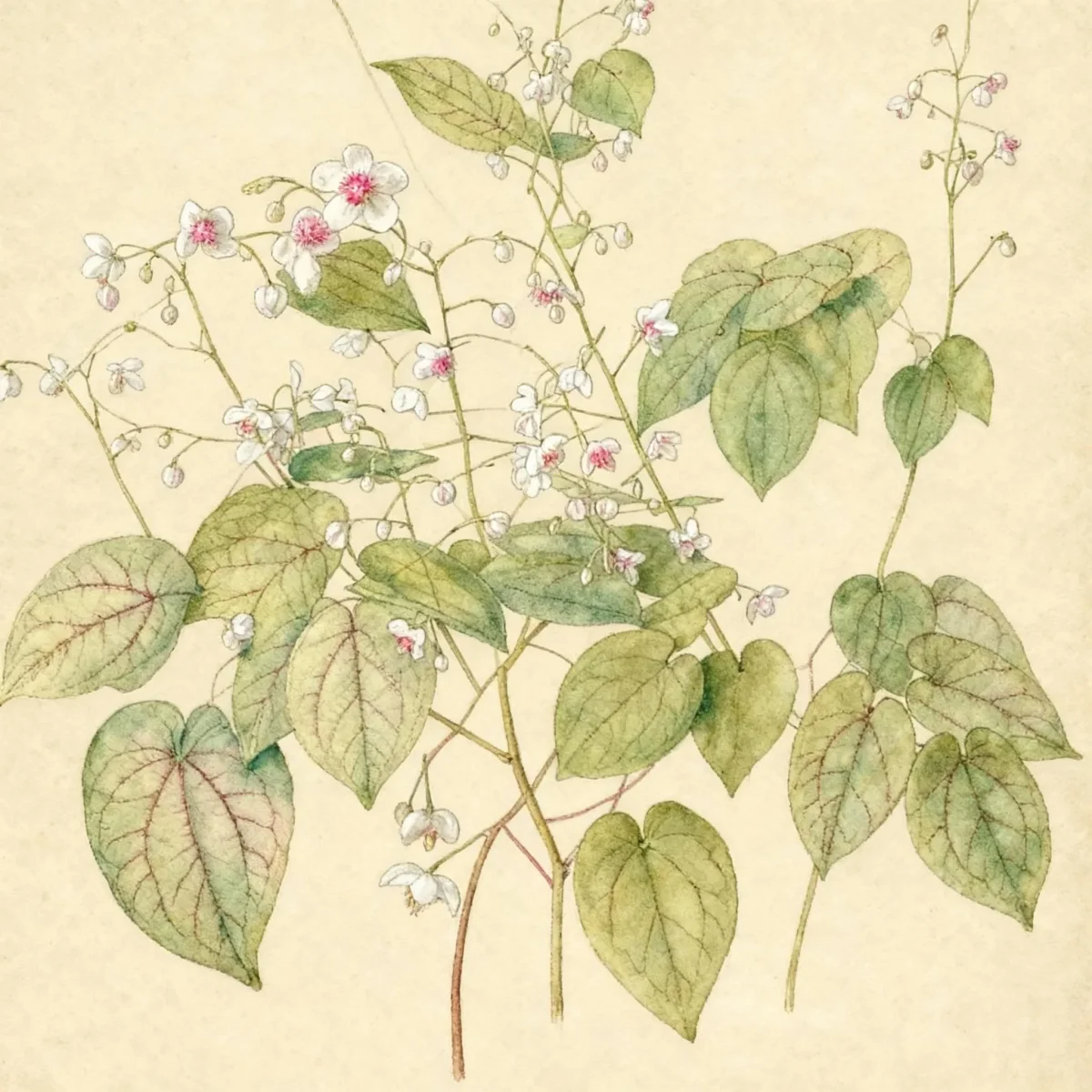
Epimedium pubigerum is a dense, rhizomatous perennial which is generally grown as a ground cover in shady woodland areas. This species is perhaps the tallest of the epimediums, featuring loose clusters of complex, dainty, cup-shaped yellowish flowers above the foliage on wiry stems up to 24” tall in spring. Leathery, glossy dark green, compound foliage forms dense, spreading mounds, with emerging leaves often tinged purple, while the genus name is sometimes called barrenwort or bishop’s hat.
Tolerances
- Rabbit
- Deer
- Drought
- Heavy Shade
- Erosion
- Dry Soil
- Shallow-Rocky Soil
Potential Problems
Epimedium pubigerum maintains an excellent clean bill of health, suffering from virtually no serious insect or disease problems under normal conditions. This low incidence of pests and pathogens is a significant factor contributing to its low-maintenance rating. Gardeners rarely need to employ chemical controls for this species.
If the plant is situated in overly hot, dry, exposed conditions (which contradicts its ideal preference), some foliage scorch might occur, though this is uncommon. The greatest threat is typically excessively wet or poorly draining soil, which can lead to crown rot rather than pest damage to the Bishop’s hat.
Frequently Asked Questions
What hardiness zones is Epimedium pubigerum suitable for?
This reliable perennial is suitable for USDA Hardiness Zones 5 through 9, providing reliable coverage across a significant range of North American climates.
How large does Bishop’s hat grow?
In terms of spread and height, Epimedium pubigerum typically matures to a spread of 1 to 2 feet wide and a height ranging from 1 to 2 feet tall.
What sun exposure does Epimedium pubigerum need?
This tough ground cover thrives best in conditions ranging from part shade to deep, heavy shade, making it ideal for woodland gardens.
When does Epimedium pubigerum bloom?
The attractive bloom period for this species spans from April through June, presenting delicate flowers that are yellow with pink to white inner sepals.
Conclusion
The Epimedium pubigerum offers gardeners a superb combination of reliable texture, excellent shade tolerance, and surprisingly showy spring flowers. As one of the tallest Bishop’s hats available, it fills vertical voids beneath trees beautifully while demanding very little care once established. Before planting, confirm your site falls within USDA Zones 5-9 and plan for spring cleanup to maximize the visibility of its early blooms.
Companion Planting
Selecting appropriate companions is key to maximizing the aesthetic appeal of Epimedium pubigerum in deep shade gardens. Since Epimediums spread via rhizomes and compete well under tree roots, pair them with other drought-tolerant shade lovers. Consider using shade-loving bulbs like snowdrops (Galanthus) or cyclamen to provide even earlier color splashes before the perennial foliage fully develops.
When planting Epimedium pubigerum near established trees, ensure new Epimedium groupings are kept well-watered until established, as tree roots rapidly consume soil moisture. Ferns, particularly those tolerant of dry shade such as Dryopteris species, complement the textured, heart-shaped leaflets of the Bishop’s hat perfectly, creating a naturalistic woodland floor effect.
Propagation Tips
The most straightforward method for increasing your stock of Epimedium pubigerum is simple division of the established clumps. Since this plant is rhizomatous, gently lift sections of the mature patch using a sharp spade in early spring or fall, ensuring each division has a healthy section of root and several growing points.
These divisions can then be immediately replanted in their final locations or potted up for nursery establishment. Because the root system can be vigorous but somewhat tough, soaking the divided sections in water for a few hours before replanting can help reduce transplant shock and encourage faster establishment of the Bishop’s hat.