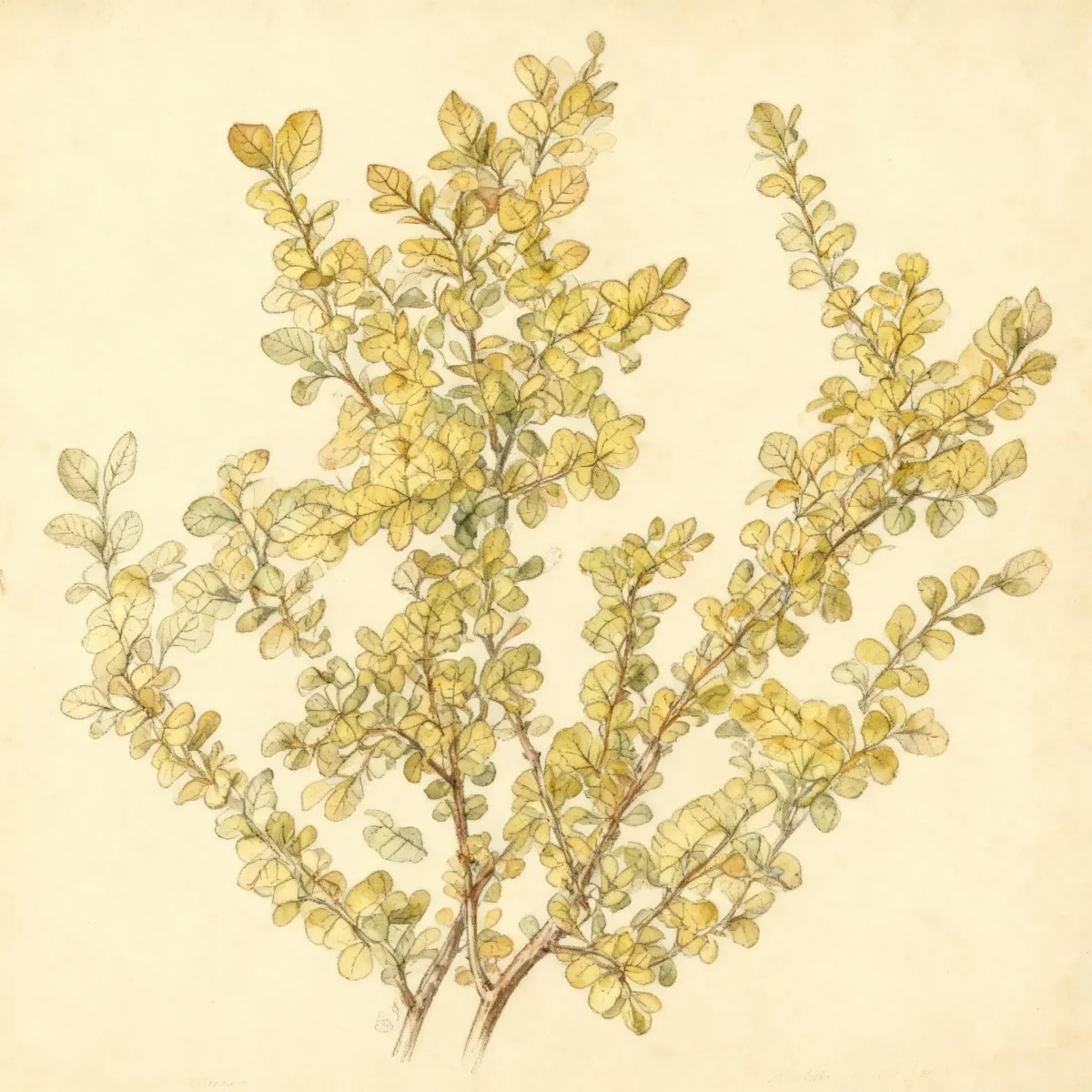
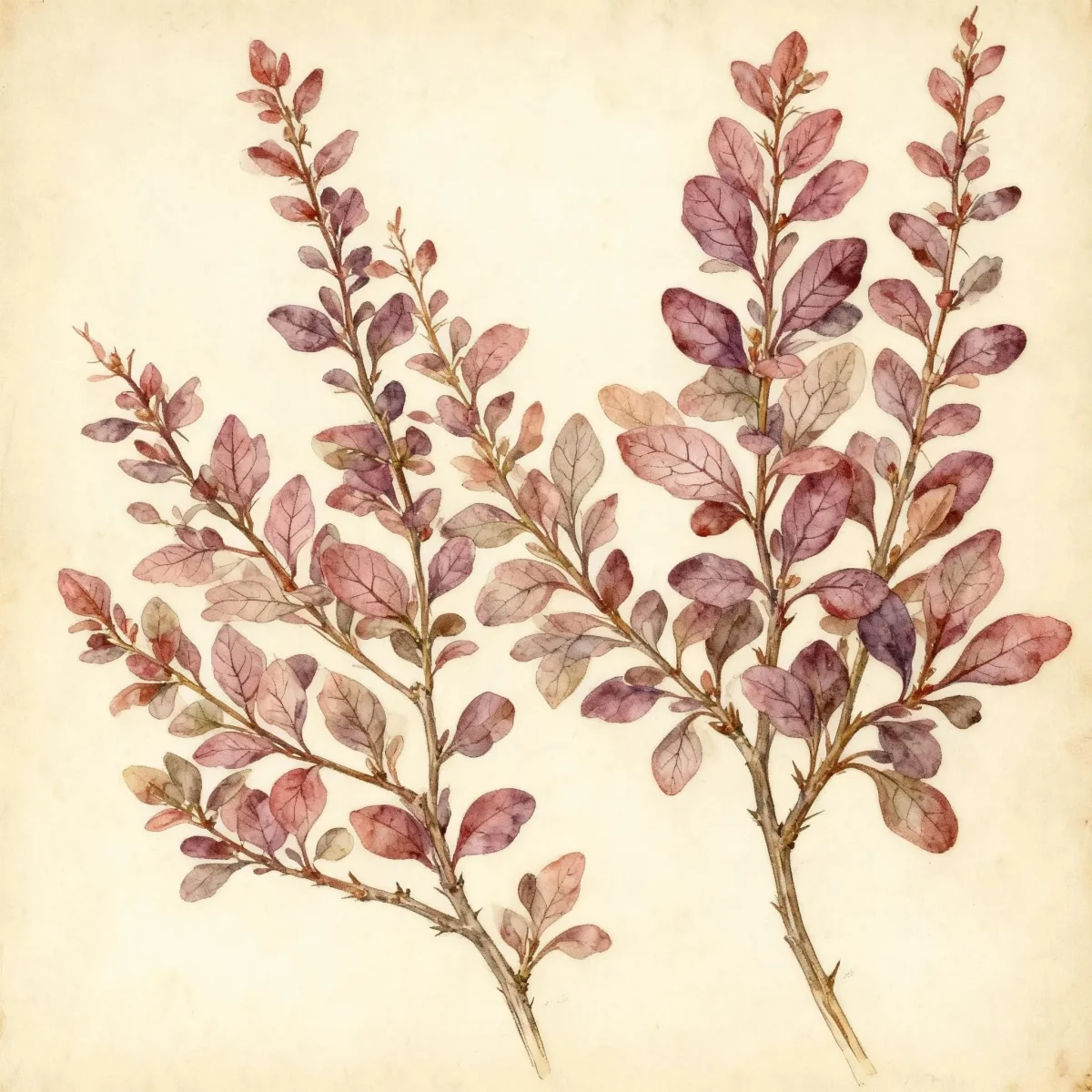
Japanese barberry (Berberis thunbergii)
Spiny, deciduous Berberis thunbergii, or Japanese barberry, offers vibrant fall color and low-maintenance structure for hedges and barriers.
Scroll down to discover growing tips, care requirements, companion plants, and more
Complete Plant Information
Overview
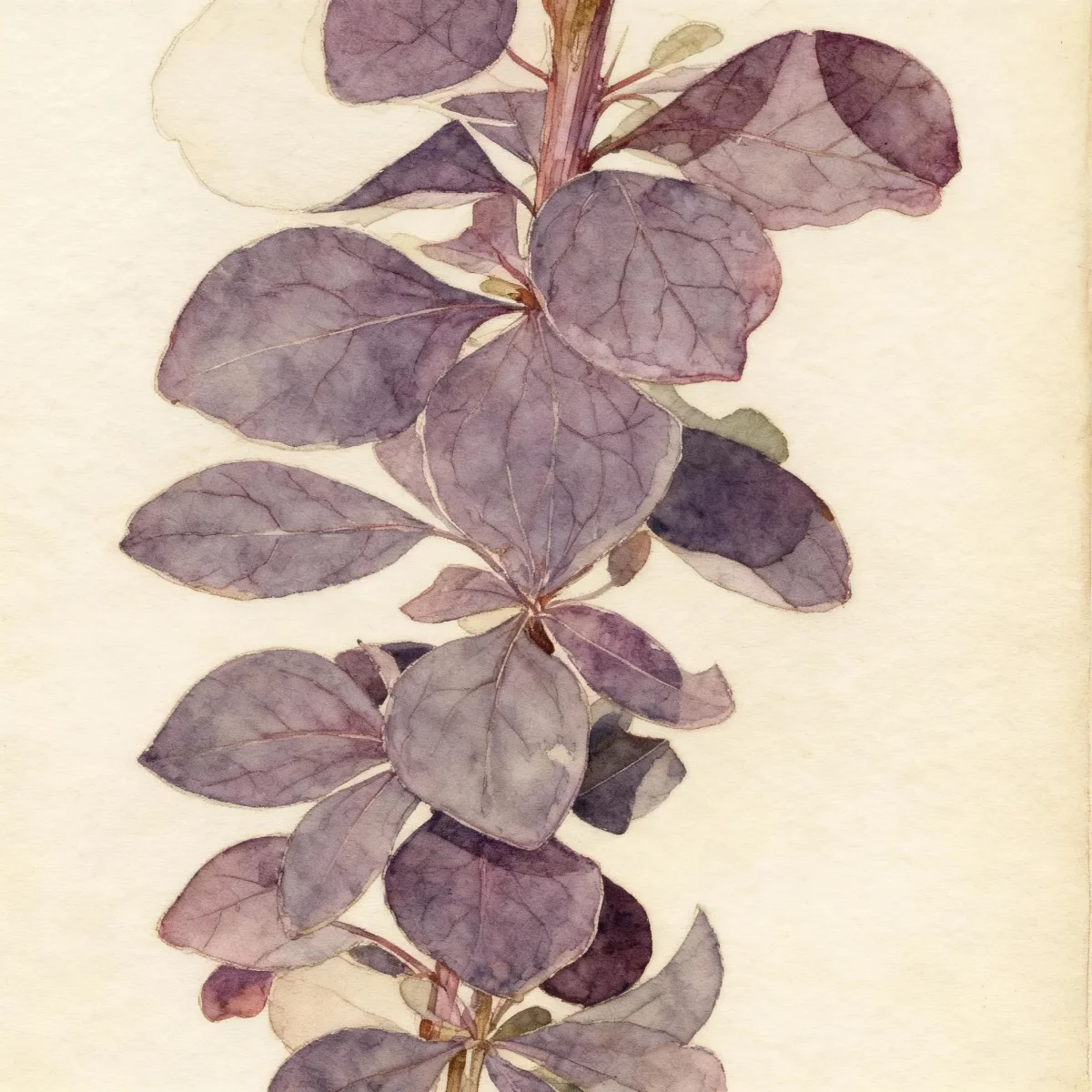
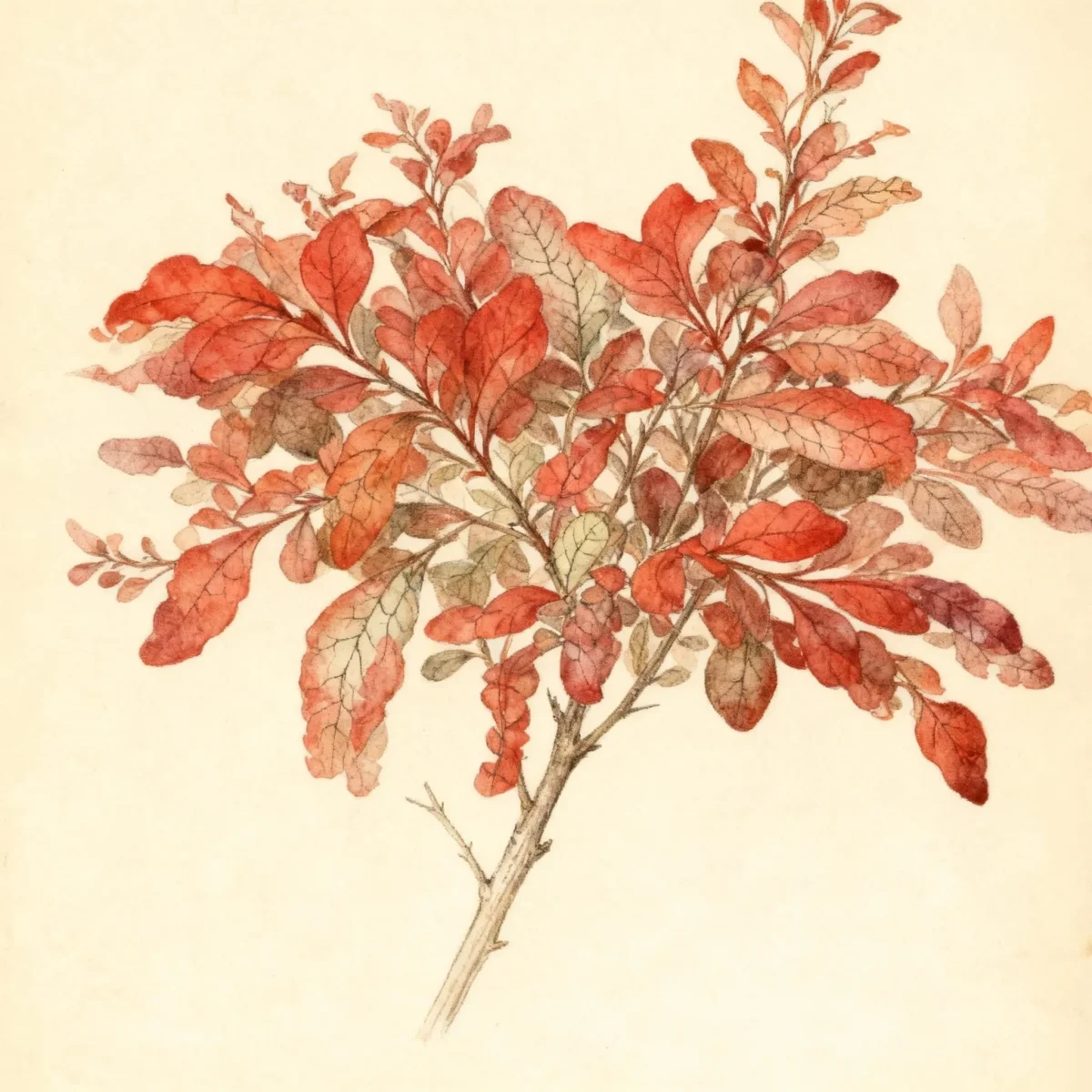
The Japanese barberry, Berberis thunbergii, is an indispensable, spiny, broad-rounded deciduous shrub prized for its adaptability and striking seasonal interest. Native to Japan, this plant readily provides structure, maturing typically to 3 to 6 feet tall, offering reliable greenery followed by brilliant orange, yellow, and red foliage colors in autumn. Gardeners appreciate Berberis thunbergii for its extremely low maintenance needs and tolerance for a wide variety of challenging conditions.
This adaptable shrub thrives best when situated in full sun, which maximizes its impressive fall color display and keeps the plant dense, though it will tolerate partial shade. While easily grown, it is crucial to note that Berberis thunbergii can be highly invasive in certain regions, easily spreading by seeds distributed by birds. Therefore, gardeners balancing aesthetic gain with ecological awareness should consider native alternatives, especially in sensitive ecosystems.
Functionally, the dense branching and sharp spines of the Japanese barberry make it an excellent deterrent. It excels when used as a defensive border or impenetrable hedge where low upkeep and drought tolerance are key requirements for success.
Fast Facts
- Plant Family: Berberidaceae
- Plant Type: Deciduous shrub
- Native Range: Japan
- Hardiness Zones: USDA Zones 4-8
- Size at Maturity:
- Height: 3-6 ft
- Spread: 4-7 ft
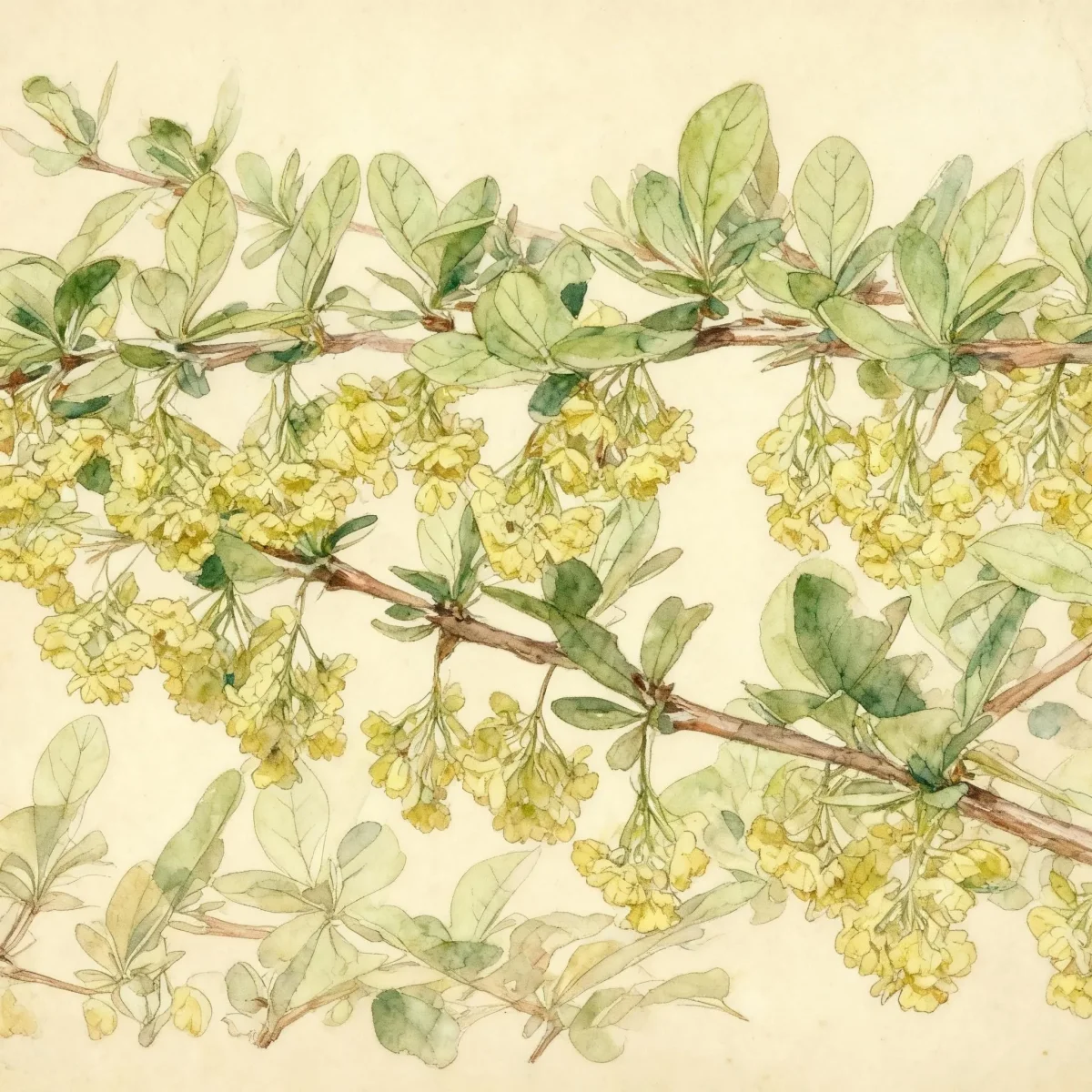
- Bloom Time: April to May
- Bloom Description: Pale yellow
- Sun Exposure: Full sun
- Water Needs: Dry to medium
- Maintenance Level: Low
How to Grow
Planting Berberis thunbergii is straightforward, as it adapts well to average, well-drained soils. The best planting time is typically during the cooler seasons—spring or fall—to allow the roots to establish before summer heat or winter cold. Ensure the location offers ample sun exposure; while it tolerates some shade, full sun encourages the strongest growth and best autumn coloration for your Japanese barberry.
Care requirements are minimal, reflecting its low maintenance profile. Water deeply when establishing, but once mature, Berberis thunbergii demonstrates significant drought tolerance. It generally should not be fertilized regularly. Pruning is mainly required to maintain shape for hedges or to remove any undesirable suckers, as plants spread slowly by creeping roots.
Be mindful of soil drainage; this species strongly dislikes standing water or saturated ground, being intolerant of poorly-drained, wet soils. To manage its spreading habit and potential invasiveness in certain areas, deadheading blooms or removing seedlings promptly is advisable, as birds readily distribute the showy fruits.
Landscape Uses
The robust nature and spiny defenses of Japanese barberry lend themselves perfectly to functional landscaping roles. Use it extensively as a formal or informal hedge or edger where its density forms a natural, thorny barrier against unwanted entry or boundary incursions. It is also highly recommended as an accent plant near foundations or to provide vertical contrast in simple shrub borders.
For a more naturalized look, Berberis thunbergii can be allowed to spread slowly, creating dense borders that suppress weeds due to its dense canopy and shading effect, though caution regarding invasiveness must be exercised. Its structure provides excellent year-round interest, even when the leaves drop, due to the persistent, often brightly colored fruit.
When designing, pair this shrub with plants that share similar dryness and sun requirements, such as ornamental grasses or tough, small evergreen conifers, ensuring a cohesive, low-water garden tapestry featuring the rich textures of Berberis thunbergii.
Standout Features
Flower Qualities
- Showy
Fruit Qualities
- Showy
Noteworthy Characteristics
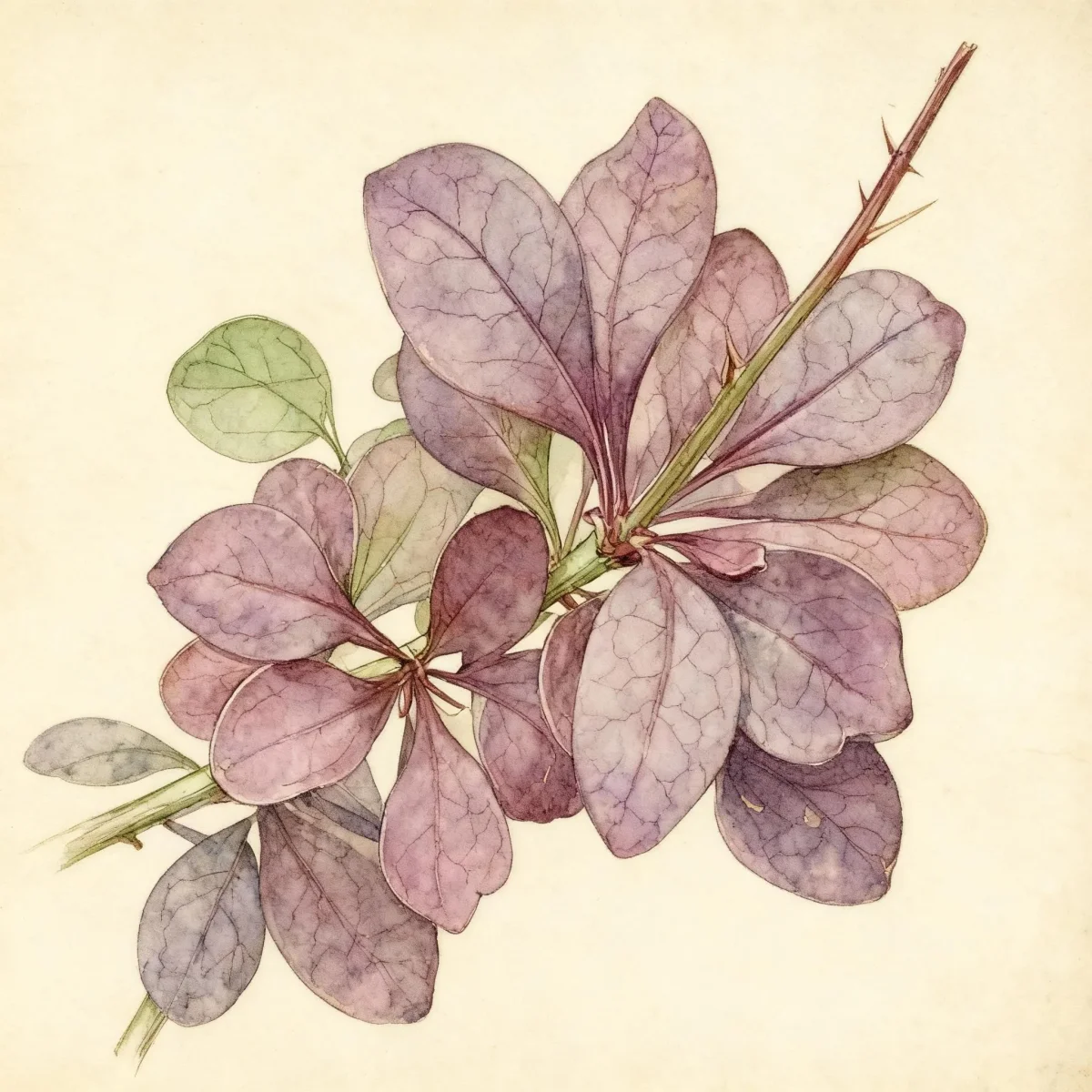
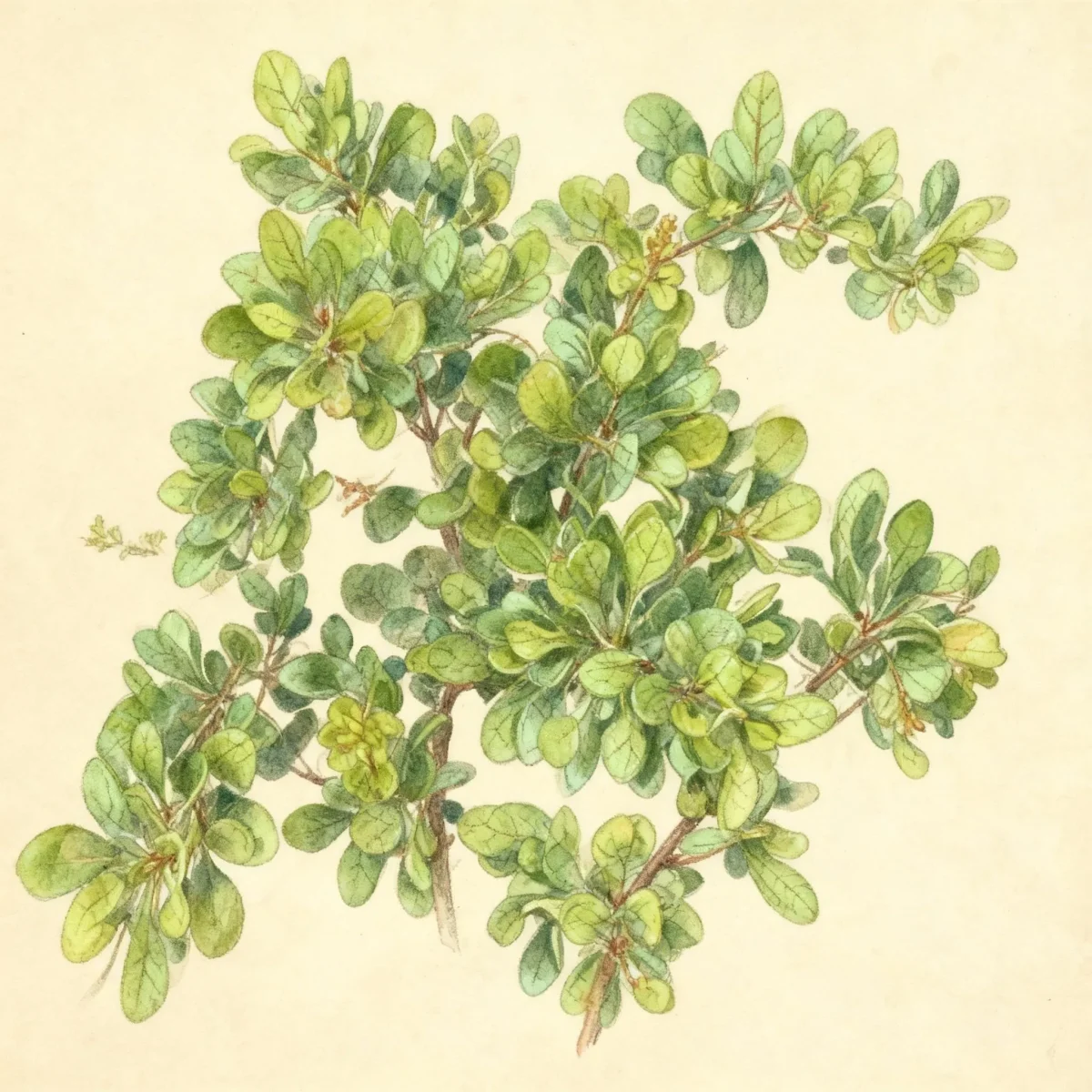
Berberis thunbergii, commonly called Japanese barberry, is a spiny, broad-rounded, deciduous shrub with obovate green leaves. It typically matures to 5’ tall and as wide, and its leaves turn attractive shades of orange, yellow and red in fall. The genus name honors Swedish botanist Carl Peter Thunberg, who first identified this species in Japan.
Tolerances
- Deer
- Drought
- Erosion
- Clay Soil
- Dry Soil
Potential Problems
Berberis thunbergii generally experiences few serious pest issues, making it a reliable choice for low upkeep. However, gardeners should watch for susceptibility to fungal diseases like bacterial leaf spot, anthracnose, root rots, and wilt, especially in overly wet conditions. Common pests include aphids, barberry webworm, and scale insects.
The sharp, grasping stems notoriously trap and hold wind-blown litter, creating unsightly debris pockets that require manual cleaning. More significantly, this species is known to be highly invasive in portions of the Eastern US. It forms impenetrable thickets that leaf out early, shading and outcompeting vital native wildflowers and understory species. Prevention involves careful site selection and vigilant removal of seedlings.
Frequently Asked Questions
What hardiness zones is Japanese barberry suitable for?
The Japanese barberry (Berberis thunbergii) is adaptable across USDA Hardiness Zones 4 through 8.
How large does Berberis thunbergii grow?
This shrub typically reaches mature heights between 3 and 6 feet tall, with a comparable spread of 4 to 7 feet wide.
What sun exposure does Japanese barberry need?
For optimal performance, including the best fall color, Berberis thunbergii requires full sun; however, it can tolerate part shade.
When does Japanese barberry bloom?
The shrub produces small, pale yellow flowers typically blooming from April into May.
Conclusion
The Japanese barberry (Berberis thunbergii) remains a staple in landscapes requiring tough, visually interesting, and low-maintenance screening or accent planting. Its spiny nature provides unparalleled structure, supported by low water needs and tolerance for poor soils. Before planting, always confirm local regulations, as aggressive self-seeding can lead to invasive issues; plan your installation during the spring or fall for the best establishment.
Companion Planting
When incorporating Berberis thunbergii into a mixed border, selecting companions that appreciate the same dry, sunny conditions is key. Consider drought-tolerant perennials like Russian Sage (Perovskia atriplicifolia) or various ornamental grasses, such as Blue Fescue (Festuca glauca), which offer contrasting fine texture against the coarser leaves of the barberry. These pairings allow the vibrant fall colors of the Japanese barberry to truly pop during the changing seasons.
Avoid planting near moisture-loving species, as the Berberis thunbergii will struggle if its roots become consistently saturated in poorly-drained areas. This plant’s inherent resistance to deer also makes it a good companion for more palatable shrubs in areas where browsing is a concern.
Seasonal Care Calendar
Spring preparation for your Berberis thunbergii involves a light inspection after the last frost to remove any winter-damaged wood before new growth begins. Since maintenance is low, fertilizer is usually unnecessary unless soil tests indicate severe nutrient deficiencies. Summer care focuses primarily on monitoring moisture during extended dry spells, though established plants rarely require supplemental watering.
In the fall, trimming branches that have rooted where they touch the ground will help manage potential spread. If you desire clean planting beds, the most crucial fall task is removing berries before birds can disperse them widely, mitigating volunteer seedlings. Winter protection is generally not required for this hardy species in its established zones.