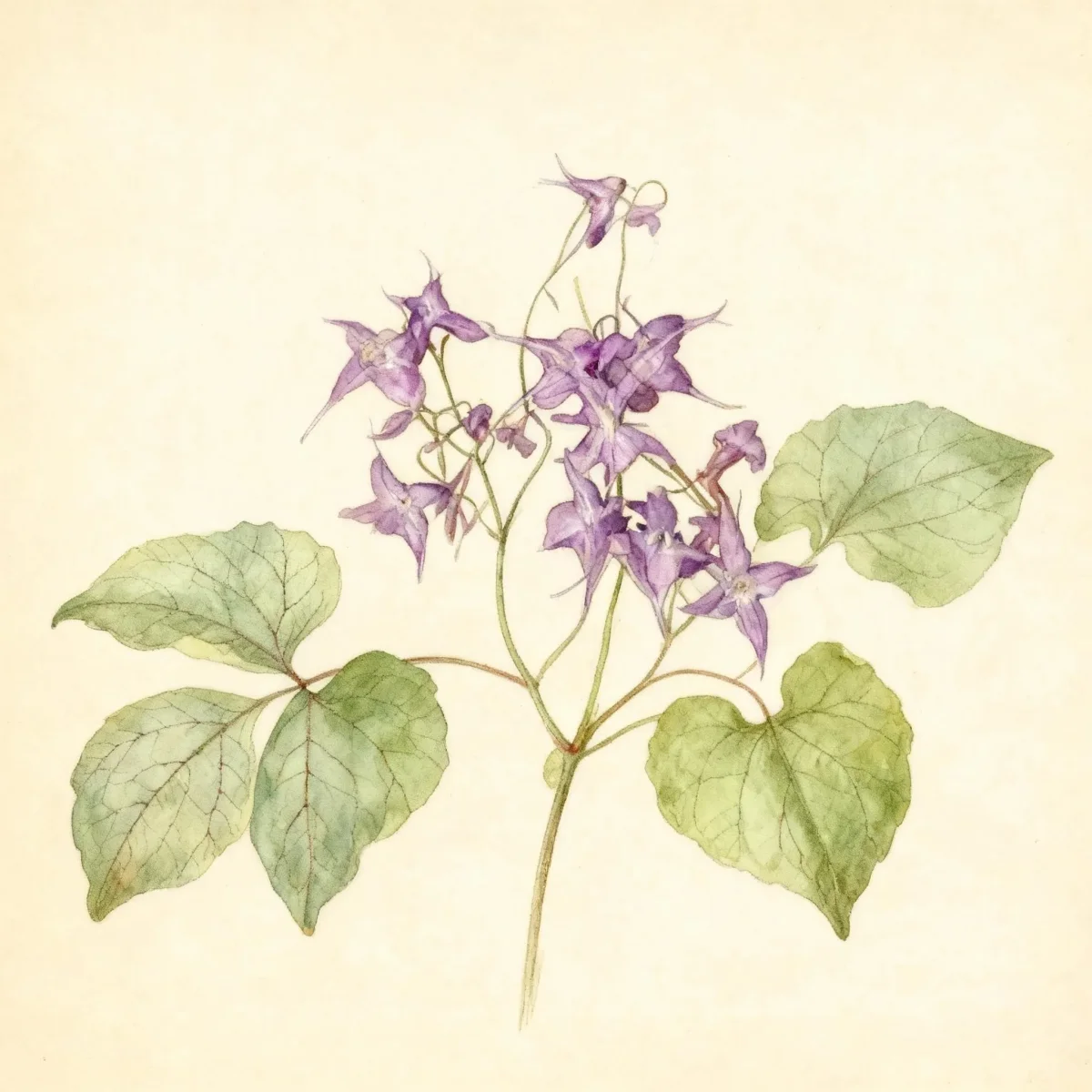
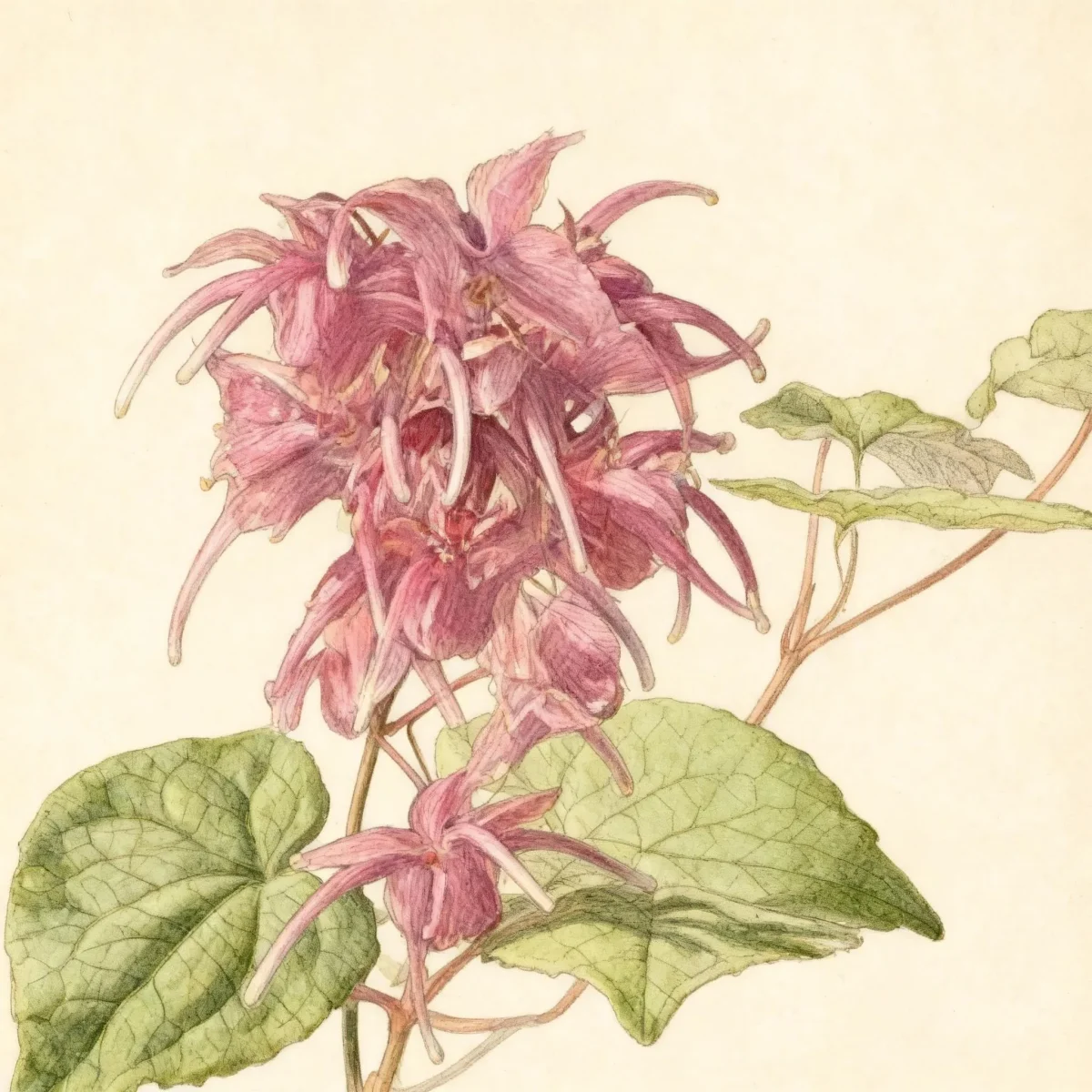
American barrenwort (Vancouveria hexandra)
Vancouveria hexandra, or American barrenwort, is a low-maintenance perennial perfect for cool, shady woodland gardens.
Scroll down to discover growing tips, care requirements, companion plants, and more
Complete Plant Information
Overview
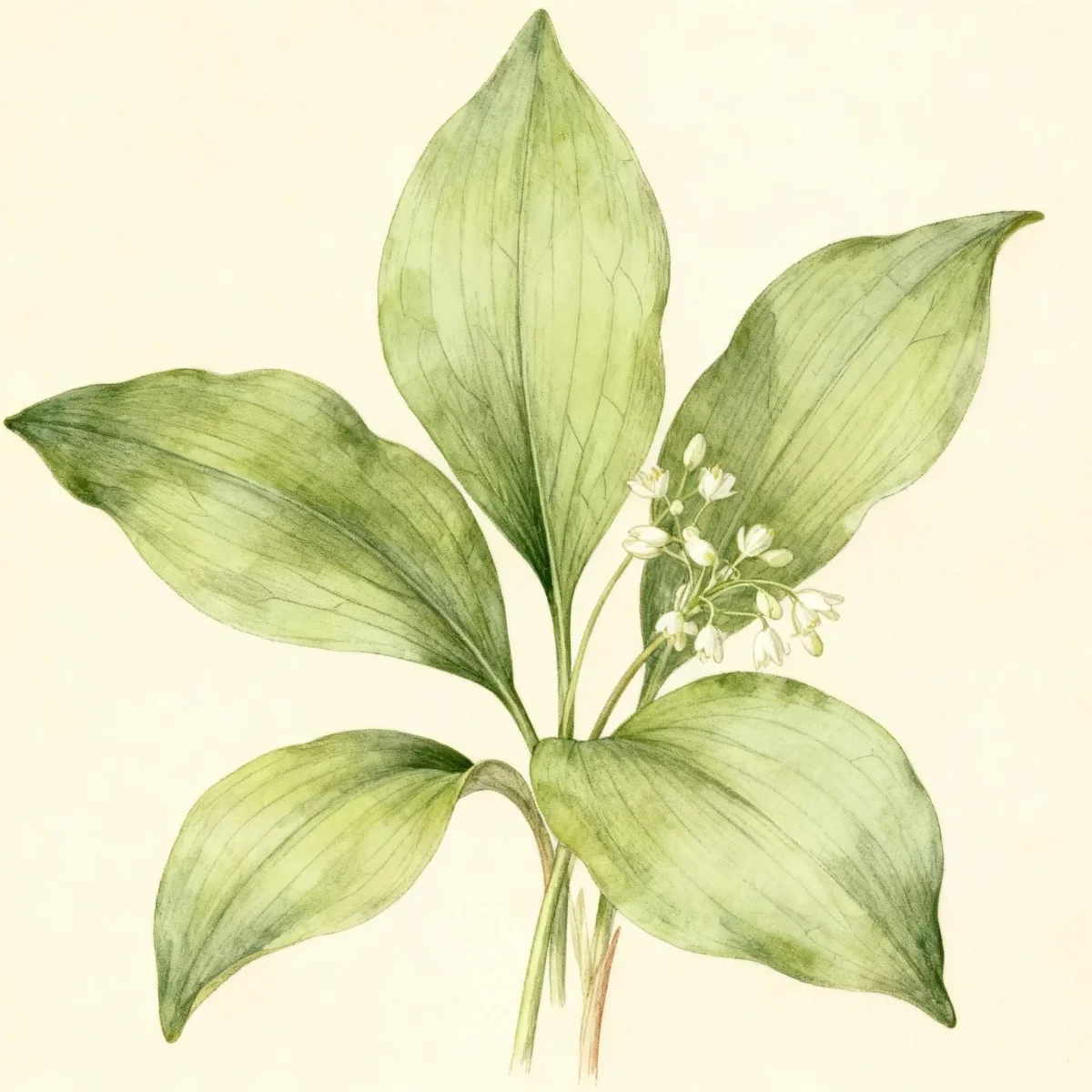
Vancouveria hexandra, commonly known as American barrenwort or inside-out flower, offers delicate beauty ideally suited for deep shade conditions where few other perennials thrive. This rhizomatous woodland native forms a lush groundcover of pale, heart-shaped leaflets, providing fine texture throughout the growing season. Its unique floral structure, with petals and sepals swept sharply backward, gives rise to its popular name.
As a slow-spreading perennial, American barrenwort provides lasting ecological value in western woodland settings. It generally requires low maintenance once established, provided its specific cultural needs for cool, consistently moist soil are met. Gardeners appreciate this plant for its reliable performance in challenging shady spots under established trees or along moist north-facing woodland paths.
The charm of Vancouveria hexandra lies in its understated elegance, featuring nodding sprays of white, intricate flowers that emerge in late spring atop slender stems. This species is an excellent naturalizing choice, creating a carpeting effect reminiscent of Epimediums, making it a versatile addition to native plantings, rock gardens, and border fronts needing reliable, cool-toned ground cover.
Fast Facts
- Plant Family: Berberidaceae
- Plant Type: Herbaceous perennial
- Native Range: Western United States
- Hardiness Zones: USDA Zones 5-7
- Size at Maturity:
- Height: 1-1.5 ft
- Spread: 1-1.5 ft
- Bloom Time: May to July
- Bloom Description: White
- Sun Exposure: Part shade to full shade
- Water Needs: Medium
- Maintenance Level: Low
How to Grow
Plant Vancouveria hexandra during cooler periods, ideally spring or fall, to minimize transplant shock. Select a location that mimics its native habitat: cool, organically rich, acidic soil that maintains consistent moisture but remains well-drained. When establishing American barrenwort as a carpet, space starter plants approximately 10-12 inches apart to allow room for the rhizomes to spread and fill in over time.
Watering is crucial; this plant requires medium water availability and performs poorly if allowed to dry out, especially during hot, dry summers. Avoid high heat and drying winds, as both can stress the foliage quickly. While generally low-maintenance, amending the soil with ample organic matter annually helps maintain the rich, acidic conditions required for optimum vigor.
Since this is a woodland perennial, heavy fertilization is usually unnecessary. Focus instead on maintaining soil moisture and providing a protective layer of mulch that keeps the roots cool. If division is necessary to control spread or acquire new plants, propagate Vancouveria hexandra by dividing the rhizomes, ideally in early spring or fall.
Landscape Uses
Vancouveria hexandra excels as ground cover, slowly forming an attractive, dense mat ideal for suppressing weeds in shady areas where turf struggles. Its use as an edger along shaded paths or walkways defines space elegantly while providing year-round structural interest with its persistent, semi-evergreen foliage. Mass plantings in woodland gardens or wild garden settings create a stunning naturalized tapestry.
Due to its light-loving preference for dappled light, consider pairing American barrenwort with other shade-tolerant woodland natives such as ferns, hostas, or bleeding hearts. Its airy white flowers provide a lovely contrast against dark green foliage or the deep shadows cast by large trees. It also thrives beneath the canopy of deciduous trees, offering shade tolerance when they leaf out fully in summer.
This plant works effectively in partially shaded rock gardens or nestled near foundations where it receives protection and moisture. The soft texture of the leaves softens hardscape edges, making it a superior choice over traditional ground covers where root competition from large trees is a factor.
Standout Features
Flower Qualities
- Showy
Noteworthy Characteristics
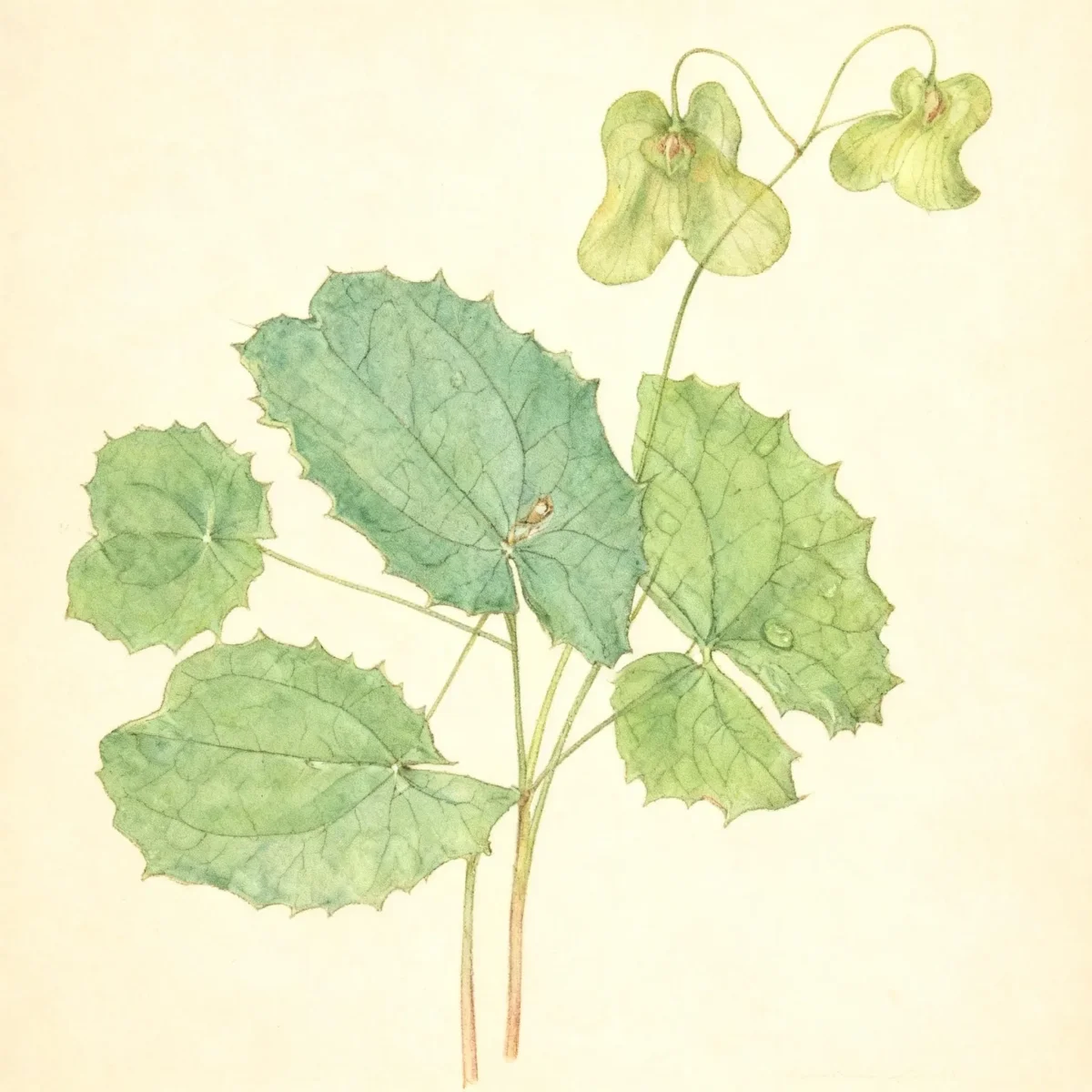
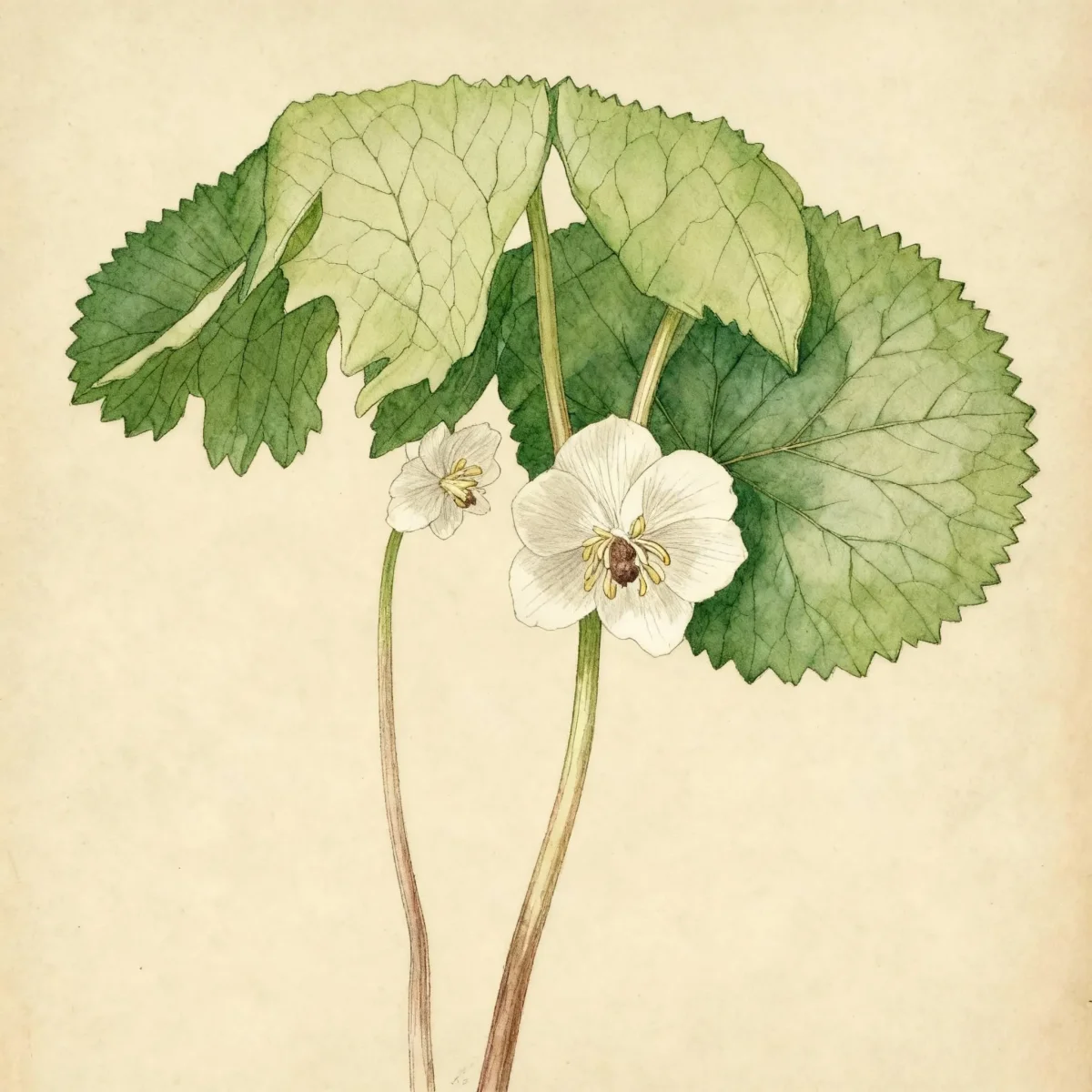
Vancouveria hexandra, commonly called American barrenwort or inside-out flower, is a rhizomatous, basal-leaved, woodland perennial that grows to 12-18” tall with a spread to 12” wide or more. It slowly forms over time a ground cover reminiscent of some epimediums. Drooping white flowers bloom in an open panicle of 10-30 nodding flowers atop a leafless stem rising above the foliage in late spring to early summer. Petals and sepals are swept backwards, hence the common name of inside-out flower.
Tolerances
- Protect from drying winds
Potential Problems
Generally, American barrenwort exhibits remarkable resilience against pests and diseases. Gardeners should not anticipate significant issues regarding insects or fungal infections when cultural conditions are appropriate. The primary threat comes from environmental stress rather than biology.
Preventing stress by ensuring the soil remains consistently moist and cool is the best defense. Plants perform poorly when exposed to hot, dry summer conditions or full, intense sun, which can lead to foliage scorch or decline. Focus management efforts on soil amendment and careful watering during dry spells.
Frequently Asked Questions
What hardiness zones is American barrenwort suitable for?
Vancouveria hexandra is generally hardy and suitable for USDA Zones 5 through 7.
How large does American barrenwort grow?
This species typically reaches a height between 1 foot and 1.5 feet, spreading to a similar width of 1 to 1.5 feet as it colonizes an area.
What sun exposure does Vancouveria hexandra need?
Vancouveria hexandra requires part shade to full shade conditions to thrive; bright, direct sunlight should be avoided.
When does American barrenwort bloom?
The delicate white flowers of American barrenwort appear relatively late in the season, typically blooming from May through July.
Conclusion
The American barrenwort offers an exceptional low-maintenance solution for difficult, moist, shady environments, providing delicate white flowers and appealing textured foliage. Ensure consistent moisture and cool soil to successfully grow Vancouveria hexandra. Check your local hardiness zone compatibility and plan your planting for spring or fall to establish this lovely woodland native.
Companion Planting in Shade
Successful shade gardening involves pairing plants with similar cultural needs. Because Vancouveria hexandra requires rich, acidic, consistently moist soil, look toward other woodland floor inhabitants for ideal neighbors. Hosta varieties with deep green or blue foliage create a striking textural contrast against the finer leaflets of the barrenwort.
Consider combining American barrenwort with ferns, particularly Dryopteris or Athyrium varieties, which appreciate similar deep shade and humidity levels. For springtime color before the Vancouveria hexandra is at its peak bloom, early bloomers like Trillium or native Viola species offer ephemeral beauty that complements the perennial structure.
When planting under mature trees, select companions that are not overly vigorous in root competition. Ground covers like wild ginger (Asarum) or certain creeping sedges (Carex) can fill in spaces effectively alongside Vancouveria hexandra while maintaining the natural, layered look of a healthy woodland floor.
Seasonal Care Calendar for American Barrenwort
Spring is the active growing period for Vancouveria hexandra; this is the best time to incorporate a thin layer of compost around the clumps to replenish organic matter and adjust soil acidity. Monitor moisture levels closely as the spring rains taper off; supplemental irrigation may be required before the summer heat sets in.
Summer care centers entirely around moisture management. If the region experiences a drought, deep, infrequent watering is necessary to prevent the foliage from drying out and scorching, especially if the plant is situated near thirsty tree roots. Keep any mulch layer topped up to insulate the soil from high temperatures.
As autumn arrives, foliage may start to look tired, but minimal cleanup is usually required because the leaves persist well into winter. Protect plants, especially newly planted specimens, from winter desiccation by ensuring they have adequate moisture entering dormancy, and shield them from harsh winter winds where possible.