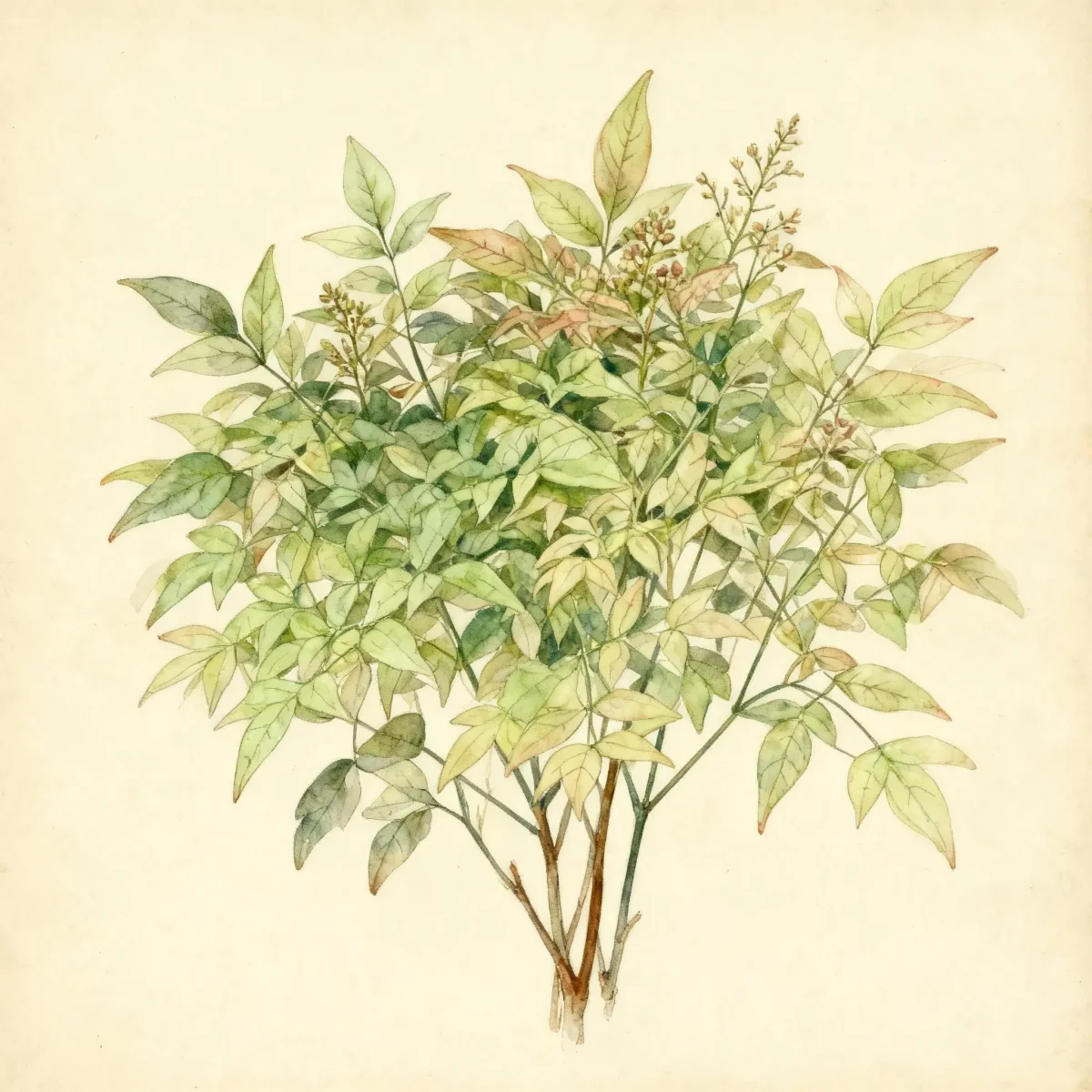
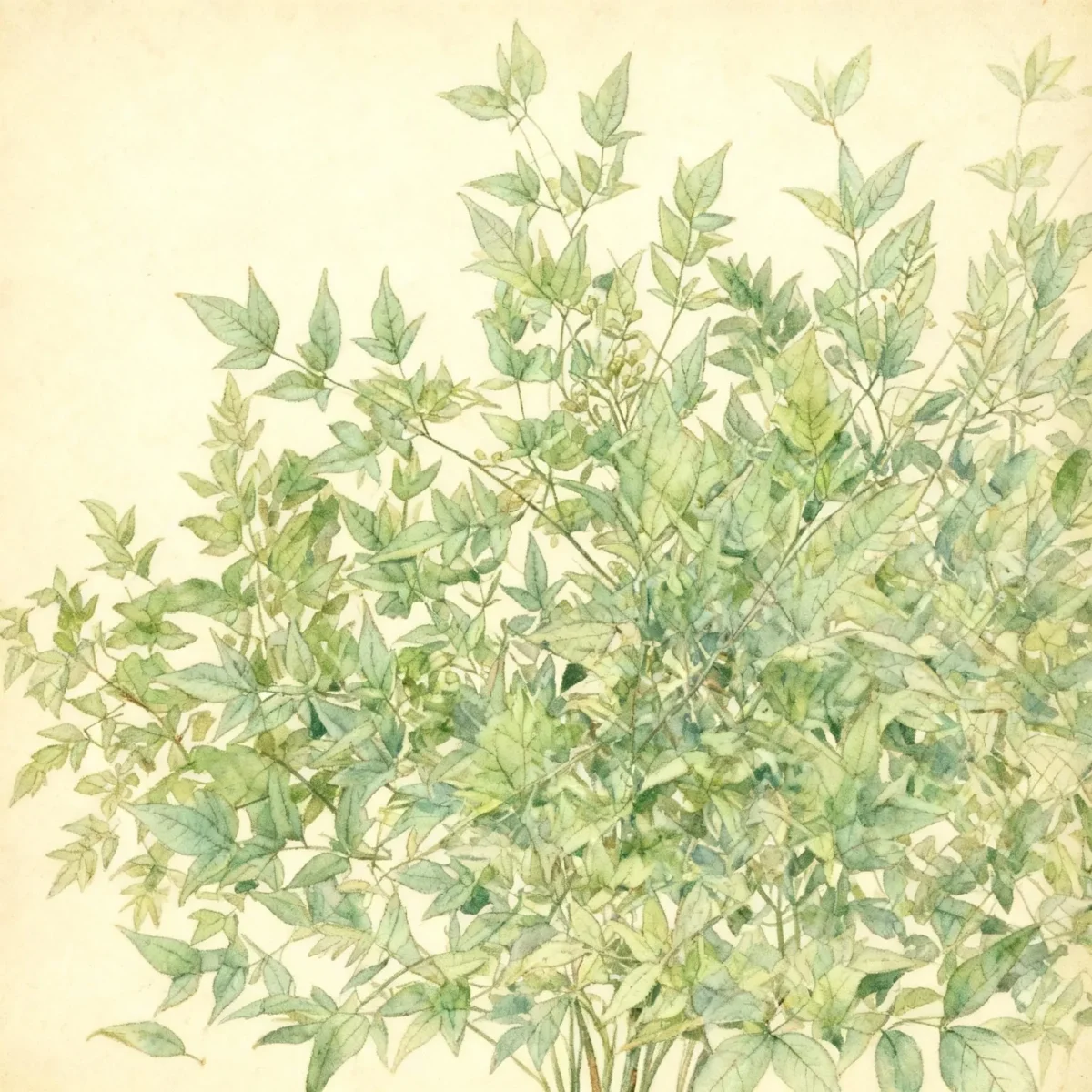
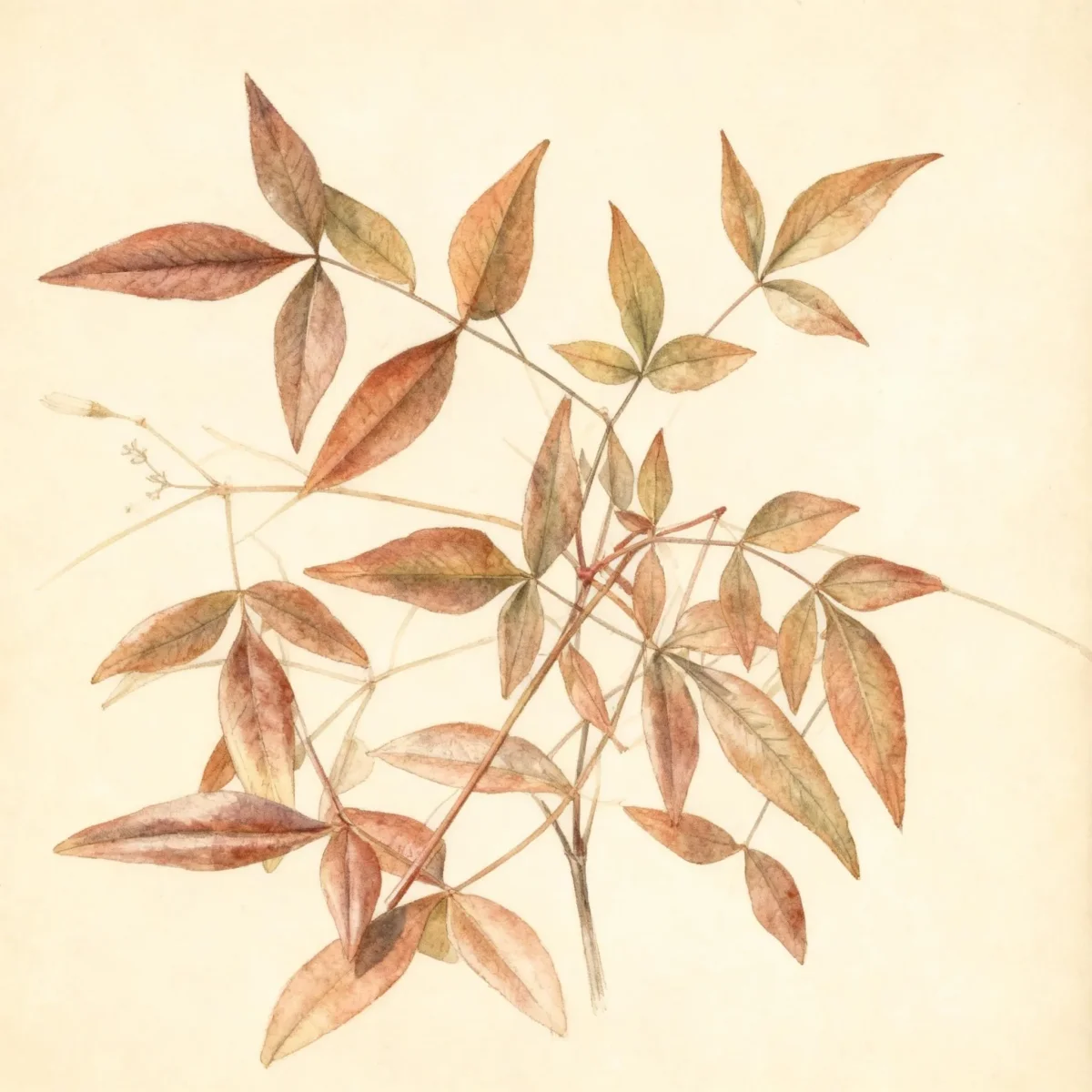
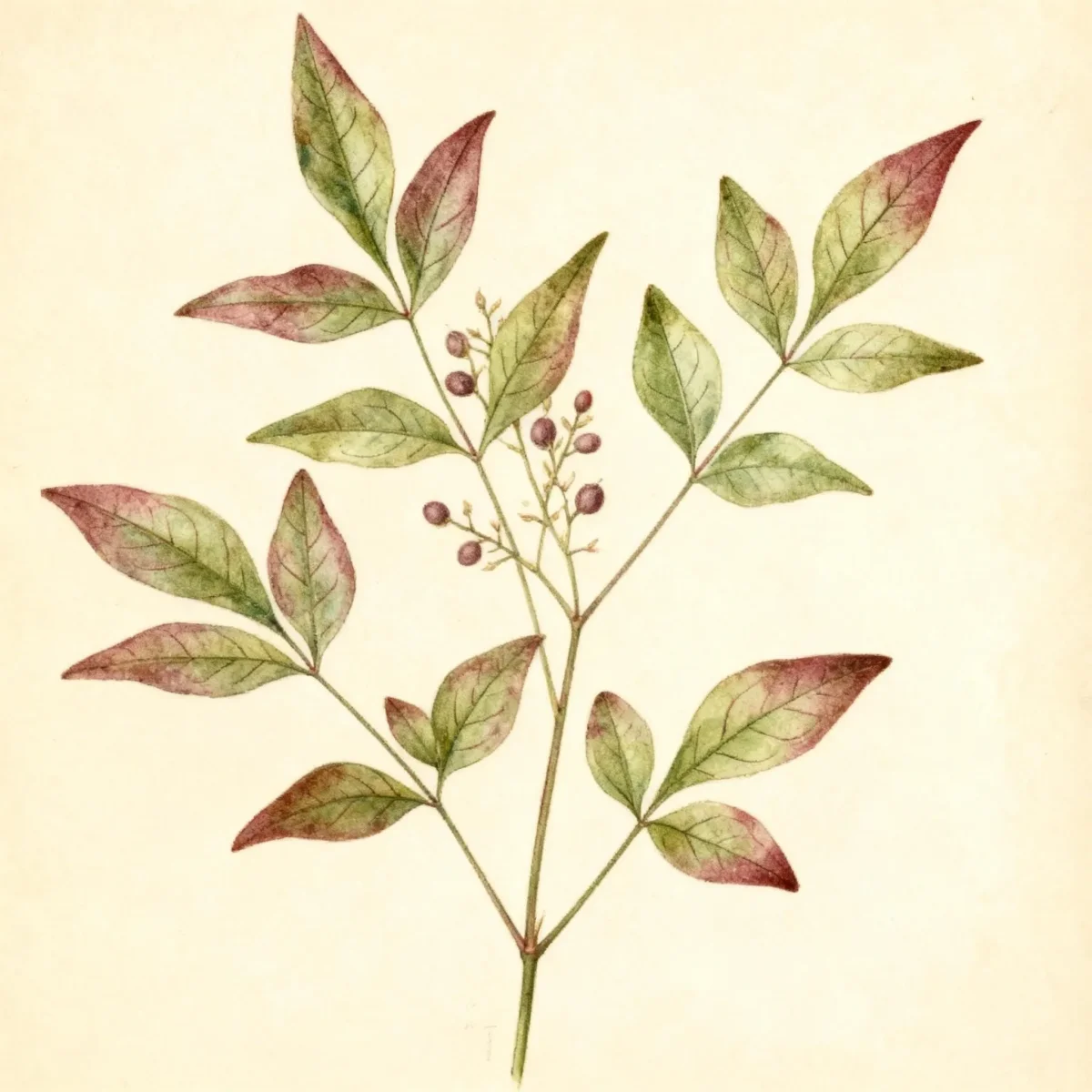
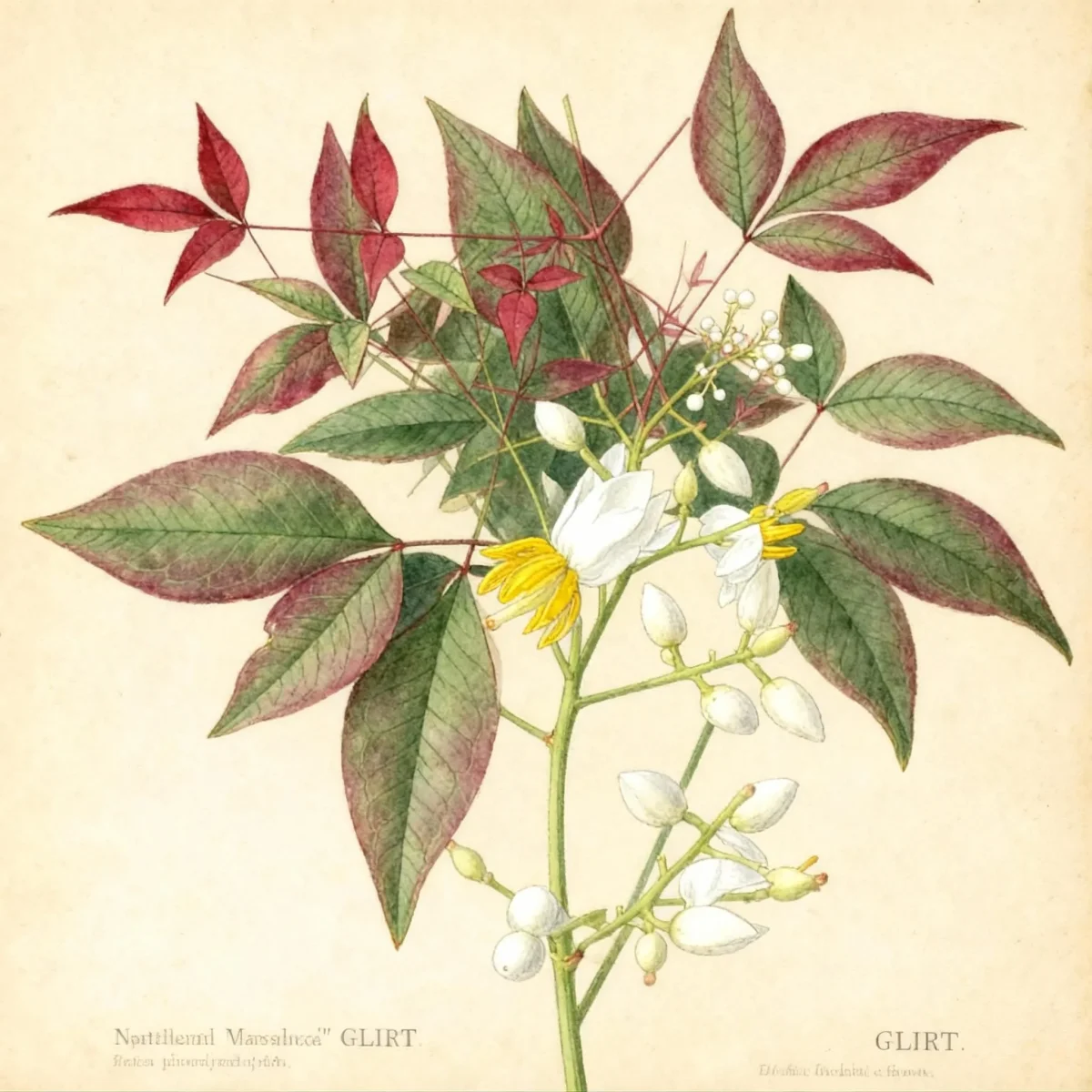
Creeping mahonia (Mahonia repens)
Mahonia repens is a valuable broadleaf evergreen ground cover, providing deep yellow blooms and edible fruit across USDA Zones 5-8.
Scroll down to discover growing tips, care requirements, companion plants, and more
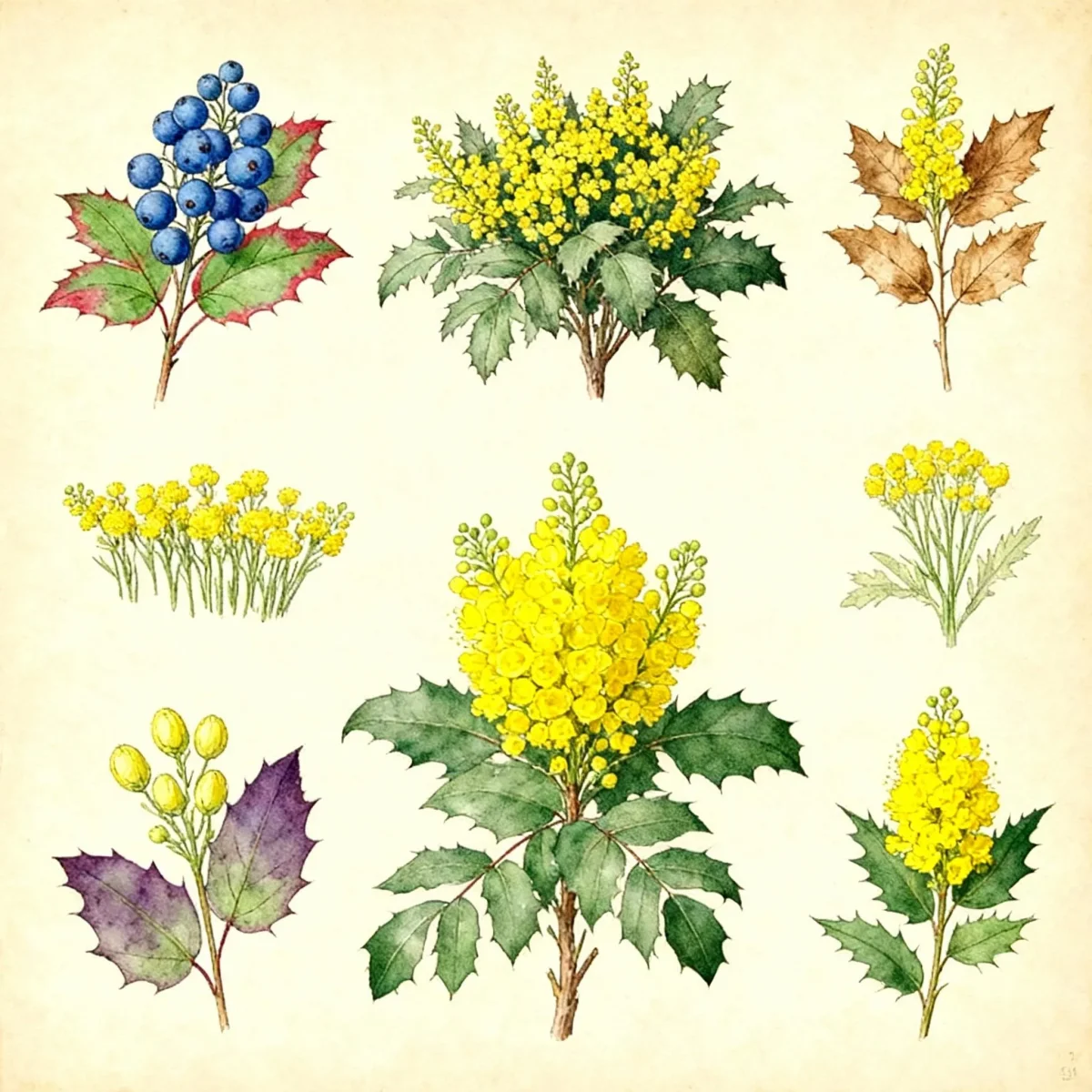
Complete Plant Information
Overview
Mahonia repens, frequently marketed as Creeping mahonia, offers gardeners a tough, spreading solution for difficult landscape areas. This low-growing, broadleaf evergreen shrublet features distinctive, holly-like foliage that provides year-round texture and structure in the garden. Its dense, stoloniferous habit makes it an exceptional choice for stabilizing slopes or covering large swaths of ground efficiently.
This essential species of Mahonia repens produces cheerful, deep yellow flowers in the spring, followed by clusters of bluish-purple berries that add seasonal interest and attract wildlife. As a native component of western and central North American landscapes, Creeping mahonia exhibits reliable performance when provided with its preferred acidic, well-drained soil conditions. Gardeners value Mahonia repens for its low profile and resilience in partial shade environments.
Consider establishing Mahonia repens where a durable, spreading, evergreen carpet is needed that requires moderate attention once established. Proper placement ensures these shrubs enhance the garden structure through winter interest and provide welcome early spring color.
Fast Facts
- Plant Family: Berberidaceae
- Plant Type: Broadleaf evergreen
- Native Range: Western and central North America
- Hardiness Zones: USDA Zones 5-8
- Size at Maturity:
- Height: 0.75-1 ft
- Spread: 0.75-1.5 ft
- Bloom Time: April
- Bloom Description: Yellow
- Sun Exposure: Full sun to part shade
- Water Needs: Medium
- Maintenance Level: Medium
How to Grow
Planting Creeping mahonia is best achieved in the spring or fall when soil temperatures are moderate, giving the root system time to settle before extreme weather hits. Locate Mahonia repens in locations receiving full sun to partial shade, ensuring the soil is well-drained and acidic. While average moisture is tolerated, this plant thrives best when situated in moist, humus-rich soils; amending heavy clay or lean soils with compost is highly recommended before planting.
Once established, watering requirements remain medium; provide supplemental water during extended dry periods, especially during the first year. Fertilization is generally unnecessary if the soil pH is maintained below 7.0. Chlorosis, or yellowing leaves, is a key indicator that the soil is too alkaline for optimal Mahonia repens health.
For ground cover applications, establishing 8 to 12 plants per square yard will ensure rapid coverage. In colder USDA Zone 5 locations, select a protected site to minimize the risk of winter leaf scorch, which can damage the evergreen foliage exposed to drying winter winds. Minimal pruning is needed, primarily to remove stray branches or control spread if necessary.
Landscape Uses
Creeping mahonia is an excellent evergreen ground cover, perfectly suited for sunny to partially shaded slopes or under mature trees where turf struggles to establish. Its spreading nature makes it ideal for naturalizing large, difficult-to-maintain areas, creating a uniform, textural mat of interest throughout the year. You can effectively use Mahonia repens to define borders or soften hardscape edges without needing tall vertical elements.
Due to its slightly spiny foliage, Creeping mahonia serves well as a formidable, low-level barrier planting near walkways or building foundations. While very effective on its own, pair Mahonia repens with other woodland-tolerant, texture-contrasting plants like hostas in shadier spots or ornamental grasses where sunlight permits. Its hardiness and evergreen nature ensure it performs year-round utility where other seasonal perennials fade.
Standout Features
Flower Qualities
- Showy
Fruit Qualities
- Showy
- Edible
Noteworthy Characteristics
Mahonia repens, commonly called creeping Oregon grape or creeping barberry, is a low-growing, stoloniferous, evergreen shrublet that typically reaches 1 foot tall, spreading via underground stems to form an attractive ground cover. It features holly-like, odd-pinnate, compound leaves with leathery, bluish-green leaflets that often acquire a purplish hue in winter. Small racemes of deep yellow flowers appear in spring, maturing into clusters of tart, edible, bluish-purple berries by late summer, often used in jellies.
Tolerances
- Deer
Potential Problems
Creeping mahonia is generally robust but can face specific challenges related to moisture and soil pH. It is susceptible to common fungal issues such as rusts and various leaf spots, which are often managed by ensuring good air circulation and avoiding overhead watering during damp conditions. A significant issue arises in alkaline soils, leading to chlorosis where foliage turns yellow due to nutrient lockout.
Protect Mahonia repens from harsh winter elements, as exposed plants may suffer leaf scorch during cold, dry periods. Monitor for occasional minor pest activity, including scale, aphids, and whiteflies, which can usually be controlled with horticultural oil or insecticidal soap if infestations become severe.
Frequently Asked Questions
What hardiness zones is Creeping mahonia suitable for?
This adaptable shrub is reliably hardy for gardeners situated in USDA Zones 5 through 8.
How large does Creeping mahonia grow?
Creeping mahonia maintains a very low profile, typically reaching heights between 0.75 and 1 foot tall, with a spread ranging from 0.75 to 1.5 feet wide through its creeping root system.
What sun exposure does Creeping mahonia need?
Mahonia repens thrives in a range spanning from full sun to partial shade, making it highly versatile for different light conditions in the landscape.
When does Creeping mahonia bloom?
The plant produces its signature bloom time in April, featuring clusters of bright yellow flowers.
Conclusion
Creeping mahonia provides indispensable year-round structure and early spring excitement to any garden design. Its ability to function as an effective, persistent evergreen ground cover, coupled with its deer resistance and edible fruit, confirms the high value of Mahonia repens. Always confirm your local hardiness zone compatibility before planting to ensure the longevity of your new Mahonia repens installment.
Companion Planting
Selecting appropriate companions enhances the aesthetic and cultural success of Mahonia repens. Because Creeping mahonia prefers acidic, medium-moisture soil, pair it with other acid-loving, shade-tolerant ground covers like Epimedium (Barrenwort) or Helleborus (Lenten Rose). These companions will share similar light needs (part shade) and help maintain a consistent, slightly acidic soil environment throughout the planting area.
For sunny spots where Mahonia repens receives more direct light, consider mixing it with low-growing, drought-tolerant natives that share the Western North American heritage if soil drainage is excellent. Low-growing Sedums or creeping Thymes offer textural contrast while tolerating the full sun exposure that Mahonia repens can handle, creating a dynamic evergreen tapestry.
Wildlife Benefits
The spring display of Mahonia repens is highly valuable for early nectar sources, attracting various types of native bees emerging from overwintering. Later in the season, the dark bluish-purple berries of the Creeping mahonia are an important food source for many berry-eating birds navigating their seasonal migrations or preparing for winter.
Although the fruit is noted as very sour for fresh eating, its appeal to wildlife highlights its natural ecosystem function. Planting Mahonia repens densely supports ground cover structure that offers excellent shelter and foraging ground for small ground-dwelling fauna throughout the colder months, thanks to its evergreen nature.