Twinleaf (Jeffersonia diphylla)
Jeffersonia diphylla (Twinleaf) is an uncommon woodland perennial featuring unique paired leaves and delicate white spring flowers. Low maintenance.
Scroll down to discover growing tips, care requirements, companion plants, and more
Complete Plant Information
Overview
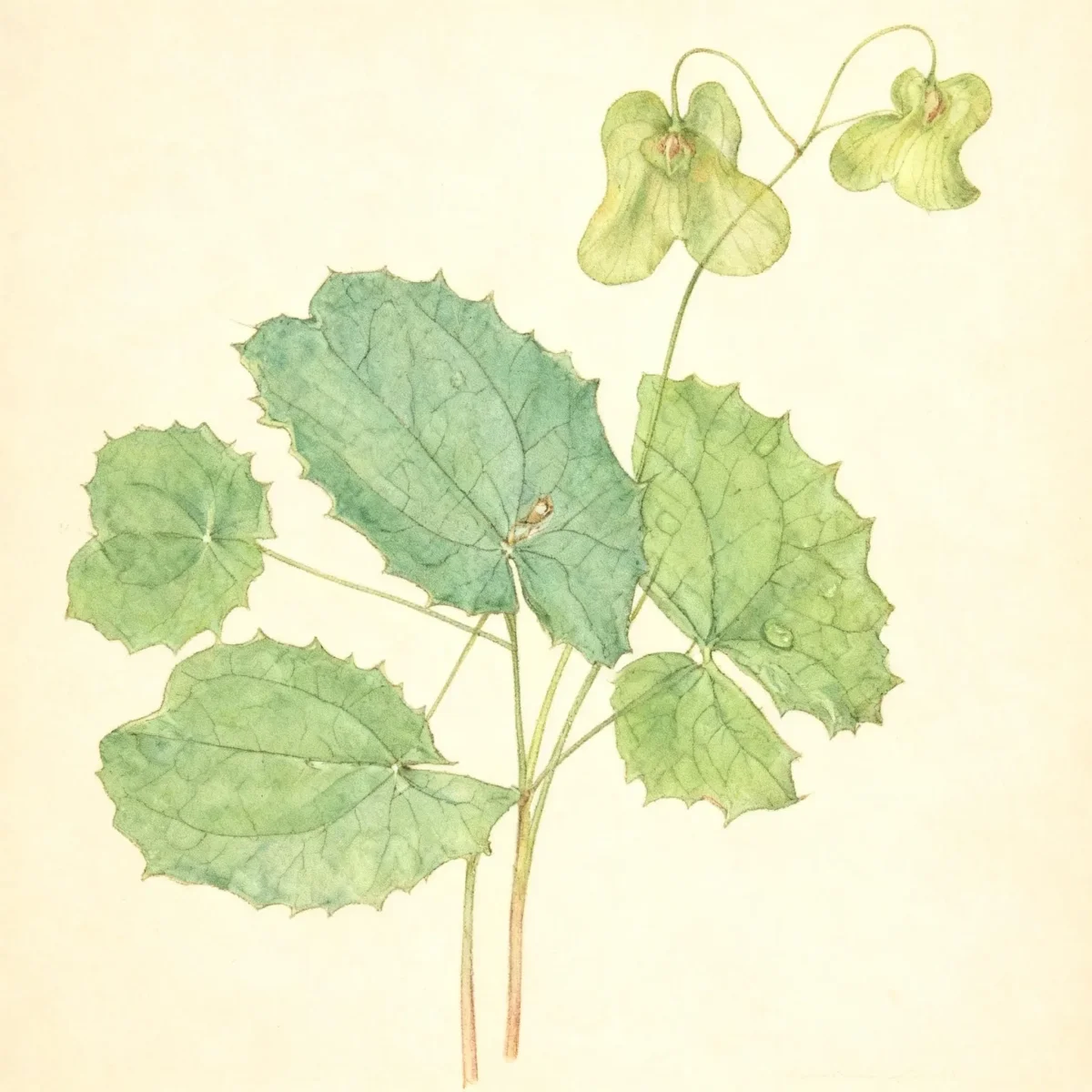
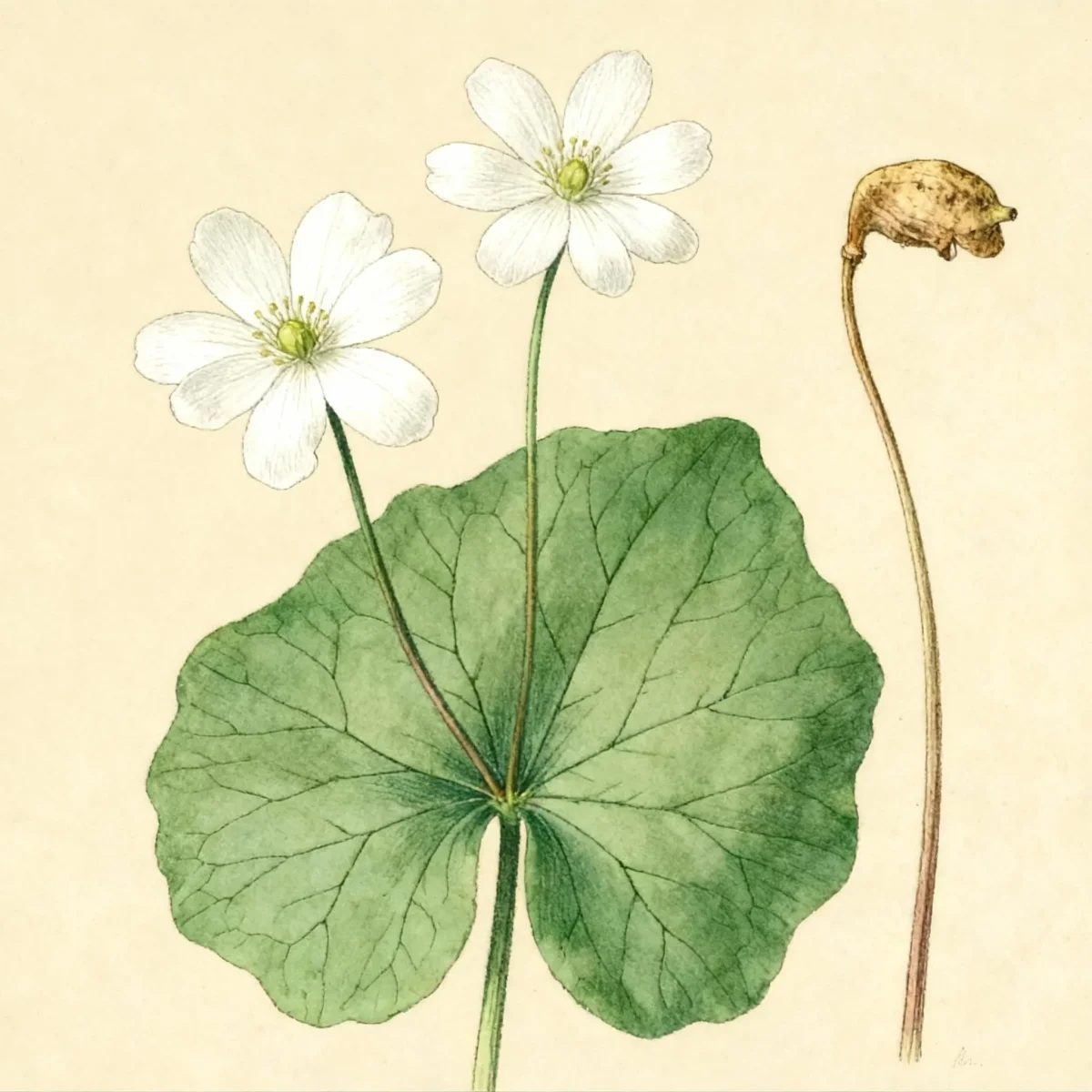
Jeffersonia diphylla, widely known as Twinleaf, is a captivating native superstar for shaded garden spaces. Its most distinctive feature is the basal foliage, where each leaf appears deeply divided into two separate, rounded lobes, giving rise to its common name. As a low-growing herbaceous perennial, this plant emerges early in the spring to provide delicate white blooms before the summer heat sets in.
Native to rich, damp woodland habitats in Eastern North America, the successful cultivation of Jeffersonia diphylla relies heavily on mimicking these conditions. It thrives best where it receives dappled sunlight in early spring, followed by deep shade during the hotter months. Gardeners value this selection for its reliable structure, adaptability to heavy shade, and the curiosity of its unique leaf structure and strange, lid-bearing fruit pod.
Successful integration of Twinleaf into a landscape adds texture and historical significance, as the genus name honors Thomas Jefferson. For those seeking truly specialized, low-maintenance woodland flora, Jeffersonia diphylla offers ephemeral spring beauty followed by consistent, attractive ground cover throughout the growing season.
Fast Facts
- Plant Family: Berberidaceae
- Plant Type: Herbaceous perennial
- Native Range: Eastern North America
- Hardiness Zones: USDA Zones 5-7
- Size at Maturity:
- Height: 0.75-1.5 ft
- Spread: 0.5-0.75 ft
- Bloom Time: April
- Bloom Description: White
- Sun Exposure: Part shade
- Water Needs: Medium
- Maintenance Level: Low
How to Grow
The key to flourishing Jeffersonia diphylla is soil quality and consistent moisture management. Plant during the cooler months when disturbed, ideally in rich, humusy, well-drained mediums, paying special attention to limestone soils if available, as this species prefers slightly alkaline root environments. Ensure the chosen site offers protection from afternoon sun exposure.
Position Twinleaf beneath established deciduous trees. This setup naturally mimics its native preference, allowing the plant to capture essential sun before the canopy fully leafs out, while providing necessary deep shade during summer stress. Soils must not be allowed to dry out at any point during the active growing season.
Watering should be consistent to maintain medium moisture levels; deep, infrequent watering is better than light sprinkling, especially as summer approaches. A surface layer of mulch applied in summer helps significantly to keep the roots cool and conserve ground moisture. Maintenance is notably low; there is little need for pruning or fertilizing when cultural needs are met.
Landscape Uses
Twinleaf is perfectly suited for integrating naturalistic elements into structured landscapes. It excels in woodland gardens, where its early spring emergence contrasts beautifully with later-blooming woodland companions. Its structure also makes it an excellent inclusion in native plant gardens requiring reliable, low-growing ground cover for deeply shaded corners.
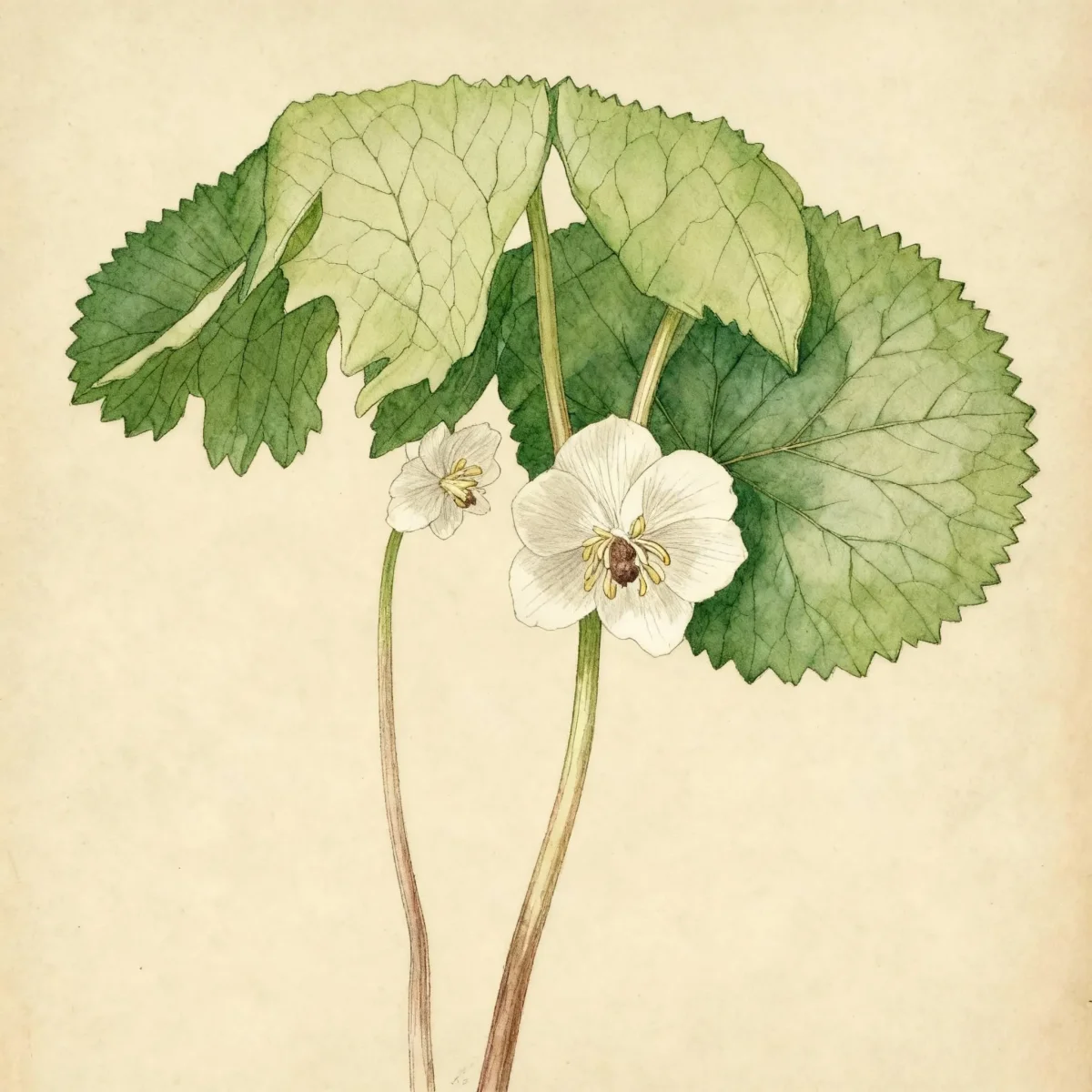
When planted in mass, the foliage of Jeffersonia diphylla forms an incredibly effective, carpet-like ground cover, suppressing weeds while lending a serene, dappled appearance. Consider using it in shaded rock gardens where its delicate white flowers can be appreciated up close before the leaves fully develop their paired structure. It pairs well with other shade lovers like Trillium, ferns, and Mayapple.
Standout Features
Flower Qualities
- Showy
Fruit Qualities
- Showy
Noteworthy Characteristics
Jeffersonia diphylla, commonly called twinleaf, is a somewhat uncommon spring woodland wildflower that is native from New York to Wisconsin south to Alabama and Virginia. It is usually found in limestone soils in rich damp woods. It is a clump-forming plant that typically grows to 8” tall when in flower in early spring, but continues to grow thereafter eventually reaching 18” tall by the time its fruit ripens. Features long-stemmed, blue-green basal leaves (to 6” long) which are deeply divided into two lobes that give the appearance of being two separate leaves, hence the common name. In early spring (April), white cup-shaped flowers (1” diameter) bloom singly atop rigid leafless stalks to 8” tall. Each flower has eight petals. Flowers are somewhat reminiscent of bloodroot, but the plants are unrelated and in different families. Fruit is an interesting pear-shaped dehiscent pod with a lid.Genus name honors Thomas Jefferson (1743-1826), President of the Unites States, plants man and patron of botany with a deep interest in horticulture and farming.Specific epithet means having two leaves or leaflets.
Tolerances
- Heavy Shade
Potential Problems
Fortunately, Jeffersonia diphylla seldom contends with serious insect or disease problems under ideal conditions, contributing to its low maintenance rating. The primary threats to Twinleaf are terrestrial mollusks. Slugs and snails can sometimes chew unsightly holes in the attractive foliage, particularly when conditions are damp and cool. Monitor new spring growth closely and employ organic controls like iron phosphate baits or beer traps if mollusk populations become noticeable. Protect this gem by avoiding overhead watering during the evening when slugs are most active.
Frequently Asked Questions
What hardiness zones is Twinleaf suitable for?
Jeffersonia diphylla is reliably hardy in USDA Zones 5 through 7. Ensure your planting site remains consistently moist throughout this range.
How large does Twinleaf grow?
This lovely perennial usually reaches a height between 0.75 and 1.5 feet at maturity, with a relatively modest spread of 0.5 to 0.75 feet, forming a neat clump.
What sun exposure does Jeffersonia diphylla need?
Jeffersonia diphylla prefers part shade, though it tolerates full shade well, especially once the overhead canopy leafs out for the summer.
When does Twinleaf bloom?
Twinleaf flowers appear in early spring, specifically during April, presenting as solitary, striking white, cup-shaped blooms.
Conclusion
For gardeners managing deep shade or seeking historically significant native flora, Jeffersonia diphylla offers exceptional value with minimal effort. The unique paired architecture of the leaves makes Twinleaf a distinctive focal point from spring emergence through autumn dormancy. Before planting, confirm your site offers the required moisture retention and shade profile to support this beautiful woodland wildflower.
Companion Planting
Selecting appropriate neighbors is crucial for creating a thriving woodland tapestry around your Jeffersonia diphylla. Focus on plants that share similar needs for rich, never-drying soil and ambient shade. Excellent companions include native ferns, such as the Lady Fern (Athyrium filix-femina), which offers delicate, upright texture. Consider interplanting with other early spring ephemerals like Bloodroot (Sanguinaria canadensis) or wild Geraniums (Geranium maculatum).
These companions not only thrive in the same culture—moist, humusy soil—but they also fill in the visual space left when the Twinleaf begins to die back later in the season, ensuring continuous ground cover interest. The low-growing nature of Jeffersonia diphylla means taller companion plants won’t shade out its early spring blooms.
Seasonal Care Calendar
Spring is the most active period for Twinleaf care. Monitor soil moisture closely as the white flowers appear, applying water if the soil surface begins to feel dry to the touch, as the plant is intolerant of dryness. As summer heat builds, refresh the mulch layer beneath the canopy to keep the roots consistently cool and reduce water evaporation.
During the mid-to-late summer, the foliage may naturally senesce somewhat in response to heat, which is normal; avoid the temptation to water heavily late in the season unless you are actively growing it in a consistently monitored woodland garden setting. In fall, allow any remaining foliage to collapse naturally. Protect plants by avoiding cultivating near them in fall or spring, as new shoots emerge early and are easily damaged.