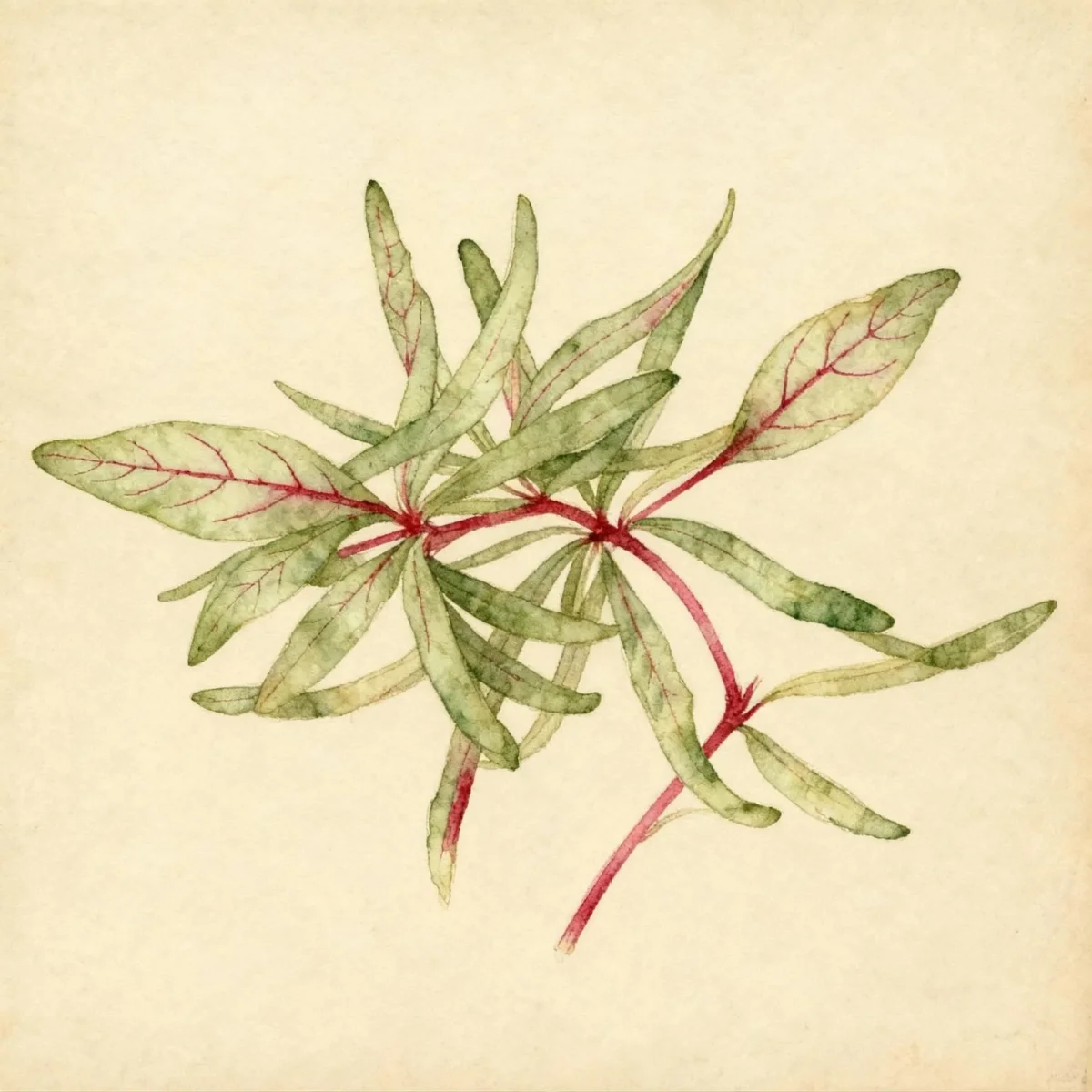
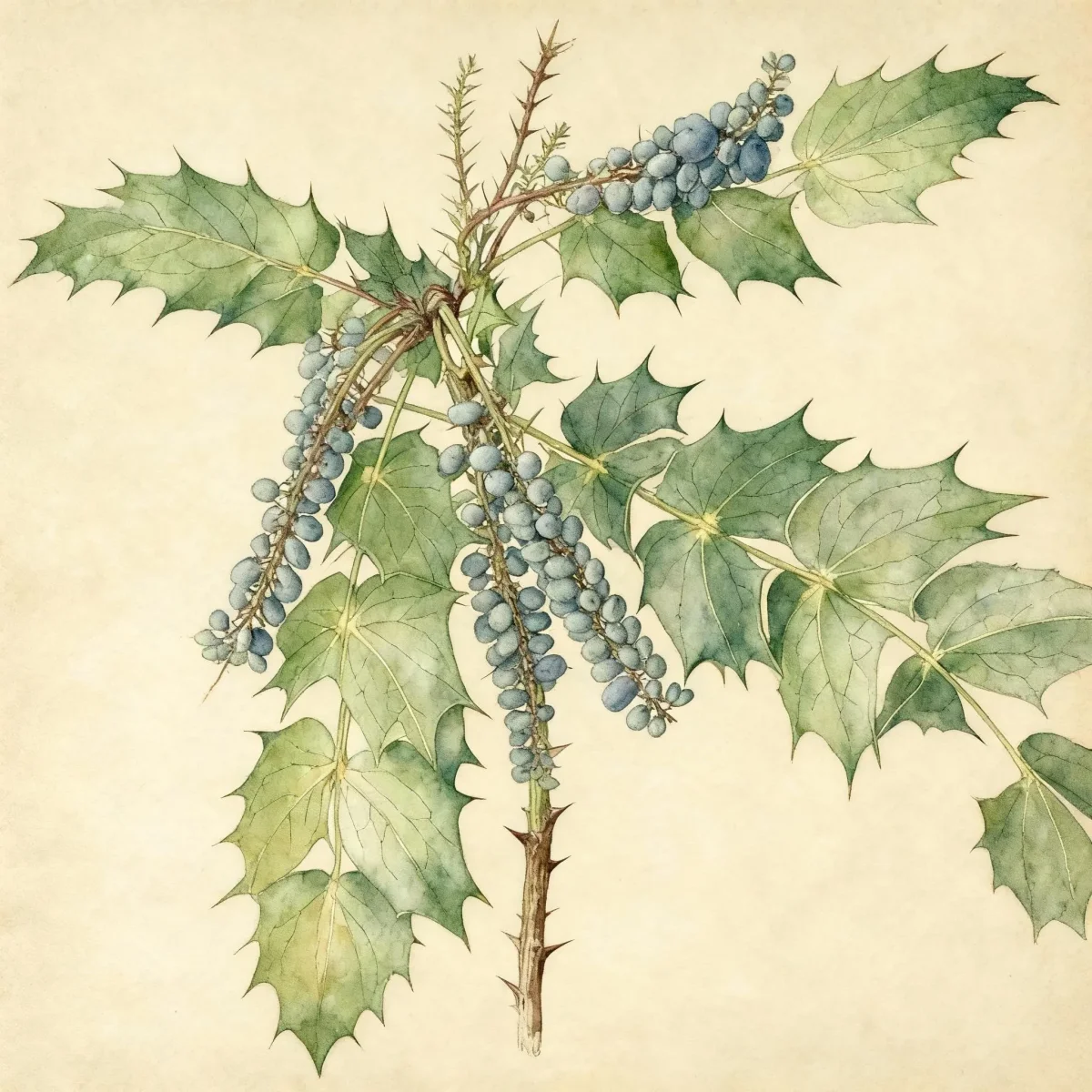
Leatherleaf mahonia (Mahonia bealei)
Leatherleaf mahonia is a spiny evergreen shade shrub with winter flowers, but it is invasive in parts of the Southeast. Check local guidance before planting.
Complete Plant Information
Interactive Detour
Keep exploring with a quick garden quiz
Leatherleaf mahonia is easier to remember when you mix reading with a quick challenge. Try a related quiz, then jump back into the care guide.
Can You Identify These Common Garden Plants? Test Your Plant Knowledge
Think you know your roses from your peonies? Test your plant identification skills with our comprehensive garden plant quiz featuring 10 challenging questions.
Start quiz
USDA Garden Zone Map Quiz
Use this USDA garden zone map quiz to check whether you can read hardiness zones and choose plants with more confidence.
Start quizBrowse the full quizzes section
Explore plant identification, zone strategy, and seasonal gardening challenges.
View all quizzesField Guide Continues
Ready for care notes, companion picks, and planting tips?
The map is just the start. The full guide below covers growth habits, seasonal performance, and landscape uses.
Check Its Local Status Before You Plant
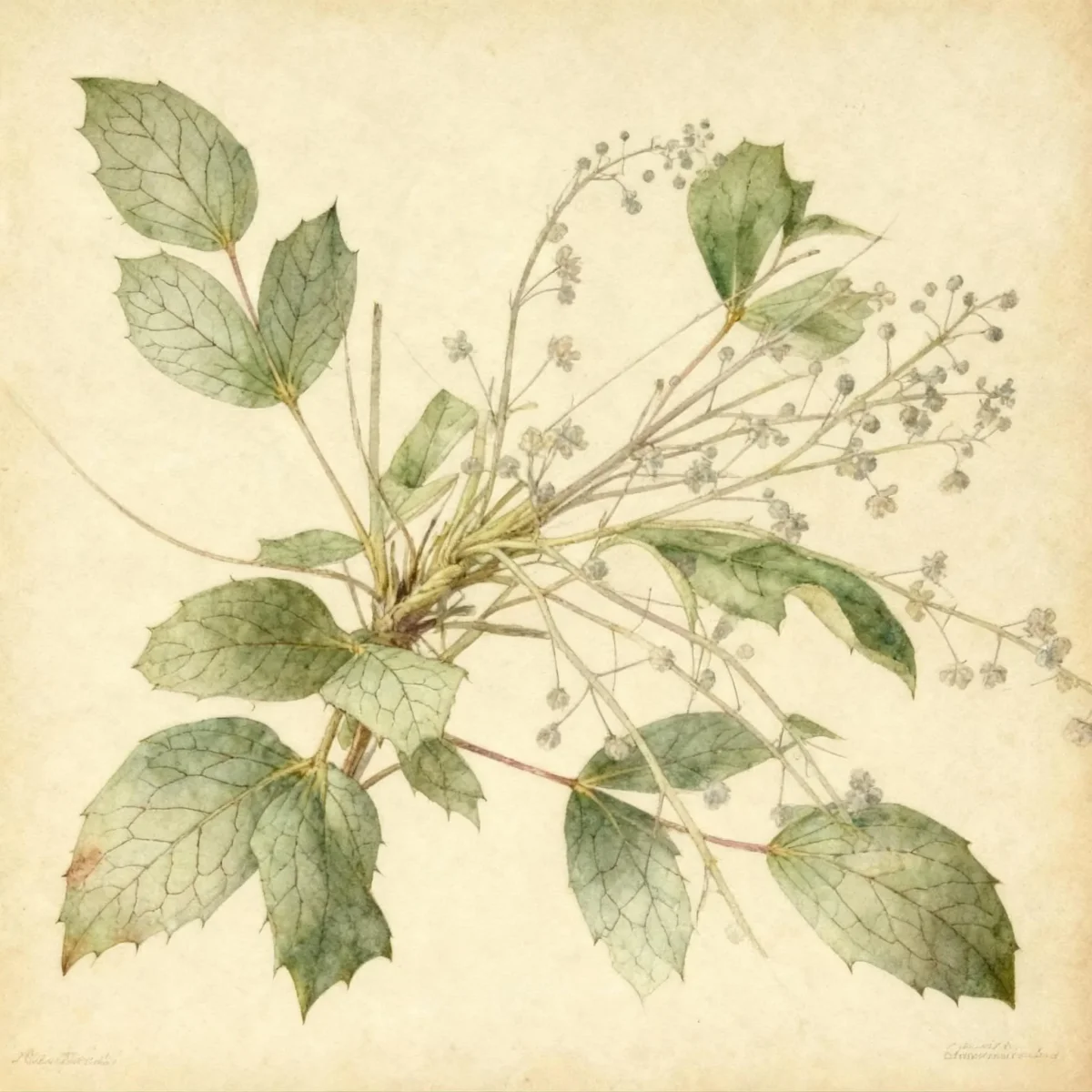
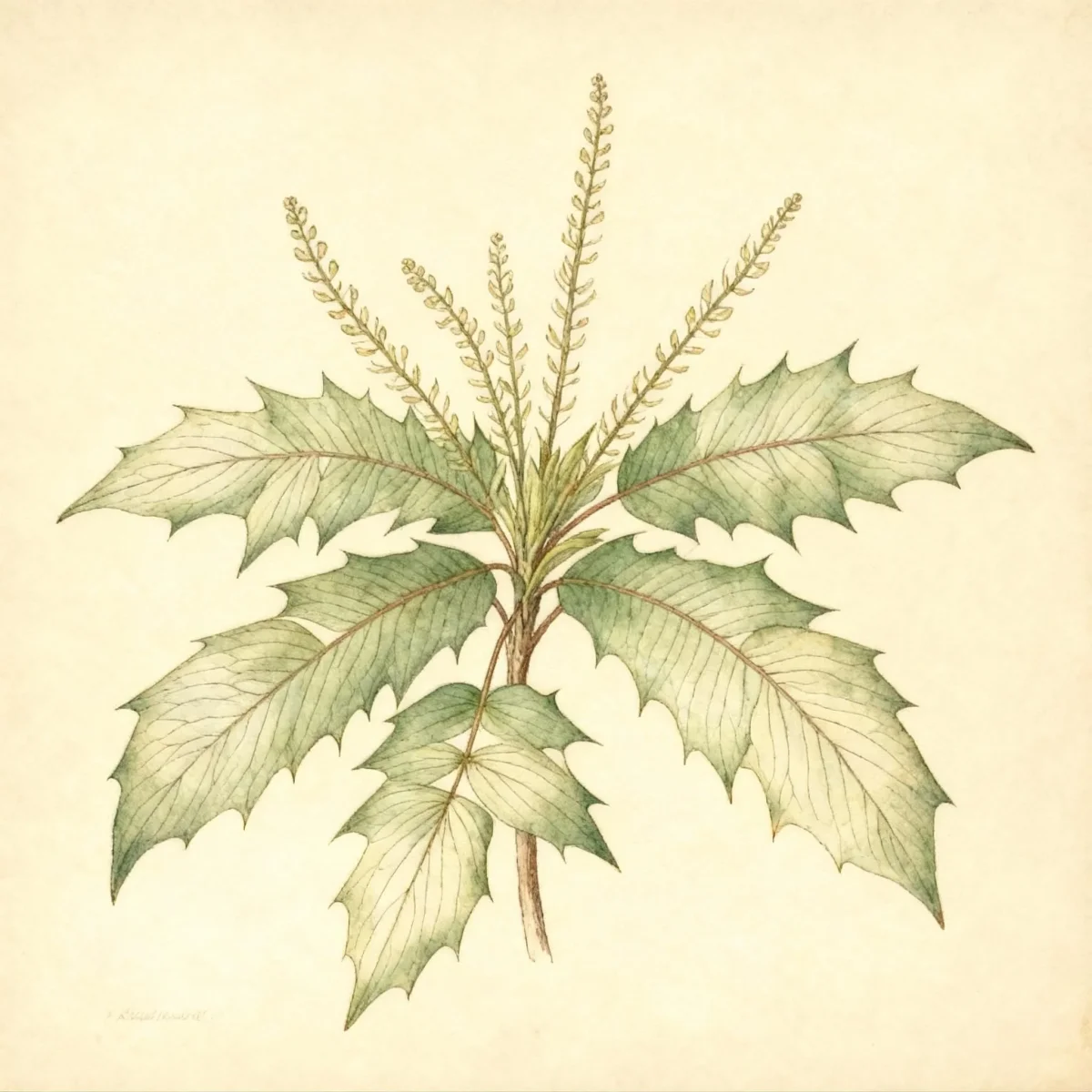
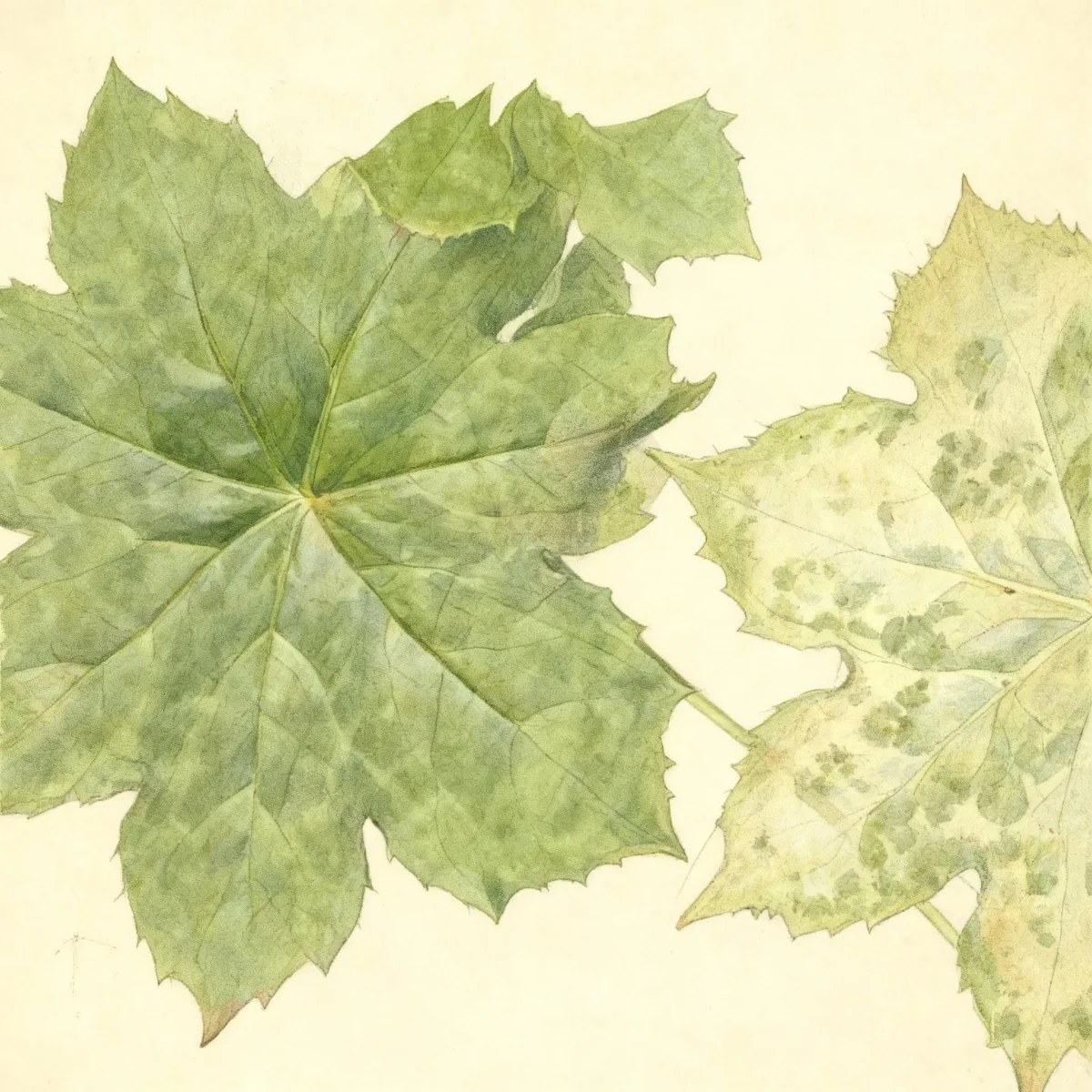
Leatherleaf mahonia (Mahonia bealei, also classified as Berberis bealei) is a coarse, upright evergreen shrub with leathery, sharply toothed leaflets. Fragrant yellow flower clusters rise above the foliage from late winter into early spring, followed by blue-black fruits. Mature plants can reach 4 to 10 feet high and 3 to 8 feet wide.
Those ornamental fruits also allow birds to spread seed. Leatherleaf mahonia has escaped cultivation and is considered invasive in parts of the southeastern United States, including North Carolina. It is not a responsible planting choice where state agencies, extension services, or invasive-plant councils advise against it. Check current local guidance before buying, and do not use the “naturalize” suggestion in the plant data as a recommendation to let it spread.
For an eastern North American evergreen alternative, compare inkberry holly. Mountain laurel is another native broadleaf evergreen for suitable acidic, well-drained sites. Neither is a one-for-one substitute everywhere, so match the alternative to your soil, light, climate, and available space.
If You Already Have Leatherleaf Mahonia
First decide whether the shrub is spreading beyond cultivation. Look beneath nearby trees and along fence lines for seedlings with the same stiff compound leaves. Pull small seedlings while the soil is moist, removing the root. Larger plants and established colonies may require a region-specific control plan; your extension office can recommend methods and timing that avoid unnecessary damage to surrounding plants.
Removing fruit clusters before they ripen can reduce new seed, but it does not address existing seedlings or suckers. Bag fruiting material rather than placing it where seed may survive. Continue monitoring for several seasons because birds can move seed beyond the original shrub.
If the plant is legal and not considered invasive in your region, its basic needs are part shade to full shade and well-drained soil with medium moisture. It tolerates some drought after establishment but looks better when it is not repeatedly stressed. The listed hardiness range is Zones 7–9; use the USDA hardiness zone map as a climate starting point, not as permission to plant a locally problematic species.
Placement and Handling
The stiff leaflet tips can scratch skin. Keep the shrub away from narrow paths, children’s play spaces, gates, and utility access. Its eventual width also makes it unsuitable for a cramped foundation corner.
Prune after flowering when possible. Remove dead stems at the base and shorten an overgrown cane to a useful side branch rather than shearing the outer leaves into a rigid box. Wear thick gloves, long sleeves, and eye protection. Repeated hard pruning is a sign the plant was placed in too small a space.
Leaf spots, powdery mildew, rust, aphids, scale, and whiteflies can occur. Provide airflow and diagnose the issue before spraying. Sun-scorched foliage often indicates too much exposed light rather than disease.
What About Wildlife and Toxicity?
Winter flowers can feed visiting pollinators, and birds eat the fruits. That wildlife value does not cancel the ecological cost where birds carry seed into natural areas. In an invasive region, a locally appropriate native shrub can support wildlife without the same spread risk.
Leaves, bark, roots, and sap contain berberine and have low-severity poison characteristics; ingestion may cause stomach upset. Combined with the sharp foliage, this makes the shrub a poor choice where young children or pets are likely to handle or chew plants.
Browse the plant collection for shrubs that fit your site’s shade, mature size, and regional planting guidance.