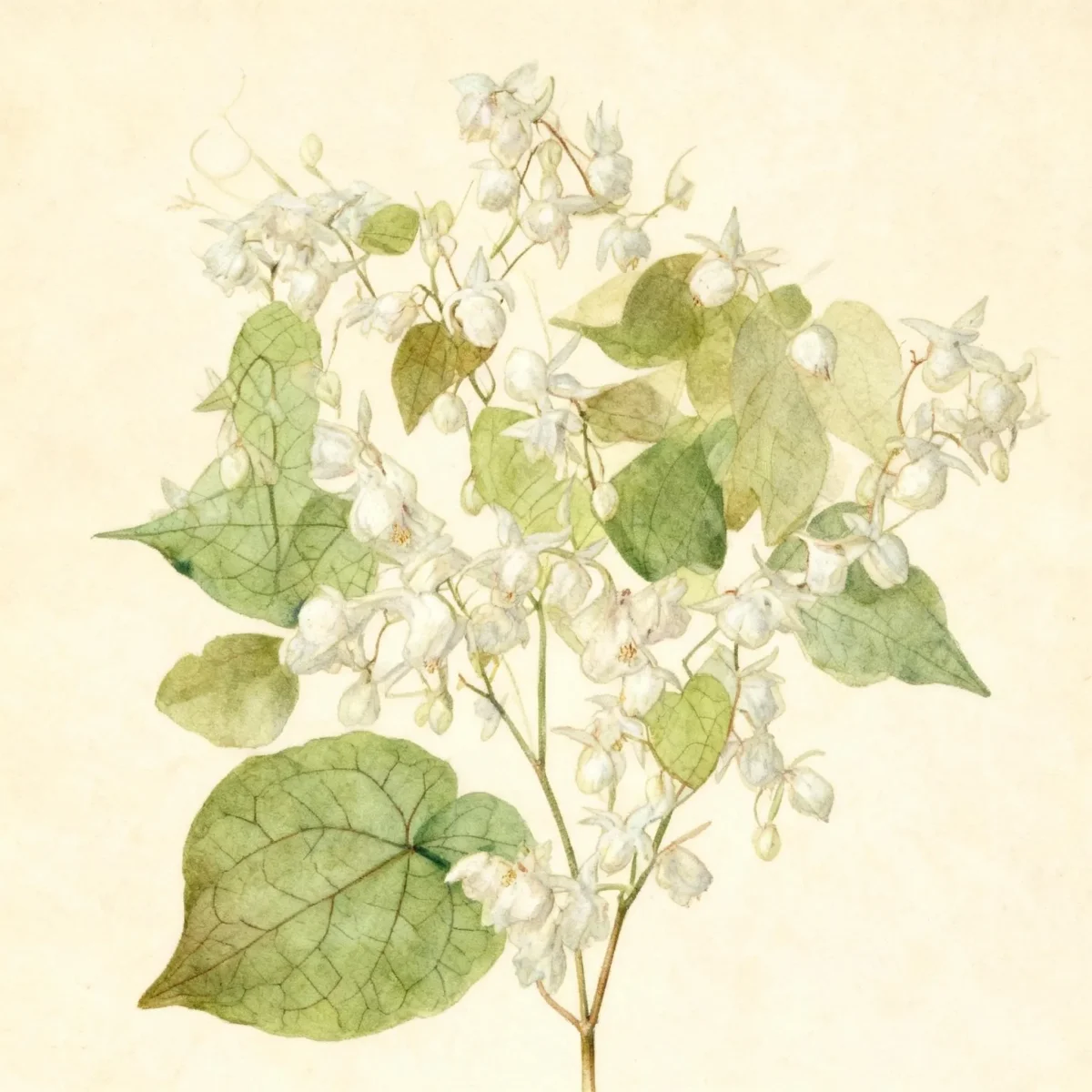
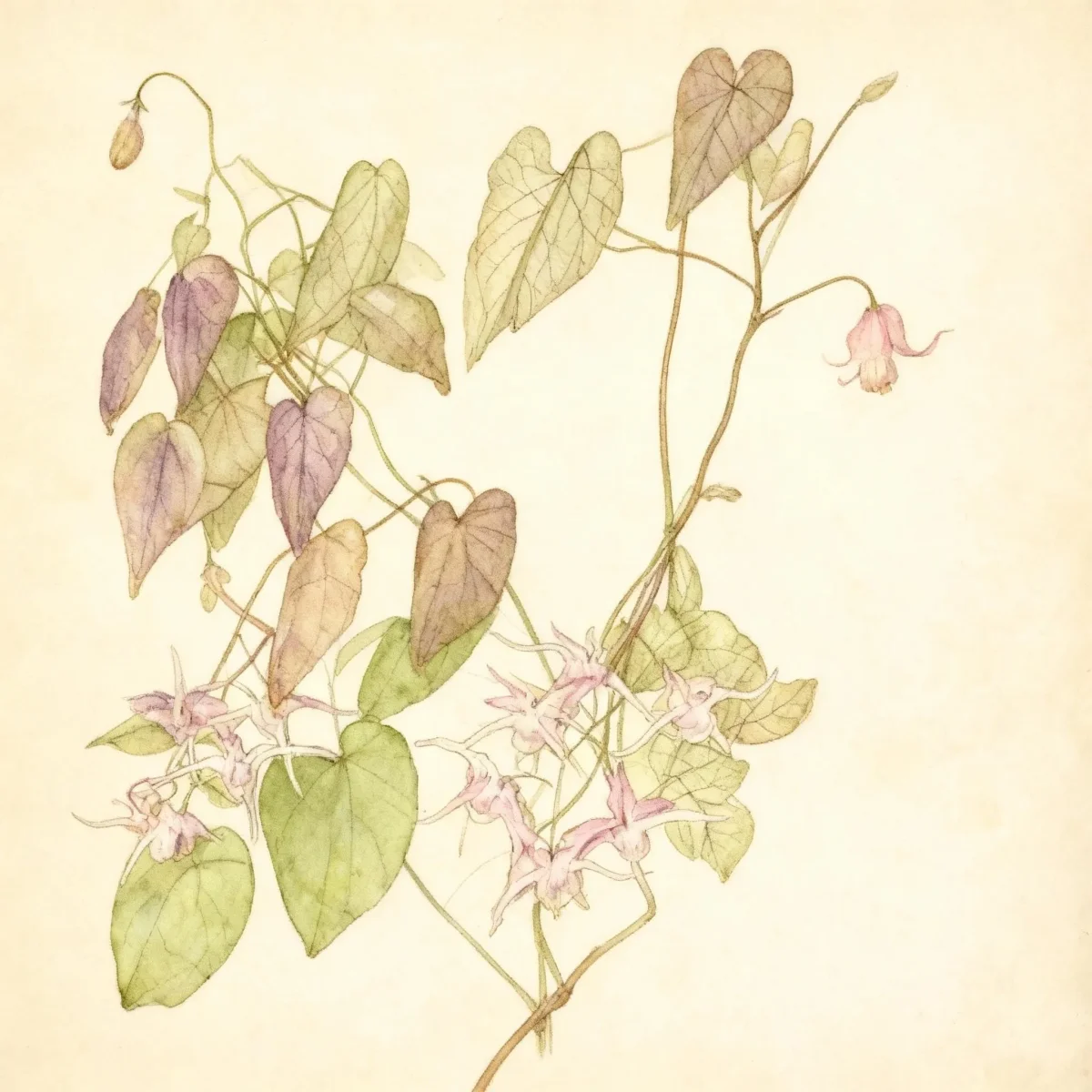
Bishop's hat (Epimedium × warleyense)
Epimedium × warleyense, or Bishop's hat, offers striking coppery flowers and tough, shade-tolerant ground cover performance.
Scroll down to discover growing tips, care requirements, companion plants, and more
Complete Plant Information
Overview
The Epimedium × warleyense, commonly known as Bishop’s hat, is a highly valued, low-maintenance solution for dry, shady garden areas. This rhizomatous perennial forms neat clumps topped by delicate yet colorful blooms early in the season. Its reliable performance and adaptability make it a stalwart choice for woodland gardens and difficult understory plantings.
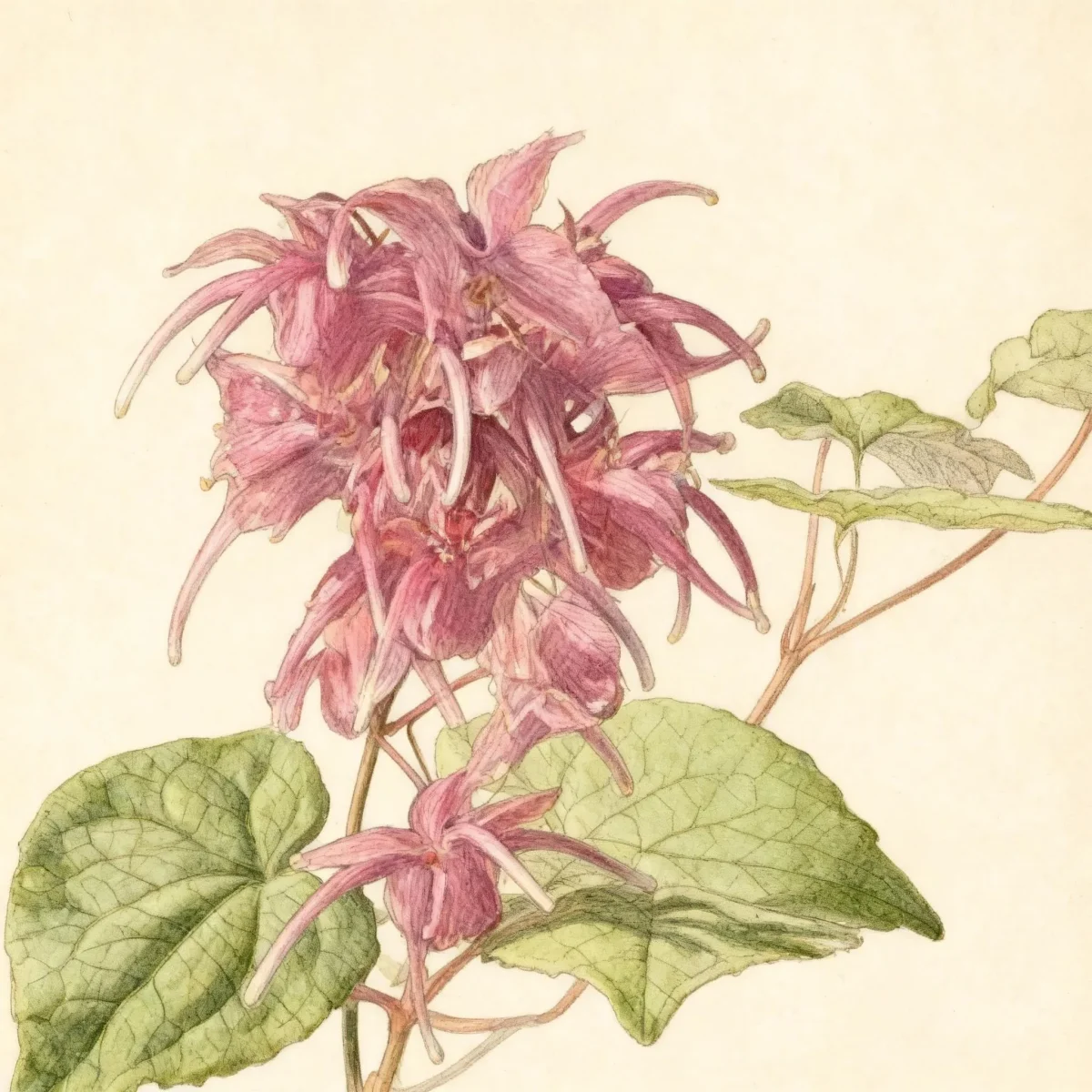
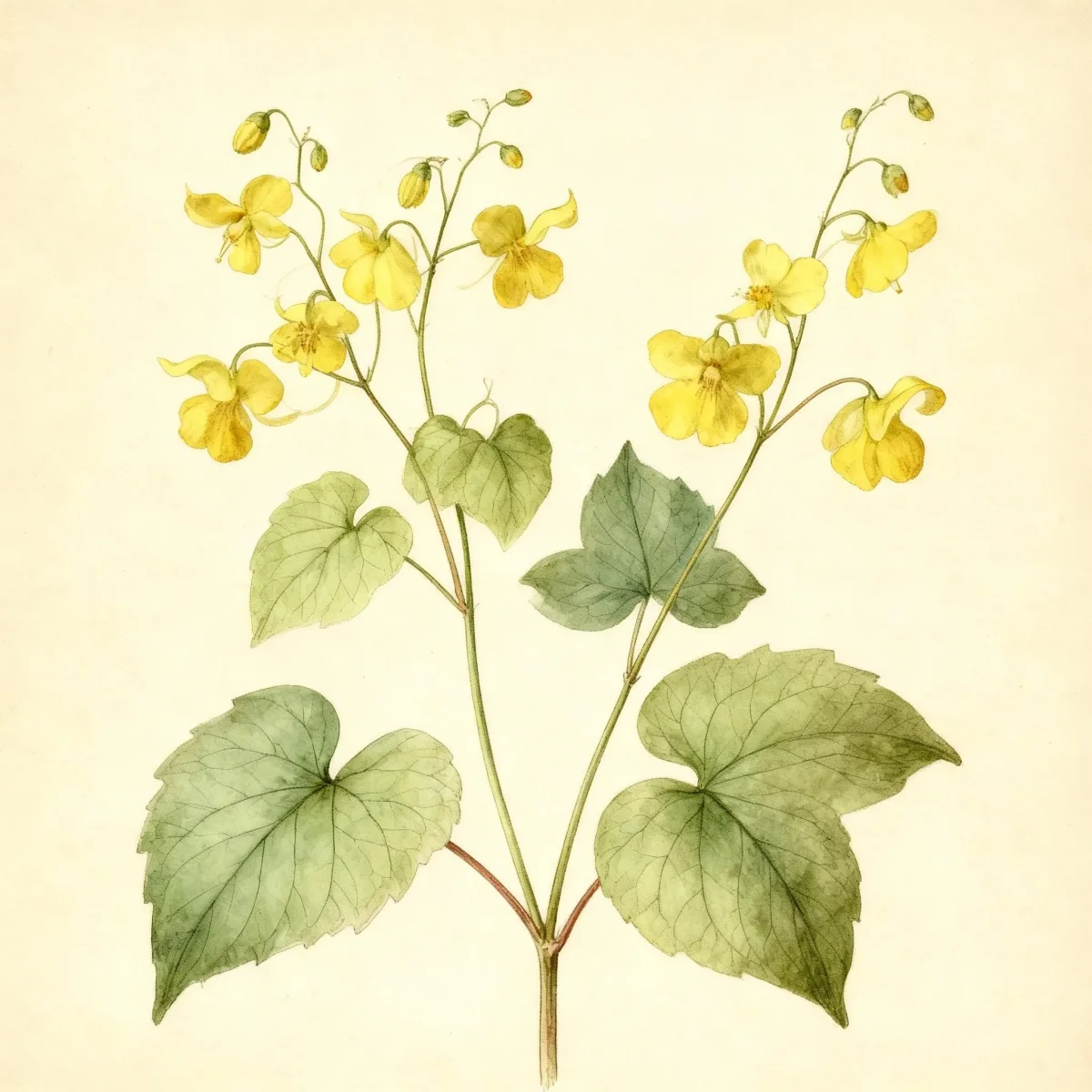
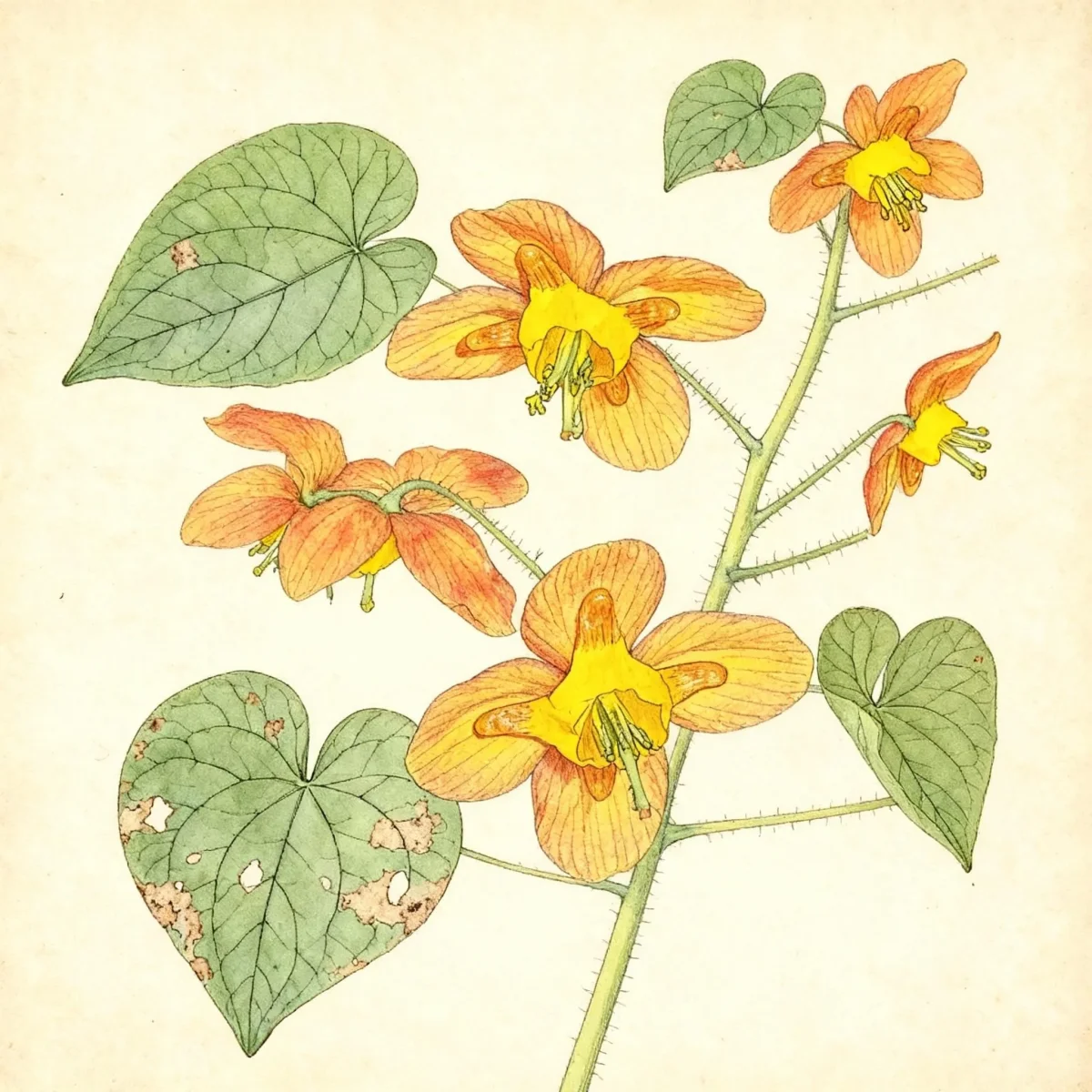
Its most distinctive feature is the spring emergence of flowers displaying coppery orange-red inner sepals contrasted beautifully with spurred yellow petals. While blooming, Epimedium × warleyense provides an attractive display before its semi-evergreen foliage fully develops. This plant spreads slowly via underground rhizomes, creating an effective, weed-suppressing ground cover.
Gardeners appreciate how easily this hybrid establishes itself, even competing effectively beneath established tree roots. For those seeking durable, beautiful coverage where lawn grass fears to tread, Epimedium × warleyense offers year-round structure and seasonal floral rewards.
Fast Facts
- Plant Family: Berberidaceae
- Plant Type: Herbaceous perennial
- Native Range: Garden origin
- Hardiness Zones: USDA Zones 4-8
- Size at Maturity:
- Height: 0.75-1 ft
- Spread: 0.75-1 ft
- Bloom Time: April
- Bloom Description: Coppery orange-red and yellow
- Sun Exposure: Part shade to full shade
- Water Needs: Dry to medium
- Maintenance Level: Low
How to Grow
Plant Bishop’s hat in the spring or fall for best establishment, though it tolerates planting almost anytime if kept watered. It thrives in average, well-drained soil. While it prefers rich, organic soil with reliable moisture, this hybrid is notoriously tolerant of dry soil once established, especially in part shade.
Maintenance for this perennial is minimal. Water regularly during the first growing season to encourage deep root development. Established plants require little supplemental irrigation, living up to their drought tolerance, particularly under tree canopy. Fertilizing is rarely necessary if the soil contains adequate organic matter, as rich soils are preferred.
In early spring before new growth begins, particularly in colder climates, it is beneficial to cut back any remaining, tattered foliage from the previous year. This tidying allows the emerging flowers and fresh leaves of Epimedium × warleyense to be displayed prominently. Its competitive rhizomatous habit means minimal weeding is required once the patch fills in.
Landscape Uses
The loose, spreading habit of Epimedium × warleyense lends itself perfectly to naturalistic plantings, softening the edges of woodlands or borders. It excels when massed as a ground cover, providing textural contrast against hostas or ferns in shady beds. Its ability to grow well under trees makes it the premier choice for filling areas where turf fails due to root competition and lack of light.
Use Bishop’s hat to define walkways through shaded areas or employ it in rock gardens for textural year-round interest. Consider pairing the early spring flowers of this hybrid with later-blooming shade perennials like Astilbe or Dicentra (Bleeding Heart) to ensure continuous seasonal color in deep shade. Its resilience against deer and rabbits adds practical value to woodland peripheries.
This plant’s tolerance for dry soil and heavy shade makes it ideal for slopes where erosion control is needed; the spreading rhizomes knit the soil together effectively. Grouping several Epimedium × warleyense plants together quickly creates a lush, textured carpet of foliage.
Standout Features
Flower Qualities
- Showy
Noteworthy Characteristics
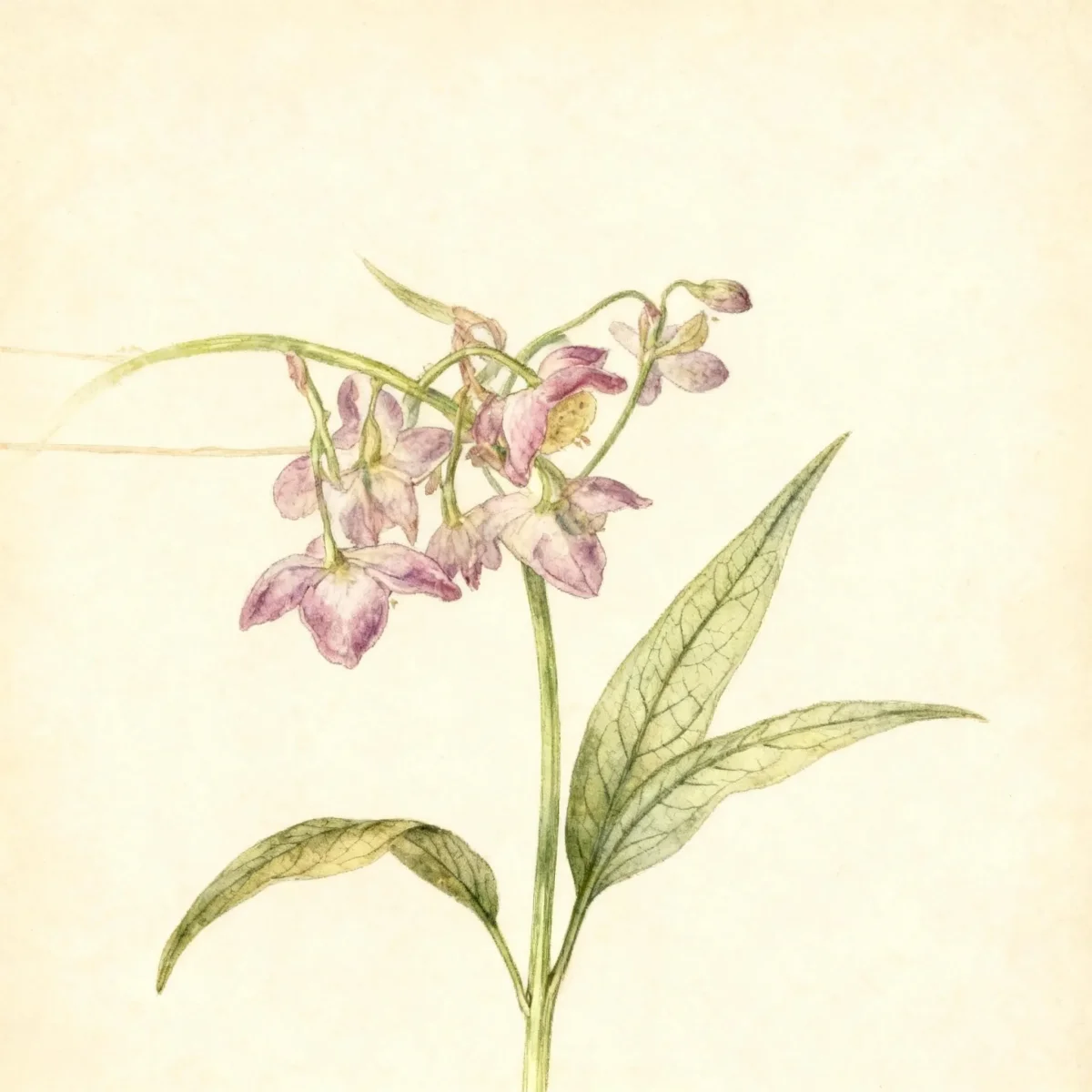
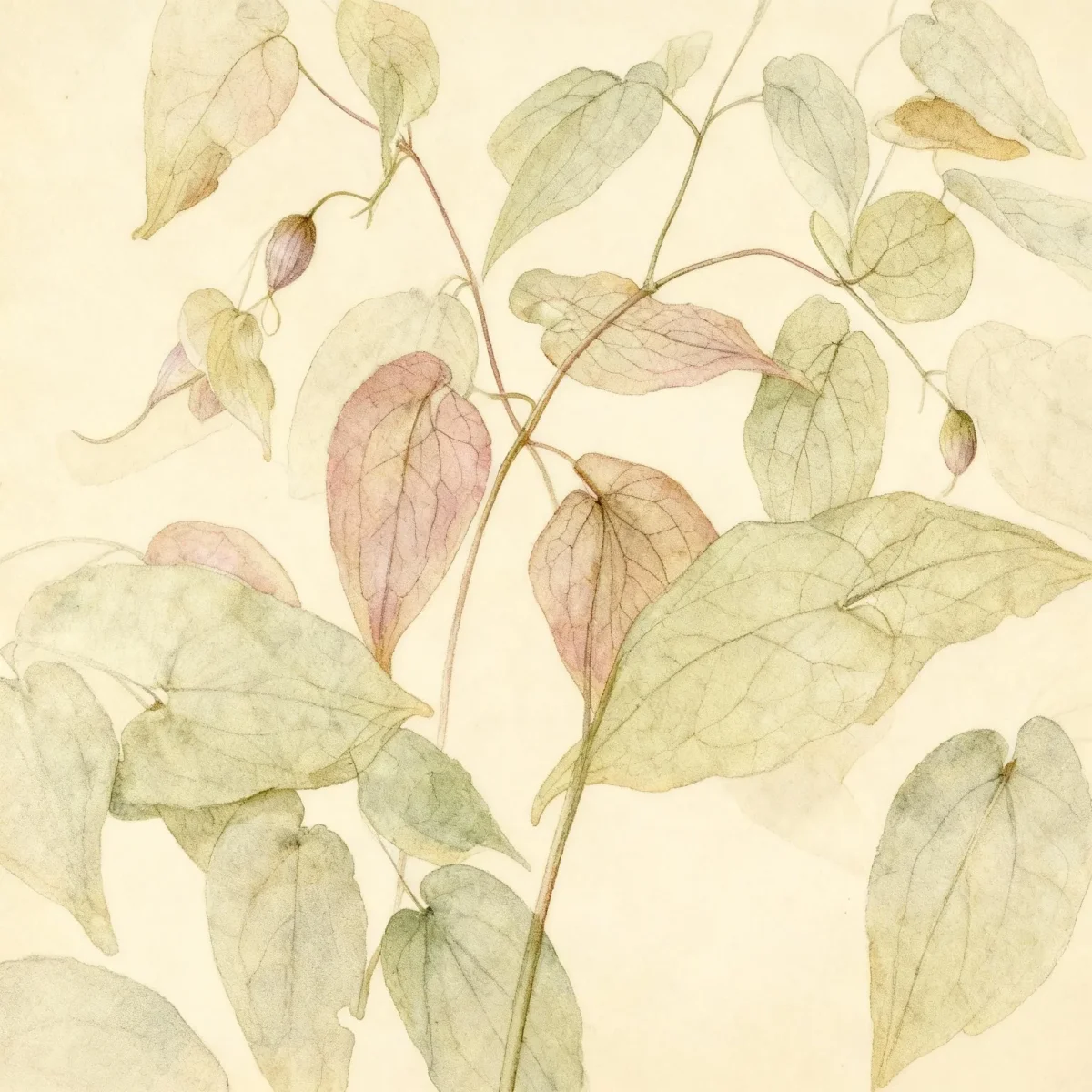
Epimedium × warleyense is a somewhat loose, rhizomatous perennial growing to 1’ tall, featuring loose clusters of complex flowers in spring that resemble small columbines. Its light green, heart-shaped basal foliage is typically evergreen in warmer winters and is often tinged with purple when first emerging. The common names, including bishop’s hat, refer to the distinctive structure of its hybrid blooms.
Tolerances
- Rabbit
- Deer
- Drought
- Heavy Shade
- Erosion
- Dry Soil
- Shallow-Rocky Soil
Potential Problems
Epimedium × warleyense is not prone to serious widespread pest or disease issues, contributing significantly to its low maintenance rating. Gardeners should, however, monitor new growth for the presence of aphids. Occasionally, plants may contract mosaic virus, which typically manifests as distorted or discolored foliage.
If aphid activity is noted, horticultural oil or insecticidal soap can be used effectively. While the plant is tough, ensuring excellent drainage is key to preventing root issues, especially in heavy clay soils, even during wetter periods. Otherwise, this Bishop’s hat remains highly resistant to common garden pests.
Frequently Asked Questions
What hardiness zones is Bishop’s hat suitable for?
Epimedium × warleyense is reliably hardy across USDA Zones 4 through 8.
How large does Bishop’s hat grow?
This herbaceous perennial generally reaches a mature height and spread between 0.75 and 1 foot tall and wide.
When does Epimedium × warleyense bloom?
The bloom time for this species is in April, featuring lovely coppery orange-red and yellow flowers.
What sun exposure does Epimedium × warleyense need?
This plant performs best when situated in areas receiving part shade to full shade.
Conclusion
The robust nature of Epimedium × warleyense, combined with elegant spring flowers and tough foliage, secures its position as a premier shade perennial. The adaptability of Bishop’s hat—thriving in dry conditions and outcompeting roots—offers practical aesthetic solutions for challenging garden spots. Before planting, confirm your site falls between USDA Zones 4 and 8, and prepare the soil with organic matter for the best initial results.
Companion Planting
When planting under mature trees, consider the cultural needs of your companion species. Foamflower (Tiarella species) mixes beautifully with the foliage of Epimedium × warleyense, offering complementary texture and late spring blooms. Similarly, Hellebores provide early color before the Bishop’s hat is fully established and share similar preferences for filtered light and well-drained soil, creating a layered perennial display.
Propagation Tips
The primary method for increasing your stock of Epimedium × warleyense is through division. Due to its spreading rhizomes, the best time to divide mature clumps is in early spring just as new growth is initiating, or in the fall. Carefully dig up sections of the clump, ensuring each division retains healthy roots and growing buds. Replant immediately at the same soil level, watering well to minimize transplant shock, allowing you to easily spread this tough ground cover throughout your landscape.