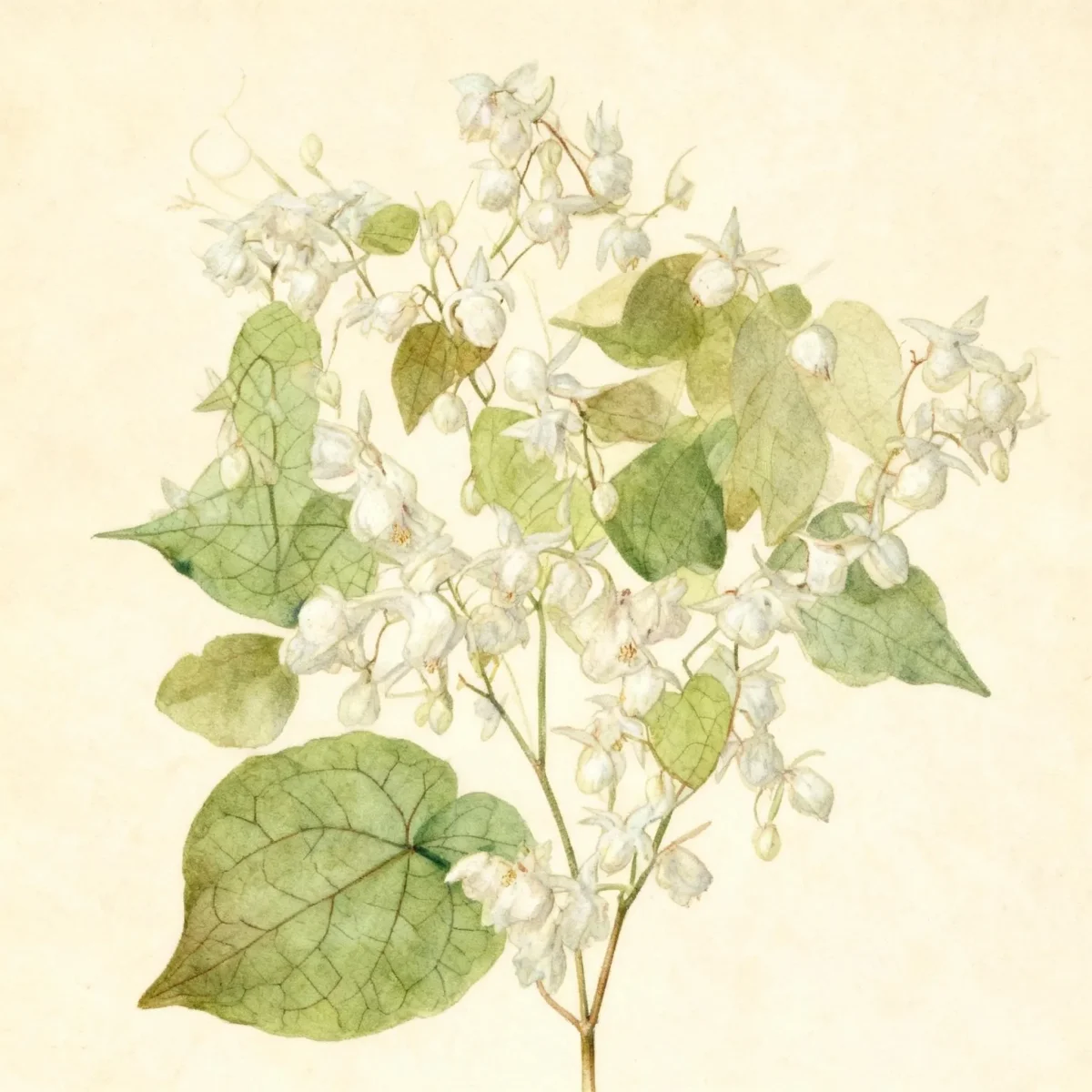
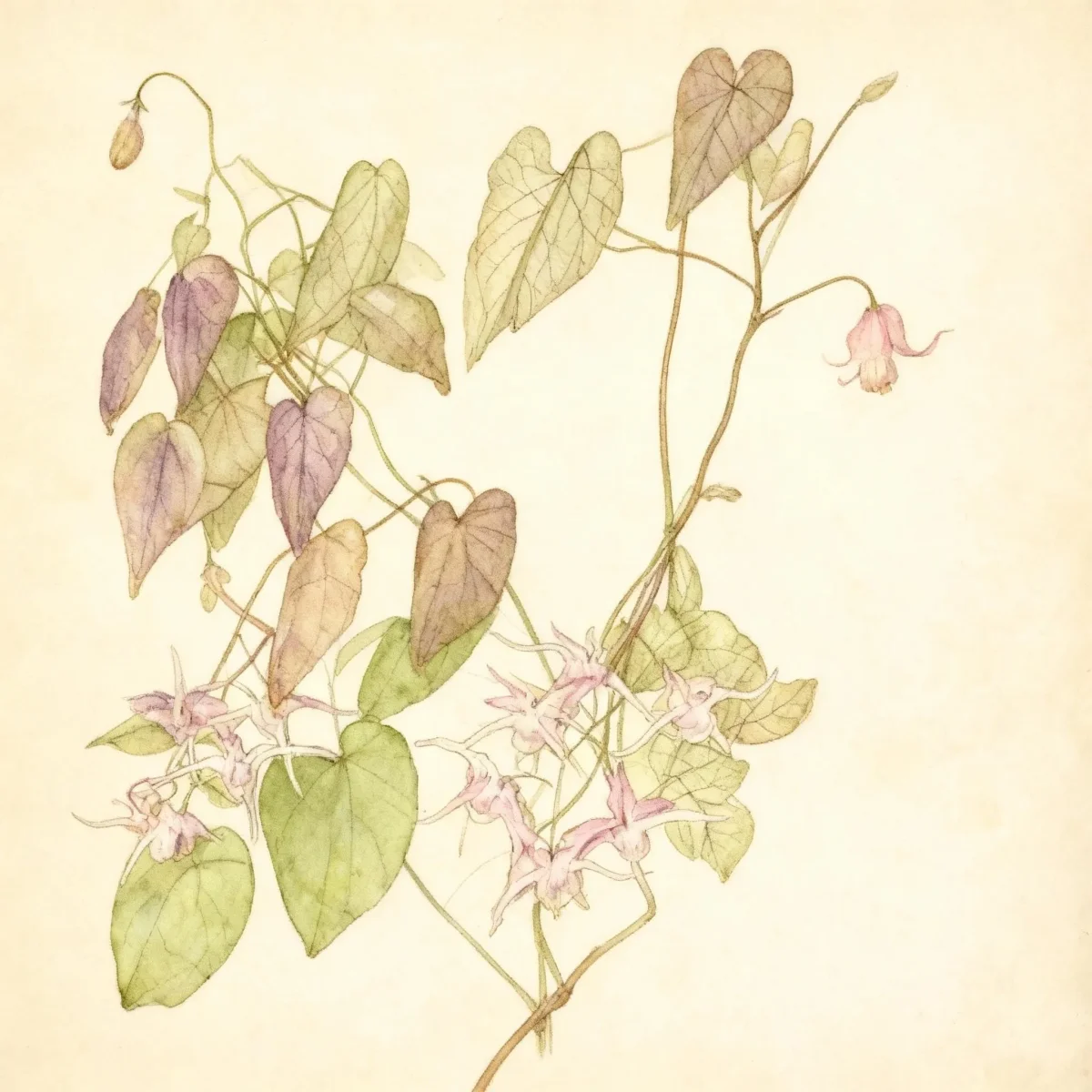
Bishop's hat (Epimedium × rubrum)
Bishop's hat (Epimedium × rubrum) is a low-maintenance, rhizomatous perennial, offering attractive foliage and bright spring color in shade.
Scroll down to discover growing tips, care requirements, companion plants, and more
Complete Plant Information
Overview
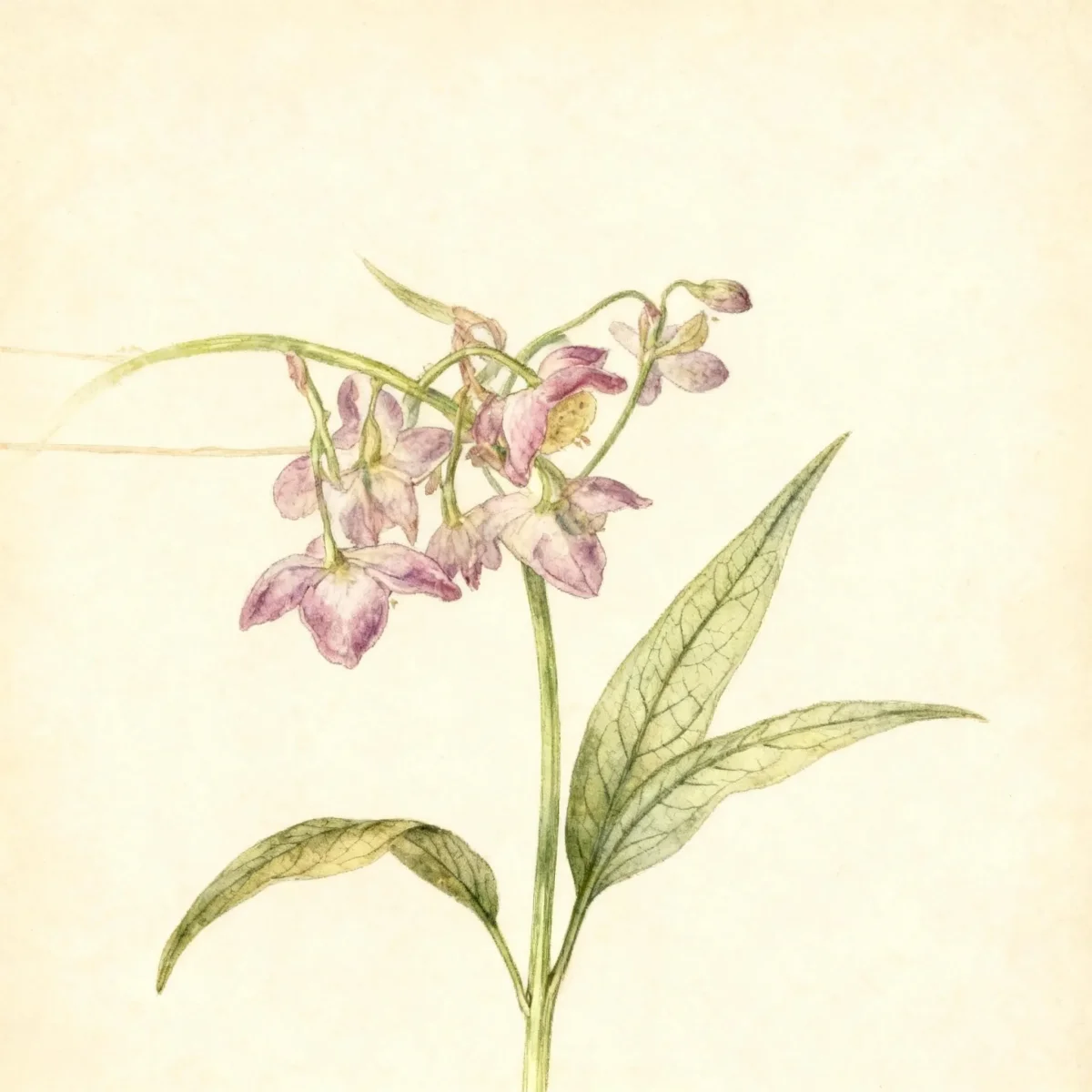
Epimedium × rubrum, widely known by its common name Bishop’s hat, is a highly valued, relatively fast-spreading ground cover perfect for challenging shady sites in the garden. This rhizomatous perennial forms attractive mounds of foliage topped by delicate, spur-shaped flowers appearing early in the spring. Its resilience and low dormancy requirements make Epimedium × rubrum an excellent foundational plant for woodland settings.
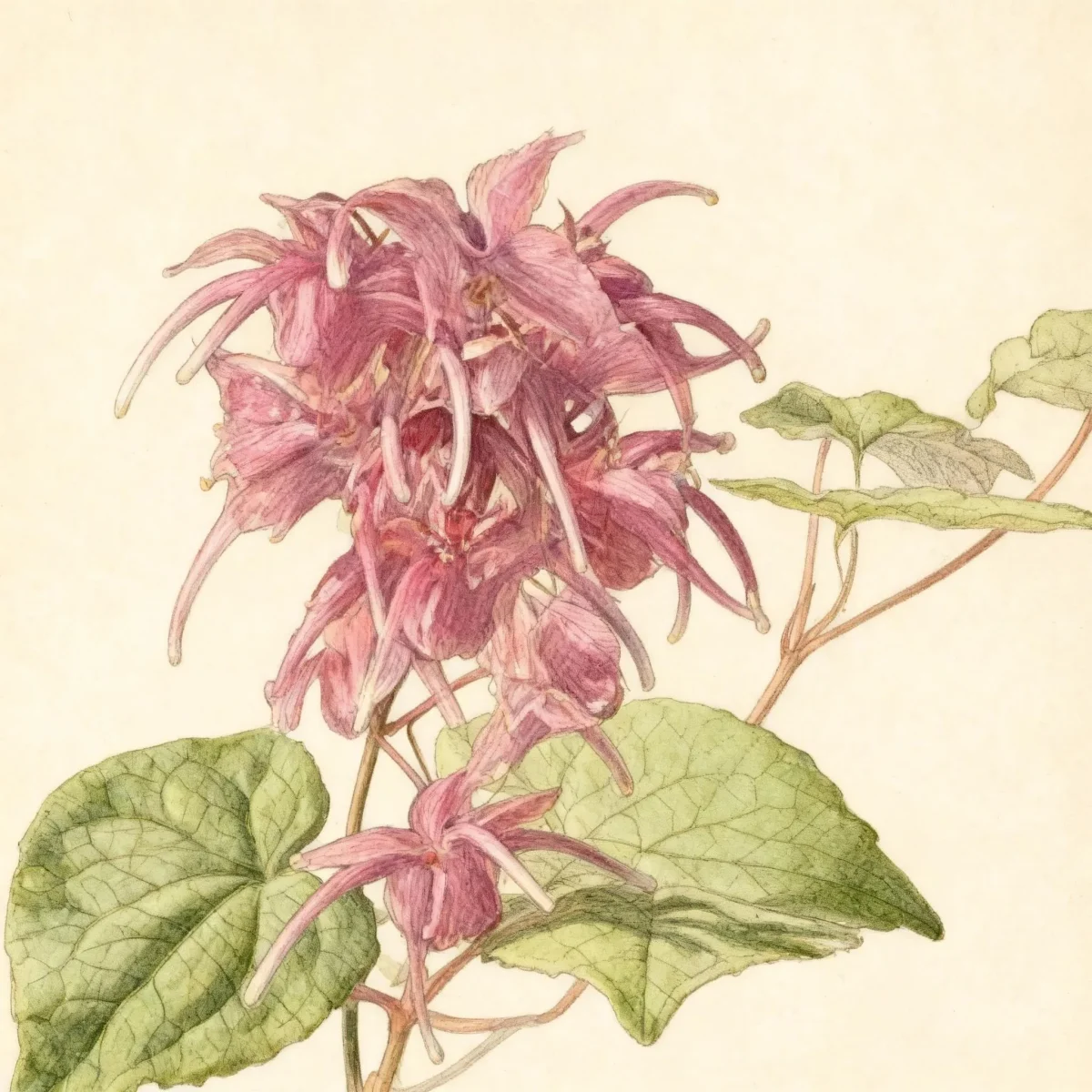
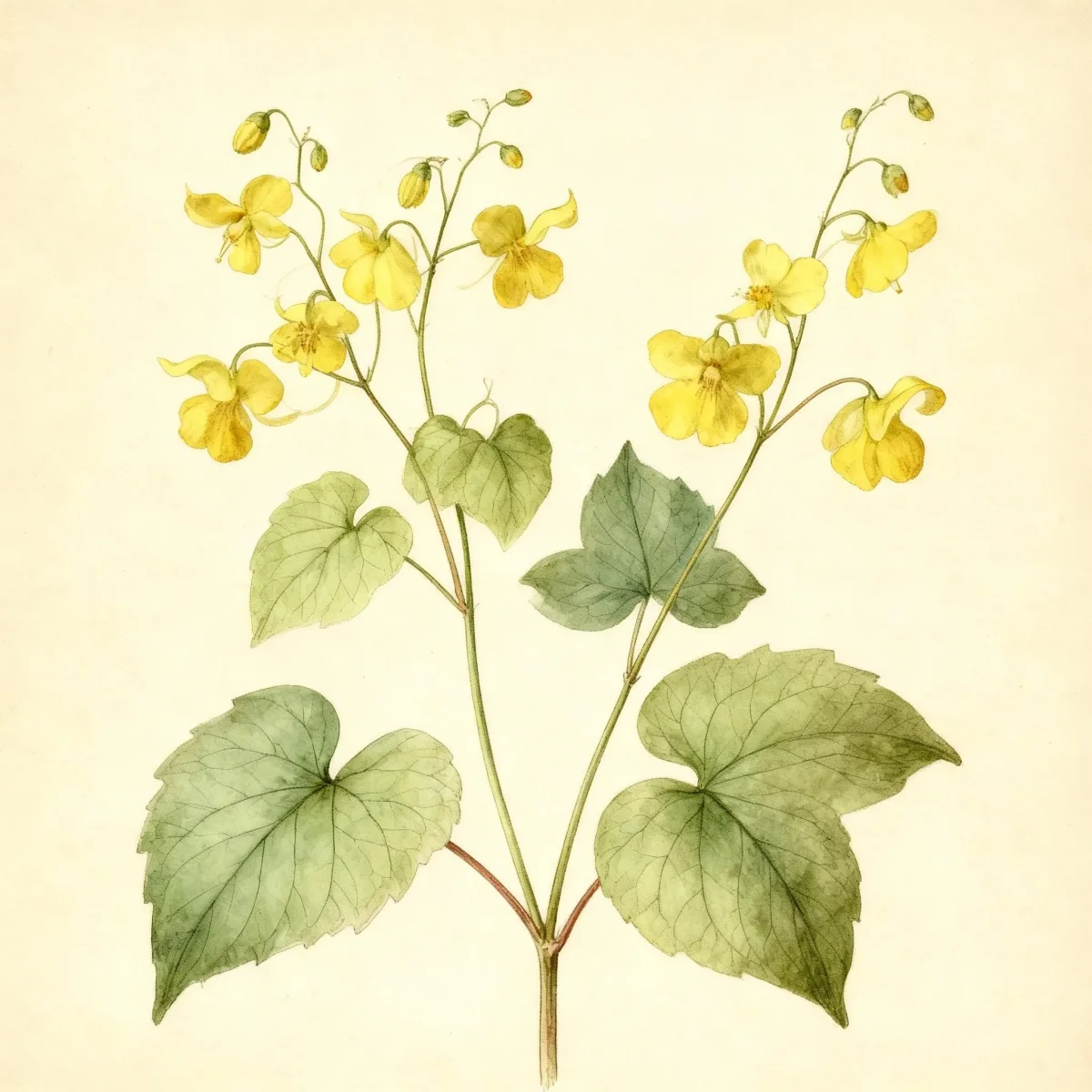
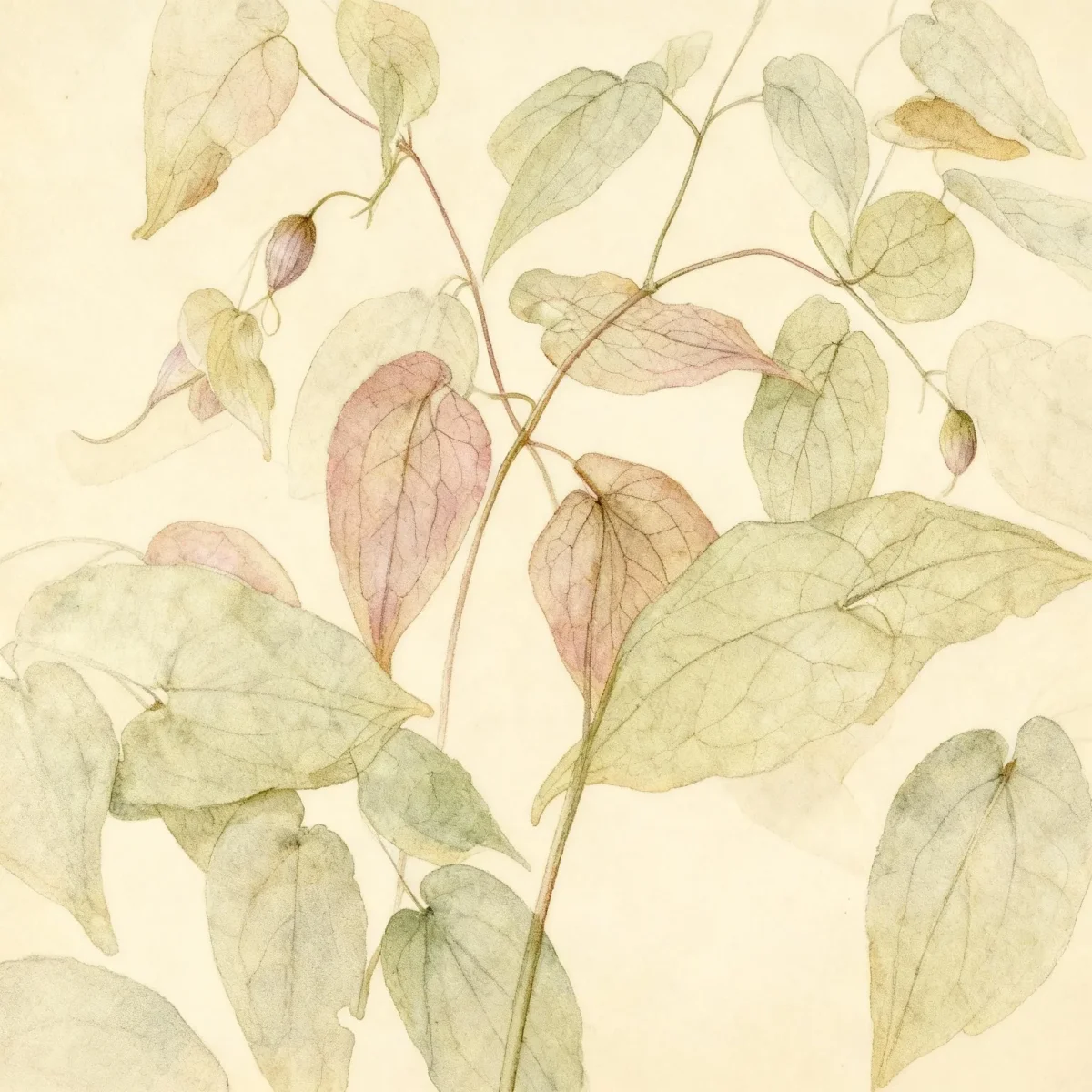
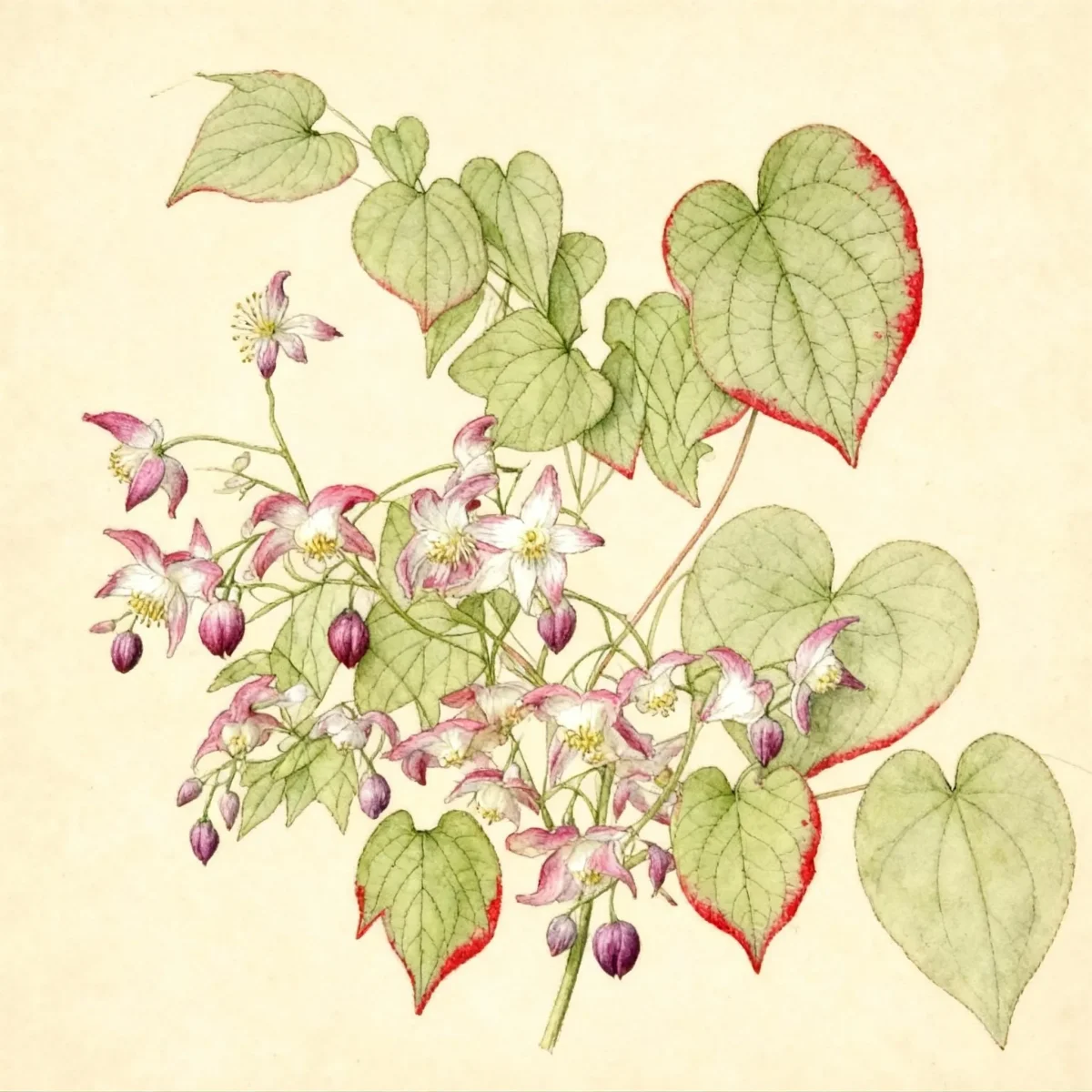
This species readily naturalizes, effectively suppressing weeds while providing seasonal visual interest. The foliage itself is attractive: compound, heart-shaped leaflets that often display bronze or red tinges in early spring and fall, contrasting nicely with the late-spring crimson and yellow blooms typical of Epimedium × rubrum.
As a low-maintenance solution for deep shade where turf grass struggles, Bishop’s hat offers year-round structure and drought tolerance once established. Gardeners appreciate its robust nature, securing its place as a reliable choice for difficult, dry shade areas.
Fast Facts
- Plant Family: Berberidaceae
- Plant Type: Herbaceous perennial
- Native Range: Garden origin
- Hardiness Zones: USDA Zones 5-9
- Size at Maturity:
- Height: 0.5-1 ft
- Spread: 1-1.5 ft
- Bloom Time: April
- Bloom Description: Crimson/yellow
- Sun Exposure: Part shade to full shade
- Water Needs: Dry to medium
- Maintenance Level: Low
How to Grow
Planting Epimedium × rubrum is best done in early spring or fall when temperatures are moderate. Locate areas offering part shade to full shade, ensuring the soil is well-drained. While it thrives in organically rich loams with consistent moisture, this tough perennial tolerates average, dry, or even shallow, rocky soils once it has matured past its initial establishment period.
Maintenance is minimal. Water thoroughly during the first growing season to encourage deep root establishment. After establishment, Bishop’s hat demonstrates significant drought tolerance, requiring supplemental watering only during prolonged dry spells. Fertilizing is rarely needed if the soil has adequate organic matter.
A key seasonal task involves late winter cleanup. Cut back any remaining dead or unsightly old foliage before the new growth emerges. This practice improves air circulation and showcases the emerging spring color of the new reddish-tinged leaves and the characteristic flowers of Epimedium × rubrum.
Landscape Uses
The primary role of Bishop’s hat in the landscape is as an effective ground cover or border edging plant for shady environments. Because it spreads moderately via rhizomes, it creates dense, attractive mats ideal for massing in woodland gardens or naturalized areas where other plants falter. It grows exceptionally well under the canopy of mature trees, filling in the often-barren space beneath them.
Consider using Epimedium × rubrum to soften the edges of stone pathways or walkways where its low, spreading habit contrasts well with hardscaping. It also performs admirably in shaded rock gardens or beneath high-canopy shrubs, providing consistent texture throughout the growing season.
Its tolerance for dry soil makes it a reliable companion for other shade lovers that prefer less moisture, such as certain ferns or Hosta varieties that can handle dappled light conditions.
Flower Qualities
- Showy
Noteworthy Characteristics
Epimedium × rubrum, sometimes commonly called red barrenwort, is a cross between E. Alpinum and E. Grandiflorum. It is a rhizomatous, clump-forming perennial which typically grows 8-12” tall and is primarily used as a ground cover or edger in shady or woodland areas. Racemes of short-spurred to spurless, red flowers (red sepals and pale yellow petals) appear above the foliage in spring. New leaves in spring emerge with a red tinge, mature to green and turn reddish in fall.
Tolerances
- Rabbit
- Deer
- Drought
- Heavy Shade
- Erosion
- Dry Soil
- Shallow-Rocky Soil
Potential Problems
Generally, Epimedium × rubrum is resistant to most serious insect and disease issues, contributing to its low-maintenance appeal. Gardeners should occasionally monitor for aphids, particularly on new growth early in the spring.
If mosaic virus is suspected, infected plants should be removed immediately to prevent potential spread, as there is no effective chemical treatment. Good garden hygiene, such as cutting back old foliage as recommended, helps keep the plant vigorous and less susceptible to secondary issues.
Frequently Asked Questions
What hardiness zones is Bishop’s hat suitable for?
Epimedium × rubrum is reliably hardy in USDA Zones 5 through 9.
How large does Bishop’s hat grow?
This perennial typically matures to a height between 0.5 and 1 foot tall, with a spread ranging from 1 to 1.5 feet wide.
What sun exposure does Epimedium × rubrum need?
It thrives best when situated in locations receiving part shade to full shade, making it excellent for deep woodland plantings.
Conclusion
Epimedium × rubrum offers unparalleled reliability for gardeners looking to establish attractive, low-growing cover in difficult, dry shade. The combination of deer resistance, drought tolerance, and vibrant spring blooms ensures that Bishop’s hat remains a staple in successful shade gardens. Assess your growing site for USDA Zone compatibility (5-9) and incorporate this tough perennial during the next planting window.
Companion Planting
When selecting companions for Epimedium × rubrum, focus on plants that share similar requirements for dry shade and low maintenance. Hostas with blue or variegated foliage provide excellent contrast to the finer texture of the Epimedium leaves. Ferns, such as Japanese Painted Ferns or Autumn Ferns, complement the woodland aesthetic established by Bishop’s hat.
Consider using low-growing spring bulbs like miniature daffodils or snowdrops planted underneath the emerging foliage. These bulbs will offer earlier color before the Epimedium fully leafs out, and they die back naturally as their requirements for sun exposure during dormancy differ from the perennial shade lovers.
Propagation Tips
The easiest and most common method for increasing your stock of this rhizomatous perennial is through division. Divisions can be made successfully whenever the plant is actively growing, though late fall or very early spring before new leaves emerge is often preferred.
Simply dig up clumps of Epimedium × rubrum; the tough, spreading rhizomes will separate. These divisions should be replanted immediately into prepared soil at the same depth they were growing previously and watered well to help them settle quickly into their new location.