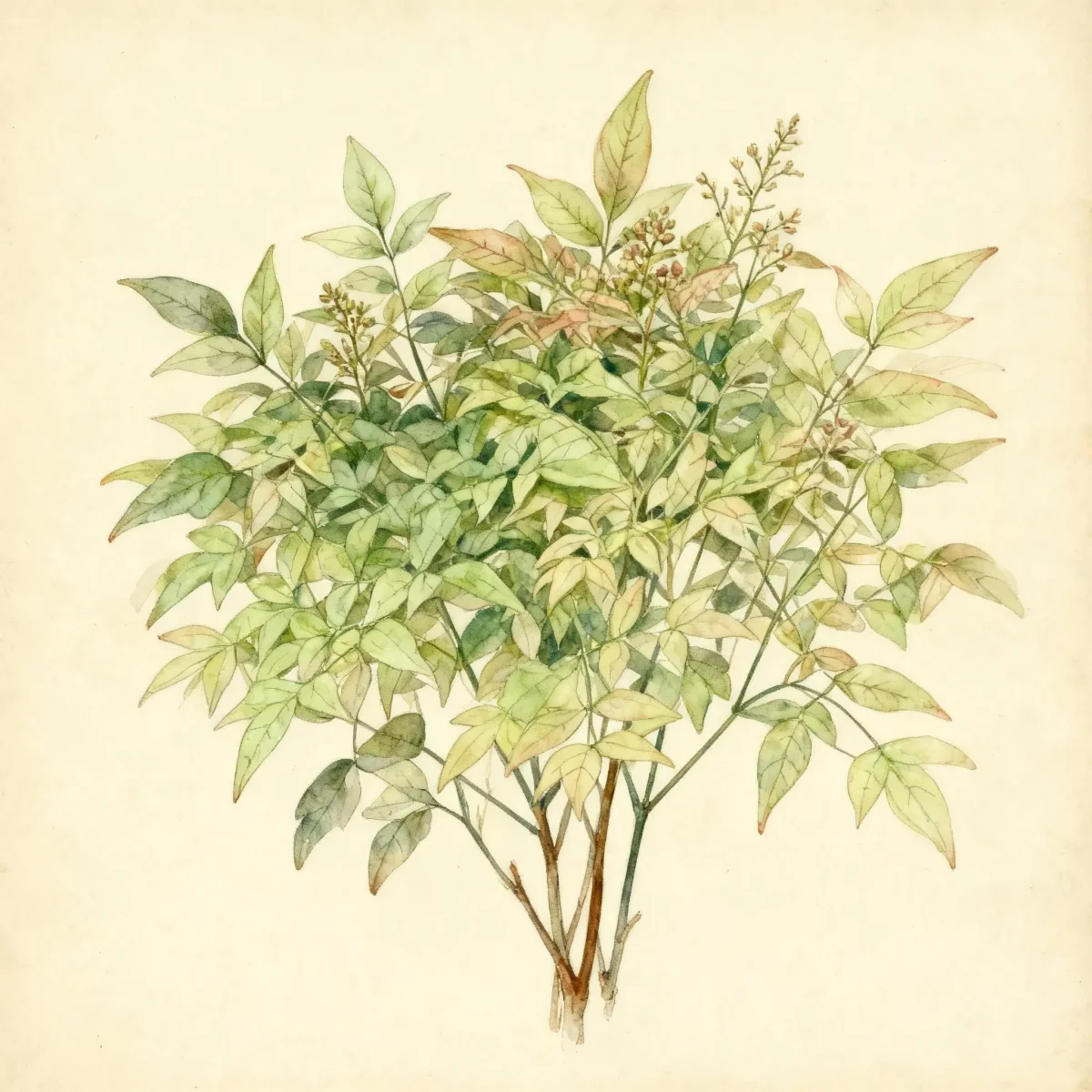
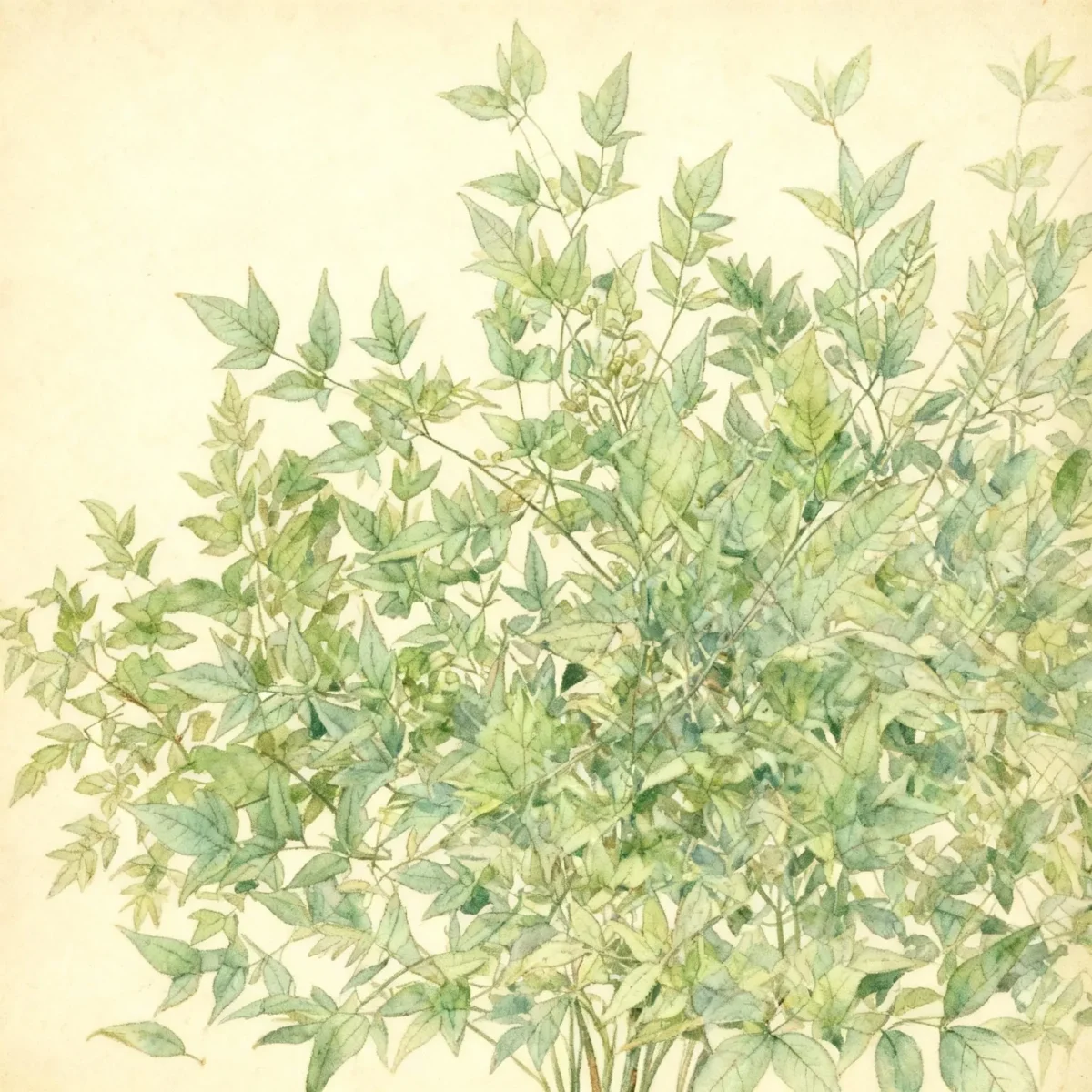
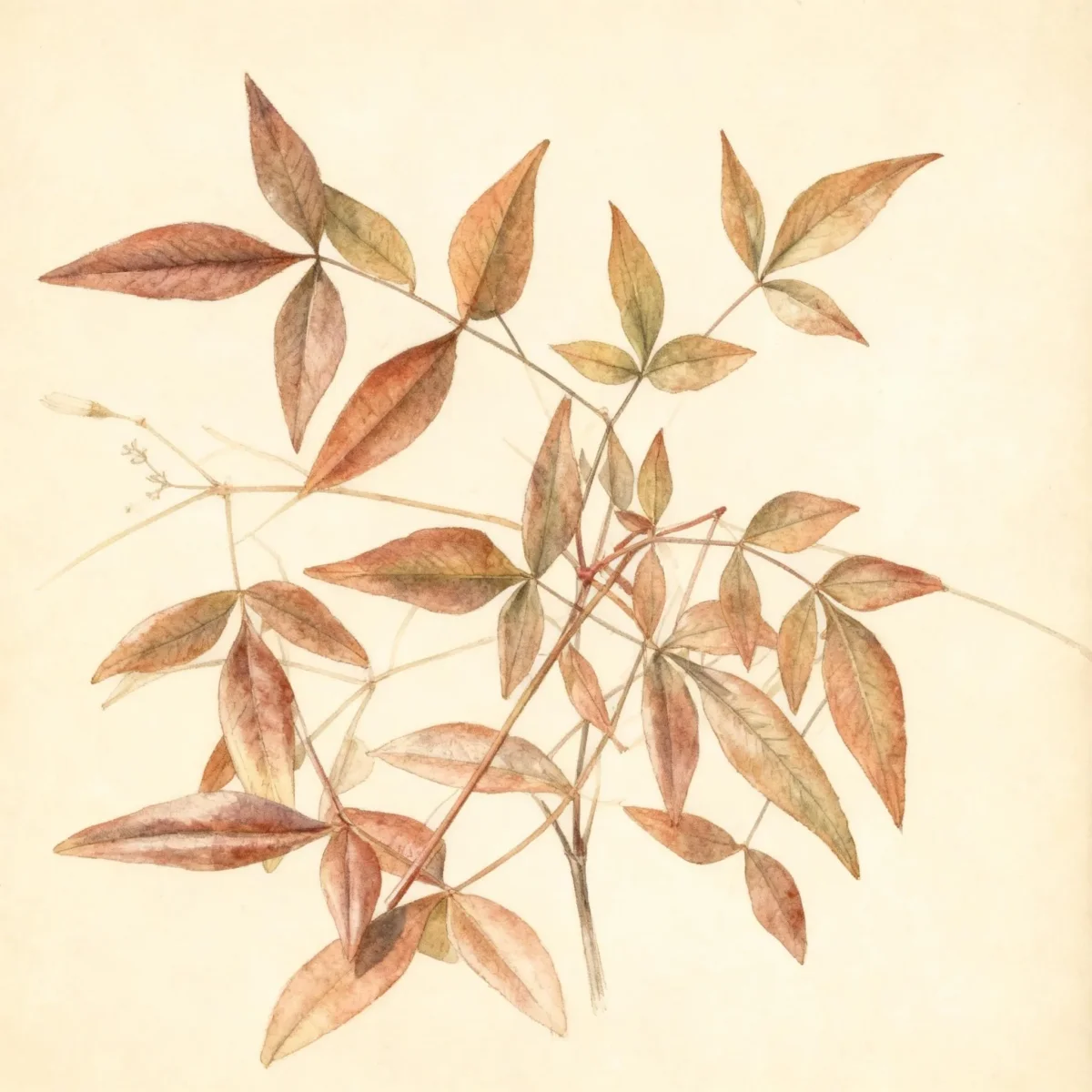
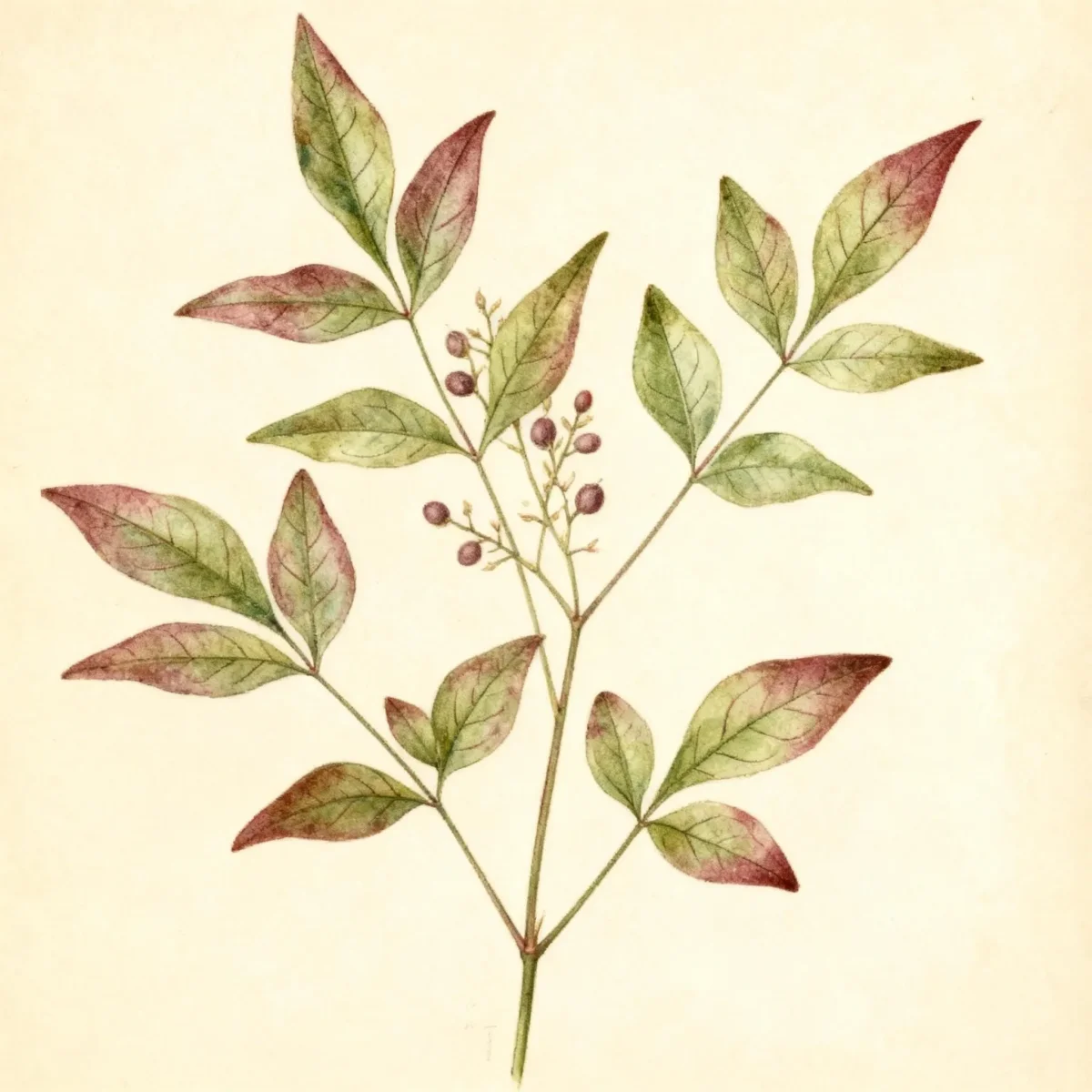
Mahonia (Mahonia trifoliolata)
Mahonia trifoliolata is a drought-tolerant, broadleaf evergreen shrub featuring prickly, attractive foliage and fragrant yellow blooms.
Scroll down to discover growing tips, care requirements, companion plants, and more
Complete Plant Information
Overview
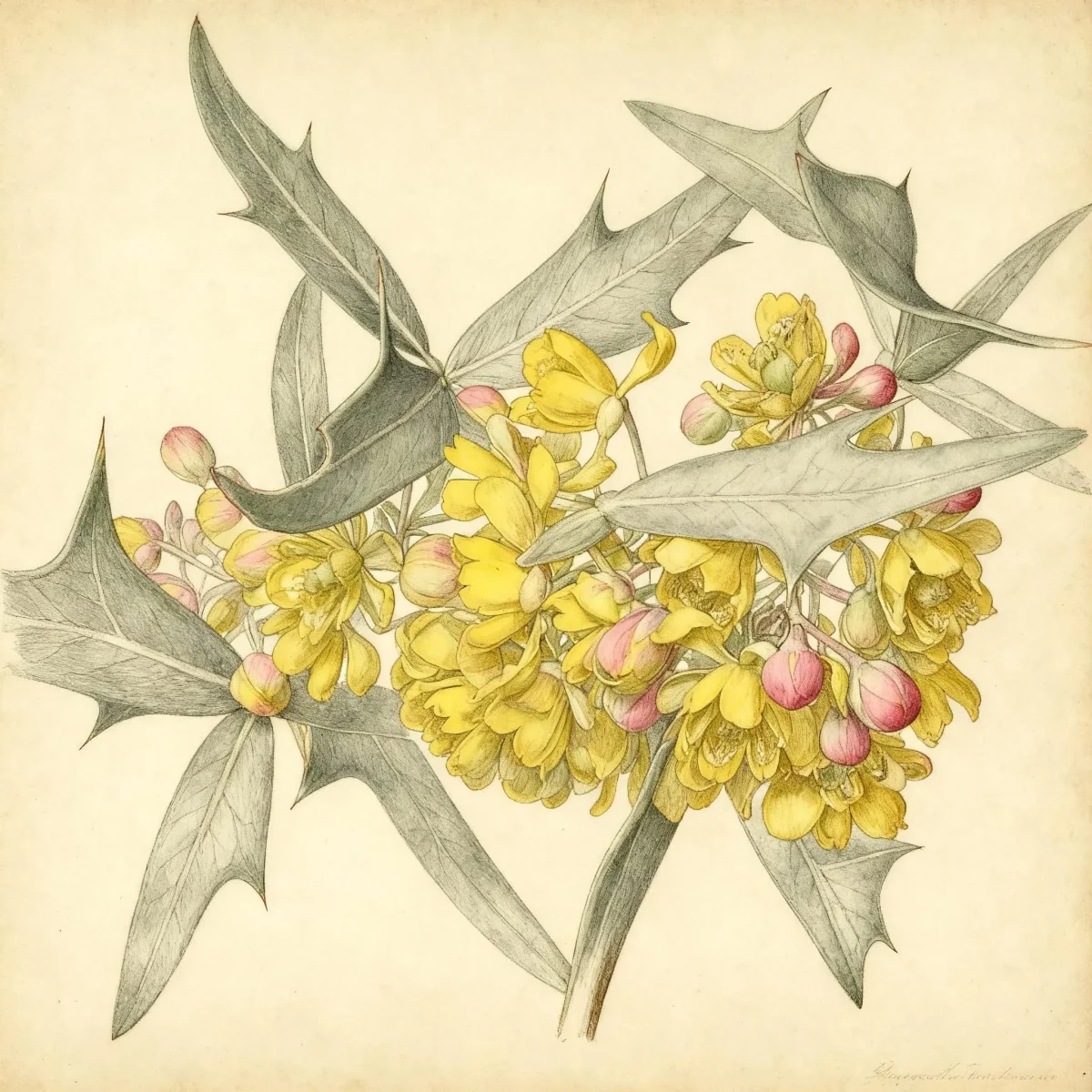
The Agarita, scientifically known as Mahonia trifoliolata, is a distinctive broadleaf evergreen shrub prized for its evergreen holly-like foliage and early spring color. This resilient plant brings texture and visual interest to the landscape, offering fragrant bright yellow flowers followed by attractive, edible red berries. Native to the dry hillsides of the Southern U.S. and Mexico, it is exceptionally well-suited for challenging, arid garden environments.
This Mahonia species matures between two and six feet tall and wide, forming a dense, manageable specimen. Its trifoliate leaves provide year-round structure, though successful fruiting generally requires planting more than one shrub nearby for cross-pollination. Gardeners value Mahonia trifoliolata for its superb drought tolerance once established and its ornamental appeal across multiple seasons.
For gardeners dealing with dry conditions or seeking tough screening plants, Mahonia provides a reliable, low-maintenance solution. Its suitability for Xeriscaping, combined with the wildlife value of its berries, establishes Mahonia trifoliolata as a versatile and pragmatic choice for sunny to partially shaded borders.
Fast Facts
- Plant Family: Berberidaceae
- Plant Type: Broadleaf evergreen
- Native Range: Southern United States, Mexico
- Hardiness Zones: USDA Zones 7-9
- Size at Maturity:
- Height: 2-6 ft
- Spread: 2-6 ft
- Bloom Time: March to April
- Bloom Description: Yellow
- Sun Exposure: Full sun to part shade
- Water Needs: Dry to medium
- Maintenance Level: Medium
How to Grow
Planting Mahonia trifoliolata should ideally occur when temperatures are mild, allowing the roots to establish before summer distress or deep winter freezes arrive. Choose locations providing dry to medium moisture in well-drained soils. While it thrives in full sun, light shade is also acceptable. It tolerates slightly alkaline soils common in its native habitat, making it adaptable to many soil types, provided drainage is excellent.
Ongoing care is generally minimal. Water deeply but infrequently, especially once established, as this Mahonia exhibits significant drought tolerance. Pruning requirements center mostly on management; unless you specifically desire a naturalized look, promptly remove suckers that emerge from the base or roots to maintain the desired shrub form.
A critical cultural note for gardeners aiming for the pleasant red berries is pollination. Single specimen shrubs may fruit poorly, so planting multiple Mahonia trifoliolata shrubs together is strongly recommended to ensure good berry set. Site the plant away from areas subject to high winds, which can damage or stress the foliage.
Landscape Uses
Mahonia trifoliolata excels when planted in small groupings, effectively transforming sunny areas that struggle with more conventional shrubs. Its upright, spiky structure makes it an excellent candidate for shrub borders, providing structure where other plants might fail during summer heat. Furthermore, its dense habit lends itself well to creating effective screens or adding rugged texture to foundation plantings.
For naturalizing in open woodlands or along slopes, this plant manages erosion while providing wildlife forage. Avoid overly manicured settings; instead, pair it with other drought-tolerant natives suited to similar dry, sunny western or southwestern gardens. The combination of its seasonal flowers and persistent fruit ensures continuous visual interest.
Standout Features
Flower Qualities
- Showy
Fruit Qualities
- Showy
- Edible
Noteworthy Characteristics
Mahonia trifoliolata is an evergreen shrub which typically grows to 2-6’ tall and as wide, and features prickly, holly-like, trifoliate leaves, fragrant bright yellow flowers, and globular red berries. Native to arid regions spanning from western Texas to northern Mexico, it is known by many common names including agarita and Chaparral berry. The edible berries mature orange to red and can be utilized for making jams and jellies, offering an added harvest bonus.
Tolerances
- Drought
Potential Problems
This shrub is generally robust, suffering from no serious insect or disease problems under ideal cultural conditions. The primary issues encountered are aesthetic, involving minor fungal infections like leaf spots and rusts, which are more common if air circulation is poor or the plant is kept too wet. Gardeners should routinely inspect the undersides of young foliage for common sap-sucking pests such as aphids, scale, and whiteflies. Management for these pests usually involves horticultural oil or insecticidal soap applied at the first sign of infestation.
Frequently Asked Questions
What hardiness zones is Mahonia suitable for?
This hardy variety is suitable for USDA Zones 7 through 9, thriving where winters are not overly severe.
How large does Mahonia trifoliolata grow?
Mahonia trifoliolata typically reaches a mature height between 2 and 6 feet, with a similar spread of 2 to 6 feet.
When does Mahonia bloom?
This shrub provides early color, generally blooming with bright yellow flowers from March through April.
What sun exposure does Mahonia trifoliolata need?
For best flowering and form, Mahonia trifoliolata prefers full sun to partial shade conditions.
Conclusion
The drought-tolerant Mahonia trifoliolata, with its unique spiky foliage and early spring yellow blooms, offers significant structural and seasonal value, especially in dry garden settings. Remember that planting multiple shrubs will maximize your harvest of its edible red berries. Before placement, confirm your local climate falls within USDA Zones 7-9 and ensure the soil drains exceptionally well for long-term success with this Mahonia.
Wildlife Benefits
The fruits of Mahonia trifoliolata are highly attractive to native birds, providing a crucial food source, especially late in the season as other berries diminish. While the fruit is eaten by birds, the prickly foliage offers dense, secure cover from predators, making it an excellent protective element in an ecological landscape design. The fragrant yellow flowers in early spring also serve as an important early nectar source for emerging pollinators.
Propagation Tips
The characteristic way this Mahonia spreads is via suckering from the root system. If naturalizing is not the goal, these suckers should be removed immediately to keep the plant contained. For intentional propagation, root cuttings taken from the suckers or basal growth during the dormant season offer the most straightforward method to create genetically identical new shrubs.