Japanese alder (Alnus japonica)
The Japanese alder (Alnus japonica) is a low-maintenance, versatile tree thriving in wet sites in USDA Zones 5-7.
Scroll down to discover growing tips, care requirements, companion plants, and more
Complete Plant Information
Overview
The Japanese alder (Alnus japonica) is a handsome, fast-growing deciduous tree recognized for its adaptability, especially concerning moisture levels. Native to temperate forests and streambanks across temperate Asia, this species offers reliable structure and shade in cooler climates. Gardeners value Alnus japonica for its ability to thrive where other trees might struggle, particularly in moist low spots.
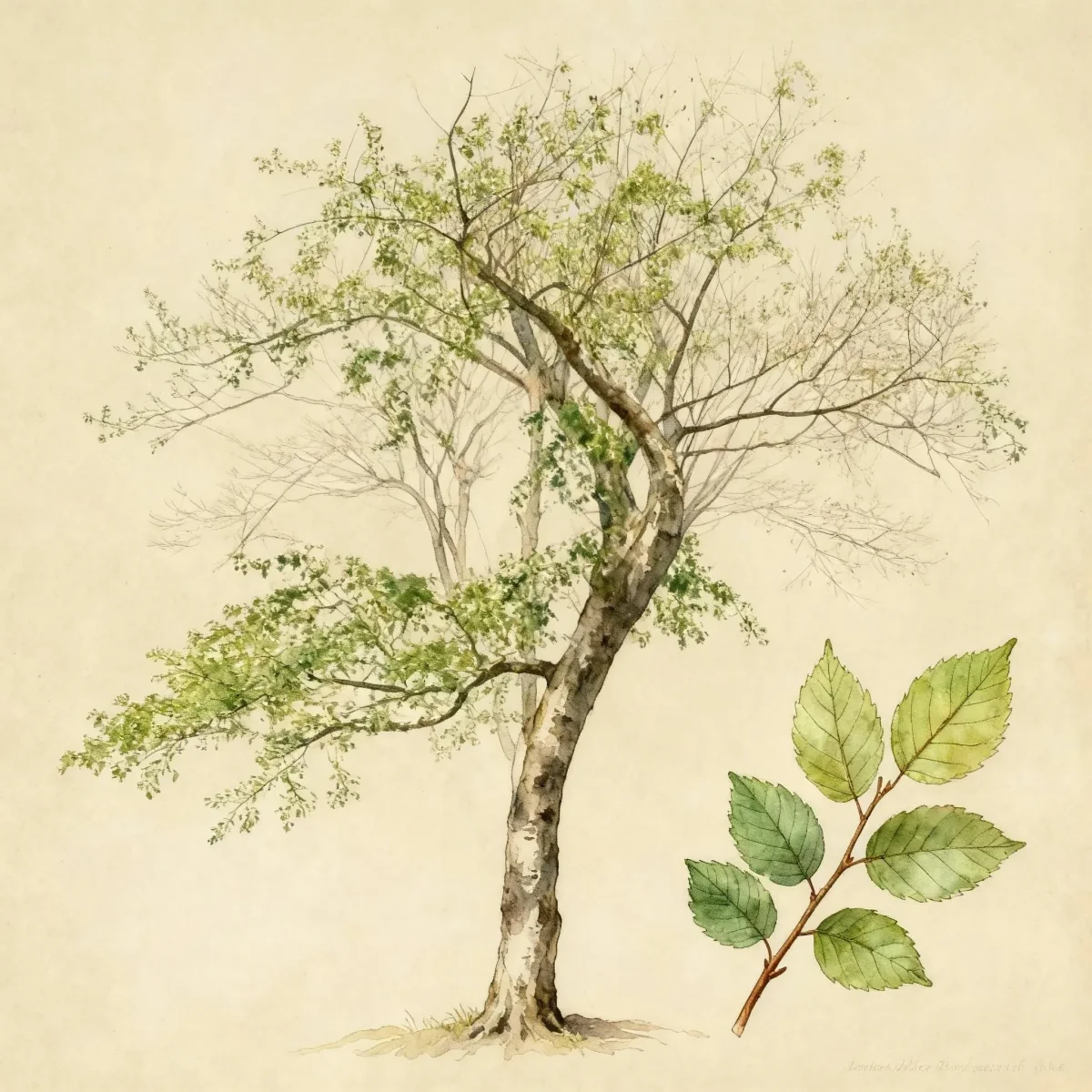
This tree typically develops a conical to pyramidal shape, reaching between 40 and 60 feet tall, though it can sometimes exceed 80 feet. Its foliage consists of dark green, ovate leaves that are wedge-shaped at the base, providing dense summer cover, although it lacks significant fall color. The structure of the Alnus japonica makes it an excellent candidate for screening or large specimen planting.
A key characteristic of this genus is its low maintenance requirement once established, making the Japanese alder a practical choice for both woodland settings and functional landscape placements. Its tolerance for various soil conditions, even dry and infertile sites, broadens its appeal, provided it is sited within its preferred cool climate range (Zones 5-7).
Fast Facts
- Plant Family: Betulaceae
- Plant Type: Tree
- Native Range: Japan, Korea, Manchuria
- Hardiness Zones: USDA Zones 5-7
- Size at Maturity:
- Height: 40-60 ft
- Spread: 30-50 ft
- Bloom Time: March
- Bloom Description: Yellow-brown (male) and purplish (female)
- Sun Exposure: Full sun to part shade
- Water Needs: Medium to wet
- Maintenance Level: Low
How to Grow
For optimal establishment, plant Alnus japonica during the dormant season, either early spring or late fall. Select a location receiving full sun to light partial shade. While this tree performs best in consistently medium to wet soils, it is commendable for its ability to tolerate both dry, infertile soils and very moist ground, fitting well into difficult sites.
Watering should be consistent during the first few growing seasons as the tree establishes its root system. After establishment, the Japanese alder shows moderate drought tolerance, though it will thrive with a medium water supply, particularly during hot summers. This plant requires low maintenance, generally needing little to no fertilization unless soils are extremely poor. Pruning should focus primarily on removing dead, damaged, or crossing branches to maintain its natural conical shape.
Gardeners must be mindful of its temperature limitations. The Japanese alder does not perform well when planted south of USDA Zone 7, preferring the cooler summers found further north. Avoid heavy winter cover in its preferred zones, as it is hardy and established trees require minimal winter protection.
Landscape Uses
The Japanese alder is highly recommended for tough locations that challenge most ornamental trees. Because it thrives in moist low spots, it is perfect for filling rain gardens, riparian zones, or naturalized woodland borders where soil moisture fluctuates. While uncommon in typical suburban US landscapes, it offers exceptional ecological value in these marginal areas.
As a specimen plant, its upright, pyramidal structure provides excellent vertical accent, particularly useful for framing views or providing shade over a broad area. Consider planting masses of Alnus japonica for windbreaks or creating naturalized borders alongside native understory shrubs that share similar moisture requirements.
This tree works well as a focal point in naturalistic or woodland-style gardens. Its utility in stabilizing difficult soils makes it a vital component in ecological restoration projects, serving as both a functional and aesthetic anchor in the landscape.
Standout Features
Flower Qualities
- Insignificant
Noteworthy Characteristics
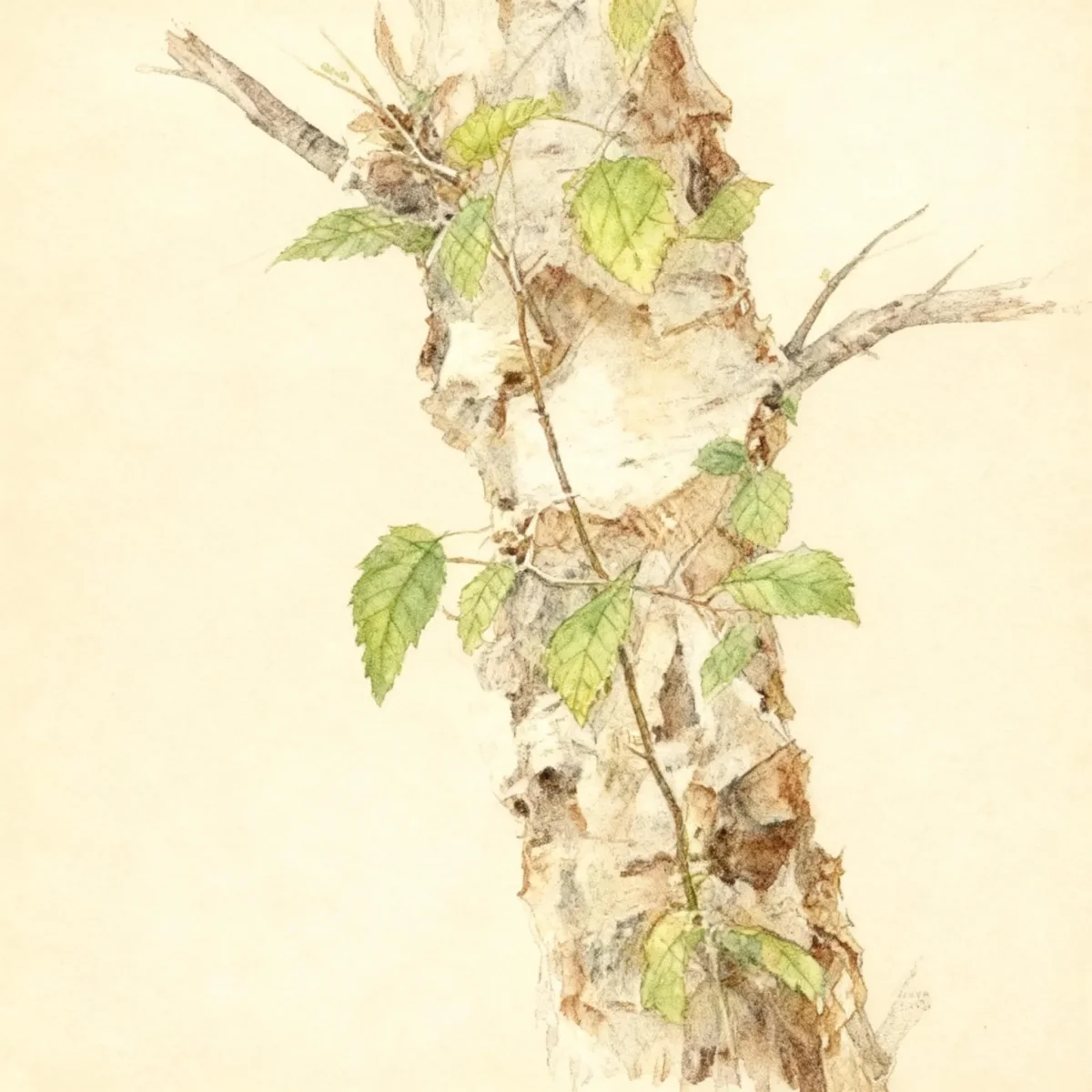
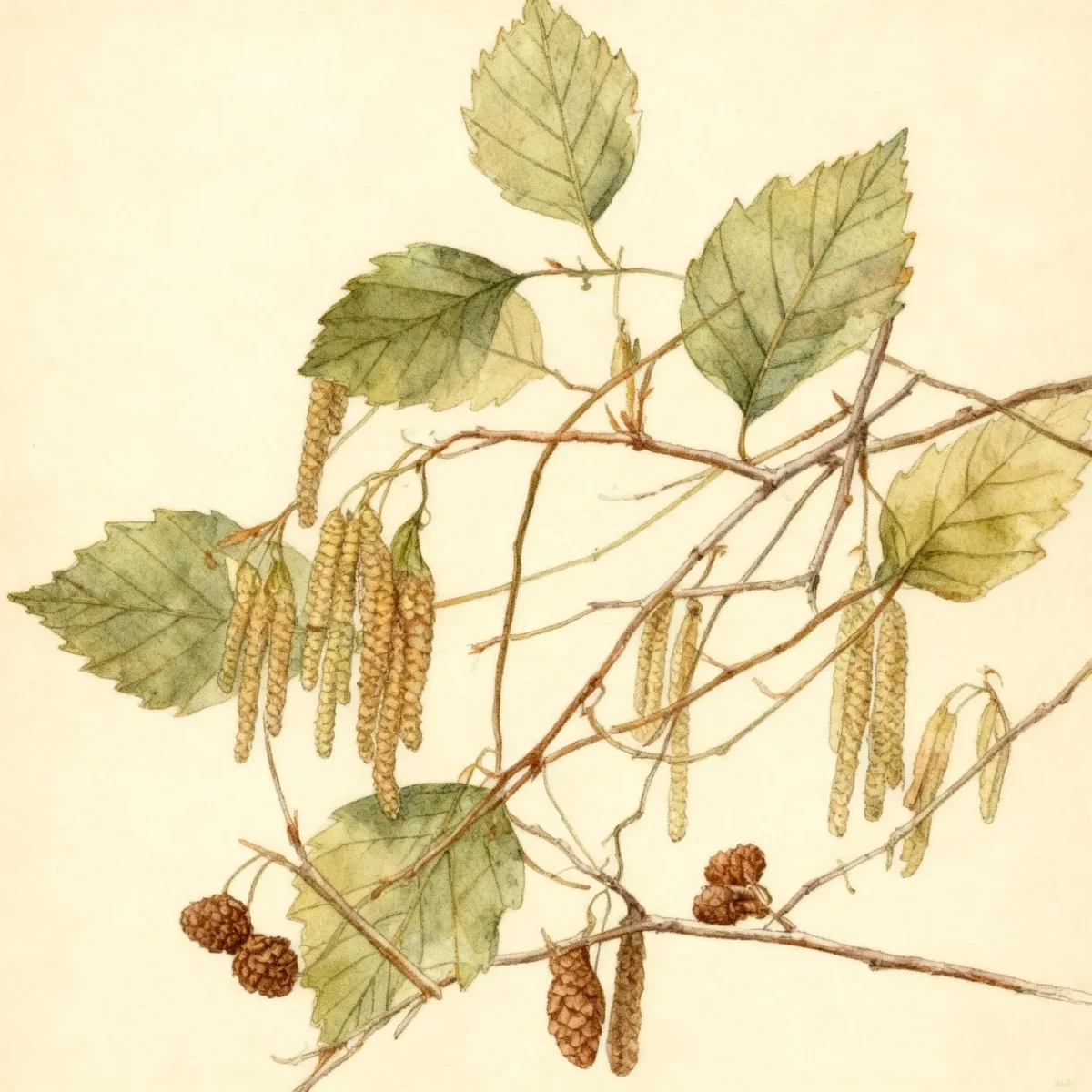
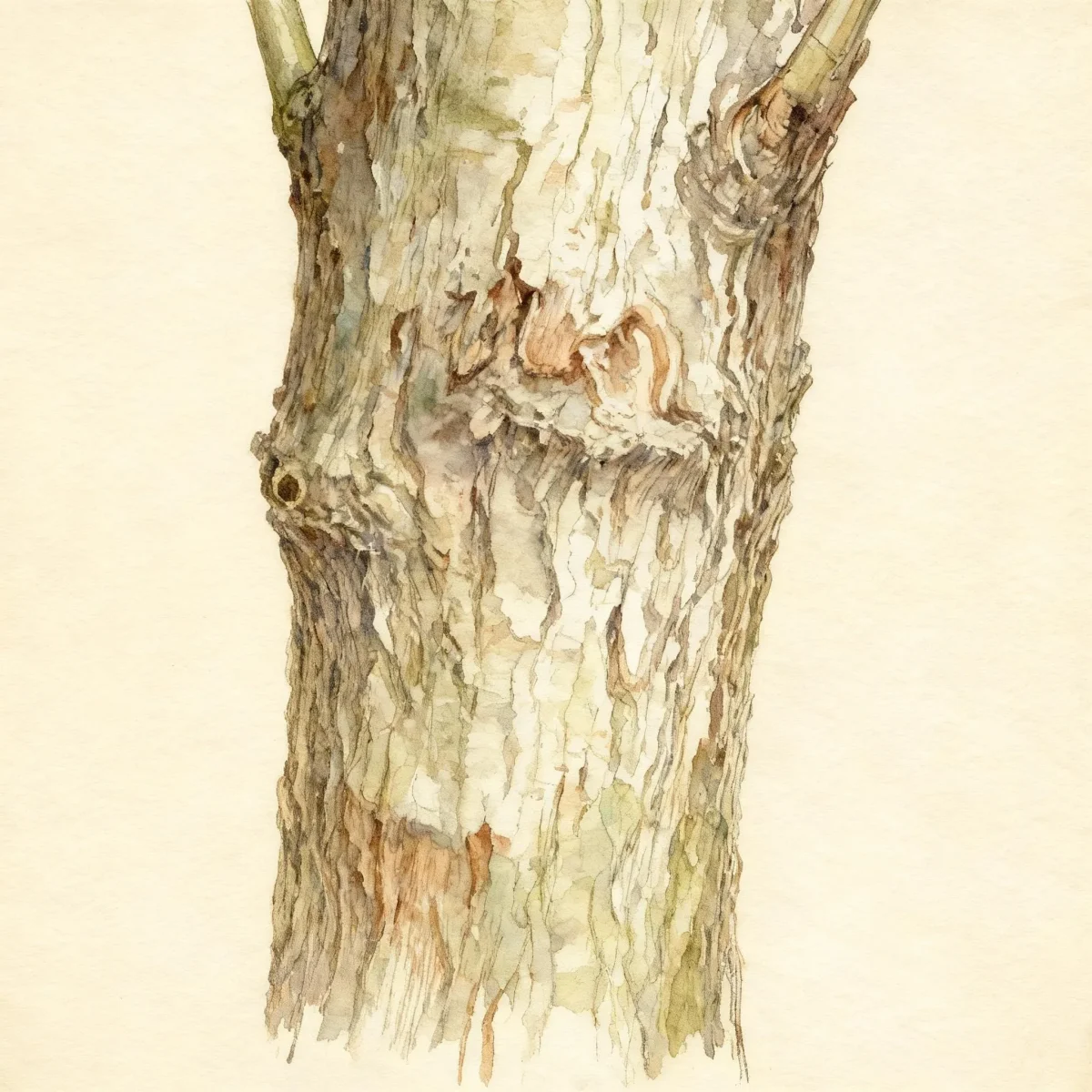
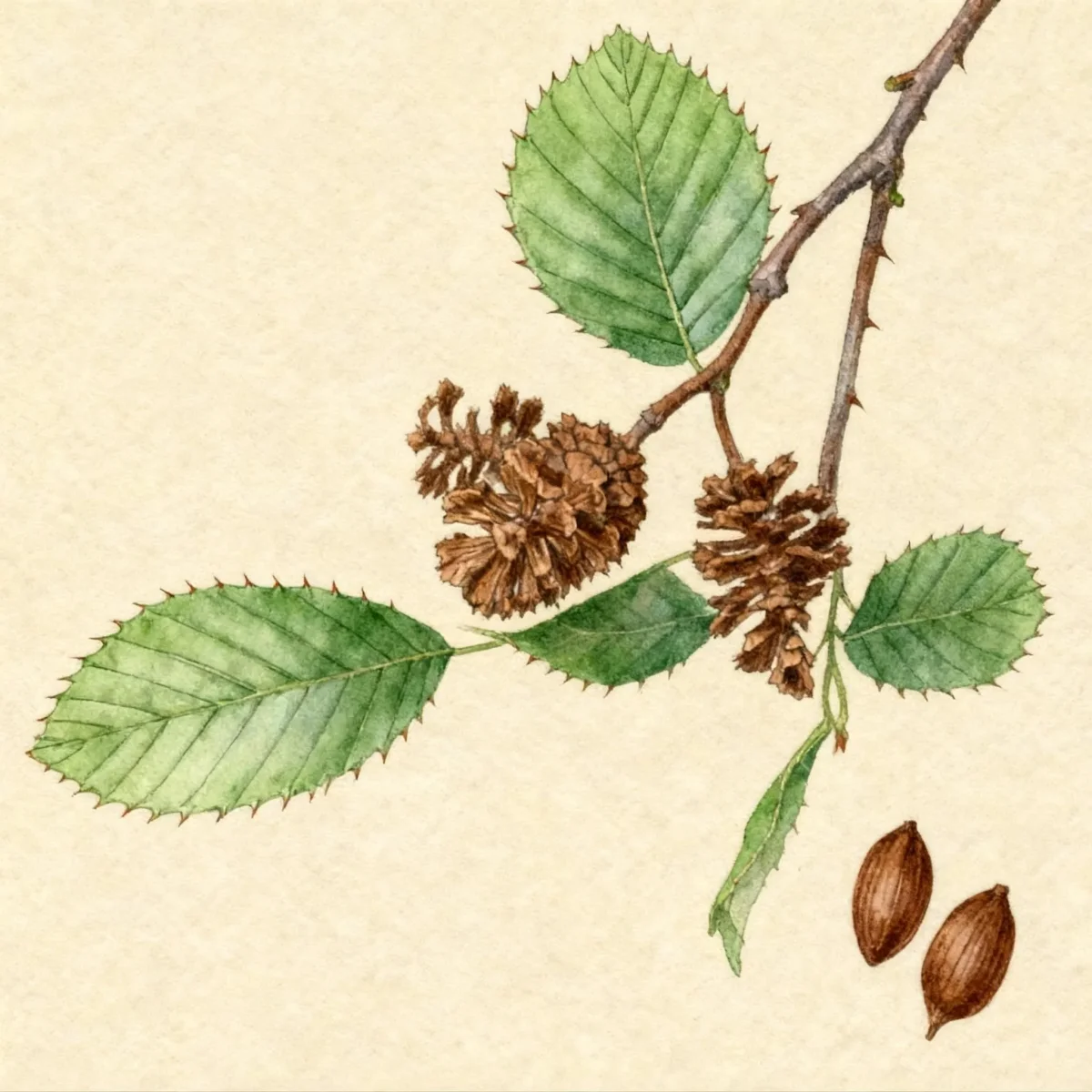
Alnus japonica, commonly called Japanese alder, is a conical to pyramidal deciduous tree that is native to temperate forests, streambanks, swamps and roadsides in northeastern Asia and Japan. It typically grows to 40-60’ (less frequently to 80’) tall. Narrow, acuminate, serrulate, ovate to elliptic, dark green leaves (to 5” long) are wedge-shaped at the base and light green underneath. Genus name is the Latin name for alder; specific epithet means of Japan.
Tolerances
No data provided.
Potential Problems
The Japanese alder is exceptionally resilient, reporting no serious insect or disease problems under ideal growing conditions. This low susceptibility to pests and pathogens contributes significantly to its low maintenance rating. Monitor for typical leaf spot diseases if humidity is consistently high, ensuring adequate air circulation around the crown if possible.
Preventative care centers on selecting the correct site conditions, primarily ensuring the climate stays within USDA Zones 5 through 7. Avoiding planting the tree in hot, dry climates where it will decline rapidly prevents stress that could invite secondary pest issues.
Frequently Asked Questions
What hardiness zones is Japanese alder suitable for?
The Japanese alder (Alnus japonica) is suitable for gardeners gardening in USDA Hardiness Zones 5 through 7.
How large does Alnus japonica grow?
This tree typically matures to a height range of 40 to 60 feet, with a spread between 30 and 50 feet.
What sun exposure does Alnus japonica need?
Alnus japonica requires full sun to part shade for best performance and structure.
When does Japanese alder bloom?
The Japanese alder blooms in March, producing inconspicuous monoecious flowers described as long, pendant, yellow-brown male catkins and short, erect purplish female catkins.
Conclusion
The Alnus japonica, or Japanese alder, offers unrivaled utility for landscapes featuring challenging soil moisture conditions, especially wet or poorly drained areas within Zones 5-7. Its vigorous growth, low maintenance needs, and robust structure make it a prime candidate for practical planting schemes. Before purchasing, confirm that your site offers a cool climate, then plan to plant this versatile tree during its dormant season for the best establishment success.
Companion Planting
Because the Japanese alder tolerates wet feet and poor fertility, it pairs naturally with other moisture-loving wetland or woodland edge species. Consider planting native ferns, moisture-loving groundcovers like Carex varieties, or moisture-tolerant shrubs such as certain Vaccinium species (if soil acidity is acceptable). In drier, infertile sites where it is unusually planted, focus on tough, adaptable perennials that do not require rich humus. Companion species should generally share the requirement for full sun to partial shade coverage offered by the mature canopy of the Alnus japonica.
Wildlife Benefits
Although the flowers are insignificant to the human eye, they provide early sustenance for pollinators emerging in March. More importantly, the fruiting cones produced after flowering contain winged seeds that are a food source for various songbirds throughout the winter months. As a pyramidal deciduous tree, the dense summer and fall foliage offers valuable cover and nesting sites for wildlife. Establishing a patch of Alnus japonica contributes positively to local biodiversity by providing consistent habitat structure.