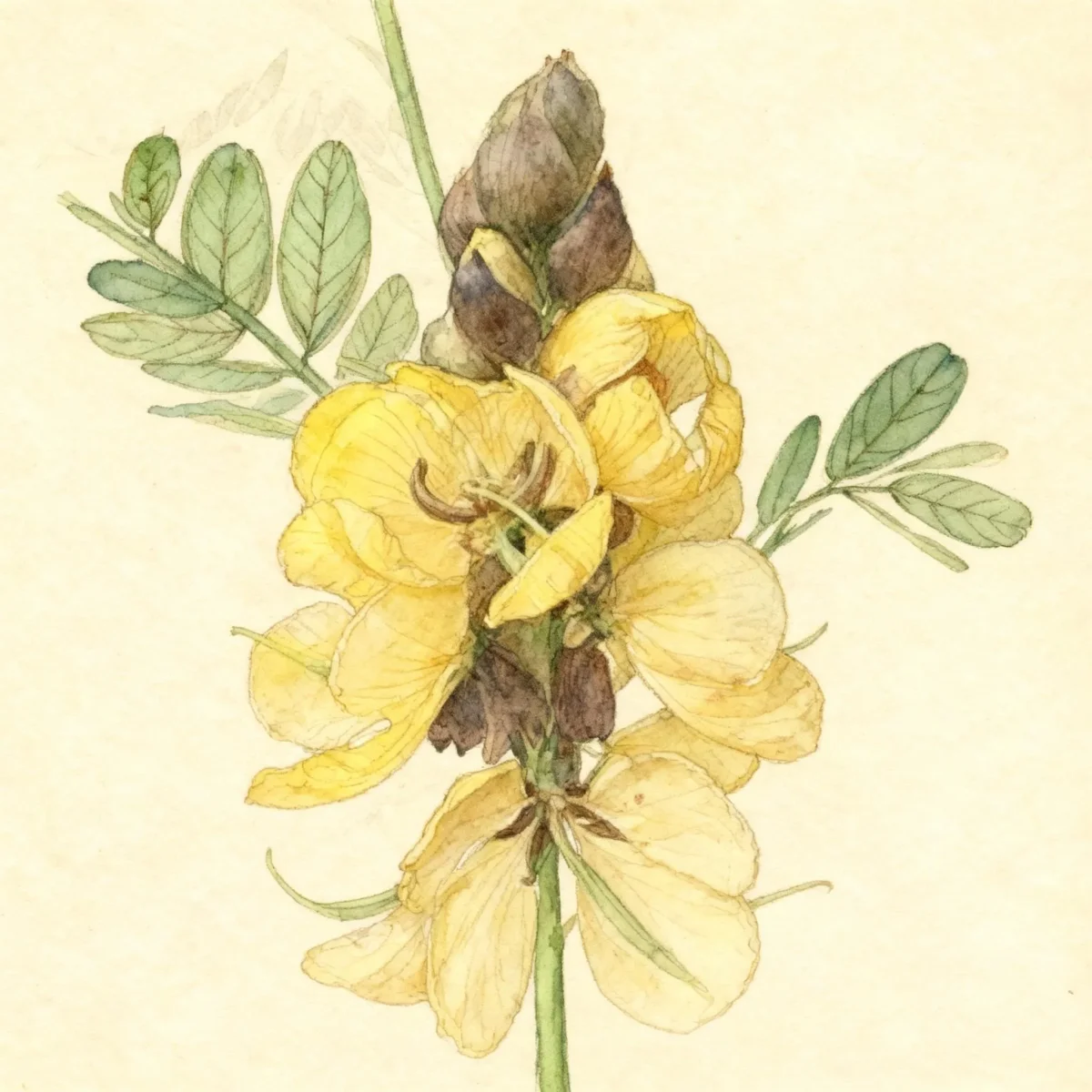
Lipsticktree (Bixa orellana)
Bixa orellana, the Lipsticktree, is an ornamental evergreen shrub native to the Americas, valued for its showy pink flowers and reddish-brown fruit.
Scroll down to discover growing tips, care requirements, companion plants, and more
Complete Plant Information
Overview
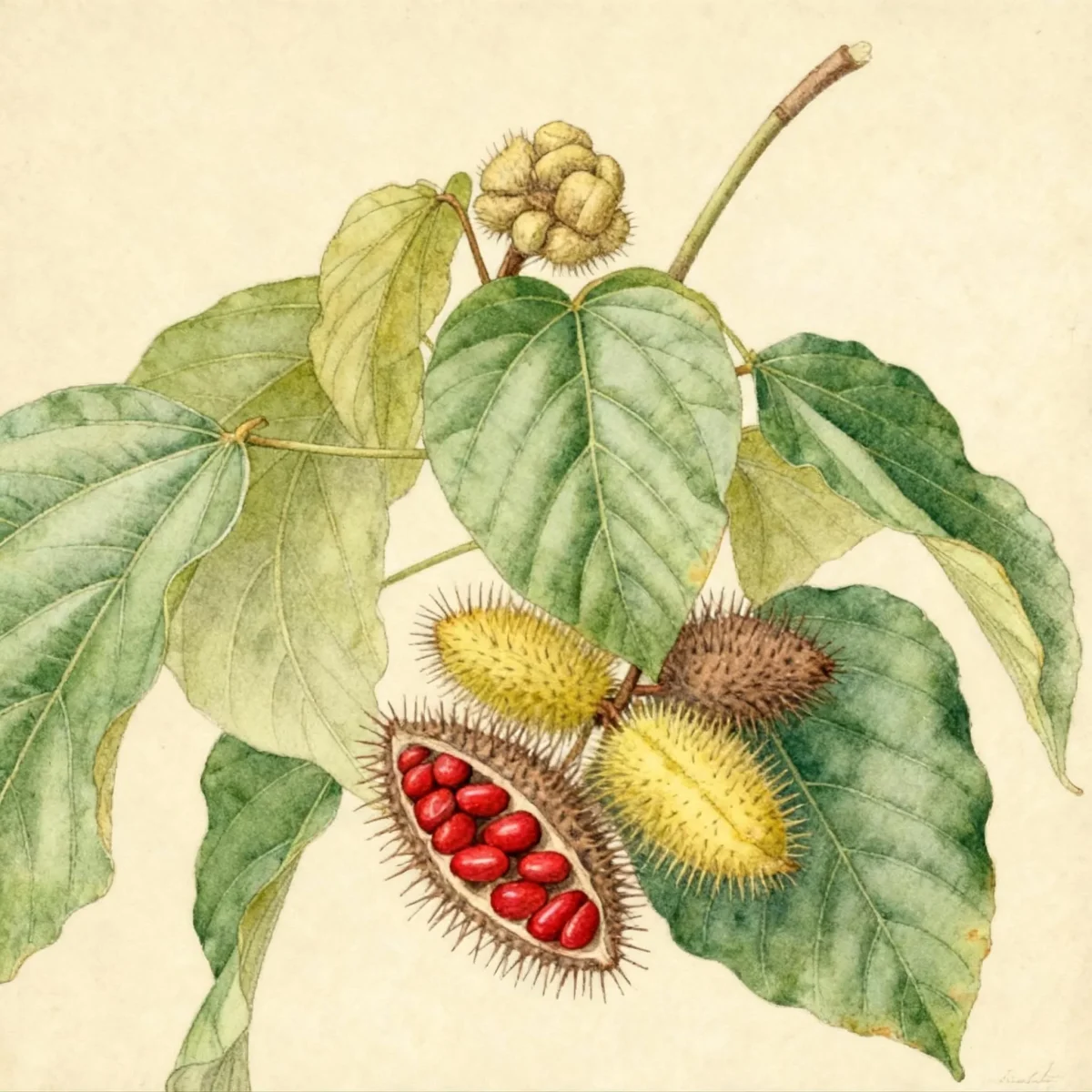
The Lipsticktree, scientifically known as Bixa orellana, is a captivating broadleaf evergreen shrub or small tree native to the tropical Americas. Gardeners prize this plant not only for its ornamental appeal but also for its historical and commercial uses derived from its seeds. It offers seasonal interest beginning with decorative pink flowers followed by unique, spiny reddish fruit capsules.
As an easily managed landscape feature in appropriate climates, the Bixa orellana thrives with minimal intervention. It functions elegantly as an informal screen or stand-alone specimen, providing year-round subtropical texture in suitable warm-temperate gardens. Its relative ease of care contributes significantly to its long-term popularity where hardiness allows.
Beyond aesthetics, the source of its common name, Lipsticktree, relates to the dye extracted from the seeds, historically used as body paint and modernly as a food colorant. For gardeners in true tropical zones, growing Bixa orellana provides both a unique focal point and a living piece of ethnobotanical history.
Fast Facts
- Plant Family: Bixaceae
- Plant Type: Broadleaf evergreen
- Native Range: Tropical Americas
- Hardiness Zones: USDA Zones 10-12
- Size at Maturity:
- Height: 6-12 ft
- Spread: 6-12 ft
- Bloom Time: Seasonal bloomer
- Bloom Description: Pink
- Sun Exposure: Full sun
- Water Needs: Medium
- Maintenance Level: Low
How to Grow
Planting Bixa orellana should occur when frost danger has completely passed, ideally in spring, allowing ample time for establishment before any potential cooler weather. This plant demands full sun exposure for optimal flowering and fruit production. Critically, it must be situated in organically rich, well-drained soil; do not allow standing water around the roots.
Ongoing care requires a medium level of water input, favoring consistency over saturation. The best culture involves providing consistent moisture, especially during dry periods, though it naturally tolerates brief dry spells once mature. Fertilization is not usually intensive; incorporating organic matter annually helps maintain the rich soil it prefers.
Pruning should be minimal, primarily focused on shaping the shrub into an informal hedge or removing any damaged wood. In its tropical habitat, this plant is winter hardy, requiring no special protection. Where temperatures dip close to the zone minimum, be prepared to offer frost protection for your Lipsticktree.
Landscape Uses
The Lipsticktree is highly versatile where its tropical climate requirements are met. Its dense, broadleaf habit makes it an excellent candidate for creating an informal hedge, softening property lines or screening less attractive views. Due to its showy nature, Bixa orellana also functions beautifully as an interesting specimen plant positioned where its unique foliage and seasonal pink blooms can be appreciated up close.
For floral design enthusiasts, the fruit pods are a significant draw. The dried fruit pods hold their striking appearance well, making them sought after additions to permanent dried floral arrangements and autumnal displays. This dual-purpose nature—functional hedge and ornamental showcase—makes Bixa orellana a smart choice for dynamic tropical landscaping.
Consider planting it near pathways or entryways to highlight the texture of the heart-shaped leaves and the eventual appearance of the spiny fruit clusters. While companion plants are not strictly dictated by the data, pairing it with other low-maintenance tropicals that enjoy full sun will maintain a cohesive planting scheme.
Standout Features
Flower Qualities
- Showy
- Good Dried
Fruit Qualities
- Showy
Noteworthy Characteristics
Bixa orellana, commonly called annato or achiote, is an evergreen tropical shrub or small tree that is native to tropical parts of Central and South America. It has been introduced over time to a large number of tropical areas around the world including South East Asia, India and the Philippines. As a shrub, it typically grows to 6-12’ tall, but as a tree will sometimes rise to 20-30’ tall. Pointed, ovate to heart-shaped leaves grow to 3-7” long. Ornamentally attractive pink flowers (2” diameter) bloom in terminal branched panicles. Annato is the name of a tasteless orange/yellow dye extracted from the pulp surrounding the seeds, a dye indigenous people used for body paint, food colorant, and inks.
Tolerances
No specific tolerances beyond the general cultural requirements were listed for this entry.
Potential Problems
Gardeners will appreciate that Bixa orellana rarely suffers from serious insect or disease problems, contributing to its low maintenance profile. This inherent resistance makes the Lipsticktree a reliable choice compared to fussier tropical specimens.
Proactive cultural care remains the best defense. Ensuring sharp drainage and avoiding overwatering will prevent root-related issues common in humid tropical environments, thereby maintaining the plant’s vibrancy throughout the year.
Frequently Asked Questions
What hardiness zones is Lipsticktree suitable for?
The Bixa orellana is winter hardy only in USDA Zones 10 through 12, requiring full protection from frost.
How large does Lipsticktree grow?
As a shrub, the Lipsticktree typically reaches a height and spread between 6 to 12 feet mature, though it can occasionally develop into a small tree reaching 20 to 30 feet.
What sun exposure does Bixa orellana need?
Bixa orellana requires full sun exposure to thrive, bloom reliably, and produce its characteristic fruit capsules.
When does Bixa orellana bloom?
This plant is a seasonal bloomer, displaying attractive pink flowers during its active growing period.
Conclusion
The Bixa orellana, or Lipsticktree, offers significant value as a low-maintenance evergreen, providing both aesthetic beauty with its bright pink blooms and practical utility through its famous seed pulp dye. If your landscape falls within USDA Zones 10–12, this tropical shrub warrants inclusion as a versatile hedge or specimen. Check your soil drainage carefully before planting to ensure consistent moisture delivery for best performance.
Companion Planting
Because the Lipsticktree requires full sun and well-drained, rich soil, look for companion plants that share similar Mediterranean or tropical heat tolerances. Consider pairing Bixa orellana with other flowering tropical shrubs that do not compete aggressively for nutrients near the root zone. Plants that enjoy similar medium watering schedules but perhaps offer contrasting leaf texture, such as certain palms or broad-leafed gingers, can enhance the year-round tropical feel of the planting area. The low maintenance level of Bixa orellana means companions should ideally share this attribute to keep upkeep simple.
Design Ideas
Utilize the Lipsticktree to create an opaque screen in areas needing year-round green presence. Plantings spaced 6 to 8 feet apart allow them to knit together quickly into an effective informal hedge. In contemporary tropical designs, allow a few individuals to grow taller, closer to the 12-foot mark, to establish height variation against lower groundcovers. The contrasting structure of the spiny, reddish fruit pods looks particularly impactful against smooth, gray hardscaping elements or light-colored stone walls.