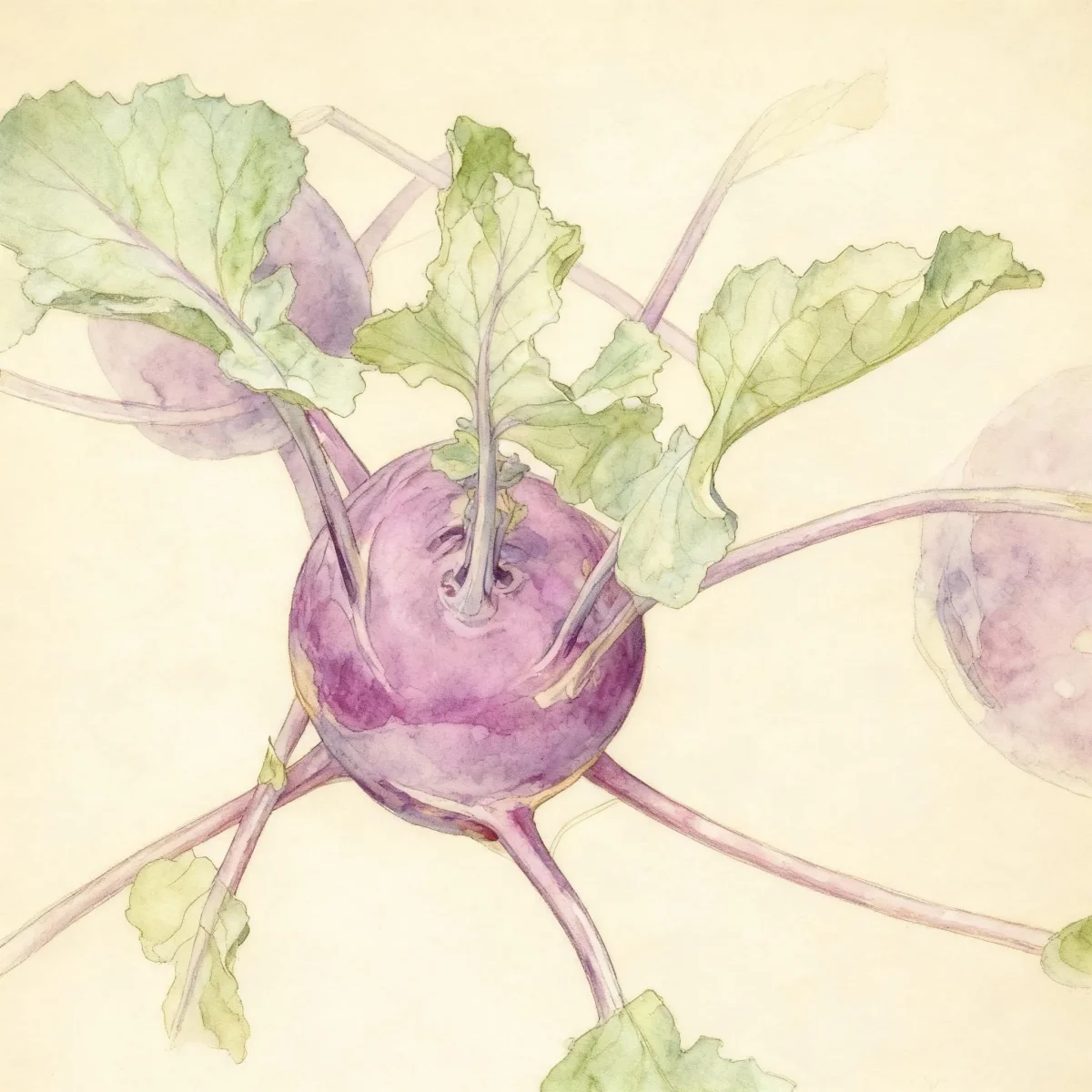
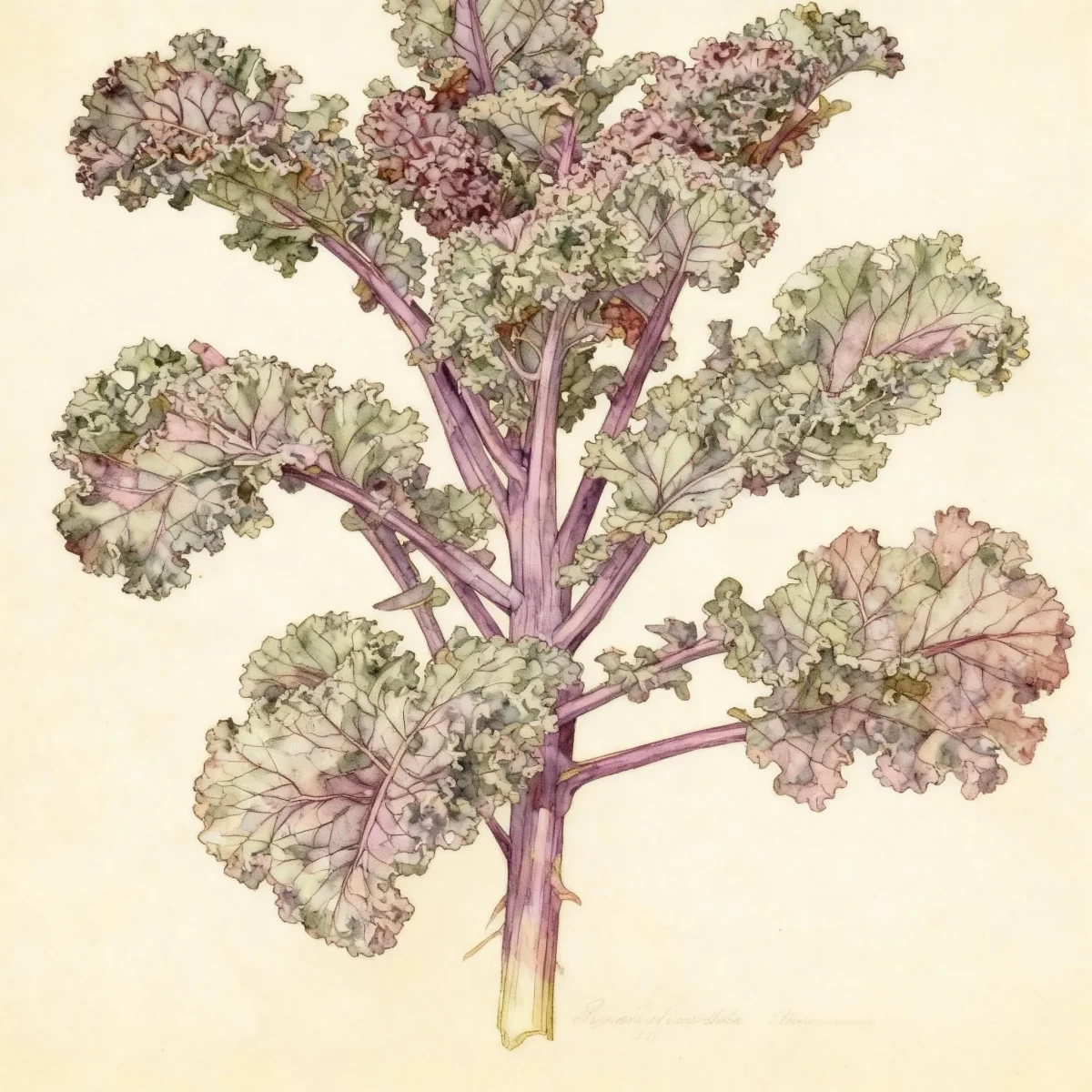
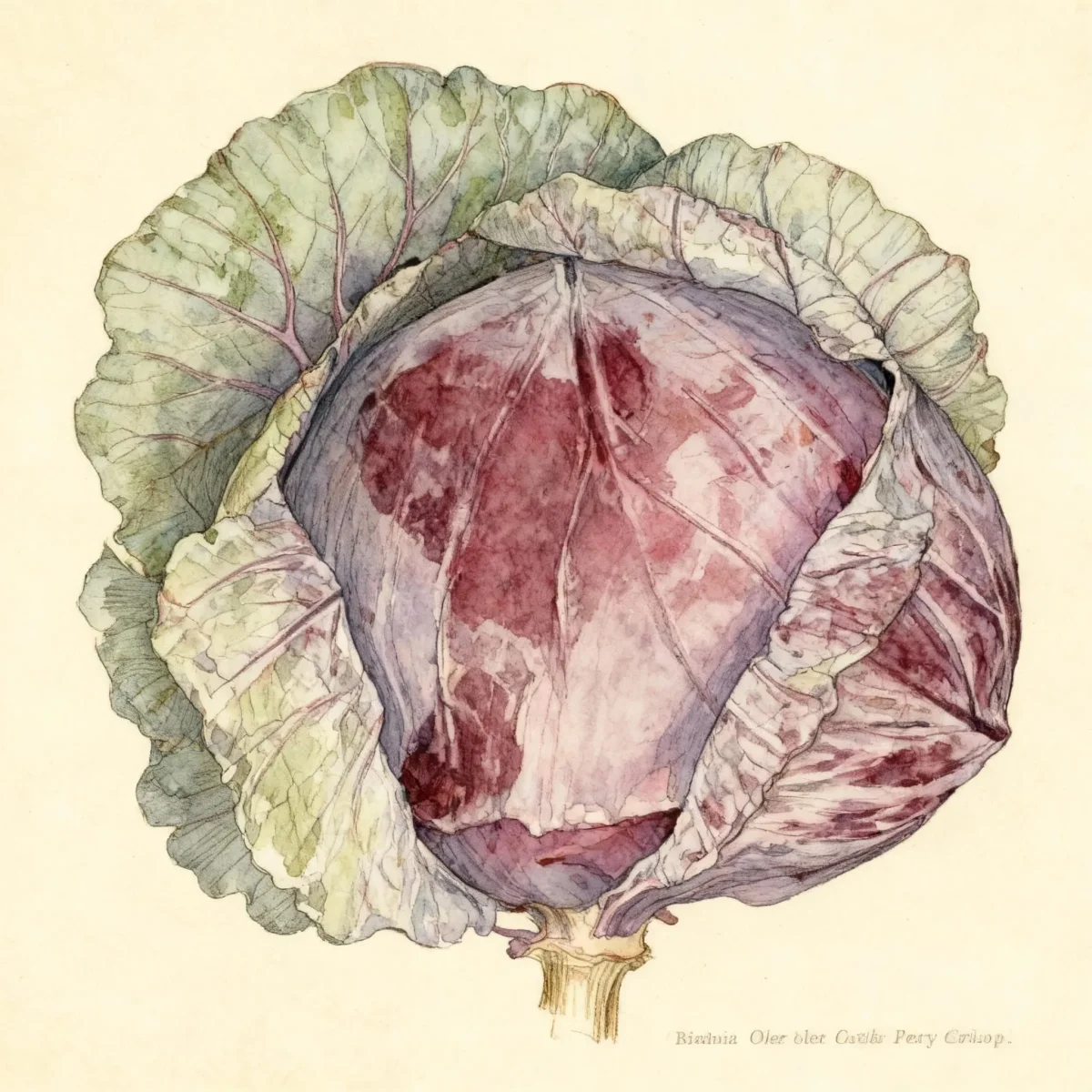
Ornamental cabbage (Brassica oleracea (Ornamental Cabbage and Kale Group))
Ornamental cabbage provides striking, intensely colored foliage for cool weather displays. Brassica oleracea (Ornamental Cabbage and Kale Group) thrives in full sun.
Scroll down to discover growing tips, care requirements, companion plants, and more
Complete Plant Information
Overview
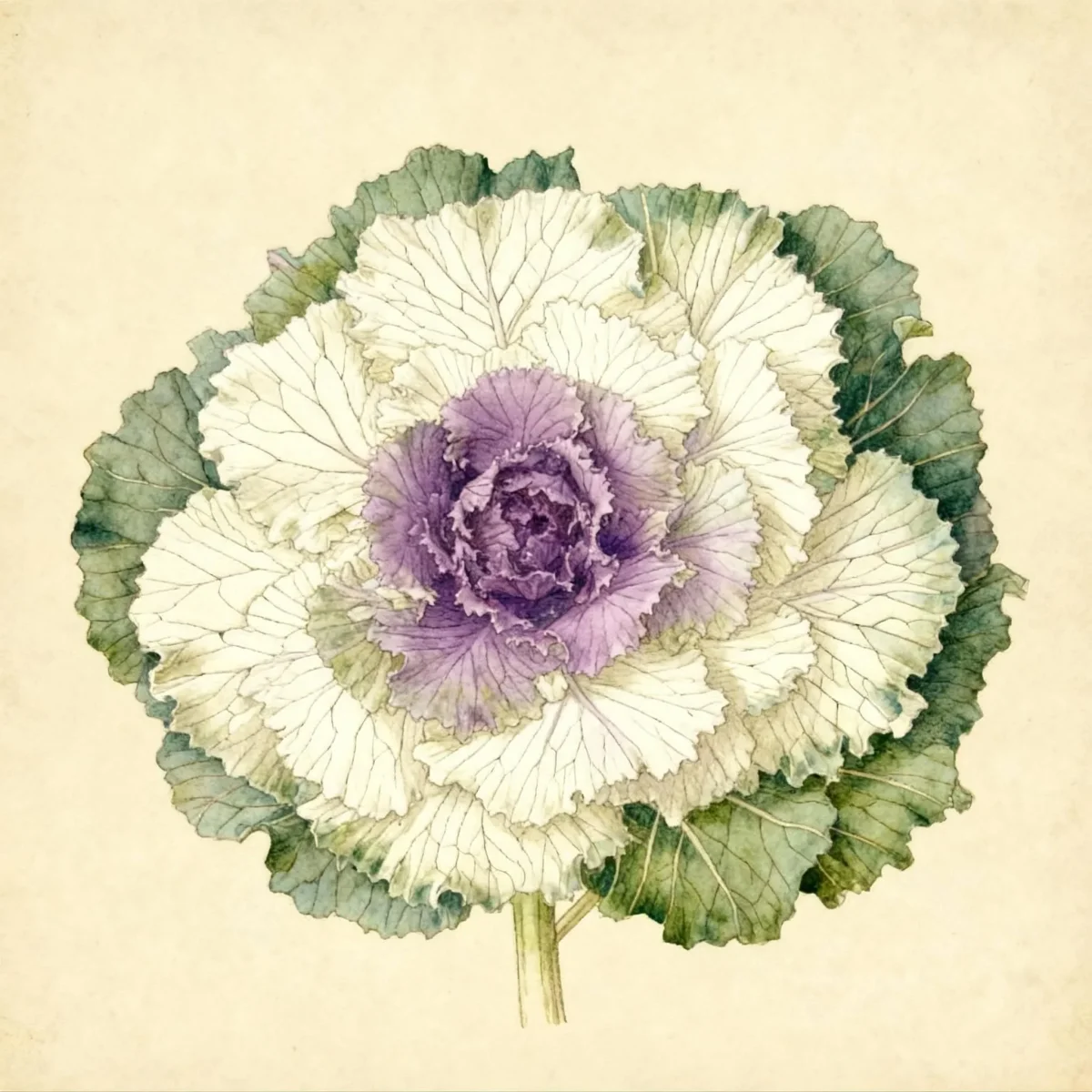
Ornamental cabbage, scientifically known as Brassica oleracea (Ornamental Cabbage and Kale Group), is prized by gardeners not for its blooms, but for its spectacularly colorful and textural foliage. These plants develop dense rosettes featuring rich hues of white, cream, pink, red, and purple, making them a standout addition to late-season landscapes. Unlike many bedding plants, the intense coloration of Ornamental cabbage deepens and brightens as night temperatures cool down.
These cool-season biennials are typically grown as annuals, thriving best when temperatures are moderate. Brassica oleracea (Ornamental Cabbage and Kale Group) performs poorly when daytime temperatures consistently exceed 80°F, making fall plantings often superior to spring displays in many climates. They offer low maintenance and substantial visual impact through frost.
The primary value of the Ornamental cabbage lies in its ability to provide structure and vibrant color when summer annuals are fading. Whether used in mass plantings or featured solo in containers, this foliage plant delivers reliable, frost-tolerant beauty.
Fast Facts
- Plant Family: Brassicaceae
- Plant Type: Annual
- Native Range: Western coastal Europe
- Hardiness Zones: USDA Zones 2-11
- Size at Maturity:
- Height: 1-1.5 ft
- Spread: 1-1.5 ft
- Bloom Time: Rarely flowers
- Bloom Description: Rarely flowers
- Sun Exposure: Full sun
- Water Needs: Medium
- Maintenance Level: Low
How to Grow
Brassica oleracea (Ornamental Cabbage and Kale Group) thrives when planted in organically rich, consistently moist, and well-drained loam soil. Full sun is ideal, but if attempting to grow these plants during warm summer months, afternoon shade may be necessary for survival, though color development will be inhibited. Remember that these plants require cool temperatures to develop their best leaf colors.
Consistent moisture is key to maintaining healthy foliage, so adhere to a medium watering schedule, ensuring the soil does not dry out completely between waterings. Since they are grown as accent plants rather than for heavy feeding, supplementary fertilization is usually minimal. Promptly pinch off any flower stems that attempt to emerge, as flowering signals the end of the impressive foliage display for Ornamental cabbage.
For a spectacular fall display, start seeds indoors around July 1st. Seedlings can be transplanted outdoors around mid-August, allowing them plenty of time to establish before the deep cooling of autumn intensifies their leaf hues. Foliage usually remains attractive well into the late fall, often lasting past Thanksgiving depending on local frost patterns.
If plants survive mild winters, they will likely bolt (flower) in the spring. Ensure these flower stalks are removed immediately to prolong any remaining ornamental value. These plants are excellent candidates for seasonal container displays.
Landscape Uses
The bold textures and intense colors of Ornamental cabbage lend themselves perfectly to impactful seasonal landscape designs. Utilize them for mass plantings to create sweeps of color in beds where turf or faded perennials might otherwise dominate the view. They are also superb for defining edges or serving as crisp border fronts, instantly upgrading the garden’s structure.
For autumn impact, consider mixing Brassica oleracea (Ornamental Cabbage and Kale Group) with traditional fall bloomers to ensure continuous seasonal interest. Excellent companions include late-season chrysanthemums, ornamental grasses that provide fine texture, and deep purple or blue asters. Their broad, flat, or curly leaves provide a wonderful contrast to the finer textures of these neighboring plants.
Consider using these plants as focal points in large containers. A single, well-colored Ornamental cabbage planted centrally, surrounded by trailing plants or smaller seasonal accents, creates an impressive, easily managed container garden feature perfect for patios or entryways.
Standout Features
Flower Qualities
- Insignificant
Noteworthy Characteristics
Ornamental cabbages and kales are distinct from their edible cousins, being bred primarily for their intensely colored foliage rather than taste. The ornamental type typically displays large rosettes; Ornamental cabbage usually has broad, flat leaves, while accompanying kales often show curly, ruffled textures. These plants develop their most vivid leaf coloration when night temperatures drop during the cool seasons of spring or fall, making them exceptional cool-weather annuals.
Tolerances
- None listed
Potential Problems
Gardeners should remain vigilant for common brassica pests that target Brassica oleracea (Ornamental Cabbage and Kale Group). Watch closely for cabbageworms, which chew unsightly holes in the large leaves, and cabbage loopers. Smaller pests like flea beetles, thrips, slugs, and aphids can also cause damage, especially to younger plants.
To manage pest pressure, inspect plants frequently and consider using row covers early in the season to exclude flying insects. Root maggots can be a concern in certain soil types, necessitating rotations or appropriate preventative measures. Disease issues are less common but can include leaf spots, blackleg, black rot, and yellows; good air circulation and avoiding overhead watering help mitigate these fungal and bacterial threats.
Frequently Asked Questions
What hardiness zones is Ornamental cabbage suitable for?
The Ornamental cabbage (Brassica oleracea (Ornamental Cabbage and Kale Group)), is remarkably adaptable, surviving winter dormancy in USDA Zones 2 through 11, depending on the severity of the local winter climate.
How large does Brassica oleracea (Ornamental Cabbage and Kale Group) grow?
This plant is a moderate size for a cool-season feature, typically reaching a final height between 1 and 1.5 feet, with an equal spread of 1 to 1.5 feet at maturity.
What sun exposure does Ornamental cabbage need?
Brassica oleracea (Ornamental Cabbage and Kale Group) requires full sun exposure to achieve the best growth and most dazzling foliage color development.
When does Ornamental cabbage bloom?
This plant is grown exclusively for its vegetative display and rarely flowers; when it does bloom, it is usually an indicator that the season is ending.
Conclusion
The low-maintenance, high-impact foliage of Ornamental cabbage makes it an essential choice for gardeners aiming to extend color late into the growing season. The dramatic leaf coloration of Brassica oleracea (Ornamental Cabbage and Kale Group) provides structural interest when summer flowers fade. Plan your planting schedule according to your region’s cooling trend to maximize the stunning, cool-weather performance of this highly decorative cool-season crop.
Companion Planting
Choosing the right neighbors ensures your Ornamental cabbage thrives and maintains its visual appeal throughout the fall and early winter. Focus on companions that share similar cool-weather requirements and water needs. Good partners include low-growing pansies and violas, which can fill in gaps around the base of the larger rosettes.
For height contrast in mixed containers or borders, consider pairing the coarse texture of the cabbage with fine-textured seasonal grasses or upright spikes of snapdragons if temperatures are still relatively mild. Mounding mums and heather are classic companions that complement the intensity of the purple and pink hues found in many Brassica oleracea (Ornamental Cabbage and Kale Group) cultivars.
Avoid planting these brassicas immediately adjacent to heavily infested areas of root maggots from the previous year, as disease and pest carryover can be an issue. Crop rotation principles, even for ornamental varieties, help keep the soil healthy for future plantings.
Seasonal Care Calendar
For gardeners in areas where Brassica oleracea (Ornamental Cabbage and Kale Group) is grown as a true annual, summer preparation is crucial. By July 1st, begin sowing seeds indoors; this gives seedlings the necessary head start before the August planting-out window opens in many regions. Ensure seedlings are hardened off carefully before mid-August transplanting.
Throughout the fall season (September through November), monitor water levels closely to maintain consistently moist soil, especially as plants reach peak size. Continue to remove any flower stalks immediately to encourage leaf production rather than seed development. If early frosts are predicted, protect the plants if you wish to extend the season beyond the first light freeze.
In mild winter climates (Zones 8-11), care transitions to winterizing. Plants may remain attractive well past Thanksgiving, sometimes through December. Protect them from heavy snow loads if possible, and continue prompt removal of any emerging flower spikes to keep the foliage vibrant until spring warming triggers bolting.