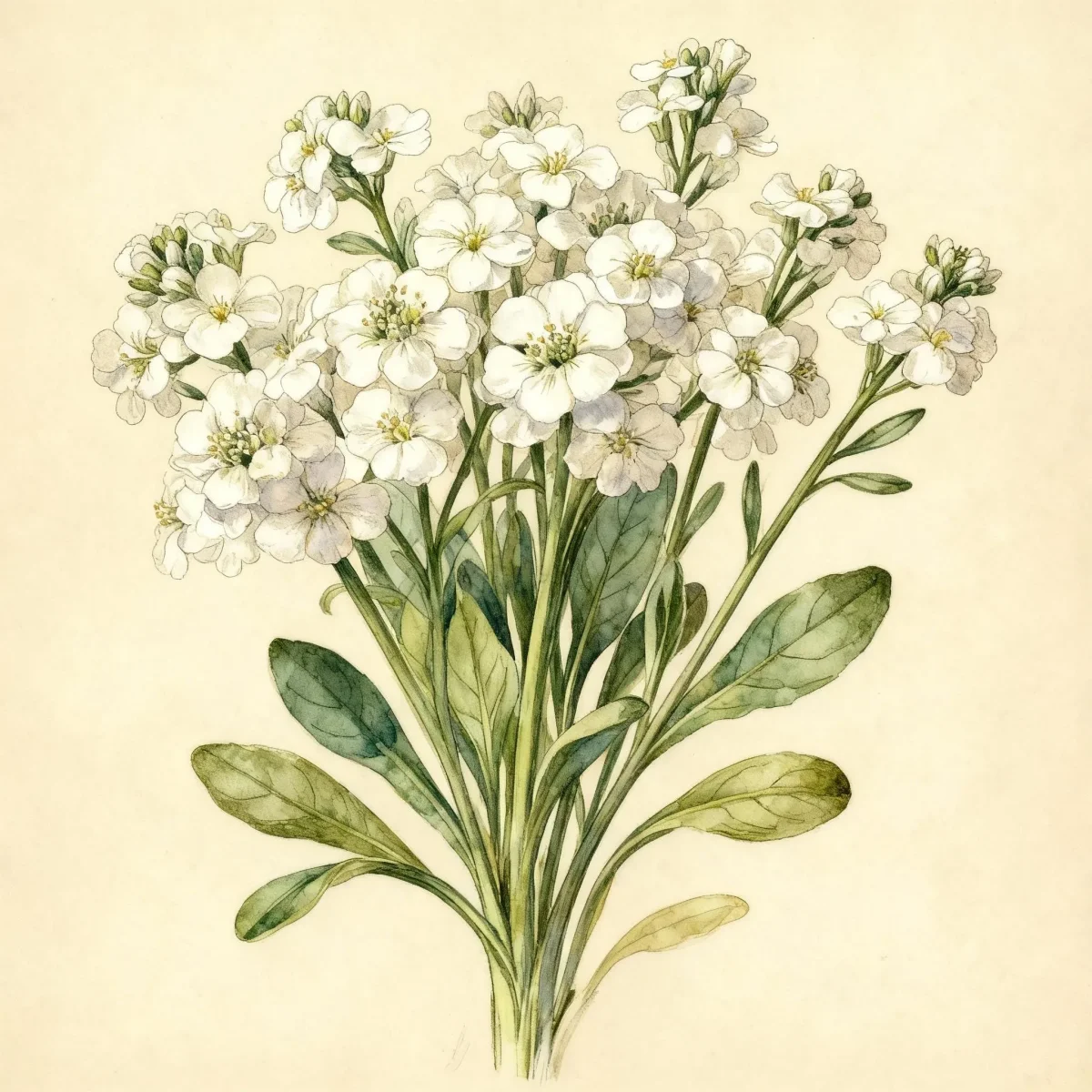
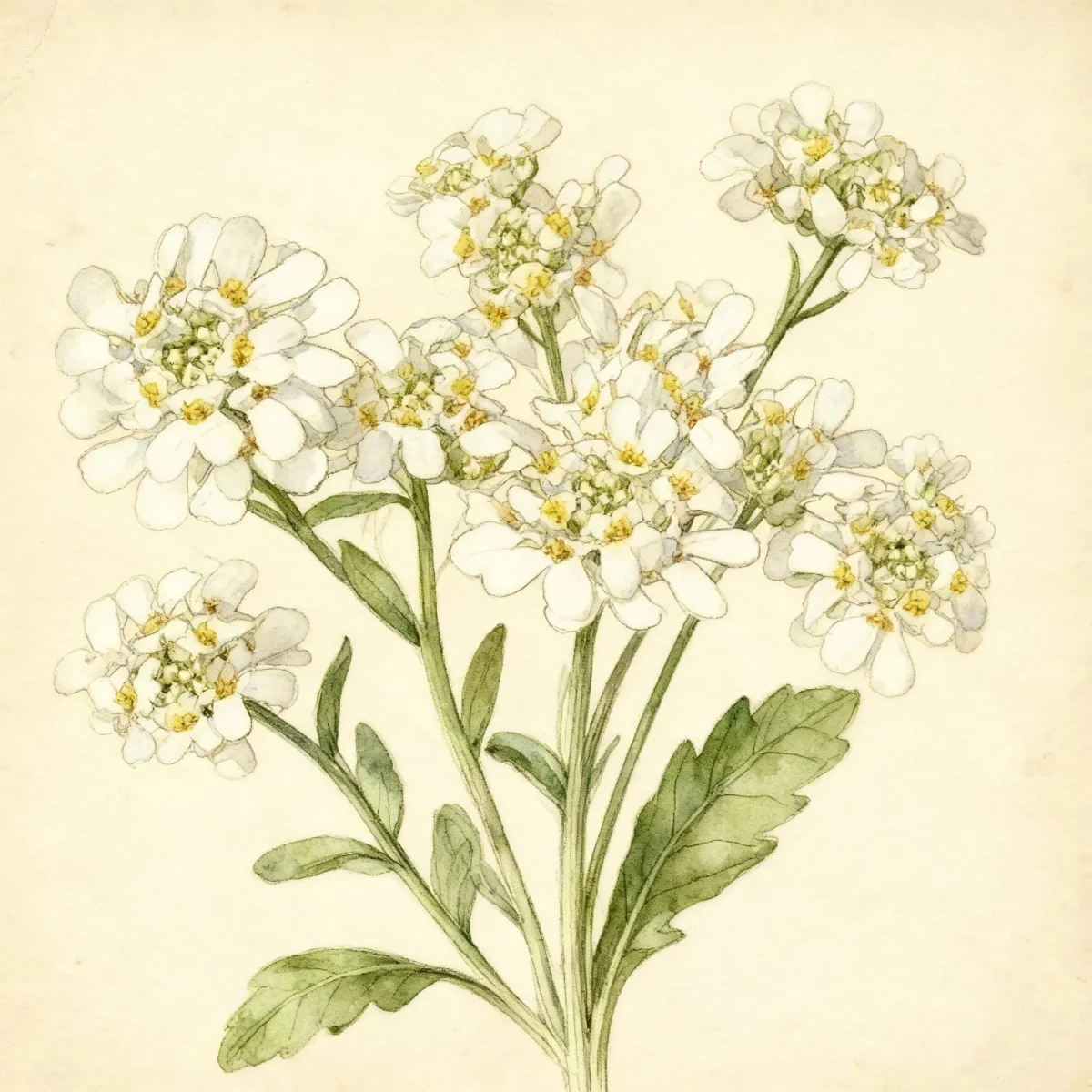
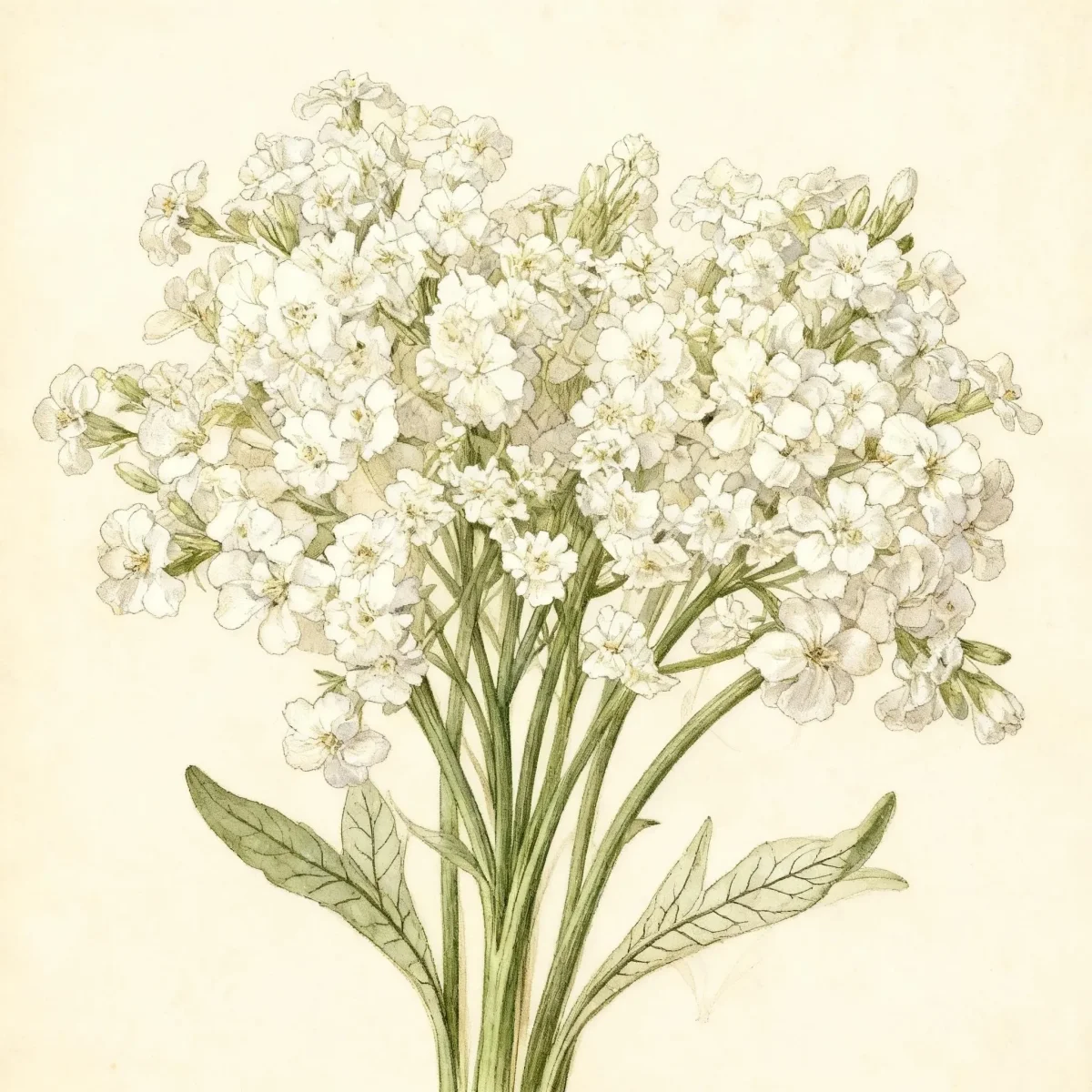
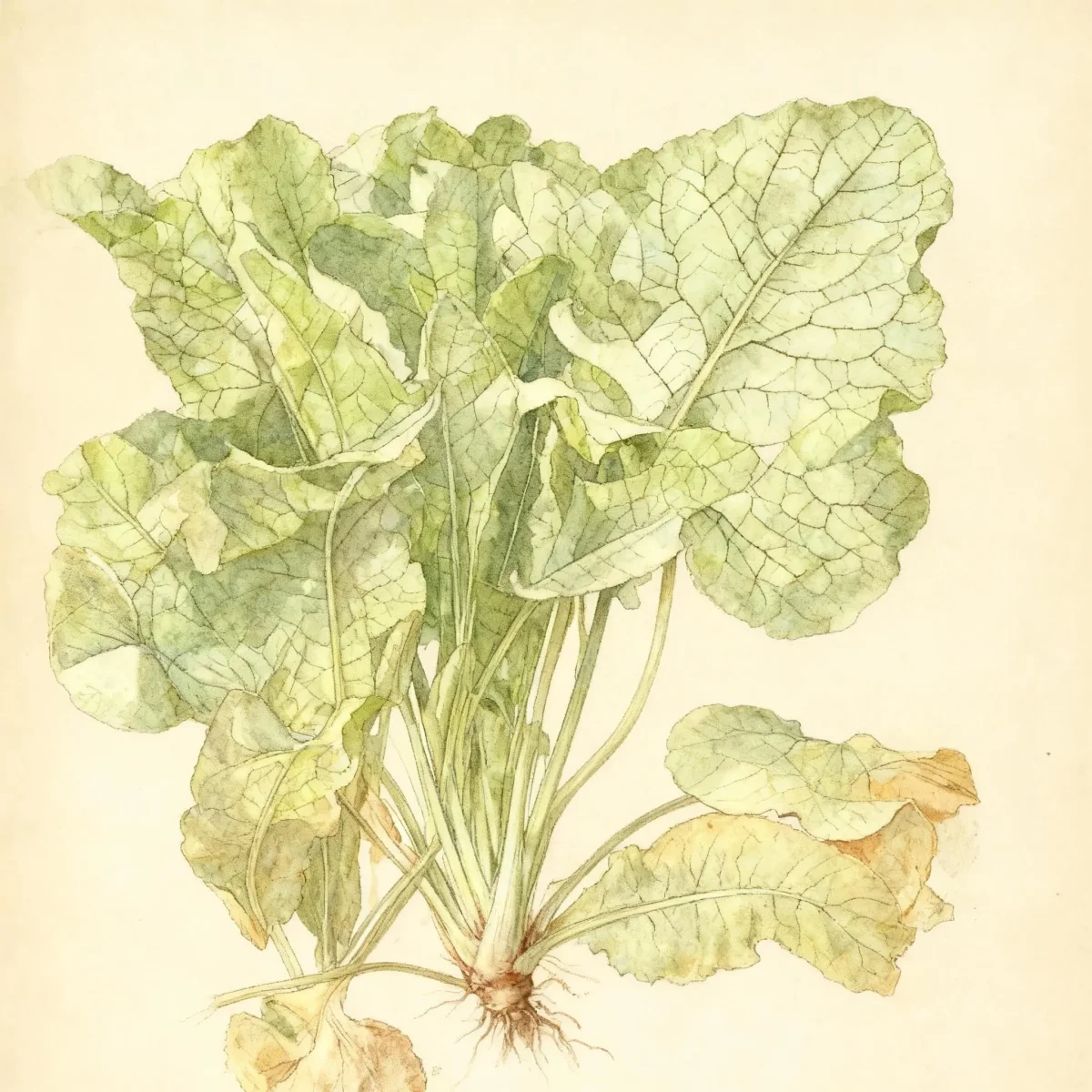
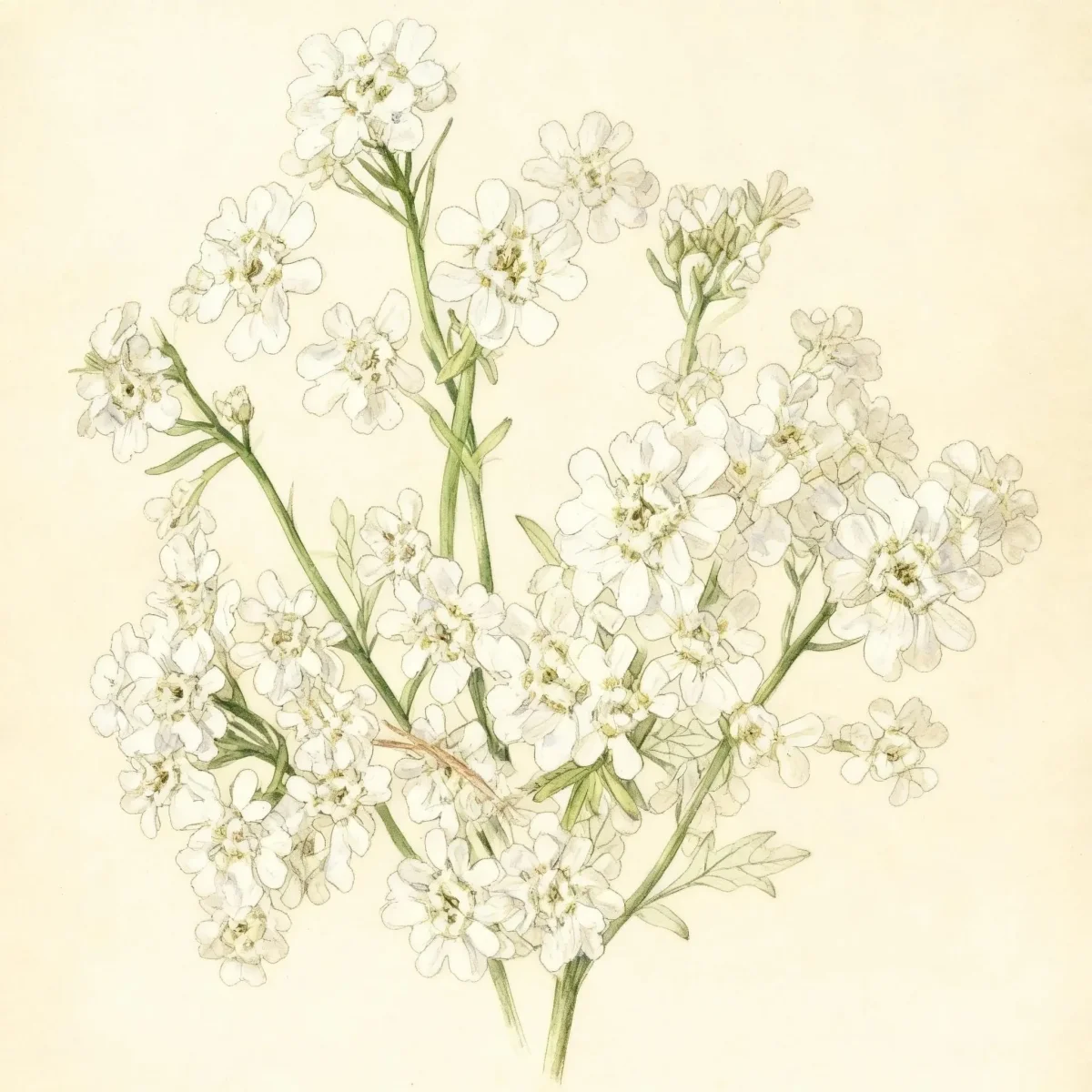
Cutleaf toothwort (Cardamine concatenata)
Cardamine concatenata, Cutleaf toothwort, is a vital North American ephemeral native blooming white in April/May in part shade.
Scroll down to discover growing tips, care requirements, companion plants, and more
Complete Plant Information
Overview
The Cutleaf toothwort, Cardamine concatenata, is a cherished native ephemeral that signals the true arrival of spring in eastern North American woodlands. This charming perennial offers delicate white flowers early in the season before forest canopies fully close, making it a spectacular sight in shaded gardens. While it is relatively easy to cultivate once established, gardeners should note that Cardamine concatenata requires specific conditions to thrive.
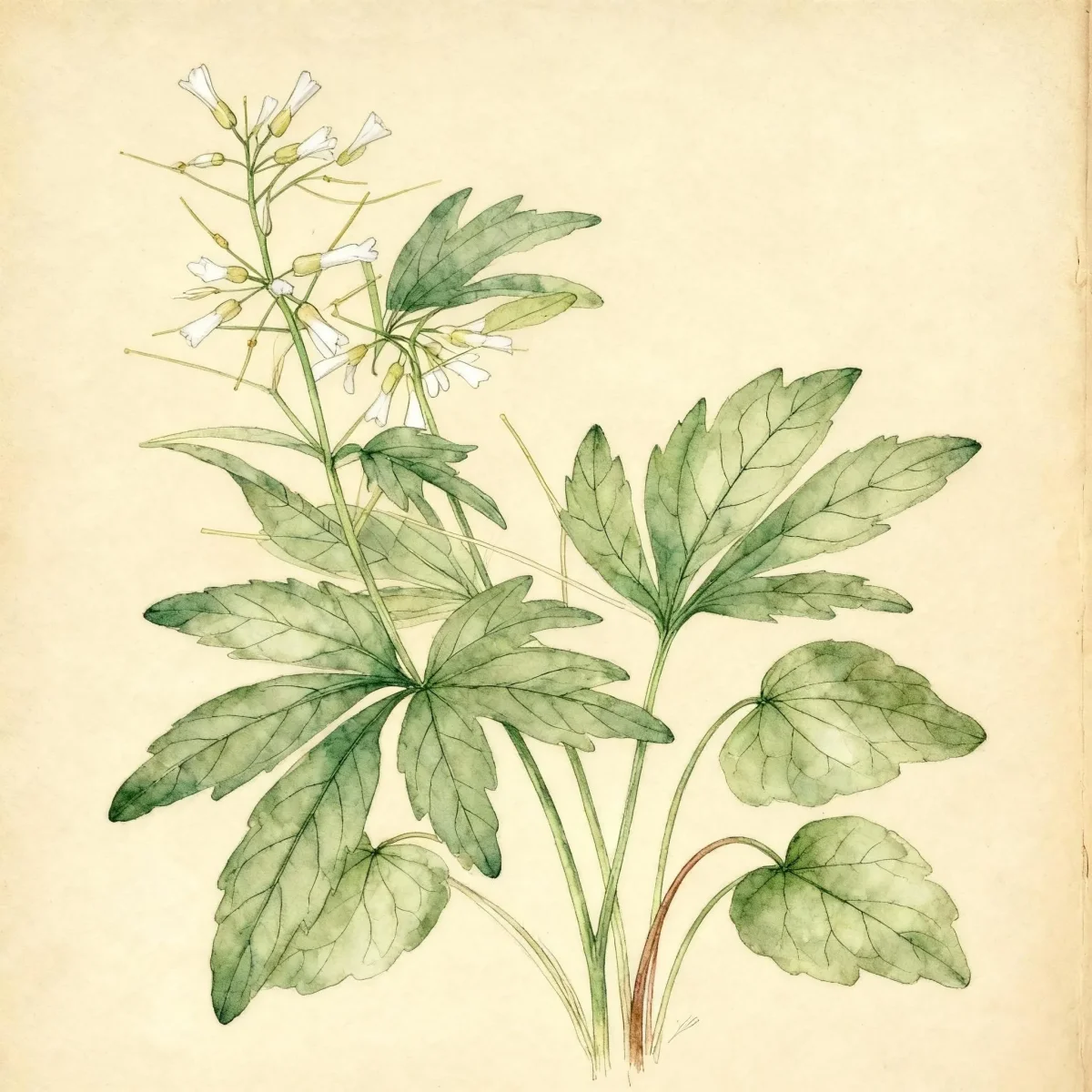
This plant provides essential fleeting beauty, disappearing entirely by early summer once warm weather sets in. Its unique, deeply dissected foliage—which gives rise to the common name Cutleaf toothwort—sets it apart from many spring bloomers. Its ability to naturalize slowly by rhizomes allows it to form attractive, early-season colonies in the right habitat.
For gardeners specializing in woodland restoration or shade borders, Cardamine concatenata is an excellent choice. It brings woodland structure and a burst of clean white color, often alongside native hepatica or trillium, making it an invaluable component of native plant landscapes.
Fast Facts
- Plant Family: Brassicaceae
- Plant Type: Herbaceous perennial
- Native Range: North America
- Hardiness Zones: USDA Zones 3-8
- Size at Maturity:
- Height: 0.5-0.75 ft
- Spread: 0.5-0.75 ft
- Bloom Time: April to May
- Bloom Description: White
- Sun Exposure: Part shade
- Water Needs: Medium
- Maintenance Level: Medium
How to Grow
The best time to establish Cardamine concatenata is typically in the autumn, allowing the emerging rhizomes to settle before winter dormancy. Select a location that receives part shade, mimicking its natural habitat under deciduous trees. Success hinges on soil quality; this plant demands humusy, organically-rich, well-drained soils. Incorporating significant amounts of leaf mold or aged compost is crucial for mimicking rich woodland floors.
Watering needs are medium, but drainage is non-negotiable—soggy soil over winter or spring will quickly lead to rot. During its active spring growth phase, maintain consistent moisture. As an ephemeral, watering requirements drop drastically, or cease altogether, once the foliage dies back in early summer. Fertilization is generally unnecessary if the soil is already organically rich; excessive fertility can sometimes reduce the intensity of its spring display.
Maintenance for the Cutleaf toothwort is low once established. Avoid disturbing the area once dormancy sets in, as the plant is very difficult to grow from seed and relies on its underground rhizomes for persistence. If sited correctly near later-emerging perennials, the gaps left by the toothwort’s early summer disappearance will be naturally filled, meaning no visual gaps remain in the landscape.
Landscape Uses
Cardamine concatenata is ideally suited for naturalized settings, woodland gardens, and wildflower areas where its ephemeral nature can be appreciated without demanding attention year-round. Its low, spreading habit makes it an excellent groundcover substitute in deep shade during early spring. Plant it beneath larger trees or shrubs that leaf out later, ensuring the spring flower show is maximized before summer shade deepens.
When planning companions, select plants that emerge later in the season to conceal the shrinking foliage of the Cutleaf toothwort. Consider pairing it with emerging hostas, ferns, or later-blooming woodland ephemerals like certain spring beauties. This allows the overall design to maintain interest even after the Cardamine concatenata has gone dormant. Due to its preference for rich, well-drained soil, it also works beautifully tucked into informal rock gardens, provided overhead conditions remain shady.
Standout Features
Flower Qualities
- Showy
Noteworthy Characteristics
Cardamine concatenata, commonly called toothwort or cut-leaved toothwort, is a Missouri native spring wildflower which occurs in rich woods and wooded slopes throughout the State and typically grows 8-15” tall. This is a spring ephemeral which blooms in early spring before the leaves emerge on deciduous trees and goes dormant by late spring to early summer. The toothworts are sometimes called pepperroots in reference to the spicy, radish-like flavor of the rhizomes which can be cut up and added to salads.
Tolerances
No specific tolerances were listed for this variety.
Potential Problems
This beautiful Cardamine concatenata generally suffers from no serious insect or disease problems when sited correctly. The main cultural challenge is not a pest issue, but rather the plant’s natural life cycle: its foliage disappears from the garden in early summer as plants go dormant. Gardeners sometimes mistakenly believe the plant has died, leading to anxious overwatering or planting over the dormant crown with summer annuals.
The primary management concern involves ensuring the soil maintains rich organic structure and excellent drainage throughout the year, especially during winter. If plants fail to emerge vigorously, it often signals inadequate soil humus or poor drainage rather than pest infestation.
Frequently Asked Questions
What hardiness zones is Cutleaf toothwort suitable for?
Cardamine concatenata is adaptable to a wide range, thriving in USDA Zones 3 through 8.
How large does Cardamine concatenata grow?
When fully grown, the Cutleaf toothwort reaches a modest height between 0.5 and 0.75 feet, with a similar spread of 0.5 to 0.75 feet.
When does Cutleaf toothwort bloom?
This native wildflower displays its white flowers primarily from April to May, appearing early in the spring season.
What sun exposure does Cardamine concatenata need?
This perennial requires part shade to thrive, ideally mimicking the dappled light found beneath a deciduous woodland canopy.
Conclusion
The Cutleaf toothwort (Cardamine concatenata) offers irreplaceable early-season grace to shaded landscapes through its delicate white blooms and unique foliage. Its ability to naturalize in rich soils makes it a sustainable woodland tapestry element. Before planting, confirm your growing site provides the necessary humus-rich soil and part shade, ensuring your patch of Cardamine concatenata returns reliably each spring.
Companion Planting
Selecting appropriate companions is key to successfully managing the ephemeral nature of Cardamine concatenata. Look for plants whose foliage emerges later or persists longer into the summer, effectively masking the space vacated by the toothwort after its early dormancy. Native woodland geraniums (Geranium maculatum) are excellent partners, as their bloom times overlap nicely, and their basal foliage fills in the gap left by the receding Cutleaf toothwort.
Consider layering the area with shade-loving ferns, such as Ostrich Fern or Painted Fern, which appreciate similar rich, moist, well-drained soil conditions. These structural green elements provide aesthetic continuity when the Cardamine concatenata is not visible. Ensure companions are not overly aggressive, which could compete for the critical early-season nutrients needed by the low-growing toothworts.
Seasonal Care Calendar
Spring is the peak season; monitor moisture levels closely during flowering in April and May, ensuring the medium water needs are met while the leaves are present. Once the foliage begins to yellow and die back in late spring/early summer, reduce irrigation significantly to prevent rhizome rot during summer dormancy.
For autumn preparation, focus on soil improvement rather than plant care. Top-dress the area around established colonies of Cutleaf toothwort with a fresh layer of compost or well-rotted leaf mold. This replenishes the soil’s organic matter, which is vital for the Cardamine concatenata to fuel its rapid spring growth cycle the following year.
Winter requires minimal intervention beyond ensuring heavy snow or ice accumulation does not compact the soil heavily over the dormant rootstock. Because this plant is hardy down to Zone 3, no special winter protection is usually required in most of its native range.