Arugula (Eruca versicaria subsp. sativa)
Arugula (Eruca versicaria subsp. sativa) is a pungent, fast-growing annual prized for its peppery salad greens in cool weather.
Scroll down to discover growing tips, care requirements, companion plants, and more
Complete Plant Information
Overview
Arugula, scientifically known as Eruca versicaria subsp. sativa, is a highly valued annual herb, cherished worldwide for its distinctively peppery, mustard-like flavor. This fast-growing member of the Brassicaceae family provides gardeners with tender leaves perfect for fresh culinary applications, ranging from salads to sandwiches. Its historical cultivation dates back to Roman times, solidifying its status as a staple green.
This plant thrives best when temperatures are mild, making it ideal for spring and fall planting seasons rather than enduring intense summer heat. Eruca versicaria subsp. Sativa requires consistently rich, moist soil and locations receiving ample sunlight to flourish, though partial shade is tolerated. Gardeners appreciate Arugula for its rapid maturity, allowing for successive plantings for an extended harvest window.
While primarily grown as a culinary vegetable, Arugula can naturalize in some environments, potentially self-seeding in disturbed areas. Growing Eruca versicaria subsp. sativa successfully hinges on harvesting leaves while they are young and tender, as maturity significantly develops the characteristic pungent edge, sometimes leaning toward bitterness.
Fast Facts
- Plant Family: Brassicaceae
- Plant Type: Annual
- Native Range: Europe
- Hardiness Zones: USDA Zones 2-11
- Size at Maturity:
- Height: 2-3 ft
- Spread: 1-1.5 ft
- Bloom Time: Seasonal bloomer
- Sun Exposure: Full sun
- Water Needs: Medium to wet
- Maintenance Level: Medium
How to Grow
For optimal growth, sow Eruca versicaria subsp. Sativa seeds directly into the garden just after the last expected spring frost. Arugula prefers a location with full sun, though it benefits from some afternoon shade during warmer stretches, alongside rich, moist soil amended thoroughly before planting. Sow seeds thinly in rows spaced about 18 inches apart, planning to thin the resulting seedlings to a robust spacing of about 12 inches between plants to allow adequate air circulation and growth.
Maintain consistent moisture, as Arugula prefers medium to wet conditions, especially during germination and rapid leaf development. This plant is not heavy feeding, but incorporating rich organic matter beforehand generally suffices. Avoid high nitrogen applications late in the season, which can encourage excessive vegetative growth at the expense of flavor quality.
Successful Arugula cultivation centers on timing; it grows exceptionally well during the cooler shoulders of the year—spring and fall. High summer heat speeds up bolting (flowering), which drastically increases the leaf bitterness. Plan a second sowing in late summer to achieve a substantial harvest before the first fall frost arrives. While young leaves are tender, maturity brings a pronounced, strong flavor, so timely harvesting is crucial for culinary quality.
Landscape Uses
As an annual vegetable, Arugula offers immediate functional appeal in the edible landscape. It performs admirably when tucked into borders where its slightly upright, bushy growth habit (reaching 2-3 feet tall) can contrast leafy herbs nearby. Because it matures quickly, it is excellent for filling gaps left by slow-to-emerge perennials or spring bulb displays.
While primarily utilized in the kitchen garden or dedicated vegetable patches, young Eruca versicaria subsp. sativa plants integrate well into containers, provided their need for medium to wet soil is met consistently. Mixing Arugula with slower-growing leafy greens or using it as an edible ground cover around taller herbs or tomatoes can add texture.
Though the flowers are typically short-lived, they are indicative of the plant’s self-seeding potential. If allowing naturalization is desired in less formal areas, place it in disturbed spots where its peppery foliage and low-maintenance nature can thrive without competing with prized ornamental specimens.
Standout Features
Noteworthy Characteristics
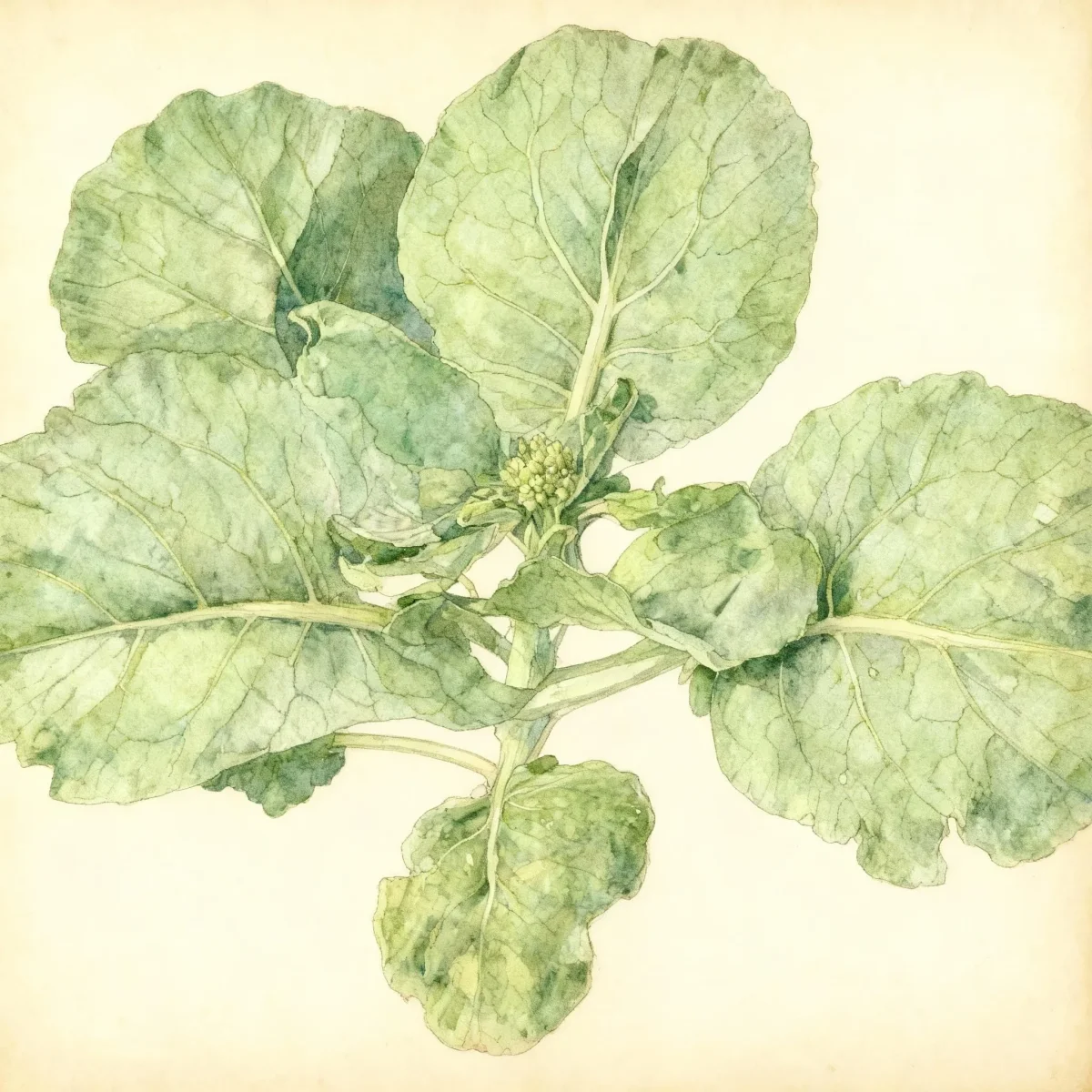
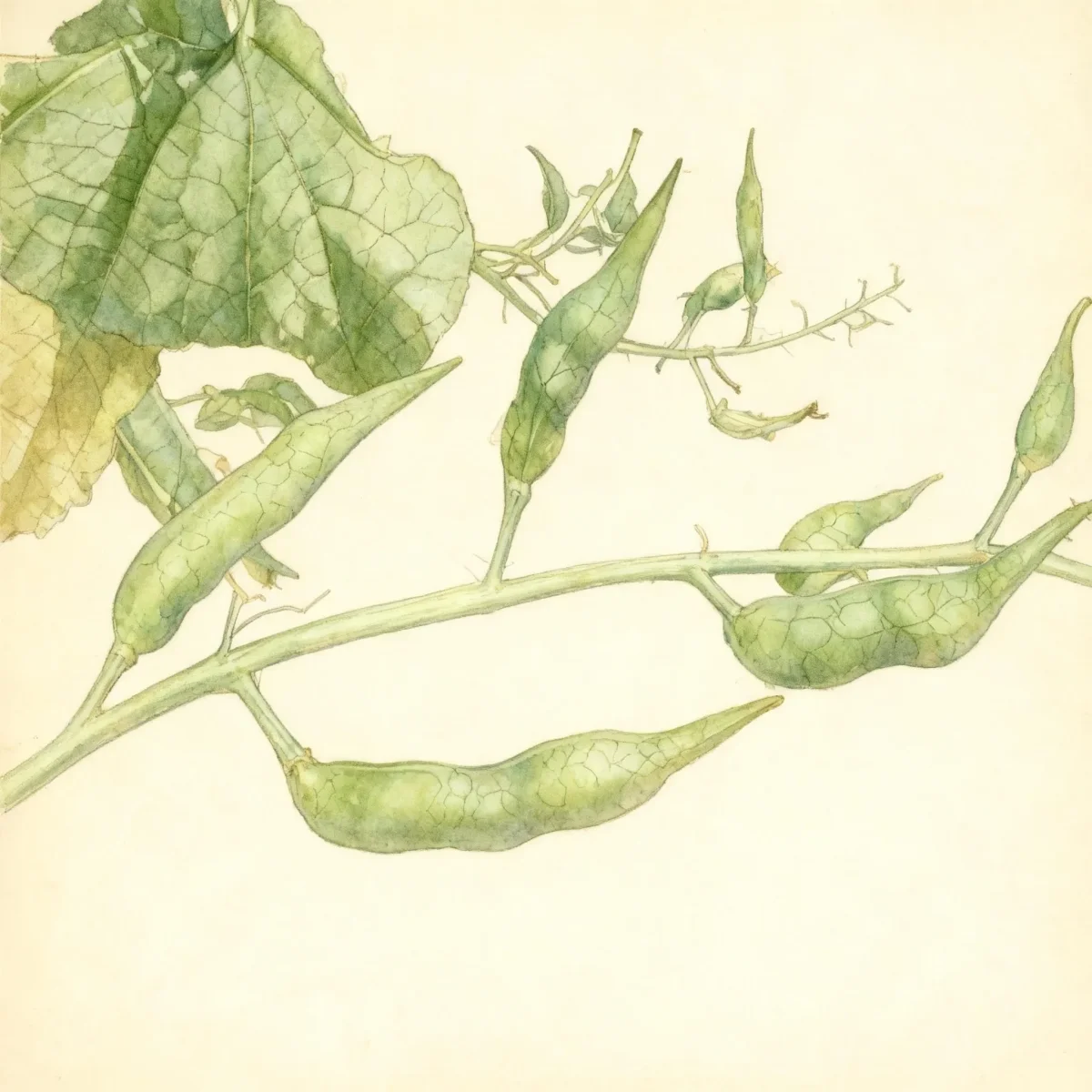
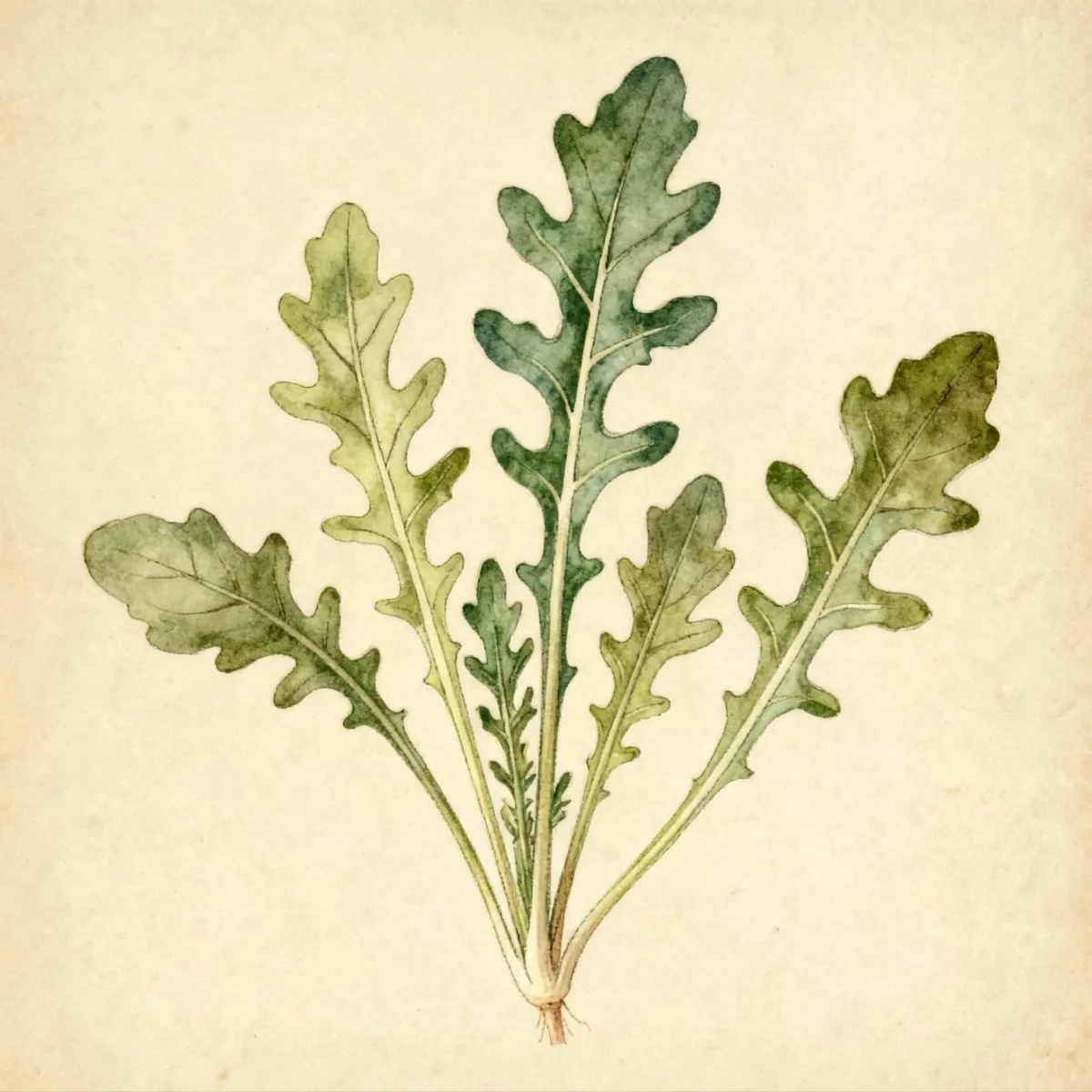
Eruca versicaria, commonly known as by a number of common names including arugula, garden rocket, rocket salad, roka, roquette, rucola or rugula, is a Eurasian annual herb of the mustard family. Historically cultivated by ancient Greeks and Romans, Eruca versicaria subsp. Sativa continues to be widely grown globally, sometimes escaping cultivation to naturalize in fields and disturbed habitats. The plant features irregularly lobed basal leaves forming rosettes, topped by small, pale yellow flowers with distinct dark veins; flavor is peppery and nutty when young. The genus name is derived from the Latin word for belch, referencing its spicy mature taste, while the specific epithet references its inflated seed pods.
Tolerances
- Tolerates disturbance
Potential Problems
Arugula generally remains free of major insect or disease issues, which contributes to its ease of maintenance. However, gardeners must remain vigilant for the appearance of flea beetles. These small, jumping pests can skeletonize young leaves quickly, severely impacting your harvest of Eruca versicaria subsp. Sativa.
Management of flea beetles often requires creating physical barriers or cultural adjustments. Covering young seedlings immediately after sowing with fine floating row covers prevents the adult beetles from accessing the tender leaves. Additionally, ensuring the soil is consistently moist can sometimes deter initial infestations, although very wet conditions are not recommended for the plant’s overall health.
Frequently Asked Questions
What hardiness zones is Arugula suitable for?
Arugula (Eruca versicaria subsp. sativa) is highly adaptable and is suitable for USDA Hardiness Zones 2 through 11.
How large does Garden rocket grow?
When fully grown, Arugula typically reaches heights between 2 and 3 feet tall with a spread ranging from 1 to 1.5 feet wide.
What sun exposure does Eruca versicaria subsp. Sativa need?
This plant thrives best in conditions described as full sun, although it can tolerate some part shade, especially when summer temperatures begin to climb.
When does Salad rocket bloom?
Salad rocket is noted as a seasonal bloomer, meaning flowering occurs typically during periods suitable for its vegetative growth, often triggered by warmer weather or the end of its optimal cool-season window.
Conclusion
The quick growth and vibrant, peppery flavor make Arugula (Eruca versicaria subsp. sativa) an indispensable cool-season crop for every garden, offering immediate culinary rewards. By respecting its preference for cooler soil temperatures and adequate moisture, you can maximize the harvest of tender, non-bitter leaves. Check your local frost dates and plan your spring and late summer plantings now to enjoy fresh Salad rocket all season long.
Companion Planting
Arugula benefits from companion planting strategies that help manage pests or improve soil conditions. Because it is a rapid spreader and relatively short-lived when bolted, it works well in rotational planting schemes within the vegetable patch. Planting deeply rooted or slower-growing companions nearby can help break up the soil structure and utilize space effectively.
Consider planting strong-smelling companions near your Eruca versicaria subsp. Sativa to naturally confuse pests like the troublesome flea beetles. Herbs such as dill, mint (in containers to restrict spread), or strongly scented leafy brassicas nearby might offer some protective cover, benefiting both the Arugula and the companion plant.
Given that Arugula requires consistent moisture, pairing it in garden beds with heavy water users like tomatoes or cucumbers can simplify your irrigation routine, provided that the soil remains rich and well-drained to prevent root rot in the Brassicaceae family.
Seasonal Care Calendar
Spring preparation for Arugula should focus on soil readiness; incorporate plenty of aged compost to ensure the required rich, moist environment before the first direct sowing post-frost. Thinning seedlings promptly after emergence is a critical early step to ensure plants reach their mature height without becoming overcrowded.
Summer care during warm stretches mainly involves vigilant watering to prevent stress that leads to bolting and bitterness. If the plants begin to flower, harvest remaining usable leaves immediately, clean out the spent plants, and prepare the bed for fall planting or transplanting sun-tolerant edibles.
For fall harvests of Eruca versicaria subsp. Sativa, sow seeds in late summer once temperatures moderate. If growing in regions where winter is mild, ensure the plants have rich soil to establish before the cool, wet season allows them to thrive as noted in desert climates, potentially providing greens well into the winter months.