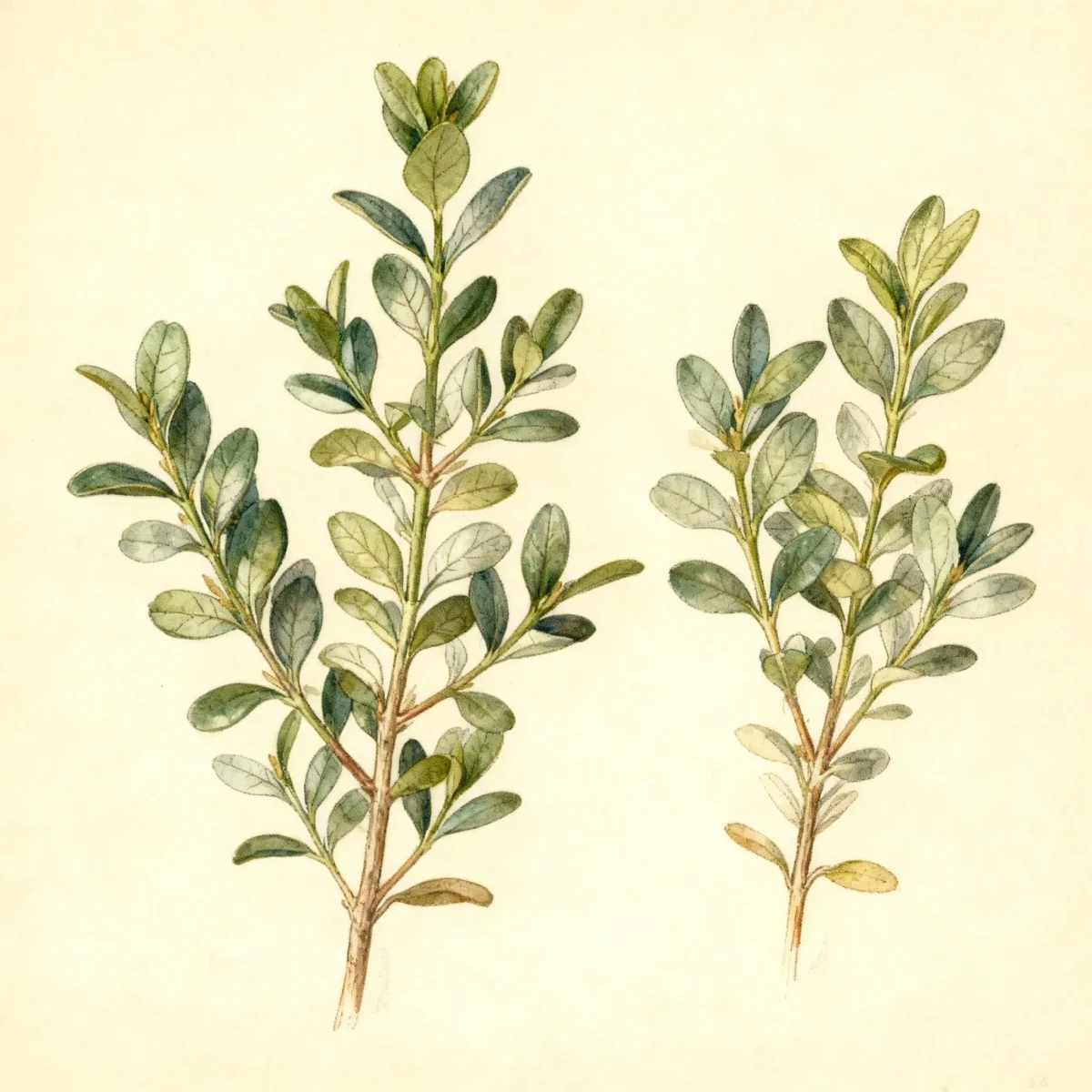
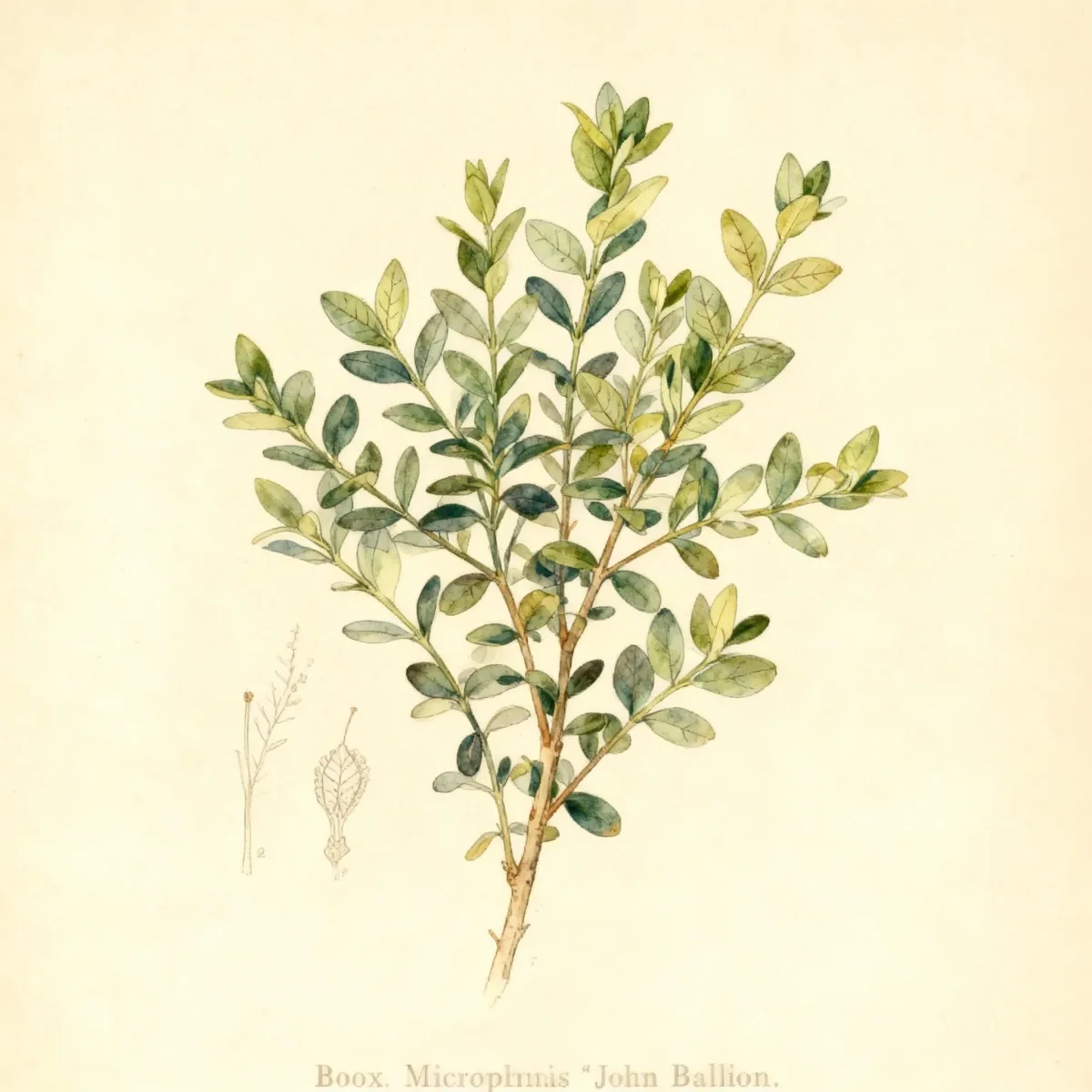
Harland boxwood (Buxus harlandii)
Discover Buxus harlandii, the Harland boxwood, a small evergreen shrub perfect for hedges, borders, and bonsai in Zones 7-9.
Scroll down to discover growing tips, care requirements, companion plants, and more
Complete Plant Information
Overview
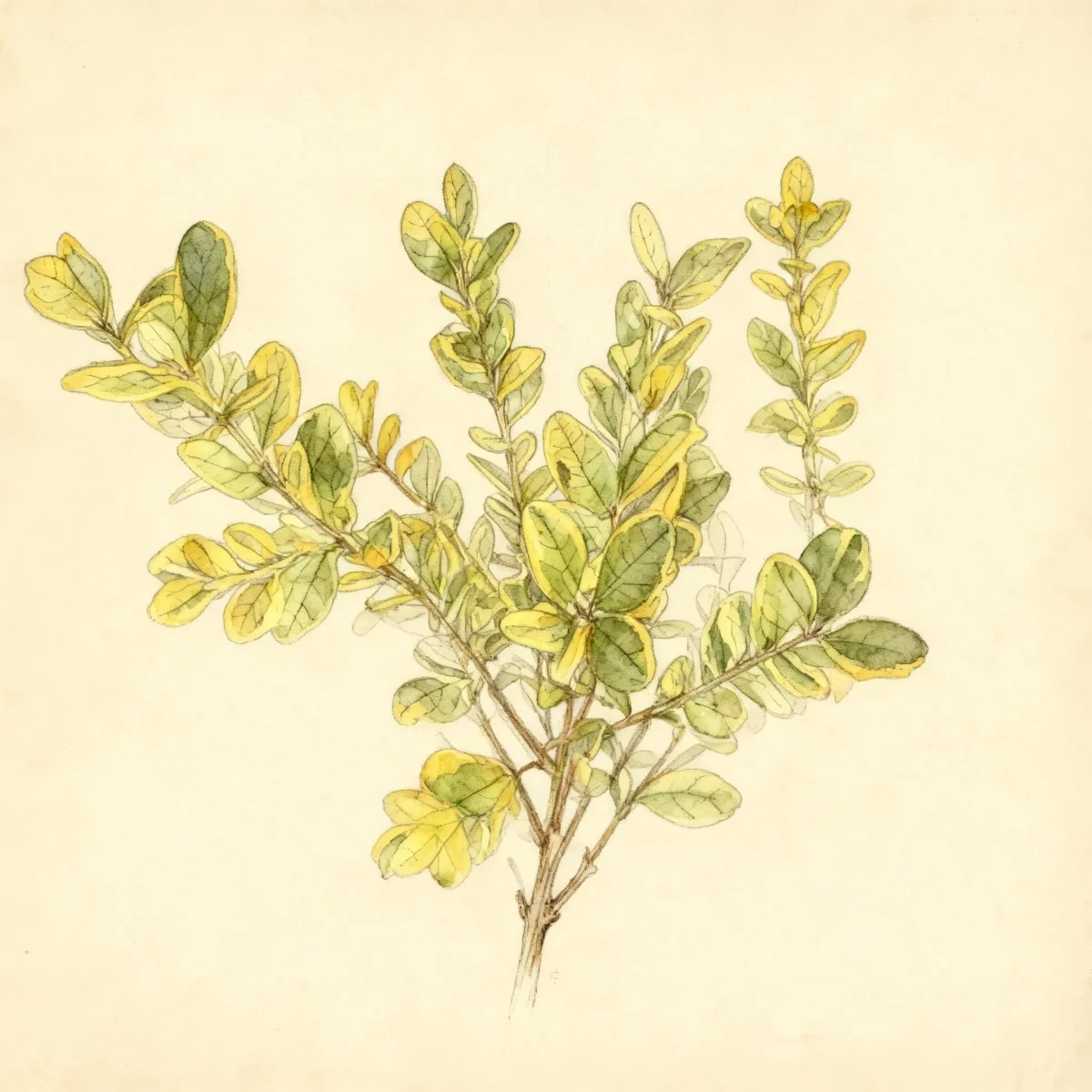
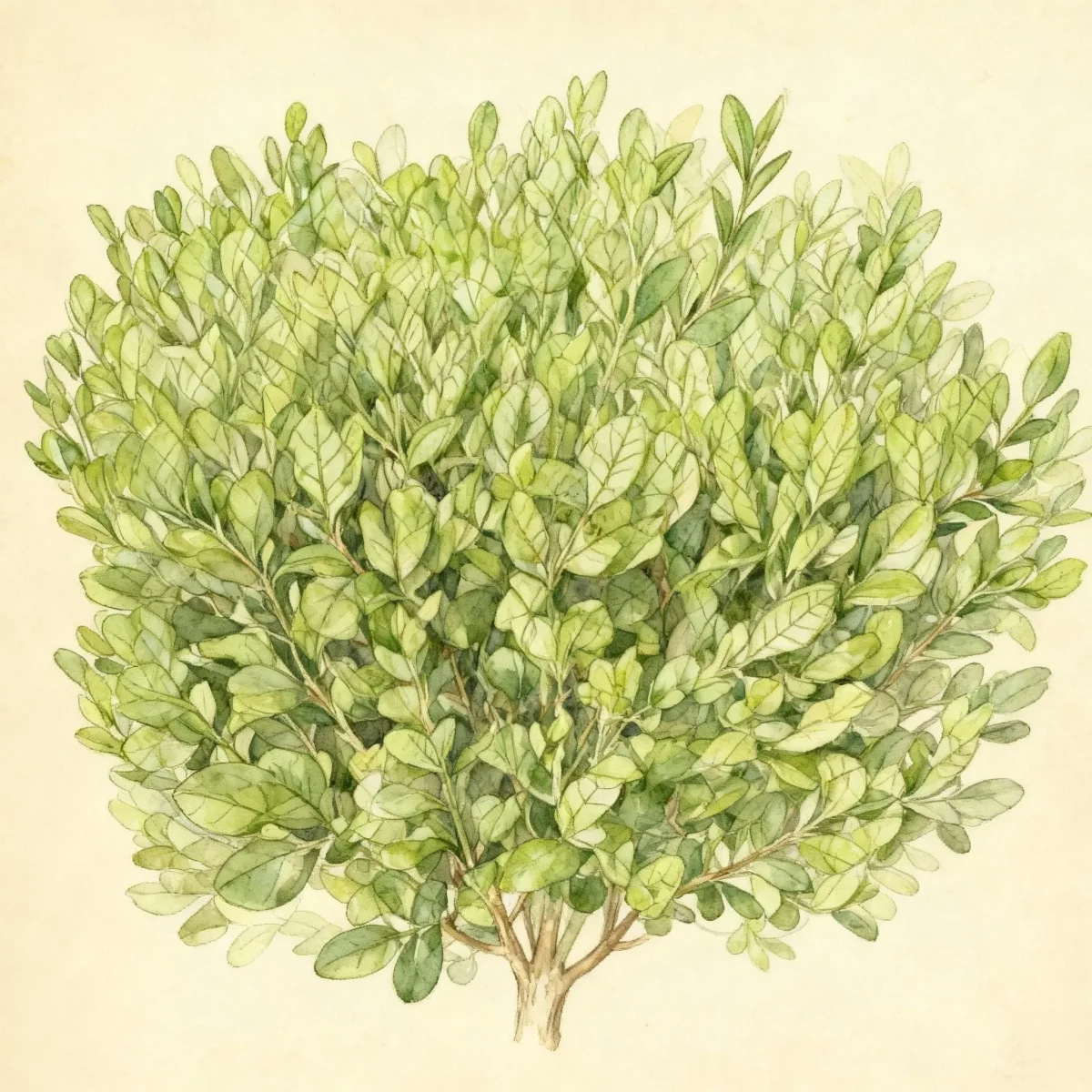
The Harland boxwood (Buxus harlandii) is a compact, slow-growing broadleaf evergreen highly valued for its dense structure and bright green foliage. This species, native to Southern China and Hong Kong, offers excellent texture in the landscape, making it a prime choice for formal plantings where space is limited. Its manageable size naturally lends itself to shaping and hedging.
As a small, bushy shrub, the Buxus harlandii typically matures between two and three feet tall, showcasing a rounded, vase-shaped habit. While generally quite hardy, new growth on the Harland boxwood is susceptible to cold weather, necessitating careful placement in marginal zones. For reliable performance, these plants fit best within USDA Zones 7 through 9.
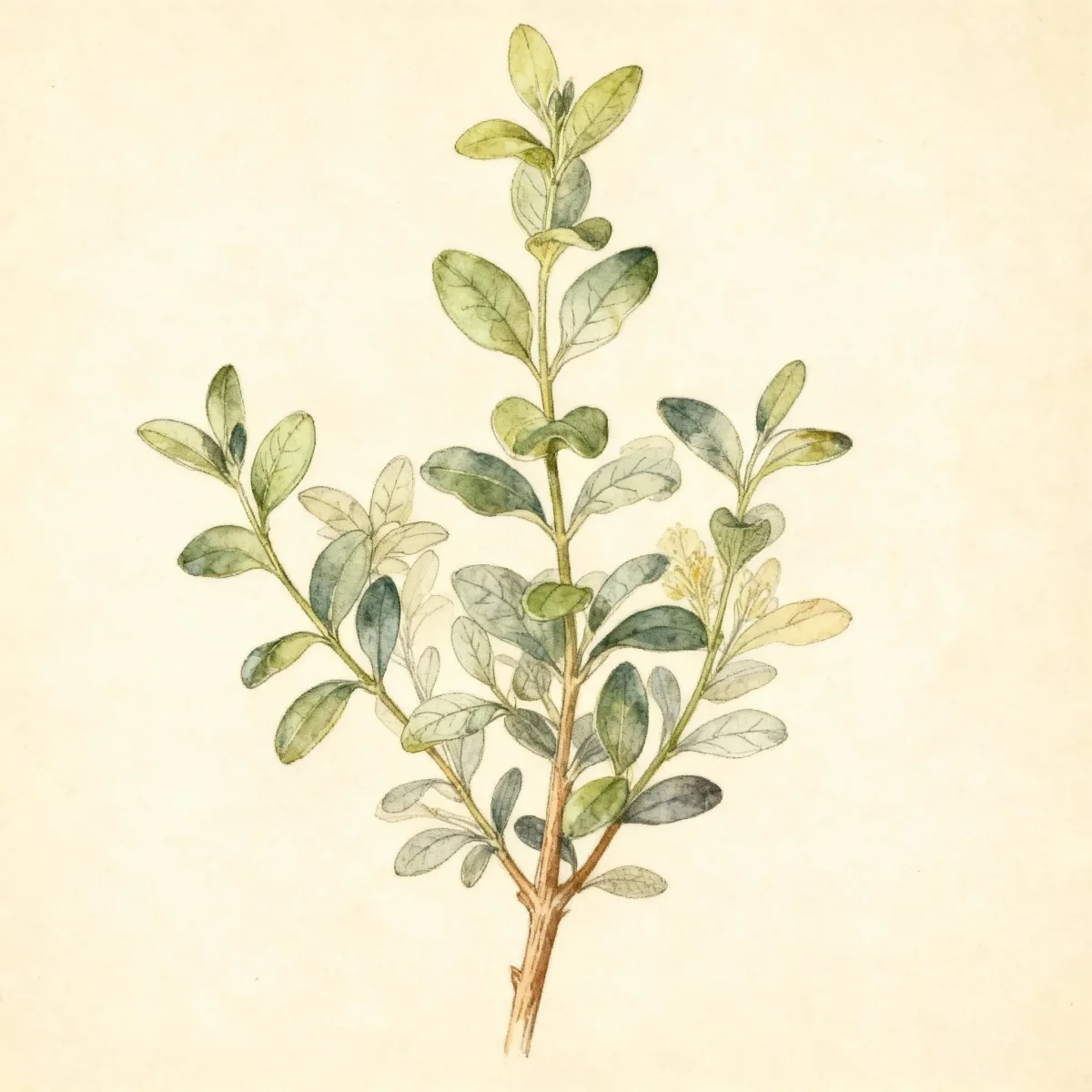
Gardeners appreciate the Harland boxwood for its low-profile elegance and year-round greenery. Though it produces small, fragrant pale yellow flowers in spring, its primary aesthetic contribution comes from its evergreen structure, excellent tolerance for shearing, and suitability for detailed shaping, particularly bonsai.
Fast Facts
- Plant Family: Buxaceae
- Plant Type: Broadleaf evergreen
- Native Range: Southern China, Hong Kong
- Hardiness Zones: USDA Zones 7-9
- Size at Maturity:
- Height: 2-3 ft
- Spread: 2-3 ft
- Bloom Time: April to May
- Bloom Description: Pale yellow
- Sun Exposure: Full sun to part shade
- Water Needs: Medium
- Maintenance Level: Medium
How to Grow
Planting Buxus harlandii should ideally occur during the cooler, moist periods of early spring or fall to minimize transplant shock for this medium-maintenance shrub. Ensure the location provides evenly moist but very well-drained loams, ideally with a slightly acidic to slightly alkaline pH. While full sun is acceptable, dappled light or several hours of morning sun prevents foliage from bronzing in winter, a condition common for Buxus harlandii grown in intense sun exposure.
Water needs are moderate; maintain consistent moisture, especially when establishing the plant. Established Harland boxwood displays some drought tolerance. Cultivation directly around the base must be avoided due to the shallow root system. Instead, apply a 1- to 2-inch layer of organic mulch, such as compost or bark, to conserve moisture and regulate soil temperature.
Pruning and shearing are necessary to maintain formal shapes but should be approached cautiously. Never prune prior to the last spring frost, as this encourages tender new growth vulnerable to late frosts. Annual pruning should focus on thinning out dead or damaged branches to improve air circulation within the shrub. In snowy climates, carefully and quickly remove heavy snow accumulations to prevent branch breakage on the Buxus harlandii.
Landscape Uses
The consistent, dense growth habit of the Harland boxwood makes it an outstanding structural plant in varied landscape designs. They are commonly utilized for low, formal hedges, providing neat boundaries without overwhelming smaller spaces. Due to their compact nature, they function perfectly as foundation plantings near homes or pathways, offering year-round structure.
Beyond hedges, Buxus harlandii excels as a specimen plant where its fine texture can be appreciated up close, or as an accent piece integrated into perennial borders for consistent background foliage. Furthermore, this species is noted as an excellent selection for development into bonsai specimens, allowing horticulturists to practice detailed shaping techniques on a manageable evergreen canvas. They perform well when grown in large containers, provided drainage remains impeccable.
Standout Features
Flower Qualities
- Showy
- Fragrant
Noteworthy Characteristics
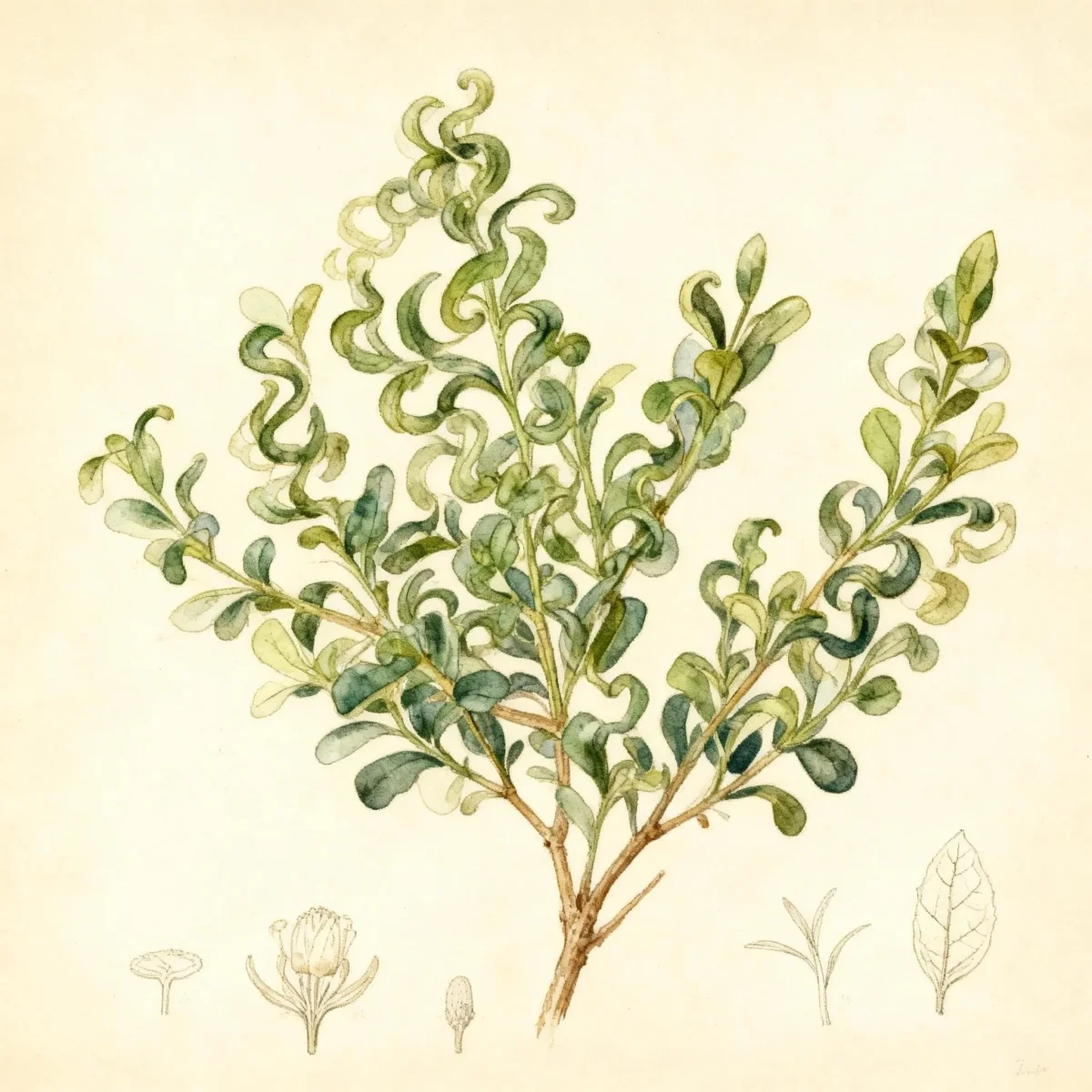
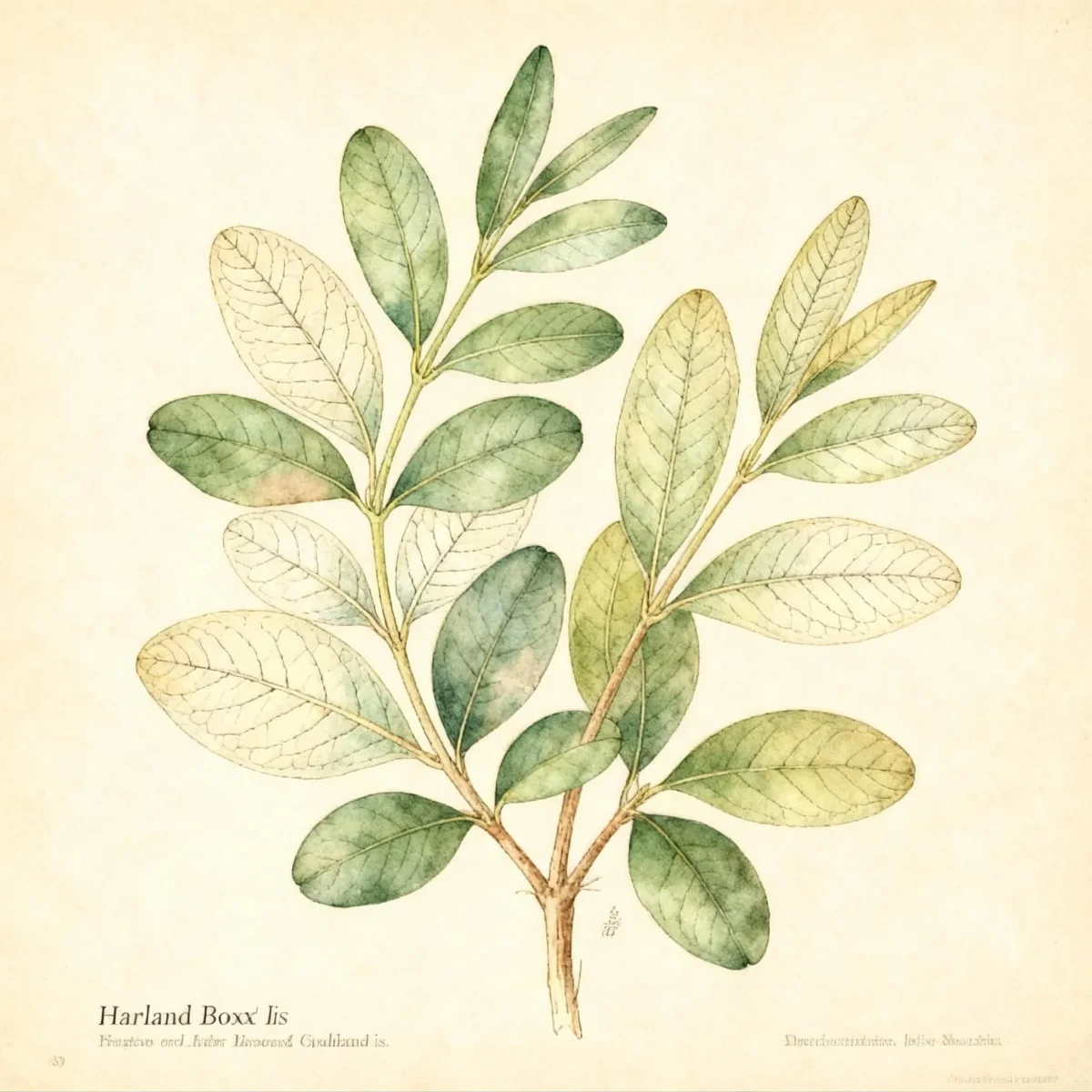
Buxus harlandii, commonly known as Harland boxwood, is a small, bushy, multi-stemmed broadleaf evergreen shrub with a rounded vase-shaped form. Its bright green leaves feature a distinct indentation at the tip, providing subtle interest even when not in bloom. The species is recognized by its fragrant spring flowers and attractive white accents on older bark.
Tolerances
- Drought
Potential Problems
The Harland boxwood is generally robust, though attentive care prevents most issues. Root rot is a primary concern if the soil retains too much water; ensure excellent drainage is paramount for successful cultivation of Buxus harlandii. General susceptibility exists for blights and leaf spots, which are often managed by maintaining good air circulation through proper annual thinning.
In terms of pests, common boxwood problems include the boxwood leafminer, mite, and psyllid, though more serious issues like nematode damage can affect plants, particularly in the deep South. Protect new spring growth vigorously, as it is the most vulnerable part of the shrub, especially to dehydration caused by strong winter winds in Zone 7 locations, which necessitates sheltered planting.
Frequently Asked Questions
What hardiness zones is Harland boxwood suitable for?
The Harland boxwood, Buxus harlandii, is suitable for USDA Hardiness Zones 7 through 9.
How large does Harland boxwood grow?
This shrub typically matures to a height and spread between 2 and 3 feet.
When does the Harland boxwood bloom?
Buxus harlandii produces its fragrant, pale yellow flowers primarily between April and May.
What sun exposure does Buxus harlandii need?
This species thrives in conditions ranging from full sun to general part shade exposure.
Conclusion
For gardeners seeking evergreen structure and a versatile foundation plant, the Buxus harlandii—or Harland boxwood—is an exceptional choice due to its manageable size and elegant texture. While requiring medium maintenance, especially regarding proper siting away from harsh winds and consistent pruning timing, its year-round visual appeal is undeniable. Before planting, confirm your local climate falls within Zones 7-9 and ensure your soil offers superior drainage for the best long-term success with this classic landscape element.
Companion Planting
Effective companion planting around your Buxus harlandii focuses on plants that share similar needs for well-drained soil and appreciate similar sun exposure. Consider pairing them with low-growing perennials like creeping thyme or sedums, which handle dry spells well once established and won’t compete aggressively with the boxwood’s shallow roots. For seasonal color contrast, small spring-blooming bulbs like low-growing daffodils or species tulips can emerge before the boxwood fully dresses out for summer.
In shaded areas where Harland boxwood is situated in afternoon protection, hostas with variegated or blue foliage offer excellent textural contrast against the fine, dark green leaves of the boxwood. If using them as a hedge backdrop, medium-height flowering shrubs like Hydrangeas or Azaleas work well, provided their roots do not grow directly into the root zone of the shallow-rooted Buxus harlandii.
Container Growing
Growing Buxus harlandii in containers is highly recommended, particularly for those in Zone 6 or colder who wish to move the plant to a protected location during harsh winters. When potting, use a high-quality potting mix amended with extra grit or perlite to maximize drainage, preventing the root rot common in poorly drained garden beds.
Containers for Harland boxwood should be substantial; as a slow grower, it will still require repotting every few years to refresh the soil and check for root circling. Water must be monitored closely in pots, as they dry out faster than in-ground plantings, even though the plant prefers consistently moist soil. Mulching the top of the potting medium is crucial for temperature moderation.