Prickly-pear (Opuntia humifusa)
Hardy Prickly-pear (Opuntia humifusa) offers unique, low-maintenance succulent texture and bright yellow blooms in full sun.
Scroll down to discover growing tips, care requirements, companion plants, and more
Complete Plant Information
Overview
The Prickly-pear, scientifically known as Opuntia humifusa, is a remarkably resilient and visually interesting addition to any xeriscape garden. As one of the few cacti widely found in the eastern U.S., it brings unexpected desert texture to temperate landscapes, remaining hardy even several zones north of typical cactus habitats. Its adaptation to tough conditions makes it a cornerstone for sustainability in challenging garden spots.
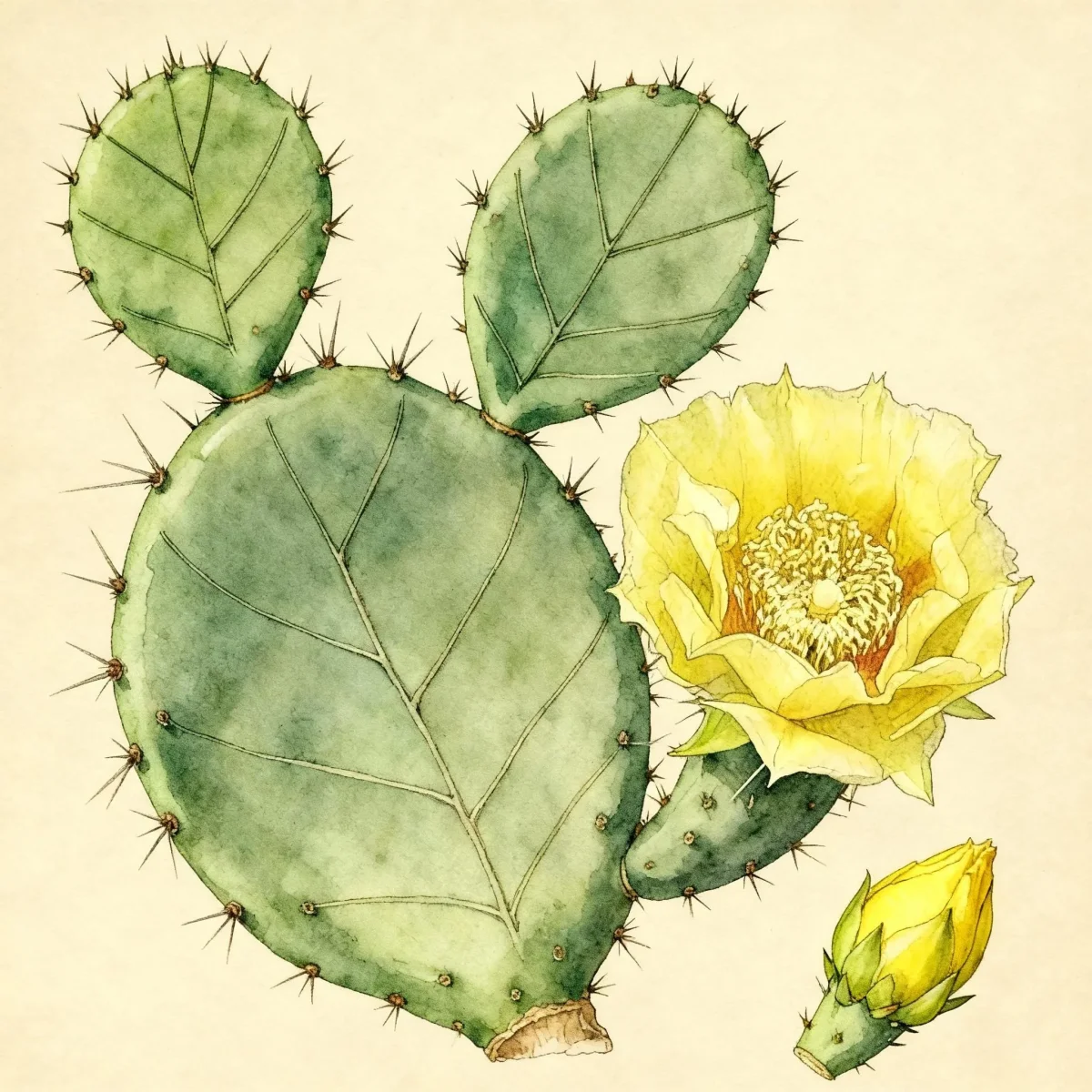
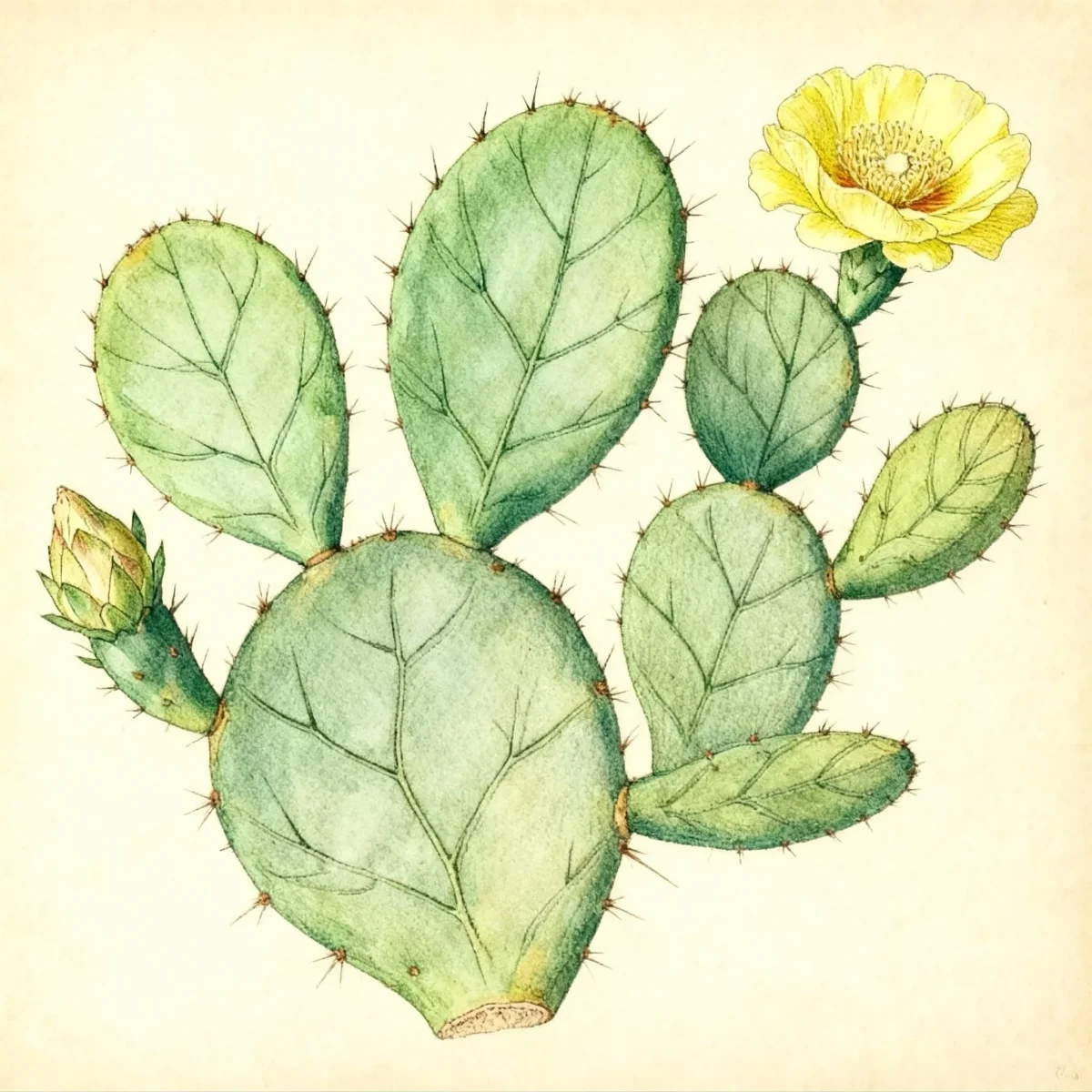
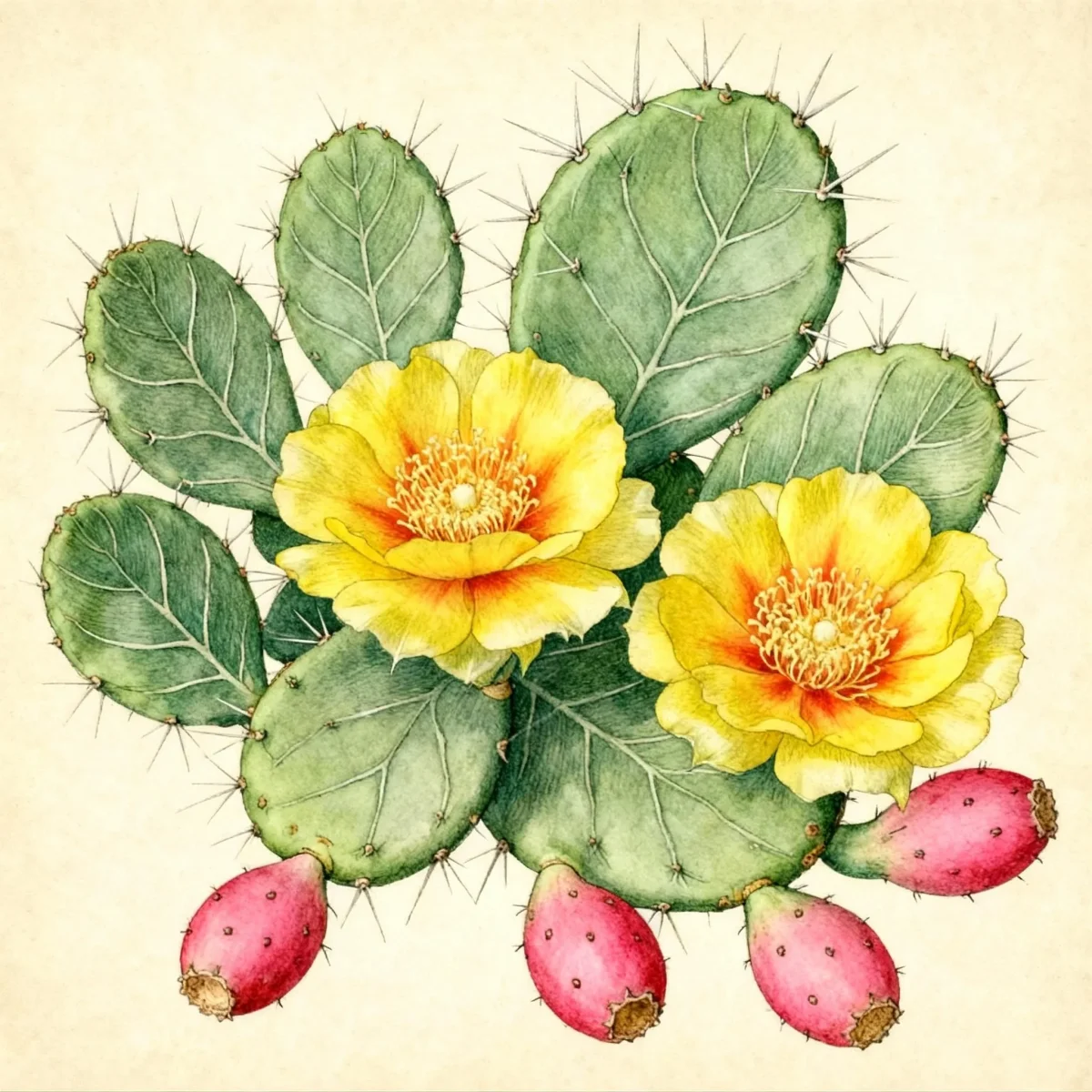
This herbaceous perennial features flattened, succulent pads that store water efficiently, allowing it to thrive where many other plants struggle. Opuntia humifusa typically maintains a low, semi-prostrate habit, creating wonderful textural contrast against traditional shrubs and perennials. This native cactus is valued not only for its tough nature but also for the attractive display of bright yellow flowers that emerge in mid-summer.
Beyond its aesthetic appeal, this Prickly-pear offers practical benefits, including low maintenance requirements and edible fruits that ripen in the fall. Whether used for naturalizing dry areas or providing structure on rocky slopes, understanding the specific needs of Opuntia humifusa ensures a flourishing, long-lived specimen.
Fast Facts
- Plant Family: Cactaceae
- Plant Type: Herbaceous perennial
- Native Range: Eastern and central United States
- Hardiness Zones: USDA Zones 4-9
- Size at Maturity:
- Height: 0.5-1 ft
- Spread: 1-1.5 ft
- Bloom Time: June to July
- Bloom Description: Yellow (sometimes with reddish eye)
- Sun Exposure: Full sun
- Water Needs: Dry
- Maintenance Level: Low
How to Grow
Establishment thrives when the Prickly-pear is planted in conditions mimicking its native habitat: dry, sandy, or gravelly soil that offers excellent drainage. Full sun exposure is mandatory for robust growth and prolific flowering of Opuntia humifusa. While it prefers lean, well-drained substrates, it can tolerate clay soils provided they never remain wet; root rot is the primary danger in poorly draining sites due to its shallow, fibrous root system.
Watering should be minimal once established. Treat this cactus as you would a hardy succulent: deep, infrequent watering during extended dry spells is appropriate, but routine irrigation should be avoided. Fertilization is generally unnecessary; over-fertilizing can lead to soft, vulnerable growth.
Propagation of this Prickly-pear is remarkably easy, often occurring naturally as pads break off and root where they fall. Gardeners can replicate this by carefully severing a pad from the previous year during the growing season, allowing the cut end to dry and callus for about a week, and then setting it shallowly into dry soil to root.
In late autumn, the pads of Opuntia humifusa will naturally shrivel slightly as the plant conserves water for winter dormancy. Though technically evergreen, the appearance becomes rather scraggly in cold weather, but they quickly re-inflate and green up as spring arrives.
Landscape Uses
The rugged beauty and extreme drought tolerance of Opuntia humifusa make it ideal for specialized landscape roles. It excels when naturalized across large, dry prairie areas or incorporated into rock gardens where mimicking mountainous or arid conditions is desired. This plant naturally forms colonies, making it an effective, low-growing ground cover for stabilizing sandy slopes or reinforcing dry retaining walls where conventional ground covers fail.
Consider using this hardy Prickly-pear as a textural focal point or contrasting element against finer-textured, drought-tolerant plants like native sedges or limestone gravel. It fits perfectly into xeriscaping schemes where water conservation is paramount. Its low stature ensures it never overwhelms neighboring succulents or low-growing ornamental grasses.
Because it is so durable, Opuntia humifusa also performs well along borders or paths where pedestrian traffic might be minimal but where soil is poor and dry. Its unique form adds year-round structure, even when not in bloom, highlighting its year-round utility in harsh environments.
Standout Features
Flower Qualities
- Showy
Fruit Qualities
- Showy
- Edible
Noteworthy Characteristics
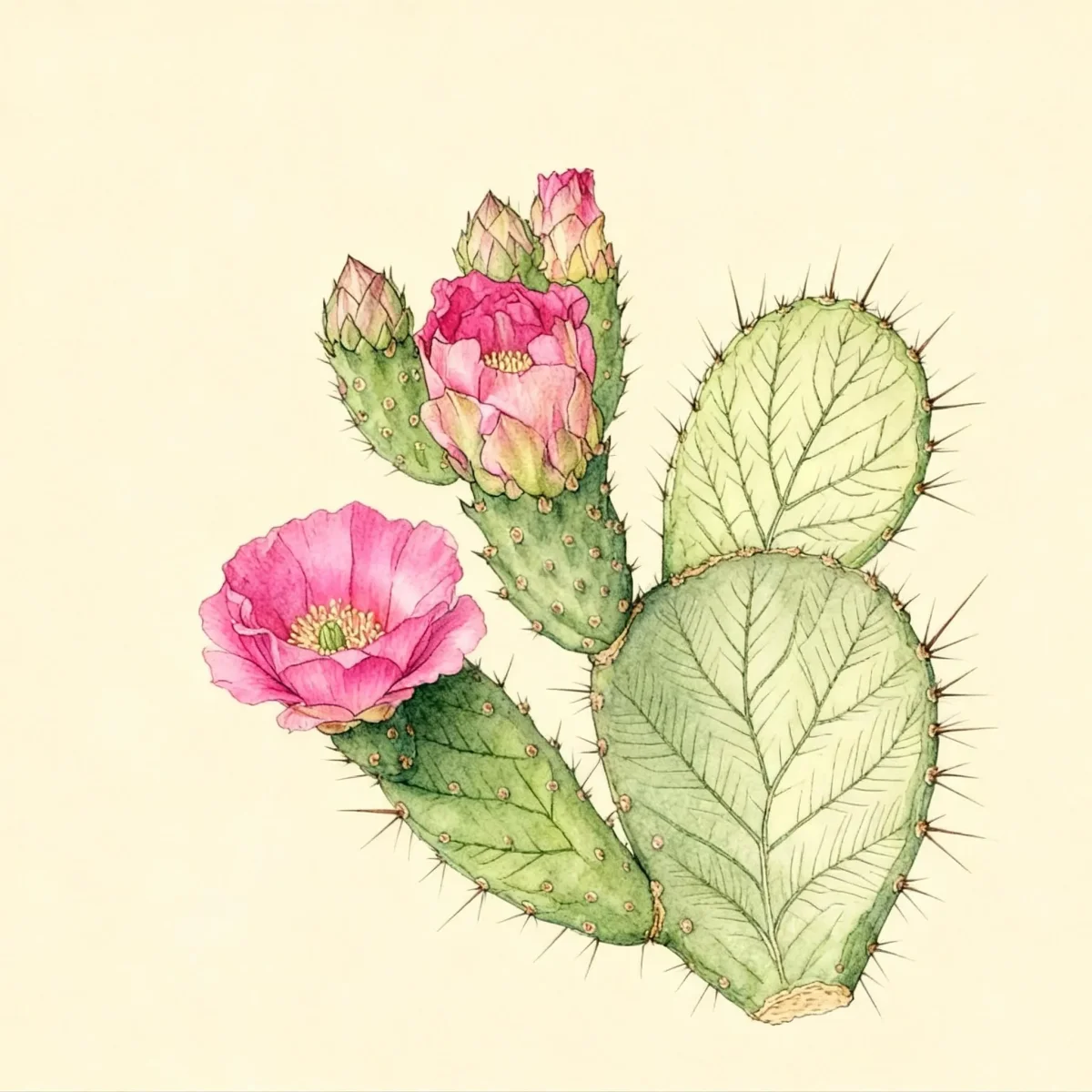
Opuntia humifusa, commonly called prickly-pear, is a clump-forming, semi-prostrate, Missouri native cactus which typically grows 6-14” tall. It commonly occurs in rocky open glades, rocky prairies, sandy and gravelly washes of valleys along streams, fields, open woods and along railroad tracks in central and southern parts of the State (Steyermark). Features jointed, round-to-oval, flattened, succulent green pads which are covered with numerous tufts of bristles (glochids) which can cause significant allergic skin reactions.
Tolerances
- Rabbit
- Drought
- Dry Soil
- Shallow-Rocky Soil
Potential Problems
The primary concern when growing Opuntia humifusa relates to moisture management rather than pest pressure, as it rarely suffers from serious insect or disease issues. Various fungal rots are the most significant threat, typically occurring when plants are situated in soil that retains too much moisture, particularly during cool periods. Good drainage is non-negotiable for the long-term health of your Prickly-pear.
To prevent rot, ensure the planting location receives full, hot sun and the soil is sharply drained, utilizing amendments like sand or gravel if necessary. If you must grow this cactus in heavier soil, amend heavily or consider raised beds specifically for achieving the sharp drainage required by this desert-adapted species.
Frequently Asked Questions
What hardiness zones is Prickly-pear suitable for?
This tough cactus, Opuntia humifusa, is suitable for USDA Zones 4 through 9, offering excellent cold tolerance for a member of the Cactaceae family.
How large does Prickly-pear grow?
At maturity, this perennial typically achieves a low height between 0.5 and 1 foot tall, spreading outward to a width of 1 to 1.5 feet.
When does Opuntia humifusa bloom?
The bloom time for Opuntia humifusa is generally from June into July, producing showy, bright yellow flowers, occasionally featuring a reddish center.
What sun exposure does Opuntia humifusa need?
This plant absolutely requires full sun exposure to thrive, develop its characteristic shape, and flower reliably in the garden.
Conclusion
The Prickly-pear (Opuntia humifusa) stands out as a unique, low-maintenance option perfectly suited for the driest, sunniest spots in your garden. Its resilience, combined with the attractive summer bloom and edible fruit potential, secures its place as a valuable native specimen. Before planting, confirm your soil provides excellent drainage, and enjoy establishing this hardy cactus in your landscape.
Companion Planting
When selecting companions for Opuntia humifusa, prioritize plants that share its love for lean, fast-draining soil and intense sun. Native grasses like Little Bluestem (Schizachyrium scoparium) offer vertical contrast without competing heavily for moisture. Alternatively, pairing the cactus with other drought-tolerant perennials such as Sedum species or various native yuccas reinforces the xeriscape aesthetic. Avoid moisture-loving perennials near this cactus to ensure the soil remains dry enough to prevent fungal issues.
Propagation Tips
One of the great joys of growing Opuntia humifusa is its straightforward asexual reproduction. While it can be grown from seed with moderate difficulty, vegetative propagation using pads is much simpler and faster. To propagate, gently sever a healthy pad—preferably one from the previous year—at the joint. Cure the severed pad in a dry, shaded location for about seven to ten days until a distinct callus forms over the wound. Once calloused, simply place the pad (wound side down) directly onto established, dry garden soil or into a sandy potting mix, keeping it dry until roots form.