Christmas cactus (Schlumbergera truncata)
The Schlumbergera truncata, or Christmas cactus, offers spectacular seasonal blooms. Enjoy low-maintenance holiday color!
Scroll down to discover growing tips, care requirements, companion plants, and more
Complete Plant Information
Overview
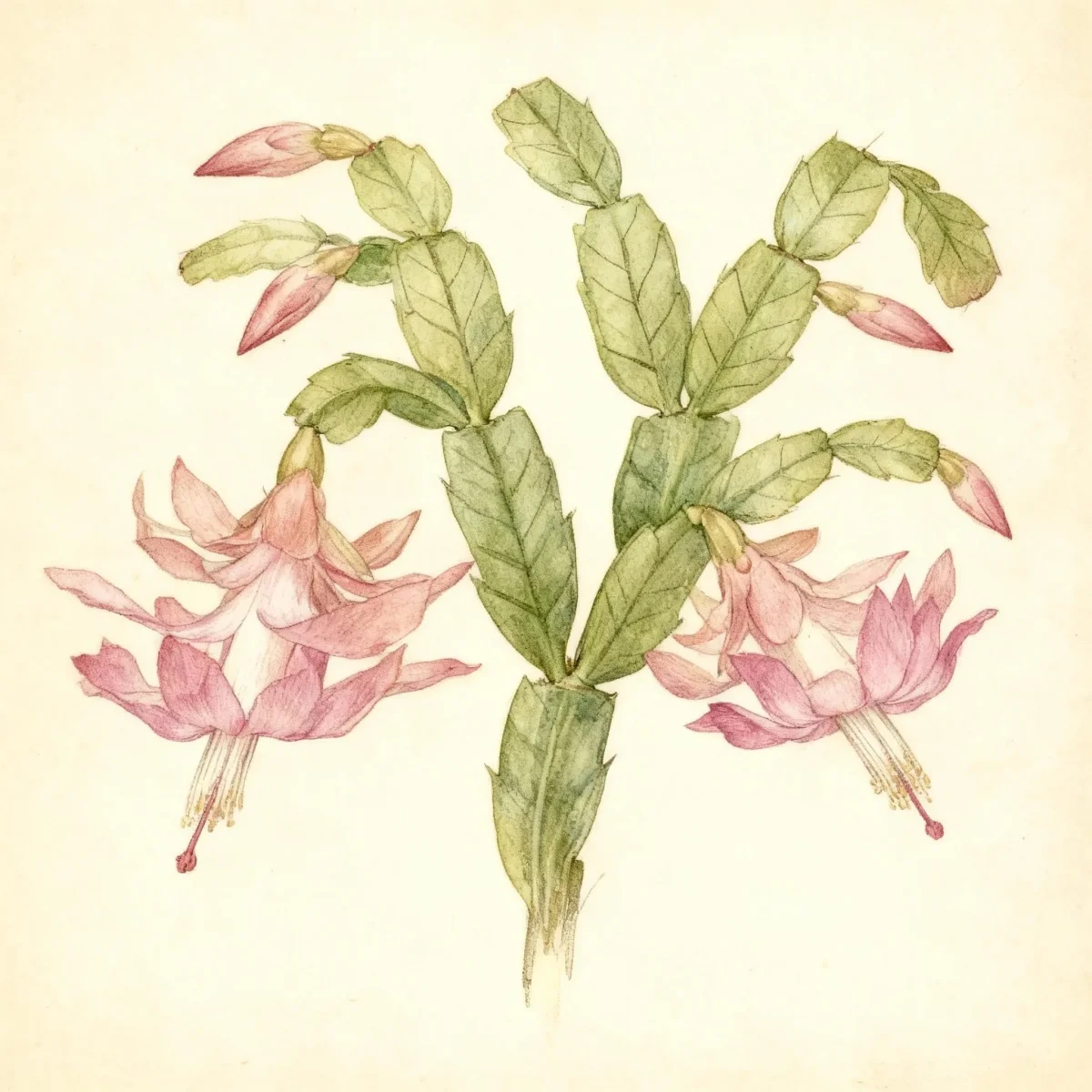
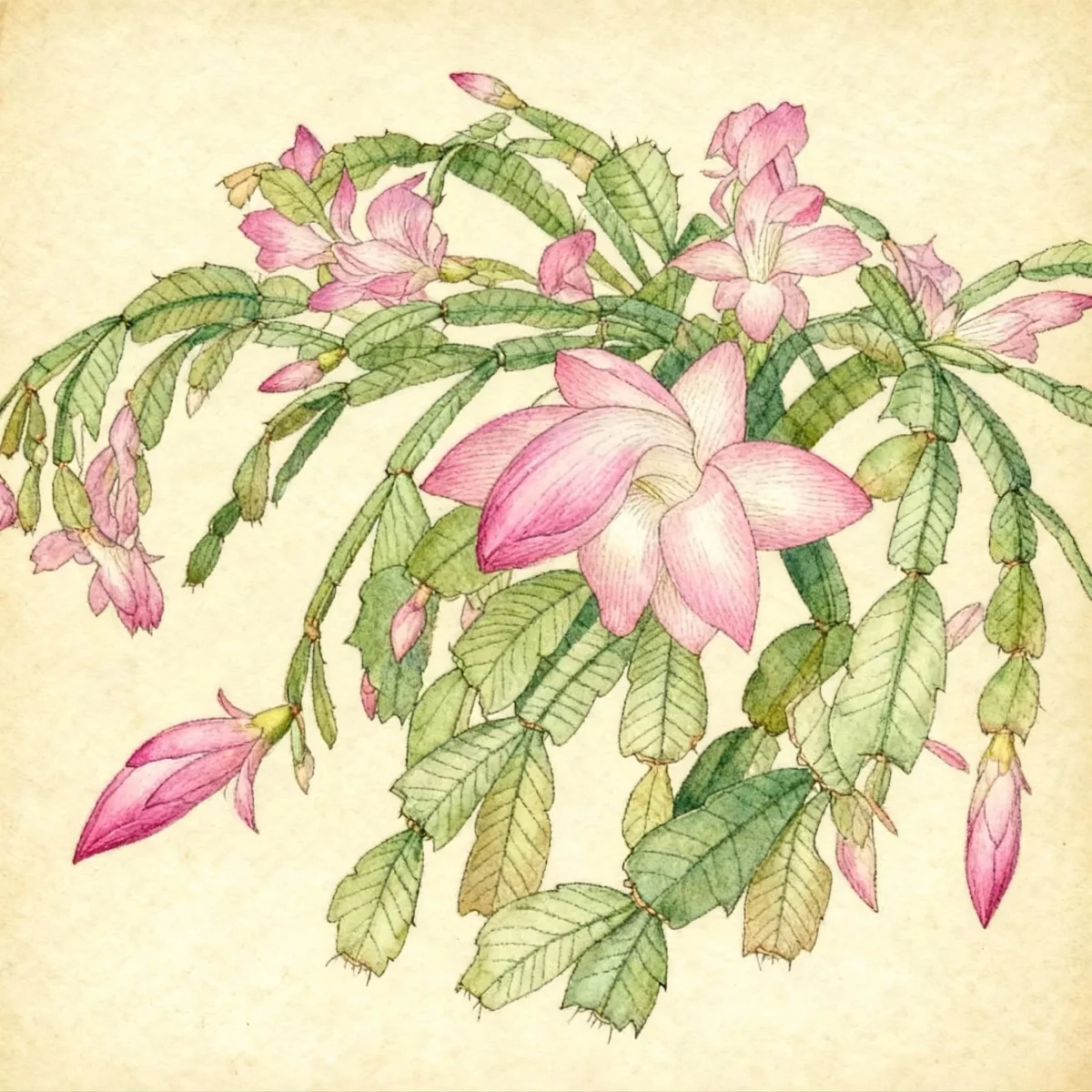
The Schlumbergera truncata, widely recognized as the Christmas cactus, provides a spectacular display of color when many other plants are dormant. This popular, winter-flowering houseplant features graceful, arching, segmented stems, making it a staple decorative choice during the holiday season. As an epiphyte native to the rocky outcrops and trees of Southeastern Brazil, it requires care distinct from desert cacti.
This species is valued for its low maintenance requirements and forgiving nature when grown indoors. Proper management of light and temperature, particularly in the fall, unlocks its vibrant bloom potential, rewarding the gardener with rich flowers often in shades of red, purple, pink, and white. Learning the specific needs of Schlumbergera truncata ensures reliable seasonal color.
For gardeners seeking low-fuss color, the Christmas cactus is an excellent option. Its unique appearance and ease of care cement the status of Schlumbergera truncata as a highly desirable houseplant, capable of thriving indoors for many years with minimal intervention.
Fast Facts
- Plant Family: Cactaceae
- Plant Type: Epiphyte
- Native Range: Southeastern Brazil
- Hardiness Zones: USDA Zones 10-12
- Size at Maturity:
- Height: 0.75-1 ft
- Spread: 1-2 ft
- Bloom Time: Seasonal bloomer
- Bloom Description: Red, purple, pink, white
- Sun Exposure: Part shade
- Water Needs: Dry to medium
- Maintenance Level: Low
How to Grow
As an epiphyte, the potting media for Schlumbergera truncata must prioritize excellent drainage and aeration. Avoid heavy, waterlogged mixes; a good blend should incorporate potting soil, peat moss, and sharp sand or perlite. Repotting is infrequent, usually only necessary every three years, as these cacti flower best when slightly potbound.
Care centers on regulated watering and light control. Water the growing medium only when it feels dry to the touch, offering slightly less water during the fall and winter dormancy period. Fertilize monthly from late winter through summer using a quarter-strength soluble fertilizer, reducing application in the fall and early winter months.
Temperature and photoperiod control are critical for inducing abundant blooms. Ideal growing temperatures during the active season (April to September) range between 70° and 80° F, but avoid letting temperatures exceed 90° F once buds set in the fall. For robust flowering, initiate long nights—thirteen or more hours of continuous, uninterrupted darkness daily—starting around mid-September and continuing for eight weeks, while maintaining cooler night temperatures between 55° and 65° F.
Landscape Uses
In its native habitat, Schlumbergera truncata thrives outdoors as an epiphyte growing harmlessly on rocks or trees. This context informs its use in cooler climates, where it excels as a container plant or in hanging baskets, positioned near brightly-lit windowsills where it receives ample indirect light. Although primarily grown as a holiday houseplant, gardeners in USDA Zones 10-12 can successfully incorporate the Christmas cactus into shaded rock gardens or beneath taller, filtering canopy trees.
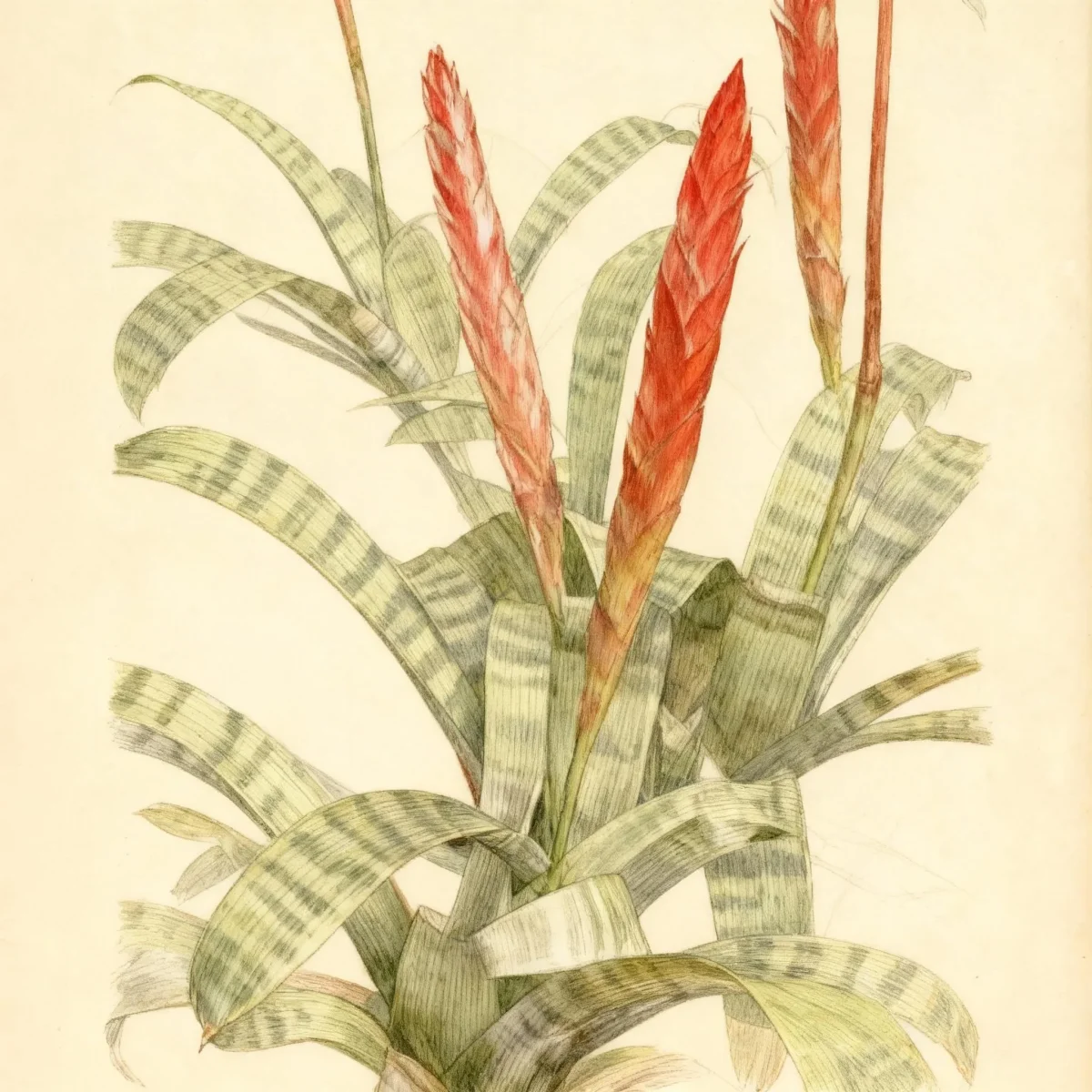
When using Schlumbergera truncata in indoor or sheltered arrangements, pair it with other humidity-tolerant, shade-loving tropicals such as ferns or bromeliads to create lush, layered displays. Its graceful, arching stems provide excellent texture contrast against more upright foliage plants. Outside the frost line, consider its preference for light shade, mimicking the dappled sun it receives in its natural environment.
Standout Features
Flower Qualities
- Showy
Noteworthy Characteristics
Schlumbergera truncata, commonly called crab cactus, Thanksgiving cactus or holiday cactus, is all the same plant. It is a popular, winter-flowering houseplant native to Brazil, available in a wide variety of colors including red, purple, oranges, pinks and creams. In its native environment, these cacti grow on rocks or in trees where hummingbirds pollinate the flowers. The stems are segmented, flattened to round in cross-section, with weak or no spines. The stems are graceful and arching and are an easy-care plant for most homes.
Tolerances
No specific tolerances were listed in the source data.
Potential Problems
The most common complaint from growers of the Christmas cactus is the dropping of unopened flower buds. This can be triggered by several factors, often related to sudden environmental shifts, such as changes in temperature or light exposure, or by the growing medium drying out excessively. Lack of flowering entirely is frequently caused by insufficient darkness; light exposure during the required 13-hour night period will interrupt the initiation process.
Preventing root rot, the major disease concern, relies entirely on proper watering practices—never allow the soil to become waterlogged, especially during winter. Monitor for common pests, including mealybugs, soft brown scale, red spider mites, and aphids, treating localized infestations promptly to maintain the health of your Schlumbergera truncata.
Frequently Asked Questions
What hardiness zones is Christmas cactus suitable for?
The Schlumbergera truncata is hardy in USDA Zones 10 through 12, requiring protection from frost in cooler climates.
How large does Christmas cactus grow?
This plant typically reaches a mature height between 0.75 and 1 foot tall, spreading out to 1 to 2 feet wide.
What sun exposure does Christmas cactus need?
The ideal sun exposure for the Christmas cactus is part shade. While some bright light is beneficial in midwinter, intense summer sun should be avoided as it can cause the foliage to yellow.
When does Christmas cactus bloom?
The Christmas cactus is a seasonal bloomer, producing flowers in shades of red, purple, pink, and white during the winter holidays when managed correctly with appropriate darkness and temperature cues.
Conclusion
Offering reliable, colorful winter blooms with minimal fuss, the Schlumbergera truncata remains a beloved houseplant for both novice and expert gardeners. By carefully managing water, light, and the critical fall photoperiod requirements, you can ensure a spectacular display from your Christmas cactus this season. Check your local hardiness zone suitability or plan for indoor container care now to enjoy this tropical beauty.
Companion Planting Considerations
When growing the Christmas cactus indoors, consider its cultural needs for bright, indirect light and consistent moisture management (when actively watering). Companion plants should share a similar aversion to direct, harsh sun exposure. Excellent indoor companions include various species of ferns, Peace Lilies (Spathiphyllum), and smaller parlor palms, which create a lush, jungle-like setting conducive to the epiphyte’s natural environment.
For outdoor planting in suitable zones (10-12), pair Schlumbergera truncata with other shade-tolerant tropicals or moisture-loving woodland plants rather than traditional desert cacti varieties. Grouping it with hostas or ferns under high tree canopies provides the required light filtration and helps maintain consistent humidity around the plant bases.
Seasonal Care Calendar
Managing the Schlumbergera truncata throughout the year maximizes flowering potential. Starting in late winter or early spring, resume monthly fertilization with a quarter-strength solution as new stem growth begins. During the peak growing season from April through September, maintain slightly warmer temperatures (70°-80° F) and water consistently when the topsoil feels dry.
Entering the critical pre-bloom period in mid-September, dramatically adjust conditions. Reduce watering frequency significantly and begin the crucial long night exposure, ensuring thirteen uninterrupted hours of darkness nightly for about eight weeks. Concurrently, maintain cooler nighttime temperatures between 55° and 65° F to encourage tight bud development until flowers begin to open.
During the actual bloom period (typically mid-winter), maintain stable, slightly cooler conditions and continue reducing fertilizer application. After flowering concludes, ease back into a regular watering schedule and resume fertilization in late winter to support the next season’s growth.