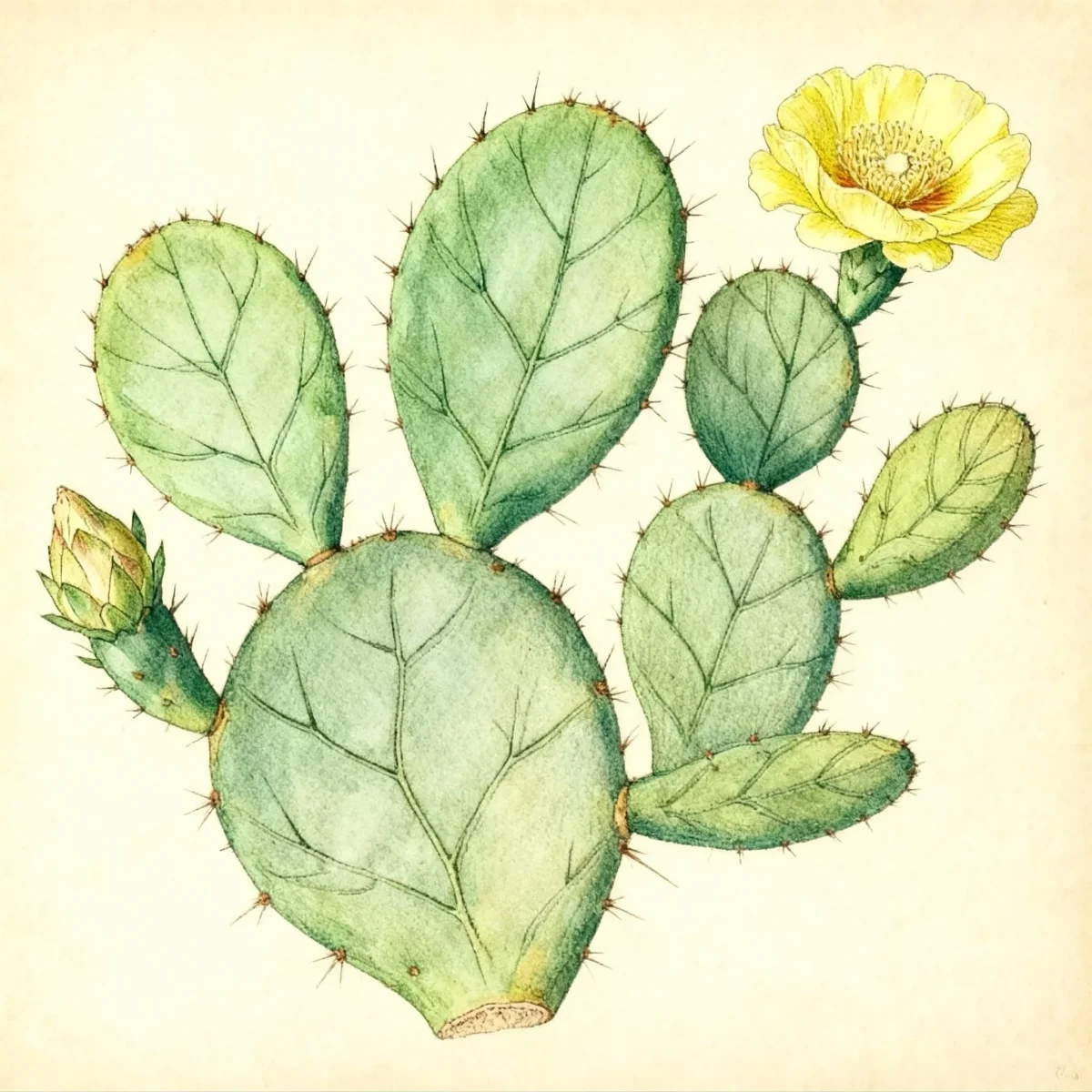
Plains prickly pear (Opuntia macrorhiza)
Discover Opuntia macrorhiza, the supremely hardy Plains prickly pear. Perfect for dry, sunny sites. Low maintenance, showy yellow blooms.
Scroll down to discover growing tips, care requirements, companion plants, and more
Complete Plant Information
Overview
The Plains prickly pear (Opuntia macrorhiza) is an incredibly resilient cactus well-suited for harsh, dry environments across USDA Zones 3 through 9. This low-growing, herbaceous perennial forms attractive, spreading colonies, making it a unique structural element in xeriscapes. Its defining features include succulent, flattened green pads and vibrant yellow flowers that appear in early summer.
As a native species occurring across a large geographic range, Opuntia macrorhiza offers significant landscape value with minimal demands on the gardener. It thrives where many other plants fail, establishing quickly in full sun and poor, dry soils. Gardeners prize this cactus for its hardiness, its distinctive look, and the colorful, showy fruits that follow the blooms.
The genus name Opuntia refers to a different Greek plant, but this specific identification, Opuntia macrorhiza, recognizes its significant tuberous roots. This characteristic aids in its survival through droughts and temperature extremes, cementing its reputation as a truly low-maintenance ground cover option.
Fast Facts
- Plant Family: Cactaceae
- Plant Type: Herbaceous perennial
- Native Range: United States, northern Mexico
- Hardiness Zones: USDA Zones 3-9
- Size at Maturity:
- Height: 0.5-1 ft
- Spread: 0.5-1 ft
- Bloom Time: June to July
- Bloom Description: Yellow
- Sun Exposure: Full sun
- Water Needs: Dry
- Maintenance Level: Low
How to Grow
Opuntia macrorhiza requires extremely well-drained conditions. Plant in full sun, utilizing sandy or gravelly soils. While it tolerates clay, drainage must be excellent; wet feet are the fastest way to damage this plant. The best time for planting container stock or rooting cuttings is during the active growing season.
Maintenance is minimal once established. Water sparingly, allowing the soil to dry out completely between infrequent waterings, especially if grown in the landscape. Plains prickly pear rarely requires fertilization. Pruning is usually unnecessary, but pads that break off can easily root where they land, leading to natural spreading.
Propagation is straightforward. Cuttings (previous year’s pads) can be severed at the joint during the growing season, air-dried for about a week until the wound seals, and then planted directly into the garden bed, joint-side down. While Opuntia macrorhiza can be grown from seed, this method carries moderate difficulty compared to pad rooting. In autumn, the pads will shrivel slightly as the plant conserves moisture for winter dormancy.
Landscape Uses
The low, semi-prostrate habit of Plains prickly pear makes it an excellent choice for ground cover applications where persistent, drought-tolerant texture is needed. It spreads naturally through pad rooting, forming colonies ideal for naturalizing in dry prairie settings or along sandy slopes where other vegetation struggles to take hold.
This species performs exceptionally well in rock gardens or tucked between large boulders and stones on retaining walls. Its tough nature means it blends perfectly into constructed desert or arid landscapes. Consider using Opuntia macrorhiza as a textural contrast against finer-textured ornamental grasses adapted to dry conditions.
For covering larger, dry areas, the ability of the pads to break off and root encourages the plant to fill in space effectively without needing aggressive intervention. It serves as a rugged, authentic accent plant in sustainable landscape designs focusing on water conservation.
Standout Features
Flower Qualities
- Showy
Fruit Qualities
- Showy
- Edible
Noteworthy Characteristics
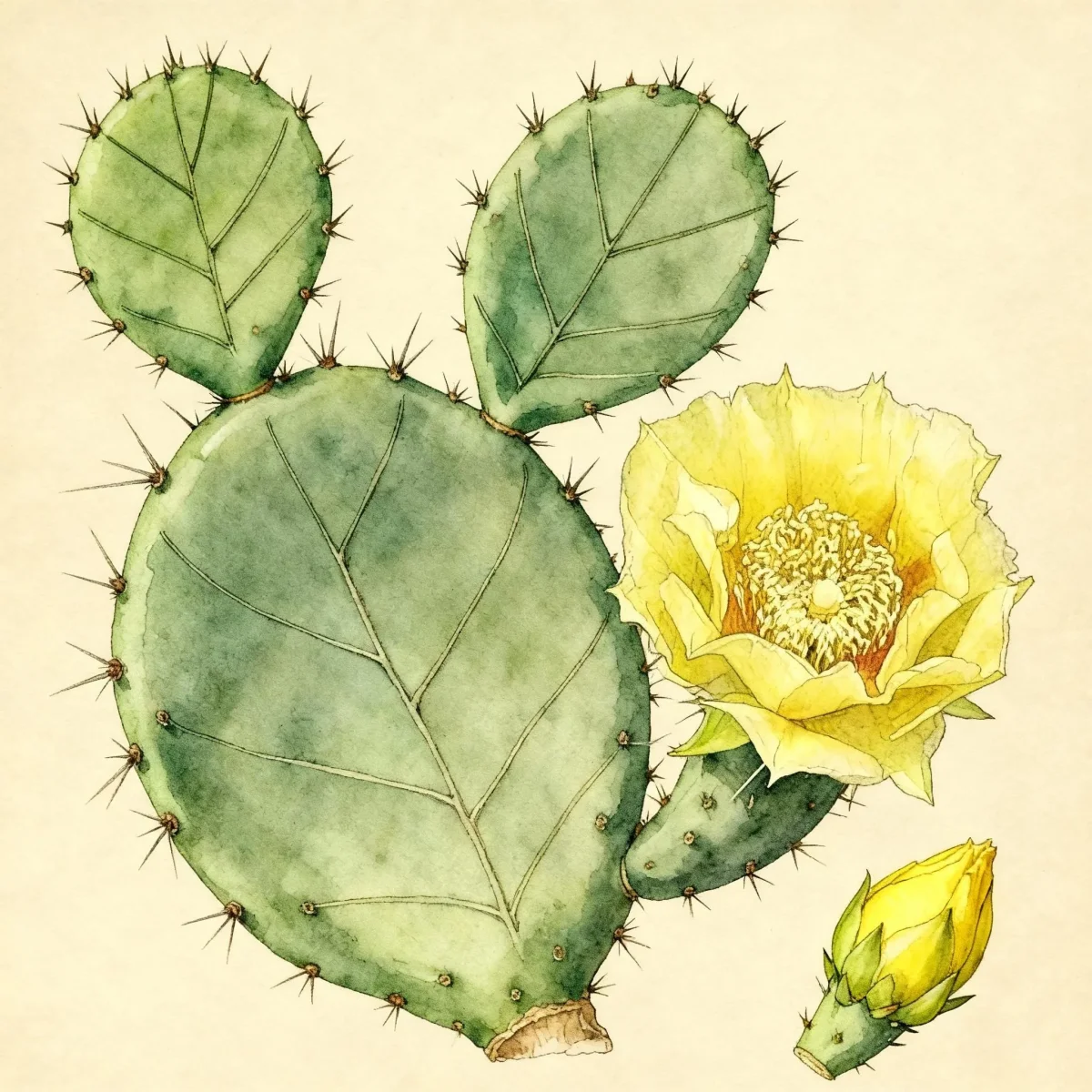
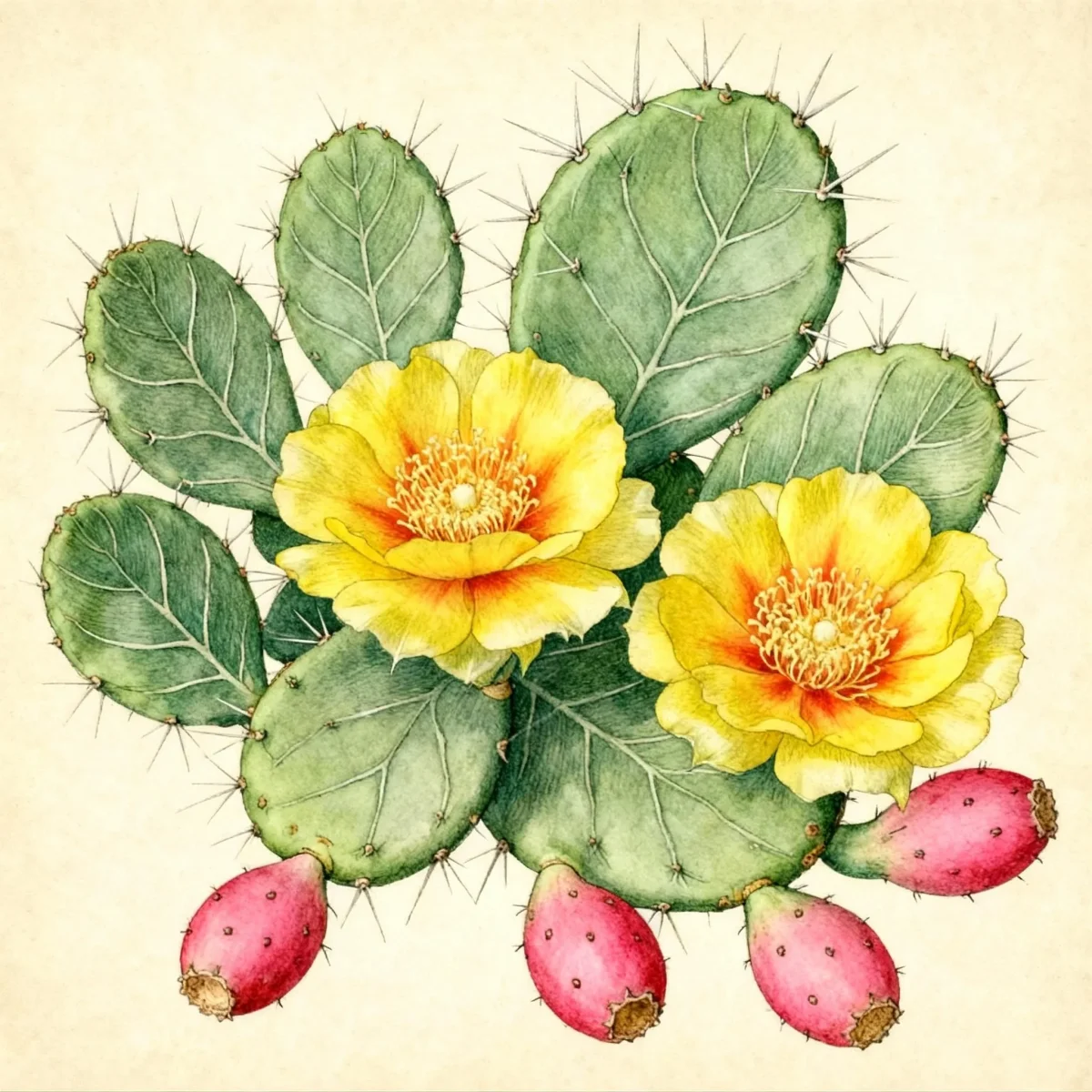
Opuntia macrorhiza, a prickly pear cactus, is a clump-forming, semi-prostrate, Missouri native cactus which typically grows 6-14” tall. It features jointed, round-to-oval, flattened, succulent green pads (4-6” long) covered with scattered needle-like spines and numerous bristles (glochids). Showy, 2-3” diameter, bright yellow flowers bloom in June-July, followed by pulpy, red, edible fruits. The plant possesses thicker tuberous roots differentiating it from similar Opuntia species.
Tolerances
- Rabbit
- Drought
Potential Problems
Opuntia macrorhiza boasts very few serious insect or disease issues, largely due to its dry habitat preference. The primary threat comes from fungal issues causing various rots. These rots almost always occur when the plant is subjected to poor drainage or excessive moisture retention in the soil, particularly during cooler periods. Ensure your planting site meets the ‘dry’ water needs requirement, and avoid overhead irrigation to prevent moisture buildup around the pads.
Frequently Asked Questions
What hardiness zones is Plains prickly pear suitable for?
The robust Opuntia macrorhiza is suitable for USDA Zones 3 through 9, offering excellent cold tolerance for a prickly pear species.
How large does Plains prickly pear grow?
Mature size is low-growing, typically reaching a height between 0.5 and 1 foot, with a spread of 0.5 to 1 foot.
When does Plains prickly pear bloom?
This species produces showy yellow flowers primarily in the early summer, blooming from June into July.
What sun exposure does Opuntia macrorhiza need?
Opuntia macrorhiza demands full sun exposure to thrive and maintain its compact, healthy habit.
Conclusion
The Plains prickly pear is an invaluable asset for gardeners seeking structure and beauty in the hottest, driest parts of the landscape. Its tolerance, combined with the visual appeal of its yellow summer blooms and edible fruit, makes Opuntia macrorhiza a truly practical specimen. Review your site conditions now to ensure full sun and perfect drainage before planting this exceptionally hardy native cactus.
Companion Planting
Selecting companions for Opuntia macrorhiza should focus exclusively on Xeriscape principles. Pair this cactus with other low-water, full-sun perennials native to arid or prairie environments. Excellent companions include various Penstemons (beardtongues), Sedums that tolerate heat, and Yuccas that provide strong vertical contrast to the low spread of the prickly pear. Avoid any plant requiring regular supplemental water, as this can quickly lead to rot issues for the Plains prickly pear.
Propagation Tips
The easiest method to multiply your Opuntia macrorhiza is through pad division. Once a pad detaches naturally or is intentionally removed, allow the broken joint to dry and callus for 5 to 10 days in a sheltered, dry location. This prevents immediate rot upon planting. Plant the cut edge just barely subsurface in dry, gritty potting mix or garden soil. Keep the newly planted cutting dry for several weeks until new root growth is confirmed, ensuring highly successful propagation of this versatile cactus.