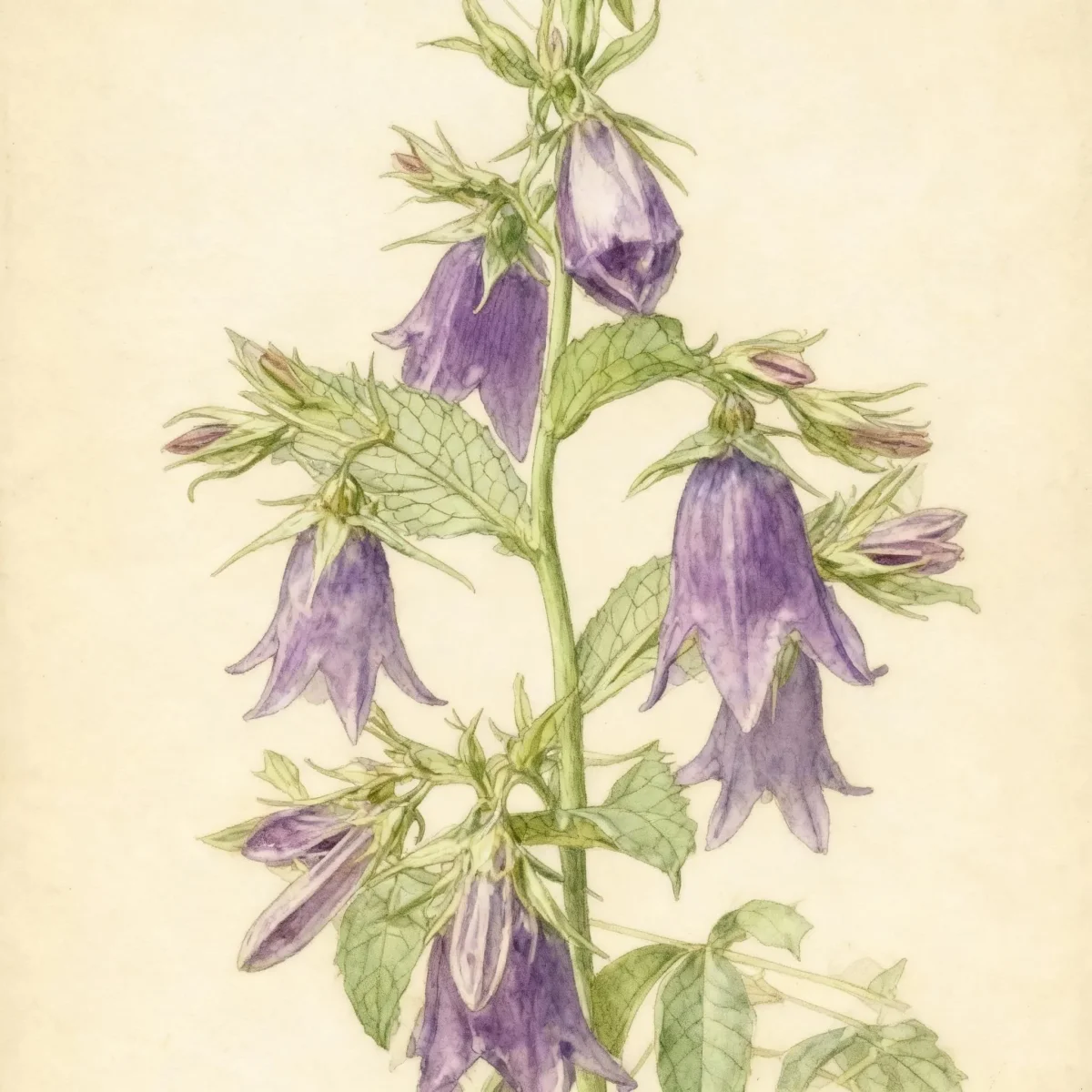
Rampion (Campanula rapunculus)
Discover Rampion (Campanula rapunculus), a unique biennial known for edible roots and charming lilac-blue flowers in zones 4-8.
Scroll down to discover growing tips, care requirements, companion plants, and more
Complete Plant Information
Overview
Campanula rapunculus, often called Rampion, offers dual appeal as both an attractive flowering specimen and a historic culinary herb. This hairy biennial plant sends up striking spires well above its handsome basal foliage in its second year, culminating in charming, nodding, bell-shaped flowers. Gardeners appreciate Rampion not only for its low maintenance needs but also for the edible root, which resembles a small turnip, giving rise to its specific epithet.
As a classic cottage garden inclusion, Campanula rapunculus provides vertical interest, typically reaching heights between two to three feet. Established plants are reliably winter hardy in USDA Zones 4 through 8, making them suitable for a large swath of North America. Successfully growing Campanula rapunculus usually involves treating it as a biennial, appreciating its leafy growth in year one and its floral show and root development in year two.
The lilac-blue blooms of Rampion are highly decorative, appearing throughout mid-summer. Whether integrated into an herb plot or used as a delicate accent in flower borders, this species provides elegant texture. For those interested in heirloom vegetables and forgotten edibles, cultivating Rampion offers a unique link to culinary tradition.
Fast Facts
- Plant Family: Campanulaceae
- Plant Type: Herbaceous perennial
- Native Range: Northern Africa, western Asia, Europe
- Hardiness Zones: USDA Zones 4-8
- Size at Maturity:
- Height: 2-3 ft
- Spread: 1-2 ft
- Bloom Time: July to August
- Bloom Description: Lilac blue or white
- Sun Exposure: Full sun to part shade
- Water Needs: Medium
- Maintenance Level: Low
How to Grow
Rampion (Campanula rapunculus) is best established from seed during spring months, allowing the first year for robust foliage development. It thrives in average, medium-moisture, well-drained soil. Full sun provides the best flower production in cooler northern climates, while gardeners in scorching summer regions should opt for afternoon shade to prevent wilting.
Watering should be consistent; this biennial needs regular moisture, especially as it develops its characteristic fleshy roots. Fertilization is rarely necessary if the plant is situated in average garden soil. Since it is a biennial grown for root harvest in the first year or flowers in the second, long-term perennial care planning is slightly different than for true perennials.
For culinary use, harvest the swollen, turnip-like roots in the first cool season, or use the young leaves like spinach. Plants that survive the winter (hardy down to Zone 4) will flower profusely in their second summer, producing seeds before usually senescing. Protect overwintering plants with a light mulch if planting is late or the first winter is expected to be severe.
Landscape Uses
The primary roles for Rampion in the garden lie within the herb or vegetable domain, given its historic edible applications. However, its upright habit and delicate sprays of lilac flowers make it an outstanding choice for informal borders, where it blends well with other medium-height perennials without being visually overwhelming. Consider planting Campanula rapunculus near taller, coarser-textured plants to provide a contrast in form.
When grown specifically for its blooms, use Rampion as an accent plant among roses or among silvery foliage plants that complement its cool blue tones. If treating it strictly as an annual vegetable, dedicate a section of the herb garden for easy access to the roots during the first season. Its relatively small spread of 1 to 2 feet means it does not require significant spacing.
Standout Features
Flower Qualities
- Showy
Noteworthy Characteristics
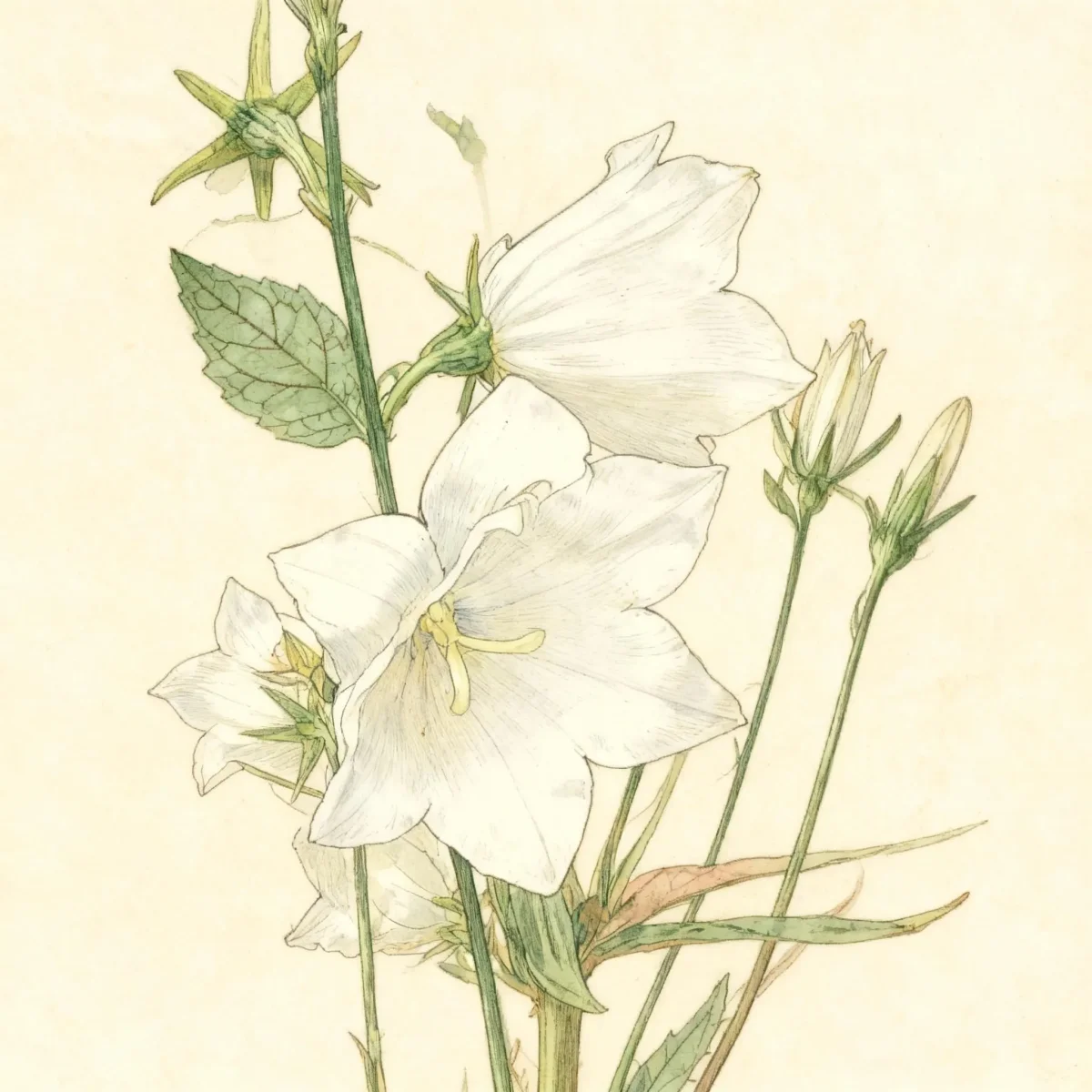
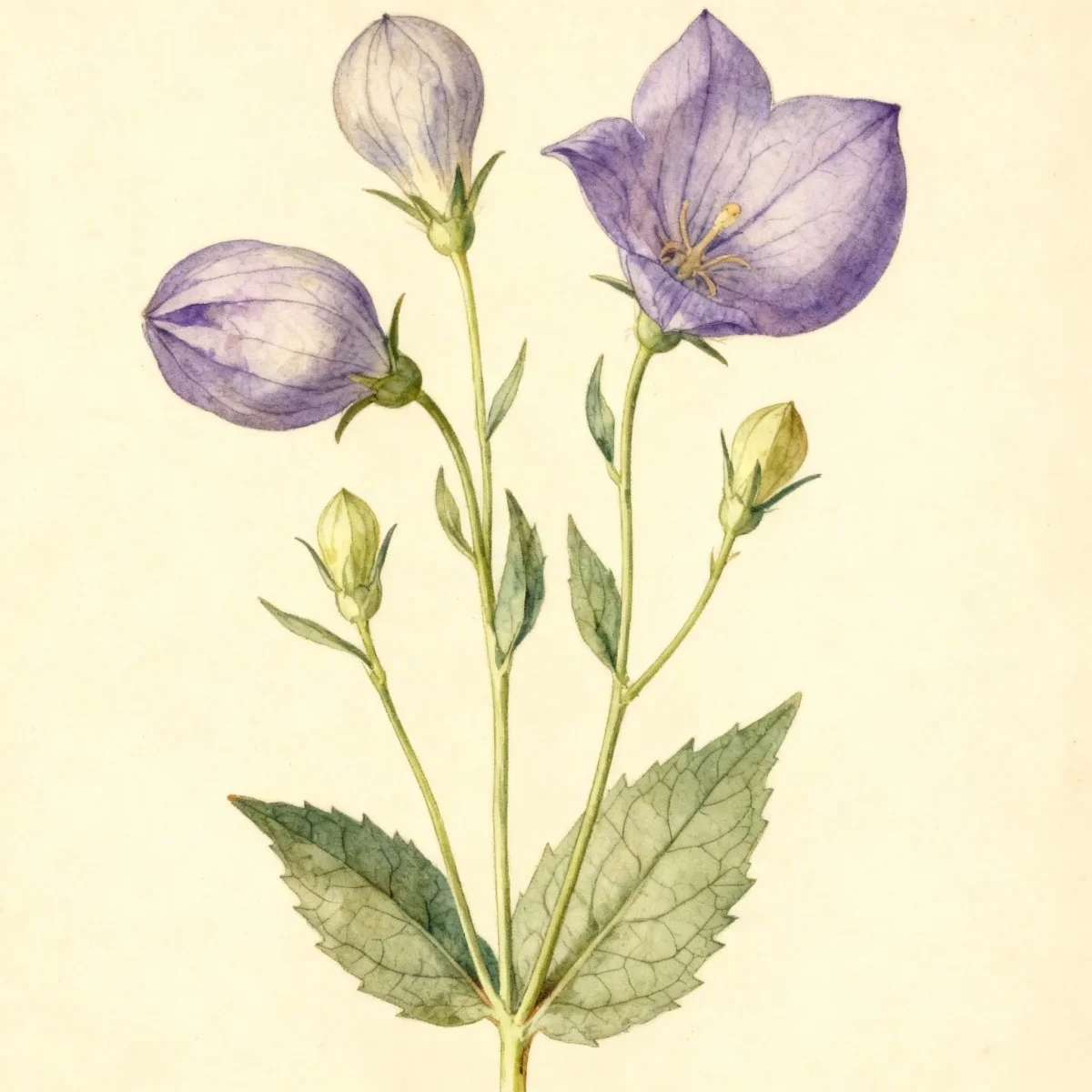
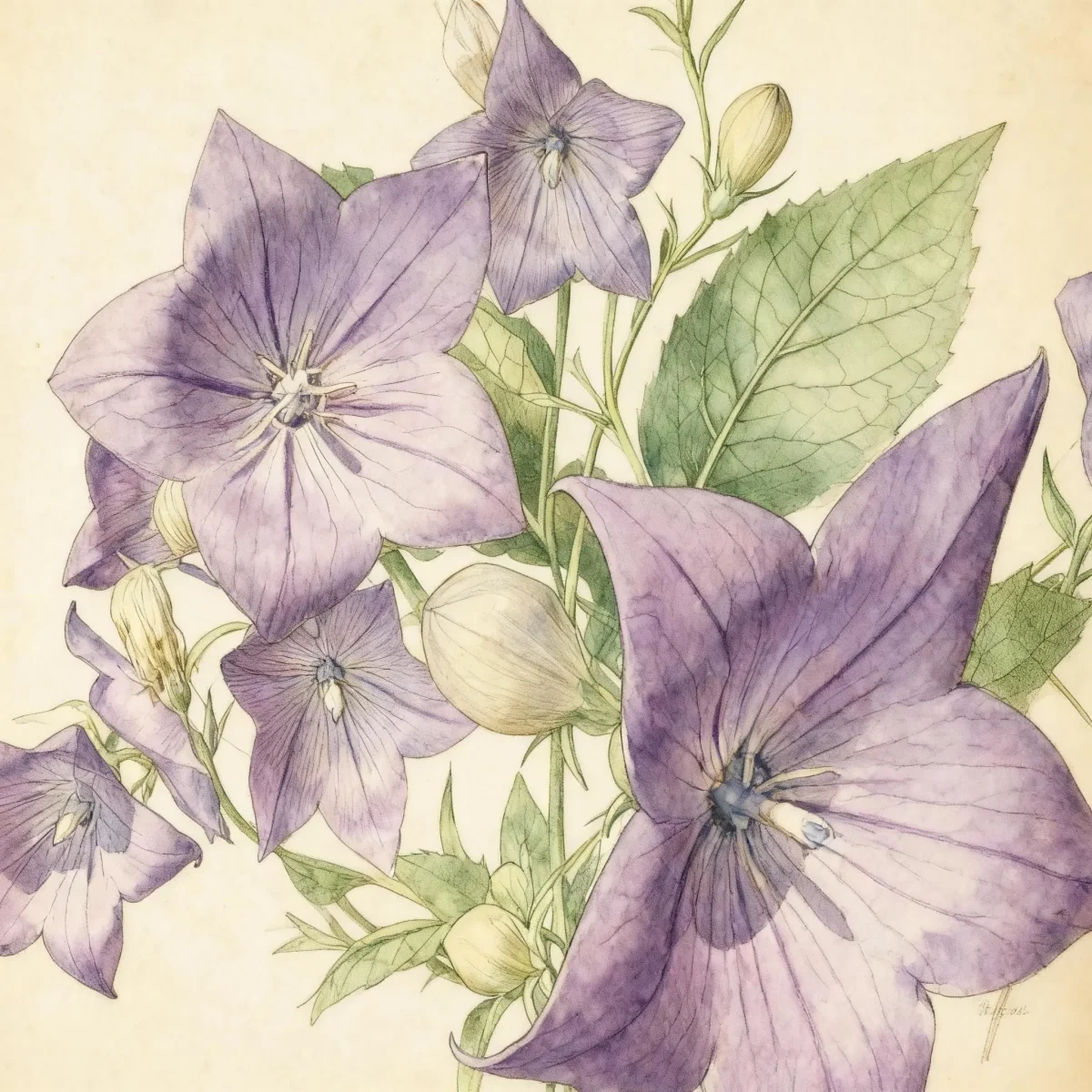
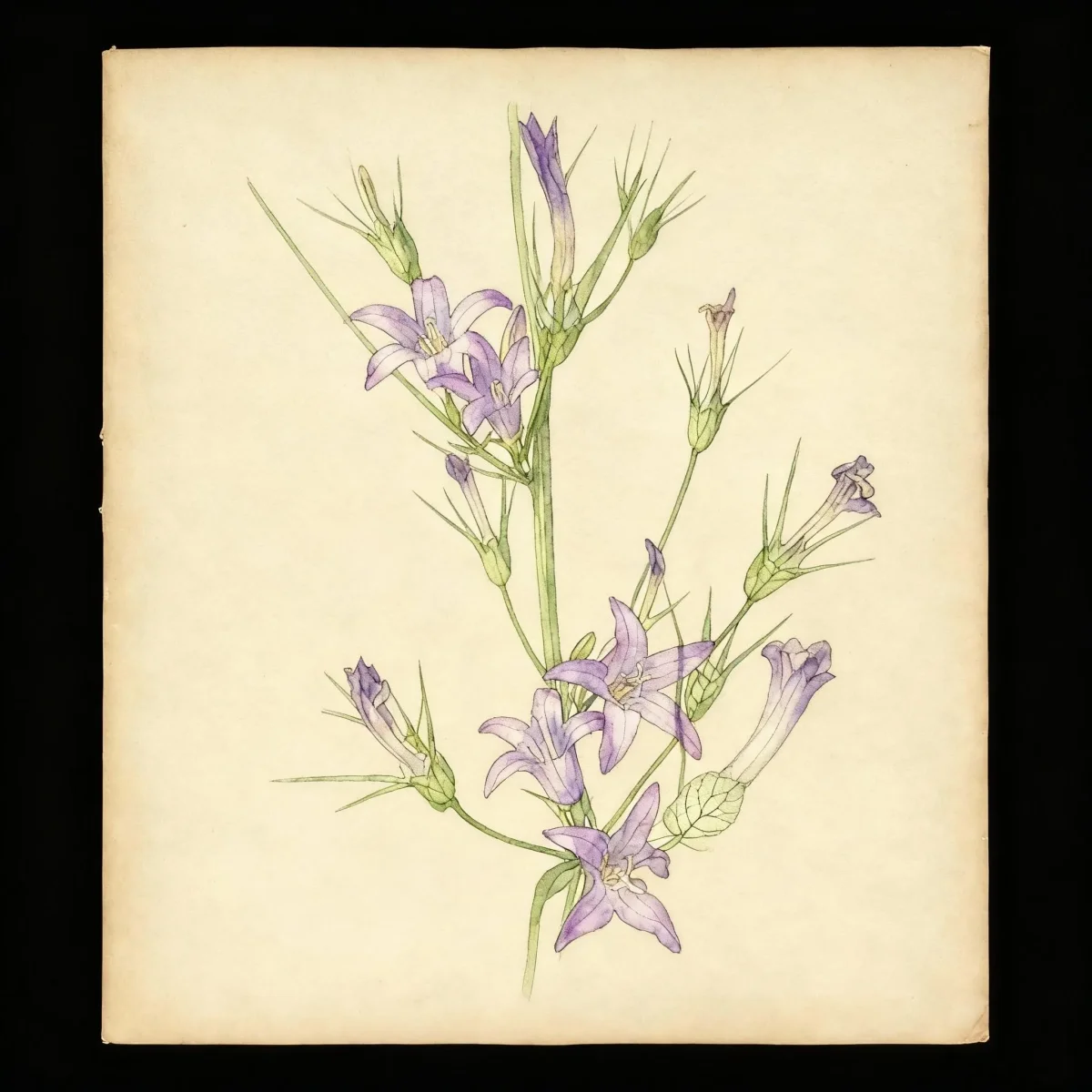
Campanula rapunculus, commonly known as rampion, is a hairy biennial which grows to 2-3’ tall. It is native to Europe, North Africa, and western Asia. Leaves are 1-4” long. Lower basal leaves are stalked, ovate to obovate, and slightly toothed. Upper stem leaves are stalkless, lanceolate and mostly toothless. Nodding, open, bell-shaped to funnel-shaped, upward facing, 5-lobed, lilac blue or white flowers bloom in erect, loose, long, terminal racemes atop slender, upright, leafy flowering stems rising well above the basal foliage clump to 2-3’ tall. Each flower (to 1-2” long) has calyx lobes almost as long as the corolla. Second year flowers bloom July to August with seeds ripening August to September. The Brothers Grimm fairy tale known as Rapunzel (first edition written in 1812) is a story about a child who was given up to a sorceress in repayment of a prior unpaid debt created by the child’s father who was caught stealing edible roots (presumably the roots of the within plant) from the garden of the sorceress.Genus name comes from the Latin campana meaning bell in reference to the bell-shaped flowers.Specific epithet is a diminutive of the Latin word rapa (turnip) and means “little turnip” in reference to the turnip-like shape of the plant roots.Common name of rampion comes from the specific epithet.
Tolerances
There is no data available regarding specific environmental tolerances outside of general hardiness and light/water needs.
Potential Problems
Gardeners focusing on Campanula rapunculus will be pleased to know that it generally experiences no serious insect or disease problems under ideal conditions. The most common pests encountered are terrestrial mollusks. Snails and slugs are occasional problems in damp, cool conditions, often targeting the tender basal foliage, particularly during the first growing season. Manage these pests by applying bait pellets around susceptible plants or hand-picking them during early morning or evening hours.
Frequently Asked Questions
What hardiness zones is Rampion suitable for?
Campanula rapunculus is reliably winter hardy in USDA Zones 4 through 8.
How large does Rampion grow?
This biennial typically reaches a height of 2 to 3 feet, spreading moderately between 1 and 2 feet wide in its flowering year.
What sun exposure does Campanula rapunculus need?
It prefers full sun, which is ideal in climates where summers are cool, but it benefits from part shade protection if grown in very hot summer conditions.
When does Rampion bloom?
The beautiful lilac blue or white, bell-shaped flowers of the Campanula rapunculus bloom from July into August.
Conclusion
The Rampion, Campanula rapunculus, provides a wonderful intersection of historical interest and delicate beauty in the garden setting. Its low maintenance requirements and striking summer blooms make it a worthwhile addition, particularly for gardeners interested in edible heritage crops. Before planting, confirm your location falls within USDA Zones 4–8 and ensure you can provide consistent, medium moisture levels for the best results.
Companion Planting
When siting Campanula rapunculus, consider plants with similar cultural needs, favoring medium moisture but excellent drainage. Good companions include other cottage garden staples like Foxglove (Digitalis) in shaded spots or various low-growing herbs that do not aggressively monopolize water resources during dry spells. Since Rampion matures to 2-3 feet, place shorter, mounding plants near the base to mask the thinning lower foliage after the primary root harvest, if applicable.
Seasonal Care Calendar
During early spring, inspect overwintered biennial stalks of Rampion before new growth emerges, pruning back any dead material leftover from the previous flowering cycle. Focus on deep, infrequent watering during dry summer periods to encourage the development of the swollen edible root structure if you intend to harvest in the first year. Allow seed heads to mature fully in late summer or early fall before cutting them back; scattering the resulting seeds immediately can ensure successive plantings of Campanula rapunculus without needing to purchase new seed stock annually.