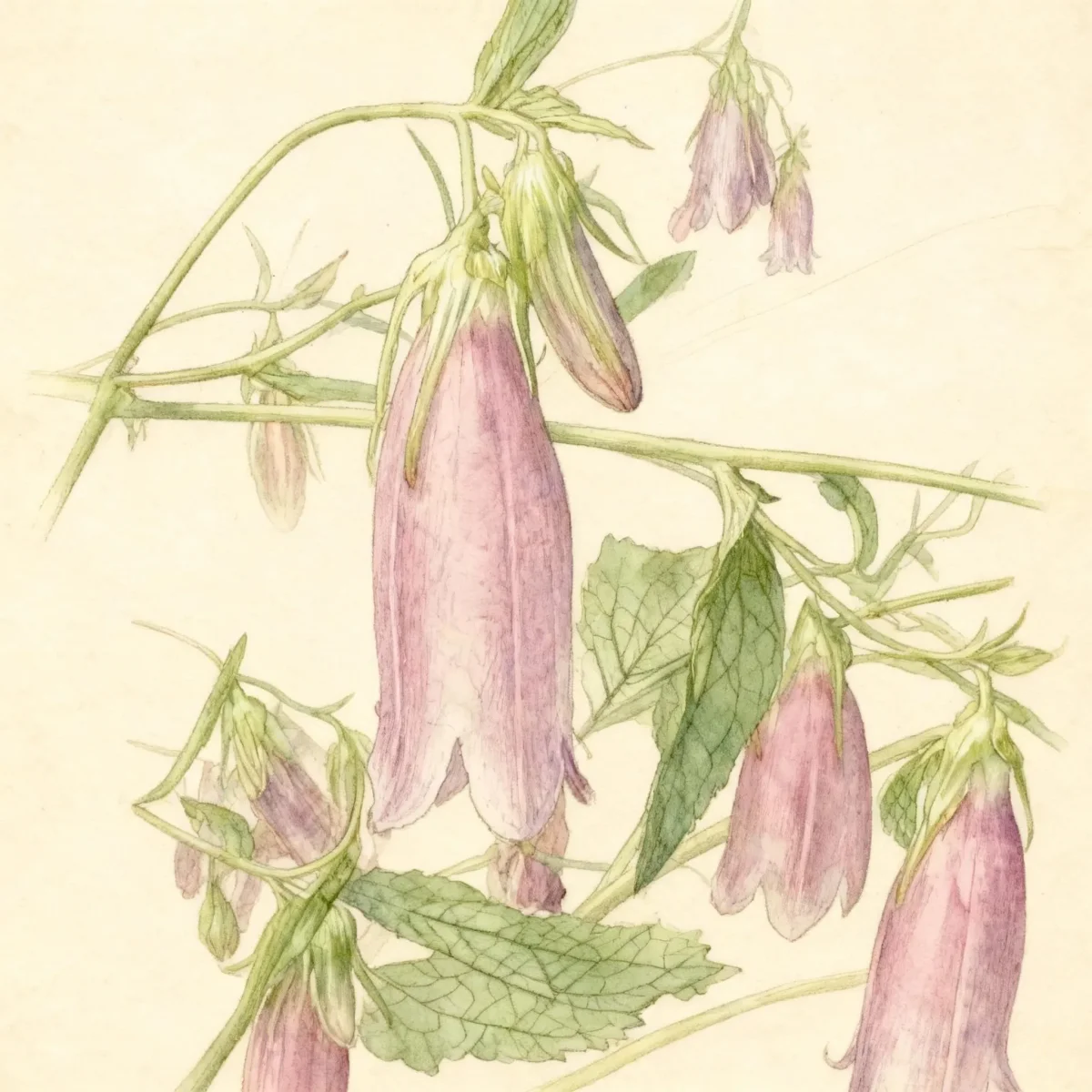
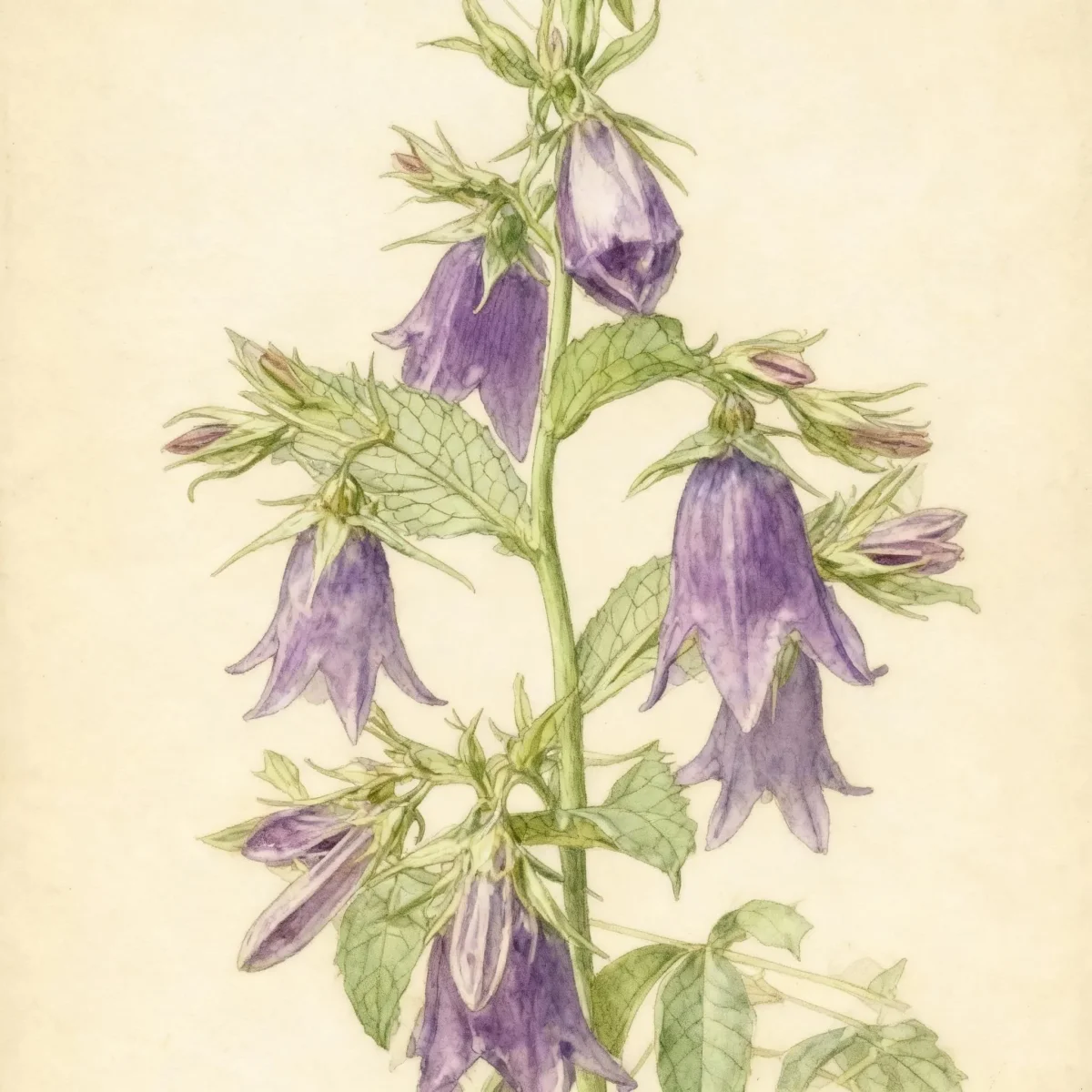
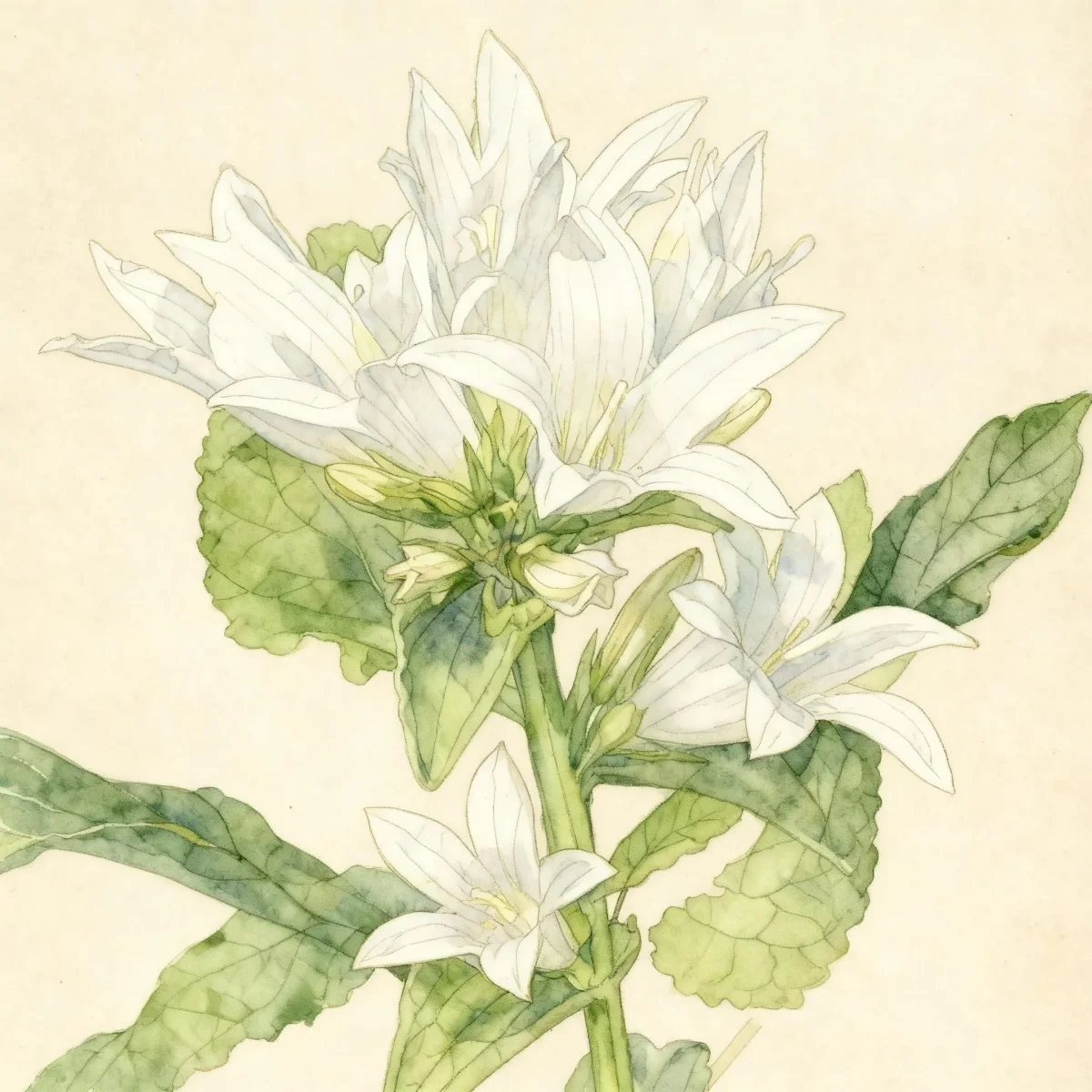
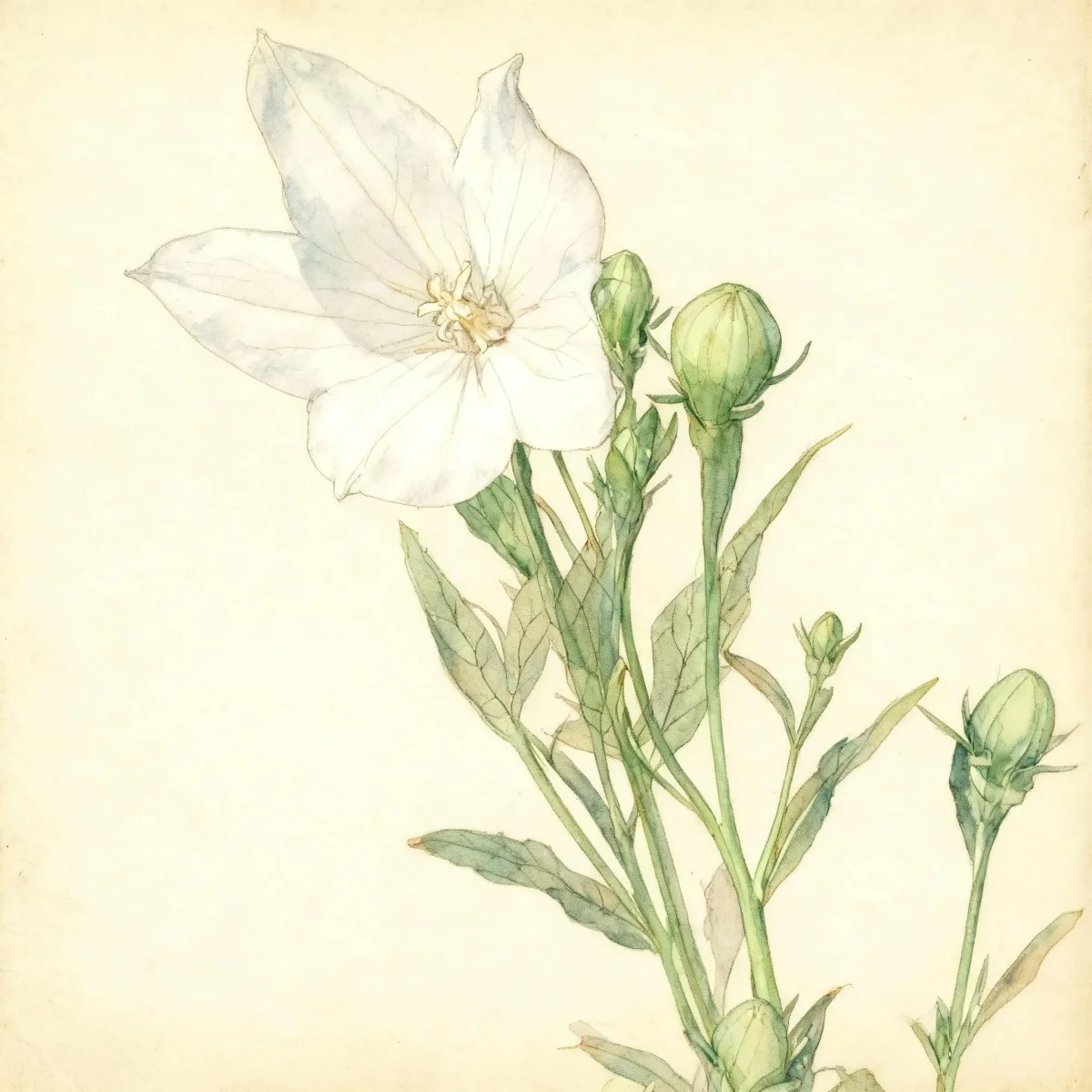
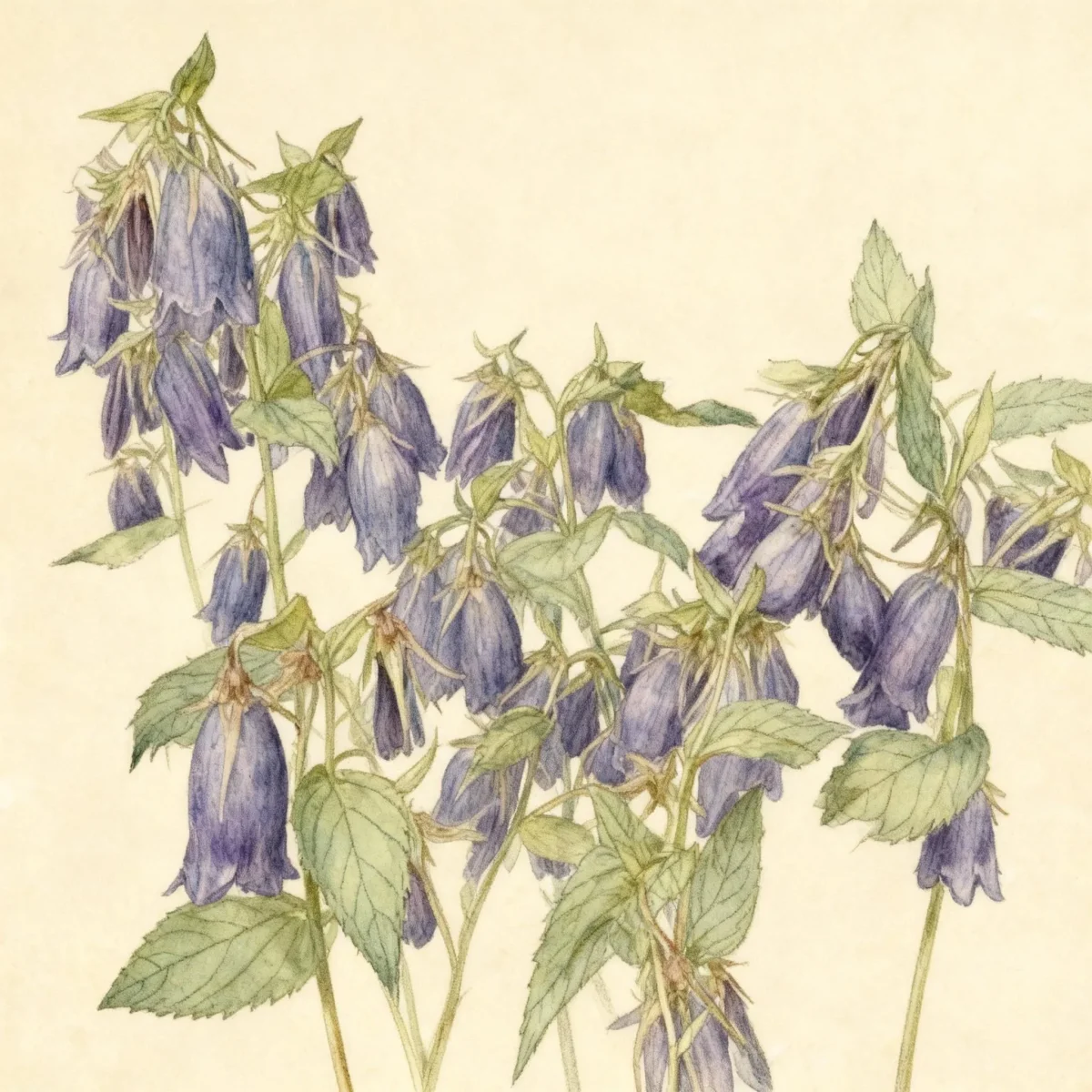
Nettle-leaved bellflower (Campanula trachelium)
Campanula trachelium, or Nettle-leaved bellflower, is a vigorous, low-maintenance perennial offering unique blue-purple blooms from July to September.
Scroll down to discover growing tips, care requirements, companion plants, and more
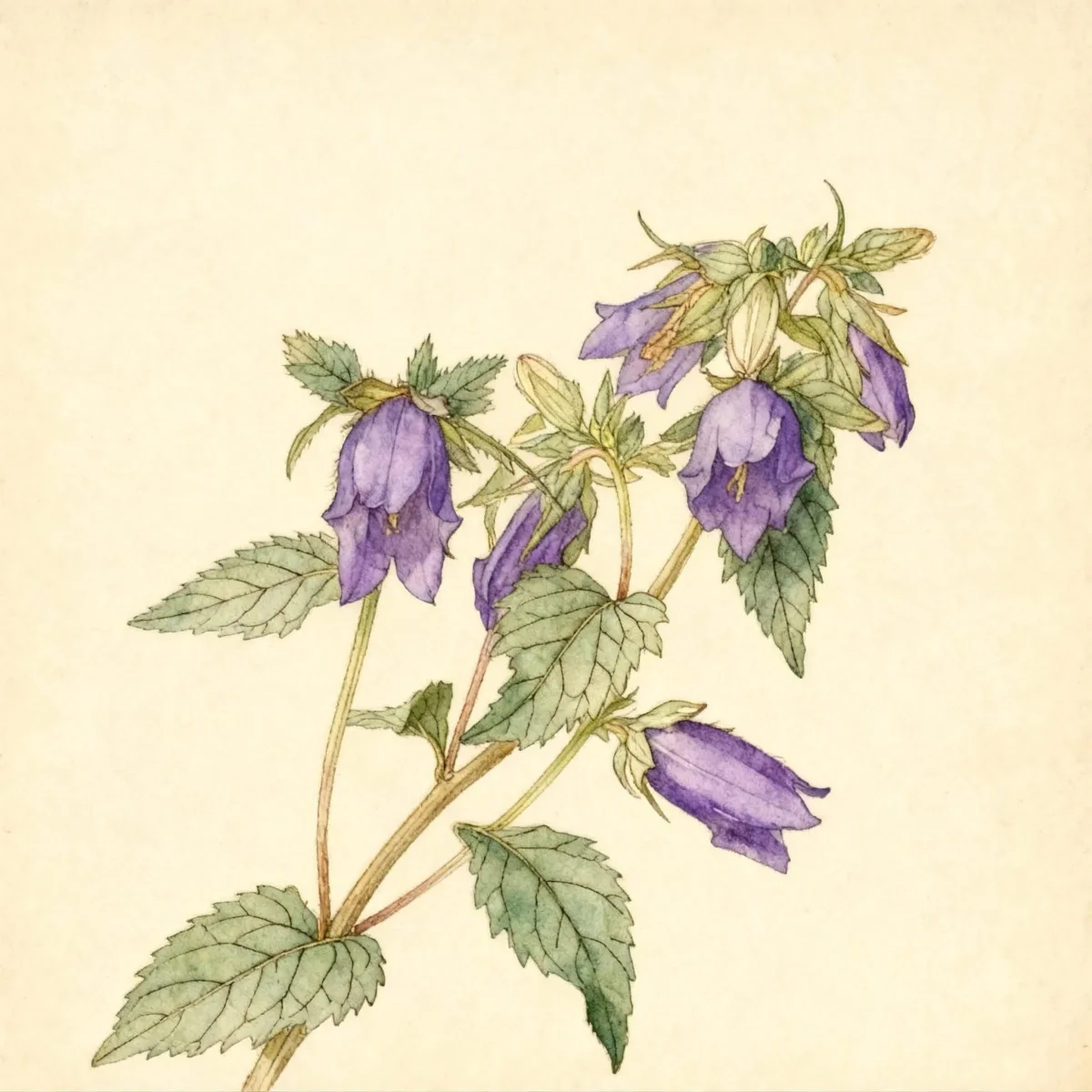
Complete Plant Information
Overview
The Nettle-leaved bellflower (Campanula trachelium) provides a strong vertical accent in the garden, appreciated for its bushy growth habit and nodding, bell-shaped blue-purple blooms. This vigorous herbaceous perennial is valued for its low maintenance requirements and its ability to naturalize gracefully once established, adding drifts of color to cottage or informal settings. As a reliable summer bloomer, Campanula trachelium fills the mid-to-late season gap with distinctive flowers that resemble tiny bells hanging from erect leafy stems.
Originating from Europe and western Asia, it thrives in rich, moist soils, lending it a slightly wild, yet tameable appearance ideal for less formal garden designs. Gardeners can rely on this species to return reliably year after year, spreading gently by self-seeding, which helps create a naturalized tapestry of color within the landscape.
Fast Facts
- Plant Family: Campanulaceae
- Plant Type: Herbaceous perennial
- Native Range: Northern Africa, western Asia, Europe
- Hardiness Zones: USDA Zones 5-8
- Size at Maturity:
- Height: 2-3 ft
- Spread: 1-1.5 ft
- Bloom Time: July to September
- Bloom Description: Blue-purple to lilac
- Sun Exposure: Full sun to part shade
- Water Needs: Medium
- Maintenance Level: Low
How to Grow
Plant Campanula trachelium in the spring or fall after the danger of hard frost has passed. The key requirement for success with the Nettle-leaved bellflower is rich, moist, well-drained soil. While it can handle full sun, it performs best, especially in hot climates, when sited in part shade, ensuring afternoon protection develops the best flower color.
Watering needs for this species are medium; ensure the soil remains evenly moist, particularly during dry spells and the peak blooming period. Avoid letting the plant dry out completely, as consistent moisture supports robust blooming. Fertilization is rarely necessary if the soil is already rich, but a light application of compost in spring can be beneficial.
Maintenance of Campanula trachelium is generally low. Deadheading spent flowers promptly can encourage a second flush of blooms later in the season. Be aware that this plant readily spreads by self-seeding, a characteristic that makes it excellent for naturalizing but requires occasional thinning if you wish to control its spread within formal beds.
Landscape Uses
The upright stature and slightly coarse texture of the Nettle-leaved bellflower lend themselves perfectly to informal planting schemes. It is highly recommended for borders where it can mingle with later-blooming perennials, providing height without excessive bulk. Consider mass planting Campanula trachelium in wildflower gardens or naturalized areas where its tendency to self-seed is an asset rather than a nuisance.
When selecting companions, choose plants that share similar moisture and light preferences. Cottage gardens benefit from pairing this bellflower with Foxglove (Digitalis) or hardy Geraniums, allowing the varying textures to complement the nodding blooms of the Nettle-leaved bellflower. Its ability to naturalize well means it also excels beneath deciduous trees where it can colonize available space.
Standout Features
Flower Qualities
- Showy
Noteworthy Characteristics
Campanula trachelium, commonly called nettle-leaved bellflower, is a setose, bushy, upright herbaceous perennial which grows to 3’ tall bearing coarse, bristly-pubescent, nettle-like, deeply-toothed leaves. This plant bears nodding, tubular-campanulate, open bell-shaped, blue purple to lilac flowers (to 1.5” long) which bloom in summer in loose racemes atop erect leafy stems. Historically, additional common names like throatwort relate to its former use as a remedy for sore throats.
Tolerances
- Deer
Potential Problems
This plant generally enjoys good health, suffering from no serious insect or disease problems under ideal growing conditions. Occasional pressure from slugs and snails should be managed, especially when new growth first emerges in spring. Gardeners should monitor for aphids and be vigilant against fungal issues like powdery mildew or rust, particularly in humid conditions or where air circulation is poor. Ensuring rich, well-drained soil and avoiding overhead watering helps mitigate fungal risks for your Campanula trachelium.
Frequently Asked Questions
What hardiness zones is Nettle-leaved bellflower suitable for?
Campanula trachelium is well-suited for USDA Hardiness Zones 5 through 8, offering reliable perennial performance across these regions.
How large does Nettle-leaved bellflower grow?
When fully mature, expect the Nettle-leaved bellflower to reach a height between 2 and 3 feet, spreading quietly to establish a clump 1 to 1.5 feet wide.
What sun exposure does Campanula trachelium need?
This species tolerates anything from full sun, especially in cooler summers, to part shade. For the best, richest flower color, aim for a location that receives some afternoon shade.
When does Campanula trachelium bloom?
The bloom season for this plant spans from July into September, showcasing its distinctive blue-purple to lilac, bell-shaped flowers.
Conclusion
The Campanula trachelium, or Nettle-leaved bellflower, is a fantastic choice for gardeners seeking texture, vertical interest, and low annual maintenance. Its ease of care and resilience, combined with its beautiful summer bloom display, make it an essential addition to cottage and informal settings. Before planting, confirm your growing area falls within USDA Zones 5-8 and ensure you can meet its requirement for rich, consistently moist soil.
Companion Planting
Because Campanula trachelium thrives in rich, moist conditions and appreciates some dappled afternoon shading, select companions that share these needs. Good neighbors include plants that offer contrasting foliage texture, such as the broader leaves of Hostas or Brunnera, especially in shadier spots. In sunnier areas that still retain steady moisture, pair this bellflower with Peonies or native woodland Phlox to create a layered, textured summer border.
Wildlife Benefits
The distinctive tubular flowers of the Nettle-leaved bellflower are highly attractive to pollinators seeking nectar during the mid-summer slump. The shape of the bloom is particularly well-suited for long-tongued bumblebees. By allowing spent blooms to remain briefly before deadheading, you ensure ample feeding opportunities for insects, and the resulting seed heads can provide minor forage for small seed-eating birds late in the season.