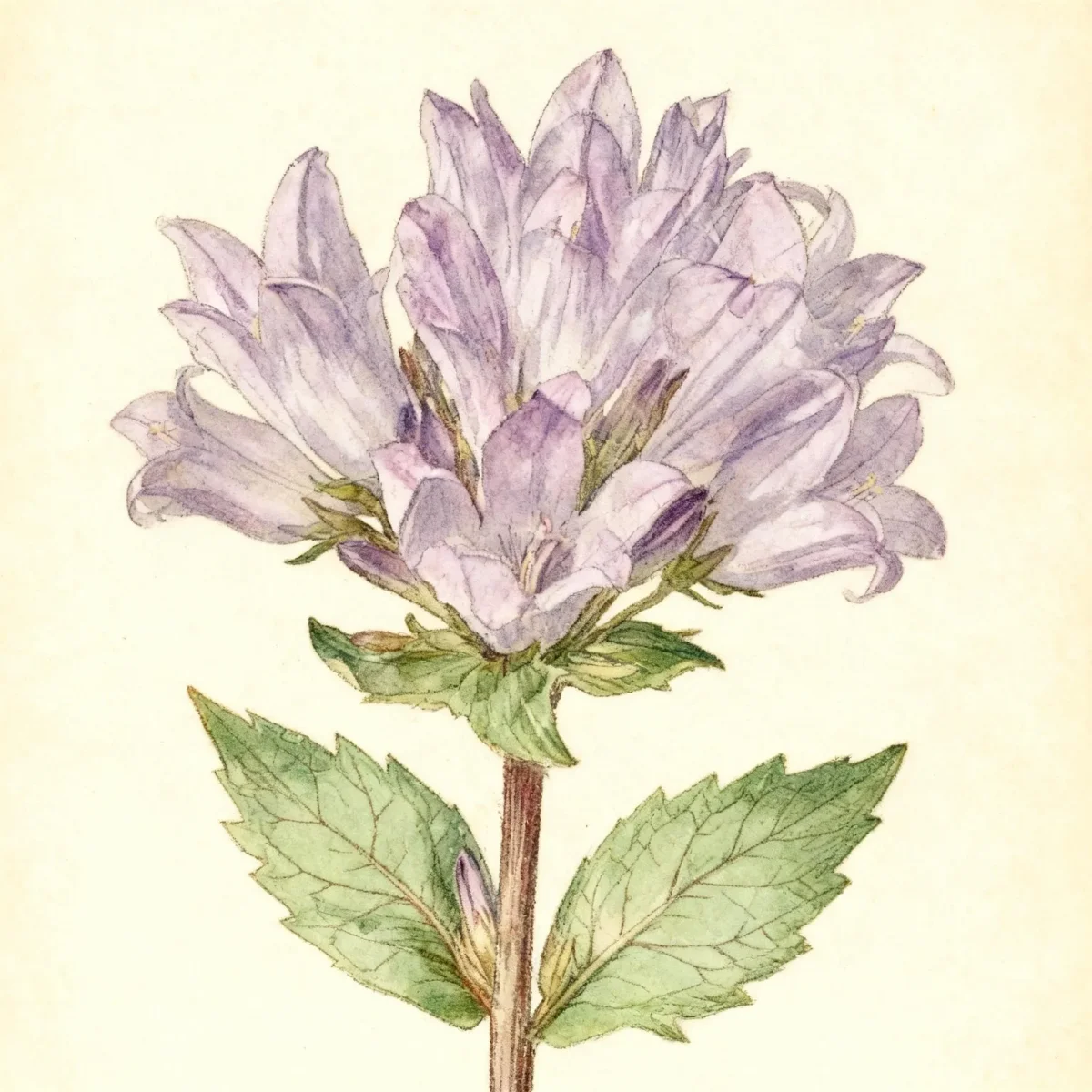
Bluebell (Campanula rotundifolia)
Discover Campanula rotundifolia, the graceful Bluebell, perfect for naturalizing with its nodding blue flowers from June to September.
Scroll down to discover growing tips, care requirements, companion plants, and more
Complete Plant Information
Overview
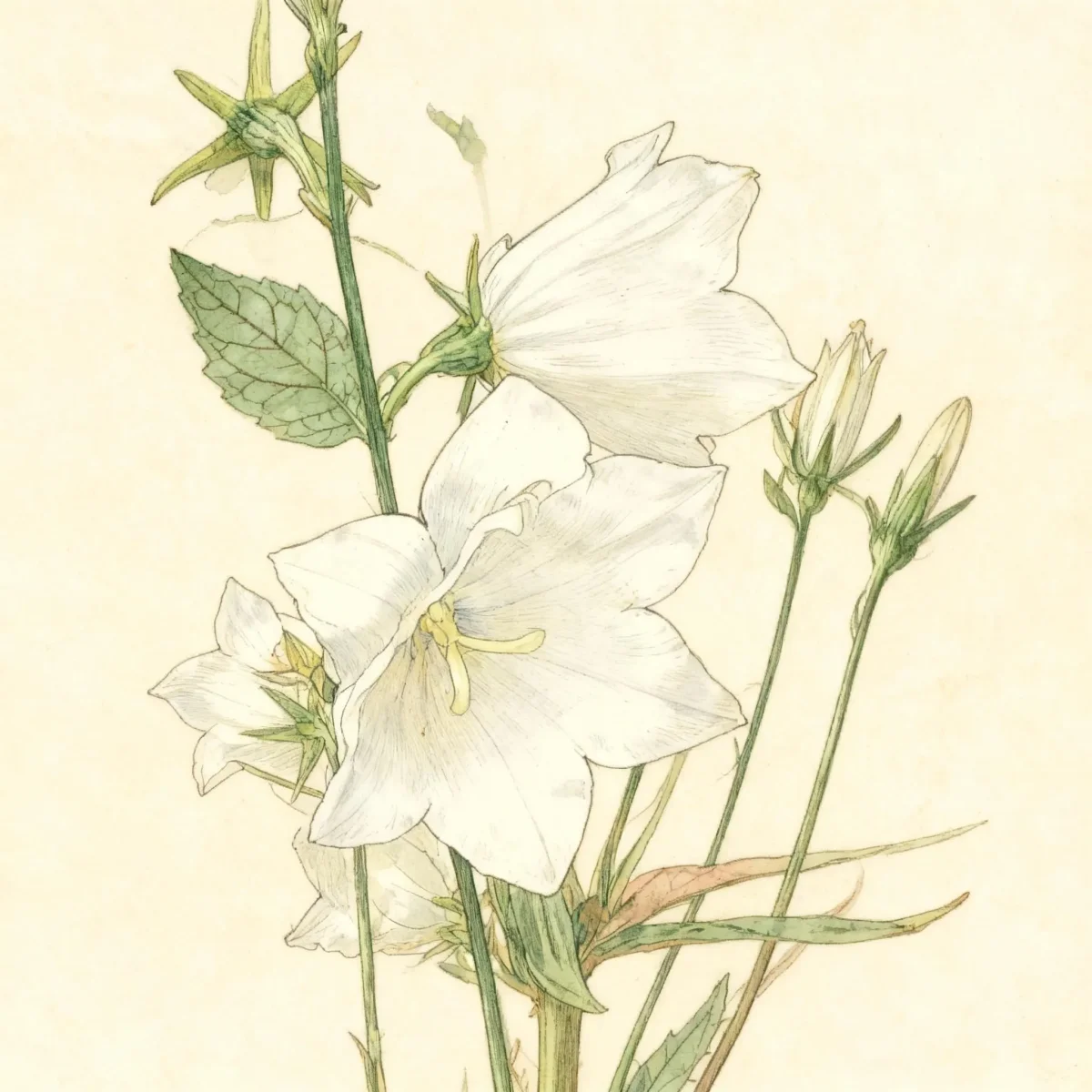
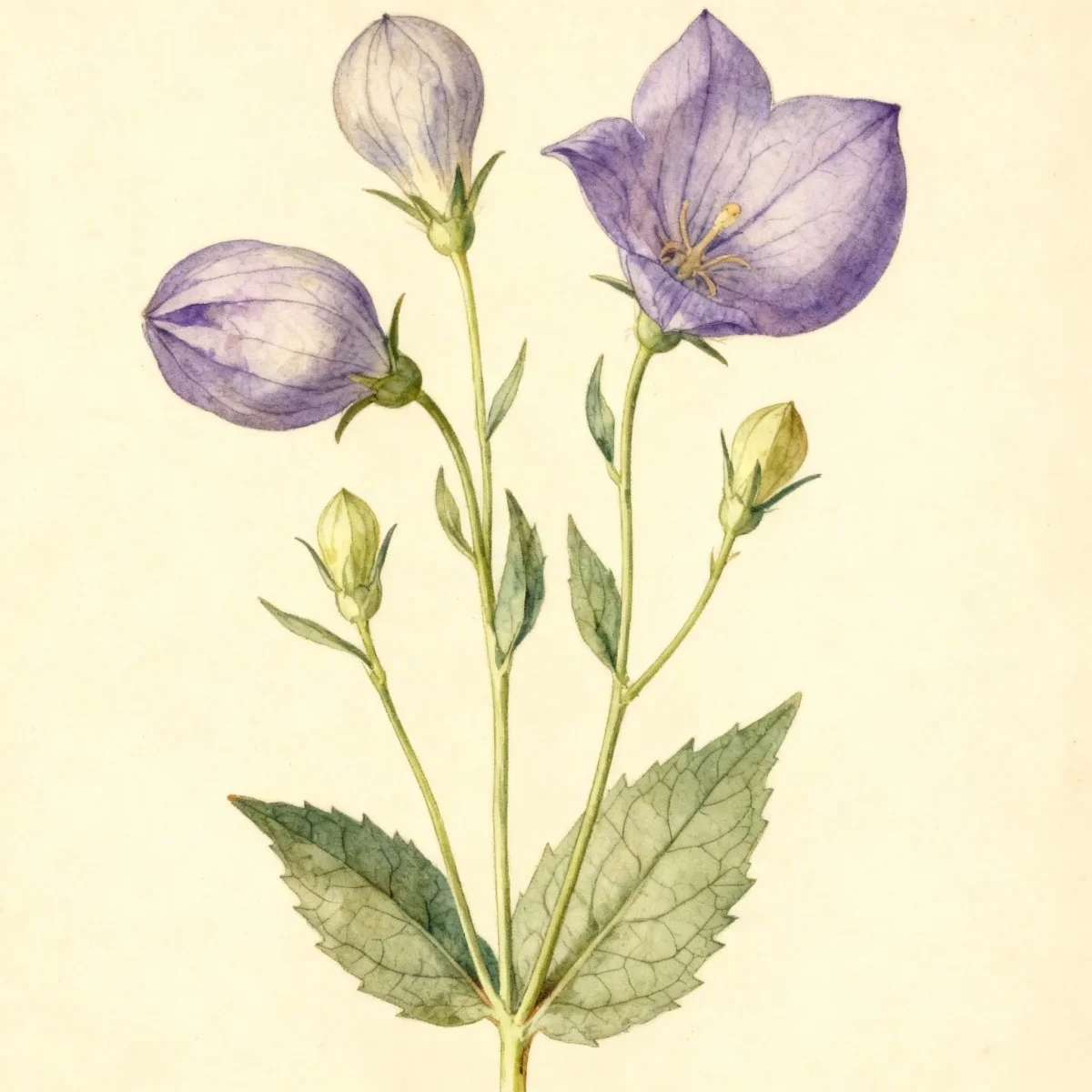
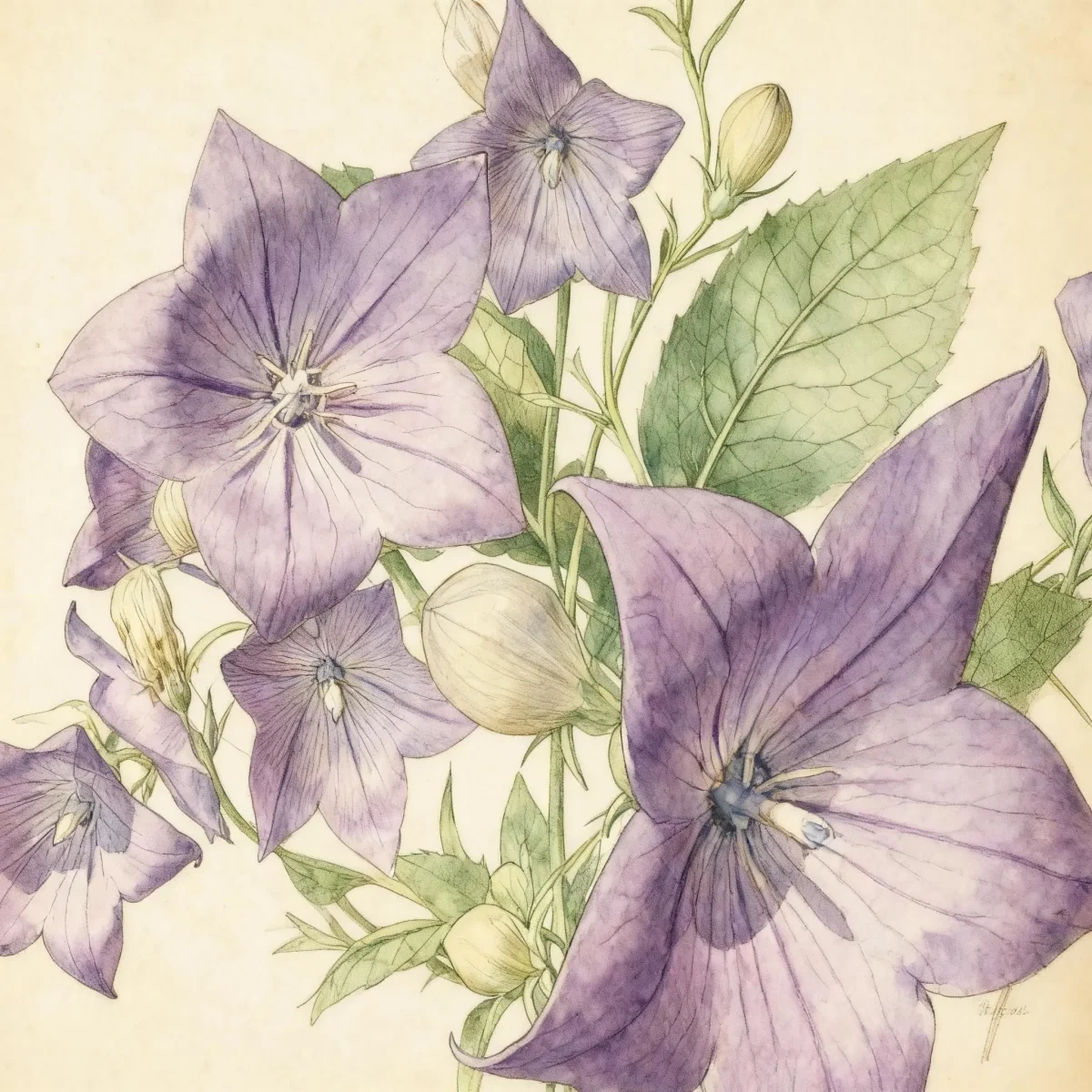
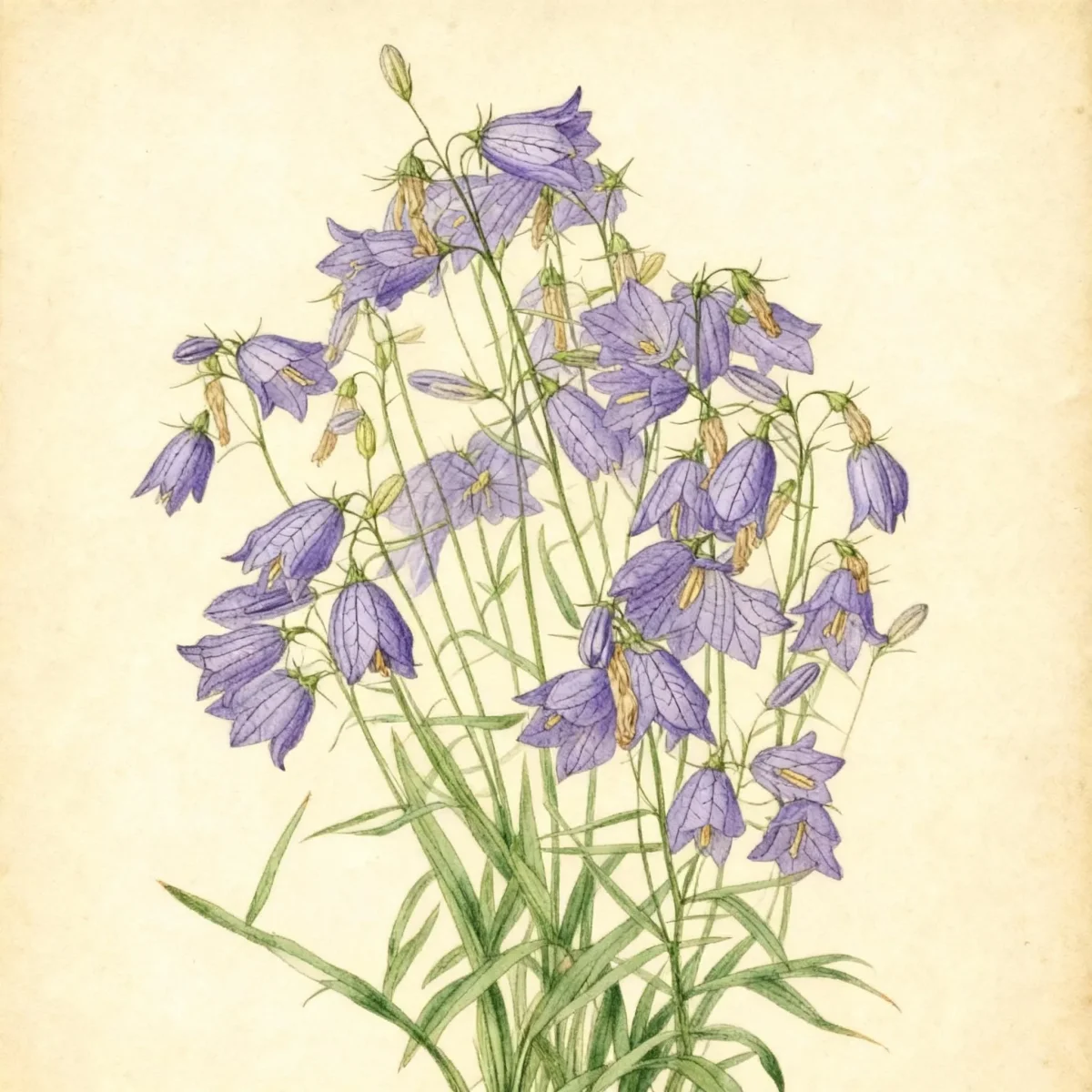
Campanula rotundifolia, widely known as the Bluebell or Harebell, is a delicate yet sturdy herbaceous perennial highly valued for its graceful, nodding blue flowers. Its wiry stems rise above a basal rosette, creating an airy texture perfect for softening borders or woodland edges. This plant offers a long bloom period, providing consistent color from early summer deep into autumn.
Native to meadows and rocky slopes across the temperate Northern Hemisphere, this variety of Campanula rotundifolia thrives in average conditions, making it an excellent choice for low-effort gardening. Its common name, Harebell, hints at its natural habitat preference.
The appeal of the Bluebell lies in its understated elegance and ease of establishment once settled. While often short-lived, Campanula rotundifolia readily self-seeds, ensuring the lovely bells return year after year in optimal settings.
Fast Facts
- Plant Family: Campanulaceae
- Plant Type: Herbaceous perennial
- Native Range: Temperate Northern Hemisphere
- Hardiness Zones: USDA Zones 3-6
- Size at Maturity:
- Height: 1-1.5 ft
- Spread: 0.5-1 ft
- Bloom Time: June to September
- Bloom Description: Blue
- Sun Exposure: Full sun to part shade
- Water Needs: Medium
- Maintenance Level: Low
How to Grow
Planting your Campanula rotundifolia is best done in average, well-drained soils. It performs well in full sun but benefits significantly from afternoon shade in regions experiencing hot, humid summers. Aim for areas where the soil retains medium moisture but never becomes waterlogged.
Ongoing care is minimal, classifying this plant as low maintenance. These plants typically require regular and even moisture, especially during dry spells. Deadheading spent flowers is recommended to encourage a longer season of bloom and manage self-seeding if you prefer tight control over its spread.
As the basal leaves often wither early, gardeners should be mindful that the foliage may disappear before the flowers fully develop. While propagation by division can be tricky for mature plants, Campanula rotundifolia is known to remain happily in place by readily self-seeding. Plant seeds in late spring for flowers the following year.
Since the plants spread slowly via creeping roots, they naturalize beautifully over time, requiring little intervention once established in cool summer climates. Avoid excessive care; this Bluebell prefers to be left alone in suitable environments.
Landscape Uses
The naturalizing habit of this plant makes it ideal for creating informal drifts in meadows or lightly shaded woodland margins. Mass plantings or large groups of the Bluebell create the most visual impact, allowing the delicate, nodding bells to sway together in the breeze.
Because Campanula rotundifolia is suited to average, moist, well-drained soils, it blends seamlessly with ferns and Hosta varieties in partially shaded woodland gardens. For contrast, place it near plants with broader, coarser foliage.
Consider using this species in rock gardens, especially in slight depressions where moisture tends to collect, or along naturalized borders where it can mingle with native grasses. Its fine texture prevents it from overwhelming neighboring plants.
Standout Features
Flower Qualities
- Showy
Noteworthy Characteristics
Campanula rotundifolia, commonly called bluebell or harebell, is a rosette-forming, upright perennial that typically grows to 20” tall. It is noted for producing attractive, bell-shaped, nodding blue flowers (each to 1/2” long) that bloom singly or in small clusters from the stem tips throughout summer (June-September). This bluebell is native to a variety of different environments including meadows, grasslands, rocky slopes, crevices, alpine areas and sandy shores in the northern parts of North America, Europe and Asia. From a basal rosette of small, rounded, long-stalked, basal leaves (to 1” wide) rise wiry, thread-like stems clad with narrow, alternate, linear leaves (each to 1-3” long). Basal leaves usually wither early and disappear before the flowers form.
Tolerances
- Deer
Potential Problems
This species generally avoids serious insect or disease issues, reflecting its vigor in native settings. Gardeners should occasionally scout for common soft-bodied pests like slugs and snails, which are occasional visitors attracted to tender growth. Aphids can sometimes be found clustering on new stems or flower buds, but chemical intervention is rarely needed unless infestations are severe.
Management of slugs and snails can usually be accomplished through manual removal or organic baiting, particularly early in the season when the basal rosette is forming. Establishing good air circulation around the clump can also reduce pest pressure overall.
Frequently Asked Questions
What hardiness zones is Bluebell suitable for?
Campanula rotundifolia is hardy across a wide range, thriving in USDA Zones 3 through 6.
How large does Bluebell grow?
This perennial typically reaches a height between 1 and 1.5 feet tall, with a spread ranging from 0.5 to 1 foot wide.
When does Campanula rotundifolia bloom?
Look forward to the signature blue, bell-shaped blooms appearing from June through September.
What sun exposure does Campanula rotundifolia need?
This Bluebell performs best in full sun to part shade conditions, though afternoon shade is appreciated in hotter climates.
Conclusion
The Campanula rotundifolia offers gardeners a low-maintenance native presence, distinguished by its elegantly nodding blue bells throughout summer. Whether you are looking to naturalize a sunny slope or add airy texture to a rock garden, this Bluebell is a delightful choice. Check your local USDA zone compatibility and plan to sow seeds in late spring for established beauty next season.
Companion Planting
When designing a garden space for Campanula rotundifolia, consider companions that share similar needs for medium moisture and well-drained soil. Low-growing, spreading groundcovers can help keep the soil cool around the roots while suppressing competition.
Excellent partners include creeping thyme or low ornamental grasses, which provide textural contrast to the fine stems of the Harebell. In partially shaded woodland settings, shade-tolerant ferns or hardy Geraniums offer aesthetically pleasing foliage that complements the fine structure of the Bluebell.
Ensure companions do not aggressively compete for root space, as Campanula rotundifolia spreads via creeping roots and appreciates room to establish itself naturally over time.
Propagation Tips
Since division of mature plants can be difficult, propagation is best managed through seed collection or cuttings. Allow some flowers to go completely to seed if you wish the Bluebell to naturalize readily in your garden.
Seeds should be sown directly into the garden soil in late spring. Germination will lead to plants establishing a basal rosette that first year, with flowering typically occurring the following spring or summer.
For propagation via cuttings, take softwood cuttings during the growing season and root them under humid conditions. This method will yield genetically identical replicas of the parent plant, allowing you to preserve favorite forms of Campanula rotundifolia.