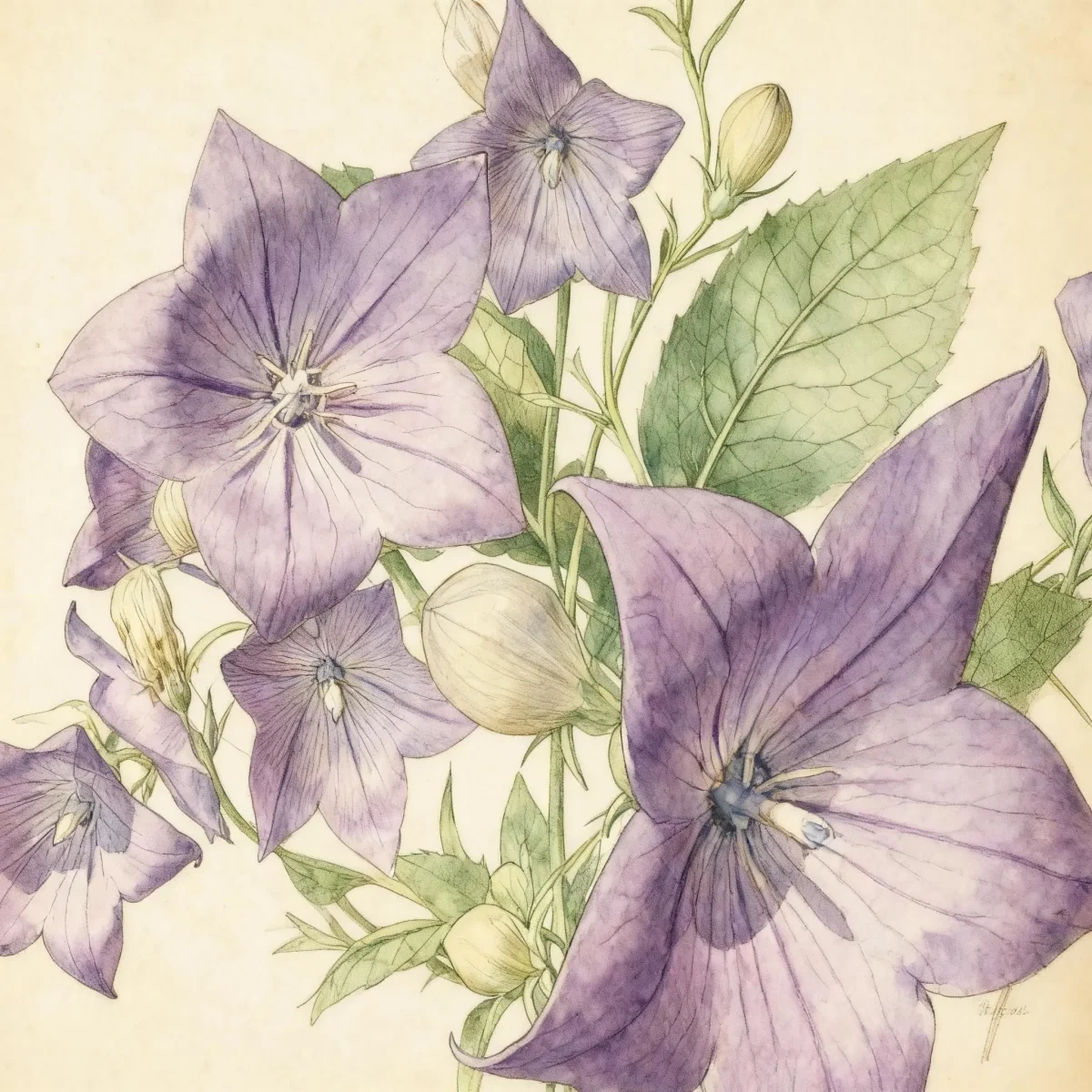
Lobelia (Lobelia erinus)
Explore caring for Lobelia erinus, a profuse bloomer with blue to violet flowers, ideal for edging and containers.
Scroll down to discover growing tips, care requirements, companion plants, and more
Complete Plant Information
Overview
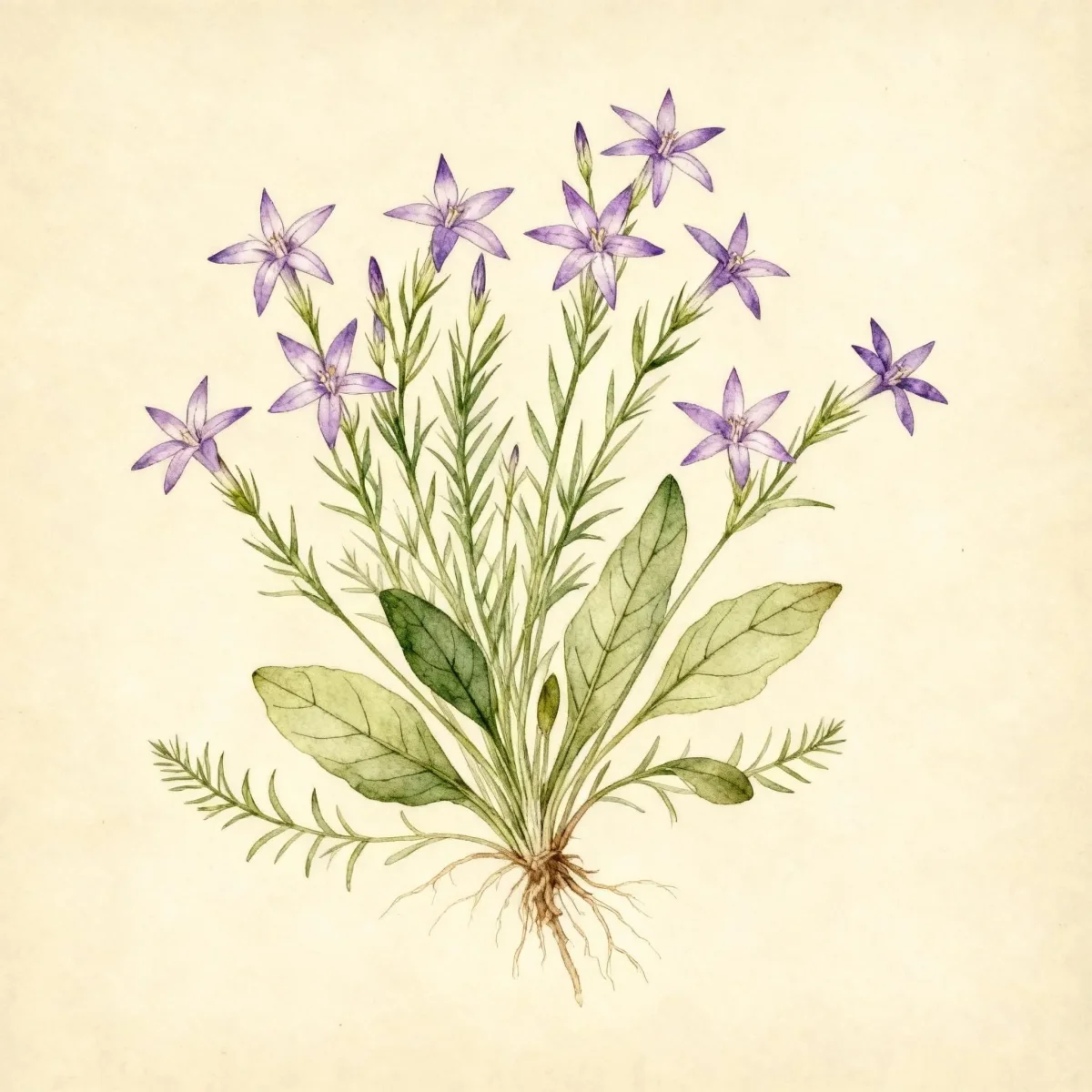
The captivating Lobelia erinus, commonly known as Lobelia, is celebrated worldwide for its incredible density of intensely colored blossoms produced in late spring and early summer. This small plant creates a marvelous drift of color, making it indispensable in formal bedding designs or trailing over container edges. Although technically a tender perennial, most gardeners treat this Lobelia primarily as a cool-season annual.
This species, part of the Campanulaceae family, demands consistency in its care, preferring rich, well-drained soils that remain evenly moist throughout its blooming period. While it thrives in cooler weather, the onset of high summer heat often causes performance to decline, a key consideration when planning its placement.
Gardeners value Lobelia erinus not only for its vibrant flowers attractive to butterflies but also for its versatility in softening hard landscape edges or adding delicate texture to mixed plantings. Successful cultivation hinges on providing the right balance of moisture and protection from the worst summer intensity.
Fast Facts
- Plant Family: Campanulaceae
- Plant Type: Herbaceous perennial
- Native Range: Southern Africa
- Hardiness Zones: USDA Zones 10-11
- Size at Maturity:
- Height: 0.5-0.75 ft
- Spread: 0.5-1 ft
- Bloom Time: April to June
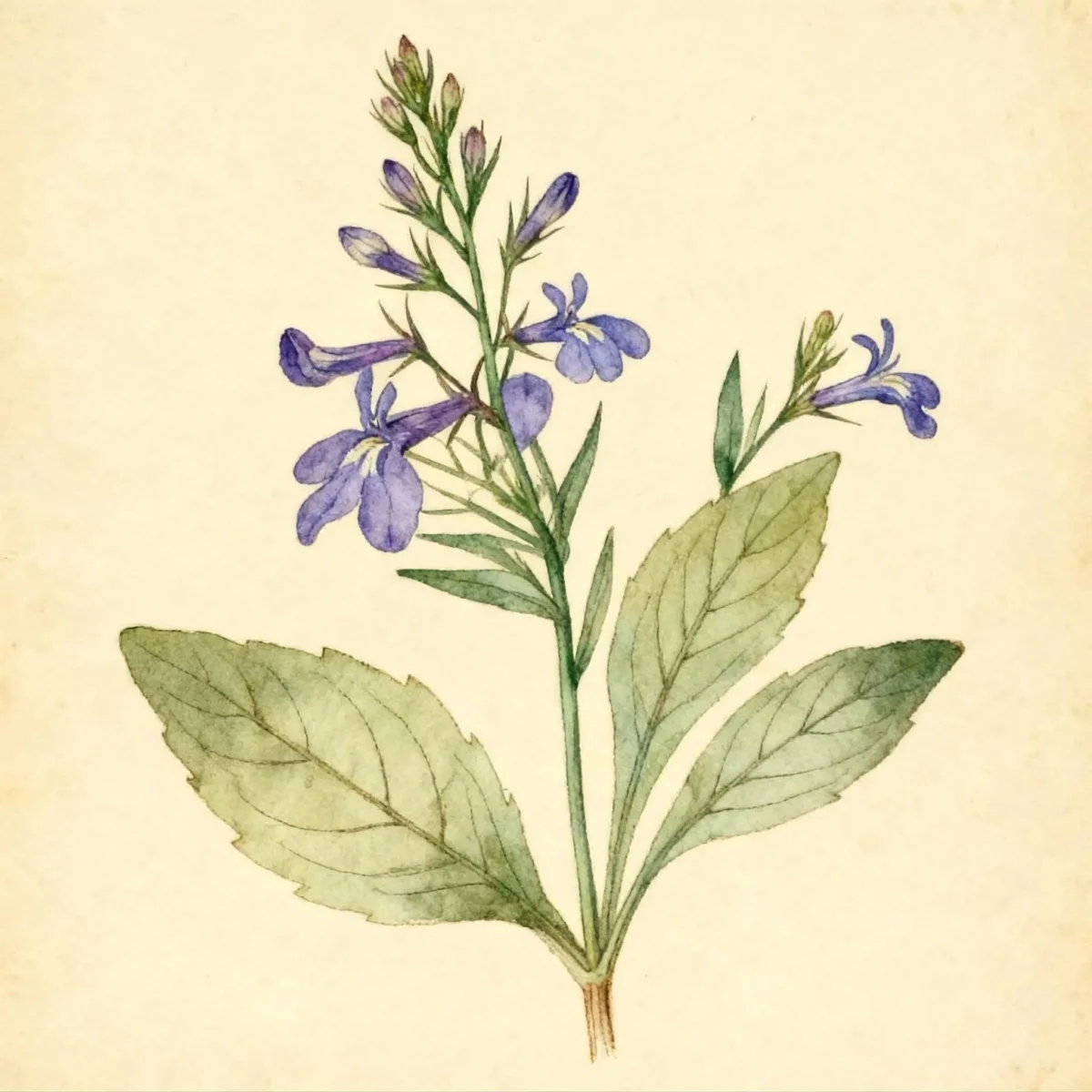
- Bloom Description: Blue to violet with yellow to white throat
- Sun Exposure: Full sun to part shade
- Water Needs: Medium
- Maintenance Level: Medium
How to Grow
For gardeners in non-tropical climates, Lobelia erinus is best established early in the season. If starting from seed, begin preparation indoors 8 to 10 weeks prior to your area’s last expected frost date, although purchasing established plants from local nurseries each spring is often simpler. Plant in a location that receives full sun or light afternoon shade, with the specific preference leaning toward part shade in warmer climates. The soil must fulfill specific needs: organically rich, evenly moist, and exceptionally well-drained.
Routine care focuses heavily on consistent moisture management, fitting its “Medium” water needs. Lobelia appreciates regular liquid fertilization, ideally every two weeks throughout its active season, to sustain the profuse flowering habit. This strong feeding schedule supports its rapid growth and heavy bloom display during the cool spring months.
Since the best performance of Lobelia is noted in cool spring weather, be prepared for a summer slowdown. When the foliage and flowering begin to significantly decline as summer heat and humidity peak, gardeners have two options. You can strategically cut back the plants to encourage renewed vigor and a potential smaller fall bloom, or simply treat them as finished annuals and remove them to make way for heat-tolerant summer selections.
Landscape Uses
The trailing habit of many Lobelia erinus cultivars makes them spectacular spillers in design applications. Trailing forms are premier choices for overflowing hanging baskets, window boxes, and mixed container plantings where their stems can cascade gracefully downward over the sides. For bedding purposes, upright varieties excel as fine edging along pathways or defining the front lines of mixed borders.
When designing mixed containers, the ease of removal is a significant practical benefit. As summer temperatures invariably cause the Lobelia to fade, spent stems can be easily snipped out without disturbing neighbors like petunias or calibrachoa. They also integrate beautifully into rock gardens, adding a low splash of vibrant blue, or within dedicated butterfly gardens, capitalizing on their nectar appeal.
Standout Features
Flower Qualities
- Showy
Noteworthy Characteristics
Lobelia erinus, commonly called edging lobelia, is noted for its profuse bloom of intensely colored flowers. It comes in both upright and trailing varieties, typically growing to 4-9” tall. Loose clusters (racemes) of two-lipped, tubular flowers (to ½” across) bloom throughout the growing season in cool climates, but often decline significantly in St. Louis summers. Flowers have large, fan-shaped lower lips characteristic of the lobelias.
Tolerances
- Deer
Potential Problems
Serious insect or disease issues are rarely reported when Lobelia is grown under appropriate conditions. The most common, and often severe, problem encountered by gardeners is mid-summer die back. This decline is typically triggered by the plant’s inability to cope with prolonged high heat and humidity, rather than a passing pest or pathogen. Proactive management, such as siting plants where they receive afternoon shade, is the best prevention against this early demise.
Frequently Asked Questions
What hardiness zones is Lobelia suitable for?
Lobelia erinus is winter hardy only in USDA Zones 10 and 11, functioning as a tender perennial here. In cooler regions, it is universally treated as an annual.
How large does Lobelia grow?
Mature Lobelia reaches a diminutive size, typically growing between 0.5 to 0.75 feet in height, with a spread ranging from 0.5 to 1 foot wide.
What sun exposure does Lobelia need?
This plant performs best in full sun, though in hotter summer locations, it greatly appreciates location in part shade to protect it from the most intense afternoon heat.
When does Lobelia bloom?
The primary flush of bloom for this Lobelia occurs from April through June, presenting distinctive blue to violet flowers that feature a contrasting yellow or white throat.
Conclusion
The abundance of color offered by Lobelia erinus makes it a staple for spring and early summer displays in cool-season gardens across many zones. Remember that consistent moisture and avoiding intense heat stress are crucial secrets to maximizing the flowering performance of your Lobelia. Before planting this season, ensure your site matches its preference for well-drained soil compatibility within Zones 10-11, or plan to enjoy it as a spectacular annual substitute.
Companion Planting
To mitigate the summer decline of Lobelia, companion planting with heat-tolerant species is highly recommended. Pair edging lobelia with robust, sun-loving annuals that can take over the display once the Lobelia fades, such as Zinnias or Marigolds. In containers, plant calibrachoa or small Verbena varieties beneath the Lobelia; these companions share similar water and feeding requirements while enduring summer heat better, ensuring continuous visual interest after the Lobelia has finished its main flush.
Design Ideas
Utilize the fine texture and mass color of Lobelia erinus to create “rivers” of blue trailing through a mixed border, making sure the front edge receives excellent drainage. For maximum visual impact, plant in drifts rather than single specimens, as the collective bloom effect is far more striking. When grouping plants in window boxes, place the Lobelia near the sides so its cascading stems drape naturally, contrasting beautifully against the angular lines of container edges or structural elements near patios.