Balloon flower (Platycodon grandiflorus)
Discover the unique Balloon flower (Platycodon grandiflorus), prized for buds that puff like balloons before opening into purple-blue summer blooms.
Scroll down to discover growing tips, care requirements, companion plants, and more
Complete Plant Information
Overview
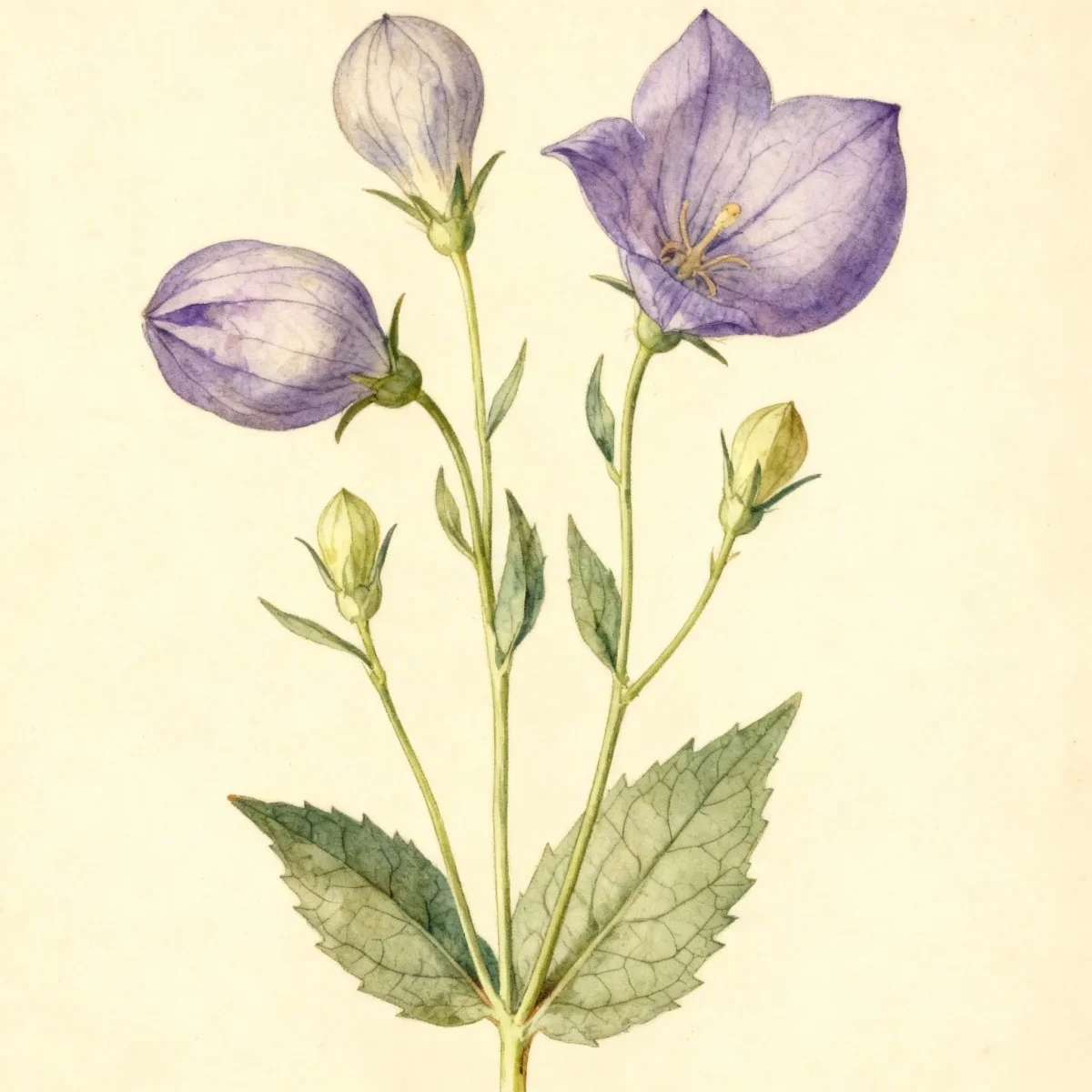
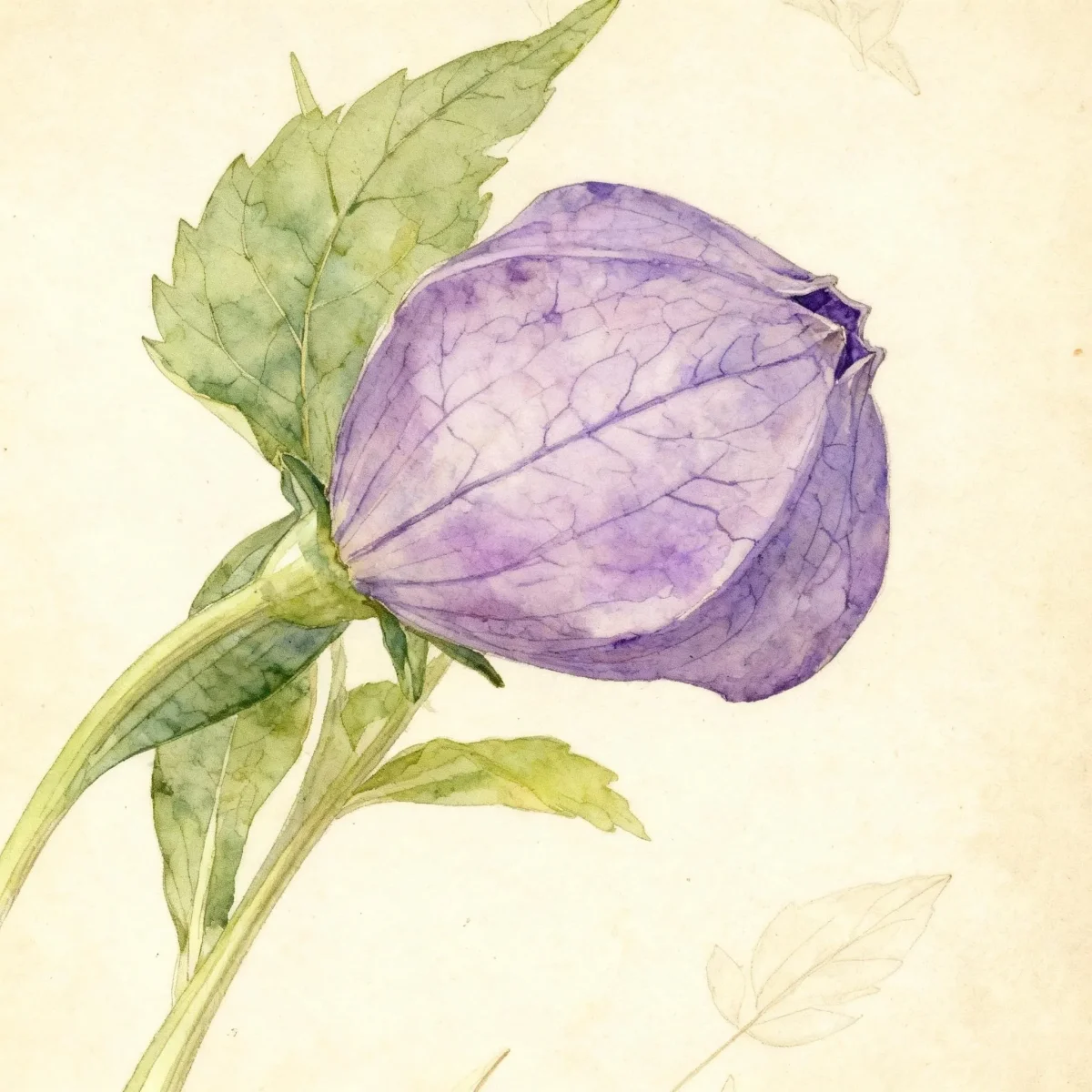
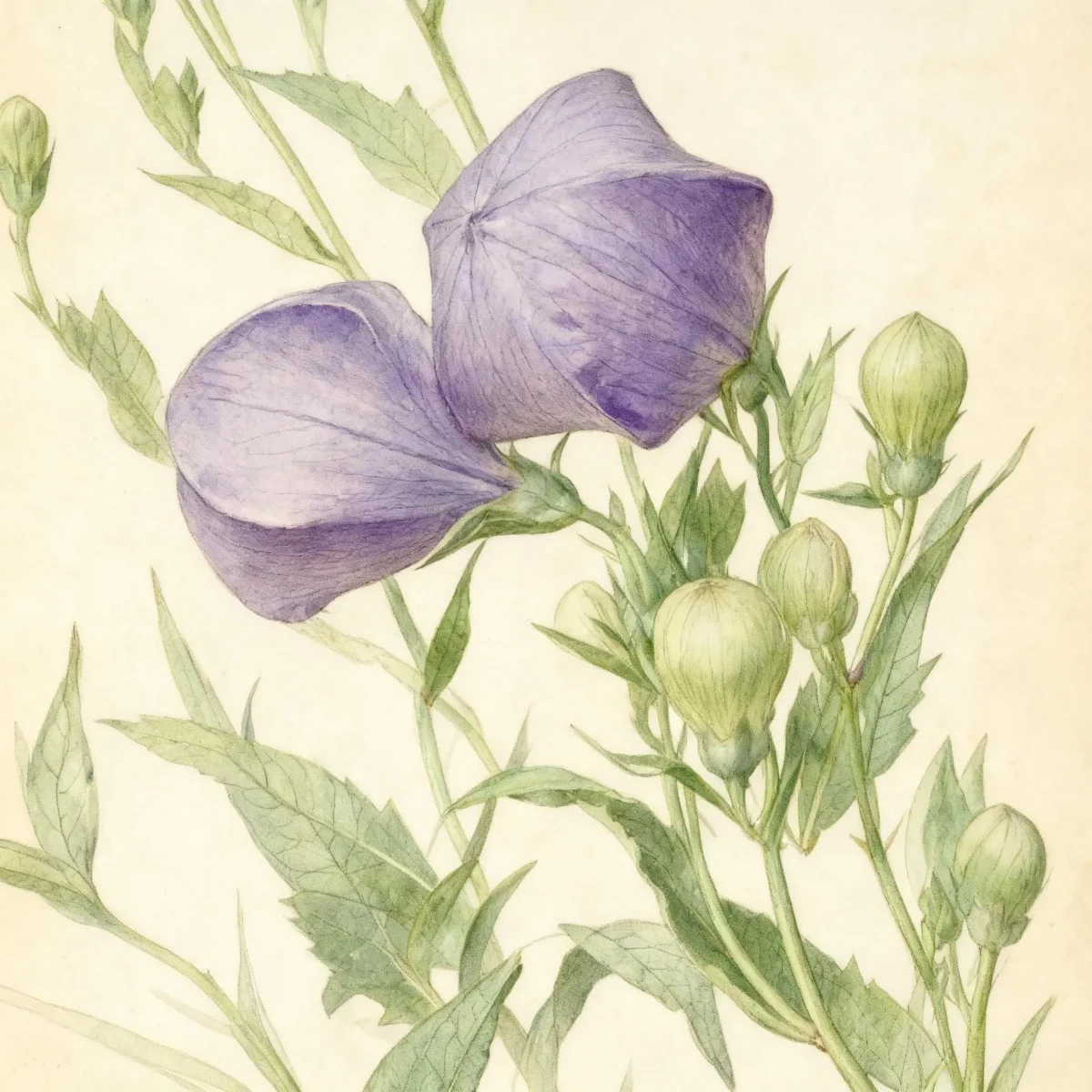
The Balloon flower, scientifically known as Platycodon grandiflorus, brings unique texture and color to the summer garden. Its most distinctive feature is the inflatable flower bud, which swells dramatically before bursting open into magnificent, bell-shaped flowers. These sturdy, clump-forming perennials offer weeks of sustained color when many spring flowers have faded.
Native to sunny slopes and meadows across East Asia, Platycodon grandiflorus is highly valued for its low-maintenance nature and reliable summer performance. This reliable herbaceous perennial thrives in conditions ranging from full sun to light afternoon shade, making it versatile for various garden locations.
Gardeners appreciate the lasting beauty of the purple-blue blooms and the plant’s overall resilience. Once established, this plant requires minimal fuss, rewarding gardeners with attractive foliage and showy flowers perfect for both borders and containers, solidifying the Balloon flower’s place in perennial arrangements.
Fast Facts
- Plant Family: Campanulaceae
- Plant Type: Herbaceous perennial
- Native Range: China, Korea, Japan, Russia
- Hardiness Zones: USDA Zones 3-8
- Size at Maturity:
- Height: 1-2.5 ft
- Spread: 1-1.5 ft
- Bloom Time: June to August
- Bloom Description: Purple-blue
- Sun Exposure: Full sun to part shade
- Water Needs: Medium
- Maintenance Level: Low
How to Grow
Platycodon grandiflorus performs best when planted in light, organically rich, well-drained loams. Aim for a location that receives full sun or light partial shade. Proper drainage is crucial, as these plants strongly dislike wet or poorly-drained soils, which can predispose them to root rot. While easily grown from seed, establishment is best achieved early.
Water regularly to maintain medium moisture levels, especially during hot, dry spells. Once established, the Platycodon grandiflorus is relatively drought-tolerant but benefits from consistent moisture during flowering. Fertilization is rarely necessary if the soil is rich; supplemental feeding is usually not required for healthy specimens.
Be aware that the crowns of the Balloon flower emerge quite late in spring. Gardeners should leave the old dead stems present throughout winter until new growth appears, as this prevents accidental damage from early spring cultivation. Taller varieties may develop floppy stems, necessitating staking for upright presentation.
Deadheading spent flowers can encourage continuous blooming, slightly prolonging the bloom period well into late summer. Alternatively, to manage height and potentially avoid staking altogether, consider cutting back the new season stems by half in May. Division and transplanting should be avoided due to the fragile, fleshy root systems of established plants; plan your final location carefully.
Landscape Uses
The architectural presence and vibrant color of the Balloon flower make it an excellent choice for structured garden design. They are perfectly placed near rock gardens or used along border fronts where their sturdy, upright structure can anchor lower-growing plants. Their moderate height ensures they neither overwhelm nearby flora nor hide behind taller specimens.
For dedicated container gardening, Platycodon grandiflorus performs well, provided the potting mix is fast-draining to protect the roots. Grouping them with contrasting textures, such as fine-leaved ornamental grasses or broad-leafed hostas (in shaded spots), emphasizes their unique bell shape. They also serve well as formal edging accents along paths or walkways.
When considering companions, select plants that share similar cultural needs regarding sun exposure and water, ensuring they prefer well-drained conditions. The consistency of the Platycodon grandiflorus throughout summer provides reliable structure and color that complements deciduous shrubs beautifully.
Standout Features
Flower Qualities
- Showy
Noteworthy Characteristics
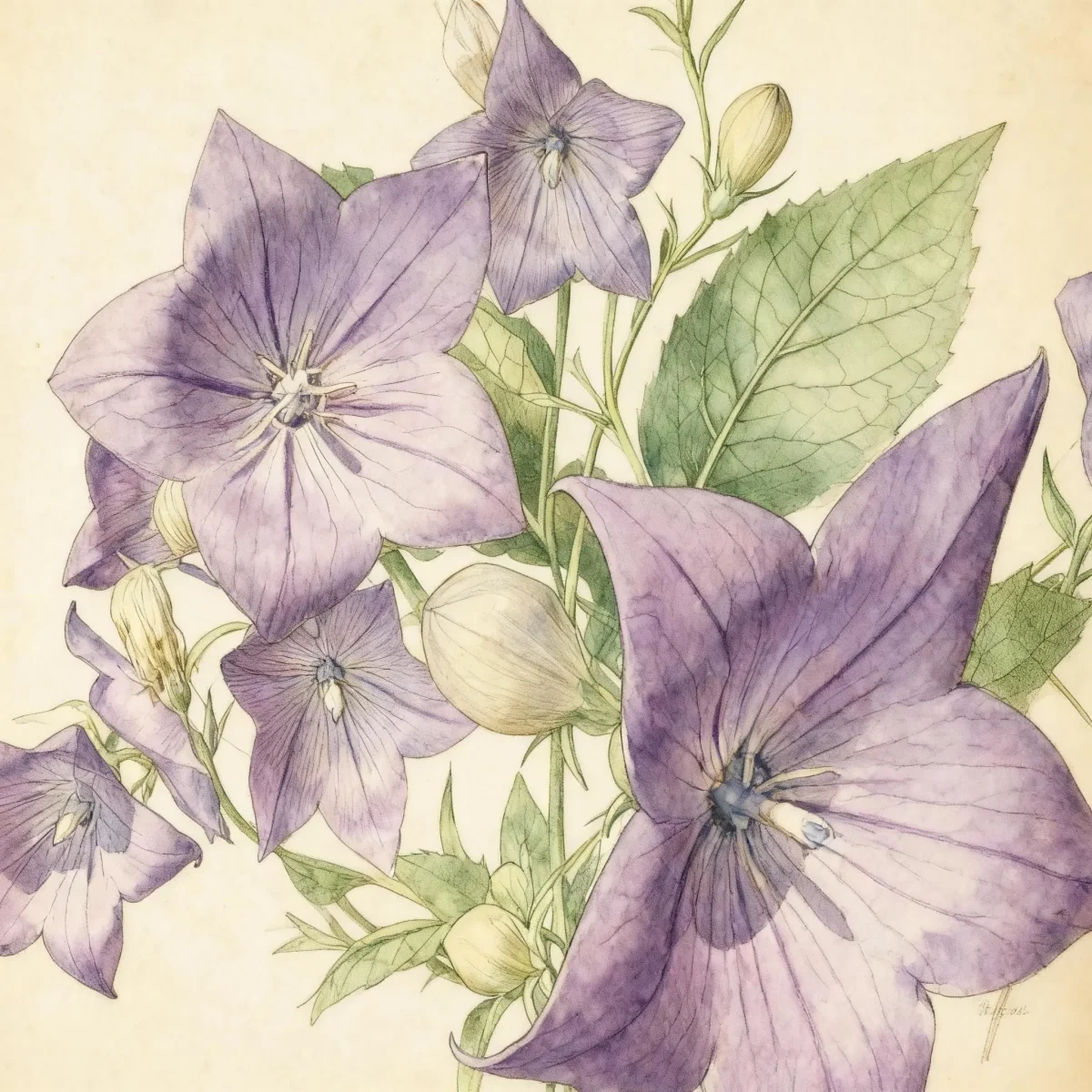
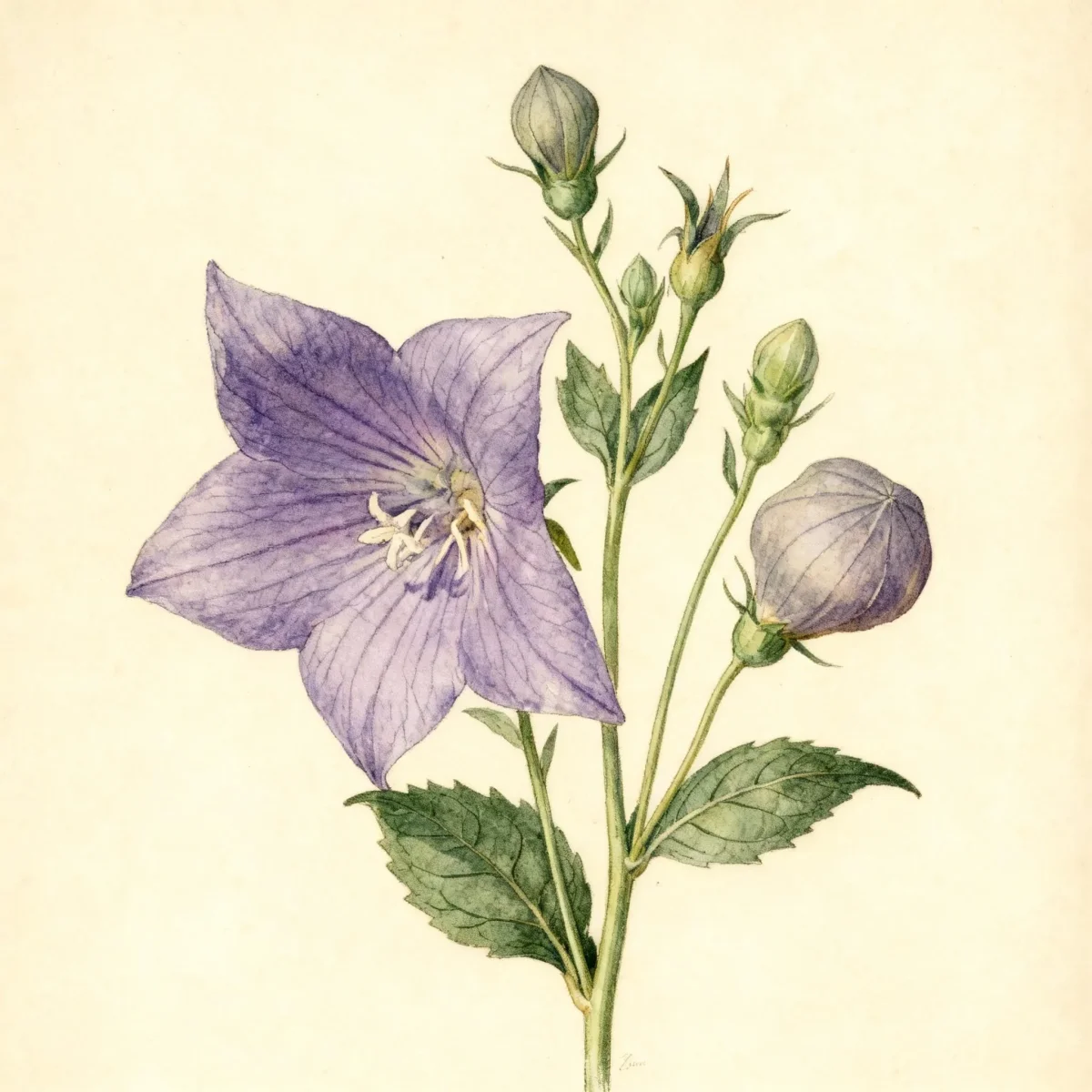
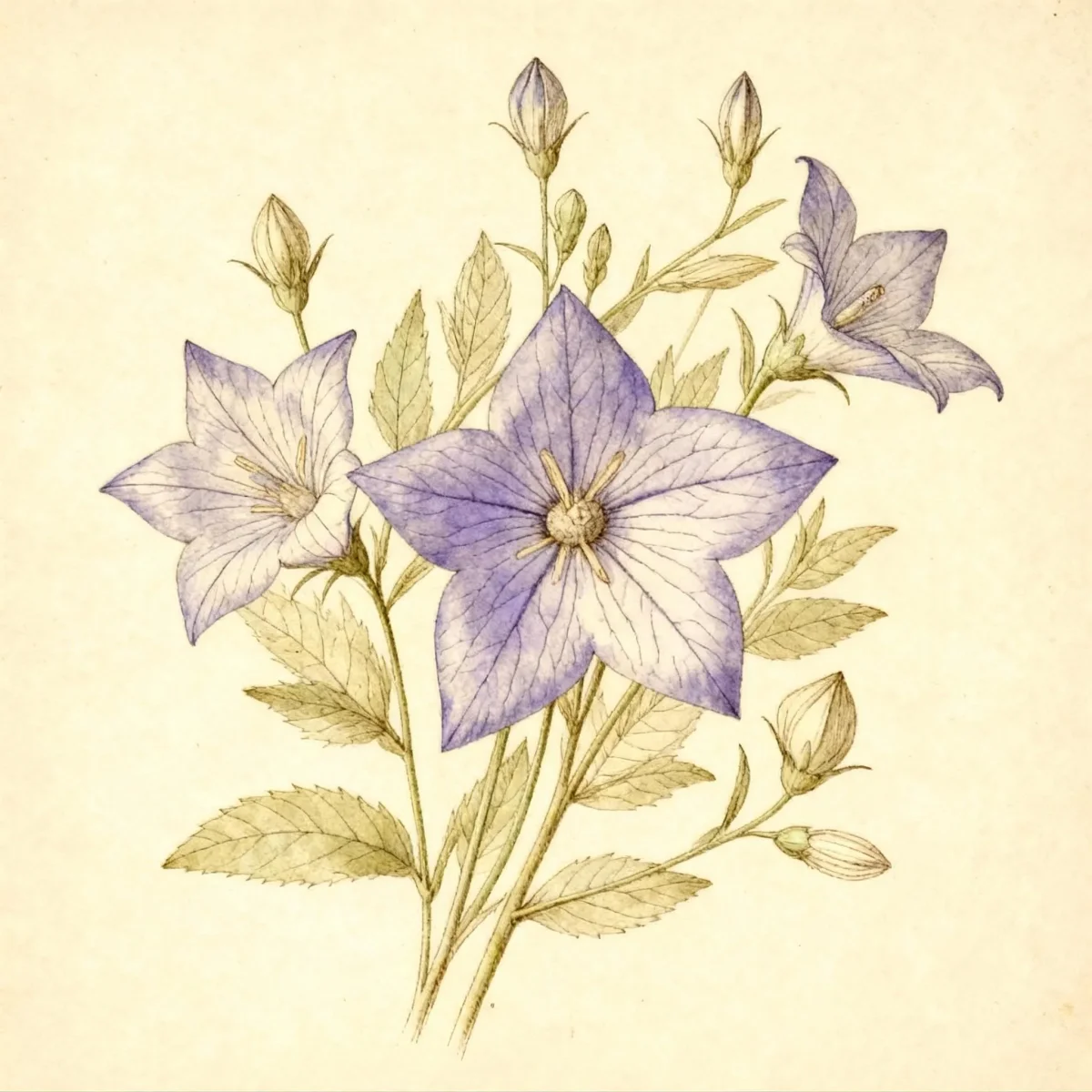
Platycodon grandiflorus, commonly called balloon flower, is a clump-forming perennial that is so named because its flower buds puff up like balloons before bursting open into outward-to-upward-facing, bell-shaped flowers with five pointed lobes. Plants are native to slopes and meadows in China, Japan, Korea and Siberia. Purple-blue flowers (to 2-3” across) bloom throughout summer, singly or in small clusters, atop stems typically growing to 30” tall. Ovate to lance-shaped, toothed, blue-green leaves (to 2” long).Genus name comes from the Greek words platys meaning broad and kodon meaning a bell for the shape of the corolla.Specific epithet means large-flowered.
Tolerances
Potential Problems
Generally, the Balloon flower exhibits no serious insect or disease problems, making its low maintenance level a true asset. The primary cultural issue arises from overly moist conditions, which can quickly lead to root rot problems, especially in heavy clay soils with poor drainage. Gardeners should remain vigilant for common mollusks; slugs and snails are known to feed on the tender young shoots and foliage early in the season. Careful placement in gritty, well-drained soil is the best defense against major issues.
Frequently Asked Questions
What hardiness zones is Balloon flower suitable for?
The Platycodon grandiflorus is reliably hardy across USDA Zones 3 through 8.
How large does Balloon flower grow?
The mature size for this perennial typically ranges from 1 to 2.5 feet in height, with a spread between 1 and 1.5 feet.
When does Balloon flower bloom?
This plant provides beautiful purple-blue blooms primarily from June through August.
What sun exposure does Platycodon grandiflorus need?
Platycodon grandiflorus thrives best when placed in areas receiving full sun, though it tolerates light or partial shade well.
Conclusion
The unique balloon-like buds and lasting purple-blue summer display make the Platycodon grandiflorus an indispensable, low-maintenance choice for perennial borders. This highly valued reliable bloomer, the Balloon flower, easily earns its popularity through consistent garden performance. Before planting, ensure your soil offers excellent drainage and verify that your location falls within USDA Zones 3-8.
Companion Planting
Choosing appropriate companions helps frame the architectural beauty of the Platycodon grandiflorus throughout the season. Since Balloon flowers require well-drained soil and tolerate full sun, pair them with other resilient perennials like Salvias, hardy Geraniums, or ornamental Alliums whose fading foliage doesn’t clash with the slow-rising Platycodon grandiflorus stems in spring. These groupings should also preferably share medium water needs to simplify irrigation management.
Design Ideas
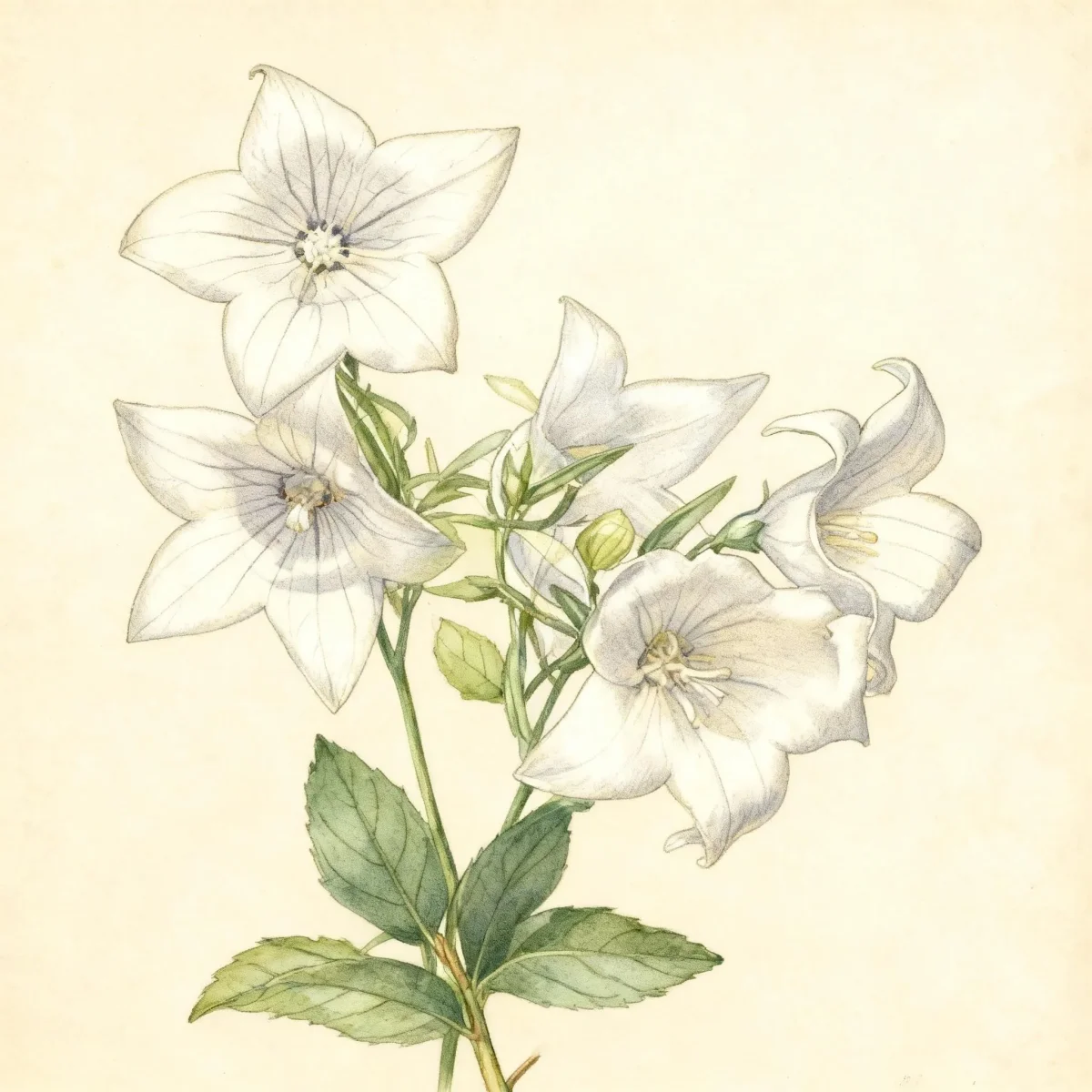
To maximize the visual impact of the expanding buds, place groupings of Balloon flowers toward the front or middle of mixed borders where they align well with the 1–2.5-foot height range. For a cottage garden look, incorporate pink or white varieties alongside soft-textured plants like Nepeta or Lamb’s Ears (Stachys byzantina). In contemporary settings, using a mass planting of a single shade of purple-blue Platycodon grandiflorus creates a sophisticated block of color against gravel or dark mulch.