American black elderberry (Sambucus canadensis)
Sambucus canadensis offers showy white flowers and edible dark fruit. A fast-growing shrub for wet soils.
Scroll down to discover growing tips, care requirements, companion plants, and more
Complete Plant Information
Overview
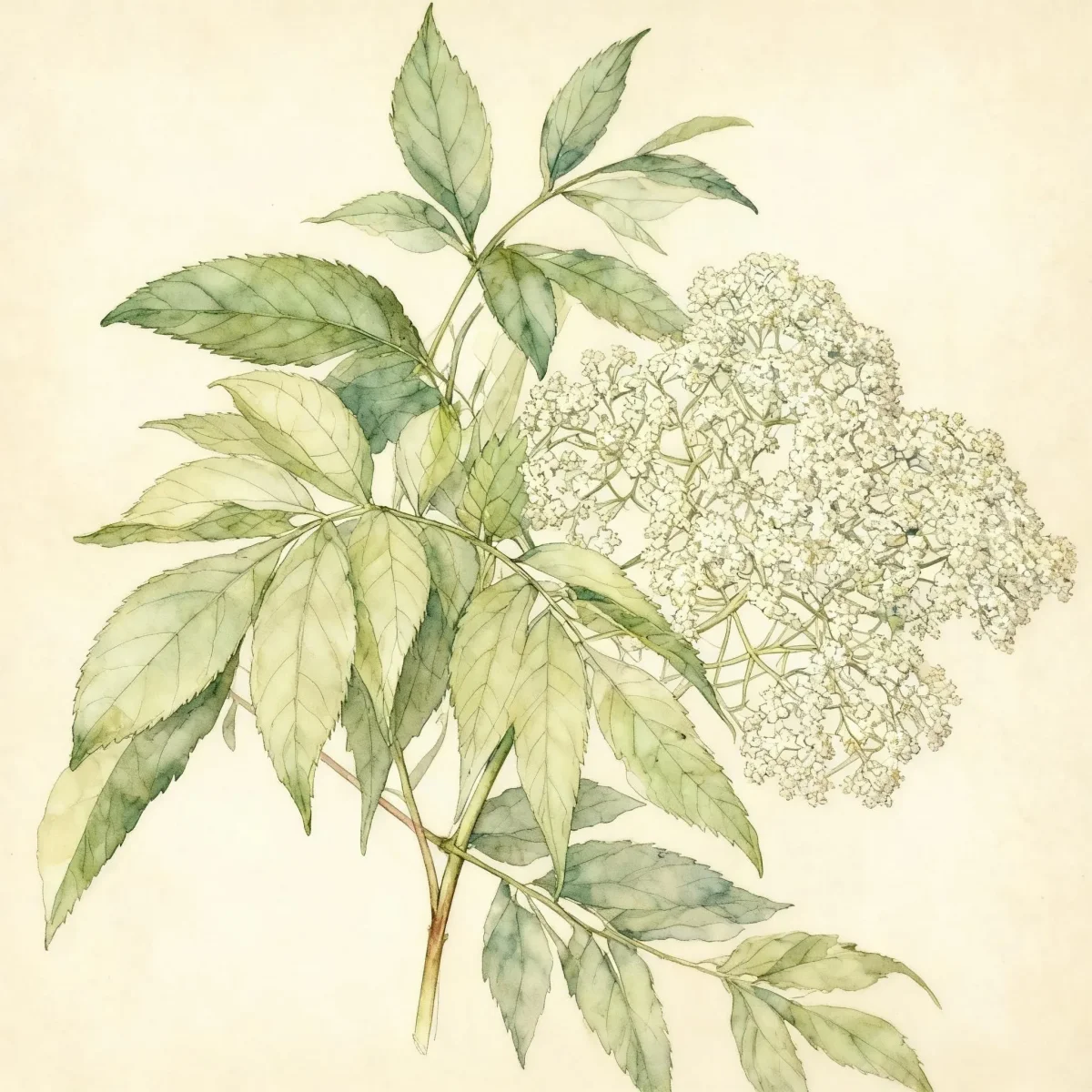
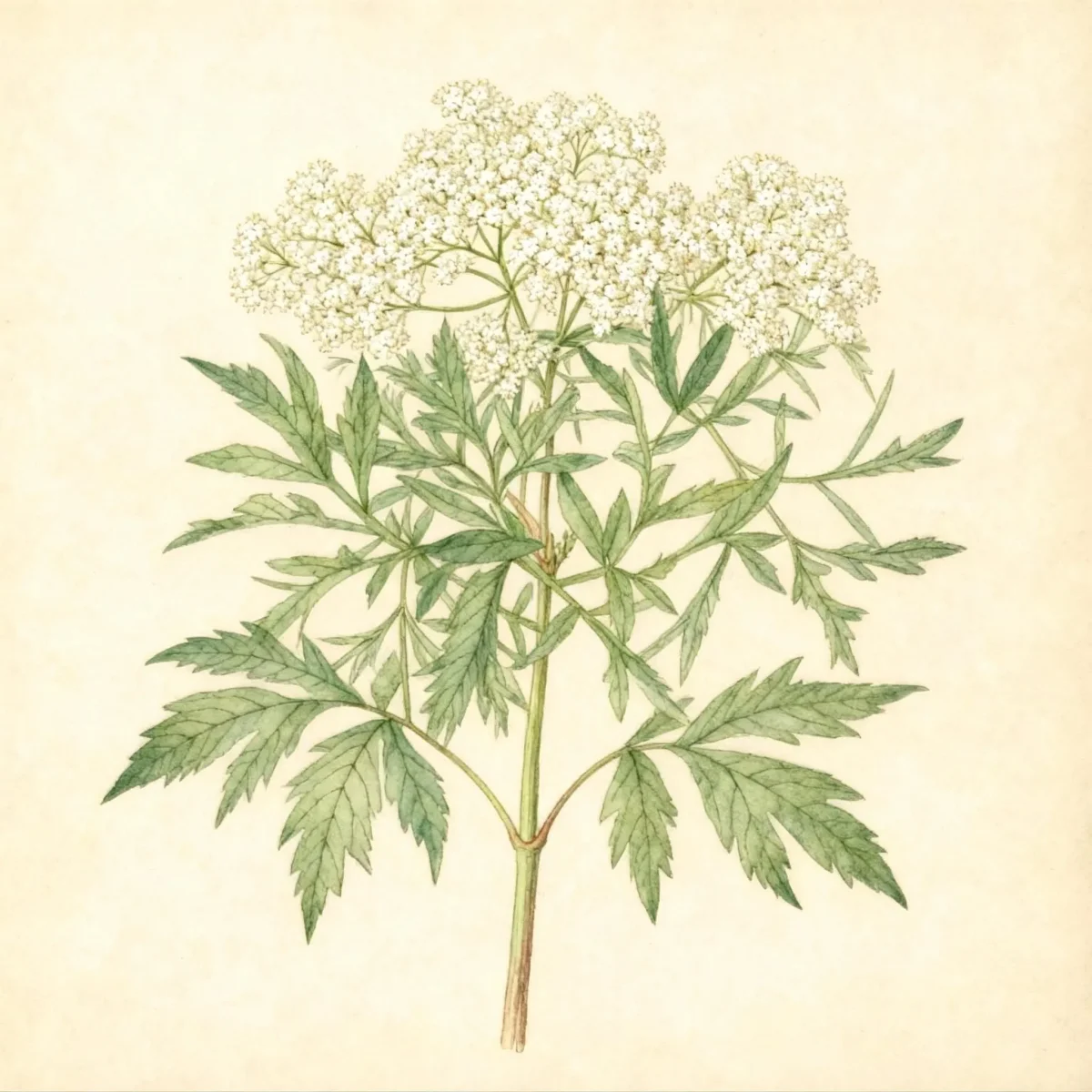
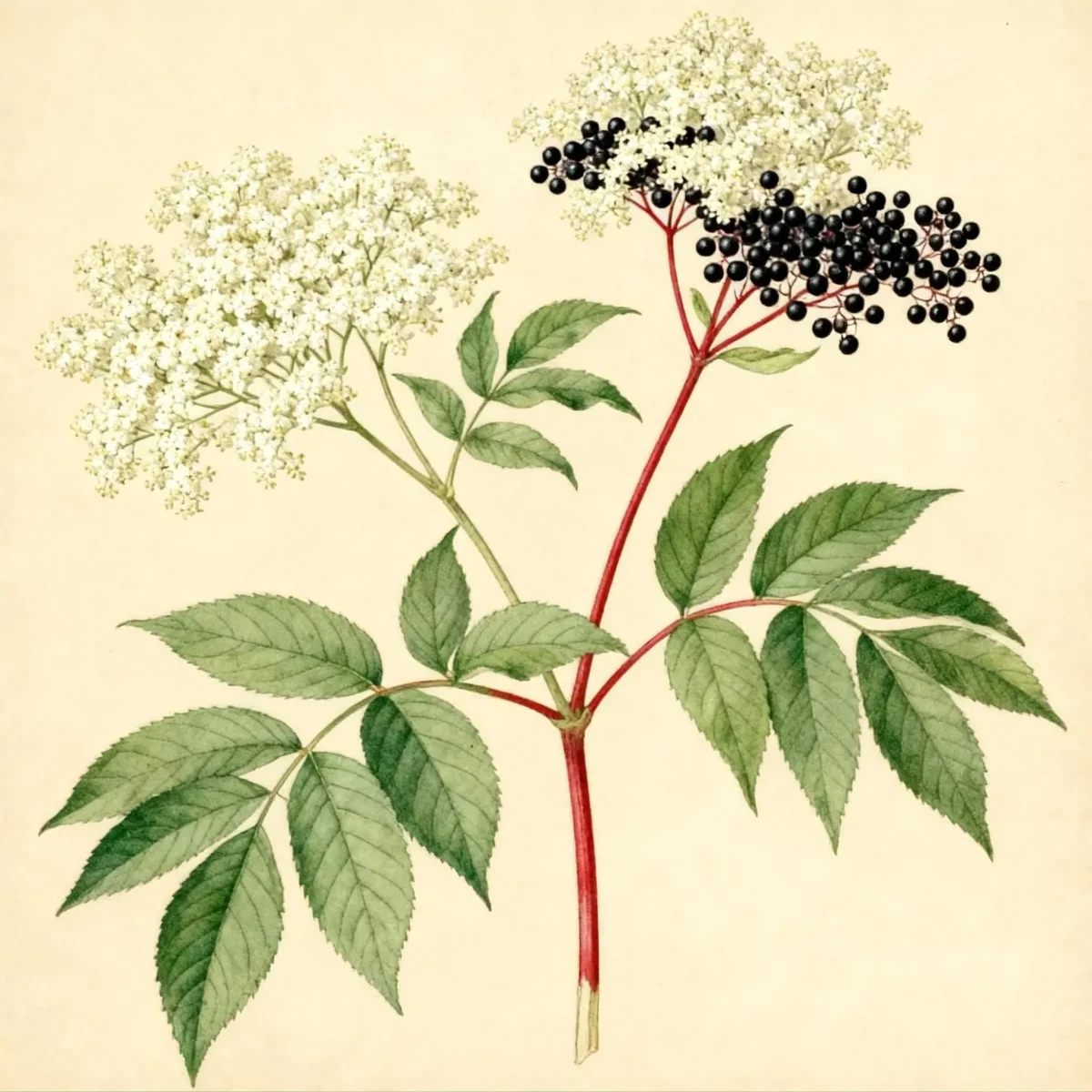
The American black elderberry, scientifically known as Sambucus canadensis, is a highly valuable native shrub celebrated for its prolific summer bloom and useful fruit production. This deciduous species quickly establishes itself, often forming dense colonies due to its tendency to spread by root suckers. Gardeners prize its large, flat-topped clusters of fragrant white flowers, which transition into clusters of dark fruit utilized in culinary applications.
Sambucus canadensis provides significant ecological value, offering attractive food sources for wildlife throughout the late summer season. Its adaptability allows it to thrive in robust conditions, particularly where moisture levels are higher, making it an excellent choice for ecological restoration or naturalized landscape areas.
While beautiful, this plant requires active management; its high maintenance level stems primarily from its vigorous spreading habit, which necessitates consistent pruning to maintain desired placement and structure in a manicured setting.
Fast Facts
- Plant Family: Adoxaceae
- Plant Type: Deciduous shrub
- Native Range: North America, south to Bolivia
- Hardiness Zones: USDA Zones 3-9
- Size at Maturity:
- Height: 5-12 ft
- Spread: 5-12 ft
- Bloom Time: June to July
- Bloom Description: White
- Sun Exposure: Full sun to part shade
- Water Needs: Medium to wet
- Maintenance Level: High
How to Grow
Planting Sambucus canadensis is best accomplished in the spring or fall, ensuring the shrub has time to establish before extreme temperatures hit. It thrives in medium to wet, well-drained soils and will tolerate a broad spectrum of soil types, though it prefers those that are moist and humusy. Ensure placement is where its full sun to part shade needs are met for optimal flowering and fruiting.
Watering should be regular, especially during establishment, as this plant prefers consistently moist conditions. Fertilization is rarely necessary; focus instead on soil improvement if drainage is poor. The high maintenance requirement of the American black elderberry centers heavily on pruning.
Pruning should be done in late winter or early spring. You have several options: remove any dead or weakened stems, shorten one-year-old stems for shape, or cut the entire plant back to the ground for complete rejuvenation. Furthermore, if you do not desire colony formation, actively prune out new root suckers as they appear throughout the growing season.
Landscape Uses
The robust nature of Sambucus canadensis makes it perfect for functional planting schemes within the garden. It is highly recommended for use in rain gardens, capitalizing on its preference for medium to wet soil conditions where many other shrubs might fail. Its vigorous, sprawling habit lends itself well to creating naturalized areas where suckering spread is not only tolerated but desired for mass plantings.
For structural roles, the American black elderberry excels as a background screen or as informal shrub borders. Consider planting along stream or pond peripheries, where its moisture needs are naturally met and its spreading roots can stabilize banks. Integrating it into low spots in the landscape that typically collect excess runoff ensures the shrub stays healthy while managing soil saturation.
Standout Features
Flower Qualities
- Showy
- Fragrant
Fruit Qualities
- Showy
- Edible
Noteworthy Characteristics
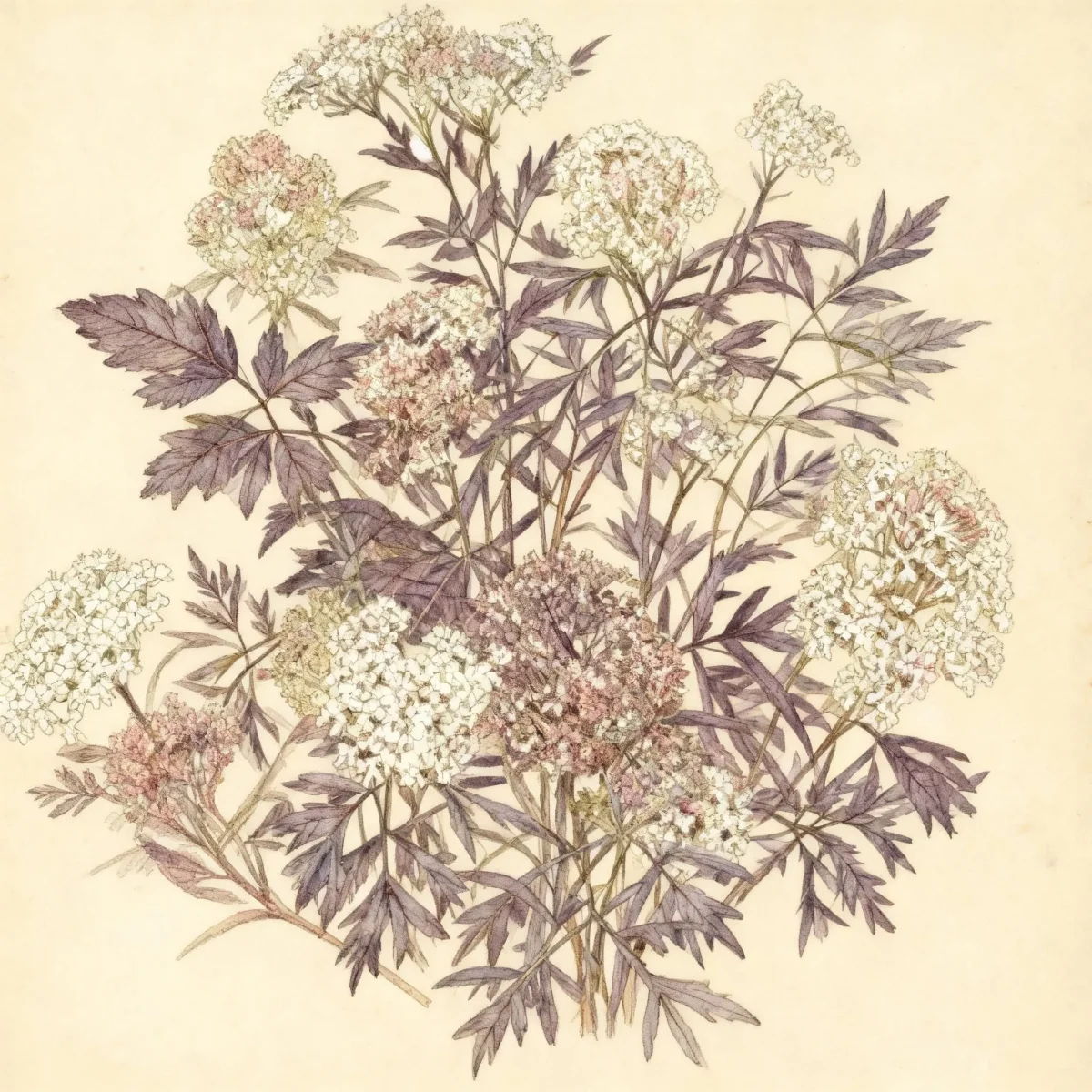
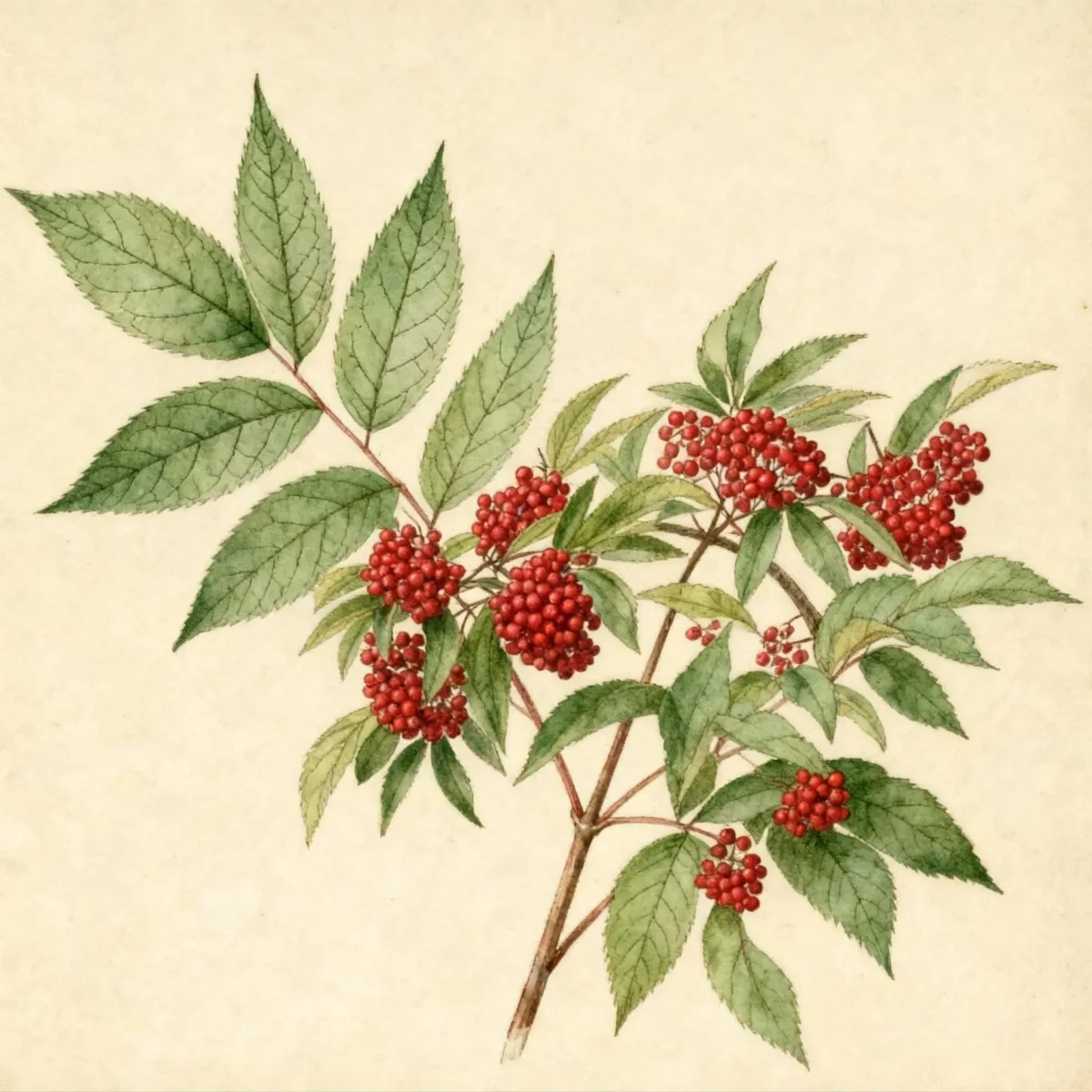
Sambucus canadensis, commonly called American elder, is native to eastern North America. It produces tiny, lemon-scented white flowers in large flat-topped clusters that can reach up to 10 inches across during June. These flowers mature into clusters of black elderberry fruits in late summer, which are historically used for jams, jellies, and winemaking and are highly attractive to local wildlife.
Tolerances
- Erosion
- Clay Soil
- Wet Soil
Potential Problems
While generally robust against major infestations, the American elderberry can show susceptibility to a few issues that require attention. Watch for canker, powdery mildew, and various leaf spots, especially in humid conditions or areas with poor air circulation. Minor pest issues may include spider mites, borers, and aphids.
To manage these potential problems, ensure proper pruning for air flow; remove any diseased material immediately to prevent spread. Additionally, be aware that the somewhat brittle branches of Sambucus canadensis are susceptible to breakage from heavy snow, ice, or high winds, necessitating the structural pruning mentioned previously.
Frequently Asked Questions
What hardiness zones is American black elderberry suitable for?
The American black elderberry (Sambucus canadensis) is hardy across a wide range, suitable for USDA Zones 3 through 9.
How large does Sambucus canadensis grow?
This plant typically reaches a mature height between 5 and 12 feet, with a similar spread ranging from 5 to 12 feet wide.
What sun exposure does the American black elderberry need?
For best performance, Sambucus canadensis should be situated to receive full sun to partial shade conditions.
When does American black elderberry bloom?
The shrub produces its signature white flowers between June and July.
Conclusion
The American black elderberry (Sambucus canadensis) offers exceptional value to the ecological or productive garden through its highly acclaimed fragrant blooms and edible fruit clusters. Its capacity to handle challenging, moist soils makes it an irreplaceable asset for rain gardens and naturalized borders. Before planting, assess your site’s moisture levels and commit to the high maintenance requirements, particularly regarding pruning, to best utilize this versatile native shrub.
Wildlife Benefits
The flowers of Sambucus canadensis are a significant early summer resource. The tiny, lemon-scented white blooms carry high ornamental appeal but also serve as an excellent nectar source for various pollinators active during June and July. Planting this species directly supports local insect populations when many other summer bloomers might not yet be at their peak.
Following the bloom period, the dark elderberry fruits ripen in late summer, offering a crucial late-season food source for numerous bird species. By providing both floral resources and fruit, the American black elderberry acts as an important element in creating a functional, wildlife-supporting landscape throughout the growing season.
Companion Planting
Because Sambucus canadensis demands medium to wet soil conditions and features a high maintenance schedule due to its aggressive rooting, successful companion planting relies on selecting species with similar cultural needs. Good companions include moisture-loving natives like Swamp Milkweed (Asclepias incarnata) or Cardinal Flower (Lobelia cardinalis).
When using Sambucus canadensis as a screen or in a naturalized rain garden setting, pair it with other shrubs that tolerate wet feet, such as certain dogwoods (Cornus sericea) or Buttonbush (Cephalanthus occidentalis). Avoiding high-maintenance flowering perennials in groupings near the elderberry helps simplify the necessary selective pruning targeted at controlling the elderberry’s suckering spread.