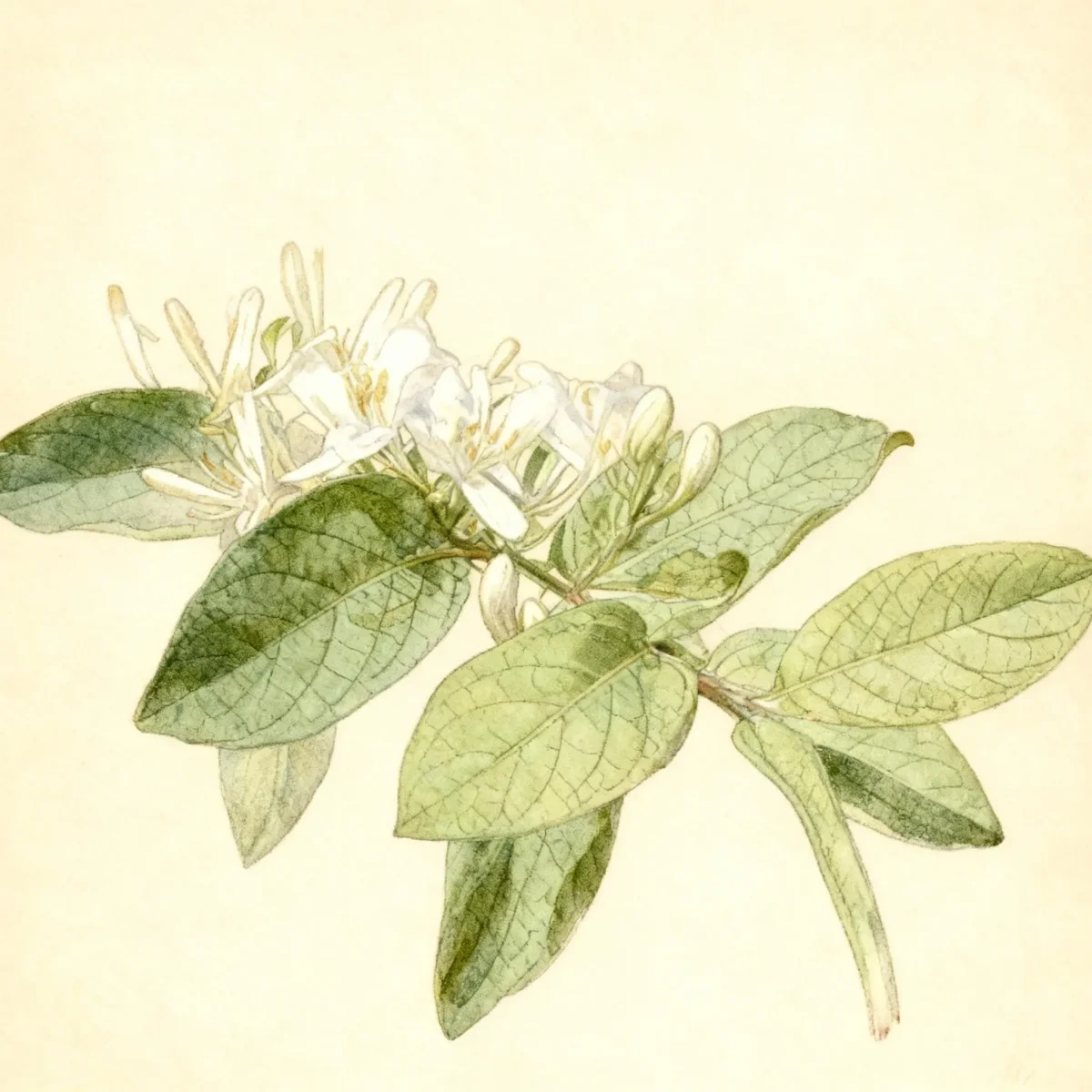
Bush honeysuckle (Diervilla lonicera)
Discover Bush honeysuckle (Diervilla lonicera), a low-maintenance native shrub providing yellow blooms and excellent fall color in zones 3-7.
Scroll down to discover growing tips, care requirements, companion plants, and more
Complete Plant Information
Overview
The Bush honeysuckle (Diervilla lonicera) is a valuable native shrub prized for its resilience and attractive features throughout the growing season. Unlike its aggressive, non-native relatives, this North American native offers reliable texture, small yellow flowers, and dependable fall color without excessive fuss. Gardeners turn to Diervilla lonicera for its ability to thrive in challenging, dry conditions where other shrubs may struggle.
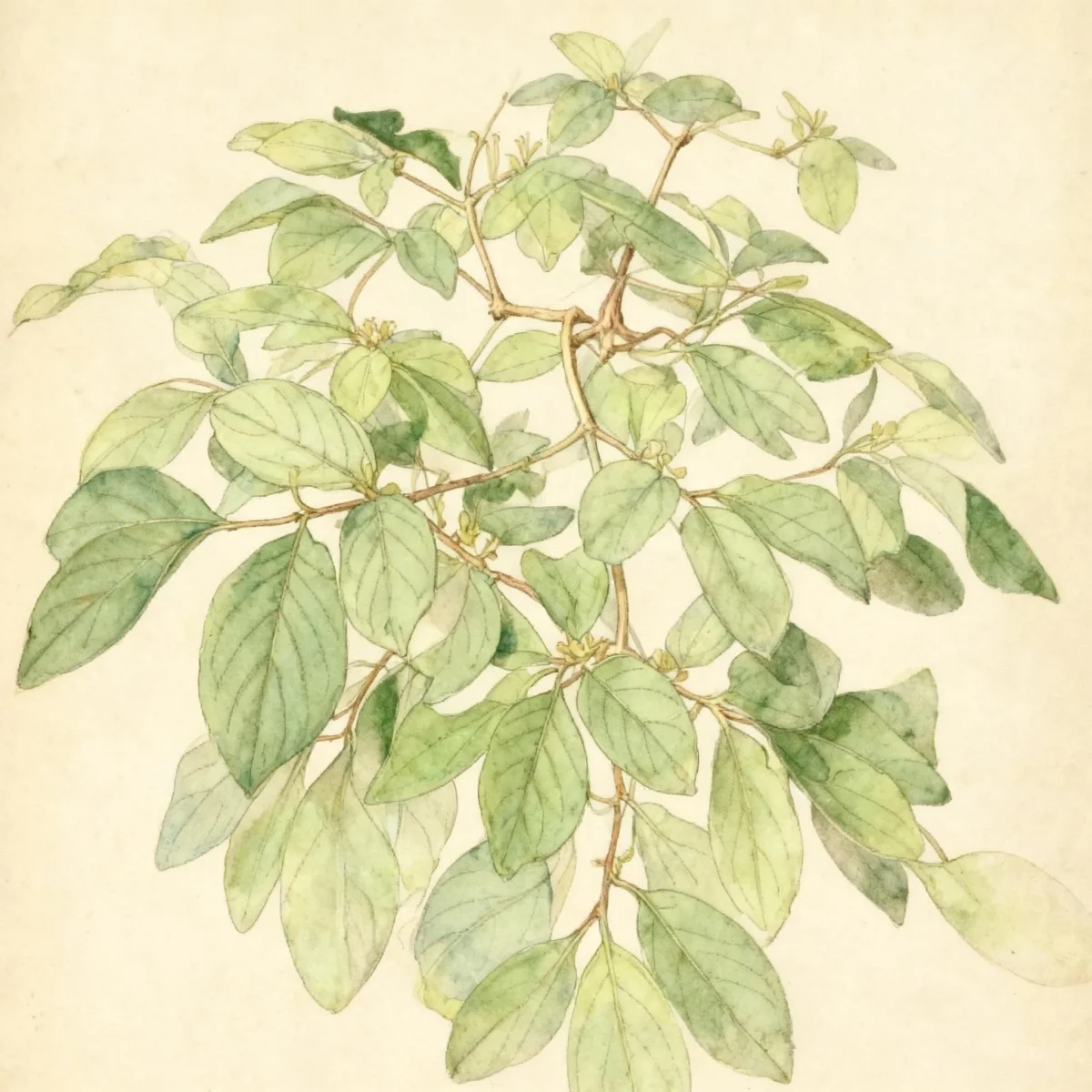
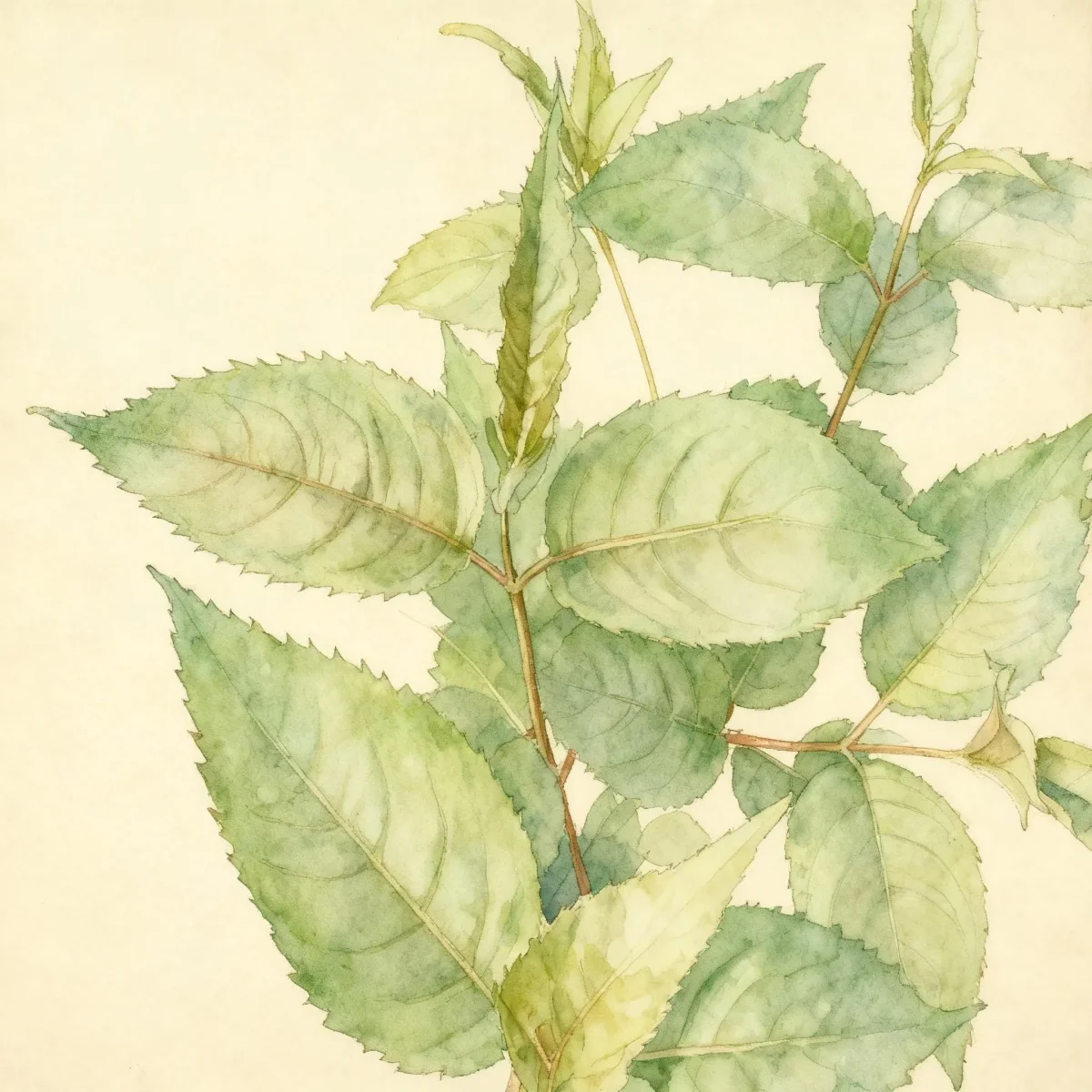
This deciduous shrub forms a dense, petite mound, typically reaching heights of 2 to 3 feet with a similar spread. Its glossy green foliage turns appealing shades of yellow to orange, sometimes red, offering late-season interest before leaf drop. Its suitability across USDA Hardiness Zones 3 through 7 makes the Bush honeysuckle a versatile landscape anchor.
Functionally, Diervilla lonicera is excellent for naturalizing areas or mass plantings due to its tendency to sucker, creating attractive, low colonies. Its low maintenance needs and drought tolerance ensure that this native plant provides lasting beauty with minimal intervention once established.
Fast Facts
- Plant Family: Caprifoliaceae
- Plant Type: Deciduous shrub
- Native Range: Eastern North America
- Hardiness Zones: USDA Zones 3-7
- Size at Maturity:
- Height: 2-3 ft
- Spread: 2-4 ft
- Bloom Time: June to July
- Bloom Description: Yellow
- Sun Exposure: Full sun to part shade
- Water Needs: Dry to medium
- Maintenance Level: Low
How to Grow
Diervilla lonicera is exceptionally adaptable and easy to establish. For best results, plant this Bush honeysuckle in the spring or fall, choosing a spot that receives full sun or light to moderate afternoon shade. It performs best in average, well-drained soils, although it will tolerate very dry conditions once established, reflecting its native habitat in dry rocky woodlands.
Maintenance for Diervilla lonicera is generally minimal. Water regularly during the first growing season to help establish a strong root system, but established plants exhibit excellent drought tolerance and seldom require supplemental irrigation. Fertilization is rarely necessary; overly rich soil can lead to excessive vegetative growth at the expense of flowers.
Pruning should be done judiciously, immediately after the primary bloom period in July concludes, to avoid sacrificing next year’s buds, which form on new wood. Because this shrub freely suckers, it can be easily propagated or managed by transplanting suckers to other locations. These plants perform optimally in cooler summer climates.
Landscape Uses
The adaptability of Bush honeysuckle makes it highly recommended for several landscape roles. Its low, mounding habit and multi-stemmed structure allow it to function perfectly as a low hedge, clearly defining borders without demanding regular shearing. Furthermore, its suckering habit makes it ideal for naturalizing woodland edges or slopes where you wish to create self-sustaining colonies of dense ground cover.
When used in shrub borders, Diervilla lonicera provides excellent mid-season interest, contrasting nicely with early-flowering shrubs or later-blooming perennials. It integrates seamlessly into native plant landscapes and woodland gardens where its requirement for dry to medium moisture levels mirrors the drier understory conditions.
Consider pairing this charming native with plants that appreciate similar conditions, such as native ferns, sedges, or woodland phlox. By allowing the Diervilla lonicera to spread slightly in designated areas, gardeners can effectively manage erosion while celebrating the enduring qualities of this native shrub.
Standout Features
Flower Qualities
- Showy
Noteworthy Characteristics
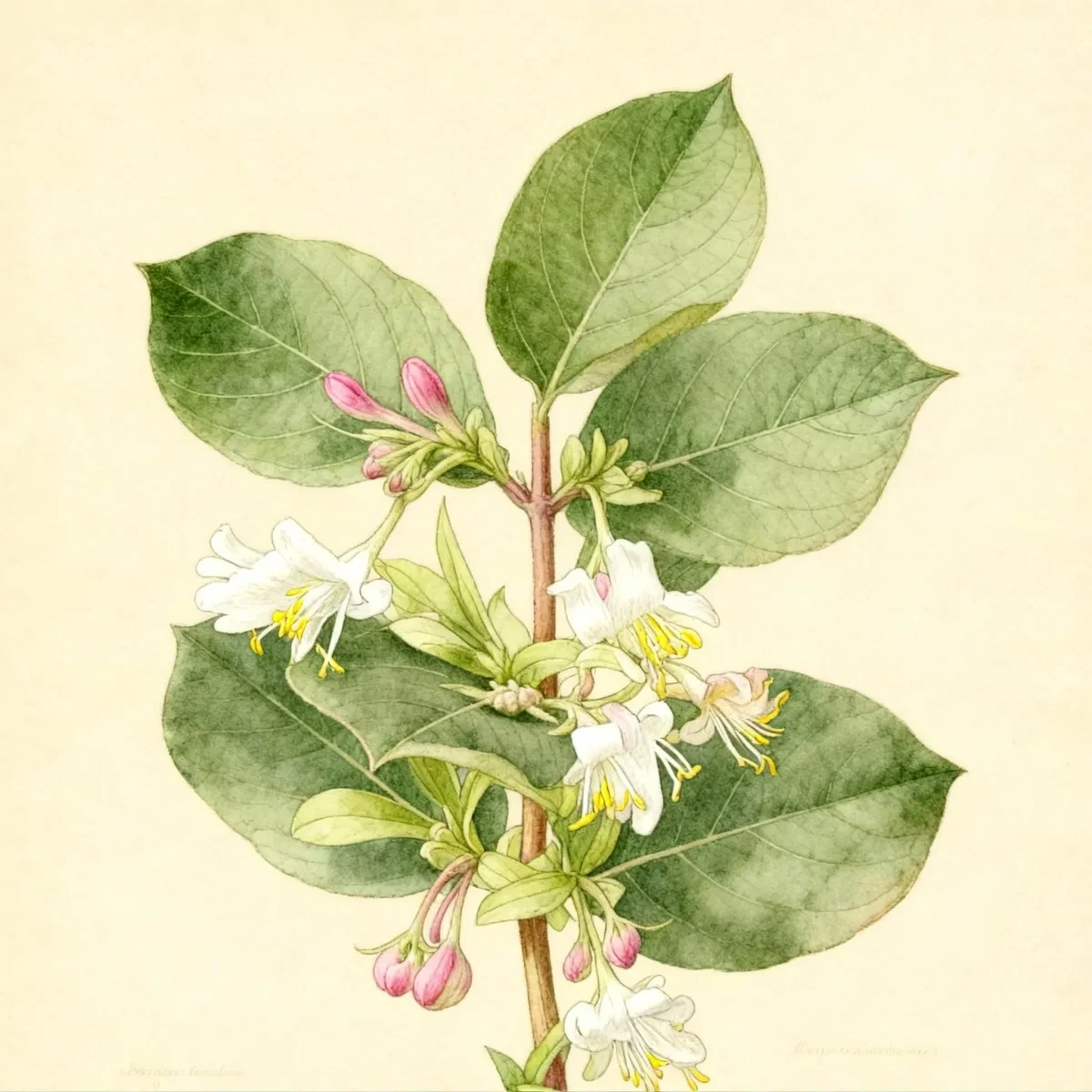
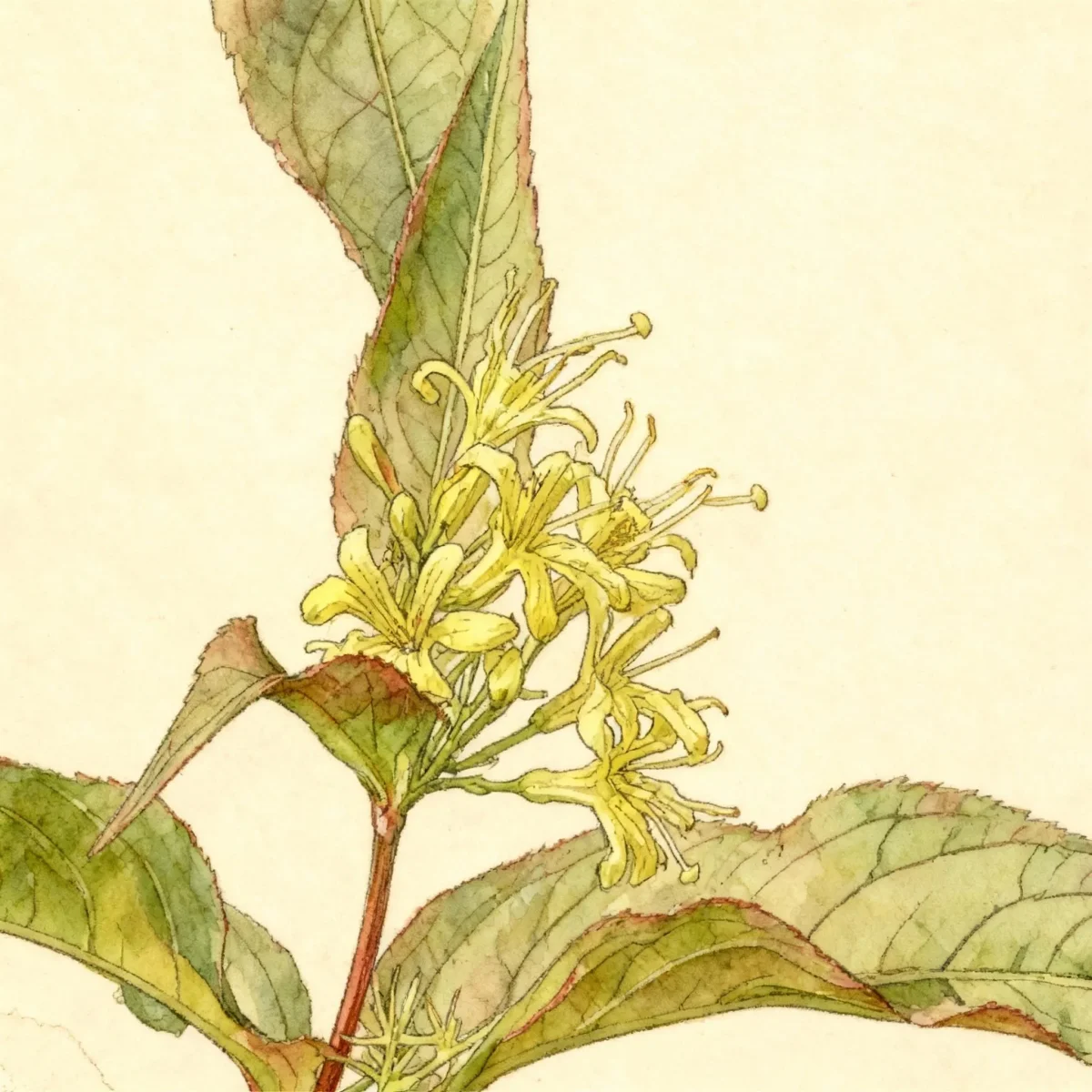
Diervilla lonicera, commonly known as bush honeysuckle, is a suckering, densely branched, deciduous shrub that typically grows to 3’ tall and to 4’ wide. It is native to dry rocky open woodland areas and thickets from Newfoundland to Saskatchewan south to North Carolina, Tennessee and Iowa. It is noted for its small shrubby form, yellow trumpet-shaped flowers, dark green leaves and fall color. These tubular flowers resemble those of true honeysuckle and bloom in late spring to early summer. Distinctly, this species must not be confused with Lonicera japonica, which shares the common name bush honeysuckle but is an invasive exotic species.
Tolerances
- No listed tolerances found in the original data.
Potential Problems
The Bush honeysuckle generally enjoys renown for its resistance to serious pest and disease issues, contributing significantly to its low maintenance rating. However, under high humidity or stress, gardeners might sporadically observe minor aesthetic complaints like leaf spot or powdery mildew.
To mitigate these minor fungal issues, ensure the planting site has adequate air circulation, even though Diervilla lonicera tolerates dry soil. Good cultural practices, such as avoiding overhead watering late in the day, can help keep the foliage healthy. No significant recurring insect infestations are typically reported for this native species.
Frequently Asked Questions
What hardiness zones is Bush honeysuckle suitable for?
Diervilla lonicera is highly cold-tolerant, thriving reliably in USDA Zones 3 through 7.
How large does Bush honeysuckle grow?
This shrub generally matures to a height between 2 and 3 feet, spreading outwards to occupy an area measuring 2 to 4 feet wide.
When does Bush honeysuckle bloom?
The Bush honeysuckle produces its distinctive yellow, trumpet-shaped flowers during the early summer months, specifically from June through July.
What sun exposure does Diervilla lonicera need?
This species is versatile, performing well in conditions ranging from full, direct sun to areas that receive partial shade throughout the day.
Conclusion
The Bush honeysuckle (Diervilla lonicera) offers an outstanding combination of toughness, native heritage, and aesthetic appeal, especially through its unique yellow blooms and reliable fall color transition. Its very low maintenance requirement and tolerance for dry conditions make it an easy win for gardeners looking to fulfill roles such as small hedges or naturalized plantings. Before planting, always confirm that your location falls within USDA Zones 3-7 to ensure the best success with your new Diervilla lonicera.
Wildlife Benefits
As a native shrub, Diervilla lonicera plays an important role in supporting local ecosystems. The tubular yellow flowers, which bloom in early summer, are particularly attractive to long-tongued pollinators like butterflies and perhaps hummingbirds. The nectar within these flowers attracts visitors looking for a sweet treat.
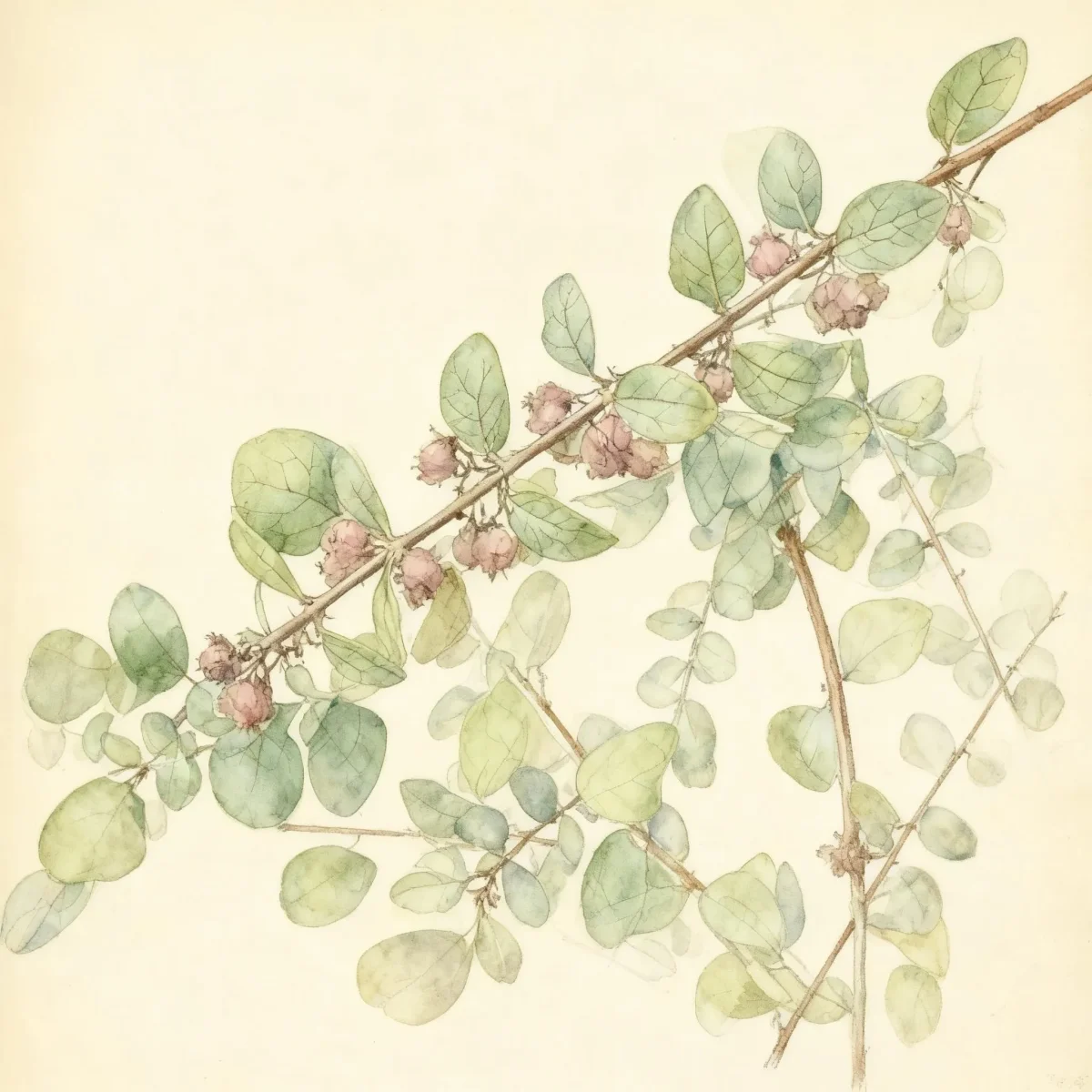
While the fruits (dry woody capsules) are not a primary food source for many birds, the dense branching structure offers cover and nesting opportunities for songbirds throughout the year. Establishing colonies of Bush honeysuckle helps create a layered habitat structure that benefits various tiers of wildlife in your garden space.
Propagation Tips
One of the most straightforward ways to increase your stock of Diervilla lonicera is through vegetative division. Since this plant freely suckers, meaning new small plants emerge from the root system, you can easily separate these offshoots. Wait until spring or early fall, carefully dig up the sucker along with some of its roots, and transplant it immediately to its new location.
This species can also be propagated from softwood cuttings taken during the active growing season when new stem growth is pliable. Cuttings taken in early summer, treated lightly with rooting hormone, and kept consistently moist will generally establish roots within several weeks, ensuring a high success rate for multiplying your Bush honeysuckle.