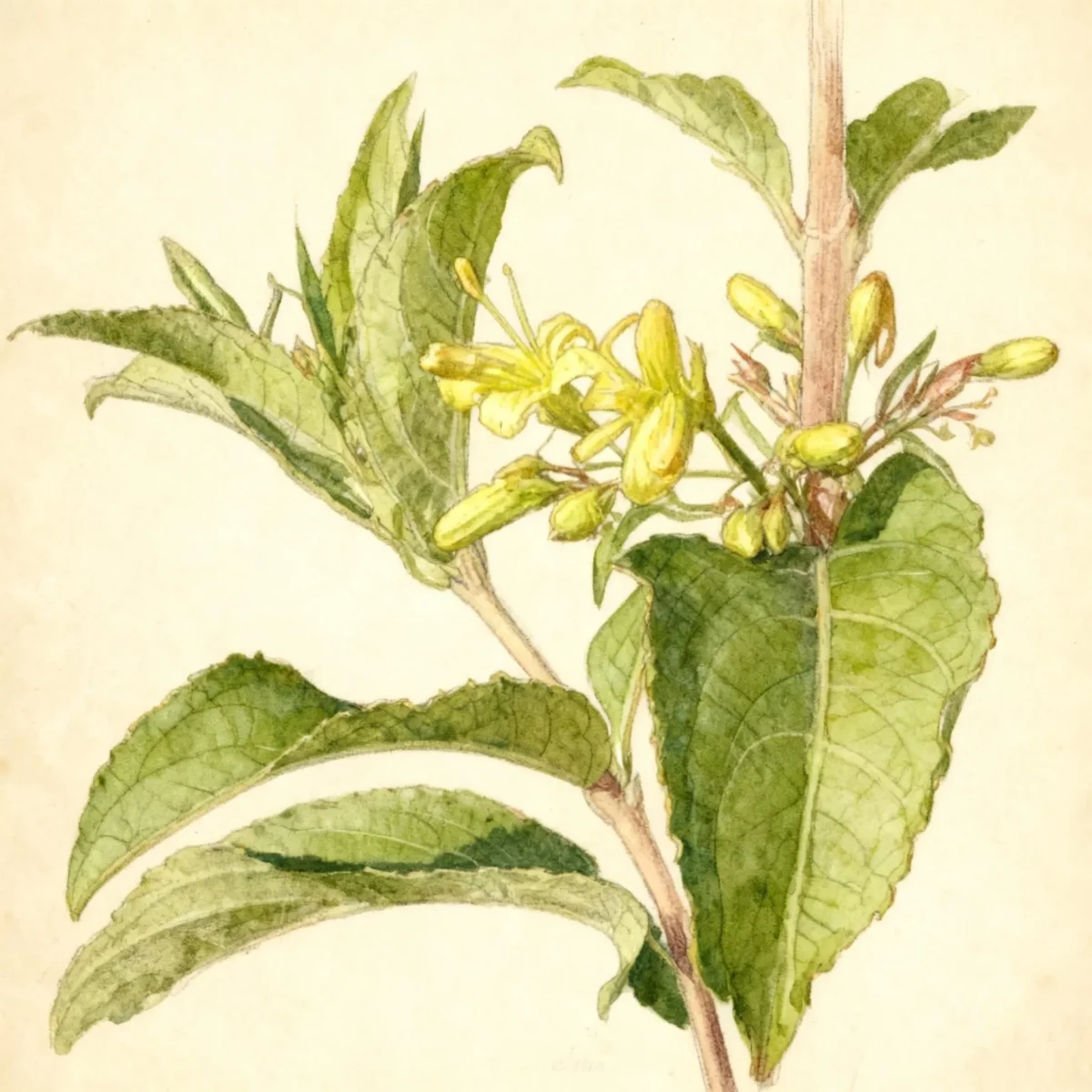
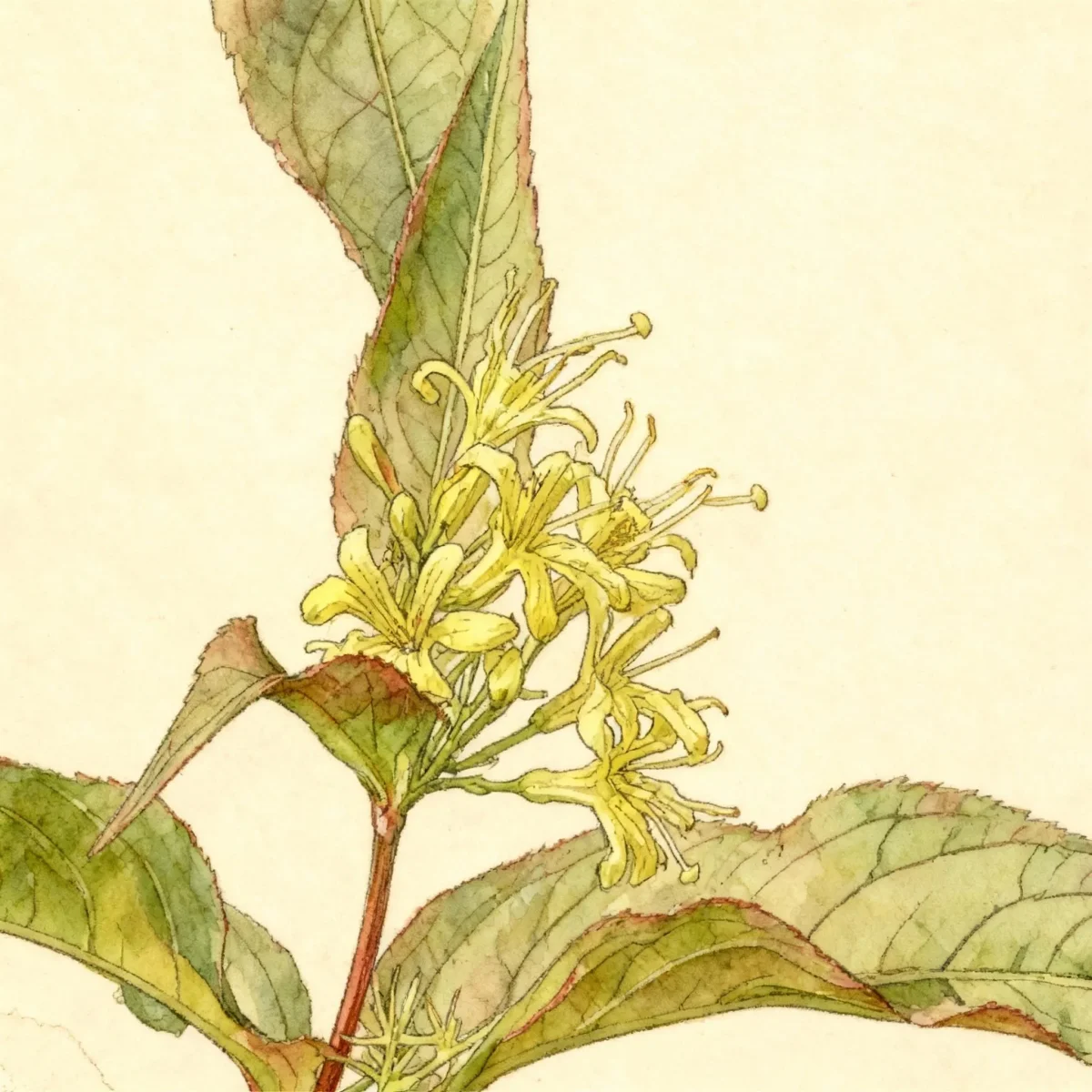
Sweet breath of spring (Lonicera fragrantissima)
Discover Lonicera fragrantissima, the Sweet breath of spring, offering intense early fragrance on a tough, low-maintenance shrub.
Scroll down to discover growing tips, care requirements, companion plants, and more
Complete Plant Information
Overview
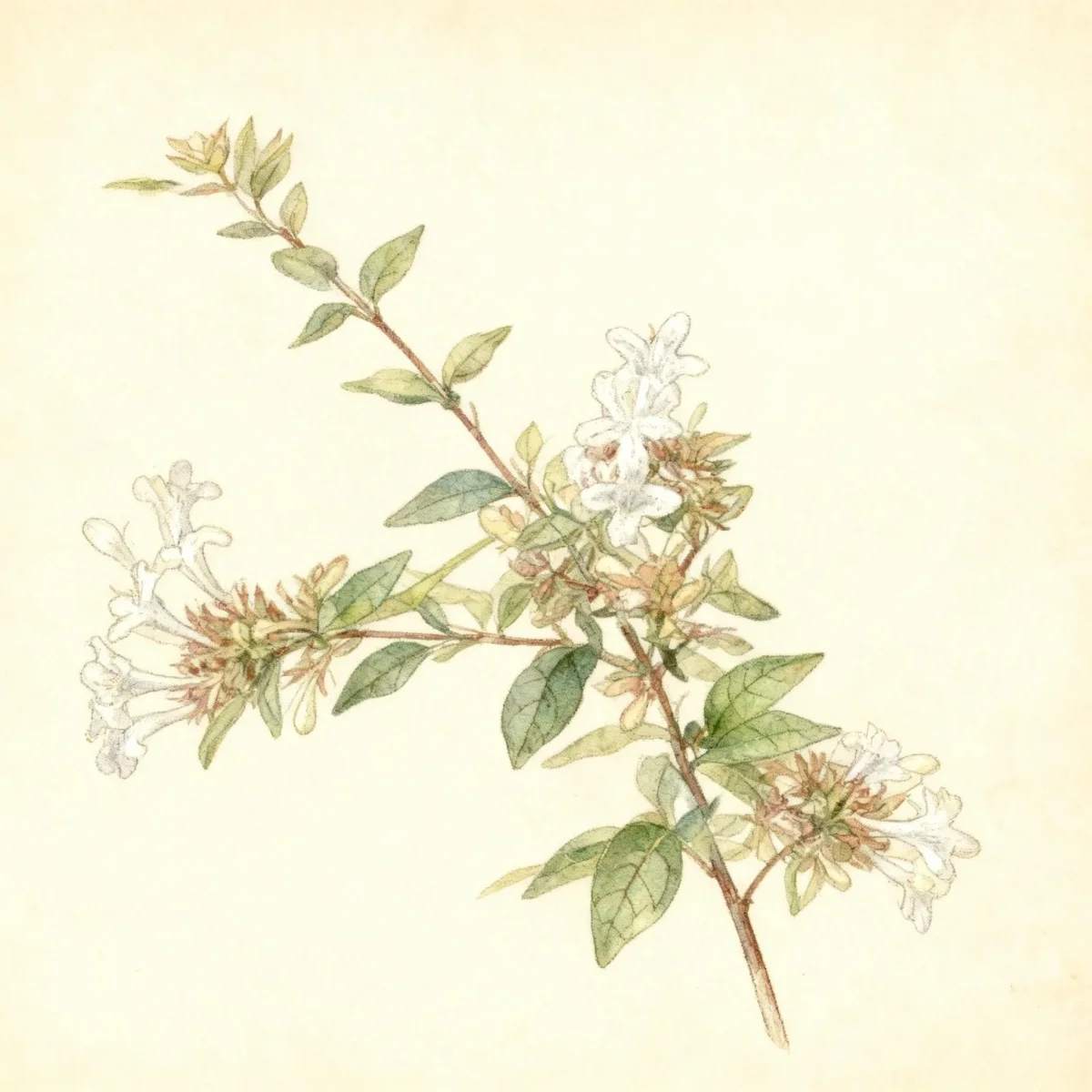
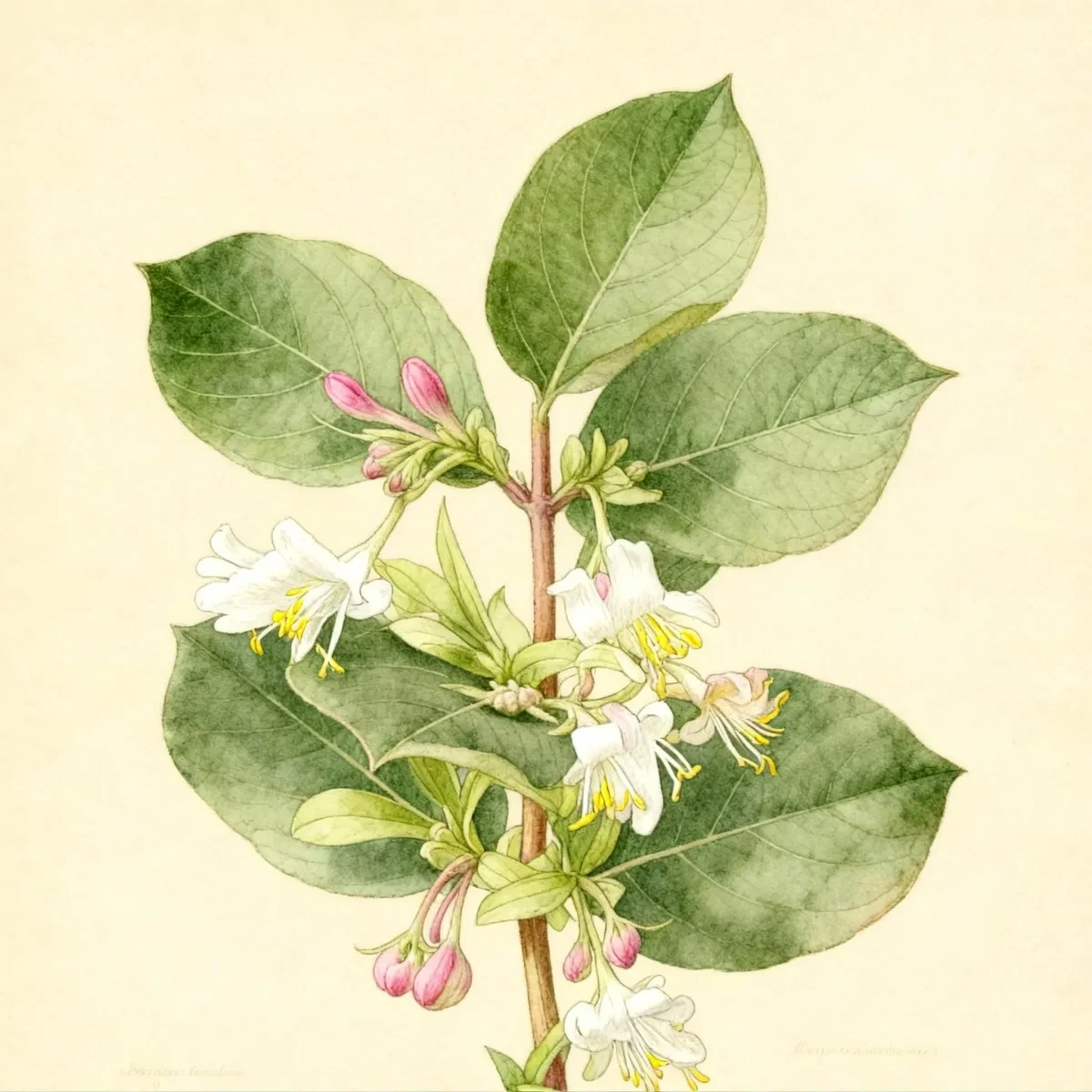
The arrival of Lonicera fragrantissima, popularly known as Sweet breath of spring, signals the end of winter with its immensely pleasing floral display. This deciduous shrub is prized for producing extremely fragrant, creamy white flowers in very early spring, often before the leaves begin to emerge. Once established, Lonicera fragrantissima proves to be a tough, low-maintenance specimen perfect for adding structure and scent to the late-winter garden.
Growing reliably between 6 to 10 feet tall and wide, this plant offers a bushy, spreading habit well-suited for screening or formal hedging. Its value extends beyond its visual appeal; the lemony fragrance is one of the earliest scents available to gardeners, making it a must-have foundational shrub. It adapts well across multiple soil types, provided drainage is adequate.
For gardeners seeking reliable structure combined with outstanding early season fragrance, selecting Lonicera fragrantissima is an excellent choice. This hardy shrub provides welcome scenery and scent when much of the landscape remains dormant.
Fast Facts
- Plant Family: Caprifoliaceae
- Plant Type: Deciduous shrub
- Native Range: China
- Hardiness Zones: USDA Zones 4-8
- Size at Maturity:
- Height: 6-10 ft
- Spread: 6-10 ft
- Bloom Time: March to April
- Bloom Description: Creamy white
- Sun Exposure: Full sun to part shade
- Water Needs: Dry to medium
- Maintenance Level: Low
How to Grow
Plant Lonicera fragrantissima during the fall or early spring for best establishment, ensuring the location receives full sun to partial shade. This shrub exhibits impressive adaptability in soil types, tolerating dry, clay, or poor soils easily. While it handles dry conditions well once mature, incorporating some organic matter into average, well-drained soil will promote vigorous initial growth.
Water regularly during the first growing season to establish a deep root system. After establishment, the plant is quite drought-tolerant, requiring supplemental water only during extended dry spells. Fertilization is rarely necessary due to its low maintenance requirements and tolerance for various soil conditions.
Pruning should be managed immediately following the bloom period to maintain desired shape and size without sacrificing next year’s flowers. Since flowers appear on old wood, delay significant trimming until after the last blooms fade in mid-spring. This timing ensures you enjoy the signature fragrance of Sweet breath of spring fully.
Landscape Uses
The robust, bushy habit of the Fragrant honeysuckle makes it an outstanding choice for functional landscape elements. Its default suggested use is as a clipped or informal hedge, providing a dense screen or border definition early in the season. It excels as a background plant in mixed shrub borders where its early bloom provides contrast against evergreen neighbors.
Consider using Lonicera fragrantissima near entryways, patios, or windows where its strong, lemony fragrance can be fully appreciated as you pass by on early spring days. While it performs beautifully in mass plantings, it also stands alone well as a low-maintenance specimen, especially if you desire a structure that remains relatively neat year-round.
Standout Features
Flower Qualities
- Showy
- Fragrant
Fruit Qualities
- Showy
Noteworthy Characteristics
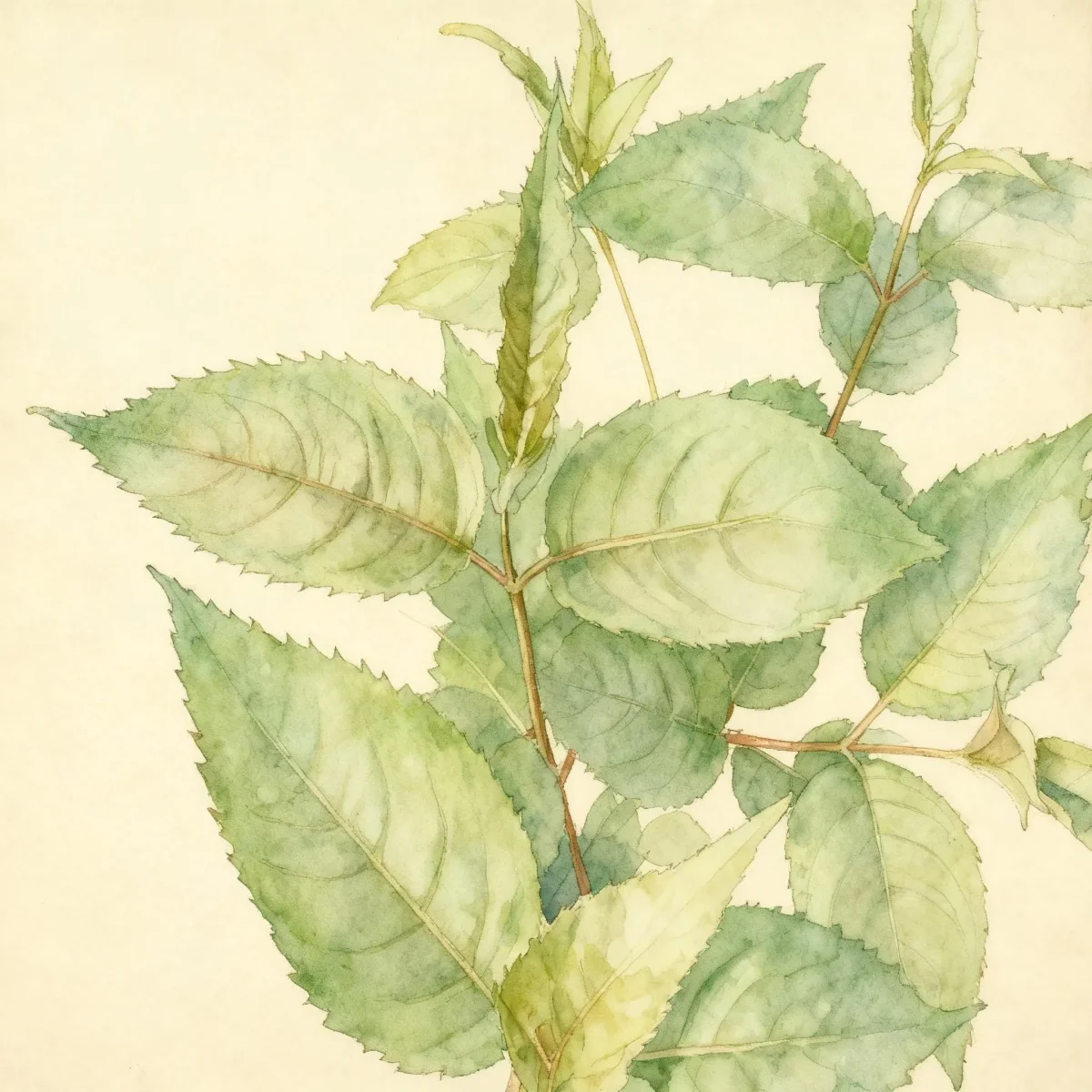
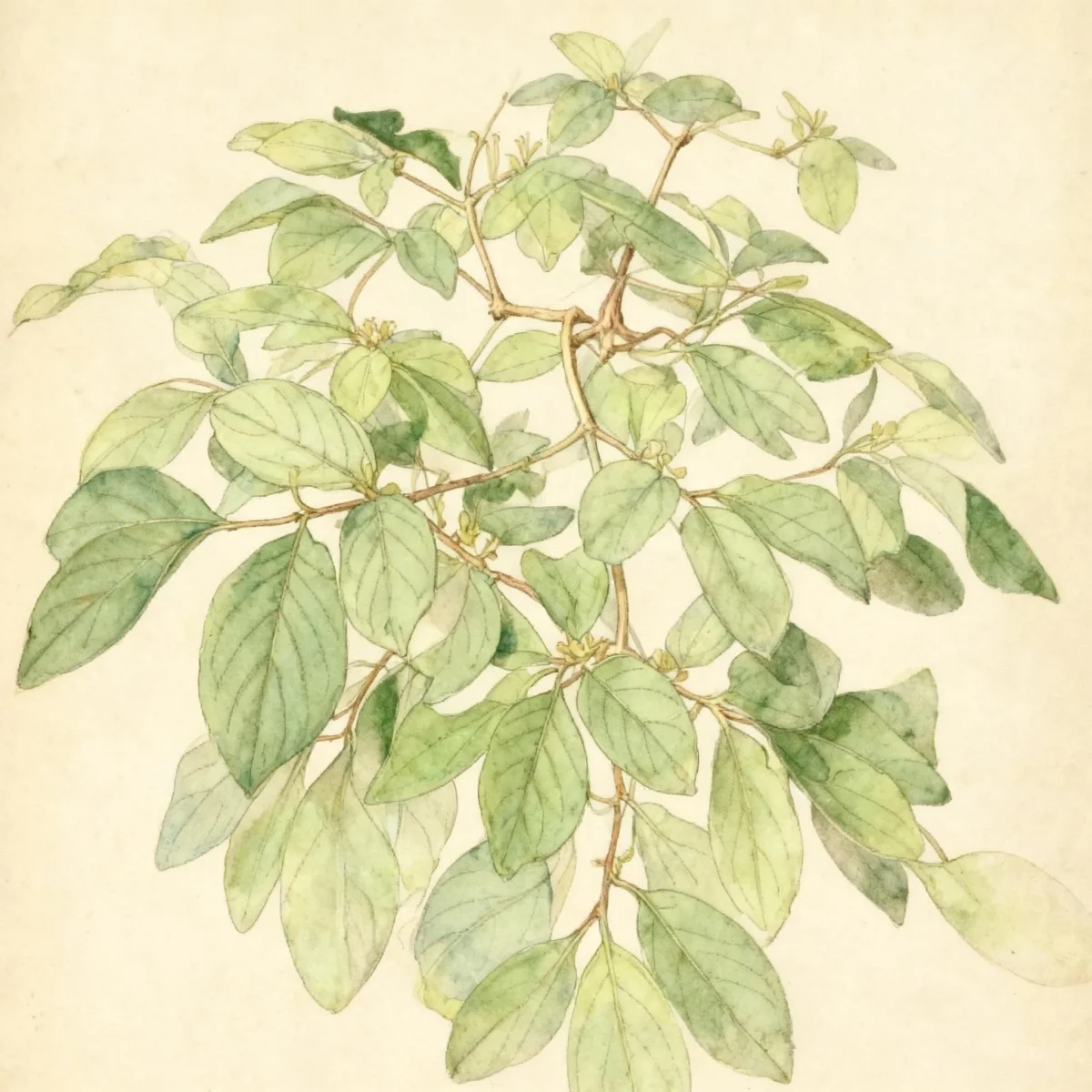
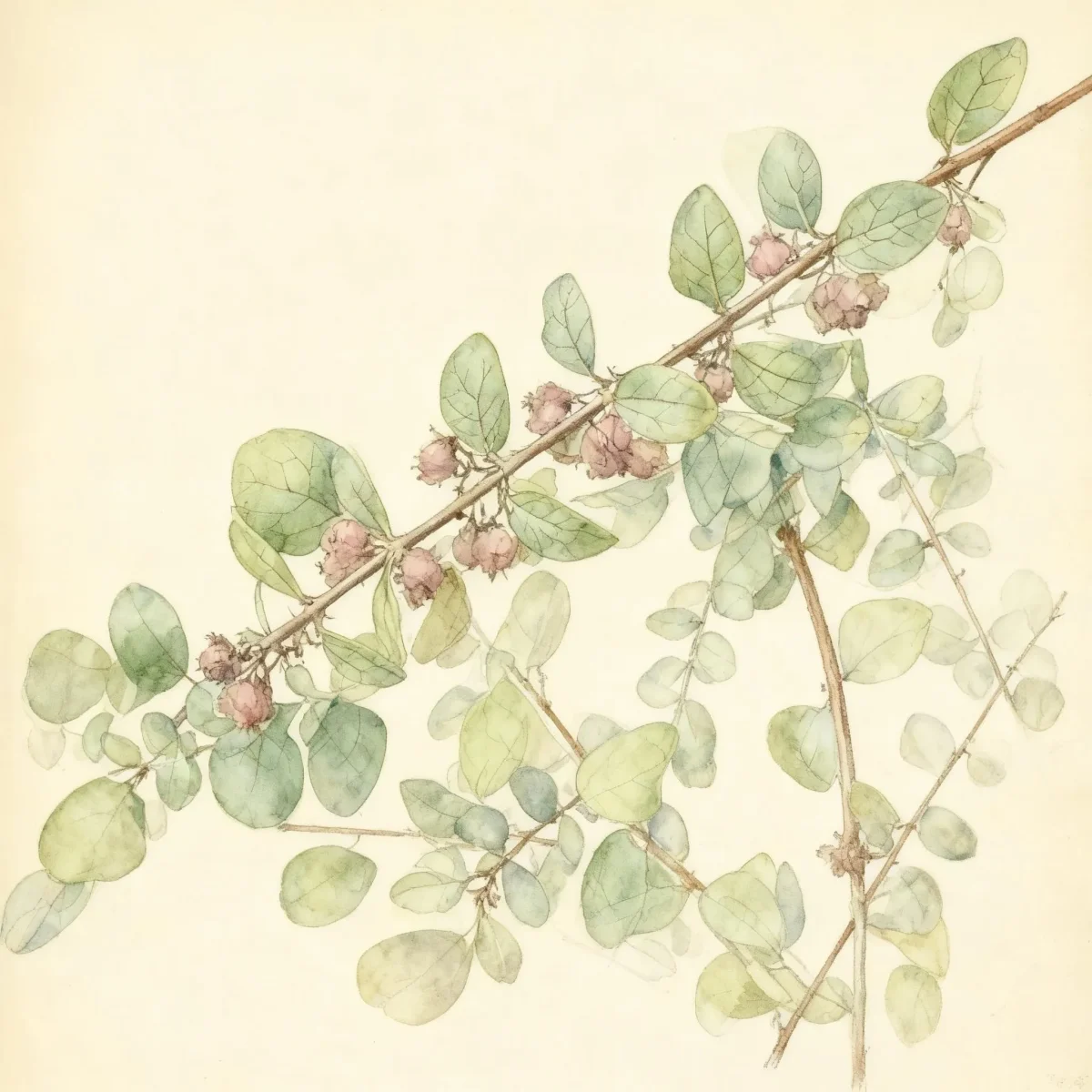
Lonicera fragrantissima, commonly called winter honeysuckle or fragrant honeysuckle, is a somewhat stiff-branched, deciduous shrub with a bushy, spreading habit. Its extremely fragrant, short-tubed, creamy white flowers appear before the leaves emerge, serving as a true harbinger of spring. The specific epithet fragrantissima aptly translates to “very fragrant,” highlighting its primary ornamental value.
Tolerances
- Deer
- Drought
- Erosion
- Clay Soil
- Dry Soil
- Black Walnut
Potential Problems
Fortunately, Sweet breath of spring rarely suffers from severe pest or disease issues, contributing to its low maintenance profile. Gardeners should remain aware of potential susceptibility to minor issues like leaf spot, blight, or powdery mildew, especially in areas with high humidity or poor air circulation.
If pests do appear, watch for common culprits such as aphids, scale insects, or various chewing insects like sawfly or loopers. Management is usually straightforward; minor infestations can often be managed with strong sprays of water or insecticidal soap, avoiding heavy chemical intervention unless absolutely necessary.
Frequently Asked Questions
What hardiness zones is Sweet breath of spring suitable for?
Lonicera fragrantissima is well-suited for a wide range of climates, thriving in USDA Zones 4 through 8.
How large does Sweet breath of spring grow?
This deciduous shrub typically achieves a mature height and spread between 6 and 10 feet, forming a substantial presence in the landscape.
What sun exposure does Lonicera fragrantissima need?
It performs best when situated in locations receiving full sun to part shade, offering flexibility in garden placement.
When does Sweet breath of spring bloom?
You can expect the appearance of its highly fragrant, creamy white flowers from March into April, often preceding leaf-out.
Conclusion
The Sweet breath of spring remains a highly valuable plant for its tough constitution, excellent adaptability across various soil types, and, most importantly, its spectacular early spring fragrance. Bringing Lonicera fragrantissima into your garden provides a reliable burst of scent and beauty when few other plants are active. Review your local hardiness zone to ensure compatibility and plan for a late spring pruning session to maximize next year’s bloom display.
Companion Planting
When incorporating Sweet breath of spring into a mixed border, pair it with plants that either flower later or offer excellent evergreen structure. Consider underplanting the base with early-blooming bulbs like snowdrops (Galanthus) or crocus, which will finish blooming just as the honeysuckle begins to flower. For summer interest, complement its deciduous nature with broadleaf evergreens like Dwarf Japanese Holly (Ilex crenata) or late-flowering hydrangeas that appreciate similar sun exposure and dry soil tolerance.
Seasonal Care Calendar
Early spring (March/April) is focused entirely on enjoying the blooms of your Lonicera fragrantissima before they disappear. Resist pruning at this time, as you will remove the next year’s flower buds. After flowering ceases in late spring, this is the ideal window for light shaping or shearing to maintain hedges or control size. Summer care involves minimal input; monitor moisture only during exceptional droughts, as established plants tolerate dryness well. During fall and winter, the shrub remains largely dormant, requiring no specific maintenance other than cutting branches for indoor fragrant arrangements.