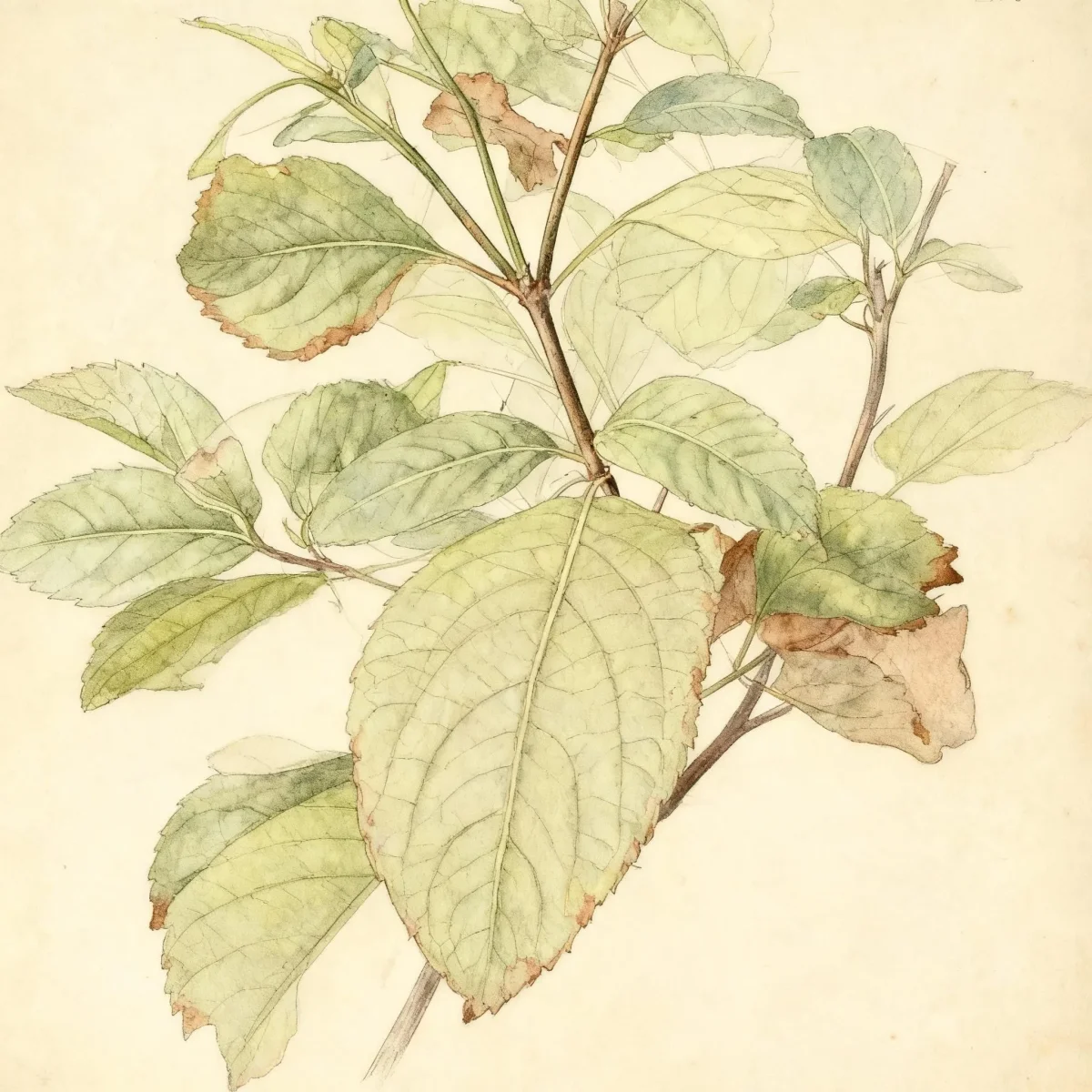
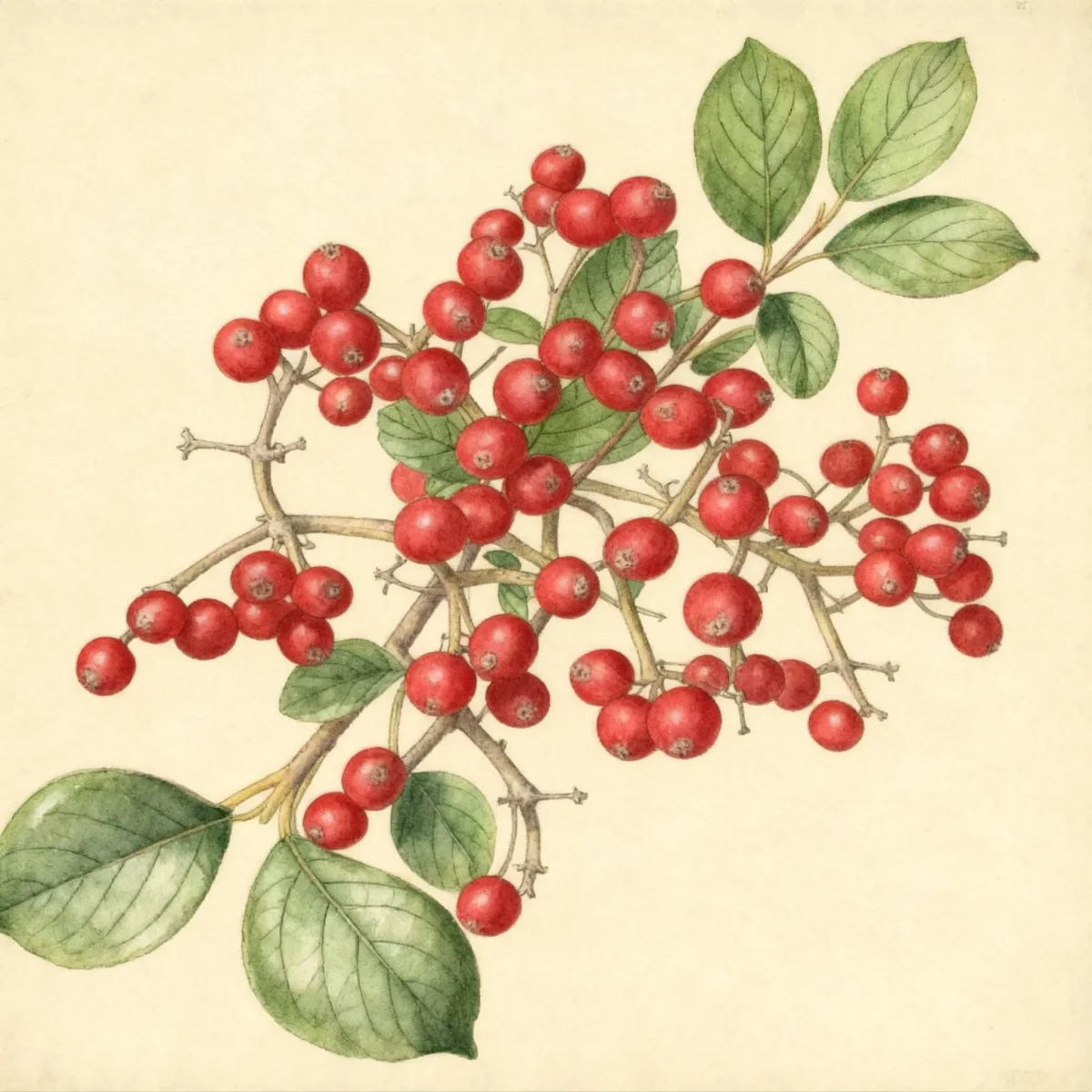
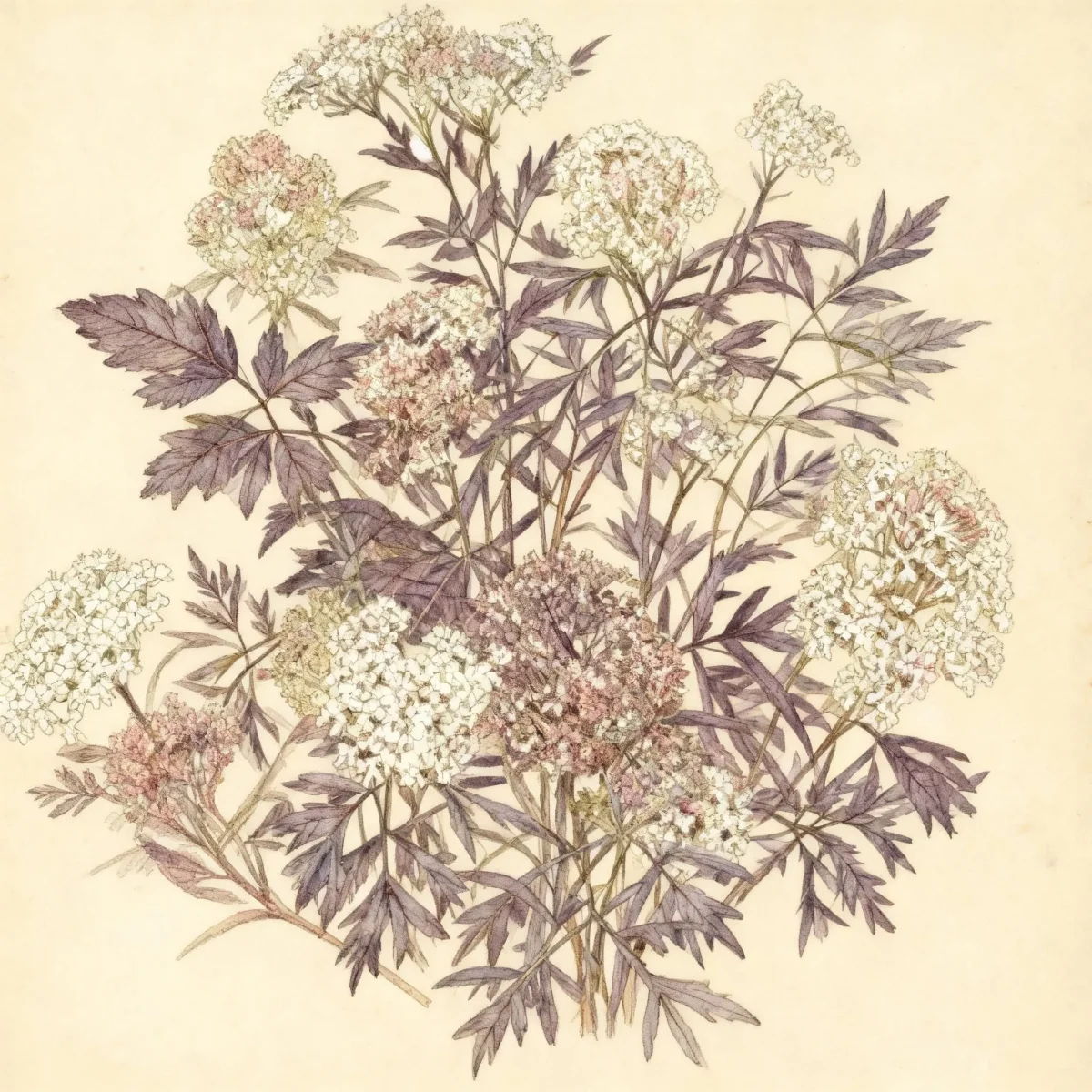
Smooth witherod (Viburnum nudum)
Discover Viburnum nudum (Smooth witherod), a versatile deciduous shrub prized for fragrant white flowers and showy, ripening berries.
Scroll down to discover growing tips, care requirements, companion plants, and more
Complete Plant Information
Overview
The Smooth witherod, Viburnum nudum, is a highly adaptable and visually appealing deciduous shrub native to the wet woodlands and swamps of Eastern North America. Gardeners value this plant for its multi-season interest, highlighted by fragrant blooms in late spring and striking, changing berry colors throughout the late summer and fall. Its rounded, upright-spreading habit makes it an excellent structural element in the landscape.
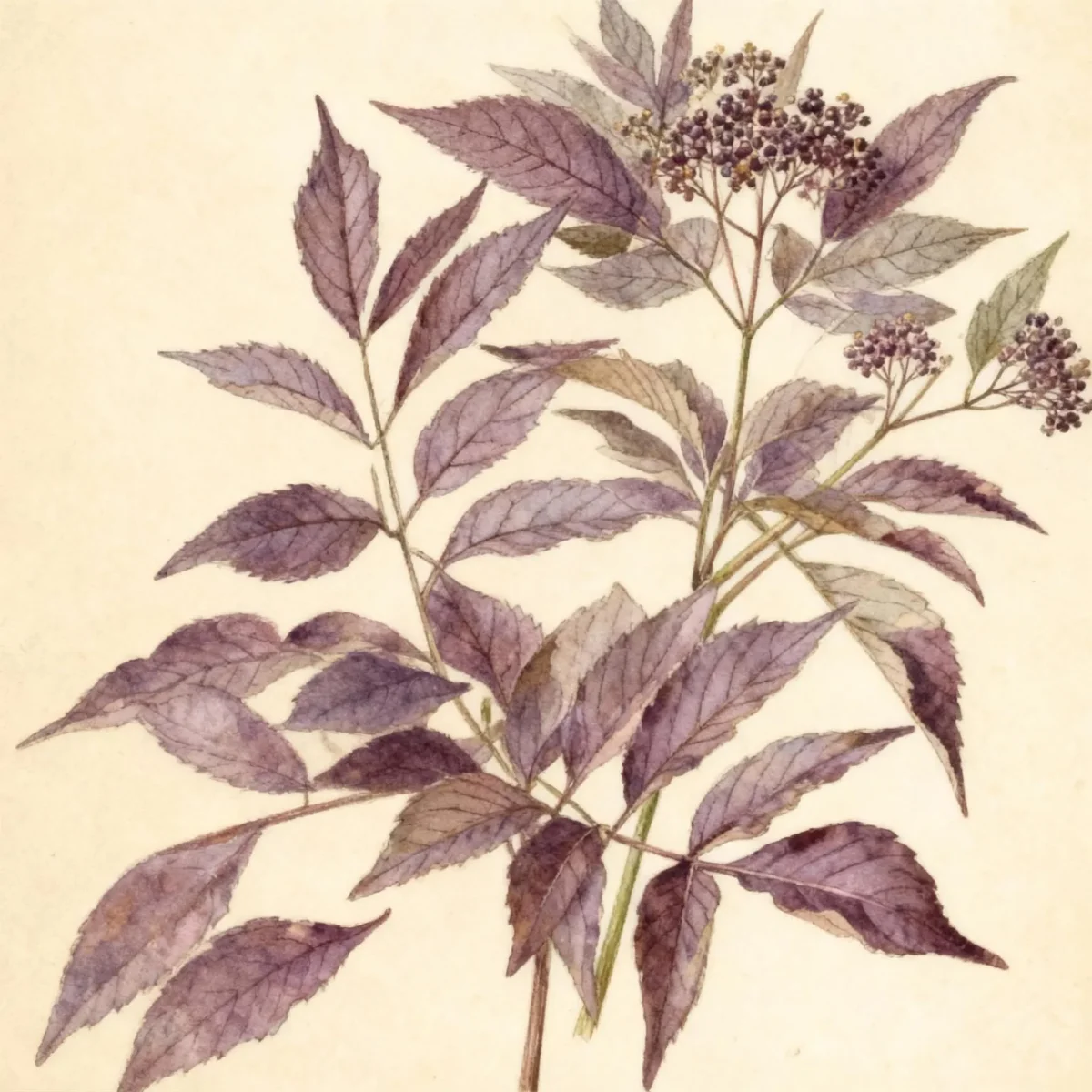
Viburnum nudum thrives in moist conditions, easily integrating into rain gardens or along water features where many other shrubs struggle. Maintenance tends to be low, requiring only light pruning. The foliage often transitions to attractive maroon or dark red-purple hues before leaf drop, adding further seasonal appeal to the landscape.
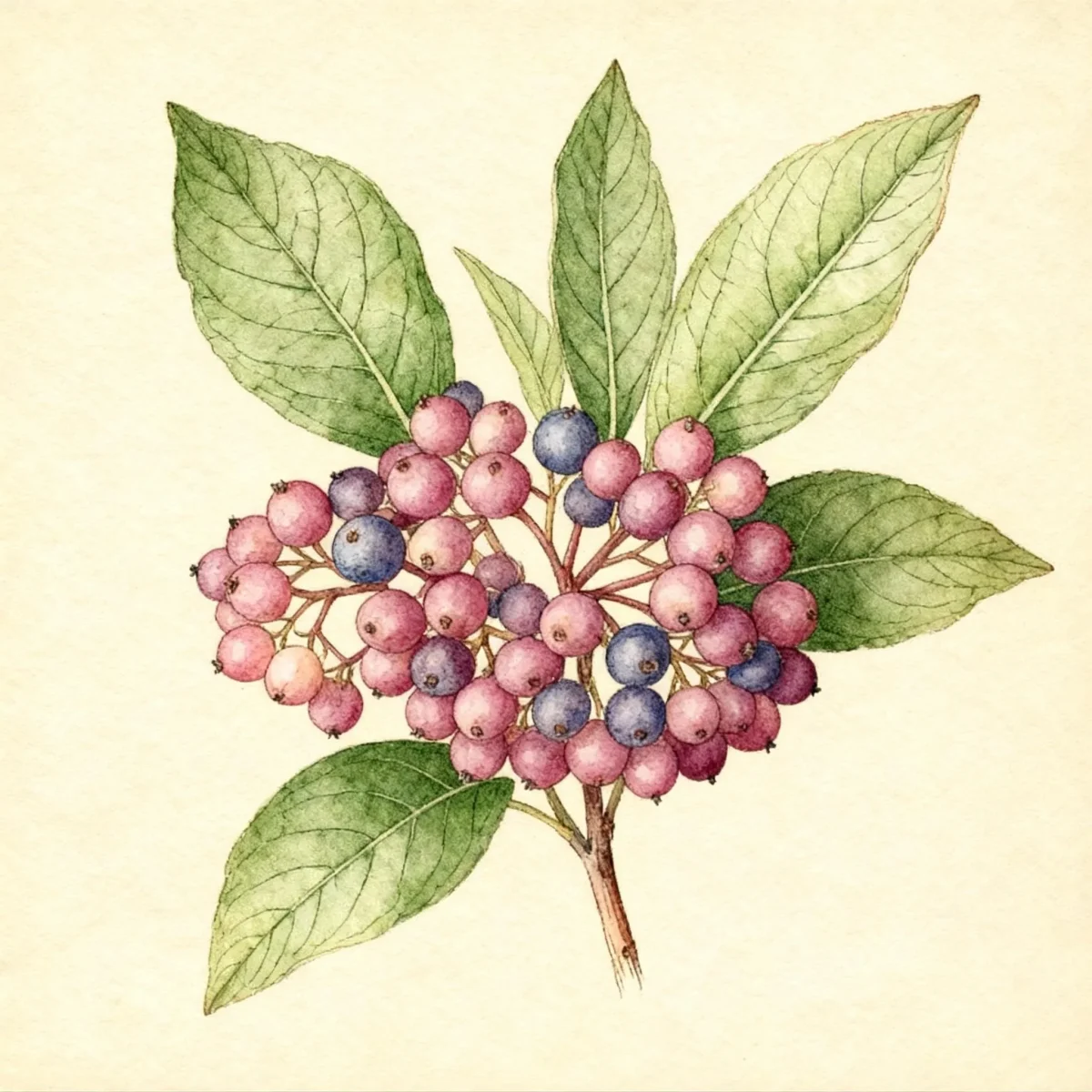
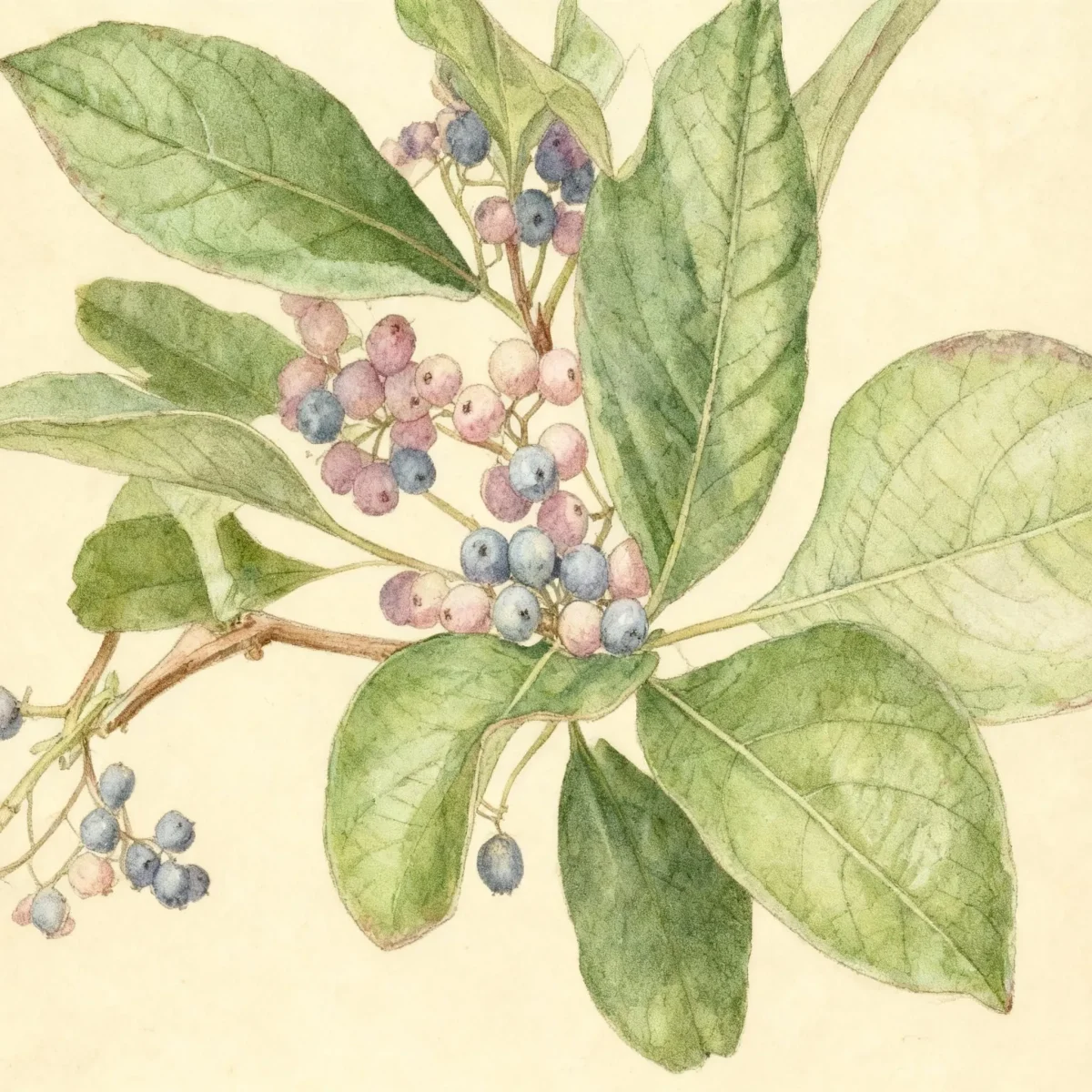
This species, sometimes known as possumhaw viburnum, provides critical visual interest as its ovoid berries mature in stages, often displaying pink, blue, and purplish-black fruits simultaneously on the same cluster. For the best fruit display of Viburnum nudum, grouping several shrubs together encourages superior cross-pollination.
Fast Facts
- Plant Family: Adoxaceae
- Plant Type: Deciduous shrub
- Native Range: Eastern North America
- Hardiness Zones: USDA Zones 5-9
- Size at Maturity:
- Height: 5-12 ft
- Spread: 5-12 ft
- Bloom Time: May to June
- Bloom Description: White
- Sun Exposure: Full sun to part shade
- Water Needs: Medium to wet
- Maintenance Level: Low
How to Grow
Plant Viburnum nudum in spring or fall when conditions are cooler, ensuring it receives full sun to partial shade. This shrub exhibits remarkable adaptability regarding soil texture but requires consistently medium to wet moisture levels. It performs best in moist loams and tolerates boggy conditions, making it an ideal candidate for rain garden construction.
Water new plantings regularly to establish a deep root system. While established Smooth witherod requires moderate watering, it is crucial not to let the soil dry out completely, especially during hot periods, given its preference for moisture. Fertilization is rarely necessary; amending soil with compost at planting is usually sufficient for long-term health.
Pruning should be minimal, performed lightly only as required during the fall. Avoid pruning immediately after flowering, as this practice will remove the developing buds that form the valuable late-summer fruit display. Remember that planting shrubs in groups rather than as isolated specimens significantly enhances the fruit set of Viburnum nudum.
Landscape Uses
The versatility of Smooth witherod makes it valuable across various landscape applications. It performs exceptionally well when used in groupings to form natural-looking shrub borders or when planted as a specimen where its seasonal interest can be fully appreciated. Due to its tolerance for wet feet, it is a premier selection for the peripheries of water gardens, streams, or ponds, fitting perfectly within a functional rain garden design.
For formal designs, use several shrubs planted closely together to establish an informal, yet effective, hedge that offers texture and seasonal color. Its tolerance for roadside conditions also makes this native species suitable for screening or stabilizing slopes where moisture regulation is naturally occurring. Consider pairing Viburnum nudum with other moisture-loving natives like Swamp Iris or certain Dogwood varieties for continuous interest.
Whether used for foundation plantings in slightly damper areas or massed in a naturalized woodland setting, the easy care and reliable display of color provided by this Viburnum ensure it remains a reliable workhorse shrub.
Standout Features
Flower Qualities
- Showy
- Fragrant
Fruit Qualities
- Showy
- Edible
Noteworthy Characteristics
Viburnum nudum, commonly called smooth witherod, is a rounded, multi-stemmed, upright-spreading, deciduous shrub that typically grows in the wild to 5-12’ tall and as wide. It features aromatic white flowers arranged in flat-topped clusters in May-June, followed by striking berries that cycle from pink to blue to purplish-black. The foliage often exhibits an attractive maroon to dark red-purple fall color, beautifully contrasting with the ripening fruit clusters.
Tolerances
- Wet Soil
Potential Problems
Smooth witherod generally exhibits excellent resistance to pests and diseases, meaning there are typically no serious insect or disease problems to manage. Consistent cultural care—ensuring it is planted in its preferred moist soil—is the best method for preventative health. If any minor aesthetic issues arise, they are usually caused by poor drainage or insufficient moisture rather than specific pathogens common to other shrubs.
Frequently Asked Questions
What hardiness zones is Smooth witherod suitable for?
This shrub is highly adaptable, thriving in USDA Hardiness Zones 5 through 9.
How large does Viburnum nudum grow?
When fully mature, Viburnum nudum typically reaches a height between 5 and 12 feet and spreads to a similar width, creating a dense, rounded form.
What sun exposure does Smooth witherod need?
Viburnum nudum performs best when situated in locations receiving full sun to part shade, allowing for vigorous flowering and fruit set.
When does Smooth witherod bloom?
The fragrant white flowers of this shrub generally appear during the late spring, spanning the months of May and June.
Conclusion
The Viburnum nudum offers reliable, low-maintenance beauty through multiple seasons, delivering fragrant blooms and a spectacular, multi-hued berry display. For gardeners in Eastern North America seeking a vibrant, water-tolerant screen or border plant, the Smooth witherod is an exceptional choice. Check your local USDA zone compatibility and plan to plant this resilient native during the cooler seasons for the best establishment.
Companion Planting
Selecting companions for Viburnum nudum is easiest when focusing on other moisture-loving natives that share the requirement for full to partial sun. Consider pairing it with various native ferns, such as Cinnamon Fern (Osmundastrum cinnamomeum), which appreciate similar damp woodland floors and provide excellent textural contrast beneath the shrub’s canopy. Other excellent pairings include various species of native sedges or low-growing groundcovers that tolerate moist shadows cast by the maturing shrub.
For persistent color near the shrub’s base, look towards moisture-tolerant perennials such as Blue Flag Iris (Iris versicolor) or Joe-Pye Weed (Eutrochium purpureum). These selections complement the upright, multi-stem structure of the Smooth witherod while sharing its preference for average to wet soil conditions, allowing you to create a dynamic, ecologically sound planting area.
Seasonal Care Calendar
Spring preparation involves little more than ensuring the shrub has adequate moisture as growth resumes after dormancy. If necessary, a light application of compost around the base can refresh nutrients, but heavy fertilization should be avoided. Summer care focuses primarily on monitoring water needs, ensuring the soil remains consistently moist, especially throughout dry spells, to support berry development.
Fall is the ideal time for any necessary light structural pruning, keeping in mind that pruning after flowering removes potential fruit. Also in fall, enjoy the maturing fruit and the beautiful deepening maroon tones of the foliage before leaf drop. Winter care is minimal; standard protection for newly planted shrubs in colder zones (5) is usually sufficient, as established Viburnum nudum is quite hardy.