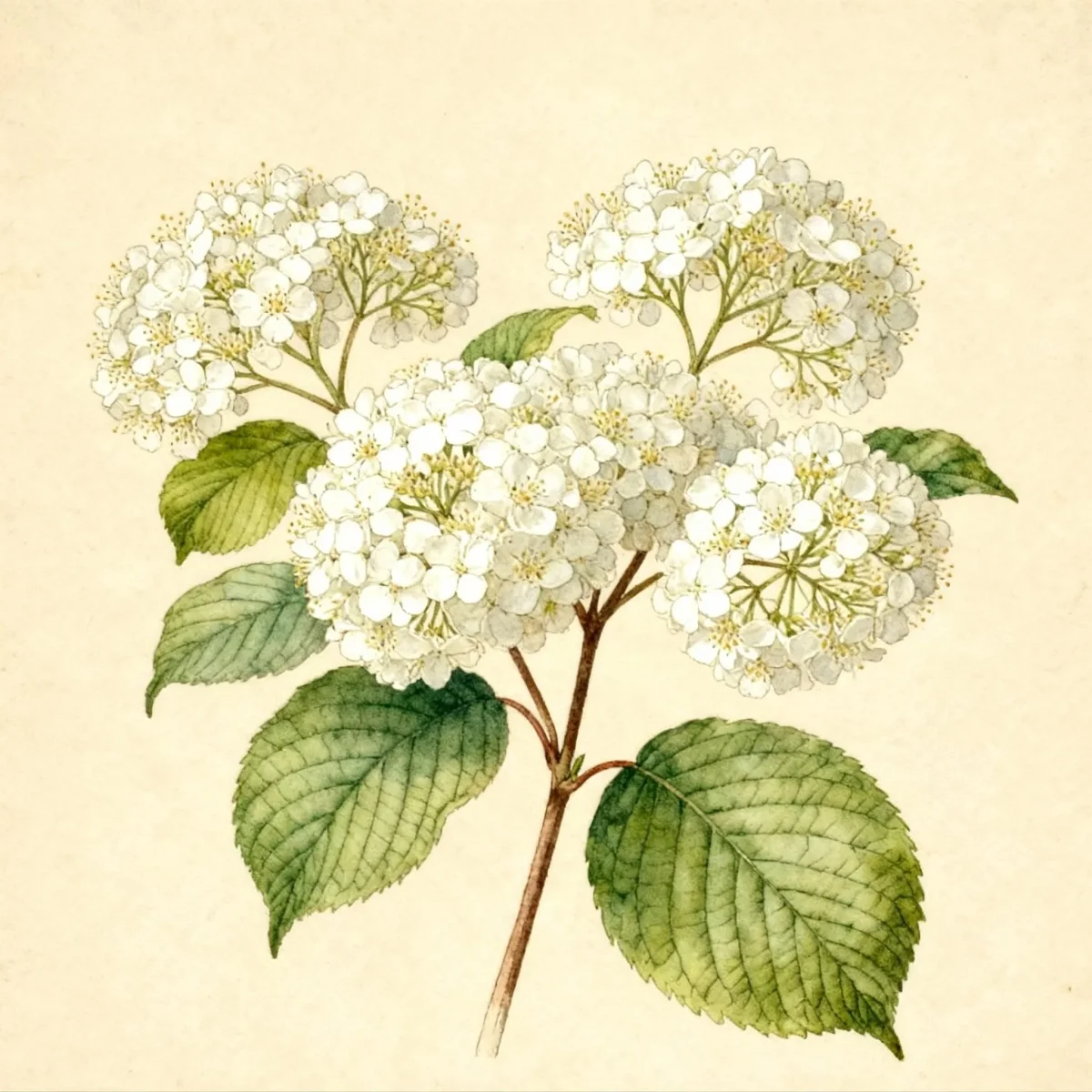
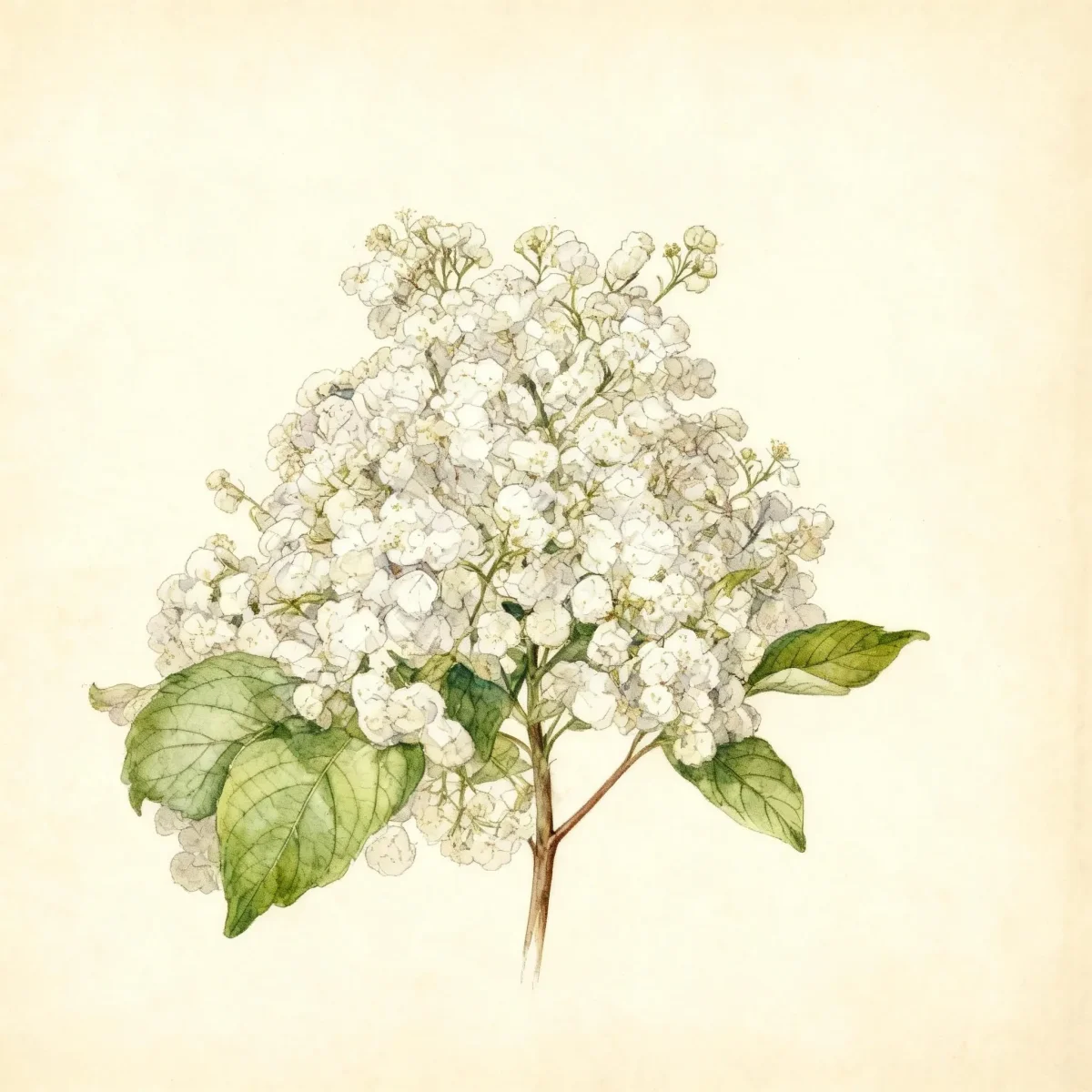
Japanese snowball (Viburnum plicatum)
The Japanese snowball, Viburnum plicatum, is a stunning, low-maintenance deciduous shrub known for its showy white spring blooms and pleated foliage.
Scroll down to discover growing tips, care requirements, companion plants, and more
Complete Plant Information
Overview
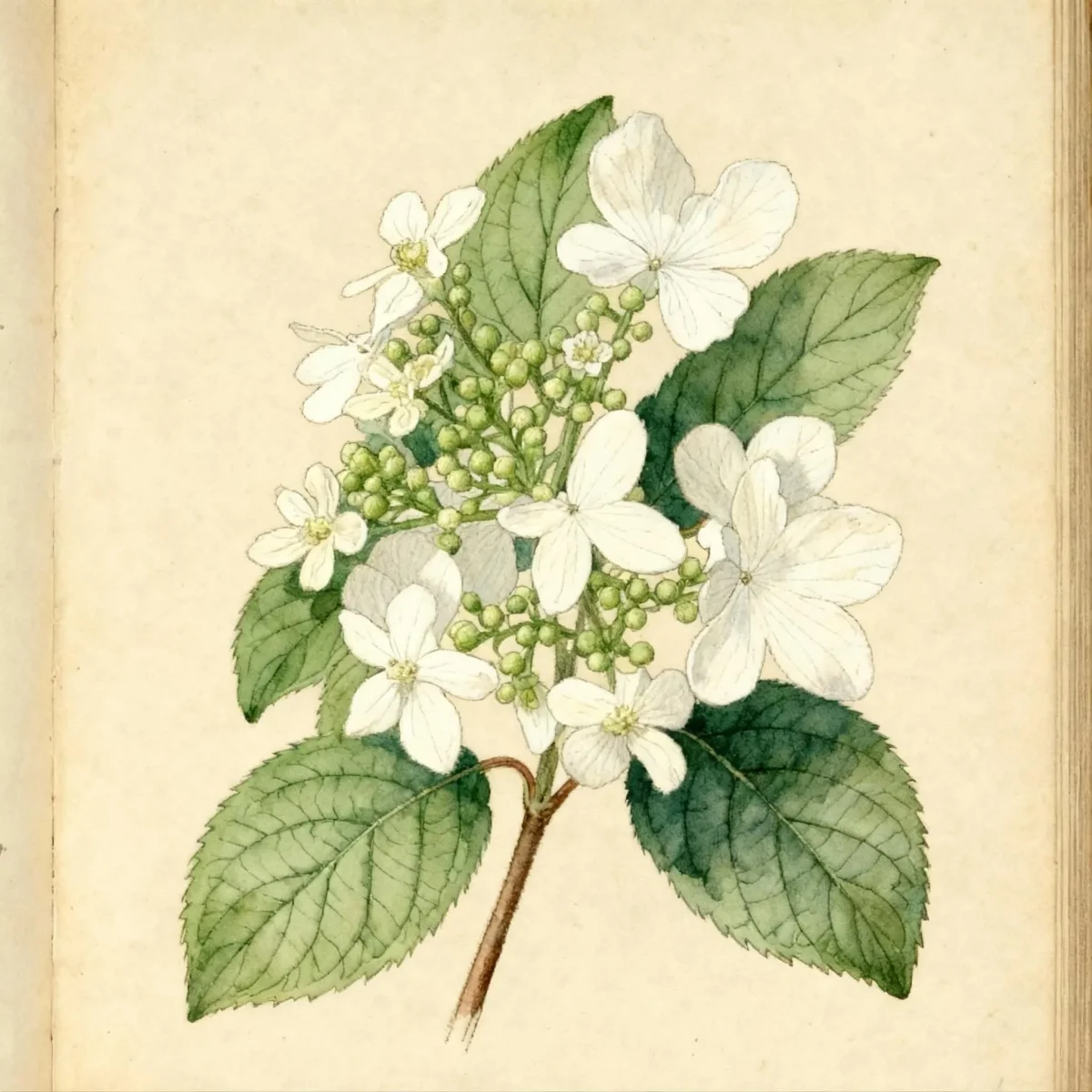
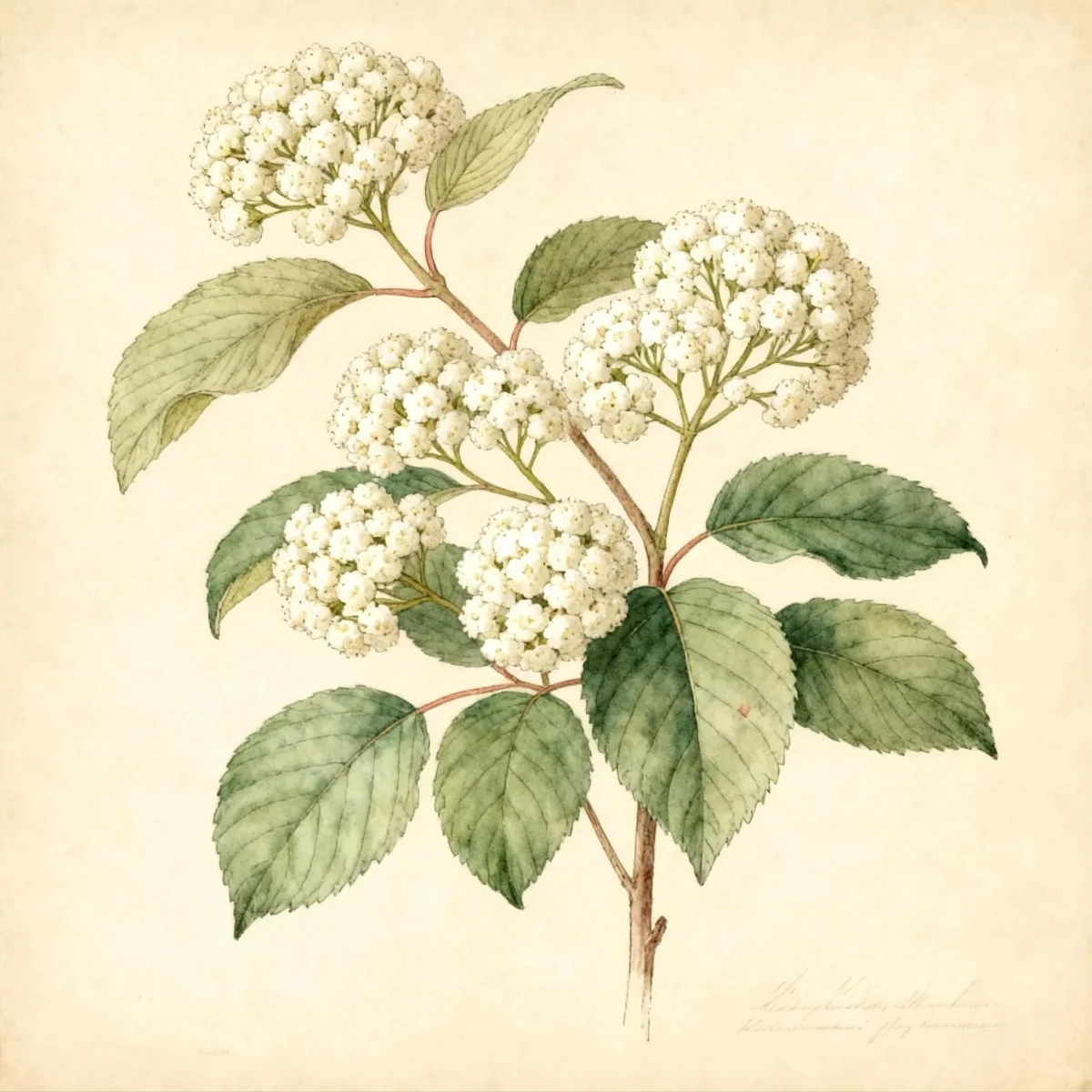
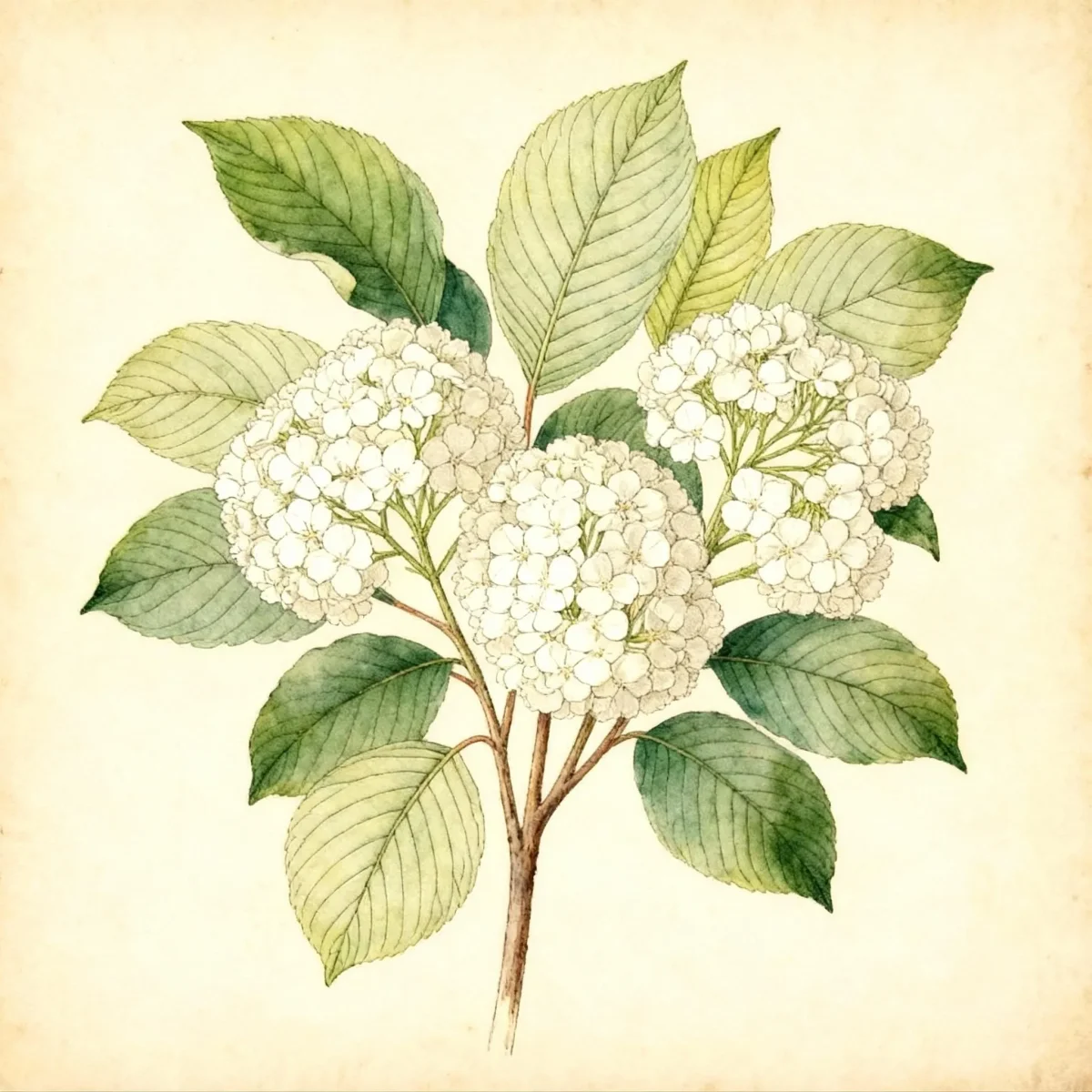
The Japanese snowball, scientifically known as Viburnum plicatum, is highly cherished for its dense, multi-stemmed structure and spectacular spring flowering display. This deciduous shrub brings powerful architectural interest to the landscape, often maturing into a substantial specimen reaching up to 15 feet tall. Its dark green, prominently veined leaves are deeply pleated, providing excellent texture that often transforms into handsome burgundy or purplish red tones in autumn.
Gardeners appreciate Viburnum plicatum for its adaptable nature and relatively low upkeep. It thrives across USDA Hardiness Zones 5 through 8, fitting well into various garden settings. Whether used as a screen, border accent, or focal point, the reliable blooming of the Japanese snowball provides significant aesthetic impact early in the growing season.
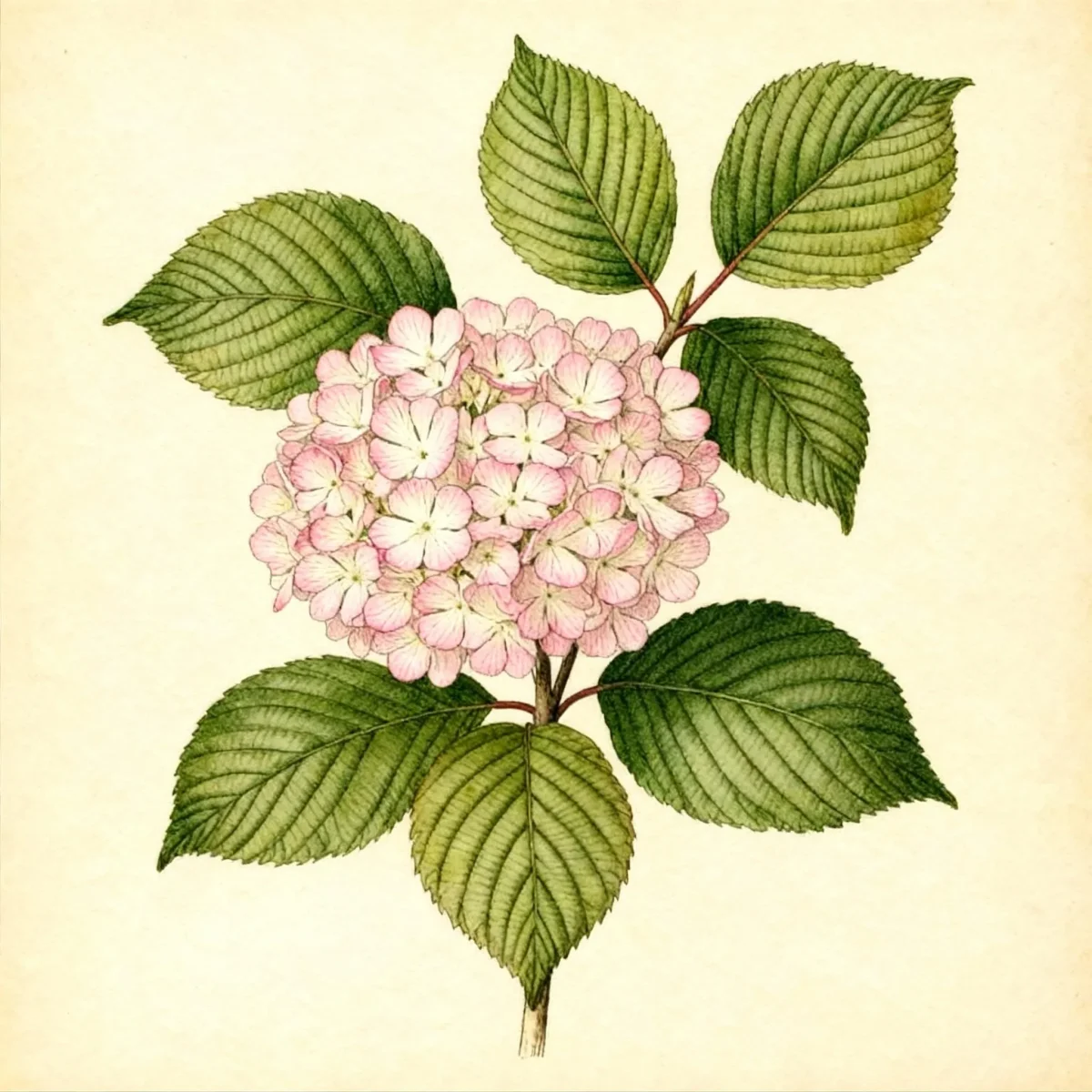
It is important to note that two common forms exist: the sterile “snowball bush” (f. Plicatum) and the fertile “doublefile viburnum” (f. Tomentosum), which exhibits tiered branching and viable fruit. Both versions offer superb ornamental value, establishing the Viburnum plicatum as a backbone plant in temperate landscapes.
Fast Facts
- Plant Family: Adoxaceae
- Plant Type: Deciduous shrub
- Native Range: Japan, China
- Hardiness Zones: USDA Zones 5-8
- Size at Maturity:
- Height: 8-15 ft
- Spread: 10-18 ft
- Bloom Time: April to May
- Bloom Description: White
- Sun Exposure: Full sun to part shade
- Water Needs: Medium
- Maintenance Level: Low
How to Grow
The Viburnum plicatum is remarkably accommodating, making it an excellent choice for novice to experienced gardeners. For best performance, plant this shrub in the spring or fall in a location receiving full sun to moderate afternoon shade. The ideal environment includes average, medium-moisture, well-drained soil, although the Japanese snowball tolerates a wide range of soil types, preferring moist loams.
Watering should be consistent, especially when establishing the plant, as it requires medium moisture levels. Once mature, this species exhibits good drought tolerance, a significant advantage in drier summers. Fertilization is rarely necessary. If pruning is required, it should be performed judiciously and immediately following the spring flowering period to avoid removing next year’s flower buds.
Its low maintenance profile means few cultural issues need correction. Avoid heavy pruning late in the season, which could interfere with flower bud development or late-season growth. Keep mulch applied to maintain consistent soil moisture and regulate root temperatures throughout the year, ensuring the established Viburnum plicatum remains healthy.
Landscape Uses
The substantial size and elegant structure of Viburnum plicatum make it extremely versatile in landscape design. Since it is suited for use as a hedge, it can define property lines or screen undesirable views, especially the taller f. Plicatum forms. Furthermore, its impressive blooms warrant placement where it can serve as a specimen plant, providing a dramatic focal point near entryways or patios.
Consider using the Japanese snowball in mixed shrub borders where its deeply textured foliage can contrast nicely with fine-textured evergreens or broadleaf deciduous plants. Its size allows it to anchor a border against a foundation, though care must be taken to place it far enough from the structure to accommodate its mature spread of 10 to 18 feet. Its seasonal color, from white flowers to burgundy fall foliage, ensures year-round interest.
Standout Features
Flower Qualities
- Showy
Noteworthy Characteristics
Viburnum plicatum is a dense, upright, multi-stemmed, deciduous shrub that typically matures to 8-15’ tall with a slightly larger spread. Ovate, toothed, strongly-veined, dark green leaves (to 4” long) have pleated upper surfaces, turning burgundy red to purplish red in fall. Two different forms are commonly sold: the sterile snowball bush (f. Plicatum) with orbicular, snowball-like flower clusters, and the wild-related doublefile viburnum (f. Tomentosum) featuring flat-topped clusters along tiered horizontal branches. The specific epithet plicatum refers to the pleated or folded appearance caused by the deep leaf veins.
Tolerances
- Drought
Potential Problems
This shrub is praised for having no serious insect or disease problems, contributing significantly to its low-maintenance rating. Gardeners should remain vigilant for common pests like aphids or scale, though infestations are usually minor and manageable with horticultural oil or insecticidal soap if necessary. As long as the soil drains well, root rot is uncommon, making cultural control the easiest path to a healthy plant.
Frequently Asked Questions
What hardiness zones is Japanese snowball suitable for?
The Japanese snowball (Viburnum plicatum) is reliably hardy in USDA Zones 5 through 8, offering flexibility across many temperate garden settings.
How large does Viburnum plicatum grow?
This deciduous shrub typically reaches heights between 8 to 15 feet, with a mature spread generally ranging from 10 to 18 feet wide, depending on the specific cultivar planted.
When does Japanese snowball bloom?
The beautiful white flowers of the Viburnum plicatum generally appear from April to May, making a striking visual impact early in the spring season.
What sun exposure does Viburnum plicatum need?
To achieve the best flowering and healthiest growth, site your Viburnum plicatum where it can receive full sun or light part shade.
Conclusion
The Viburnum plicatum, or Japanese snowball, stands out as a reliable, textured, and high-impact shrub, transforming the garden with its distinctive pleated leaves and dramatic spring flowers. Its low maintenance requirements and good drought tolerance make incorporating this beautiful element into your landscape straightforward. Before planting, always confirm that your site falls within USDA Zones 5-8 to ensure robust, long-term success for your new Japanese snowball.
Companion Planting
Selecting companions that share similar cultural needs—medium moisture, well-drained soil, and sun to part-shade exposure—will enhance the setting for Viburnum plicatum. Consider placing lower-growing perennials or groundcovers around the base to suppress weeds and maintain soil coolness. Plants with fine texture, such as ornamental grasses like Hakonechloa (Japanese Forest Grass) in shadier spots, provide a beautiful contrast to the boldly veined leaves of the viburnum.
For structure, consider pairing the upright form of the Japanese snowball with lower, mounding evergreens that offer evergreen presence during winter when the Viburnum plicatum is dormant. Spring-blooming bulbs like tulips or daffodils can provide an earlier burst of color near the base before the shrub fully leafs out, adding layers of seasonal interest to the planting area.
Design Ideas Using Viburnum plicatum
The stately, often tiered branching habit of the doublefile types (f. Tomentosum) makes them superb choices for near formal plantings or as background elements where their horizontal structure can be appreciated. Use the shrub as an informal screen along property lines where a solid, flowery barrier is preferred over a tightly sheared hedge. The large, showy flower clusters of the sterile snowball form (f. Plicatum) draw the eye, making a single specimen highly effective near a focal point, such as a bird bath or bench.
In modern cottage gardens, integrate the Viburnum plicatum with flowering perennials that share its bloom time, such as Peonies or early climbing roses that can soften its bulk. For year-round structure in foundation plantings, place it slightly behind shorter foundation shrubs like boxwood or dwarf conifers, ensuring the viburnum provides the vertical accent and seasonal fireworks.