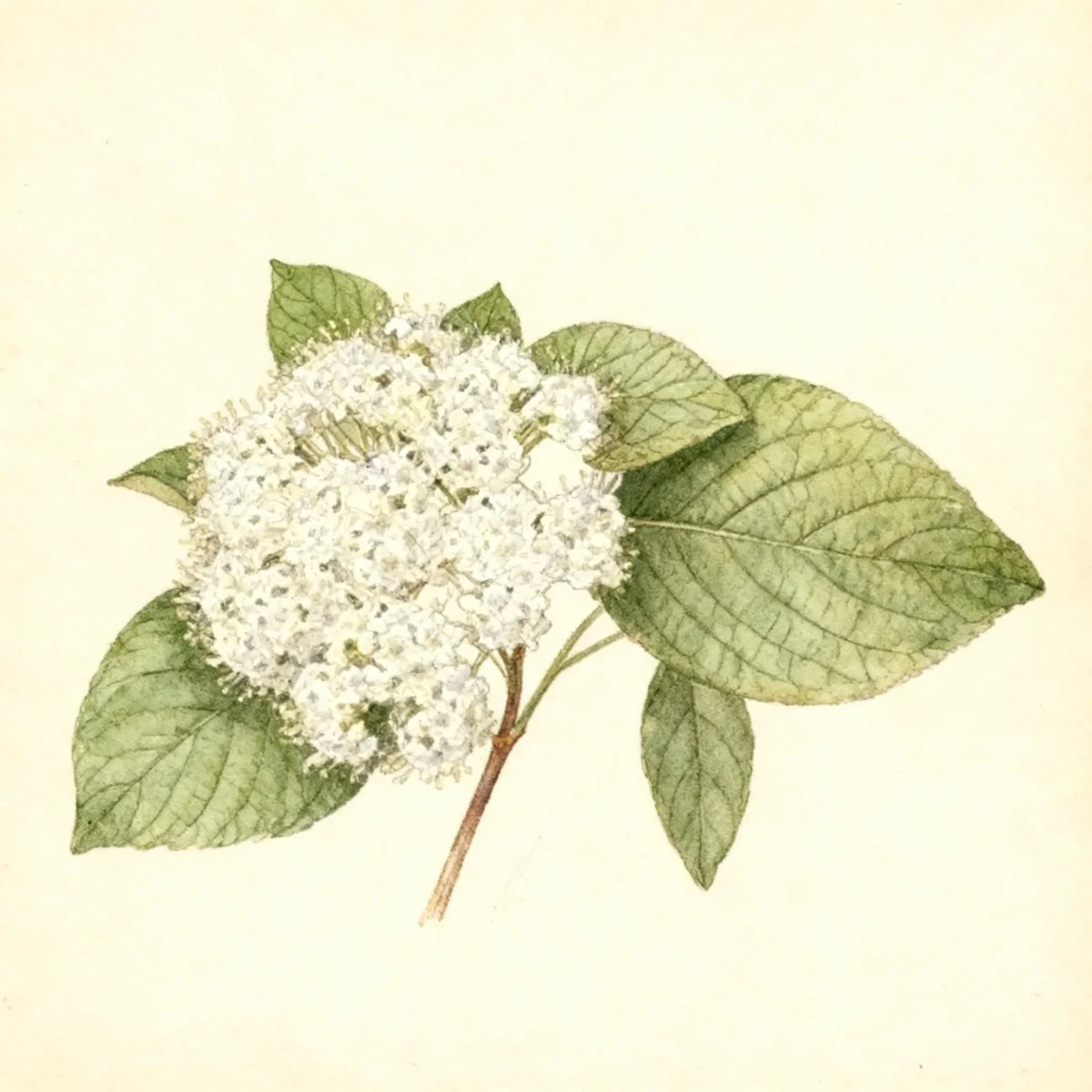
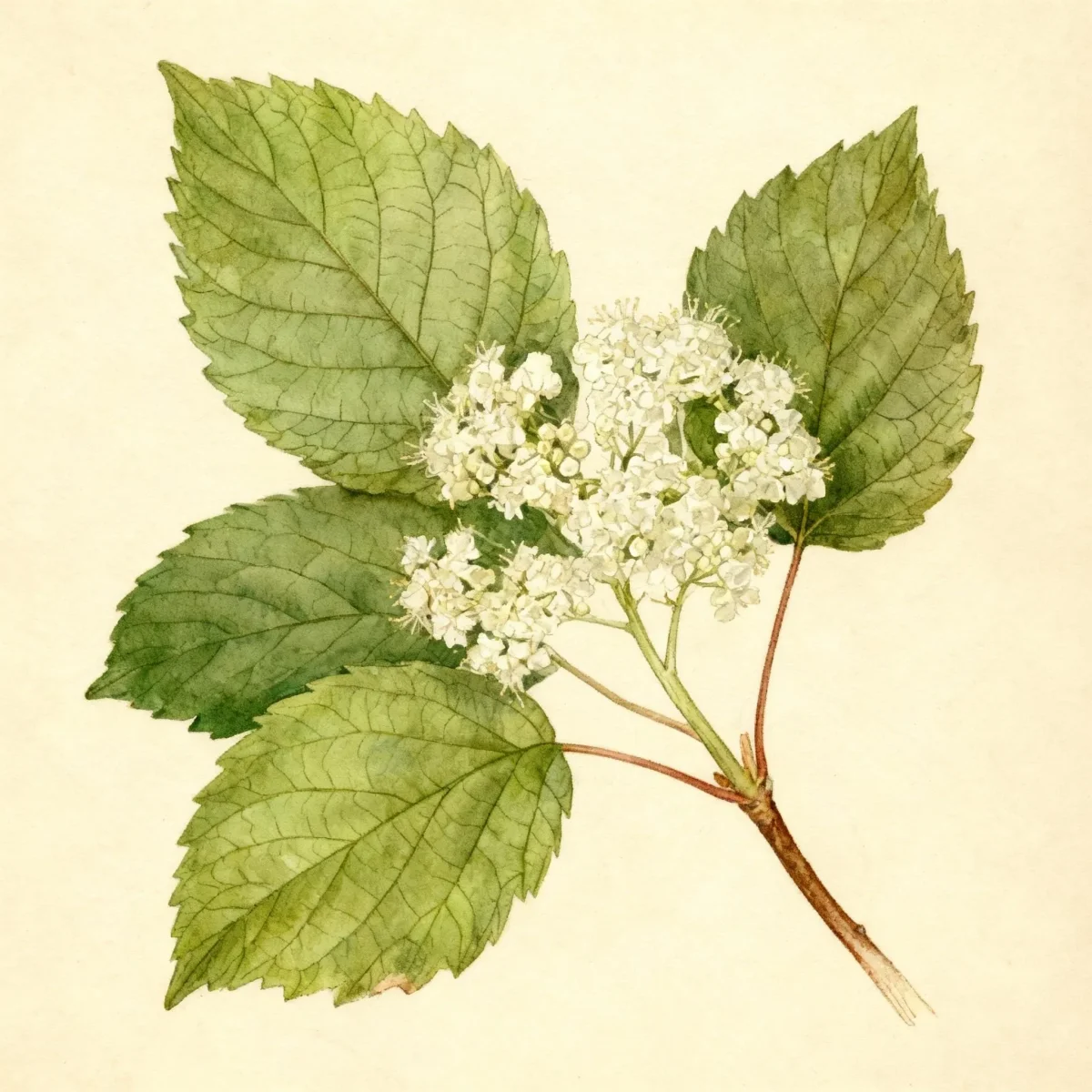
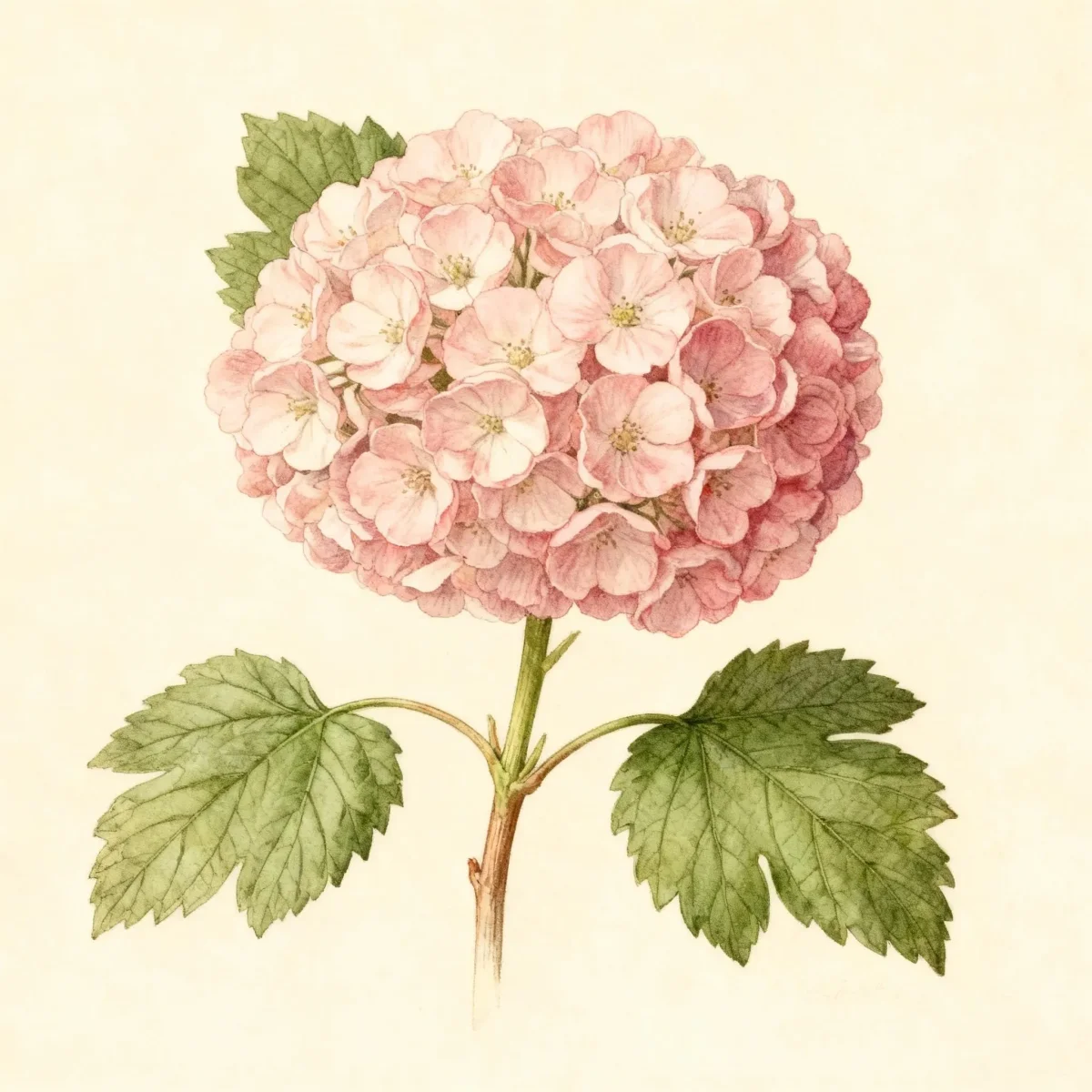
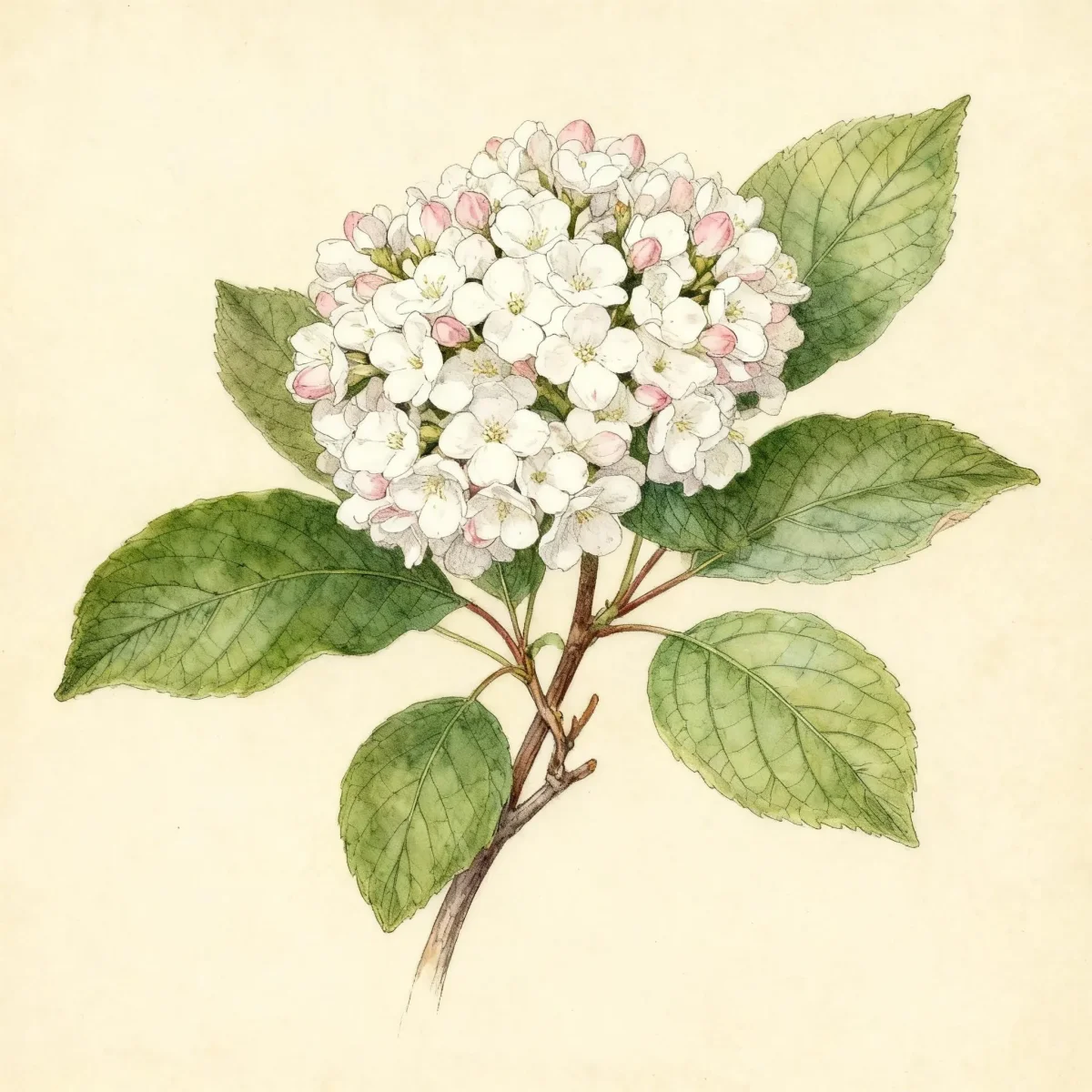
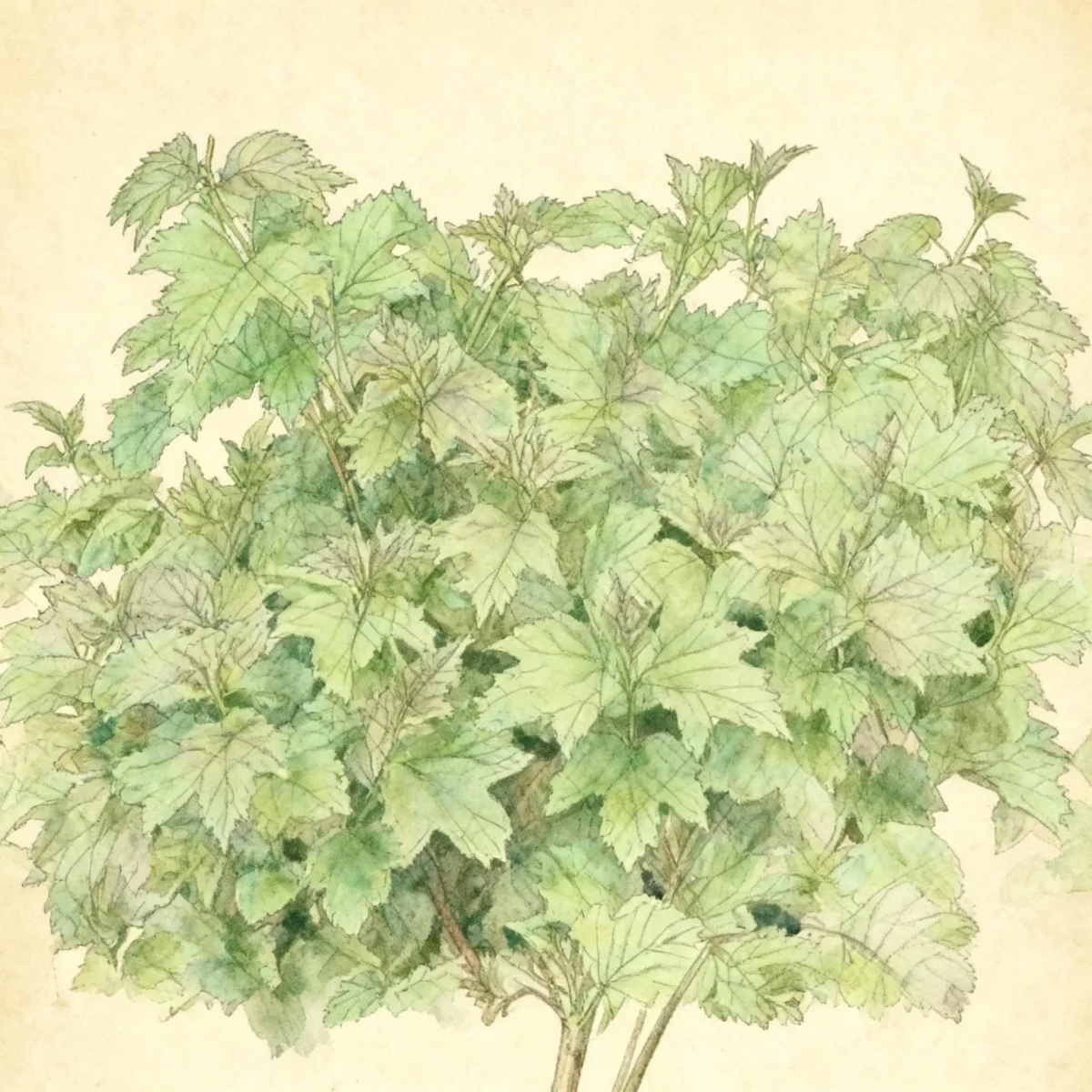
Blackhaw viburnum (Viburnum prunifolium)
Viburnum prunifolium, the Blackhaw viburnum, is a deciduous native shrub offering showy spring flowers and edible autumn fruit. A low-maintenance choice for zones 3-9.
Scroll down to discover growing tips, care requirements, companion plants, and more
Complete Plant Information
Overview
The stately Blackhaw viburnum, Viburnum prunifolium, is a highly rewarding native shrub valued across Eastern and central North America for its adaptability and multi-season interest. Gardeners prize this species for transforming from a backdrop of glossy, dark green foliage in summer to vibrant red and purple hues in the autumn. It typically presents itself as a large, upright, multi-stemmed deciduous shrub.
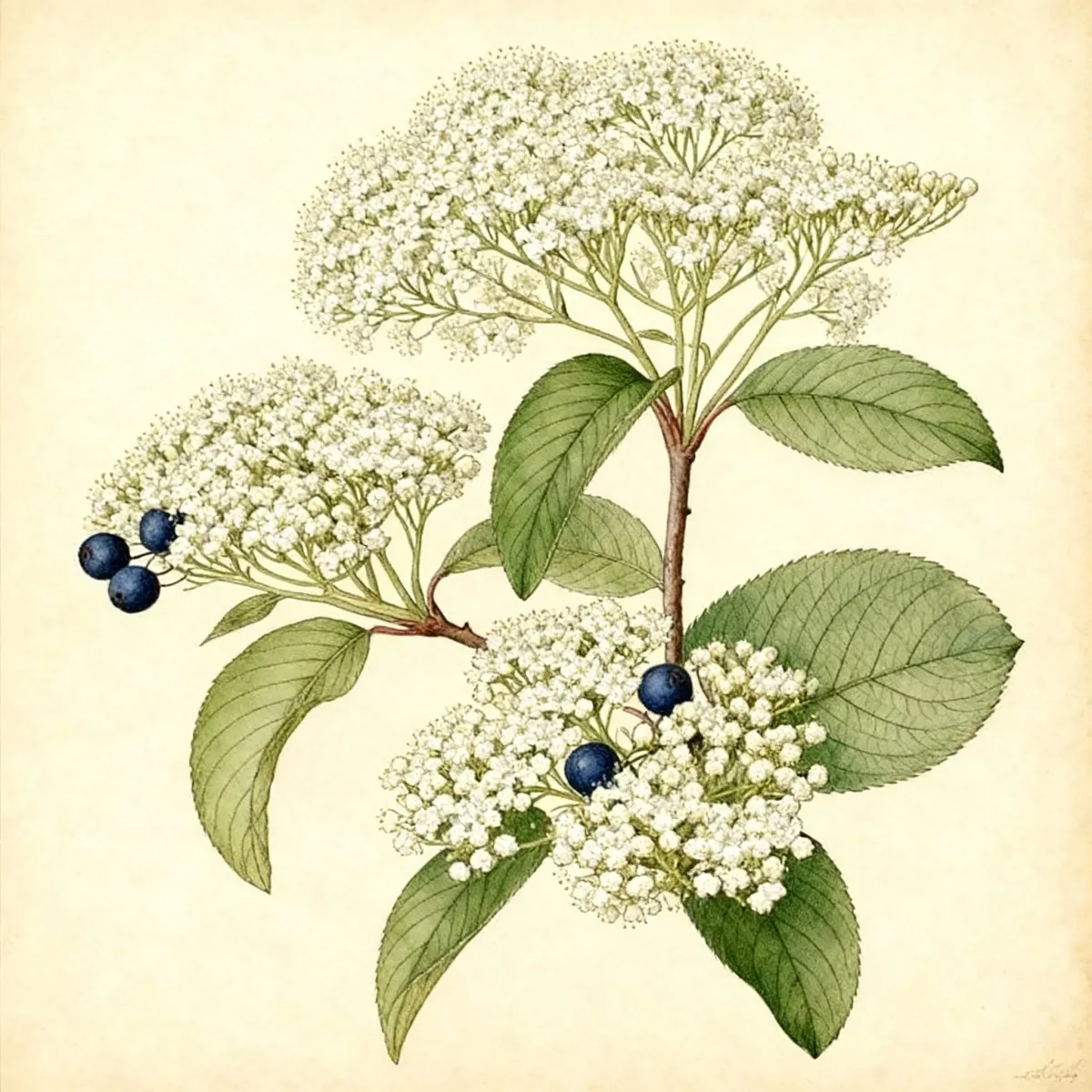
This plant brings significant aesthetic and ecological benefits, featuring showy clusters of white flowers blooming from May into June. Following the bloom, attractive blue-black, berry-like drupes appear, offering visual appeal late into winter and serving as a vital food source for local wildlife. The ease of care associated with Viburnum prunifolium makes it an excellent selection.
While commonly grown as a dense shrub reaching 12 to 15 feet tall, the Blackhaw viburnum can also be trained into a small, single-trunk specimen tree, sometimes reaching 30 feet under ideal conditions. Its reliability in average soils further cements its position as a cornerstone plant in native landscape designs.
Fast Facts
- Plant Family: Adoxaceae
- Plant Type: Deciduous shrub
- Native Range: Eastern and central North America
- Hardiness Zones: USDA Zones 3-9
- Size at Maturity:
- Height: 12-15 ft
- Spread: 6-12 ft
- Bloom Time: May to June
- Bloom Description: White
- Sun Exposure: Full sun to part shade
- Water Needs: Dry to medium
- Maintenance Level: Low
How to Grow
Planting Viburnum prunifolium is best achieved in spring or fall, allowing the roots to establish before extreme summer heat or winter cold sets in. This species thrives in average, dry to medium soil conditions, provided there is good drainage. It adapts well to full sun but will tolerate partial shade, though flowering and fall color may be slightly diminished in shadier sites.
Maintenance for the Blackhaw viburnum is generally minimal, fitting well into low-maintenance garden plans. While it tolerates dry spells once established, consistent watering during the first year is crucial for development. Fertilization is rarely necessary unless the soil is exceptionally poor.
Pruning is the most critical cultural note for this plant. Because flower buds for the following season form during the summer, any necessary shaping or reduction must be performed immediately after it finishes flowering in late spring. Delaying pruning until fall or winter will result in missing the next year’s bloom display.
Landscape Uses
The versatility of the Blackhaw viburnum allows it to fulfill many roles in the landscape. Its natural upright growth makes it an outstanding selection for creating a tall, dense hedge or screen, effectively bordering properties or hiding undesirable views. It also shines when utilized as a substantial shrub border against buildings or property lines where its structure can be appreciated year-round.
For a layered, natural aesthetic, incorporate Viburnum prunifolium into the background of a native planting scheme where its seasonal attributes complement smaller perennials and flowering shrubs. Alternatively, when pruned to a single trunk, it functions beautifully as a small specimen tree, casting dappled shade while showcasing its architectural form.
Consider planting this species near areas where wildlife observation is frequent; the persistent winter fruits are highly attractive to migratory and resident birds. Its tolerance for challenging site conditions also opens up possibilities for its use near hardscape elements or under larger, established trees due to its drought tolerance.
Standout Features
Flower Qualities
- Showy
Fruit Qualities
- Showy
- Edible
Noteworthy Characteristics
Viburnum prunifolium, commonly called black haw, is usually grown as a large, upright, multi-stemmed, deciduous shrub with an irregular crown, but it also may be grown as a small, single trunk tree. Ovate, finely toothed, glossy dark green leaves (to 4” long) turn attractive shades of red and purple in fall. The attractive blue-black, berry-like drupes often persist into winter and are quite attractive to birds and wildlife.
Tolerances
- Drought
- Clay Soil
- Black Walnut
- Air Pollution
Potential Problems
The Blackhaw viburnum is renowned for its robust nature, suffering from no serious insect or disease problems under normal cultivation. This relative freedom from pests simplifies its maintenance considerably. Gardeners rarely need to apply preventative treatments. Should minor issues arise, such as occasional scale insects, they can typically be managed with horticultural oil applied during the dormant season.
Should you notice reduced vitality, first inspect the soil moisture and drainage, as overly wet conditions can cause stress and invite secondary opportunistic issues rather than primary pest infestations. Overall, the reliability of Viburnum prunifolium makes it a low-risk addition to most garden settings.
Frequently Asked Questions
What hardiness zones is Blackhaw viburnum suitable for?
The optimal growing range for the Blackhaw viburnum is USDA Hardiness Zones 3 through 9.
How large does Viburnum prunifolium grow?
As a shrub, Viburnum prunifolium typically reaches heights between 12 to 15 feet tall with a comparable spread of 6 to 12 feet, though it can mature to 30 feet as a small tree.
What sun exposure does Blackhaw viburnum need?
This plant performs best when provided with full sun to partial shade conditions.
When does Viburnum prunifolium bloom?
The Blackhaw viburnum produces its signature white flowers during the late spring, generally from May to June.
Conclusion
The Blackhaw viburnum (Viburnum prunifolium) offers exceptional value through its multi-season appeal, excellent hardiness, and low maintenance requirements. This adaptable native shrub provides beautiful spring blooms and edible, wildlife-supporting fruit into the winter months. Check your regional USDA zone and plan to plant this versatile Viburnum prunifolium during the cooler seasons for the best establishment success.
Wildlife Benefits
The fruit production of Viburnum prunifolium is a significant draw for beneficial fauna in the garden ecosystem. The distinctive blue-black drupes ripen in autumn and often remain on the branches long after leaf drop, providing a critical late-season food source for birds when other options have diminished.
Due to the presence of these persistent fruits, this shrub acts as a natural magnet for local bird populations, enhancing biodiversity in your yard. Furthermore, the dense branching structure, especially when grown as a multi-stemmed shrub, offers excellent cover and nesting opportunities throughout the year.
Companion Planting
Due to its cultural needs—average, dry to medium soil, and tolerance for sun to part shade—the Blackhaw viburnum pairs well with other adaptable native plants. Consider pairing it with fall-interest perennials like Asters (Symphyotrichum spp.) or Goldenrods (Solidago spp.) that thrive in similar moisture regimes.
For structure in the understory, contrast the height of Viburnum prunifolium with low-growing native sedges (Carex spp.) or woodland phlox (Phlox divaricata) if planting in a partially shaded location. These combinations create layers of texture and interest without competing heavily for light or root space.