Rusty blackhaw viburnum (Viburnum rufidulum)
The Rusty blackhaw viburnum, Viburnum rufidulum, offers spring bloom, edible fruit, and brilliant fall color. A low-maintenance, native deciduous shrub.
Scroll down to discover growing tips, care requirements, companion plants, and more
Complete Plant Information
Overview
The Rusty blackhaw viburnum, Viburnum rufidulum, is a handsome, adaptable native shrub or small tree highly valued for its multi-season interest. Distinguished by its glossy, leathery dark green foliage, this plant provides reliable structure in the landscape from spring through fall. Gardeners appreciate this species for its exceptionally low maintenance requirements once established.
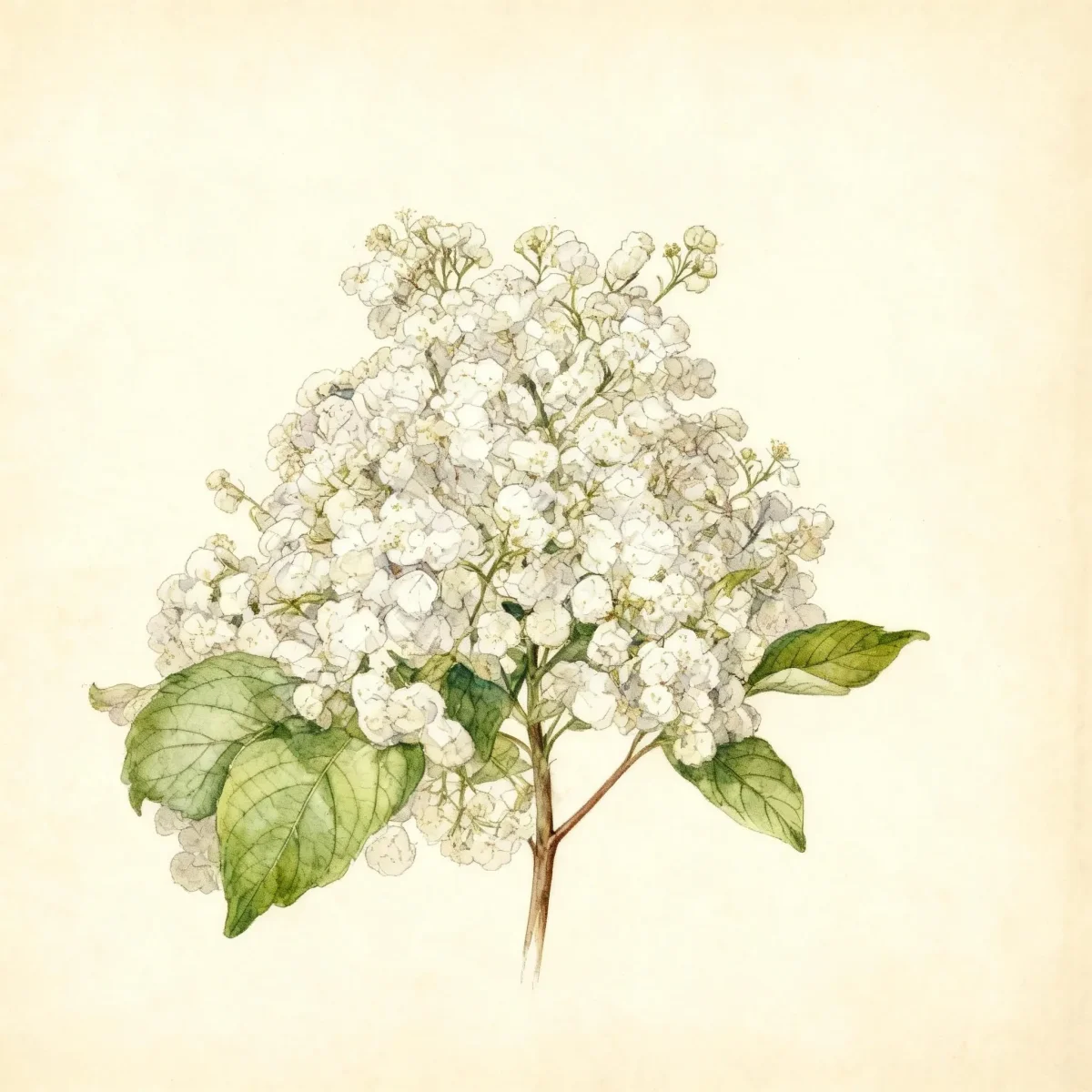
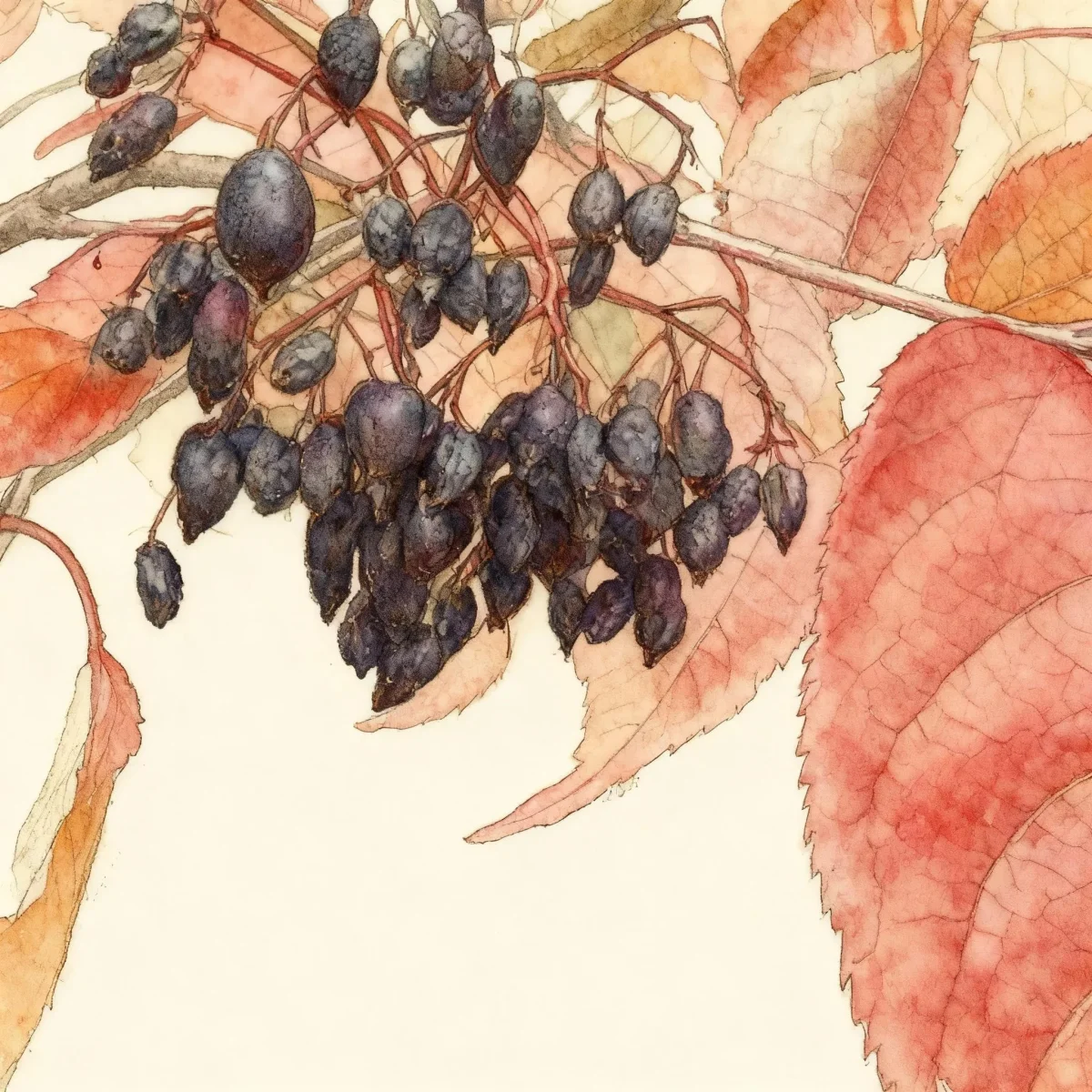
As a native of the Southern United States, the Viburnum rufidulum thrives in challenging conditions, handling dry to medium soils with ease. It produces clusters of tiny white flowers in spring, followed by dark blue, edible fruit that attracts local wildlife. Furthermore, the foliage transitions to attractive reddish-purple tones before dropping for winter dormancy.
For gardeners seeking naturalized screens or attractive shrub borders, the Rusty blackhaw viburnum offers significant ornamental value and ecological contribution. Its ability to develop dense growth in full sun makes it an outstanding screen, while its toughness ensures longevity with minimal input.
Fast Facts
- Plant Family: Adoxaceae
- Plant Type: Deciduous shrub
- Native Range: Southern United States
- Hardiness Zones: USDA Zones 5-9
- Size at Maturity:
- Height: 10-20 ft
- Spread: 10-20 ft
- Bloom Time: April to May
- Bloom Description: White
- Sun Exposure: Full sun to part shade
- Water Needs: Dry to medium
- Maintenance Level: Low
How to Grow
Viburnum rufidulum is remarkably adaptable and easily established. Plant during the dormant season—fall or early spring—in average, well-drained loam soils. This species prefers full sun exposure, which promotes denser growth, although plants in hotter climates may benefit from light afternoon shade, particularly in regions like the St. Louis area. Ensure adequate space, as mature specimens can reach 20 feet in both height and spread.
Once established, the Rusty blackhaw viburnum requires minimal supplemental watering, tolerating dry to medium conditions well. Fertilization is generally unnecessary unless the soil is severely depleted. Pruning should focus primarily on shape correction or removing dead wood. If you wish to encourage abundant fruit production, plant more than one specimen to ensure cross-pollination occurs effectively.
A key cultural consideration for Viburnum rufidulum involves managing its growth habit. This plant readily produces root suckers, which can lead to colonial spread. If you desire a single specimen or need to maintain defined borders, be diligent about promptly removing these root suckers as they emerge. Allow suckering only if naturalization in a larger native area is intended.
Landscape Uses
The rugged beauty and dependable structure of the Rusty blackhaw viburnum make it exceptionally versatile in landscape design. It is highly recommended for creating robust, year-round screens or informal hedges, given its tendency to grow dense, particularly when placed in sunnier locations. This adaptability allows it to function beautifully in traditional structured borders or more informal, naturalized native plantings.
Beyond screens and hedges, Viburnum rufidulum is excellent for defining property lines or providing background texture in mixed borders. Its four-season appeal—spring flowers, summer foliage, attractive fall fruit, and reddish autumn leaves—ensures it remains a focal point. While it can be grown as a specimen tree, remember that heavy fruit display requires adequate pollination from nearby plants.
Consider pairing this species with other tough, drought-tolerant natives that share similar cultural needs in dry to medium soils. Its height (up to 20 ft) also means it can serve as a transition planting between smaller understory shrubs and taller canopy trees in a naturalistic setting.
Standout Features
Flower Qualities
- Showy
Fruit Qualities
- Showy
- Edible
Noteworthy Characteristics
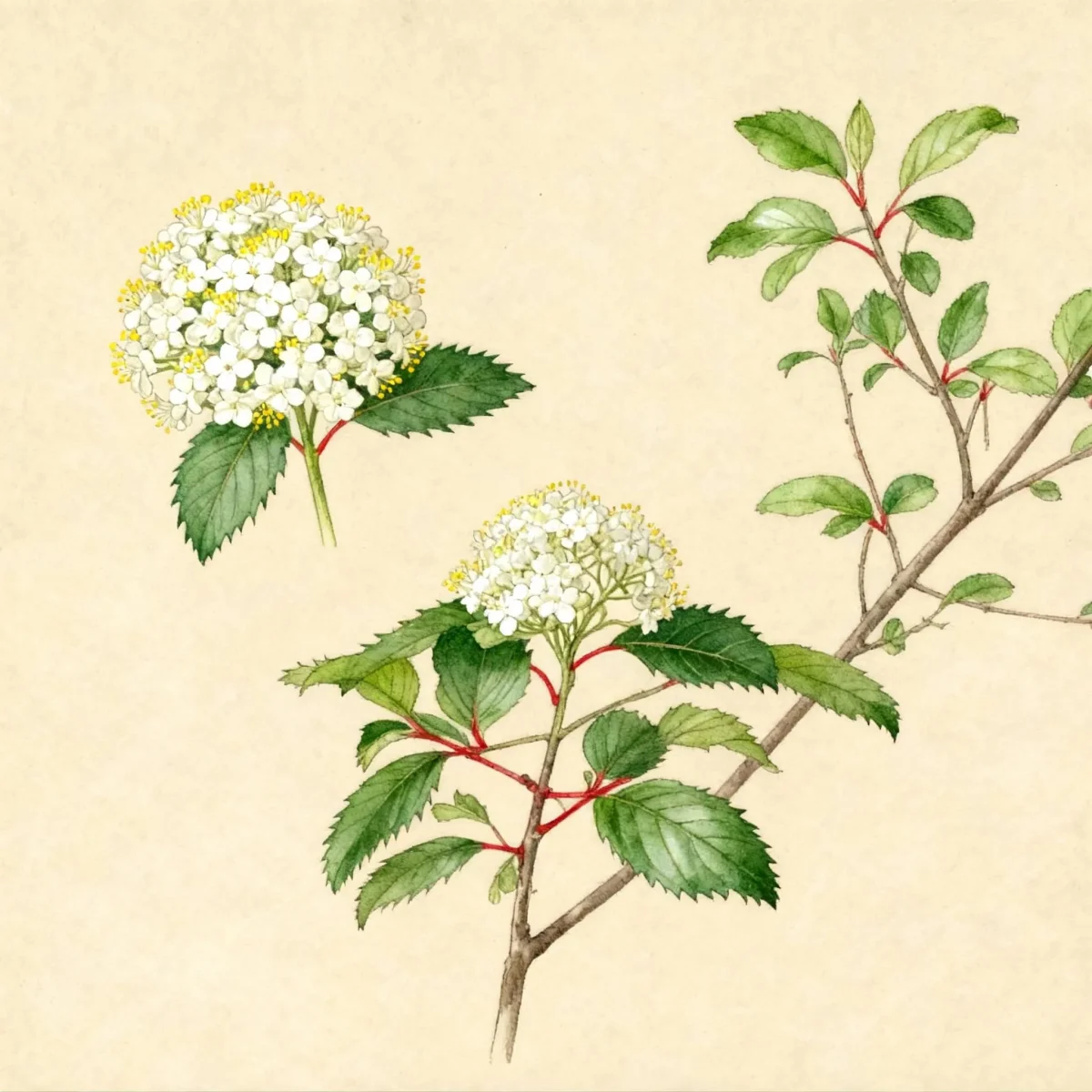
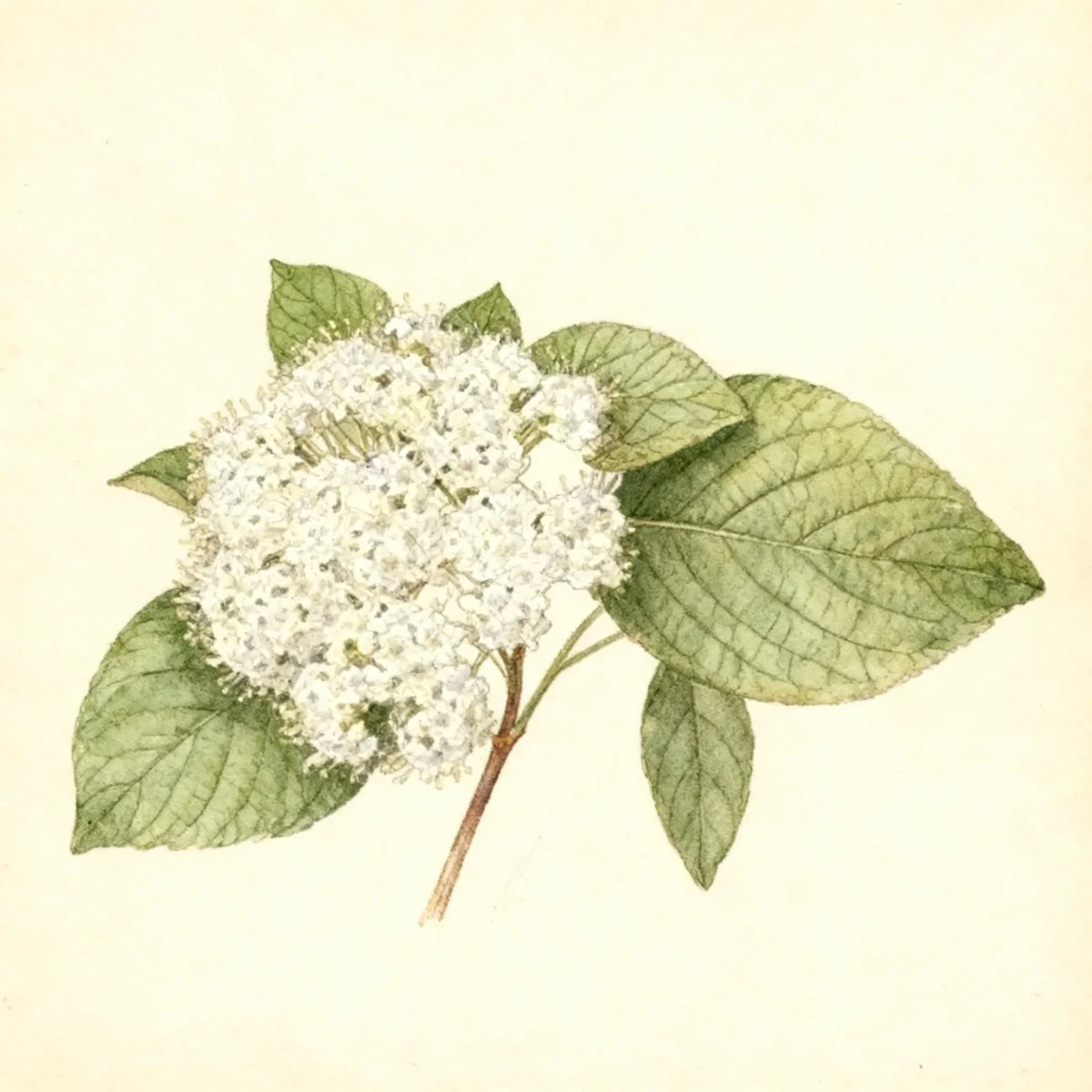
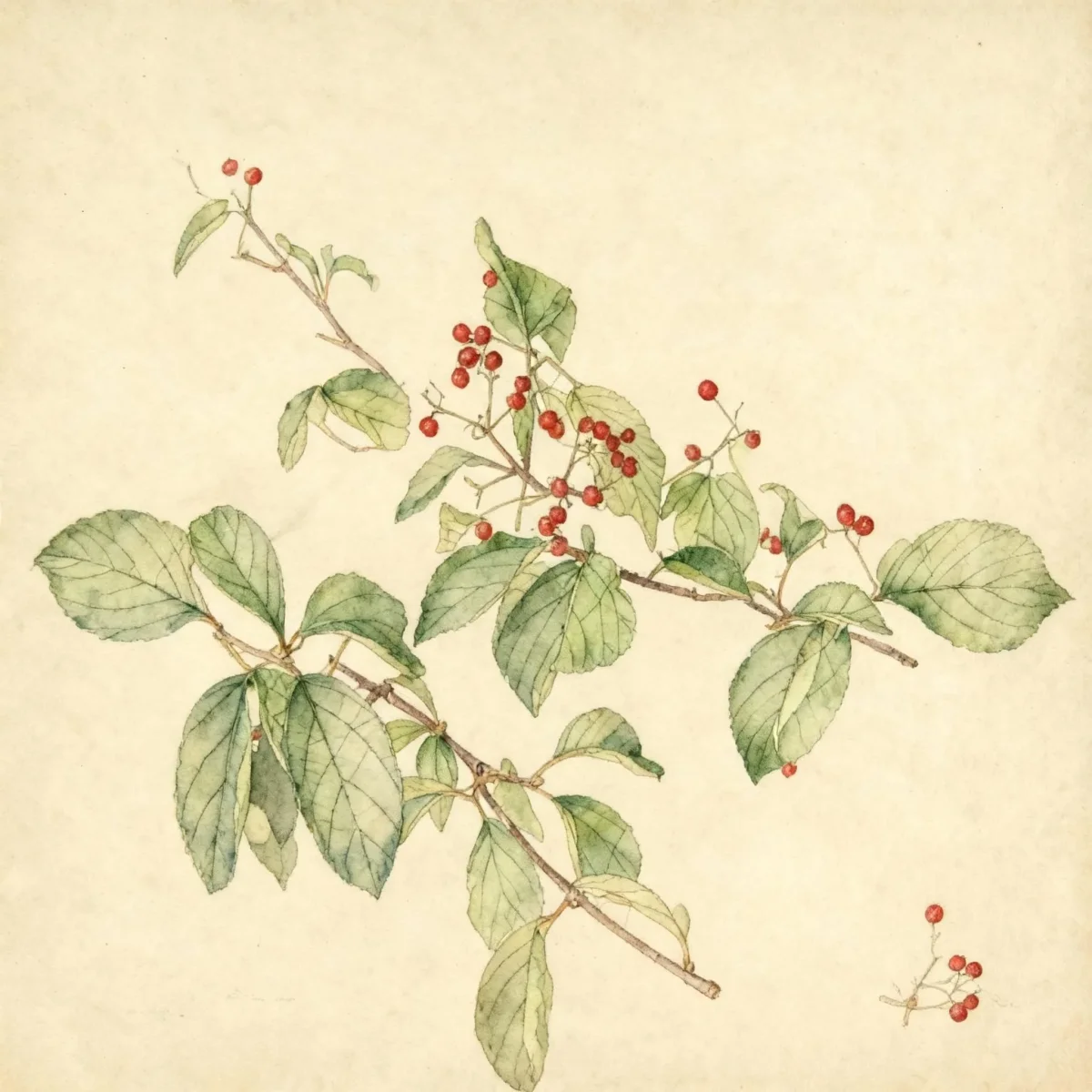
Viburnum rufidulum, commonly called southern black haw, rusty black haw or rusty nannyberry, is a deciduous, suckering shrub or small tree that typically grows 10-20’ tall. It is native from Virginia to Florida west to Kansas and Texas, including Missouri where it typically occurs in rocky or dry woods, valleys, rocky glades, thickets and along streams mostly south of the Missouri River (Steyermark). Glossy, leathery, ovate to obovate leaves (to 4” long) are dark green. Leaf undersides, buds and young stems are covered with rusty brown hairs. Tiny white flowers in showy rounded cymes (to 5” across) bloom in spring. Flowers are followed by clusters of elliptic, edible, dark blue berries (to 3/8” long) that ripen in September-October. Birds are attracted to the fruit. Foliage turns reddish purple in fall. Southern black haw is distinguished from the similar black haw (V. Prunifolium) by its glossy green leaves and rusty brown hairs.
Tolerances
(No data provided for specific tolerances beyond general hardiness and water needs.)
Potential Problems
The Rusty blackhaw viburnum is celebrated for its low susceptibility to major issues. Generally, this plant experiences no serious insect or disease problems, making it an ideal low-maintenance choice for native plantings or mixed borders. Routine monitoring for common pests like aphids is rarely necessary, and the plant exhibits good resistance to foliage spots or blights that affect some other shrubs.
Because maintenance is low, gardeners should focus preventative care on site selection and space. Ensure the chosen location has well-drained soil, as standing water or overly saturated conditions can lead to root stress which might invite secondary fungal issues. Avoid over-fertilization, as excessive vigor can sometimes draw pest pressure to any plant.
Frequently Asked Questions
What hardiness zones is Rusty blackhaw viburnum suitable for?
The Viburnum rufidulum is suitable for USDA Hardiness Zones 5 through 9, offering a wide range of adaptability across the temperate and southern US.
How large does Rusty blackhaw viburnum grow?
This plant typically matures into a shrub or small tree reaching heights and spreads between 10 to 20 feet tall and wide.
What sun exposure does Viburnum rufidulum need?
Viburnum rufidulum performs best in full sun to partial shade conditions. Increased sun generally leads to a denser habit and better flowering/fruiting.
When does Rusty blackhaw viburnum bloom?
The bloom time for Viburnum rufidulum is typically from April to May, featuring clusters of small white flowers.
Conclusion
The Viburnum rufidulum, or Rusty blackhaw viburnum, stands out as a tough, attractive centerpiece for any native or low-water garden design. Its combination of spring bloom, wildlife support via edible berries, and excellent fall color secure its value across all four seasons. Verify that your site falls within USDA Zones 5-9, ensure good drainage, and plan for potential pollination partners to maximize your enjoyment of this resilient native shrub.
Wildlife Benefits
The fruit production of the Rusty blackhaw viburnum is a significant draw for local fauna. The dark blue berries, which ripen in September and October, are highly attractive to many bird species seeking late-season sustenance before migration or winter. Planting multiple shrubs ensures a reliable food source throughout the early fall months.
Beyond the berries, the dense structure of Viburnum rufidulum offers excellent cover and nesting opportunities for small birds and beneficial insects. The flowers, while not strongly scented, attract early-season pollinators seeking nectar when the plant blooms in spring.
Companion Planting
Due to its preference for average, dry to medium, well-drained soils, the Rusty blackhaw viburnum pairs well with other resilient native species accustomed to similar moisture regimes. Consider pairing it with tough woodland edge plants like certain native asters or coneflowers that appreciate sun but tolerate drier spell once established.
For a layered native planting, place shorter, drought-tolerant perennials near the base of the Viburnum rufidulum. This allows the shrubs to provide overhead structure while the shorter plants manage groundcover needs without competing aggressively for surface water. Ensure planting companions share its zone range of 5 to 9 for optimal health.