Siebold viburnum (Viburnum sieboldii)
Viburnum sieboldii is a graceful Japanese native shrub, the Siebold viburnum, valued for its showy, fragrant spring flowers and persistent fruit displays.
Scroll down to discover growing tips, care requirements, companion plants, and more
Complete Plant Information
Overview
The Siebold viburnum, scientifically known as Viburnum sieboldii, offers gardeners an elegant, upright specimen originating from Japan. This deciduous shrub or small tree provides significant seasonal interest, starting with its showy, fragrant white blossoms in spring, followed by vibrant fruit through autumn and winter. Its structure lends itself well to formal settings, although its cultivation requires consistent moisture.
Viburnum sieboldii matures into a substantial plant, typically reaching 15 to 20 feet tall, making it an excellent choice for creating vertical interest or substantial screens. Despite its low maintenance needs once established, this species thrives best where summers are mild, as it is notably sensitive to prolonged heat and drought stress in warmer regions. Gardeners seeking a robust, multi-season performer will find the Siebold viburnum a rewarding addition to the landscape palette.
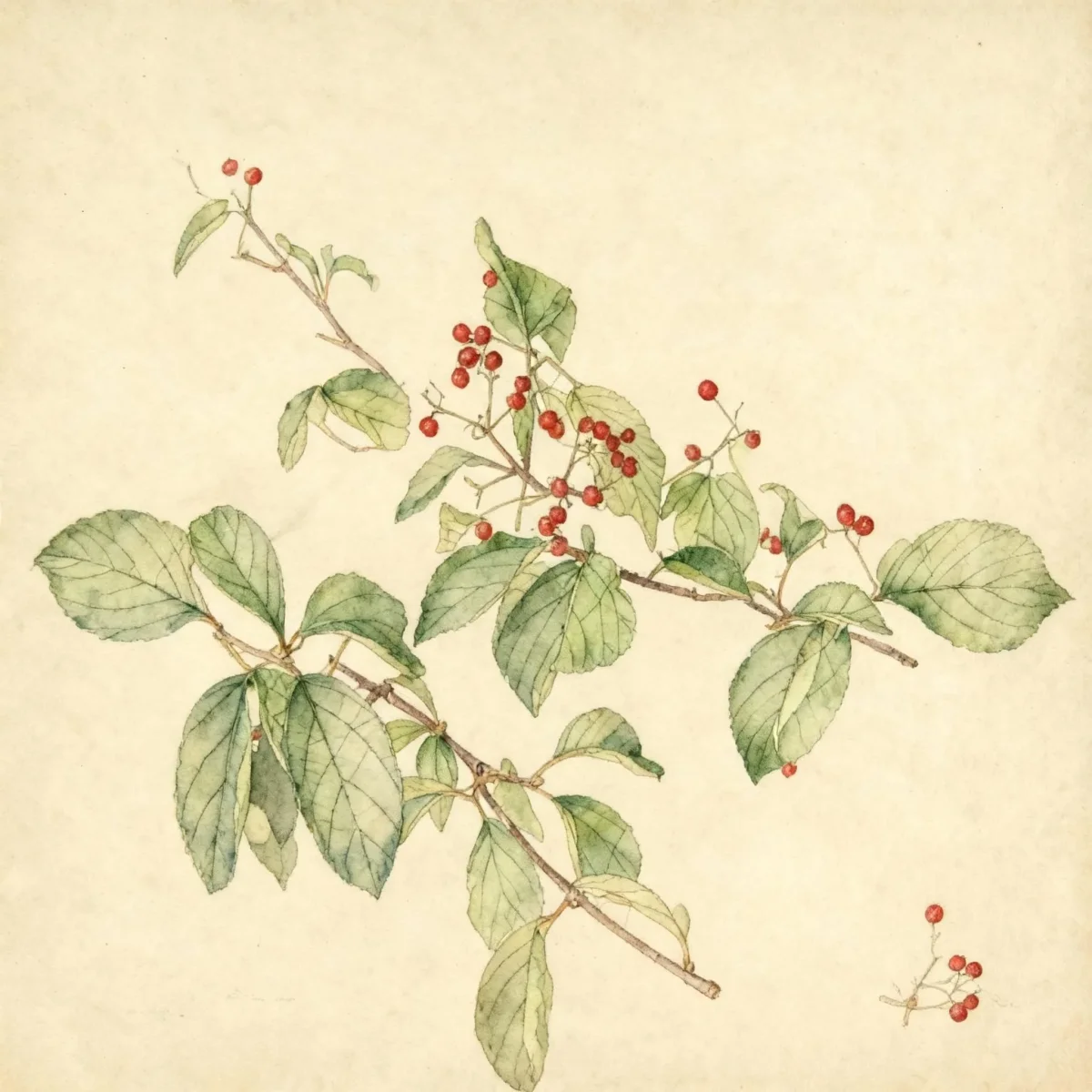
It is crucial for successful cultivation to site the Viburnum sieboldii where its medium water needs can be consistently met, as dryness severely impacts its appearance and vigor. Its layered green foliage provides a rich backdrop for the ephemeral blooms and the eventual transition of its berries from scarlet to black.
Fast Facts
- Plant Family: Adoxaceae
- Plant Type: Deciduous shrub
- Native Range: Japan
- Hardiness Zones: USDA Zones 4-7
- Size at Maturity:
- Height: 15-20 ft
- Spread: 10-15 ft
- Bloom Time: May
- Bloom Description: White
- Sun Exposure: Full sun to part shade
- Water Needs: Medium
- Maintenance Level: Low
How to Grow
The best time to establish your Viburnum sieboldii is during the spring or fall when temperatures encourage root development. Plant it in average, medium-moisture, well-drained soil, though it tolerates a wide variety of soil types. Full sun provides the best density and flowering, although it performs adequately in partial shade.
Consistency is key for water management; Viburnum sieboldii requires consistent and even moisture and must not be allowed to dry out, especially during establishment or hot periods, as this can lead to leaf scorch. Fertilization is generally unnecessary in rich soils. Pruning should be performed conservatively and immediately after the bloom period concludes to avoid removing next year’s flower buds.
Gardeners located in cooler summer climates will achieve the best results with this species. Be aware that the Siebold viburnum is not generally recommended for long-term success south of USDA Zone 7 due to heat stress susceptibility. Ensure adequate space is provided for this shrub to reach its mature 15 to 20-foot height.
Landscape Uses
The size and upright habit of the Siebold viburnum make it highly suitable for structural roles within the landscape. It excels as a transitional element in shrub borders, providing a tall, dense screen when planted in groupings, or acting as a stately specimen plant where its branching structure can be appreciated.
Utilize Viburnum sieboldii effectively for informal hedges, offering more character than tightly sheared alternatives while still providing functional privacy. In mixed borders, pair it with later-blooming shrubs or perennials to extend garden interest after the white spring flowers fade. Its tolerance for various soil conditions (provided moisture is present) allows flexibility in design placement.
For larger properties, mass plantings of Siebold viburnum create a dramatic effect when the showy clusters of fruit mature in the fall, offering critical visual structure well into winter. Ensure companion plants share similar medium water requirements to simplify overall site maintenance.
Standout Features
Flower Qualities
- Showy
- Fragrant
Noteworthy Characteristics
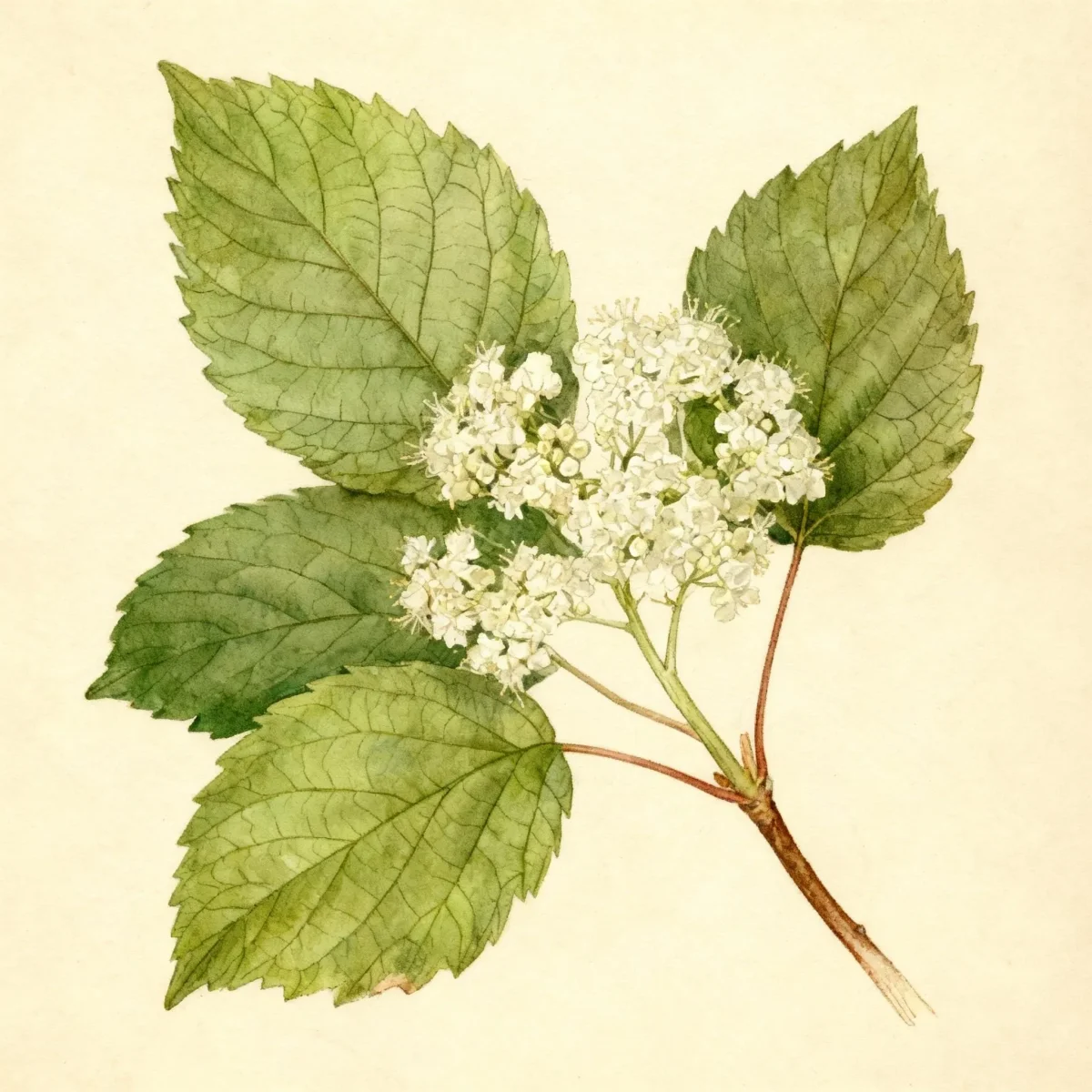
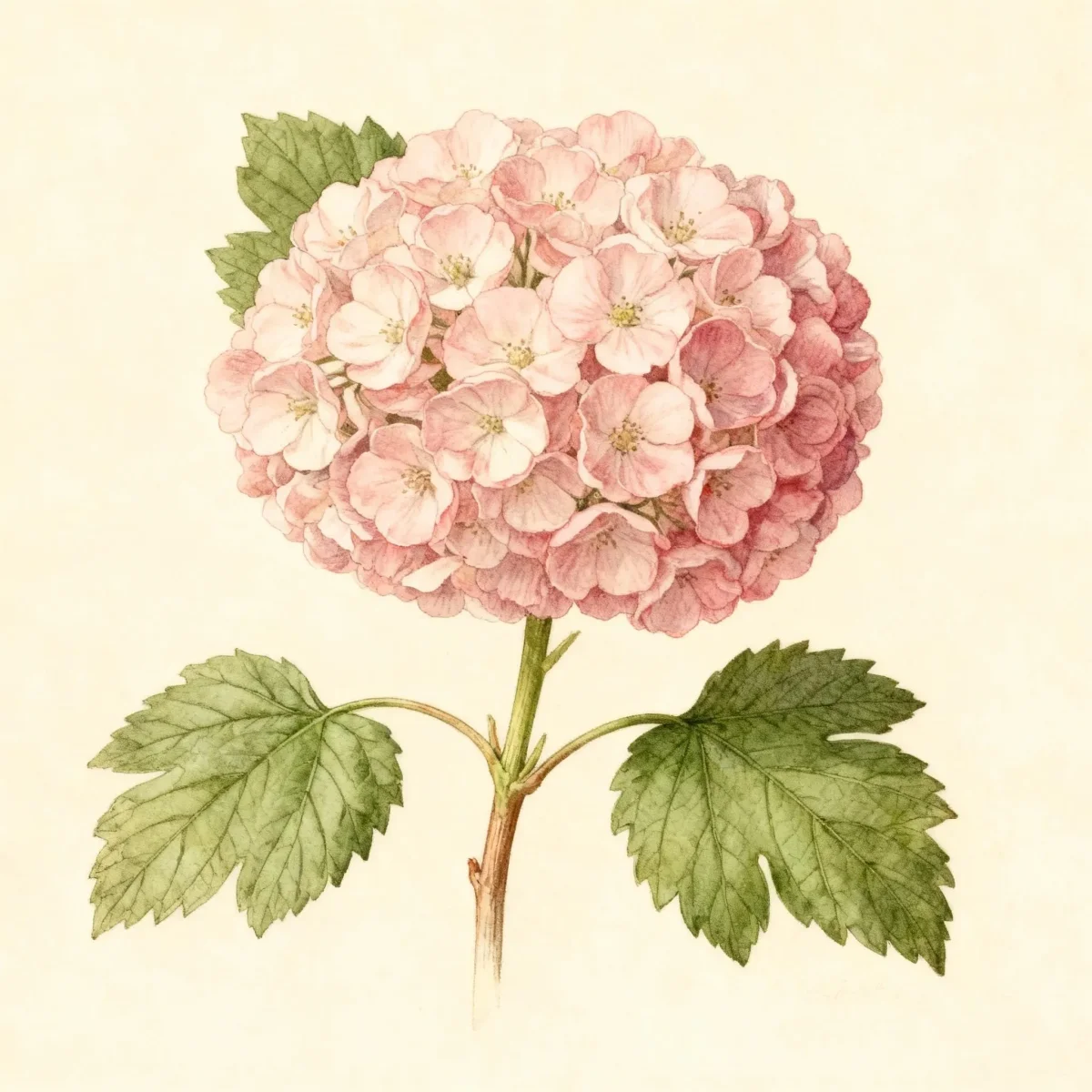
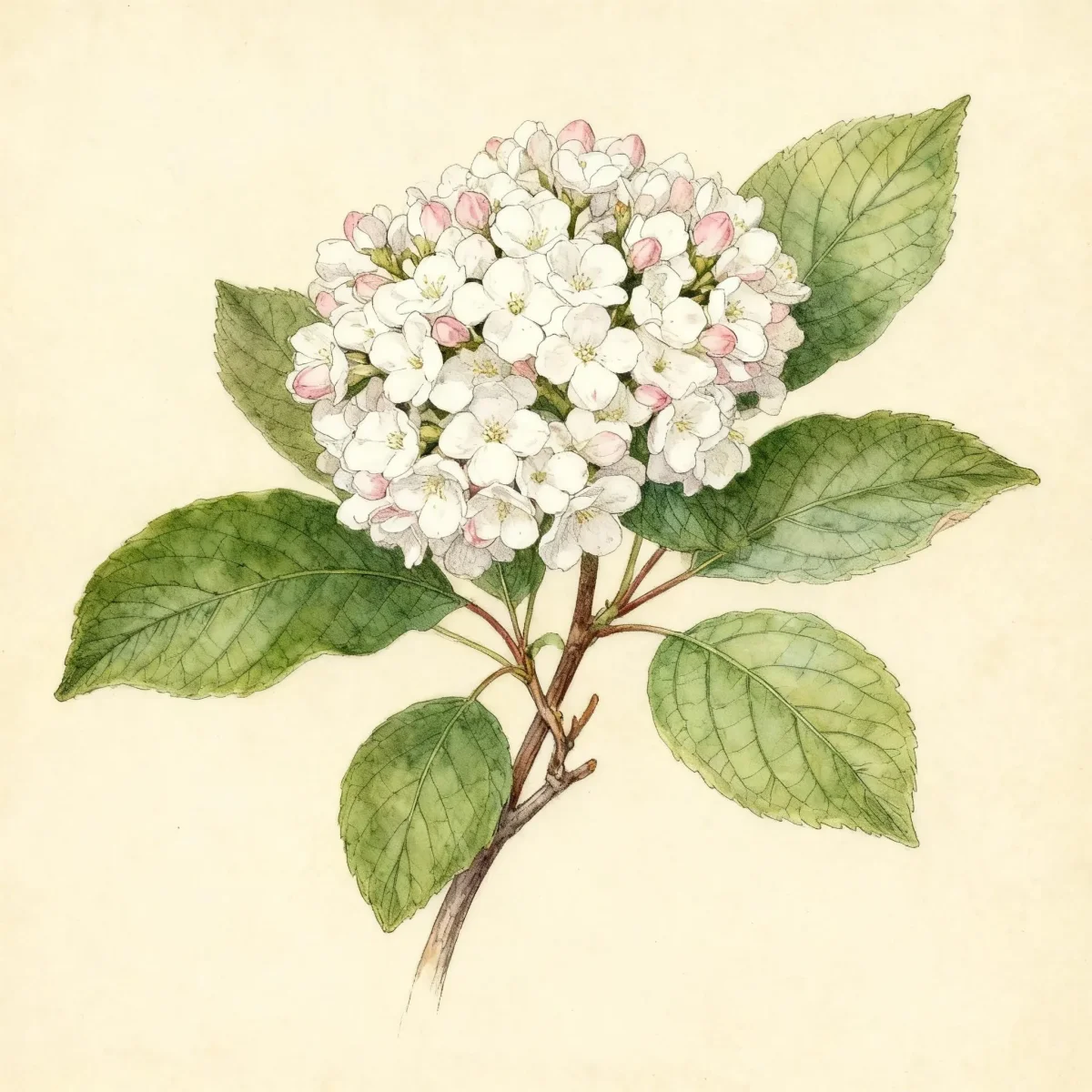
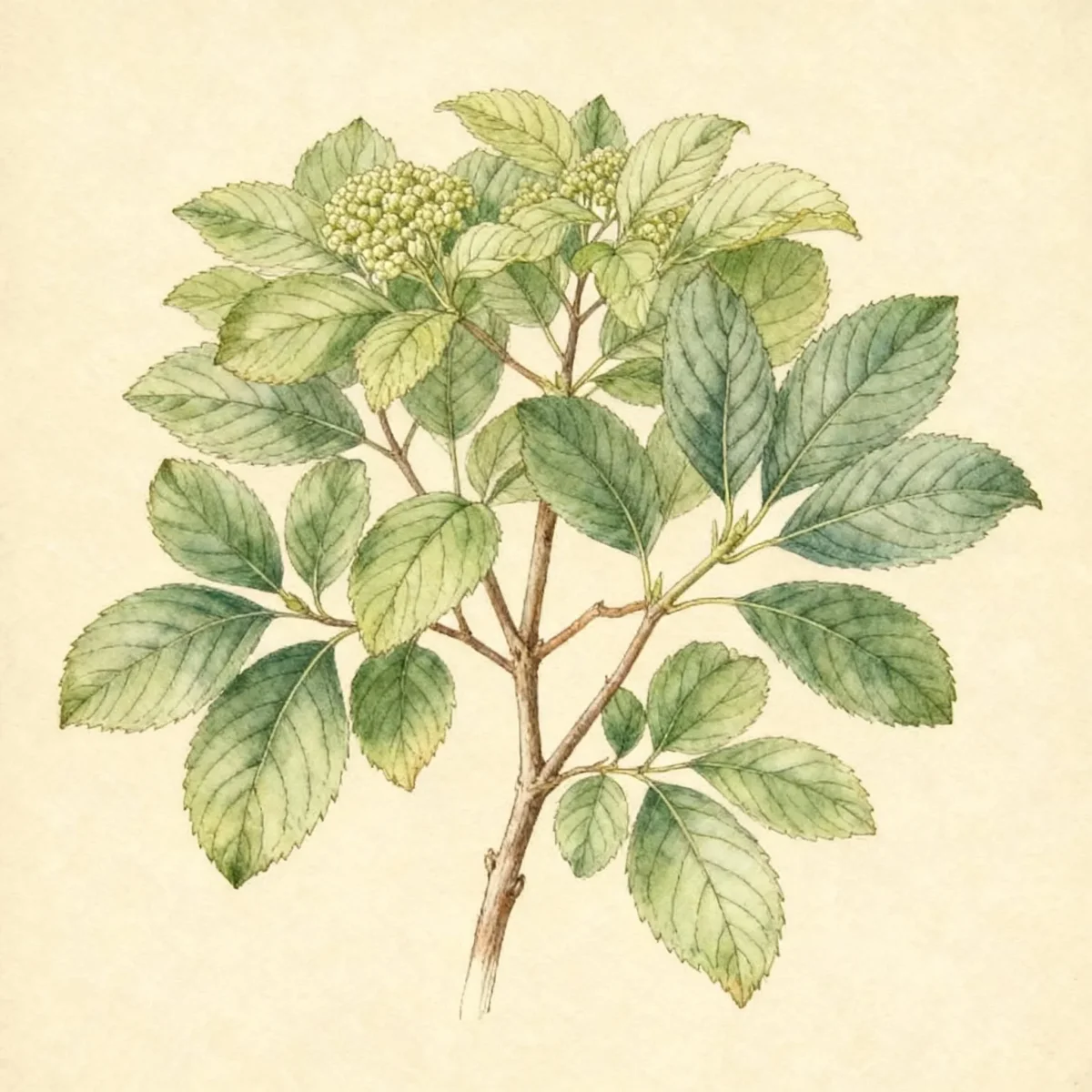
Viburnum sieboldii, commonly called Siebold viburnum, is an upright, rounded, multi-stemmed, deciduous shrub or small tree that typically grows to 15-20’ tall and to 10-15’ wide. It is native to Japan. Opposite, toothed, elliptic to oblong, medium to dark green leaves (to 3” long) usually develop no appreciable fall color. White flowers in flat-topped cymes (to 3-4” across) bloom in mid to late spring, with each cyme containing small sterile flowers edged with larger white fertile flowers.
Potential Problems
Viburnum sieboldii is generally quite resistant to serious insect or disease issues, which contributes to its low maintenance rating. The primary concern for gardeners is managing water, as the plant cannot tolerate dry soils. If the soil is allowed to dry out, leaf scorch is the most likely consequence, appearing as brown, dried leaf edges. Consistent, even moisture application during times of stress will prevent this aesthetic damage.
Frequently Asked Questions
What hardiness zones is Siebold viburnum suitable for?
The Siebold viburnum is best suited for USDA Hardiness Zones 4 through 7.
How large does Viburnum sieboldii grow?
This shrub typically reaches a mature height between 15 and 20 feet, with a spread between 10 and 15 feet wide.
When does Viburnum sieboldii bloom?
Viburnum sieboldii produces its white flowers in May, offering a showy and fragrant display in mid to late spring.
What sun exposure does Siebold viburnum need?
This plant prefers full sun to part shade conditions for optimal growth and flowering.
Conclusion
The Viburnum sieboldii stands out due to its reliable spring bloom and its persistent fruit display, offering excellent structure and low upkeep when sited correctly. If you desire a substantial, attractive screen or specimen tree, the Siebold viburnum is a worthy consideration for landscapes within Zones 4 to 7. Always confirm your soil moisture can remain consistent before planting this Japanese native.
Design Ideas
When integrating this plant into formal designs, consider its upright, rounded habit. The structural integrity of Viburnum sieboldii pairs well with formal evergreen backdrops, such as dark green yews or arborvitae, which provide excellent contrast to its white spring flowers. If using it as a specimen piece, allow ample space around the base, as its 10 to 15-foot spread requires room to develop its characteristic multi-stemmed form naturally.
For areas where the foliage may experience afternoon sun stress, strategic placement near taller deciduous trees can offer that necessary dappled shade, which also helps maintain the critical even moisture the plant desires. The eventual black fruit provides late-season interest, contrasting nicely with late-blooming perennials like asters or hardy mums.
Seasonal Care Calendar
Spring preparation for Viburnum sieboldii involves cleaning up any lingering winter debris around the base and applying a light layer of mulch, ensuring mulch does not touch the crown. This is also the ideal window for any necessary structural pruning, immediately after flowering ceases.
Summer is the maintenance focus for watering; monitor soil moisture weekly, especially during heat waves, and supplement water deeply if the top few inches feel dry to ensure the plant avoids leaf scorch. Avoid heavy fertilization during high summer temperatures.
Fall care is centered on cleanup, specifically of the fallen fruit if desired, though leaving the fruit on the shrub into winter offers visual appeal. Ensure the soil is consistently moist before the ground freezes to prevent winter desiccation, crucial for maintaining the health of any Viburnum sieboldii.