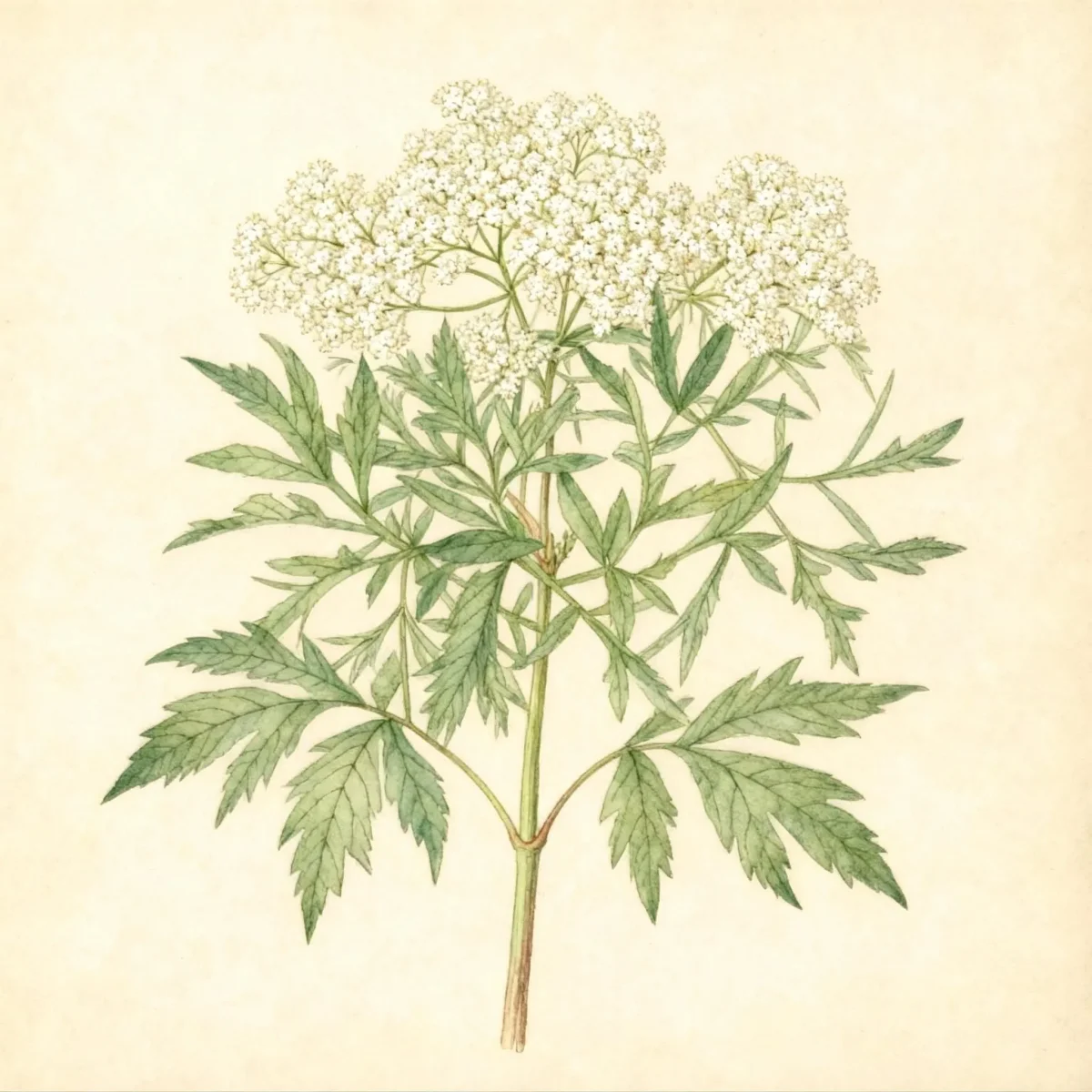
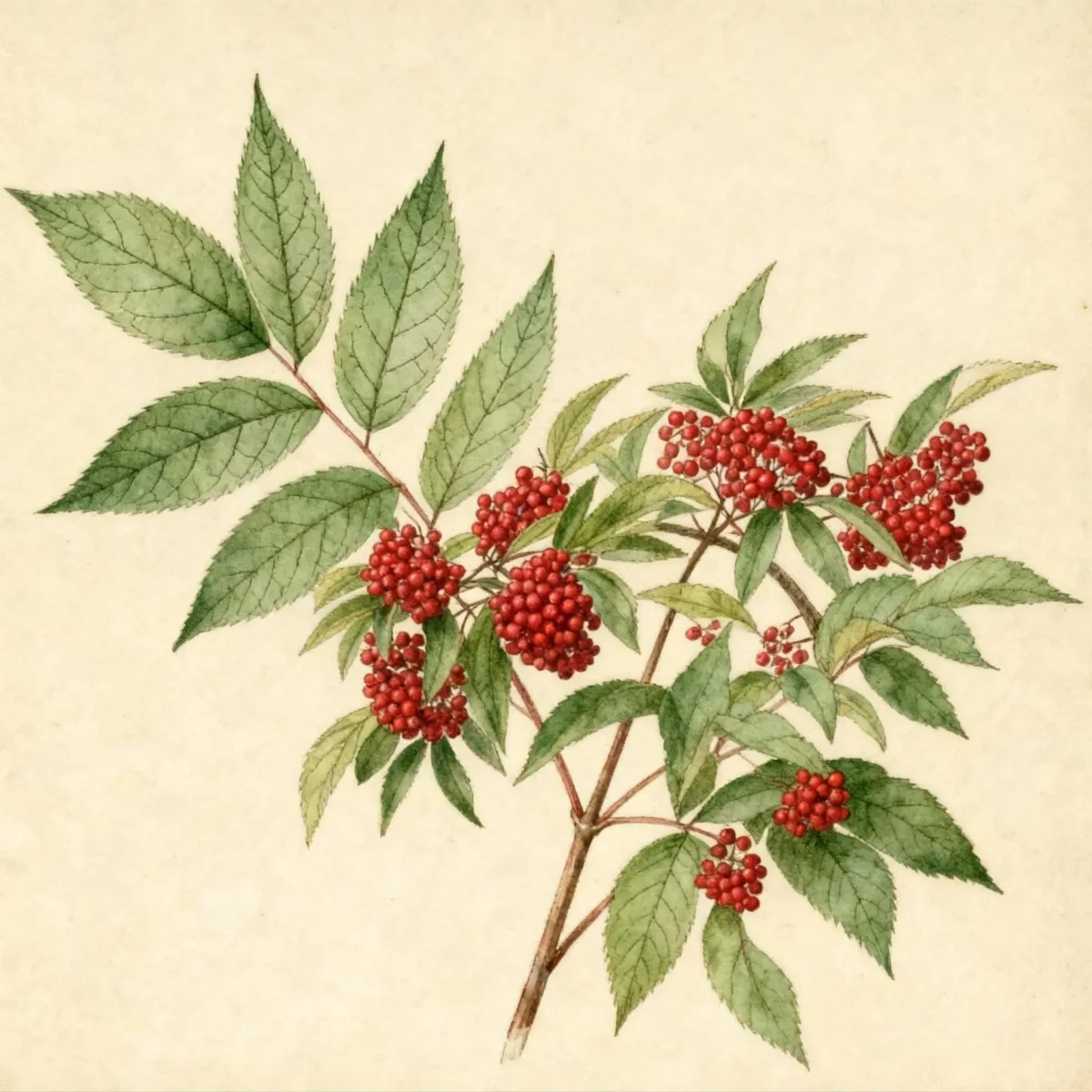
Witherod viburnum (Viburnum cassinoides)
The Witherod viburnum (Viburnum cassinoides) is a versatile, low-maintenance shrub offering creamy spring blooms, great fall color, and edible fruit.
Scroll down to discover growing tips, care requirements, companion plants, and more
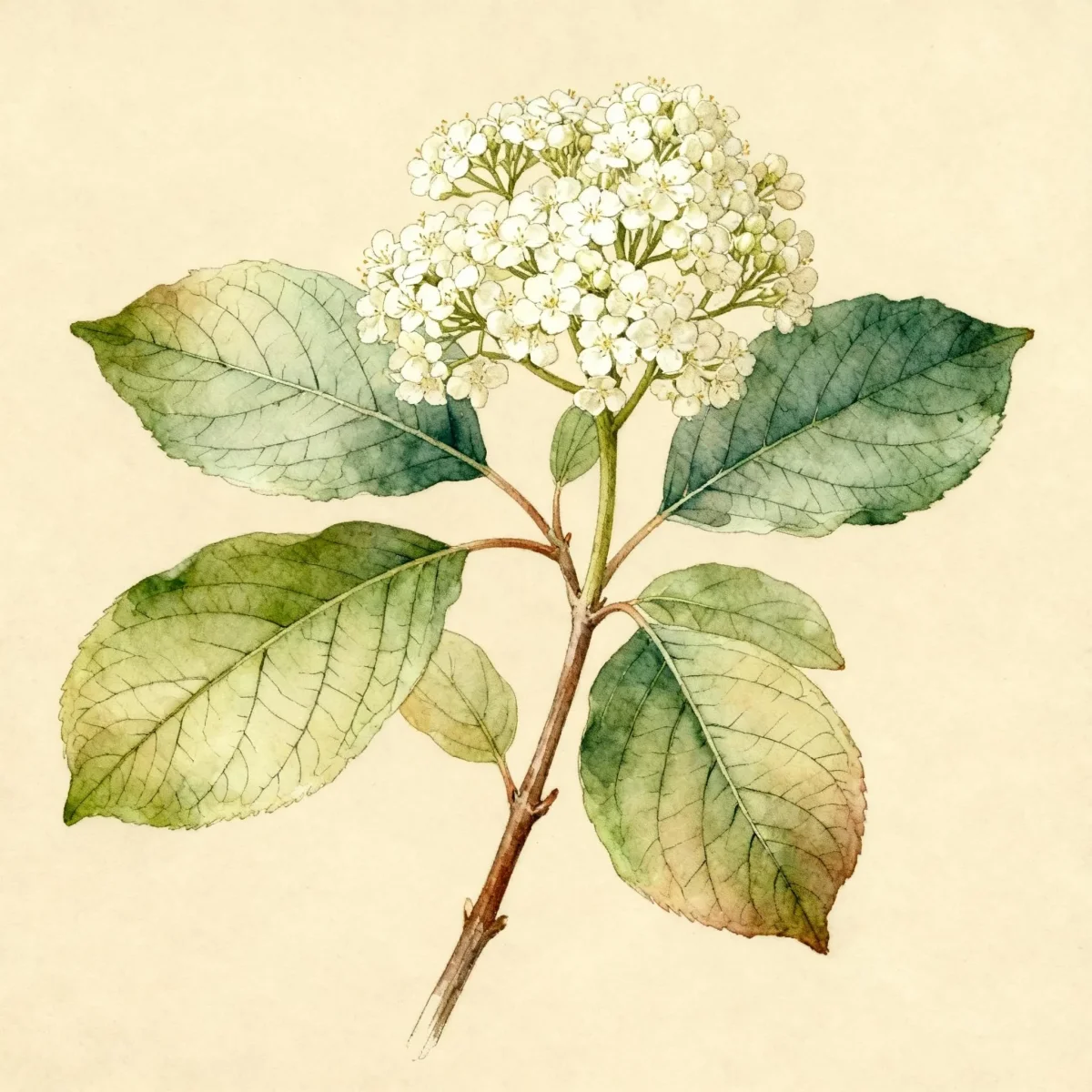
Complete Plant Information
Overview
The Witherod viburnum (Viburnum cassinoides) is an excellent, multi-season landscape staple native to Eastern North America. Gardeners value this dense, multi-stemmed shrub for its adaptability across various moisture conditions and its attractive seasonal progression. From creamy white flowers in late spring to brilliant foliage in autumn, this plant offers continuous visual interest.
Viburnum cassinoides is renowned for its hardiness, thriving in zones 3 through 8. It handles a wide soil spectrum, particularly preferring moist loams but tolerating boggy areas, making it versatile for wet landscapes. This deciduous shrub provides structure, excellent fall color, and fruit display, ensuring it remains a focal point long after its flowers have faded.
Its common name, Witherod viburnum, references the flexible nature of its twigs. Beyond its aesthetic appeal, the fruit is noted as edible, and its structure makes it ideal for informal hedges or naturalized plantings where low maintenance is key. Planting groups of Viburnum cassinoides ensures robust cross-pollination and the best fruit set.
Fast Facts
- Plant Family: Adoxaceae
- Plant Type: Deciduous shrub
- Native Range: Eastern North America
- Hardiness Zones: USDA Zones 3-8
- Size at Maturity:
- Height: 5-12 ft
- Spread: 5-12 ft
- Bloom Time: May to June
- Bloom Description: Creamy white
- Sun Exposure: Full sun to part shade
- Water Needs: Medium to wet
- Maintenance Level: Low
How to Grow
Plant the Witherod viburnum during the fall or early spring to allow it time to establish its root system before summer heat or winter freezes arrive. Viburnum cassinoides is highly adaptable, rooting well in average, medium to wet, well-drained soils. While it performs well in full sun, it tolerates part shade, though flowering and fall color may be slightly reduced in deeper shade.
Maintenance for this robust shrub is generally low. Provide consistent water, especially when young, ensuring the soil remains moist to wet, as it naturally prefers boggy perimeters or low woods. Fertilization is rarely required if the soil is reasonably rich; focus instead on proper placement. Pruning should be kept minimal and addressed in late fall or early spring only if necessary to shape structure or remove damage.
A key cultural consideration for maximizing the handsome fruit display of Viburnum cassinoides is planting in groups. While it can stand alone, planting multiple shrubs encourages better cross-pollination between individuals, leading to a heavier and more colorful harvest of blue-black fruits later in the season.
Landscape Uses
The structure and seasonal interest of Witherod viburnum make it exceptionally useful across various landscape designs. It functions excellently as a substantial, informal hedge due to its dense, upright-spreading habit, readily achieving 5 to 12 feet in height. It also excels when used in mass plantings for screening or in naturalized areas bordering water features.
For specimen planting, the Witherod viburnum provides year-round appeal, highlighted by its striking fruit display nestled among foliage that turns attractive shades of orange-red to red-purple in the fall. Consider placing it near foundations where its height can be appreciated, or use it as an accent plant against evergreen backdrops. Its tolerance for wet soils makes it perfect for water garden peripheries or rain gardens.
Pair this native shrub with other moisture-loving species like ferns, Joe Pye Weed, or other native dogwoods for synergistic effect, especially in shrub borders. Its ability to hold fruit late into winter also provides crucial visual structure and potential food sources when other plants are dormant.
Standout Features
Flower Qualities
- Showy
- Fragrant
Fruit Qualities
- Showy
- Edible
Noteworthy Characteristics
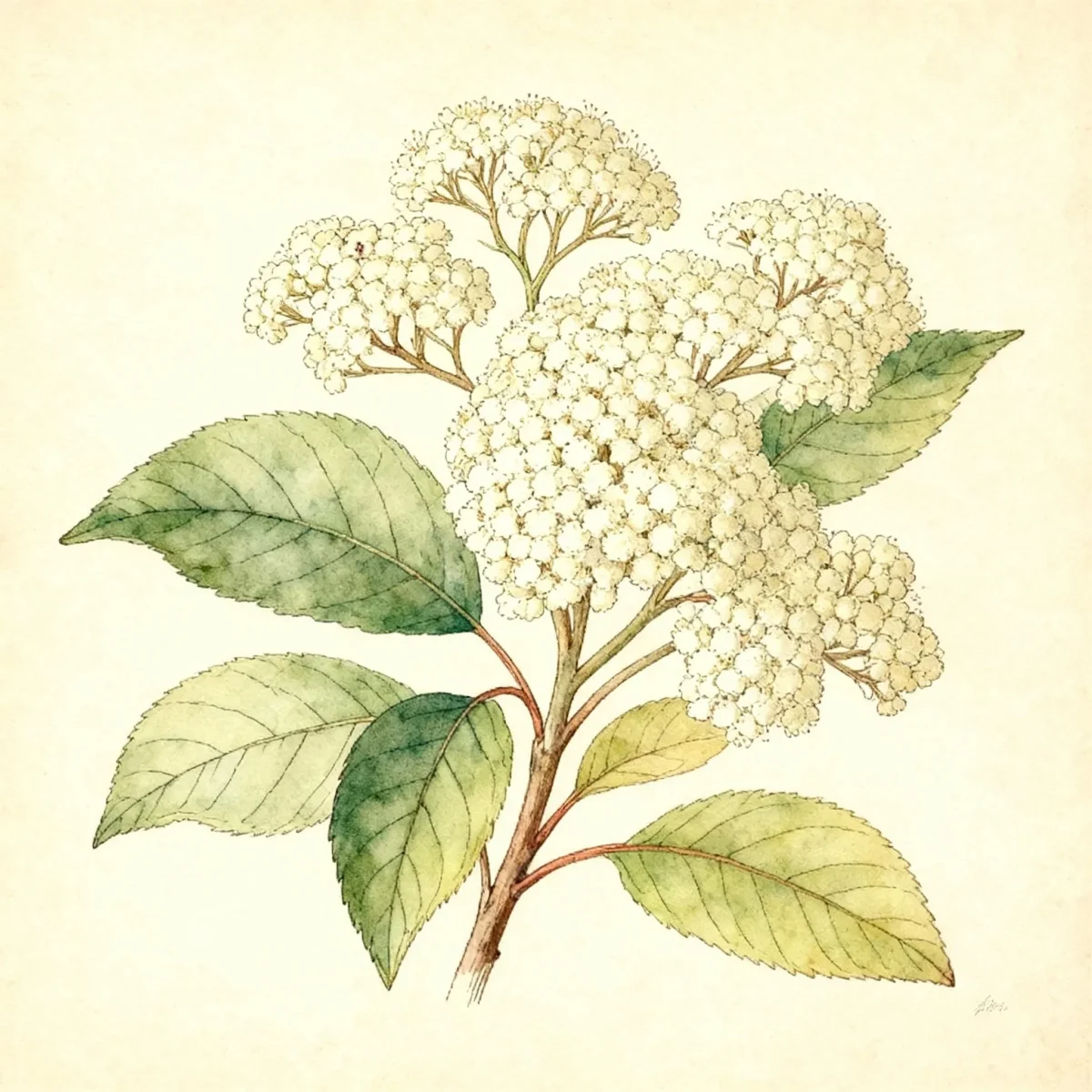
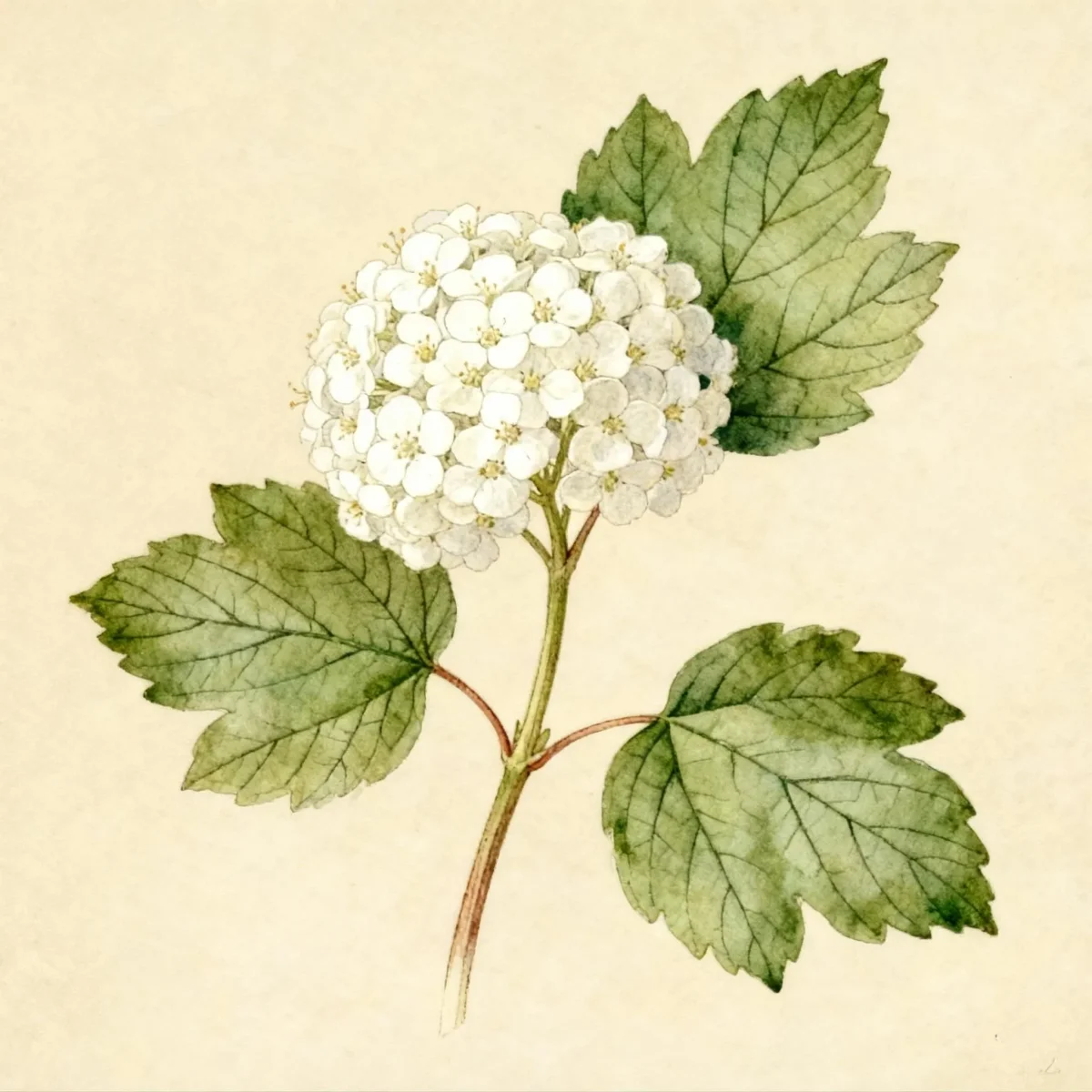
Viburnum cassinoides is commonly called witherod viburnum, referencing its flexible young twigs. It is native primarily to northeastern North America, often found inhabiting low woods, swamps, and pond peripheries. This dense, upright shrub produces clusters of creamy white flowers, followed by fruit that transitions from green through pink and red to black, often displaying multiple colors simultaneously in the same cluster.
Tolerances
- Tolerates wet soils
Potential Problems
Witherod viburnum is generally noted for having no serious insect or disease issues, contributing to its low-maintenance rating. Gardeners should remain observant, however, as occasional pest issues can arise, including scale, aphids, borers, nematodes, or thrips. Disease susceptibility is also low, though anthracnose, leaf spots, and powdery mildew can occasionally appear, particularly in hot, humid conditions or where air circulation is poor. Managing these issues usually involves ensuring good air flow during planting and keeping the shrub healthy through appropriate watering, avoiding unnecessary late-season fertilization that invites soft growth susceptible to pests.
Frequently Asked Questions
What hardiness zones is Witherod viburnum suitable for?
This adaptable shrub performs reliably in USDA Hardiness Zones 3 through 8.
How large does Viburnum cassinoides grow?
Viburnum cassinoides typically matures to a height between 5 and 12 feet, with a comparable spread ranging from 5 to 12 feet wide, forming a dense, rounded shape.
When does Witherod viburnum bloom?
This species produces its attractive, flat-topped clusters of creamy white flowers in late spring, typically from May through June.
What sun exposure does Witherod viburnum need?
For optimal flowering and fruiting performance, aim to plant this shrub where it receives full sun, though it tolerates light to moderate part shade.
Conclusion
The Witherod viburnum (Viburnum cassinoides) is an outstanding choice for gardeners seeking reliability, multi-season interest, and adaptability, especially in areas with moist soil conditions. Featuring fragrant spring blooms and a captivating fruit progression, this native shrub proves its worth year-round. Before planting, confirm your site’s moisture level and ensure you place enough specimens together to encourage a spectacular fruit display of this valuable Witherod viburnum.
Companion Planting Strategy
When situating Viburnum cassinoides in the landscape, consider companions that share its love for moisture or that provide aesthetic contrast against its textural leaves. Because it thrives near wetlands, pairing it with moisture-loving astilbes, native irises, or cardinal flower (Lobelia cardinalis) is highly effective. For shaded areas where it may receive less sun, consider underplanting with shade-tolerant groundcovers like wild ginger or foamflower (Tiarella cordifolia), ensuring that competition for nutrients is managed while complementing the shrub’s structure.
Wildlife Benefits and Fruit Interest
The transition of the Witherod viburnum fruit—which turns from green to pink to blue to black—provides extended feeding opportunities for local bird populations. This prolonged interest, where berries often persist after the foliage drops, offers excellent winter scenery. Furthermore, the flowers, described as fragrant and showy, are significant early-season attractants for native pollinators, supporting local ecosystem health directly within your garden design.