Tea viburnum (Viburnum setigerum)
The Tea viburnum (Viburnum setigerum) is a low-maintenance shrub prized for its spectacular fall fruit display and versatile growth habits.
Scroll down to discover growing tips, care requirements, companion plants, and more
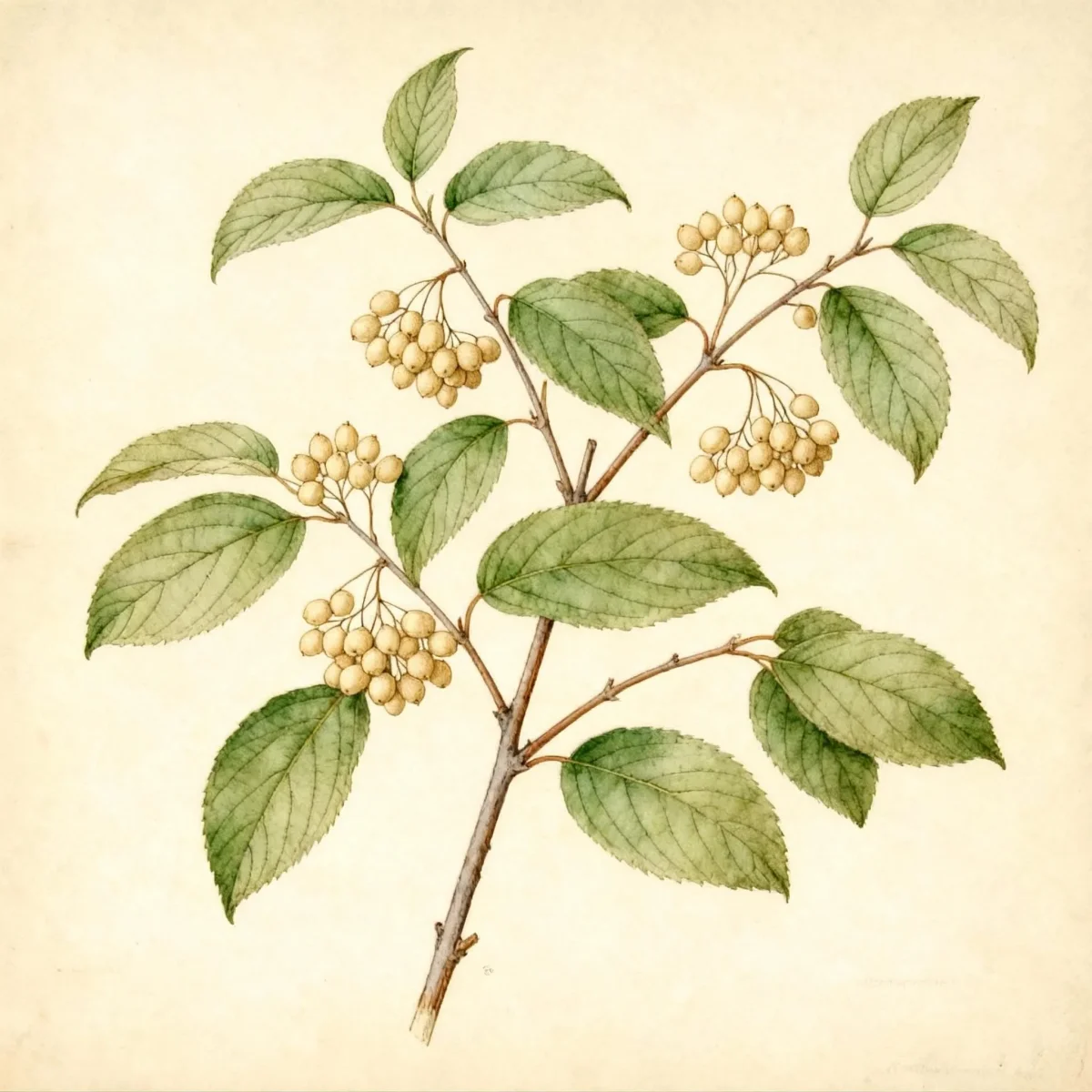
Complete Plant Information
Overview
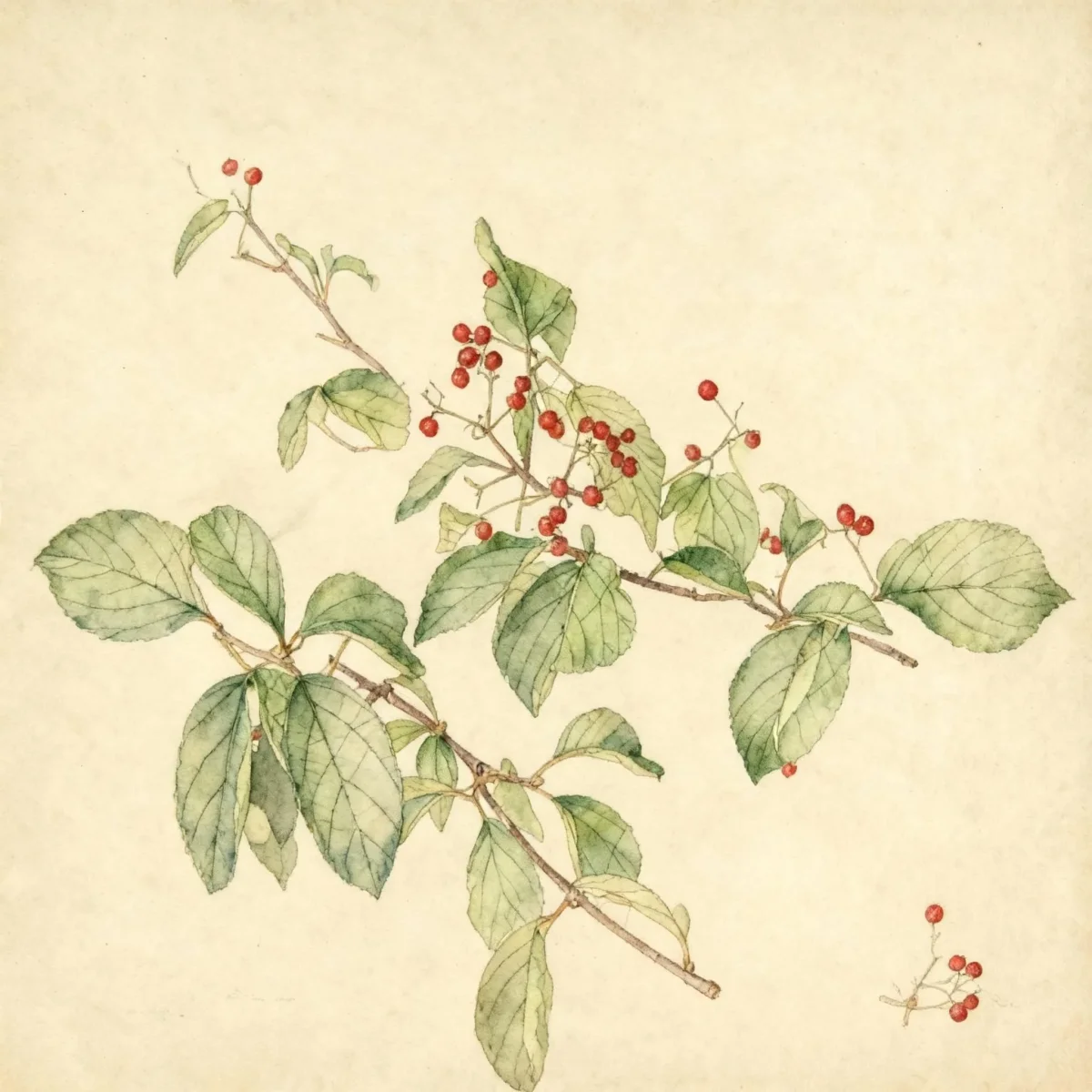
The Tea viburnum, scientifically known as Viburnum setigerum, is a truly exceptional deciduous shrub particularly celebrated for its late-season visual impact. While its spring flowers are subtle, the ensuing abundance of bright red berries creates perhaps the best fall fruit display among all viburnums, often weighing the branches down dramatically. This upright-spreading shrub is hardy and generally undemanding, making it a reliable backbone plant in many garden situations.
Viburnum setigerum offers structural interest throughout the year, growing into a rounded specimen reaching 8 to 12 feet tall. Its leaves emerge blue-green, transition nicely with a purplish fall tone, and ultimately give way to the spectacular fruit display. For gardeners seeking low-maintenance screening or seasonal drama, the Tea viburnum is an excellent choice for adding depth and reliable performance to the landscape.
Fast Facts
- Plant Family: Adoxaceae
- Plant Type: Deciduous shrub
- Native Range: Central and western China
- Hardiness Zones: USDA Zones 5-7
- Size at Maturity:
- Height: 8-12 ft
- Spread: 5-8 ft
- Bloom Time: April to May
- Bloom Description: White
- Sun Exposure: Full sun to part shade
- Water Needs: Medium
- Maintenance Level: Low
How to Grow
This species is remarkably adaptable and easily established. Plant Viburnum setigerum during the fall or early spring when conditions are cool, ensuring it receives full sun to partial shade. The Tea viburnum thrives in average, medium, well-drained soils but is quite tolerant, even handling moist loams or slightly boggy conditions successfully. Proper placement ensures the best performance throughout its mature life.
Once established, the maintenance level for this shrub is low, requiring only medium watering—keep the soil consistently moist but not saturated. Fertilization is rarely necessary unless the soil is extremely poor. Prune Viburnum setigerum lightly, if at all, favoring the fall season for any necessary shaping. Be cautious when pruning after flowering, as this will sacrifice the beautiful late summer fruit display that defines this cultivar.
For the most impressive fruiting performance, plant shrubs in groups or mass plantings rather than as solitary specimens. This ensures excellent cross-pollination between individuals, maximizing the number of decorative red berries produced by the Tea viburnum.
Landscape Uses
The Tea viburnum excels in situations where size and screening are required. Use Viburnum setigerum in shrub borders or as informal hedges to define property lines, benefiting from its upright, multi-stemmed structure. They are also excellent candidates for mass plantings along roadsides or in less formal areas of the garden where a reliable, medium-to-large shrub is needed.
Given its tolerance for moist soils, this viburnum works beautifully on the peripheries of water features, near streams, or by ponds, helping to soften hard edges. Although individual shrubs can serve as specimens when young, the lack of lower foliage on mature specimens makes them ideal when placed slightly behind lower-growing partners that can mask the base.
Standout Features
Flower Qualities
- Showy
Fruit Qualities
- Showy
Noteworthy Characteristics
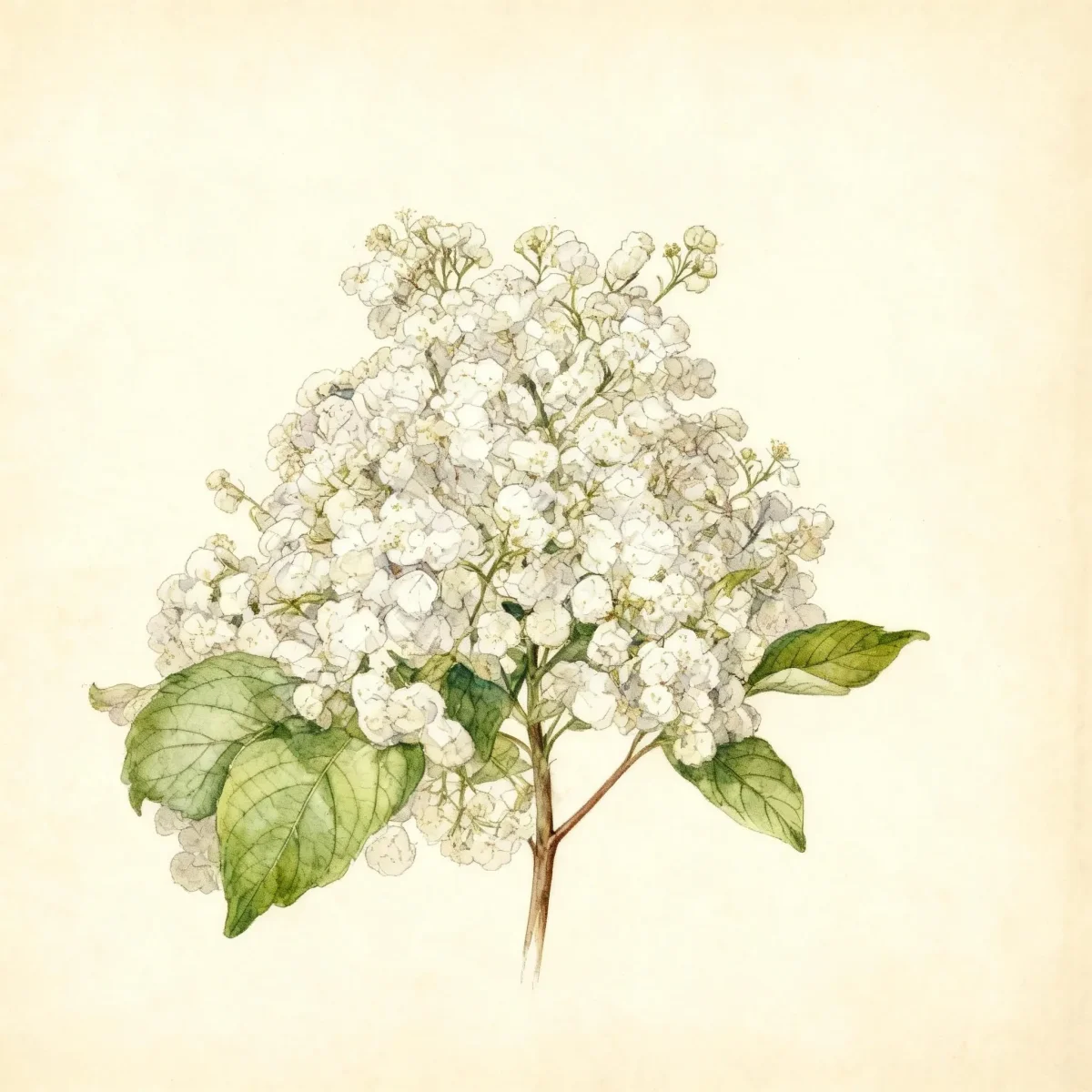
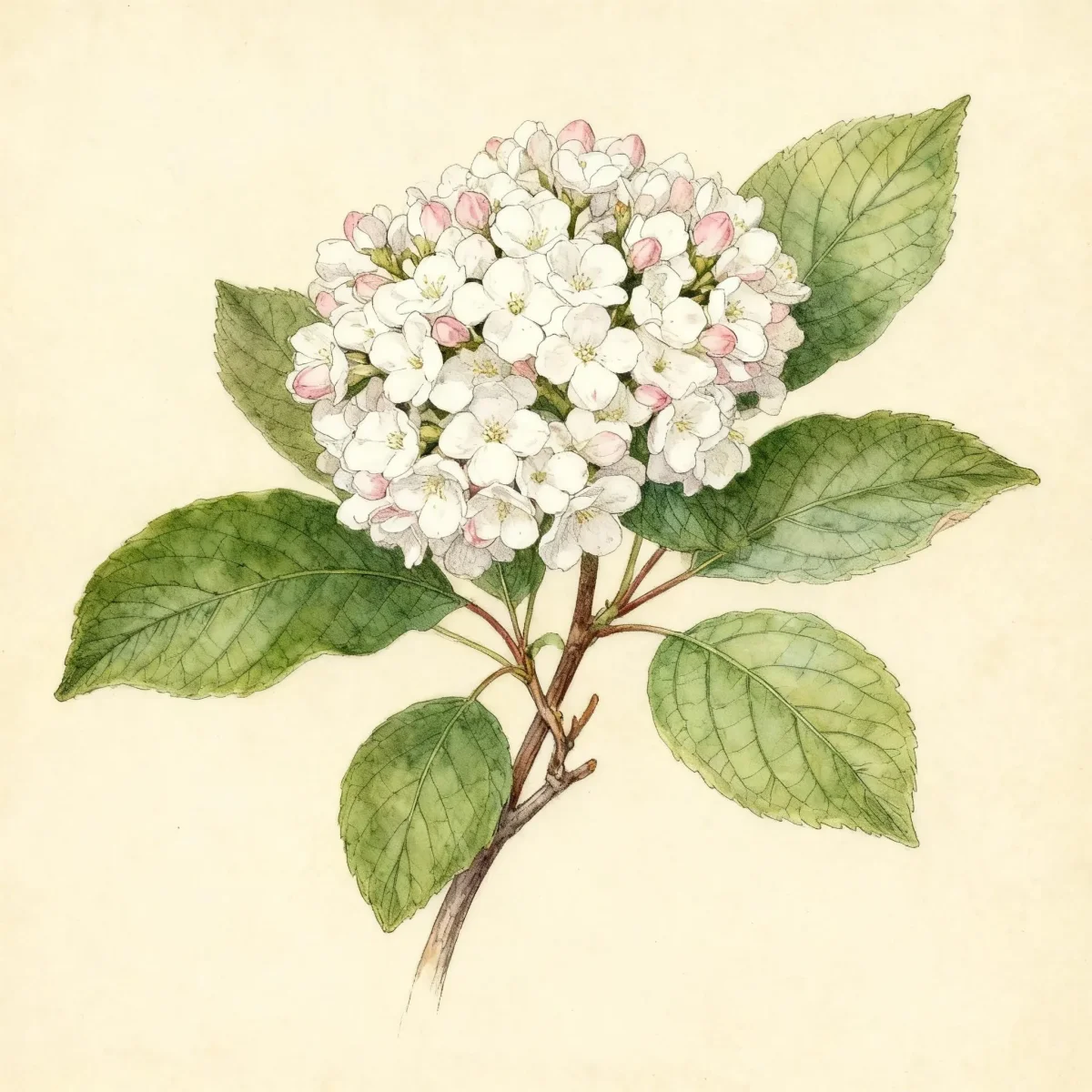
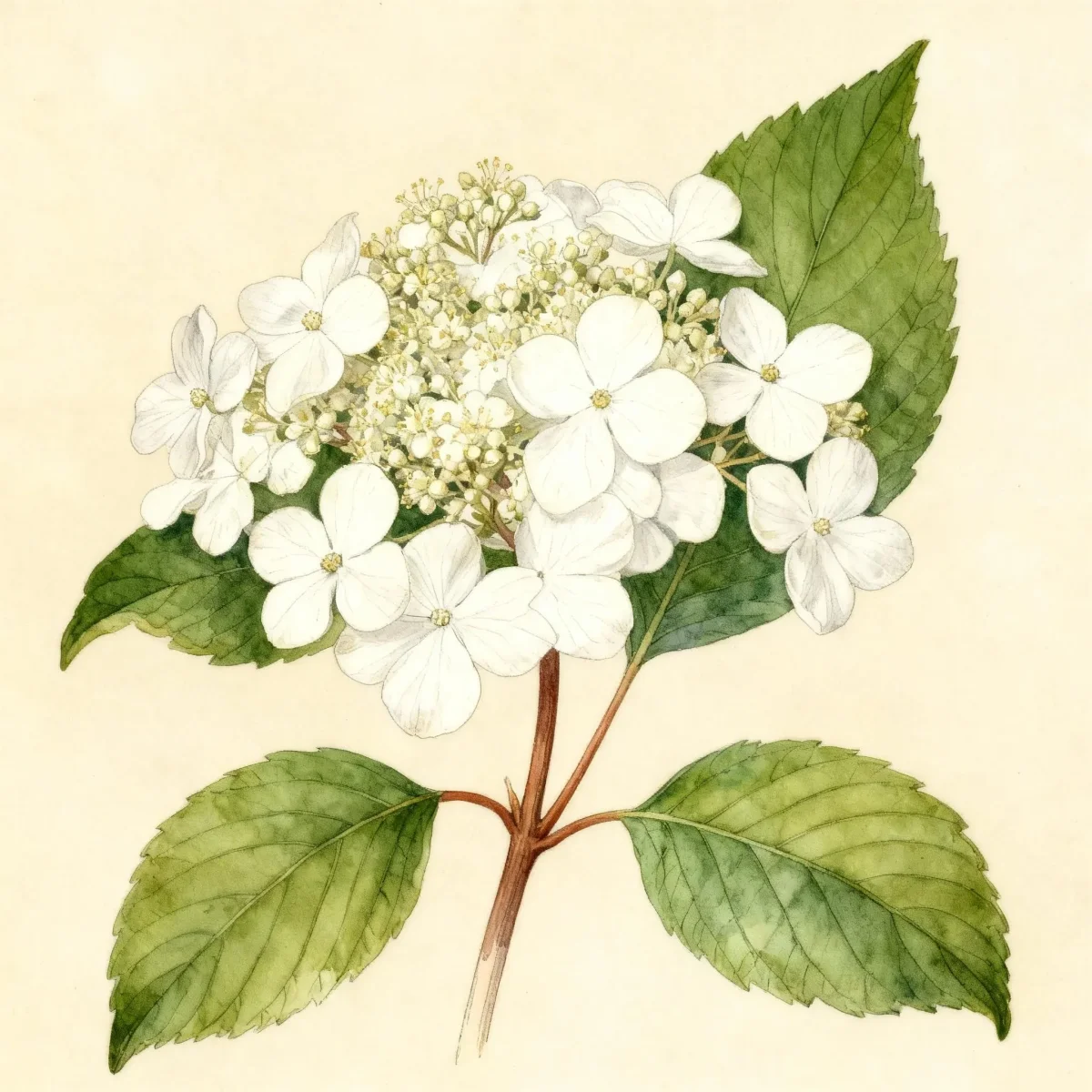
Viburnum setigerum, commonly called tea viburnum, is noted for producing perhaps the best fall fruit display of the any of the viburnums. It is a rounded, multi-stemmed, upright-spreading, deciduous shrub that typically grows to 8-12’ tall and 5-8’ wide. Small white flowers arranged in flat-topped clusters bloom in April-May, followed by clusters of ovoid bright red berries in fall. Foliage turns purplish in fall, and the plant earned its specific epithet for small bristles found on the leaf veins.
Tolerances
- Tolerates slightly boggy soils.
Potential Problems
Gardeners will appreciate that Viburnum setigerum generally has no serious insect or disease problems, making it a low-concern addition to the landscape. Due to its robust nature, it rarely succumbs to common pest pressures that plague other ornamentals. Focus garden efforts on proper placement—especially ensuring excellent drainage if planting in average soil—rather than constant pest monitoring.
Frequently Asked Questions
What hardiness zones is Tea viburnum suitable for?
The Tea viburnum (Viburnum setigerum) is suitable for USDA Hardiness Zones 5 through 7.
How large does Viburnum setigerum grow?
This deciduous shrub typically matures to a height between 8 and 12 feet, with a spread ranging from 5 to 8 feet wide.
What sun exposure does Viburnum setigerum need?
Viburnum setigerum performs best when situated in locations receiving full sun to partial shade.
When does Tea viburnum bloom?
The white flowers of the Tea viburnum appear relatively early in the season, typically blooming from April into May.
Conclusion
The Viburnum setigerum, or Tea viburnum, offers exceptional value through its reliability, moderate size, and unparalleled late-season fruit show. This low-maintenance shrub integrates well into various landscape designs, rewarding growers with abundant red berries each autumn. Ensure you plant groupings for optimal fruit set, and check your local USDA zone compatibility before planning your addition of this fantastic viburnum.
Companion Planting
When selecting companion plants for Viburnum setigerum, consider species that enjoy similar moisture levels and light requirements but provide contrasting textures or bloom times. Since the Tea viburnum highlights its fruit display in autumn, pair it with early-season bloomers like Daffodils or Spring-flowering Irises to ensure there is continuous interest. Shrubs like Hydrangeas, which also tolerate part shade and moist conditions, make excellent partners for mass plantings or borders.
For foundation planting near the base of mature Viburnum setigerum, choose low, wide-spreading perennials or groundcovers that can mask the lack of lower foliage common on older shrubs. Hostas, bleeding hearts, or low ferns are excellent choices, as they thrive in the dappled light created by the canopy overhead and help maintain a lush look at ground level.
Seasonal Care Calendar
Spring care for Viburnum setigerum is minimal; focus on admiring the early white blossoms in April or May. If any deadwood is apparent from winter, trim it out before the plant leafs out fully. Summer is the critical growth period where medium water needs should be met, especially during dry spells, to support the developing fruit structure you will enjoy later.
The primary maintenance period, if needed, is light pruning in the fall after leaf drop, but importantly, avoid pruning after the flowers fade in early summer, as this removes the buds for the following spring flowers and the current year’s fruit. Late fall and winter offer the best view of the arching stems laden with bright red berries, so hold off on heavy structural pruning until late winter or very early spring before new growth begins.