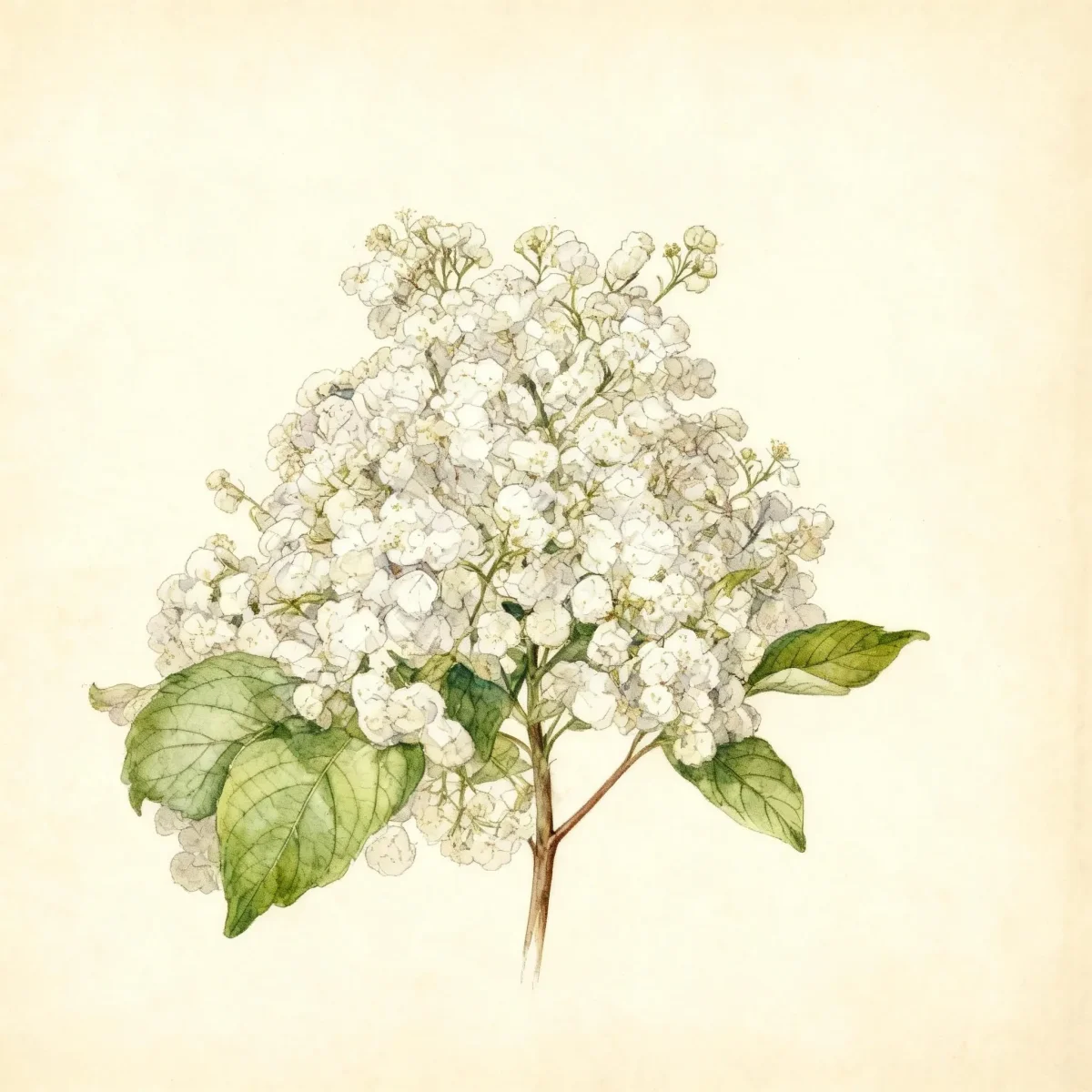
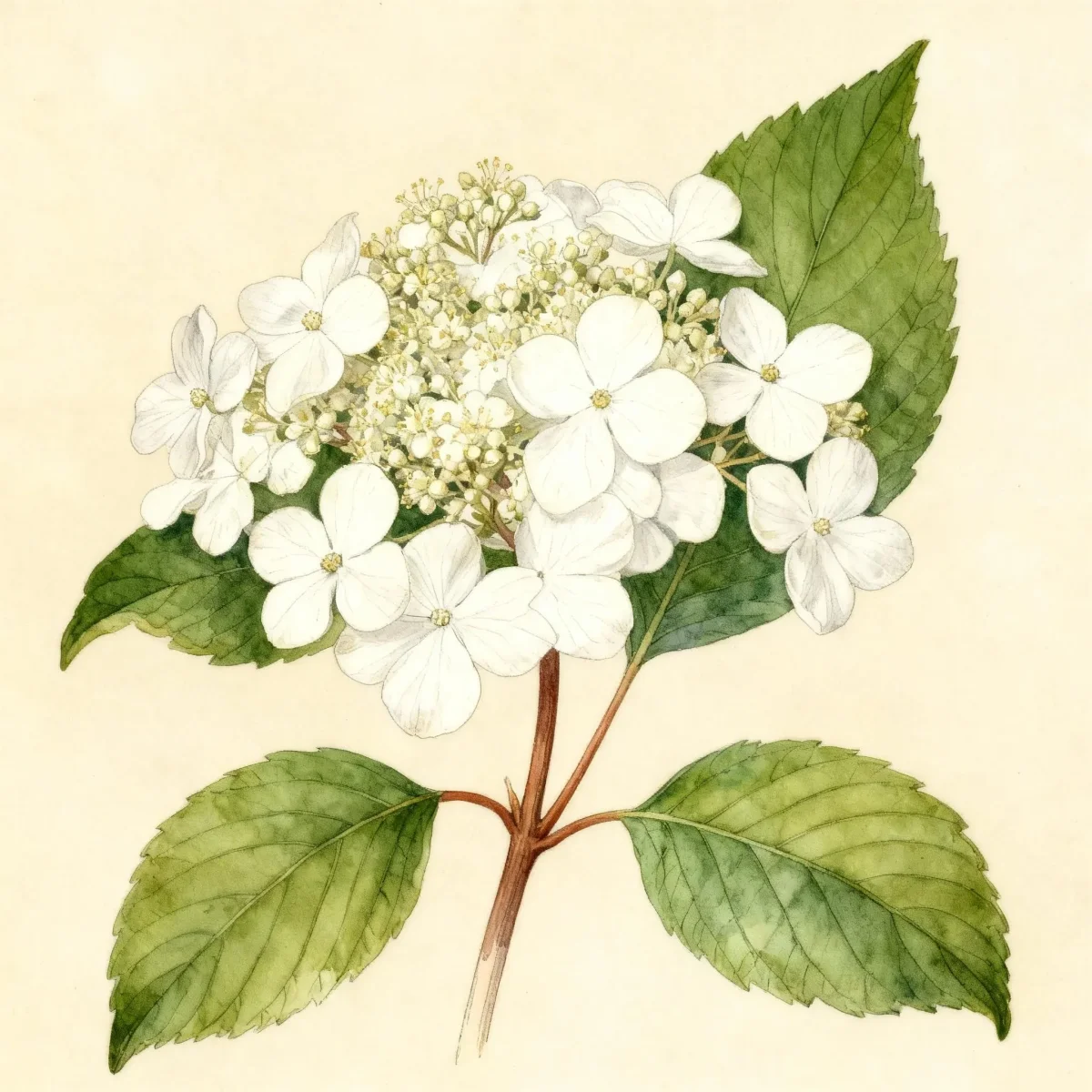
Chinese snowball viburnum (Viburnum macrocephalum)
The Viburnum macrocephalum, or Chinese snowball viburnum, offers huge, showy white blooms on a low-maintenance, deciduous shrub suitable for zones 6-9.
Scroll down to discover growing tips, care requirements, companion plants, and more
Complete Plant Information
Overview
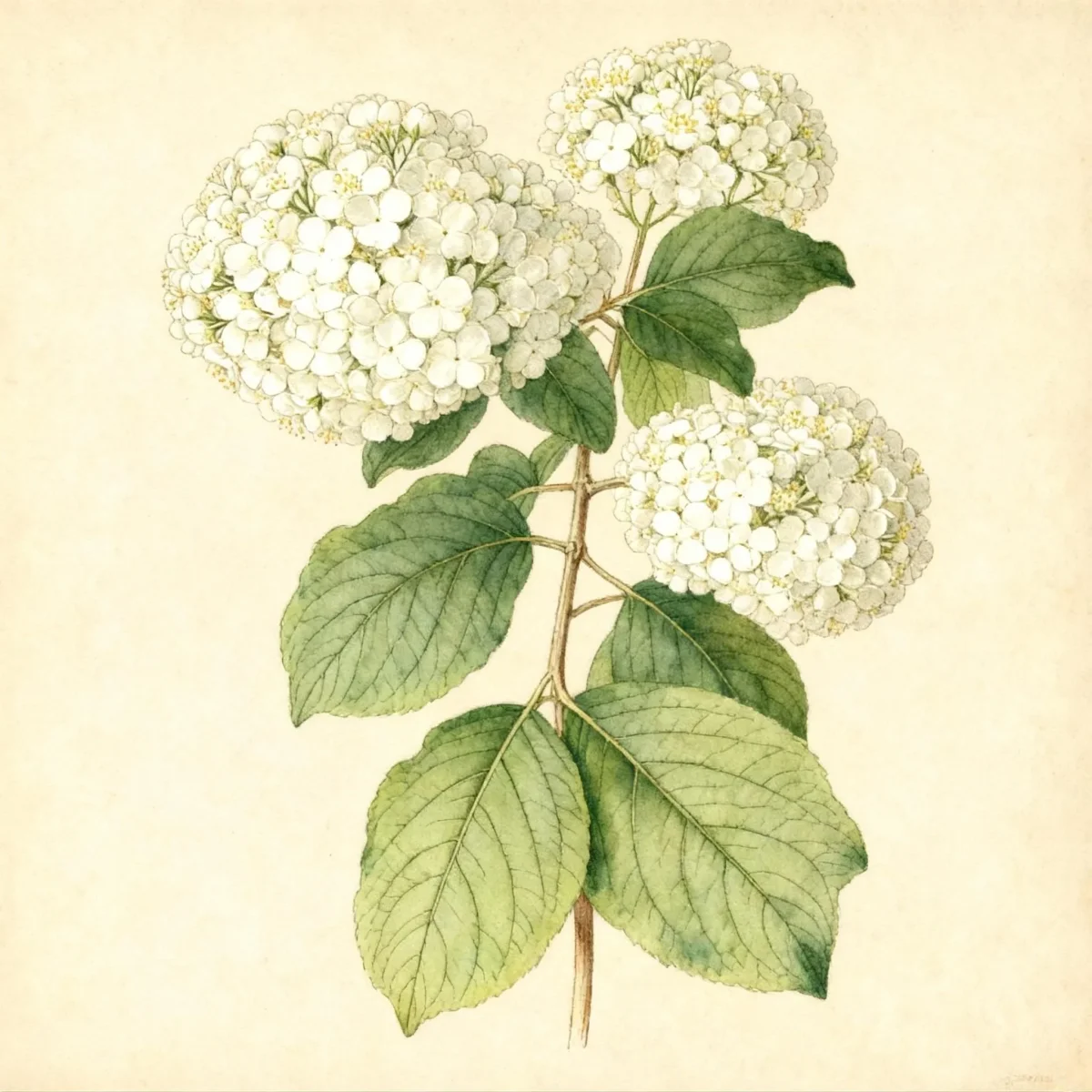
The Viburnum macrocephalum, commonly known as the Chinese snowball viburnum, is celebrated for its spectacular spring display of dense, globe-shaped flower clusters. Originating in Southeastern China, this deciduous shrub provides substantial visual impact without demanding excessive attention from the gardener. Its aesthetic appeal lies in its massive, pure white blooms that emerge after the danger of late frost has passed.
Growing vigorously to 6-10 feet tall and wide, this shrub easily fits into various landscape schemes, functioning admirably as a specimen or screening element. While its flowers are sterile and produce no fruit—meaning no messy cleanup—the foliage contributes textural interest throughout the growing season. Gardeners appreciate the Chinese snowball viburnum for its low maintenance requirements coupled with its robust flowering performance.
Overall, its adaptability to various soil types and its resistance to common diseases make Viburnum macrocephalum a dependable choice for adding classic springtime elegance to the landscape. Ensure proper placement, particularly in cooler zones, to maximize its mature size and performance.
Fast Facts
- Plant Family: Adoxaceae
- Plant Type: Deciduous shrub
- Native Range: Southeastern China
- Hardiness Zones: USDA Zones 6-9
- Size at Maturity:
- Height: 6-10 ft
- Spread: 6-10 ft
- Bloom Time: May to June
- Bloom Description: White
- Sun Exposure: Full sun to part shade
- Water Needs: Medium
- Maintenance Level: Low
How to Grow
Plant Viburnum macrocephalum during the fall or early spring when the weather is cool to minimize transplant shock. It performs best when sited in full sun, though light afternoon shade is tolerated, especially in hotter climates. Although this shrub is easily grown in average, well-drained soil, it prefers moist, acidic loams for optimal vigor.
Watering should be consistent while the plant is young, meeting its medium water needs. Once established, mature plants develop some drought tolerance, but consistent moisture during dry spells ensures the best bloom set. Generally, this shrub requires little fertilizer, allowing it to remain a low-maintenance feature.
Pruning should be done judiciously, immediately after the spring flowering period concludes. Delaying pruning will remove the following year’s flower buds. A key cultural note for cooler regions, such as the St. Louis area, is to plant the Chinese snowball viburnum in a sheltered location protected from harsh winter winds, as it may not be reliably hardy everywhere.
Landscape Uses
The versatility of Viburnum macrocephalum makes it highly adaptable for formal and informal settings alike. Its mature size and density make it an excellent choice for creating structured hedges or screens where defined boundaries are desired. It functions beautifully as a specimen plant, drawing the eye with its massive white flower heads in late spring.
For shrub borders, the Chinese snowball viburnum provides strong vertical and rounded structure that pairs well with later-blooming summer perennials or finer-textured evergreens. Consider planting it near foundations, ensuring adequate space is left for its 10-foot mature spread. When grouped, mass plantings create a stunning, uniform wall of white blooms.
Standout Features
Flower Qualities
- Showy
Noteworthy Characteristics
Viburnum macrocephalum, commonly called Chinese snowball viburnum, is native to China. It is a rounded, vase-shaped shrub that typically matures to 6-10’ tall in the St. Louis area, but may reach 15-20’ tall in the warmer climates of the deep South. Non-fragrant, sterile florets (each to 1 1/4” wide) bloom in dense globose clusters (to 5-8” wide) in May to early June. Florets emerge lime green, but quickly turn white. Pubescent, finely-toothed, ovate to elliptic, dark green leaves (to 2-4” long) are deciduous in the northern parts of its growing range, but semi-evergreen in the southern parts of its growing range. Flowers are sterile, therefore no fruit is produced.
Tolerances
Potential Problems
One of the major advantages of growing Viburnum macrocephalum is its inherent pest resistance. Gardeners rarely contend with serious insect infestations or fungal diseases when cultivating this species. It specifically exhibits good resistance to common issues like bacterial leaf spots and powdery mildew, simplifying maintenance considerably. Routine monitoring and prompt cleanup of fallen leaves are usually sufficient cultural practices to maintain plant health.
Frequently Asked Questions
What hardiness zones is Chinese snowball viburnum suitable for?
Viburnum macrocephalum is reliably hardy in USDA Zones 6 through 9.
How large does Viburnum macrocephalum grow?
This deciduous shrub typically reaches a height between 6 and 10 feet, with a similar spread of 6 to 10 feet at maturity.
When does Chinese snowball viburnum bloom?
The showy, white flowers of the Chinese snowball viburnum appear relatively late in the spring, blooming from May into June.
What sun exposure does Viburnum macrocephalum need?
For the best flowering and growth, place Viburnum macrocephalum where it receives full sun, though it will tolerate partial shade conditions.
Conclusion
The Chinese snowball viburnum offers unparalleled impact in late spring landscapes with its abundant, sterile white flowers and relatively low care requirements. Incorporating Viburnum macrocephalum into borders or screens ensures a perennial source of classic beauty. Before planting, confirm your USDA hardiness zone compatibility and select a site with well-drained soil to ensure many years of enjoyment.
Companion Planting
Selecting suitable partners for Viburnum macrocephalum involves choosing plants that thrive in similar cultural conditions—dappled light to full sun and medium moisture. Consider pairing it with shade-tolerant groundcovers whose texture contrasts nicely with the shrub’s broad leaves, such as Hosta varieties or ornamental ferns, especially if placed in a semi-shady border. For spring color to complement the blooming time of May to June, consider early-flowering bulbs like Darwin Hybrid tulips or late-blooming spring ephemerals.
Seasonal Care Calendar
Spring preparation for your Viburnum macrocephalum involves timing your pruning correctly—only after the white blooms fade to ensure flowers next year. As summer progresses, monitor moisture levels, particularly during heatwaves, even though established shrubs handle some drought. In autumn, leaves will generally drop in cooler zones; clean up dropped foliage beneath the shrub to reduce the chance of overwintering fungal spores, although the plant shows good resistance. Winter protection is most critical for borderline hardy plants, using mulch or planting against a structure for wind buffering.