Honeyberry (Lonicera kamtschatica)
Discover Honeyberry (Lonicera kamtschatica), a low-maintenance Siberian shrub offering edible blue fruit weeks before blueberries ripen.
Scroll down to discover growing tips, care requirements, companion plants, and more
Complete Plant Information
Overview
The Honeyberry, scientifically known as Lonicera kamtschatica, is a remarkably hardy and desirable addition to any edible landscape. Native to Eastern Siberia, this deciduous shrub provides gardeners with the unique benefit of producing its sweet, blueberry-like fruit several weeks ahead of traditional blueberries. Its adaptation to cold climates makes it a reliable producer even in challenging regions.
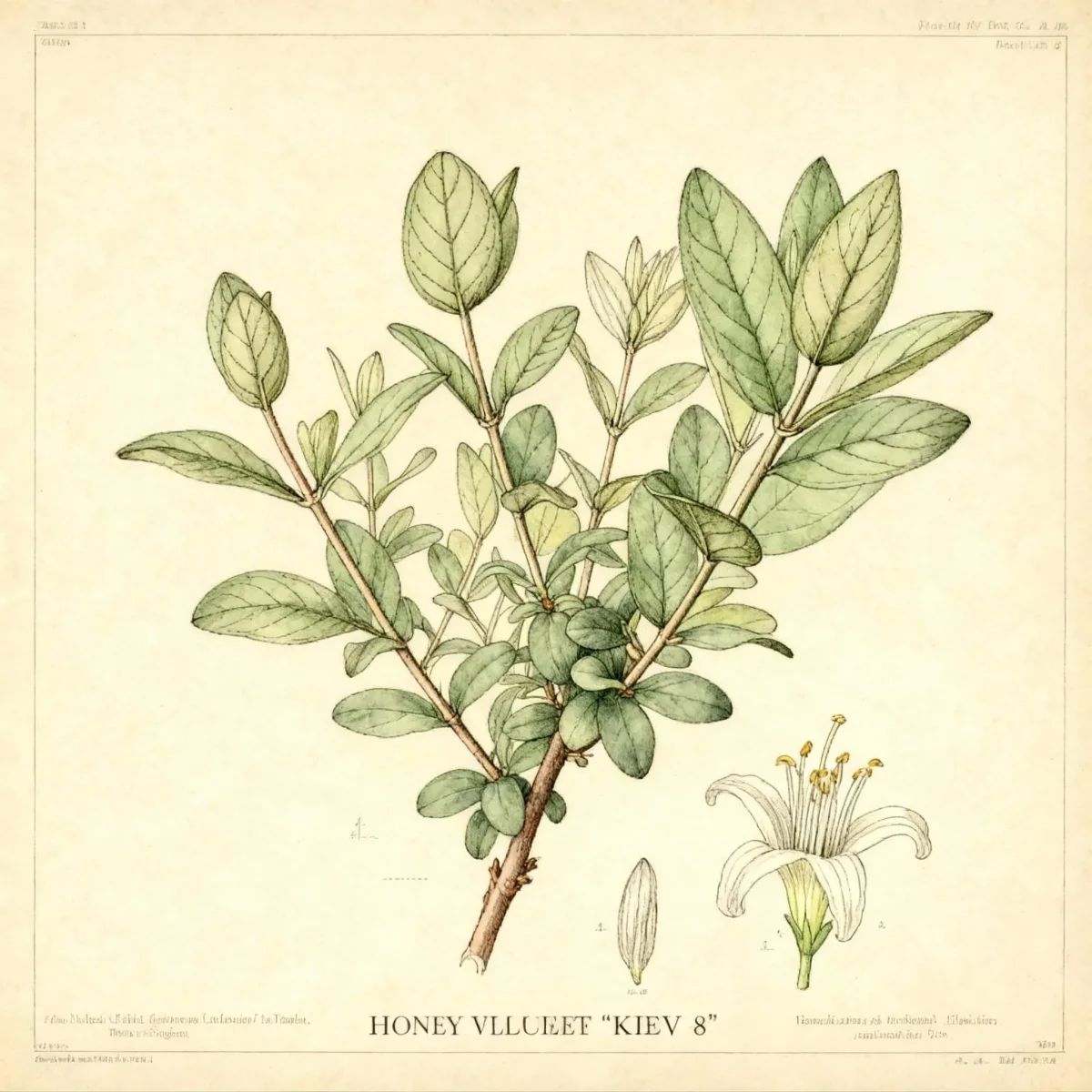
Beyond its exceptional fruit, Lonicera kamtschatica is valued for its graceful, mounding habit, reaching a mature height and spread of 3 to 4 feet. The plant is generally easy to manage, boasting low maintenance requirements once established, making it perfect for both novice and experienced growers seeking early harvests.
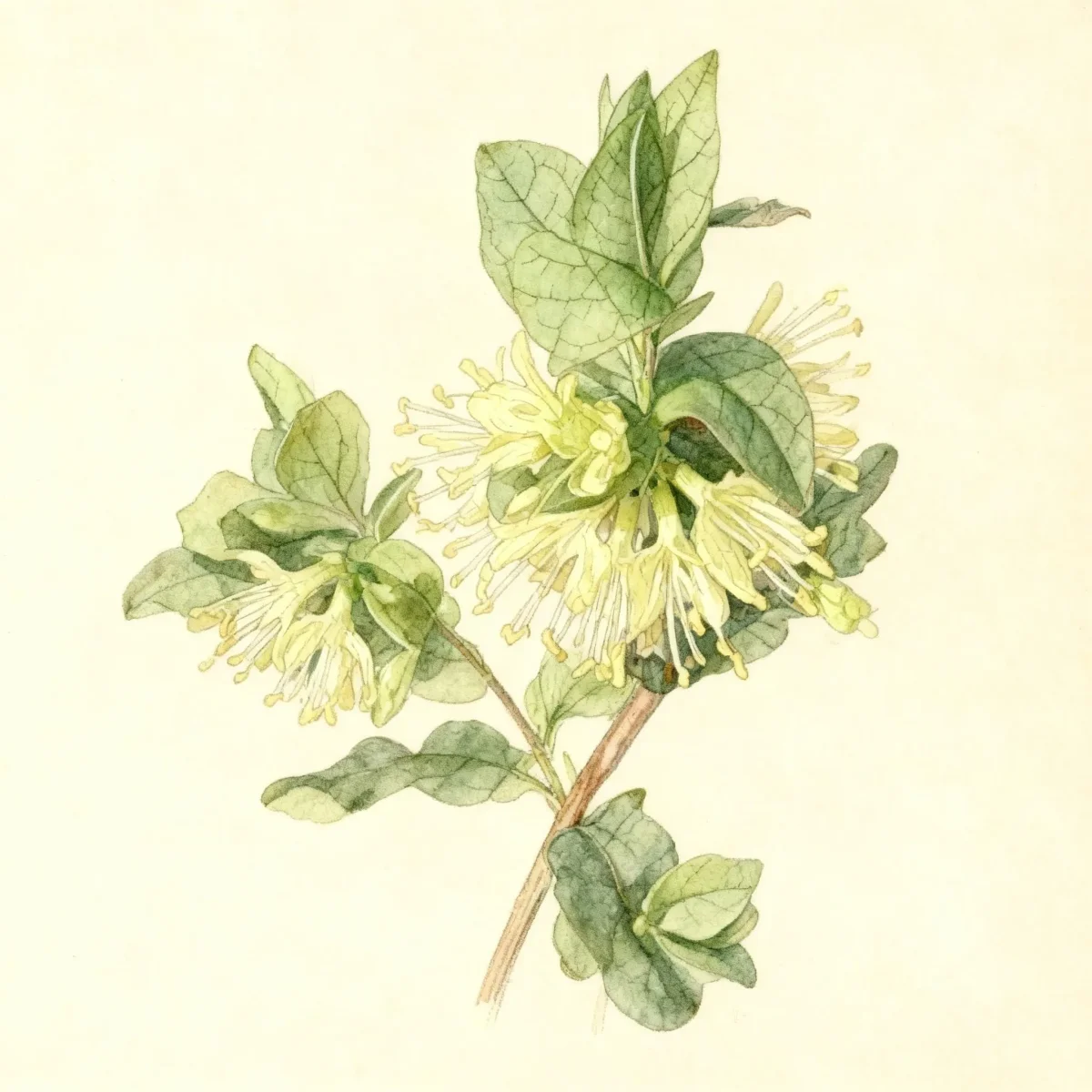
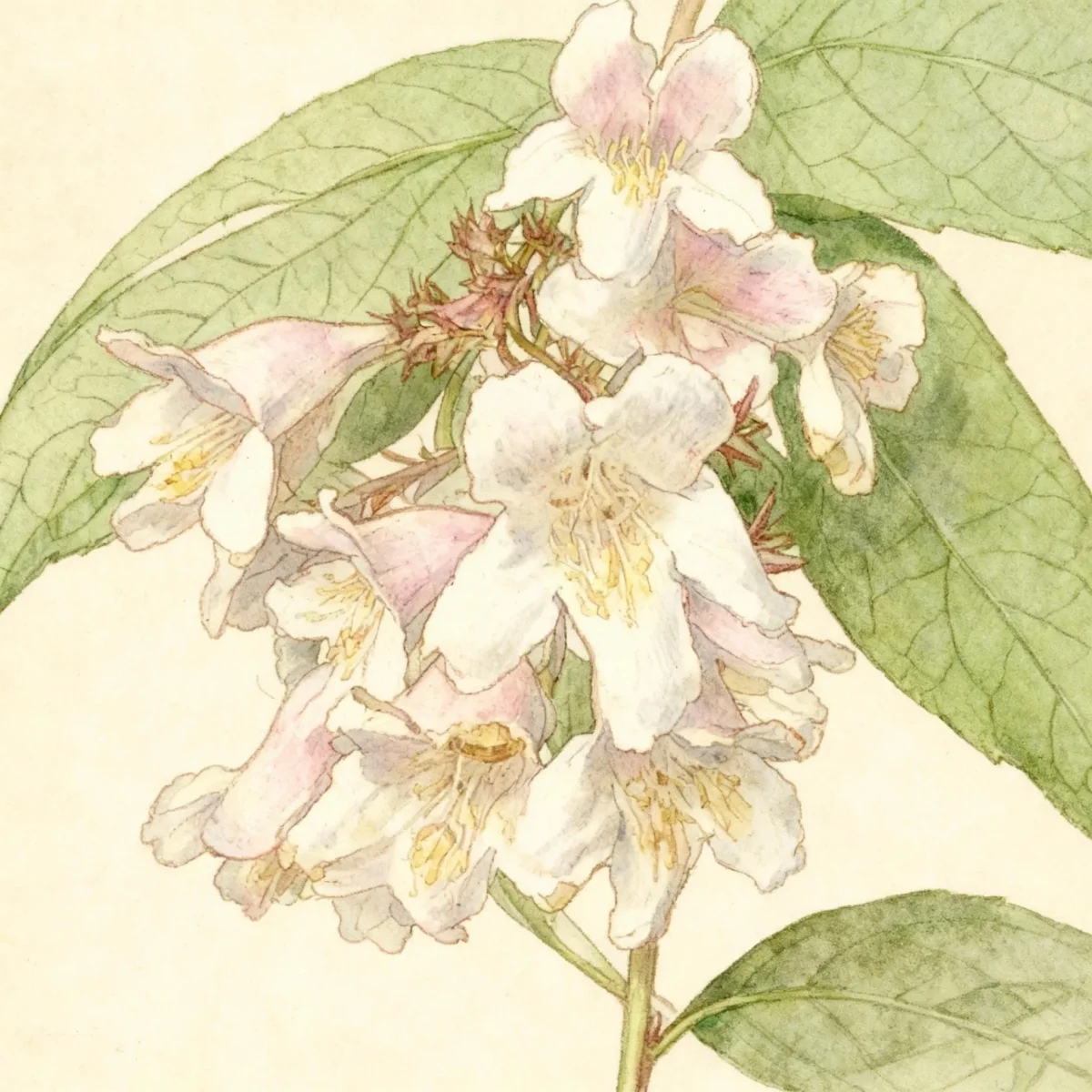
This Siberian native offers visual interest with small white flowers appearing early in the season, followed by those highly anticipated edible blue berries. Successfully growing Lonicera kamtschatica is straightforward, provided the basic cultural needs, especially proper pollination groupings, are met.
Fast Facts
- Plant Family: Caprifoliaceae
- Plant Type: Deciduous shrub
- Native Range: Eastern Siberia
- Hardiness Zones: USDA Zones 3-7
- Size at Maturity:
- Height: 3-4 ft
- Spread: 3-4 ft
- Bloom Time: March
- Bloom Description: White
- Sun Exposure: Part shade
- Water Needs: Medium
- Maintenance Level: Low
How to Grow
Planting your Honeyberry in the early spring or fall is ideal, ensuring the soil is moist and well-drained. While Lonicera kamtschatica prefers partial shade, it can tolerate full sun, especially in the colder northern reaches of its growing range. Ensure adequate room for the 3-4 foot spread to allow for good air circulation.
Watering needs are medium; maintain consistent moisture, particularly during establishment and fruit development, but avoid soggy conditions which can lead to root issues. Pruning is minimal, usually involving clipping out dead or weak wood in late winter before new growth begins. Fertilization should rarely be necessary in fertile garden soils.
A critical consideration for successful fruiting of Lonicera kamtschatica is pollination. It is essential to plant more than one variety of Honeyberry nearby to ensure cross-pollination and maximum fruit set. This early-blooming shrub requires little winter protection once established in its appropriate hardiness zone.
Landscape Uses
The compact, uniform structure of the Honeyberry makes it excellent for defining borders or using as low foundation plantings where a manageable size is preferred. Its early bloom and subsequent early fruit provide sequential visual interest that many other shrubs lack.
Because it is valued for its interesting early edible fruit, consider integrating Lonicera kamtschatica into kitchen gardens or edible hedgerows. Its tolerance for Black Walnut is a significant advantage, allowing it to be planted near these assertive trees where other sensitive plants might struggle.
Standout Features
Flower Qualities
- Showy
Fruit Qualities
- Showy
- Edible
Noteworthy Characteristics
Lonicera kamtschatica, called honeyberry, is a deciduous shrub that is native to eastern Siberia. It typically grows to 3-4’ tall and as wide. It is particularly valued for producing an edible blueberry-like fruit about 4 weeks before blueberries begin to ripen. Small, slightly fragrant, white flowers appear in March, and the small edible blue berries ripen in May, perfect for fresh eating or processing into jams.
Tolerances
- Deer
- Black Walnut
Potential Problems
The Honeyberry generally suffers from no known serious insect or disease problems, contributing to its low maintenance rating. This resistance makes Lonicera kamtschatica a reliable choice where pests are a concern. Gardeners should primarily focus on ensuring proper soil drainage and adequate cross-pollination rather than disease management.
Frequently Asked Questions
What hardiness zones is Honeyberry suitable for?
Lonicera kamtschatica is highly adaptable and thrives in USDA Zones 3 through 7.
How large does Honeyberry grow?
This shrub typically reaches a height and spread between 3 and 4 feet at maturity.
What sun exposure does Honeyberry need?
The plant prefers part shade, though it can tolerate full sun, especially in colder northern climates.
When does Honeyberry bloom?
You can expect small, white flowers to appear relatively early in the year, usually during March.
Conclusion
The unparalleled benefit of Lonicera kamtschatica lies in its extremely early fruit production, offering a highly anticipated harvest long before other berries ripen. This hardy, low-maintenance shrub rewards gardeners with edible and showy fruit while requiring minimal effort. Check your local hardiness zone compatibility and plan to plant at least two different varieties of Honeyberry together for the best yield this spring.
Companion Planting
When placing Lonicera kamtschatica in the landscape, choose companions that share its needs for moist, well-drained soil and a preference for part shade. Early spring bloomers are excellent neighbors, as they provide continuous interest as the Honeyberry foliage emerges. Consider pairing it with early spring bulbs like tulips or daffodils, which will finish their cycle before the fruit requires significant access to sunlight.
Avoid planting overly aggressive, shallow-rooted species directly beside the Honeyberry, as competition for moisture during fruit development can be detrimental. Since it tolerates Black Walnut, look for other tolerant shrubs or groundcovers that can thrive in similar, slightly drier or potentially allelopathic conditions if planting near Juglans species.
Design Ideas
Utilize the uniform, mounding shape of the Honeyberry in structured edible designs. Mass plantings create an excellent, productive border along a walkway or pathway where the early flowers can be appreciated. Because the fruit ripens so early, position the shrub where the harvest can be easily monitored and picked without disturbing neighboring summer-fruiting plants.
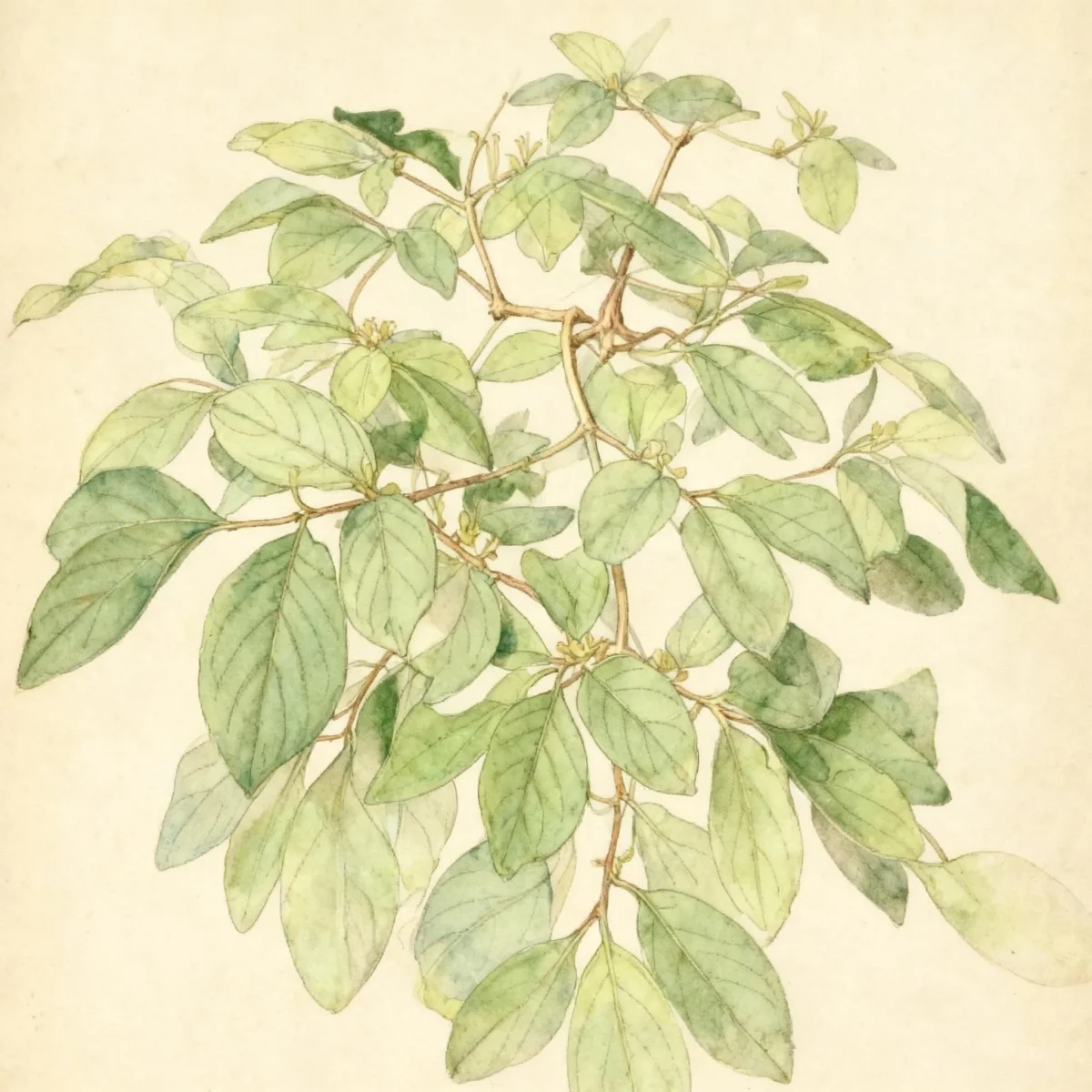
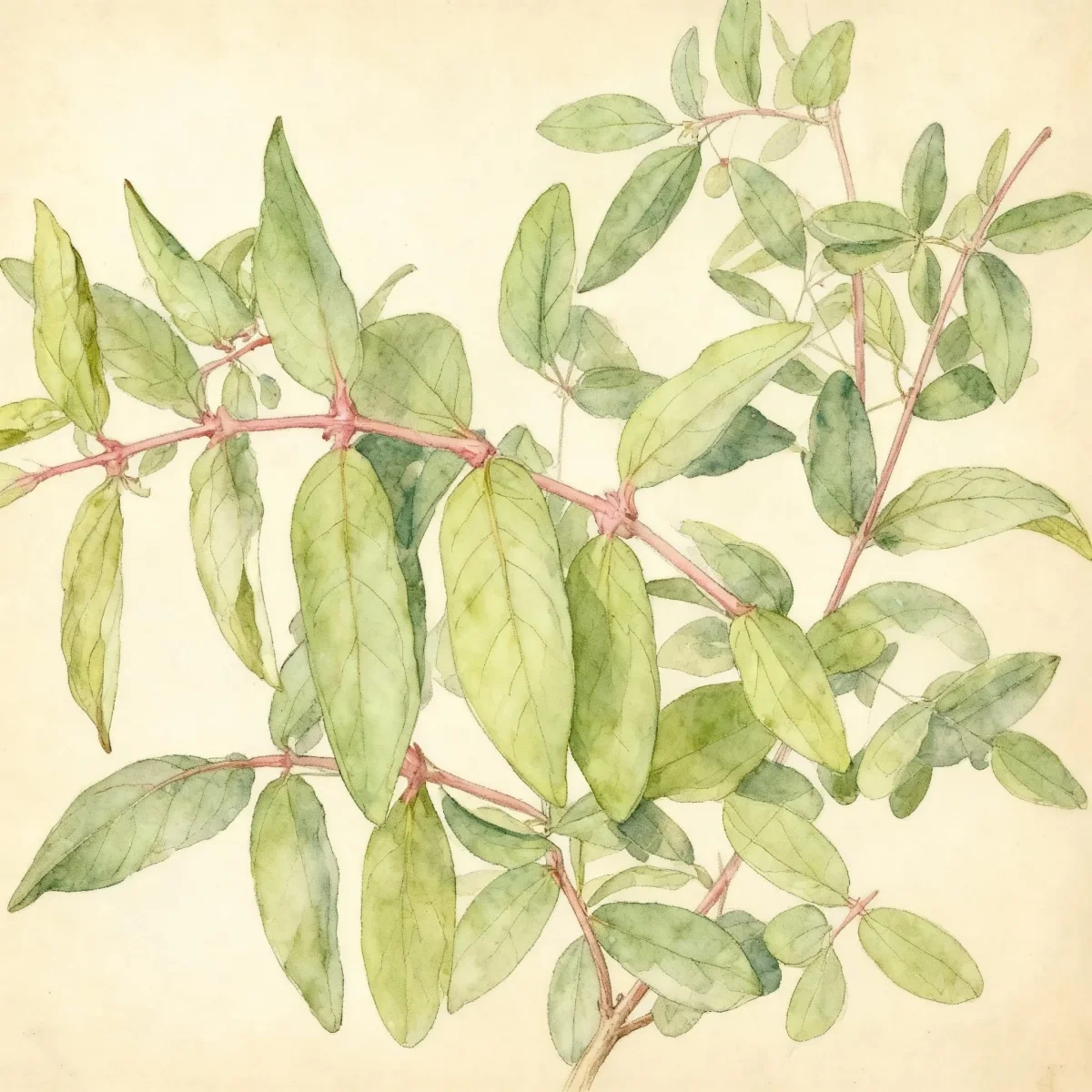
For a naturalistic approach, interplant Lonicera kamtschatica within a mixed shrub border, ensuring its location receives at least filtered sunlight throughout the day. Its gray-green foliage offers a subtle contrast to deciduous plants with chartreuse or deep green leaves. This versatile deciduous shrub integrates well into both formal and informal edible landscapes.