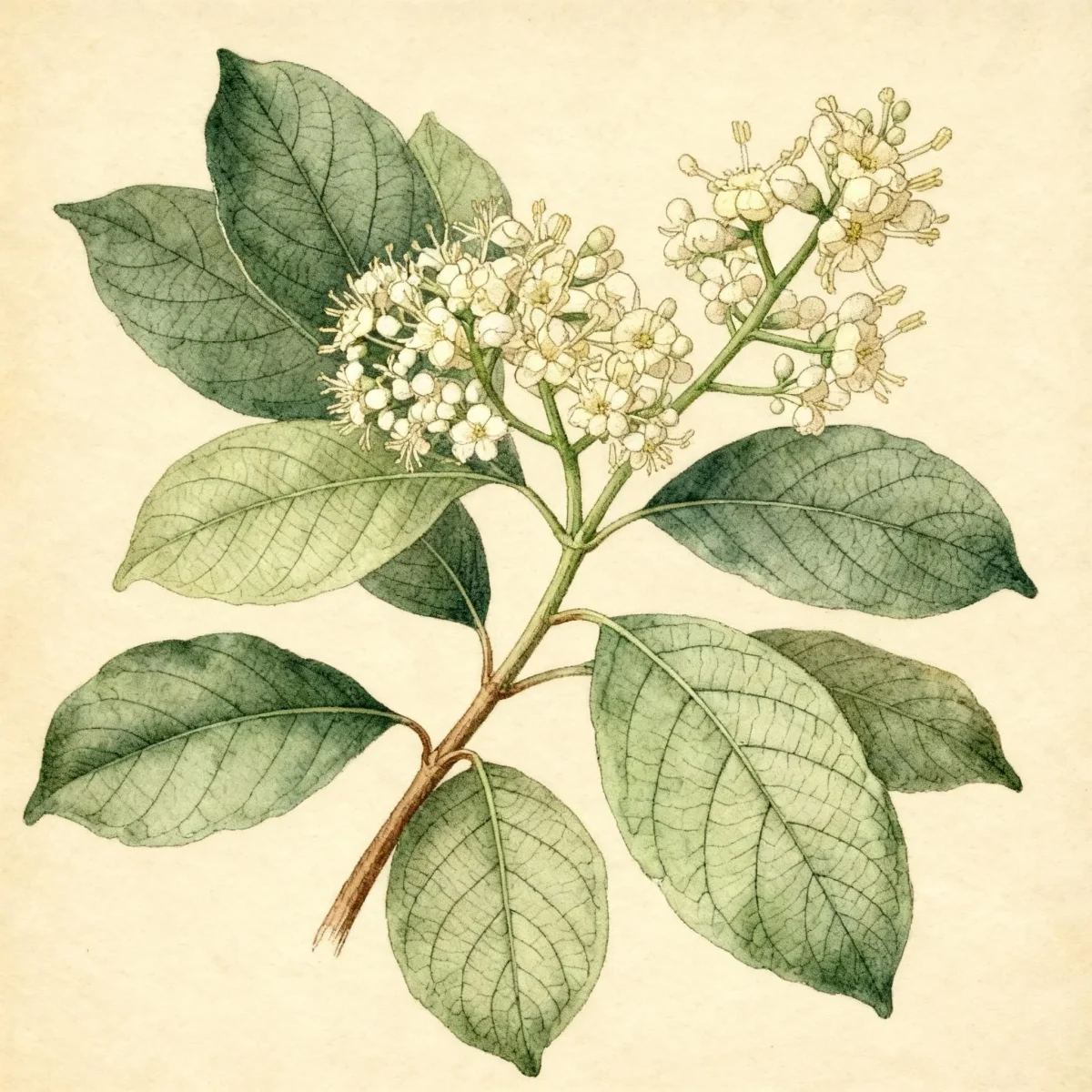
Sandankwa viburnum (Viburnum suspensum)
The Sandankwa viburnum (Viburnum suspensum) is a low-maintenance, dense evergreen ideal for hedges, offering fragrant white blooms in late winter.
Scroll down to discover growing tips, care requirements, companion plants, and more
Complete Plant Information
Overview
The Sandankwa viburnum, botanically known as Viburnum suspensum, provides excellent year-round structure in the landscape due to its dense, broadleaf evergreen nature. Native to the subtropical regions of Japan, this shrub is highly regarded for its adaptability, thriving where many other broadleaf evergreens struggle. Its value lies not only in its screening capabilities but also in the early display of subtly fragrant, small flowers.
Gardeners appreciate Viburnum suspensum for its moderate growth rate and relatively low inputs required for healthy development. Whether utilized as a substantial accent, foundational planting, or formal hedge, the dark, glossy green foliage of the sandankwa viburnum offers a reliable backdrop for brighter seasonal perennials. The specific epithet suspensum hints at the slightly cascading habit this shrub can display as it matures.
With tolerance for clay soils and salt spray, Viburnum suspensum is a robust choice for coastal gardening or areas with challenging, heavy soils in USDA Zones 8 through 10. Planning for its use as a screen or attractive hedge is simplified by its manageable height and spread, making it a highly practical evergreen solution.
Fast Facts
- Plant Family: Adoxaceae
- Plant Type: Broadleaf evergreen
- Native Range: Japan
- Hardiness Zones: USDA Zones 8-10
- Size at Maturity:
- Height: 6-12 ft
- Spread: 4-10 ft
- Bloom Time: February to March
- Bloom Description: White with pink blush
- Sun Exposure: Full sun to part shade
- Water Needs: Medium
- Maintenance Level: Low
How to Grow
The best time to plant Viburnum suspensum is typically in the autumn or early spring, allowing the root system to become established before handling summer heat or winter cold stress. For optimal health, locate your shrub where it will receive its preferred medium water supply in deep, rich, evenly moist, and well-draining loams. However, Viburnum suspensum is quite versatile and adapts well to most soil types, provided they remain fertile and do not become desiccated.
Once established, maintenance is generally low, validating its appeal to busy gardeners. Water deeply but infrequently, allowing the top few inches of soil to approach dryness between waterings, especially during extended dry periods. Fertilization is rarely mandatory but a balanced, slow-release formula applied in early spring can support vigorous new growth.
Pruning is usually restricted to shaping the sandankwa viburnum for hedge lines or controlling size, best performed immediately following the main spring bloom. Because this plant tolerates clay soils and coastal conditions, gardeners in these environments can plant with confidence. Hardy growers in Zones 8-10 should note its resilience.
Landscape Uses
The functional beauty of Viburnum suspensum shines brightest when employed architecturally in the garden design. Its dense, upright-to-slightly-spreading habit makes it an excellent, evergreen choice for creating screening hedges or defining property borders that require year-round visual density. The early spring flowers offer a crucial element of interest before many other species awake.
Beyond hedging, Viburnum suspensum performs admirably when used as a background specimen in mixed borders, contrasting its deep green, glossy leaves against lighter-colored perennials. It also works well in foundation plantings where a substantial, reliable evergreen structure is needed near buildings. This versatility ensures that Viburnum suspensum fits seamlessly into both formal and more naturalistic garden settings.
Standout Features
Noteworthy Characteristics
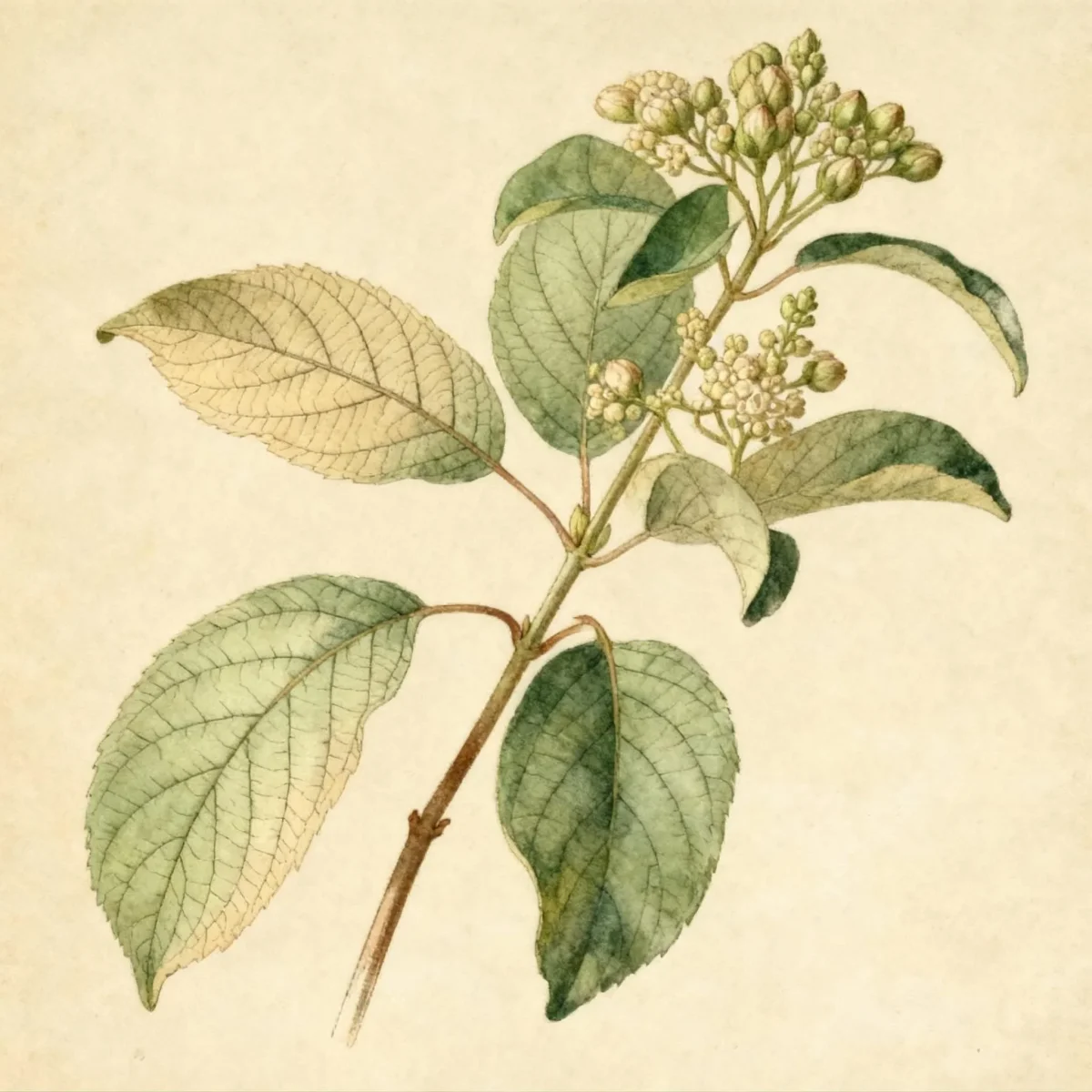
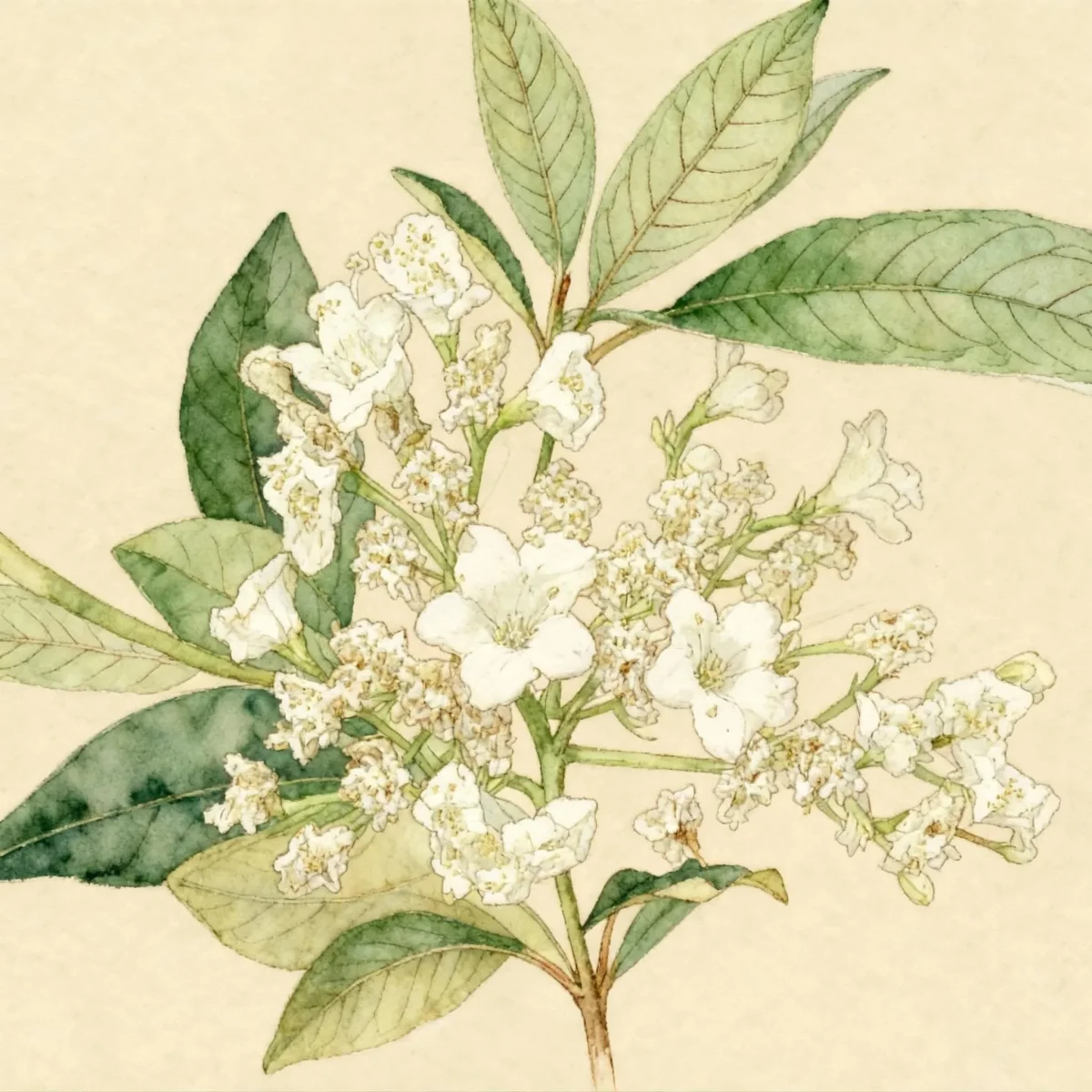
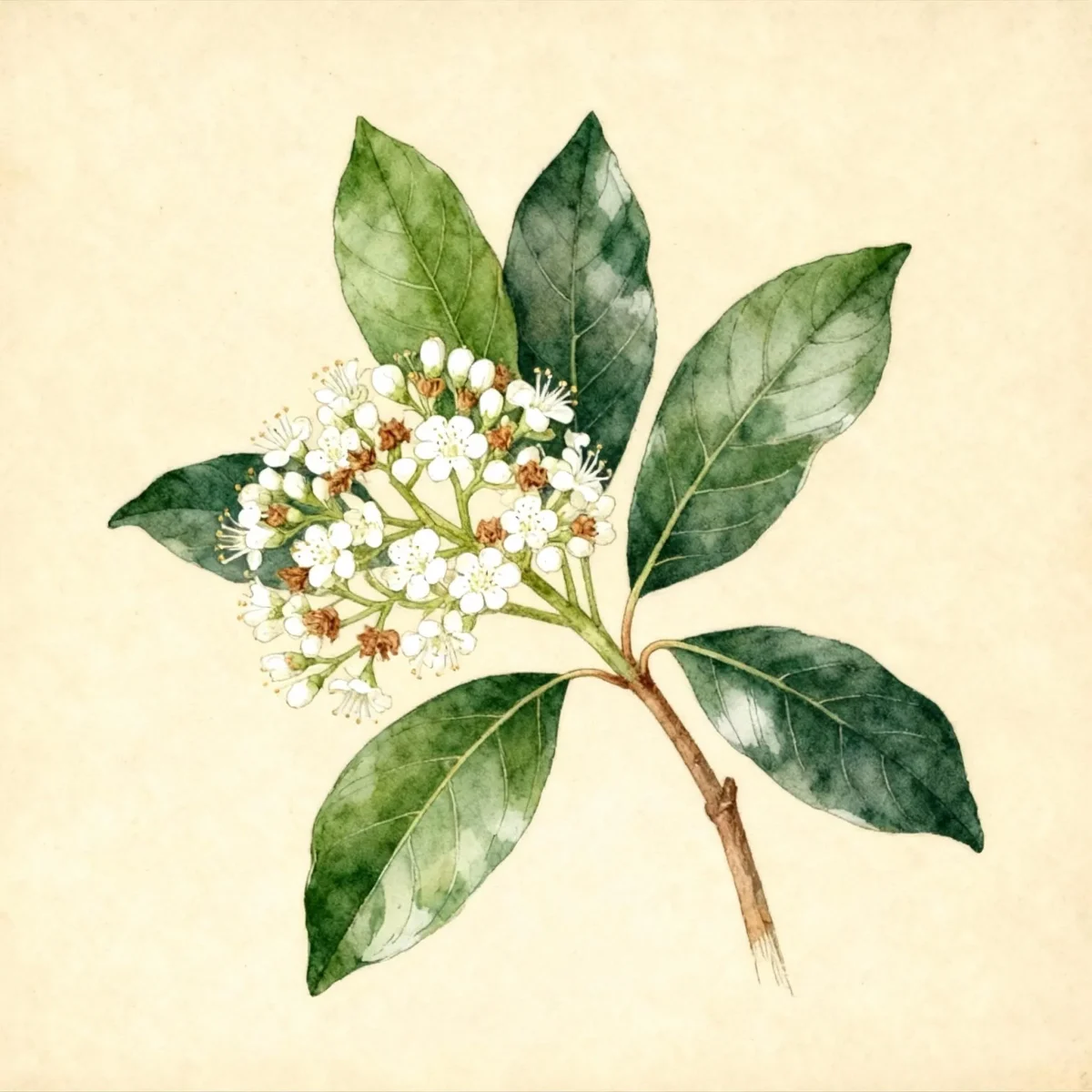
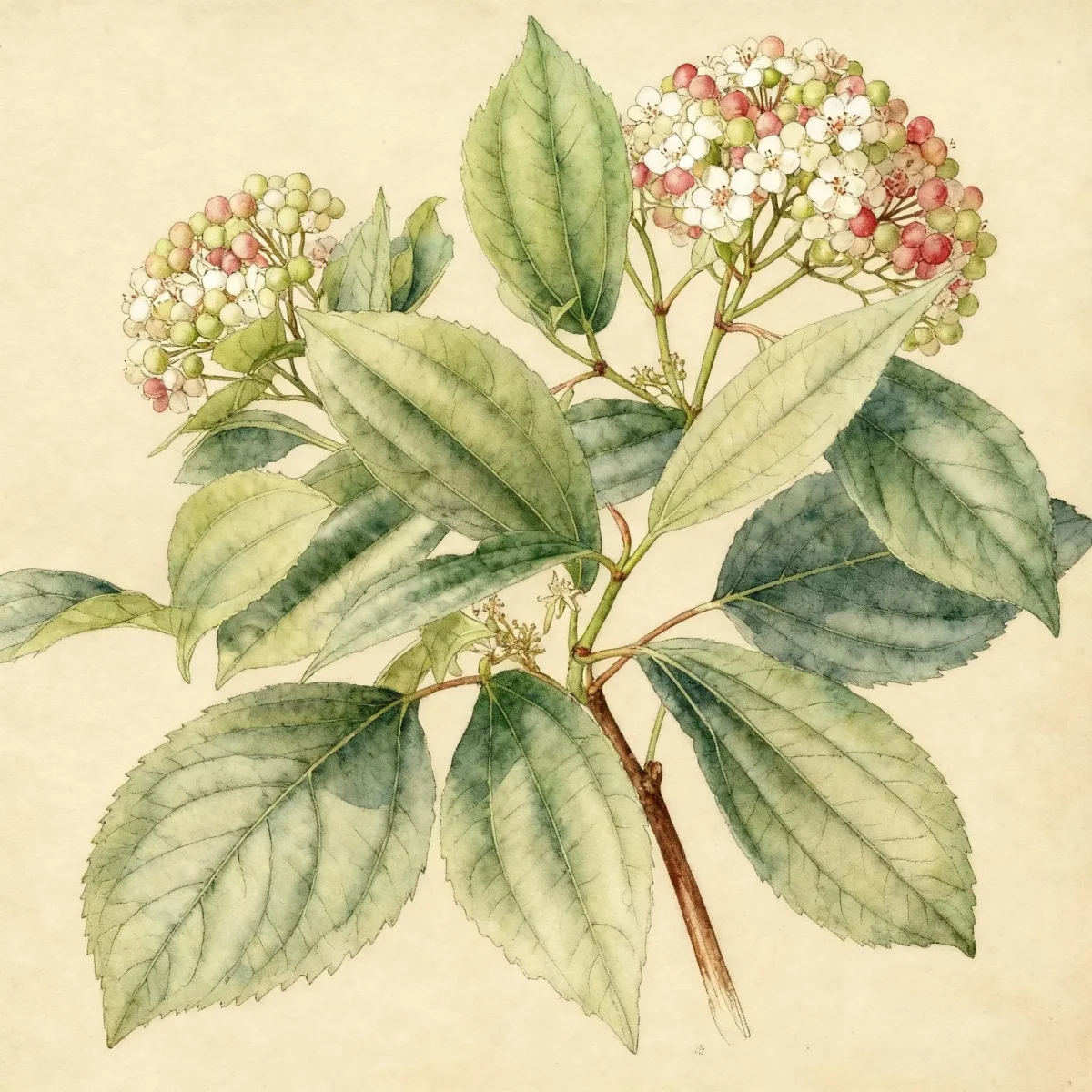
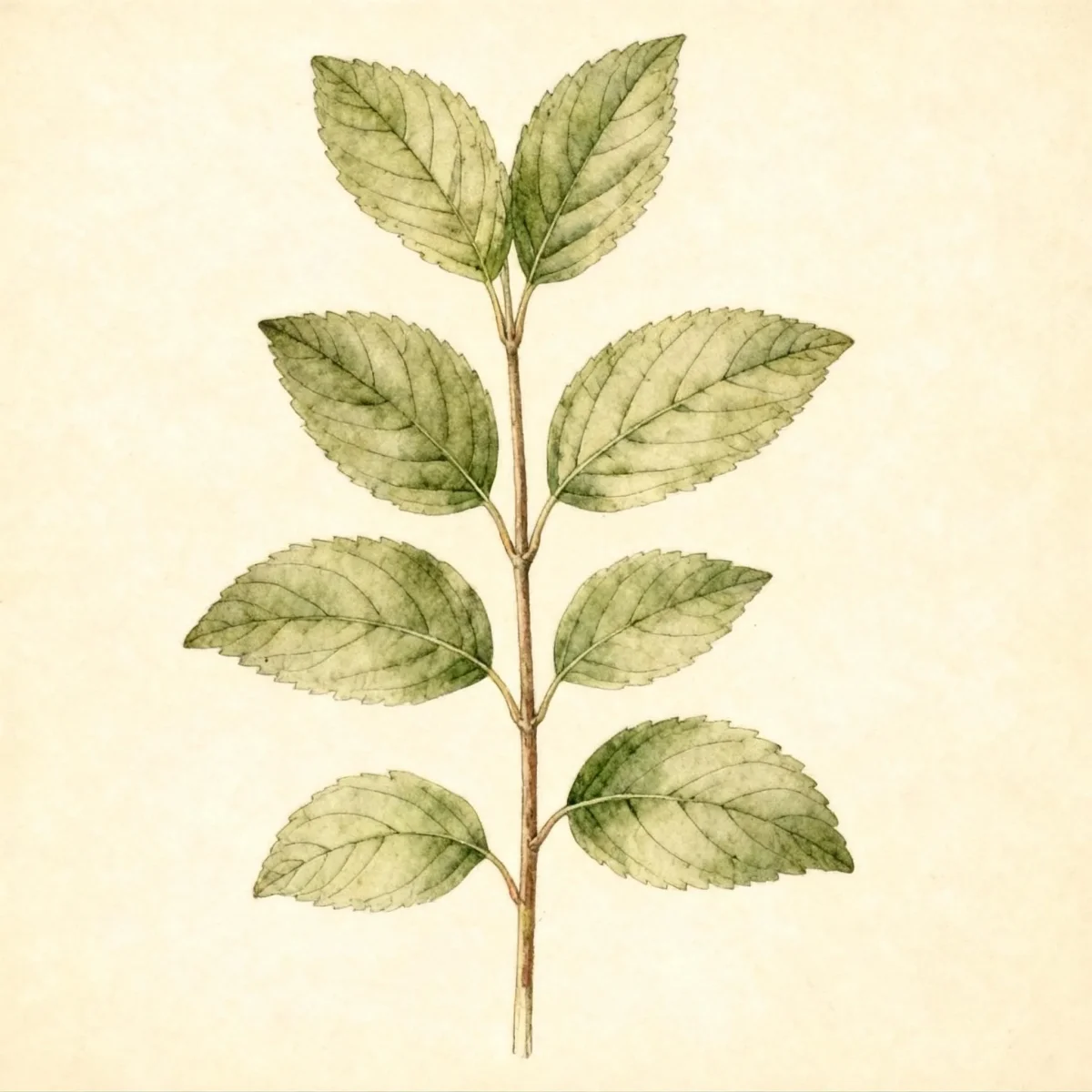
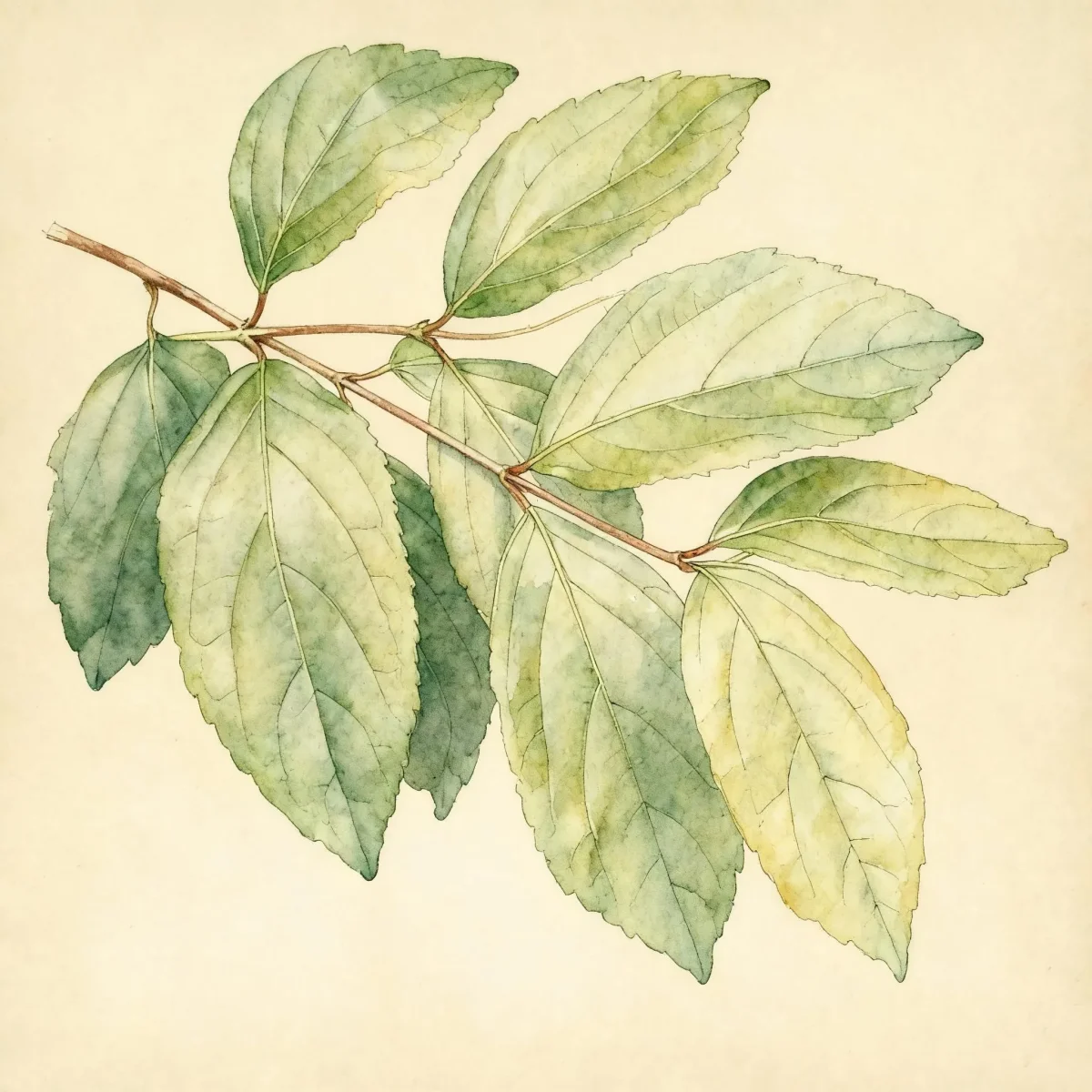
Viburnum suspensum, commonly called sandankwa viburnum, is a densely branched, broadleaf evergreen shrub native to the subtropical Ryukyu Islands of southwestern Japan. It is widely cultivated for use as a hedge or screen and typically has upright to slightly spreading branches. The oppositely arranged leaves (around 3.5” long and 2” wide) are dark green, glossy, and ovate in shape with fine serrations along the margins. Panicles of small, tubular flowers appear in early spring and then sporadically throughout the growing season, and the fragrant blooms contrast beautifully against the dark foliage.
Tolerances
- Deer
- Clay Soil
Potential Problems
The Sandankwa viburnum is generally robust, boasting a clean bill of health regarding major pest or disease issues, which contributes significantly to its low maintenance requirements. This inherent resistance is a major advantage over more susceptible shrubs in humid climates. Furthermore, evidence suggests that deer tend to actively avoid browsing on this species, making it an excellent selection for landscapes facing deer pressure. Proactive care should focus on ensuring adequate drainage, as soggy roots invite root rot, which is the primary non-pest-related threat to Viburnum suspensum.
Frequently Asked Questions
What hardiness zones is Sandankwa viburnum suitable for?
The Sandankwa viburnum is hardy and thrives in USDA Zones 8 through 10.
How large does Viburnum suspensum grow?
Mature Viburnum suspensum typically reaches a height between 6 to 12 feet, with a comparable spread ranging from 4 to 10 feet wide.
When does Viburnum suspensum bloom?
This popular shrub produces its white flowers, which carry a light pink blush, primarily from February to March, often providing much-needed color in late winter.
What sun exposure does Sandankwa viburnum need?
It performs best when situated in locations receiving full sun to partial shade, offering flexibility in landscape planning.
Conclusion
The Sandankwa viburnum is an invaluable evergreen screen or hedge plant, offering visual structure, salt tolerance, and notably late-winter floral interest. Its low maintenance profile ensures that Viburnum suspensum rewards gardeners with consistent performance across various soil types typical of warmer regions. Before planting, confirm your garden resides within USDA Zones 8-10 to ensure the best chance of establishing this resilient shrub successfully.
Companion Planting
When planning borders around your Viburnum suspensum, consider pairing it with plants that share its preference for medium moisture and adaptability to sun exposure. Early spring bloomers like daffodils or late-flowering salvias provide sequential interest after the shrub finishes its bloom cycle. For year-round color contrast, groundcovers with variegated or chartreuse foliage perform well beneath the canopy of the deep green Sandankwa viburnum.
Design Ideas for Screening
Utilizing Viburnum suspensum as a living screen is perhaps its most common and effective application. When planted in a line with staggered spacing, it quickly forms a dense, impenetrable barrier superior to many deciduous hedges. For a formal hedge, maintain a tight, clipped shape, leveraging the shrub’s dense branching habit. In less formal settings, allow the Viburnum suspensum to mature into a more natural, slightly rounded silhouette to soften foundation lines.