Laurustinus (Viburnum tinus)
The elegant Laurustinus (Viburnum tinus) offers fragrant, showy blooms from March to June, thriving in Zones 8-10.
Scroll down to discover growing tips, care requirements, companion plants, and more
Complete Plant Information
Overview
The Laurustinus, botanically known as Viburnum tinus, is a highly valued broadleaf evergreen shrub prized for its dense, glossy foliage and long blooming period. Native to the Mediterranean region of Southern Europe and northern Africa, this dependable shrub provides year-round structure in the landscape. Gardeners appreciate its versatility and low maintenance requirements, making it a stalwart choice for screening and formal plantings.
This species showcases fragrant flowers that emerge pink in bud before opening bright white between March and June, offering an extended period of visual and aromatic interest. Once established, Viburnum tinus proves remarkably resilient, handling dry spells with ease thanks to its drought tolerance. Its mature size, often reaching 6 to 12 feet tall, positions it perfectly as a screen or stately specimen.
For optimal performance, ensure the site receives adequate light, ranging from full sun to partial shade, mimicking its natural habitat. The attractive dark green leaves of the Laurustinus contrast beautifully with its late winter and spring blooms, offering sustained aesthetic appeal unmatched by many deciduous alternatives.
Fast Facts
- Plant Family: Adoxaceae
- Plant Type: Broadleaf evergreen
- Native Range: Southern Europe, northern Africa
- Hardiness Zones: USDA Zones 8-10
- Size at Maturity:
- Height: 6-12 ft
- Spread: 6-10 ft
- Bloom Time: March to June
- Bloom Description: White, Pink
- Sun Exposure: Full sun to part shade
- Water Needs: Medium
- Maintenance Level: Low
How to Grow
Planting Viburnum tinus is best achieved when dormant, either in early spring or fall, ensuring the plant has time to establish a robust root system before summer heat or deep winter cold arrives. This shrub thrives in evenly moist, well-draining soil, preferring deep, rich loams, although it tolerates clay as long as drainage is not compromised. Site it in a location protected from the strongest northern winter winds, as early or late frosts can damage developing buds and twigs, even in zones 8-10.
Once established, the water needs for Laurustinus drop to moderate, and it shows tolerance for occasional drought. Overwatering or poorly drained conditions are the primary culprits for failure, potentially leading to root rot. Fertilization is rarely required; focus instead on maintaining good soil health and consistent moisture during the first year post-planting.
Pruning requirements are minimal for this evergreen. If shaping is necessary to maintain a specific form or size, perform light pruning immediately after the bloom period concludes in early summer. Avoid heavy renovation pruning or late-season cuts, as this can encourage new, tender growth susceptible to frost damage. For increased fruiting activity, consider planting multiple Viburnum tinus specimens near one another.
Landscape Uses
The excellent screening capabilities offered by Viburnum tinus make it an indispensable choice for creating property lines or hiding unsightly views. Its dense, upright to rounded habit, coupled with its evergreen nature, provides effective year-round visual reinforcement in mixed shrub borders. As an accent specimen, its glossy, dark green foliage commands attention even when not in bloom, offering a formal touch to foundation plantings.
Beyond its use as a hedge or screen, the showy and fragrant clusters of the Laurustinus lend themselves well to slightly more visible placements where its mid-to-late winter blooms can be appreciated. Consider pairing it with early spring bulbs that emerge before the Viburnum fully flowers, or contrast its dark leaves against chartreuse foliage shrubs for year-round color complexity. Its established size makes it suitable for large containers flanking entranceways in warmer climates.
Standout Features
Flower Qualities
- Showy
- Fragrant
Noteworthy Characteristics
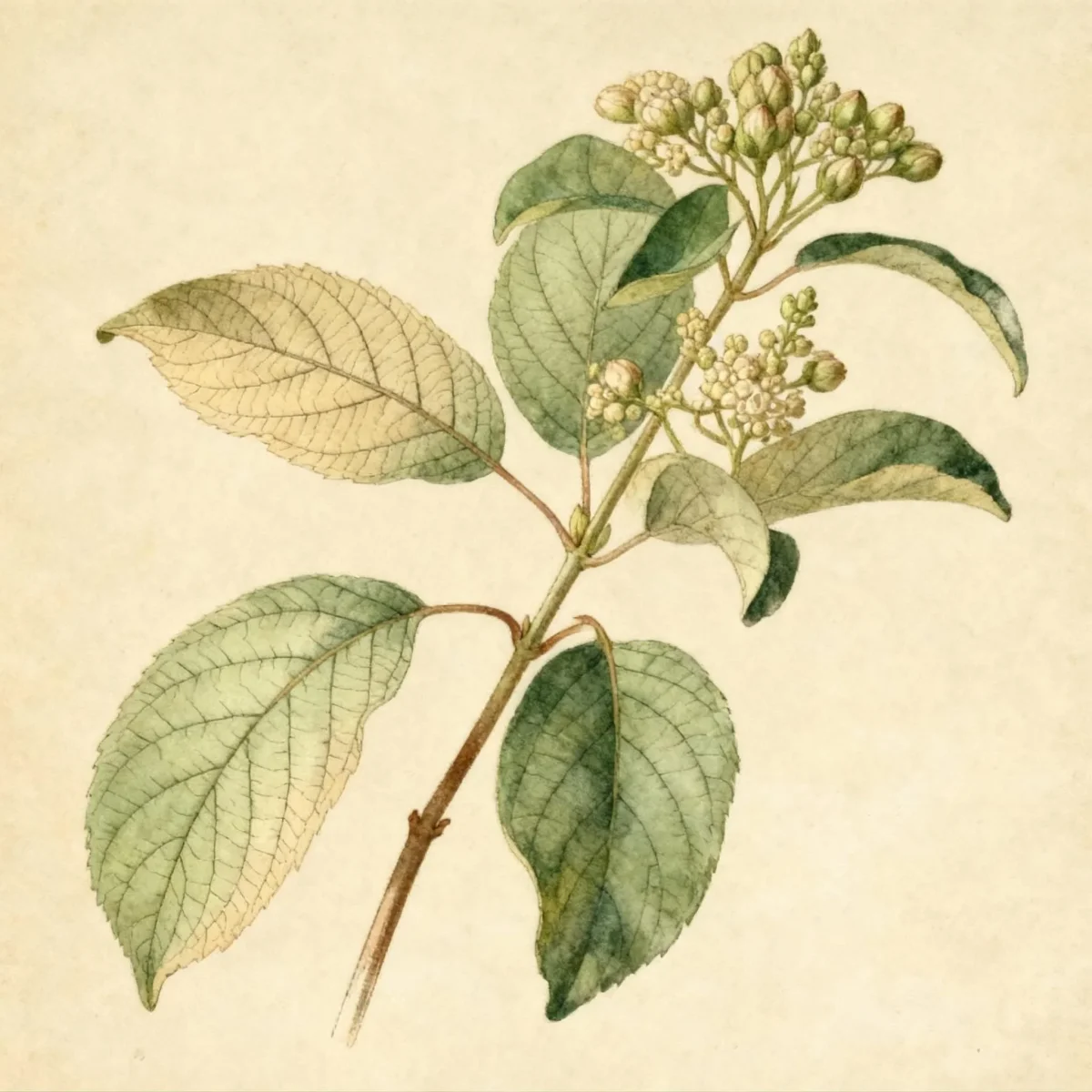
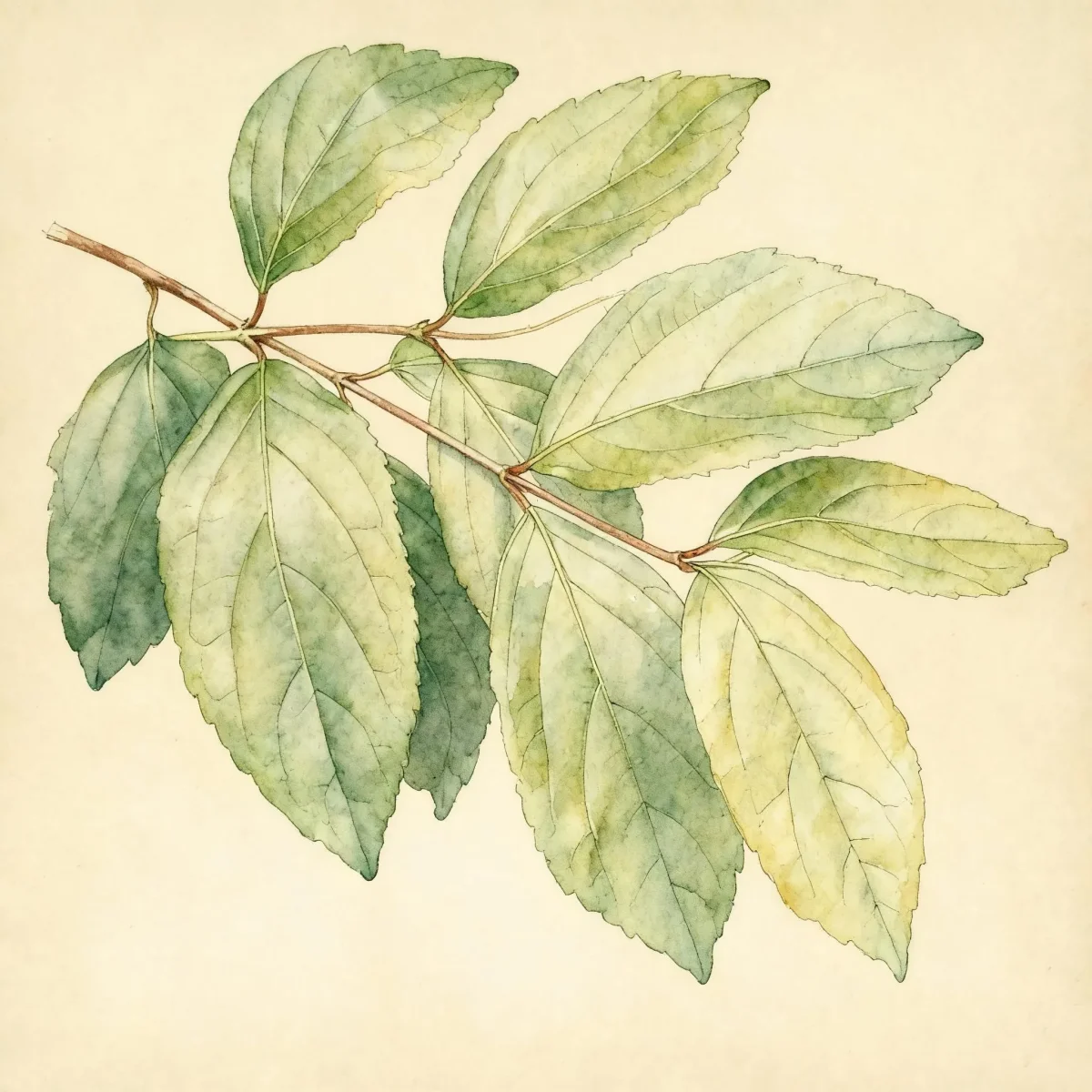
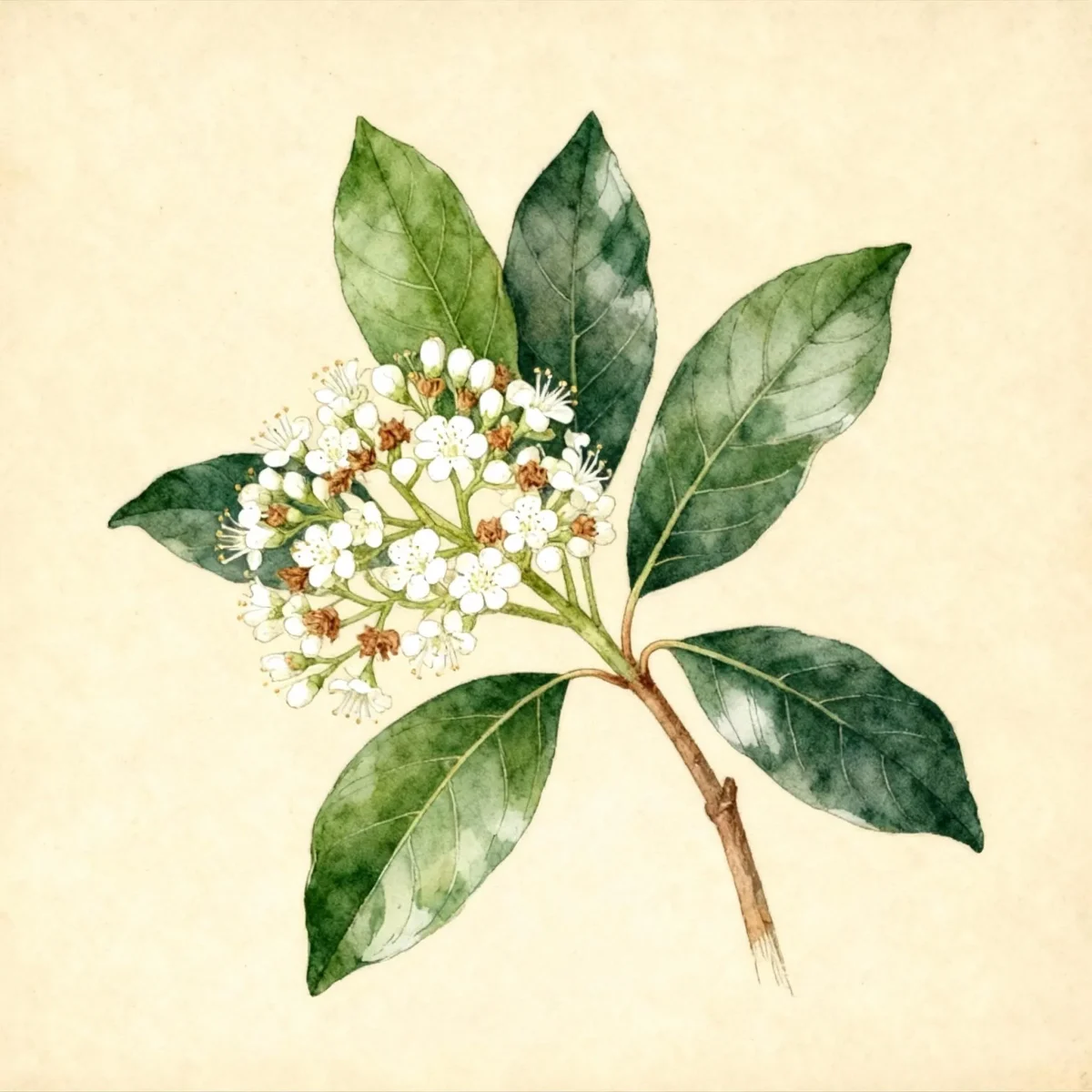
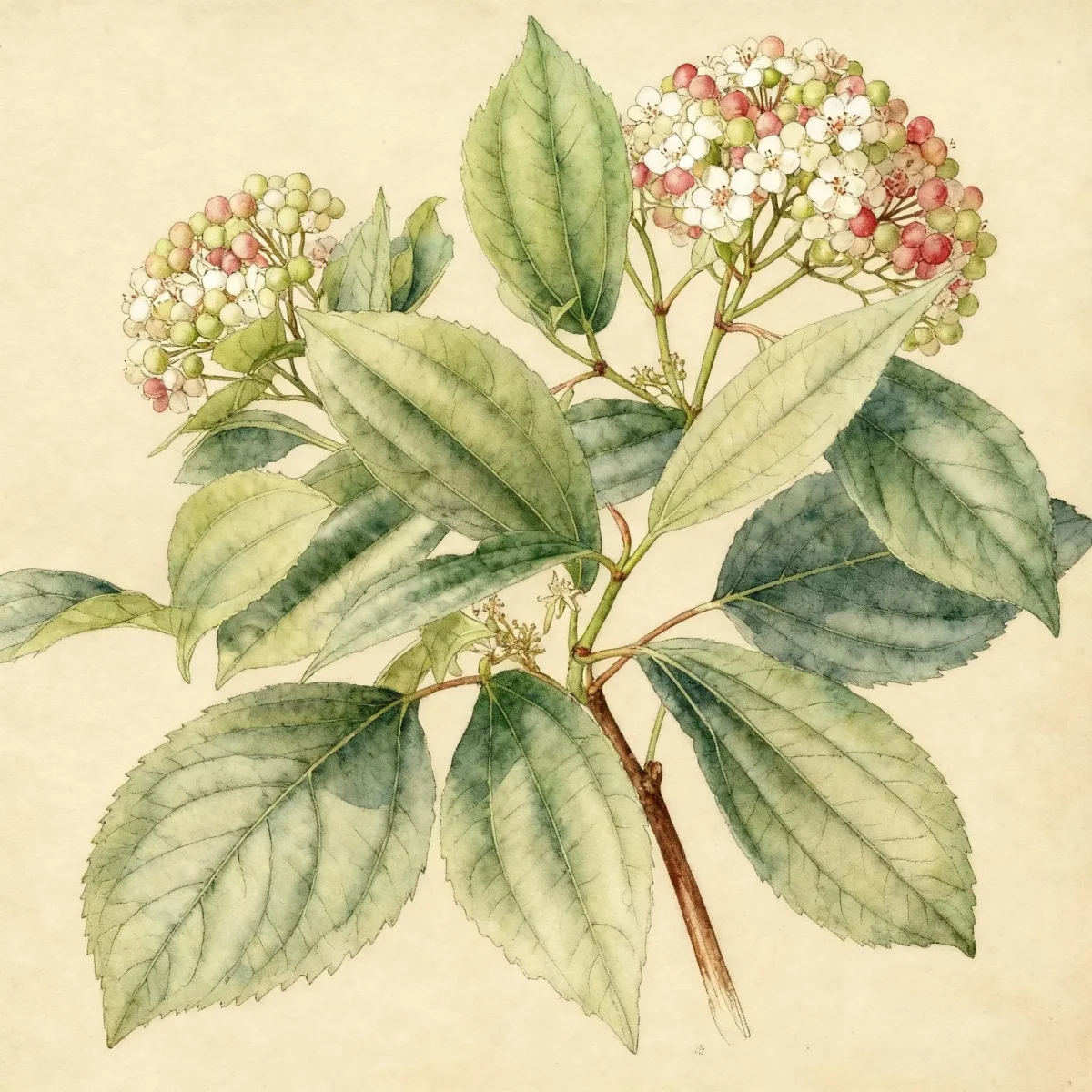
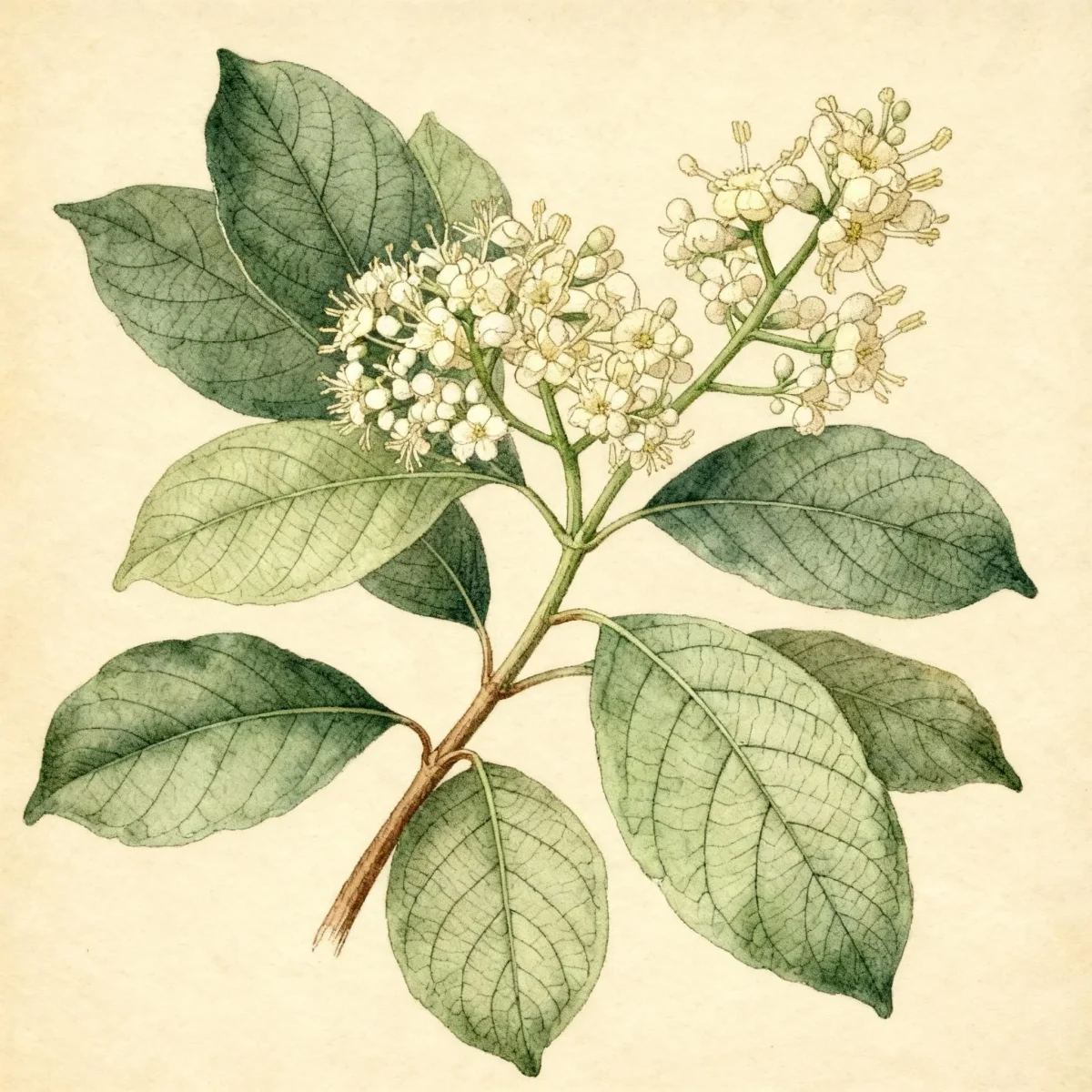
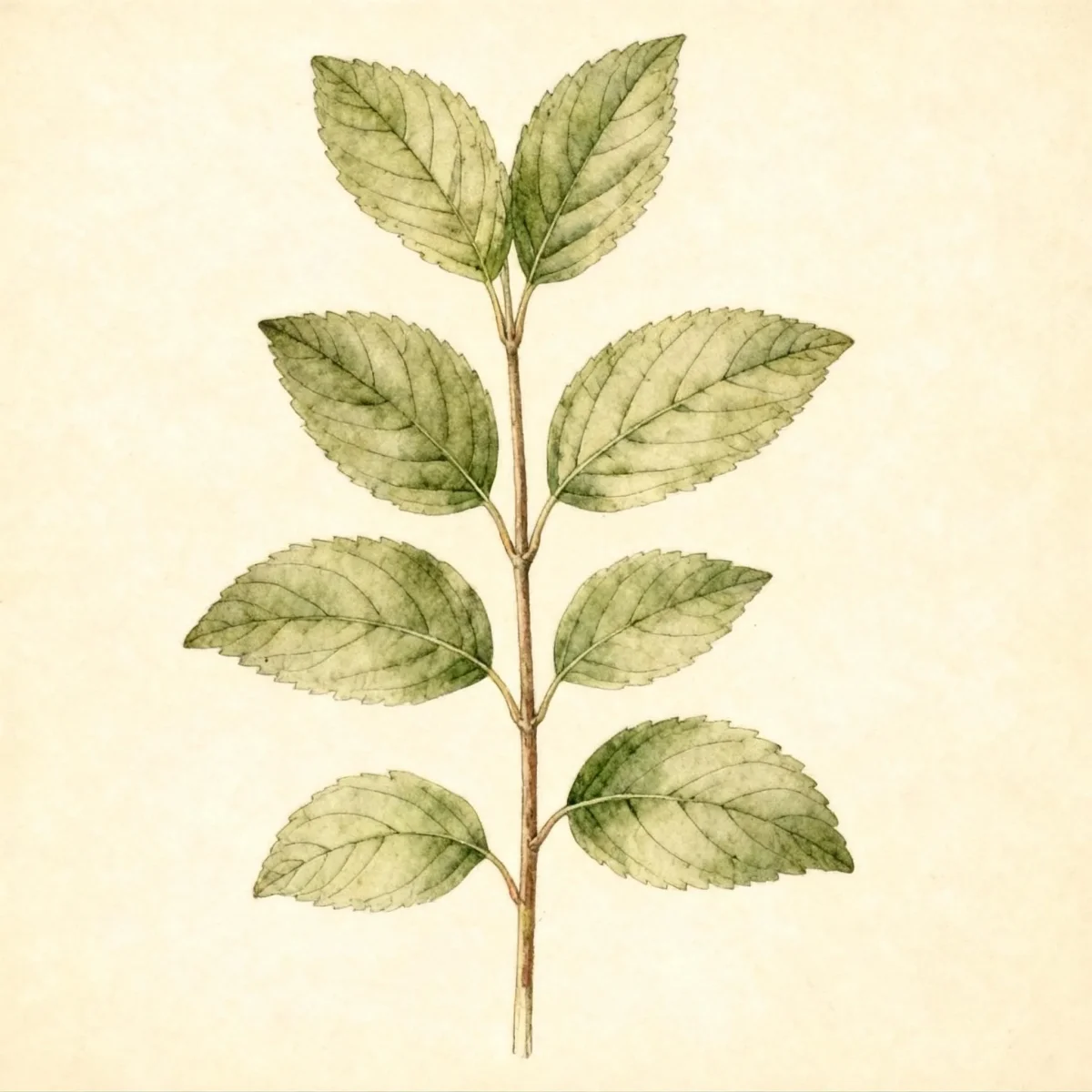
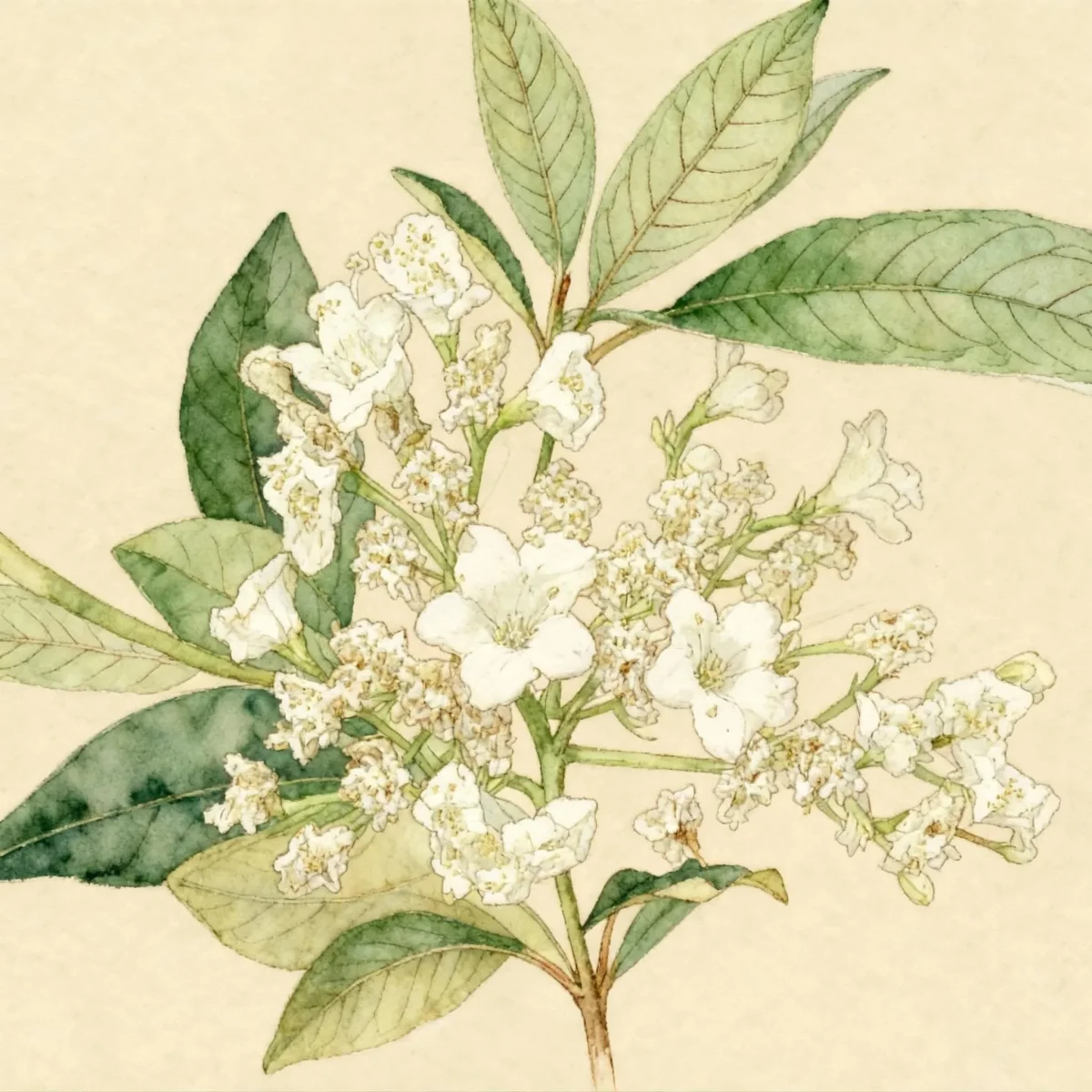
Viburnum tinus, commonly called laurustinus, is a large, evergreen shrub or small tree native to shrubland and wooded, rocky slopes of the Mediterranean region of Europe and northern Africa. Mature specimens can reach up to 12’ tall with a 10’ spread and take on a densely branched, upright to rounded habit. The dark green, glossy foliage is ovate in shape and can reach up to 4” long and 1.5” wide. The fragrant flowers are pink in bud before opening white and are held in round, 4” wide terminal clusters.
Tolerances
- Deer
- Drought
Potential Problems
While generally regarded as robust, Viburnum tinus can occasionally be targeted by common garden pests such as aphids, thrips, mites, and scale insects, which may require targeted horticultural oil or insecticidal soap treatments. Fungal issues like mildew and leaf spot are also possibilities, especially in humid conditions or when air circulation is poor.
The most critical cultural problem to avoid is poor soil drainage, as this condition significantly increases the susceptibility of the roots to rot. Always amend heavy clay soils prior to planting the Laurustinus to ensure water moves away effectively. Monitoring these factors will keep your Viburnum tinus healthy and attractive.
Frequently Asked Questions
What hardiness zones is Laurustinus suitable for?
Viburnum tinus is reliably hardy in USDA Zones 8 through 10, though protection may be needed in Zone 7.
How large does Laurustinus grow?
This plant typically matures to a height of 6 to 12 feet and can achieve a spread between 6 and 10 feet wide.
When does Viburnum tinus bloom?
The beautiful, fragrant flowers of Viburnum tinus usually appear from March through June, opening from pink buds to white blossoms.
What sun exposure does Viburnum tinus need?
This evergreen performs best when situated in locations receiving full sun to partial shade.
Conclusion
The Laurustinus remains an outstanding choice for gardeners seeking reliable evergreen structure, mid-season fragrance, and low-maintenance beauty. Its resilience to deer browsing and drought, combined with its long spring bloom display, solidifies Viburnum tinus as a landscape powerhouse in applicable climates. Check your local hardiness map to ensure Zones 8-10 compatibility before selecting a permanent spot for this Mediterranean favorite.
Wildlife Benefits
The glossy drupes that follow the blossoms of the Viburnum tinus are dark, metallic blue and serve as an important food source for local bird populations. Planting the Laurustinus somewhere visible, perhaps near a window or feeder, allows you to observe this interaction throughout the fall and winter months. While the flowers are generally sought by generalist pollinators, the fruit appeal is significant for avian visitors.
Companion Planting
To enhance the mid-winter and early spring scene, consider pairing Viburnum tinus with groundcovers or perennials that thrive in similar light and moisture conditions. Snowdrops (Galanthus), early Daffodils, or Hellebores (Lenten Rose) emerge concurrent with or just before the Laurustinus bloom. These companions take advantage of the dappled light that may reach the base of the shrub during the growing season, providing complementary textures beneath the dense evergreen canopy.