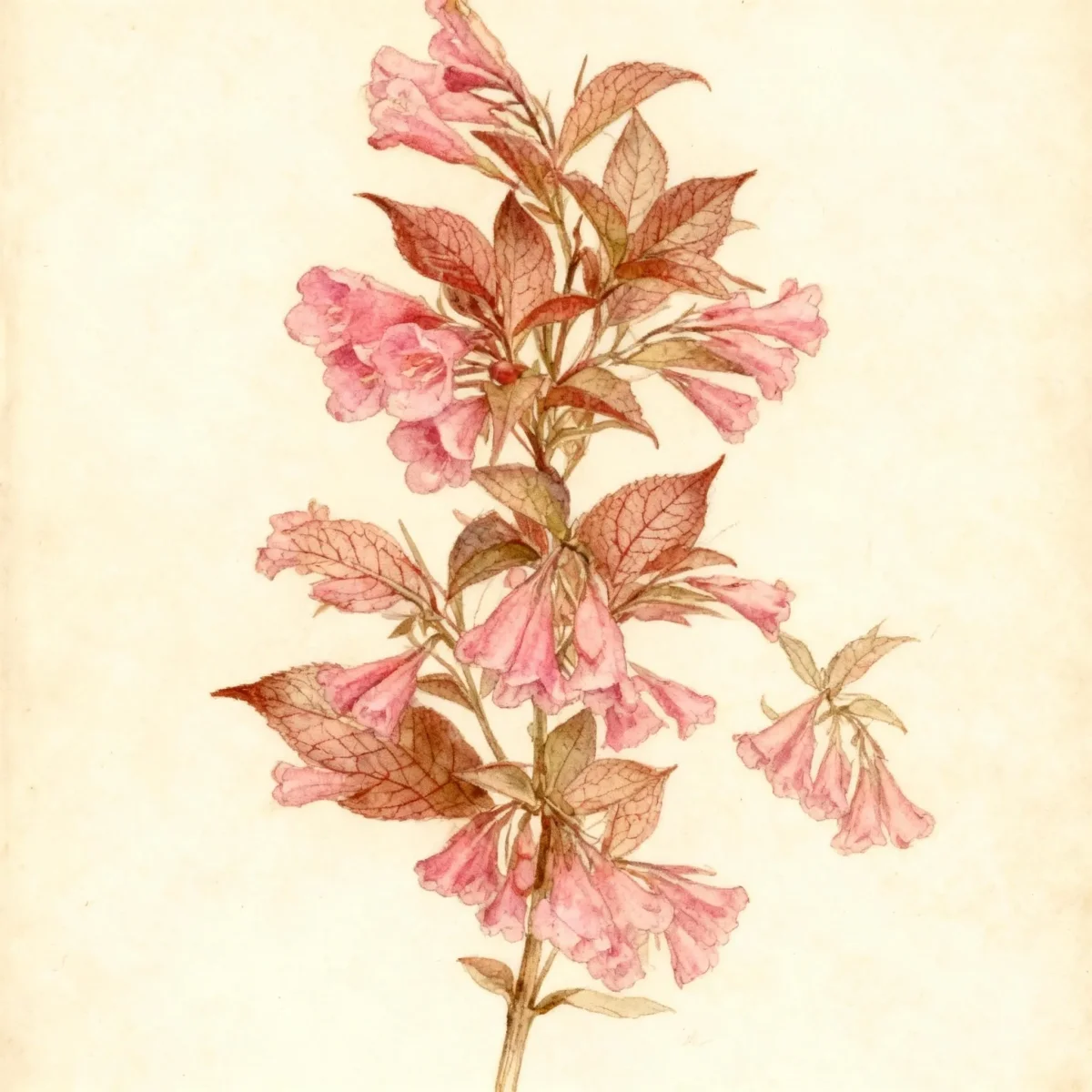
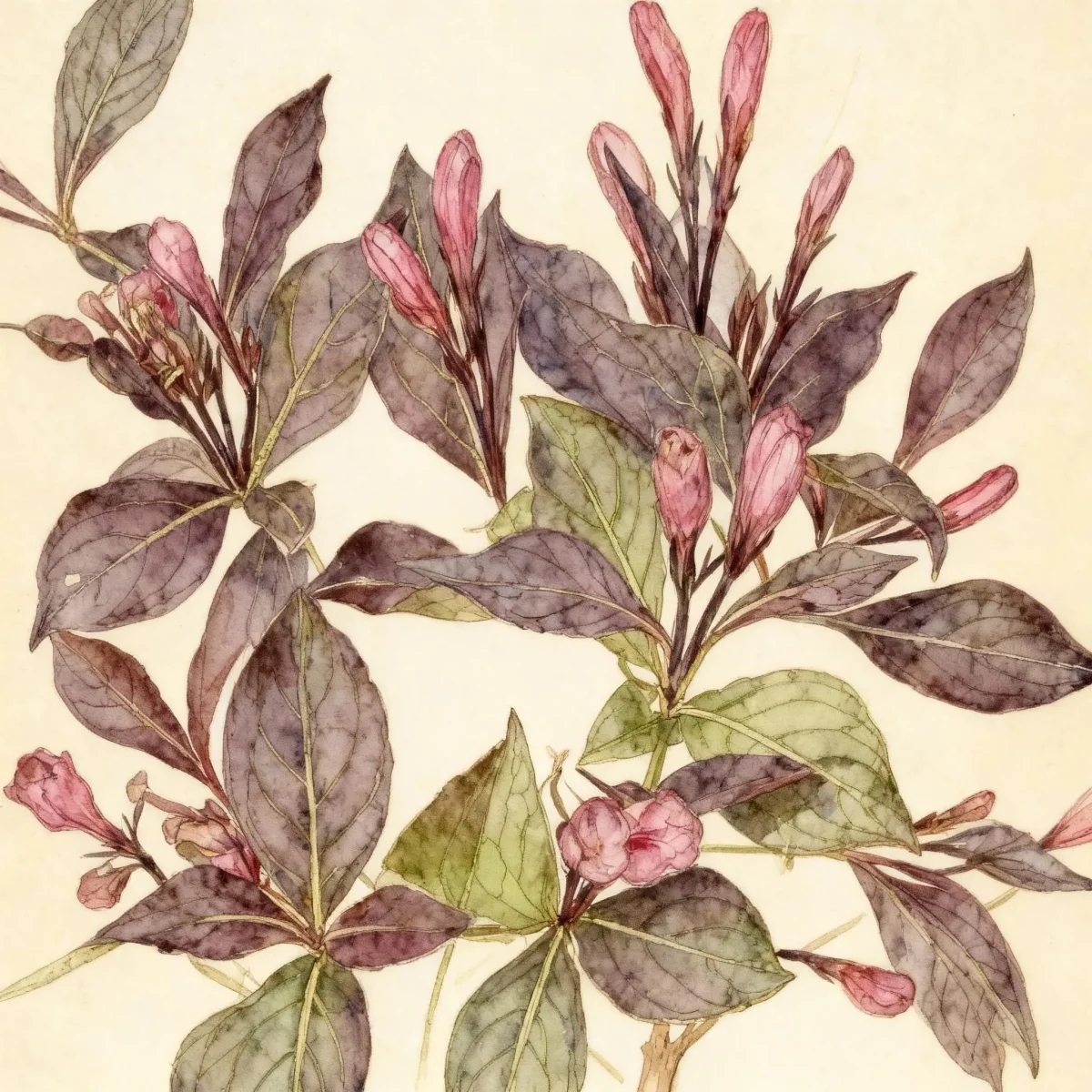
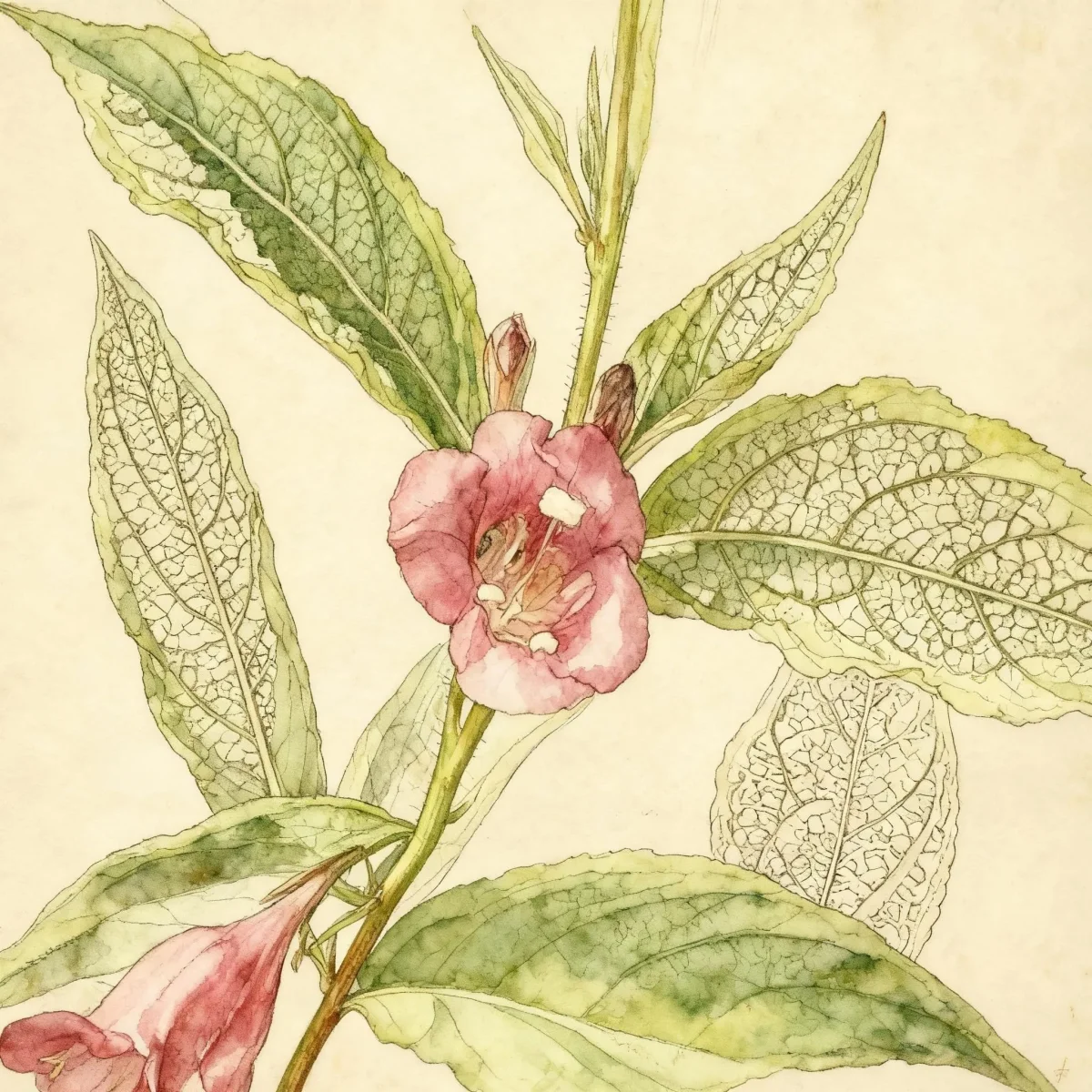
Seven-son flower (Heptacodium miconioides)
Discover Heptacodium miconioides, the Seven-son flower, famed for its brilliant late-season white flowers and showy pink fall fruit display.
Scroll down to discover growing tips, care requirements, companion plants, and more
Complete Plant Information
Overview
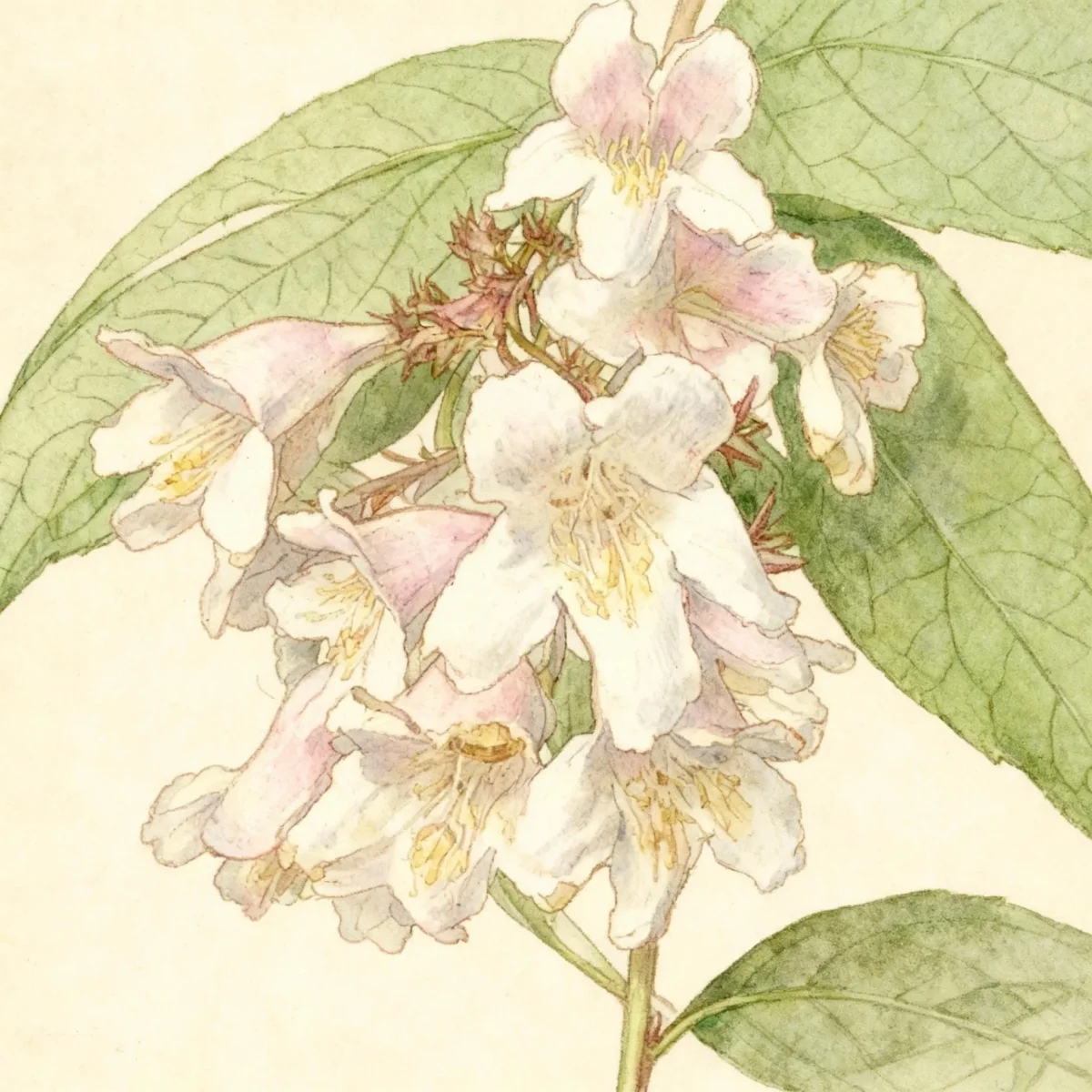
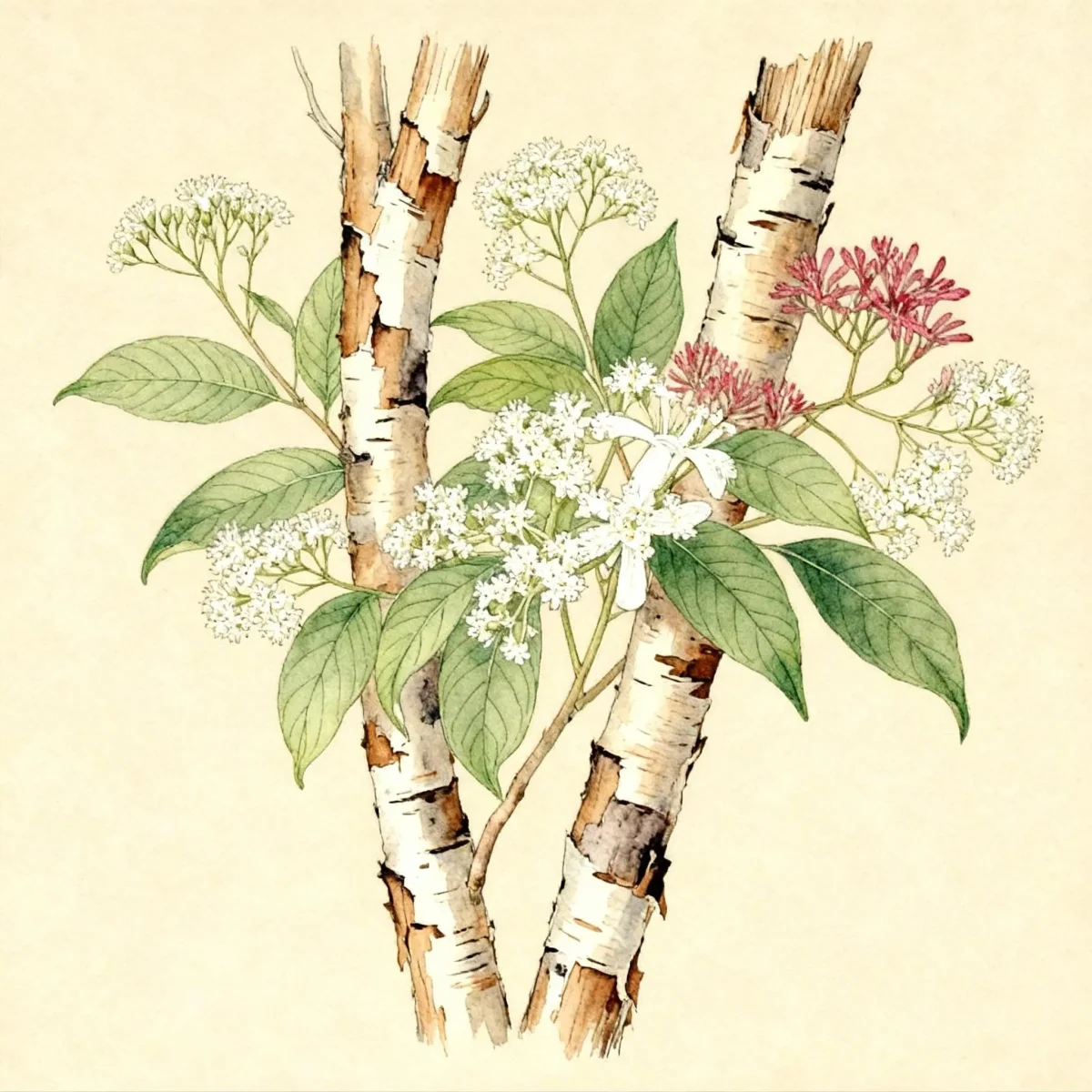
The Seven-son flower (Heptacodium miconioides) is a unique and highly valued ornamental shrub, prized for providing color and fragrance when many other plants have finished blooming. Native to China, this deciduous specimen offers a fantastic display of terminal panicles bearing fragrant, creamy-white flowers typically in September. Its late-season show is further enhanced by attractive, persistent pink calyces that follow the flowers, highlighting the small red fruits.
Heptacodium miconioides usually matures into a large shrub, often reaching 15 to 20 feet tall, but it can easily be pruned into a graceful, single-trunk tree form. Beyond the blooms, this plant delivers year-round interest, especially in winter when its tan, exfoliating bark reveals attractive brown inner layers. Gardeners seeking reliable, low-maintenance structure combined with late-season sensory appeal will find Heptacodium miconioides an excellent addition to the landscape.
Fast Facts
- Plant Family: Caprifoliaceae
- Plant Type: Deciduous shrub
- Native Range: China
- Hardiness Zones: USDA Zones 5-9
- Size at Maturity:
- Height: 15-20 ft
- Spread: 8-10 ft
- Bloom Time: September
- Bloom Description: White with pink calyx
- Sun Exposure: Full sun
- Water Needs: Medium
- Maintenance Level: Low
How to Grow
Planting the Seven-son flower is best done in spring or fall to allow the roots to establish before extreme temperatures hit. Choose a location that receives full sun exposure to maximize flowering and fruit set. This plant is remarkably adaptable, thriving in average conditions, provided the soil is well-drained. It tolerates a wide range of soil types, which simplifies site selection for the gardener.
Once established, Heptacodium miconioides requires a medium level of watering, particularly during hot, dry spells in mid-summer, though established shrubs are moderately drought tolerant. Fertility requirements are low; heavy fertilization is generally unnecessary and can sometimes lead to sparse flowering. Pruning should be directed primarily toward maintaining its desired shape, either as a multi-stemmed fountain-like shrub or a small, single-trunk specimen tree.
For excellent winter interest resulting from the peeling tan bark, avoid excessive late-season cleanup as the persistent rose-pink calyces persist well into the late fall and early winter, offering lasting structure. Protect young plants from harsh winds initially, although mature specimens are quite vigorous.
Landscape Uses
The versatility of Heptacodium miconioides allows it to function effectively in several landscape roles. Its natural fountain shape makes it an excellent choice as a lawn specimen or a commanding accent point near the home where its late bloom can be appreciated up close. Due to its unique stature, it also anchors shrub borders beautifully or provides soft structure in a woodland garden setting where dappled sunlight might still be present (though full sun is preferred).
As a somewhat rare and unique plant, consider planting it near entryways to offer visitors a fragrant surprise in early fall. While it serves well as a singular feature, companion planting areas need lower-growing, shade-tolerant perennials beneath it, especially if planted toward the warmer edge of its hardiness range, to prevent competition for moisture during peak summer heat. This is a plant that rewards thoughtful placement by offering visual interest across four seasons.
Standout Features
Flower Qualities
- Showy
- Fragrant
Fruit Qualities
- Showy
Noteworthy Characteristics
Heptacodium miconioides is recognized for its striking late-season performance, featuring terminal panicles of fragrant, creamy-white flowers followed by incredibly showy, purplish-red fruits crowned by long-lasting, rose-pink calyces. This plant is noted for having exfoliating tan bark that reveals attractive brown inner bark, providing excellent winter texture. Known commonly as the Seven-son flower, its genus name refers to the typically seven-branched clusters making up the flower heads, and it serves as an important late-season nectar source for pollinators.
Tolerances
No specific tolerances were listed for this specimen.
Potential Problems
A major benefit of growing the Seven-son flower is its exceptional pest and disease resistance. Gardeners generally report no serious insect or disease problems associated with Heptacodium miconioides. This low-maintenance profile means fewer sprays and less worry compared to many other flowering shrubs blooming at the same time. Ensure excellent drainage, as perpetually soggy soil remains the primary environmental stressor for most woody ornamentals.
Frequently Asked Questions
What hardiness zones is Seven-son flower suitable for?
The Seven-son flower performs best when grown in USDA Hardiness Zones 5 through 9, offering excellent adaptability across a wide range of climates.
How large does Heptacodium miconioides grow?
Mature Heptacodium miconioides typically reaches heights between 15 and 20 feet tall with a spread generally ranging from 8 to 10 feet wide, developing a pleasing fountain shape.
What sun exposure does Seven-son flower need?
For optimal flowering and structure, full sun exposure is recommended for Heptacodium miconioides.
When does Seven-son flower bloom?
The bloom time for this plant is generally in September, presenting with white flowers contrasted by a pink calyx.
Conclusion
The Seven-son flower (Heptacodium miconioides) is invaluable to the landscape for delivering late-season fragrance and providing multi-season interest through its bark and persistent autumnal fruit display. Its low maintenance requirement makes it an appealing choice for busy gardeners seeking high impact. Before planting, confirm that your site receives full sun and verify that your location falls within hardiness zones 5 to 9.
Companion Planting
When selecting companions for Heptacodium miconioides, focus on plants that enjoy similar medium moisture and well-drained soil conditions, especially under full sun. Consider pairing it with late-blooming Japanese Anemones or hardy Sedums, which provide contrasting textures and colors later in the season while keeping their roots close to the surface. For a woodland edge effect, utilize shade-tolerant groundcovers only where the shrub’s canopy allows dappled light, as full sun is best for the primary plant.
Wildlife Benefits
Heptacodium miconioides significantly benefits late-season wildlife, particularly as temperatures begin to cool leading into fall. The open clusters of the Seven-son flower are excellent sources of nectar for essential insect pollinators, including late-flying butterflies and bees that are trying to build up reserves before winter. Furthermore, the small, bird-attractive drupes (fruits) that persist into late fall offer a final food source for migrants passing through the area. Incorporating this species supports local insect ecology when other forage options are scarce.