Leatherleaf viburnum (Viburnum rhytidophyllum)
Leatherleaf viburnum (Viburnum rhytidophyllum) is a striking broadleaf evergreen prized for its dark, puckered foliage and late spring creamy blooms.
Scroll down to discover growing tips, care requirements, companion plants, and more
Complete Plant Information
Overview
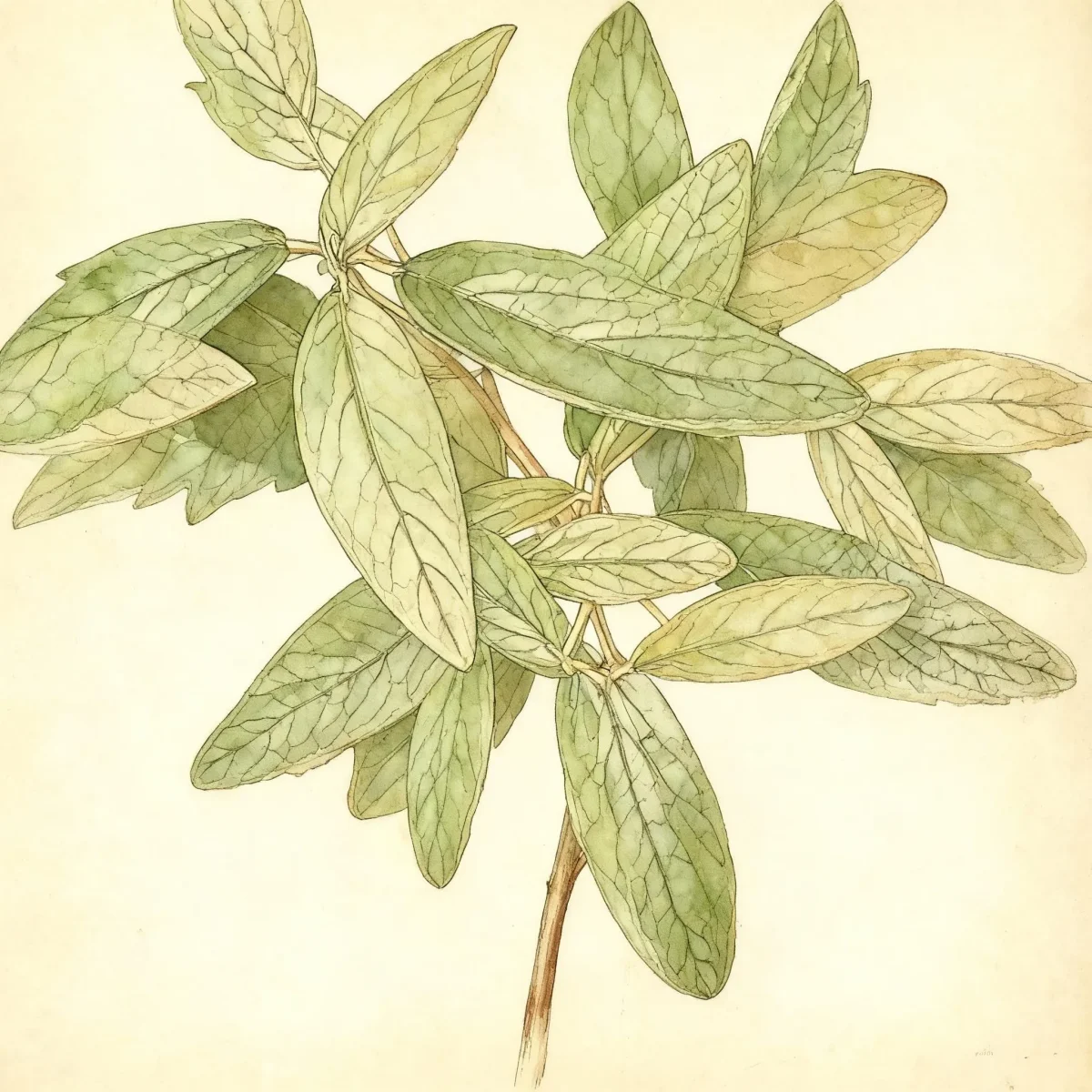
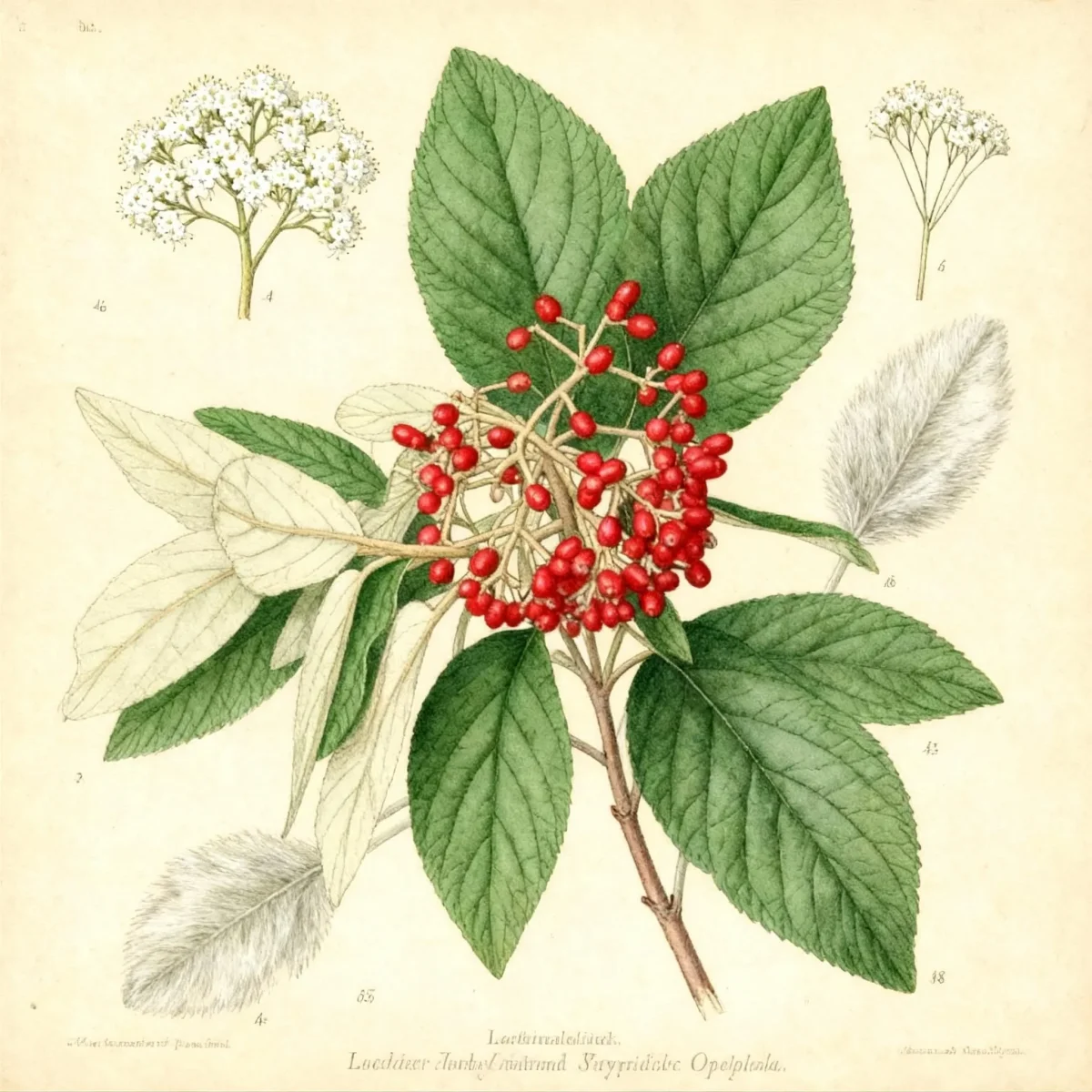
The Leatherleaf viburnum (Viburnum rhytidophyllum) is a highly valued broadleaf evergreen native to Central and Western China, offering year-round interest. Its most distinguishing feature is the deeply furrowed, dark green, glossy foliage, which gives the shrub its common name, reflecting its wrinkled texture. This durability makes the Viburnum rhytidophyllum an excellent choice for screening and providing structure when deciduous plants are bare.
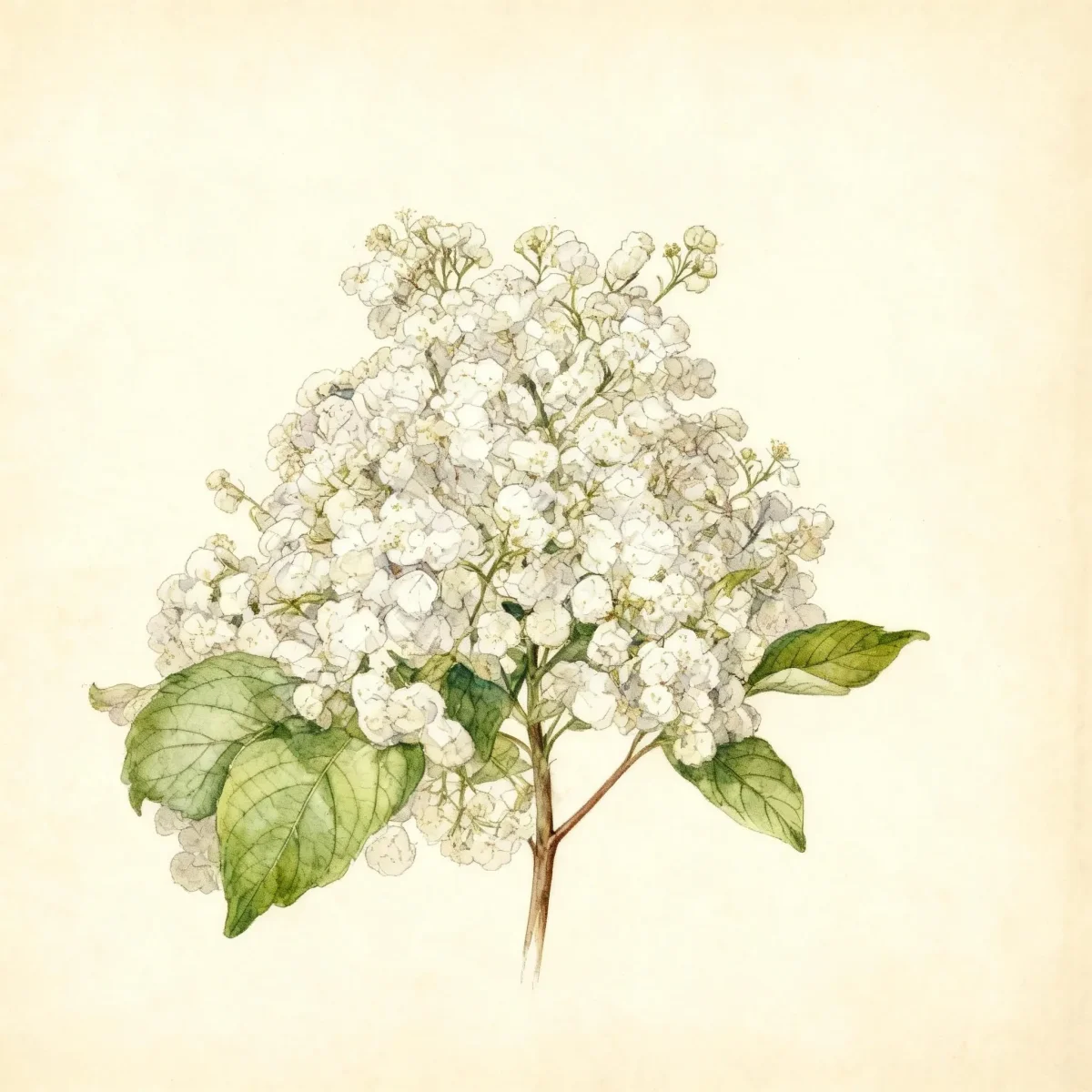
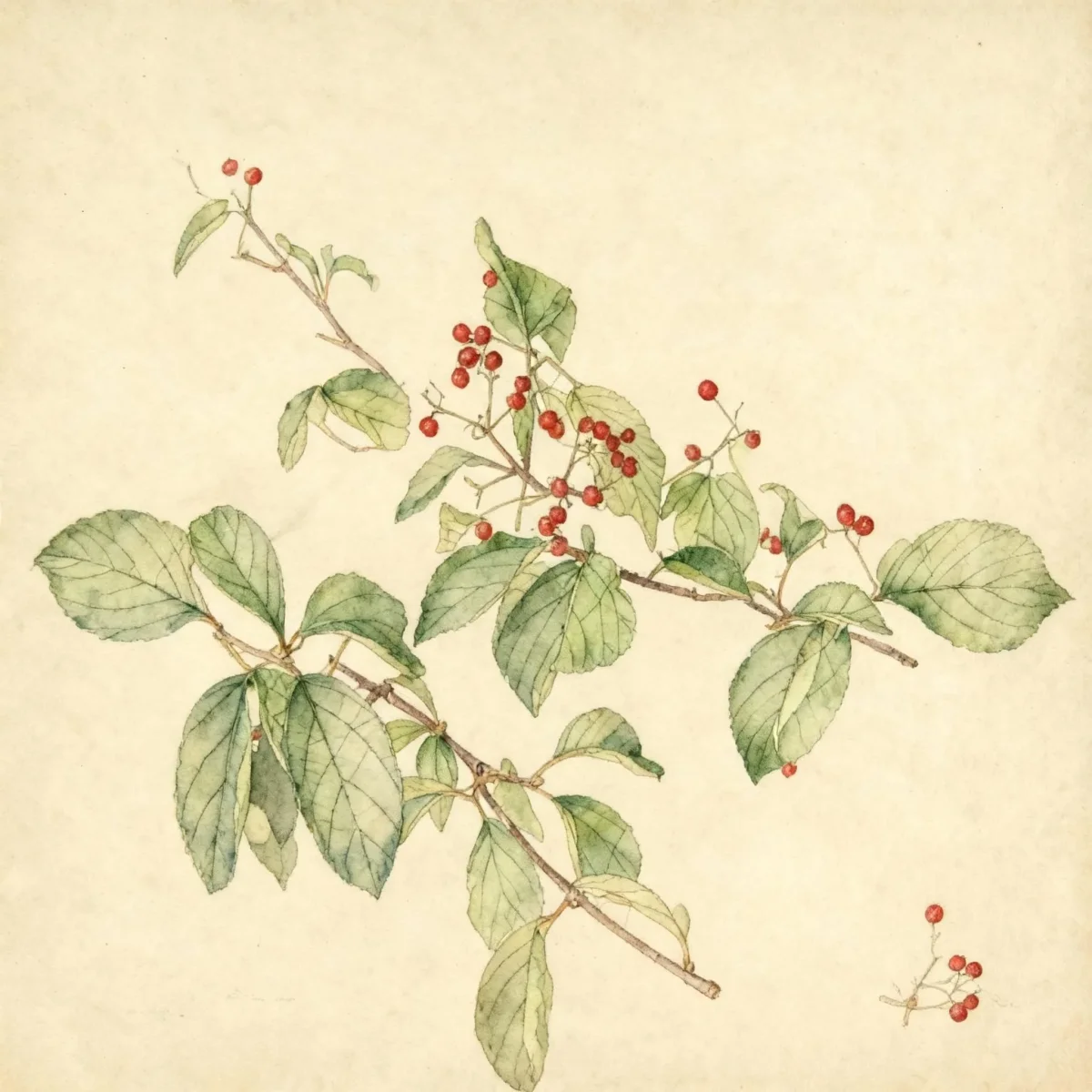
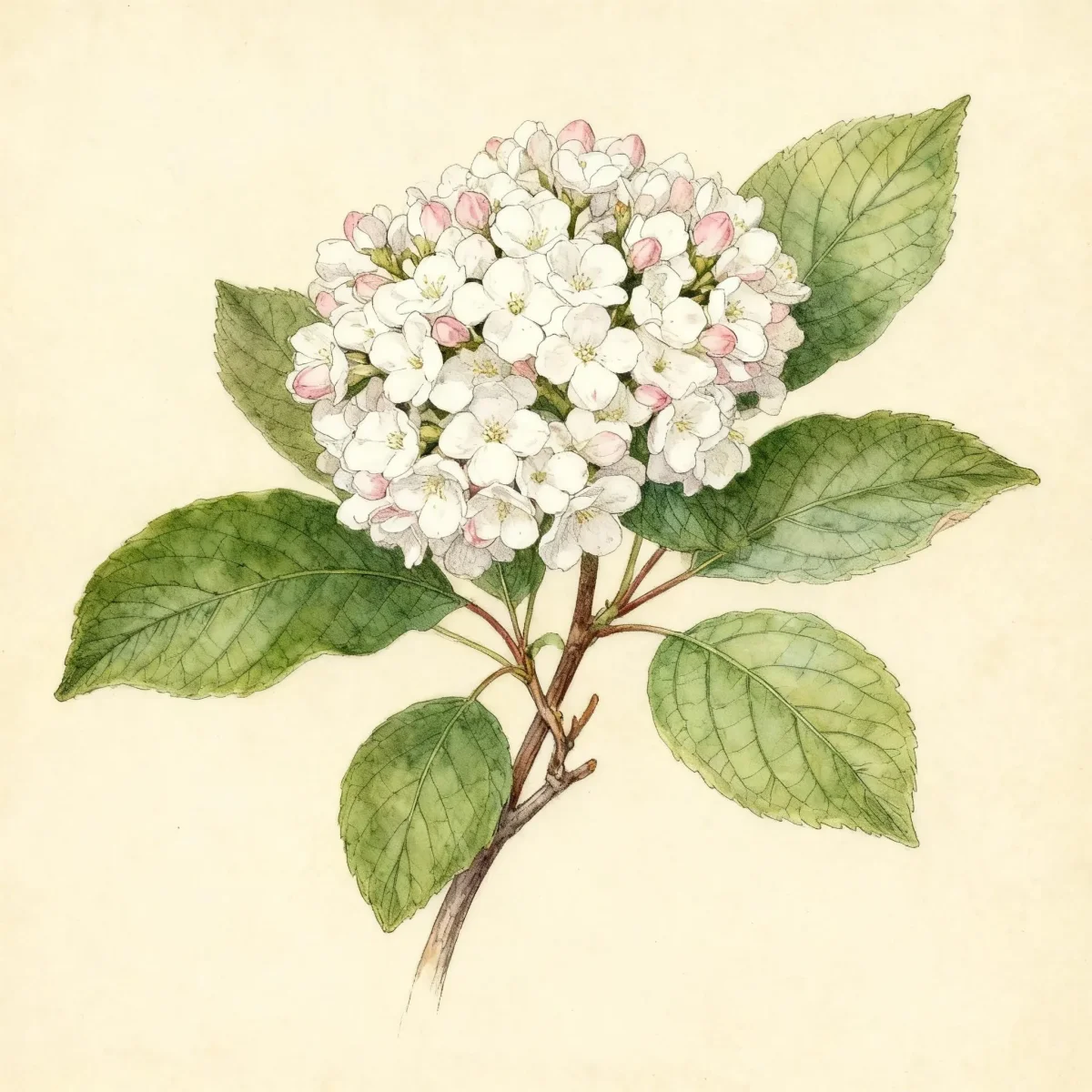
This shrub matures into a substantial specimen, reaching 6 to 10 feet tall and wide, making it versatile for foundational plantings or large hedges. In late spring, it provides a soft contrast to the dark leaves with clusters of creamy white flowers, followed by berries that transition from red to a glossy black that often persist into early winter. Gardeners appreciate the low maintenance requirements of the Leatherleaf viburnum, provided it is sited correctly.
Due to its evergreen nature and multi-season appeal, Viburnum rhytidophyllum is a staple for adding texture and depth to the landscape design. While robust, attention to winter protection in colder zones ensures the foliage remains intact, maximizing the visual benefit of this distinguished shrub.
Fast Facts
- Plant Family: Adoxaceae
- Plant Type: Broadleaf evergreen
- Native Range: Central and western China
- Hardiness Zones: USDA Zones 5-8
- Size at Maturity:
- Height: 6-10 ft
- Spread: 6-10 ft
- Bloom Time: May to June
- Bloom Description: Creamy white
- Sun Exposure: Full sun to part shade
- Water Needs: Medium
- Maintenance Level: Low
How to Grow
Planting the Viburnum rhytidophyllum is best done in spring or fall when soil temperatures are moderate. It thrives in average, medium, well-drained soil, tolerating a range from full sun exposure necessary for dense growth, to partial shade which may offer better protection from hot afternoon sun. Ensure the planting location offers adequate space, as this shrub can spread up to 10 feet wide.
Ongoing care for this species is generally simple. Water moderately, ensuring the soil remains consistently moist, especially during establishment. Because it is considered low maintenance, significant fertilization is usually unnecessary unless the soil is extremely poor. The most critical cultural note involves winter protection; in colder limits of its hardiness range (like Zone 5), the foliage can suffer dieback from severe winter wind exposure.
Pruning should be strategic to maintain the best form and flower display. If the shrub loses its desired shape or needs revitalization, prune aggressively down to the ground during late winter or early spring. If pruning only for size control, prune immediately after flowering, as flower buds for the following year develop during the summer months.
Landscape Uses
The natural size and dense habit of the Leatherleaf viburnum make it an excellent candidate for use as an informal hedge or screen where evergreen structure is desired year-round. These shrubs perform well when planted closely together in groups, creating a solid, textured backdrop against lighter-colored architecture or perennial borders.
Beyond hedging, the multi-season interest—featuring decorative flowers and persistent black berries—grants Viburnum rhytidophyllum significant specimen value. Use it as a sturdy element in mixed borders, pairing it with other broadleaf evergreens or contrasting deciduous shrubs that offer autumn color. Its evergreen nature ensures that structural integrity remains even when flowering natives have finished their cycle.
Standout Features
Flower Qualities
- Showy
Fruit Qualities
- Showy
Noteworthy Characteristics
Viburnum rhytidophyllum, commonly called leatherleaf virbunum, is an evergreen shrub, which can ultimately reach a height of 6-10’. It produces flat cymes of creamy white flowers in the spring and berries in early fall which first appear red and then change to a glossy black, often persisting to the end of December. Its ovate-oblong to ovate-lanceolate leaves are dark green, somewhat shiny, and distinctly puckered, defining the texture of this excellent evergreen.
Tolerances
This species has no listed specific tolerance capabilities other than its noted preference for well-drained soil.
Potential Problems
Fortunately, Leatherleaf viburnum generally exhibits no serious insect or disease problems, contributing to its low maintenance rating. Gardeners should remain vigilant for common pest issues that affect Viburnums, although significant outbreaks are rare. Monitor for signs of defoliation or unusual spotting, address them promptly with appropriate, targeted treatments if necessary, and ensure proper air circulation to prevent fungal issues.
Frequently Asked Questions
What hardiness zones is Leatherleaf viburnum suitable for?
Viburnum rhytidophyllum is typically hardy and reliably evergreen in USDA Zones 5 through 8.
How large does Leatherleaf viburnum grow?
This shrub commonly reaches a mature height between 6 and 10 feet, with a similar spread ranging from 6 to 10 feet wide.
What sun exposure does Viburnum rhytidophyllum need?
This Viburnum prefers cultural conditions ranging from full sun ideal for maximum density, to part shade, which can sometimes benefit the foliage in hot climates.
When does Viburnum rhytidophyllum bloom?
The bloom time for this species is typically during late spring, from May to June, featuring abundant clusters of creamy white flowers.
Conclusion
The Leatherleaf viburnum provides exceptional year-round texture and reliable ornamentation with minimal effort, making it a true workhorse evergreen shrub. Its unique, wrinkled foliage sets Viburnum rhytidophyllum apart in any planting scheme where structure is needed. Before planting, confirm that your location falls within USDA Zones 5-8 for the best chance of maintaining its evergreen status across the seasons.
Companion Planting
For gardeners looking to integrate Leatherleaf viburnum into a mixed border, consider companions that thrive in similar medium moisture and sun requirements. Plants that contrast well with the dark, puckered leaves of Viburnum rhytidophyllum are excellent design choices. Hostas, particularly those with chartreuse or blue foliage, provide wonderful leaf contrast when sited in the partial shade areas alongside this shrub.
Alternatively, pair it with early spring flowering bulbs whose ephemeral nature contrasts with the evergreen structure of the Viburnum. Later in the season, low-growing evergreen groundcovers that do not aggressively compete for root space can be used beneath the canopy of a mature Leatherleaf viburnum. Focus on plants that enjoy well-drained soil to meet the essential cultural needs of the shrub.
Seasonal Care Calendar
Spring is the ideal time for revitalizing or heavily pruning Viburnum rhytidophyllum if it has suffered winter damage; this is also when the creamy white flowers emerge. Immediately following the bloom period in early summer, complete any necessary size adjustments, as pruning too late will remove next year’s flower buds. Continue moderate watering through the summer, tapering off as fall approaches.
Winter care focuses primarily on wind protection in Zone 5 gardens. If exposed to harsh, drying winter winds, the foliage of the Leatherleaf viburnum can become desiccated. Applying a heavy layer of mulch helps stabilize root temperatures throughout the coldest months, protecting the root system of this easily managed broadleaf evergreen.