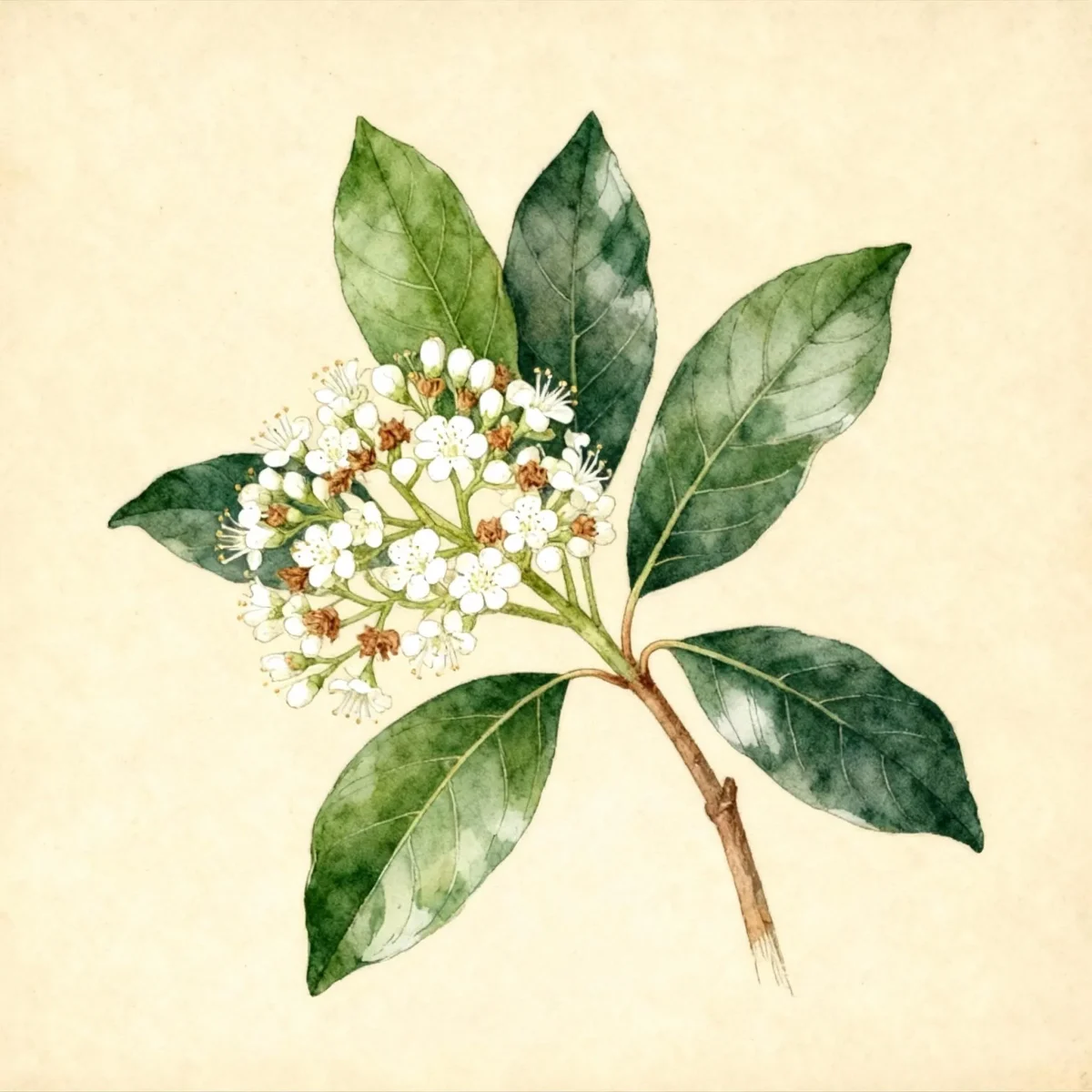
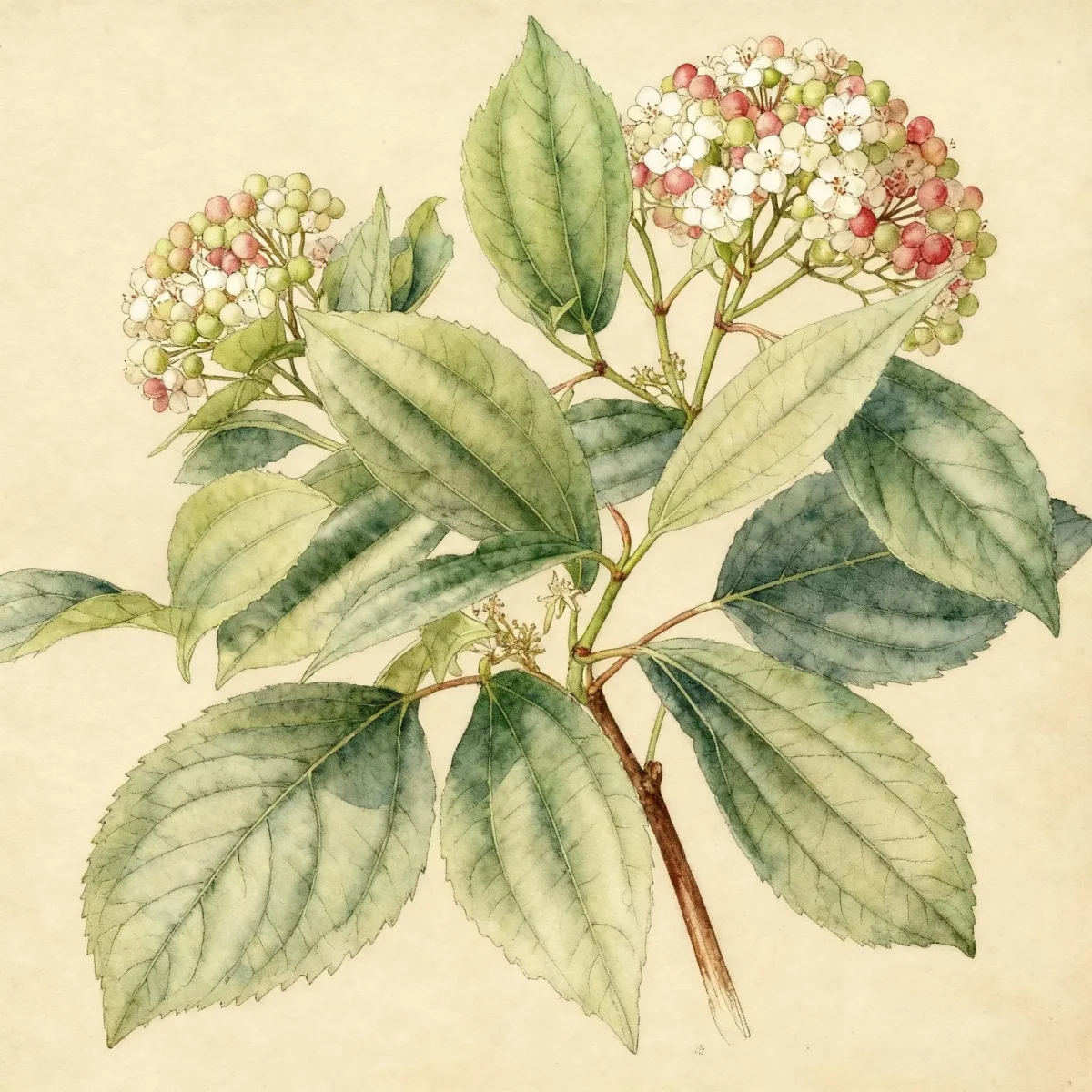
Chinese viburnum (Viburnum propinquum)
Viburnum propinquum, or Chinese viburnum, is a compact, versatile broadleaf evergreen noted for its glossy foliage and blue-black fall fruit.
Scroll down to discover growing tips, care requirements, companion plants, and more
Complete Plant Information
Overview
Viburnum propinquum, commonly known as Chinese viburnum, offers excellent landscape value due to its dense, rounded habit and evergreen nature. This reliable shrub maintains deep green foliage year-round, though it may take on attractive burgundy tones during cooler months, especially near the northern limits of its range. It is a superb choice for gardeners seeking year-round structure and texture in their foundation plantings or borders.
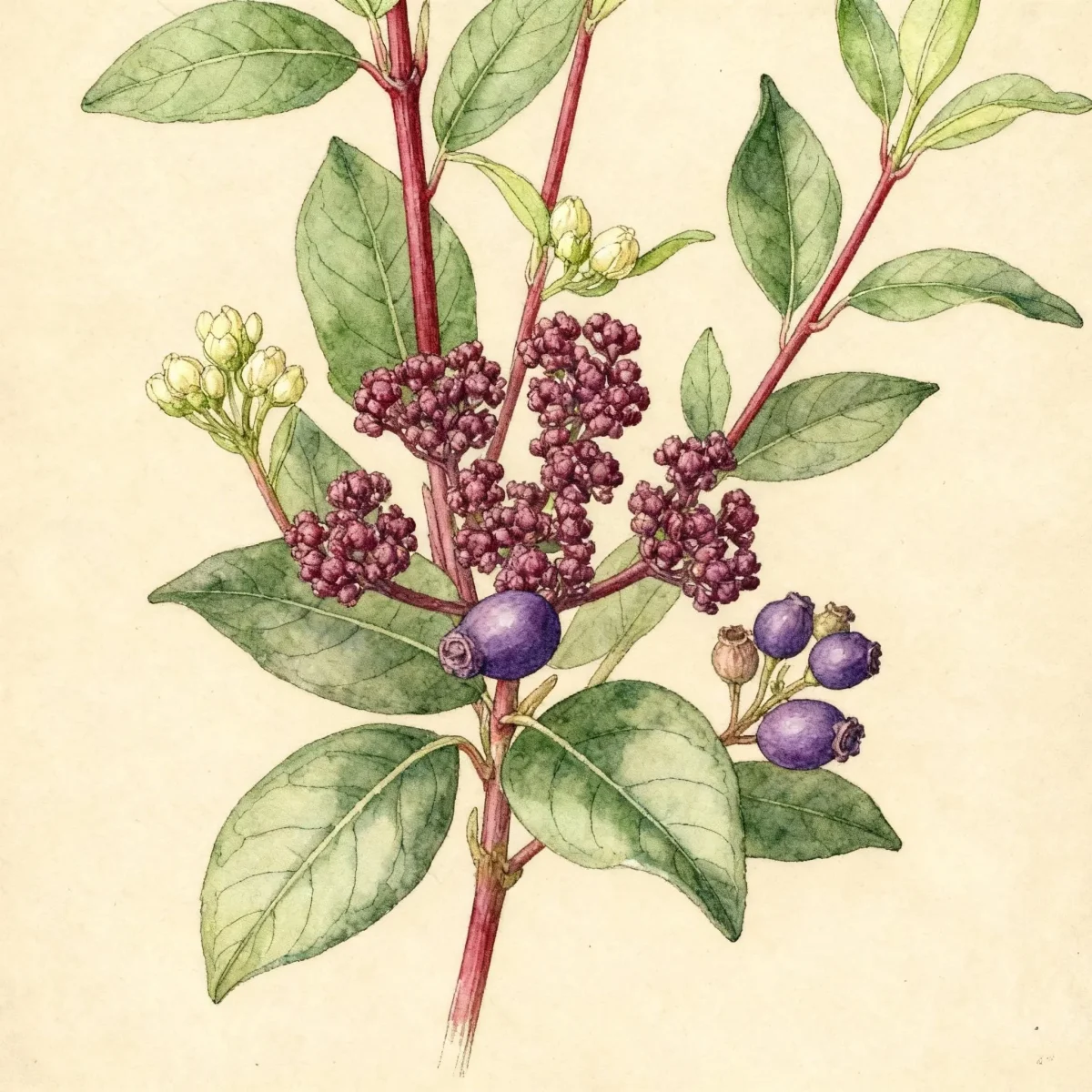
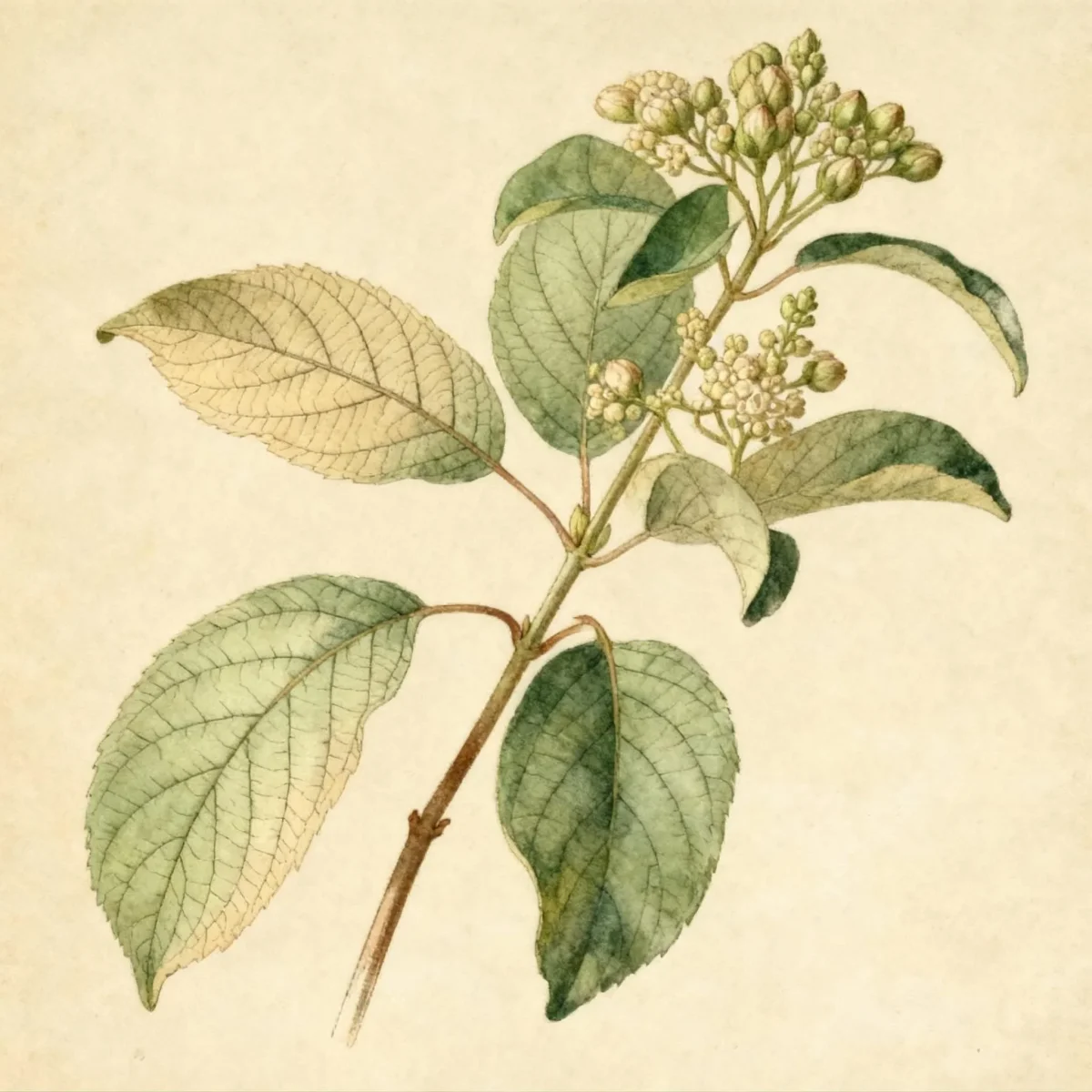
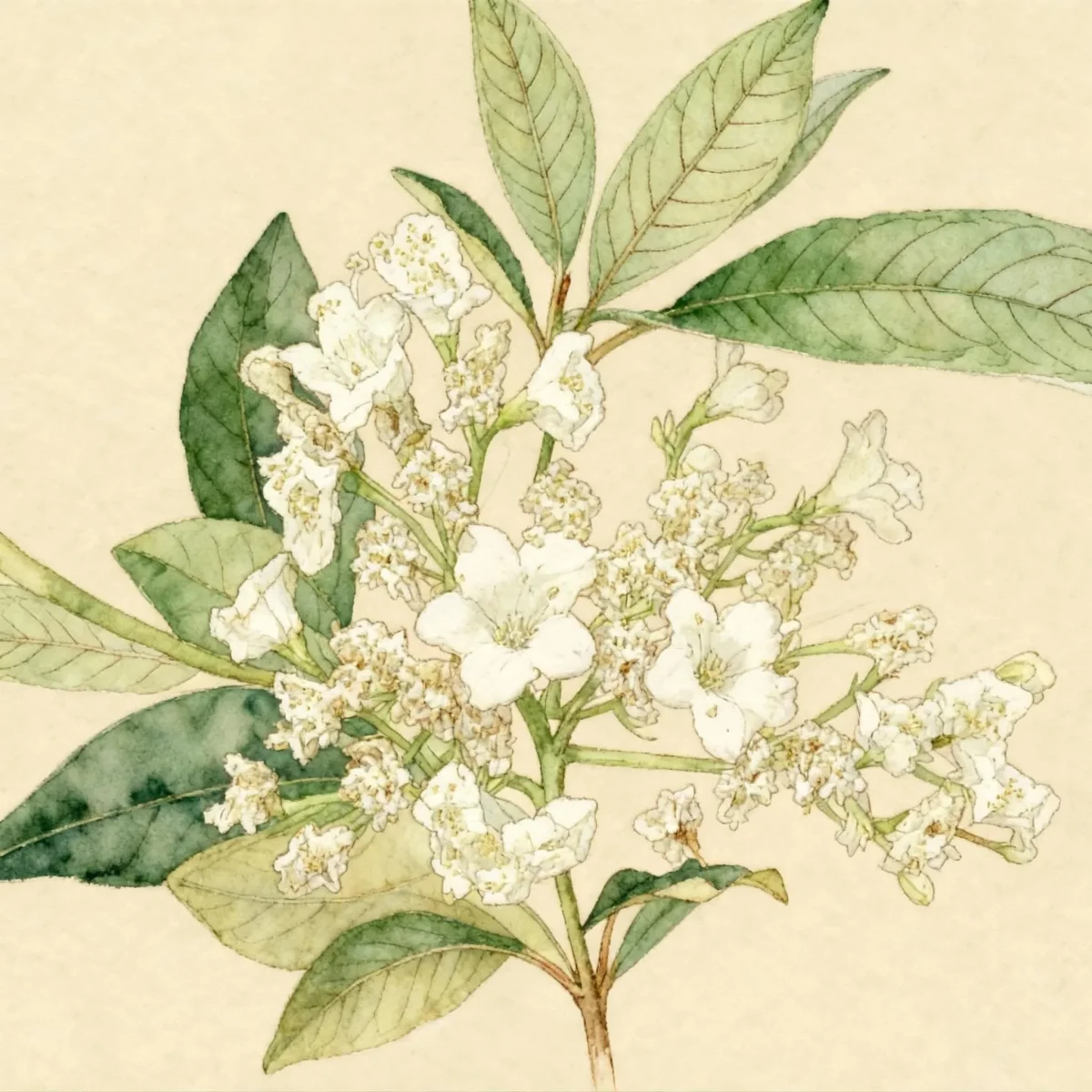
The ornamental appeal of the Chinese viburnum is further enhanced by its seasonal interest. Small, inconspicuous but attractive greenish-white flowers appear in rounded clusters during the late spring months. These blooms precede the development of small, glossy fruits that ripen to an attractive blue-black hue, providing valuable fall color and bird interest.
As a compact broadleaf evergreen, Viburnum propinquum typically matures between 6 and 8 feet tall and wide, making it manageable for use as an informal hedge or screen. Its hardiness in USDA Zones 7 through 9 ensures it can thrive across significant regions, provided its cultural needs for medium moisture and well-drained soil are met.
Fast Facts
- Plant Family: Adoxaceae
- Plant Type: Broadleaf evergreen
- Native Range: China, Taiwan
- Hardiness Zones: USDA Zones 7-9
- Size at Maturity:
- Height: 6-8 ft
- Spread: 6-8 ft
- Bloom Time: May
- Bloom Description: Greenish-white
- Sun Exposure: Full sun to part shade
- Water Needs: Medium
- Maintenance Level: Medium
How to Grow
The ideal time to plant Viburnum propinquum is during the fall or early spring when temperatures stabilize. Select a location that offers full sun to welcome the densest growth, but understand that partial shade is often preferred, especially in hot summer climates where intense afternoon sun can cause leaf scorch. This Chinese viburnum thrives in average soils, provided they are medium in moisture content and, critically, well-drained.
Maintenance is generally moderate for this shrub. Ensure consistent and even moisture, particularly during establishment and periods of drought, as best growth relies on this regularity. Fertilization is usually unnecessary if the native soil is adequate, but standard slow-release feeding in spring can benefit plants grown in poorer conditions. Pruning should be minimal, focusing primarily on corrective shaping after blooming if needed for hedge maintenance.
For gardeners situated near the cooler edge of its range, specifically USDA Zone 6, supplemental winter protection is necessary. Siting the plant in a sheltered microclimate and providing a substantial winter mulch will help this evergreen shrub remain semi-evergreen rather than succumbing to deciduous tendencies during harsh winters.
Landscape Uses
The compact and bushy nature of Viburnum propinquum makes it extremely versatile in landscape design. It excels when employed as an informal, soft hedge, subtly defining spaces without the rigid formality of clipped hedges. Furthermore, its attractive evergreen presence makes it a solid foundation planting option, softening harsh architectural lines near buildings.
Beyond hedging, the characteristics of the Chinese viburnum—spring flowers, fall fruit, and dense foliage—make it an excellent choice for mixed borders. Pair it with later-flowering deciduous shrubs or bright evergreen conifers to maintain color, contrast, and visual interest throughout all four seasons. Consider planting this species where its blue-black fruit can be easily seen and enjoyed by birds.
Standout Features
Flower Qualities
- Showy
Fruit Qualities
- Showy
Noteworthy Characteristics
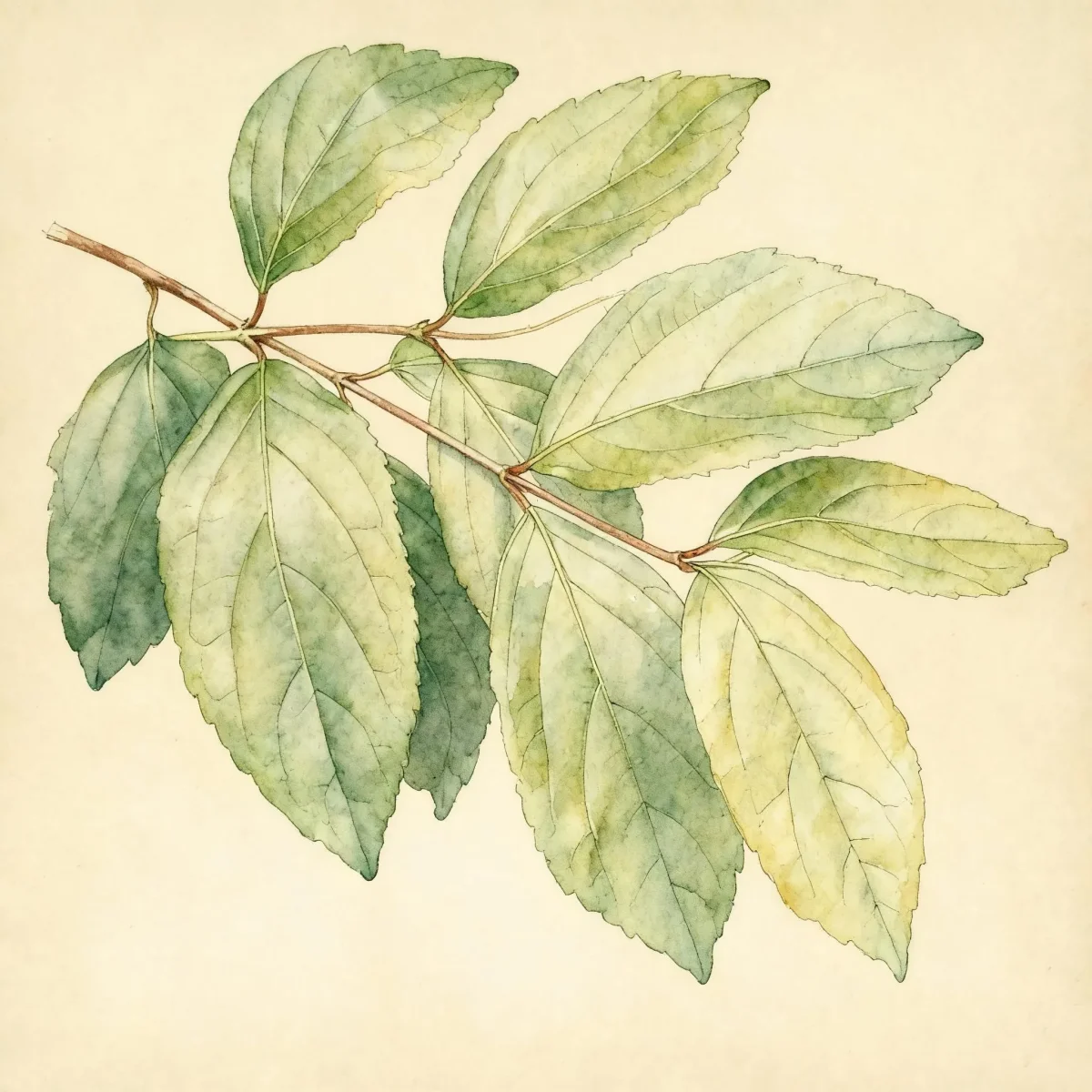
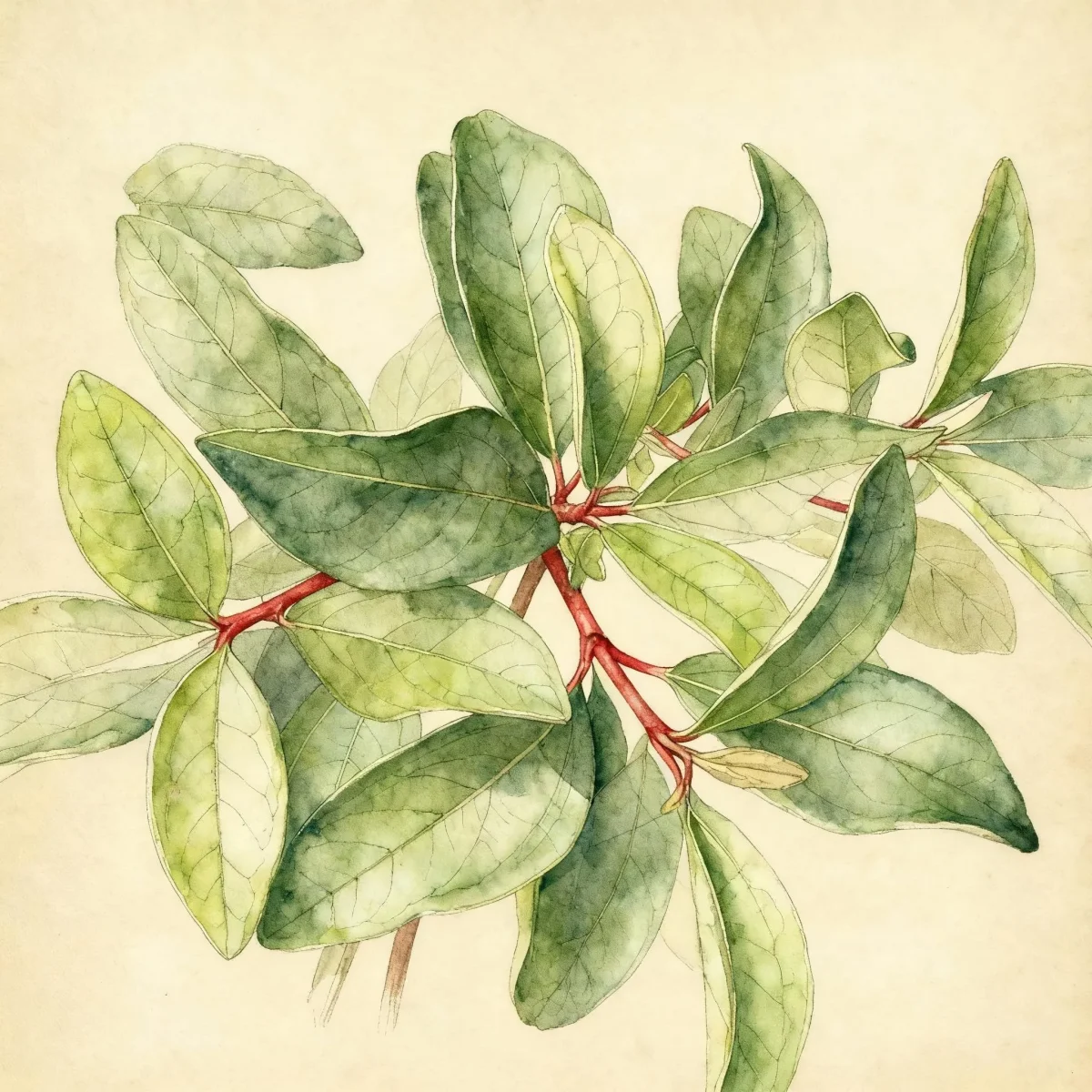
Viburnum propinquum, sometimes commonly called Chinese evergreen viburnum, is a compact, bushy, rounded, evergreen shrub that typically grows in a mound to 6-8’ tall and as wide. Small greenish-white flowers bloom in late spring, followed by glossy, egg-shaped fruits maturing to blue-black in autumn, which are highly attractive to avian wildlife. The glossy, leathery, deep green leaves provide excellent textural contrast, often tinged with burgundy shades during the winter months.
Tolerances
(No data provided)
Potential Problems
This species generally exhibits excellent resistance to serious insect and disease issues, making the Chinese viburnum a relatively low-worry addition to the garden. The most commonly reported potential issue involves leaf scorch, which occurs if the shrub is planted in a location that receives excessive, harsh full sun throughout hot summer periods. To prevent this, ensure the planting location has some afternoon shade if you live in the warmer extremes of Zones 8 or 9, or ensure consistent watering is maintained.
Frequently Asked Questions
What hardiness zones is Viburnum propinquum suitable for?
Viburnum propinquum is reliably hardy in USDA Zones 7 through 9.
How large does Chinese viburnum grow?
This plant typically reaches a mature height and spread between 6 and 8 feet, forming a rounded mound.
When does Chinese viburnum bloom?
The blooms occur in May, featuring greenish-white flowers clustered together.
What sun exposure does Viburnum propinquum need?
It performs well in full sun but appreciates protection from the hottest afternoon sun, preferring full sun to part shade conditions.
Conclusion
The Viburnum propinquum is a highly valuable landscape component, providing reliable evergreen structure, attractive seasonal flowers, and bright blue-black fruit display. Its medium maintenance requirements and adaptable nature make the Chinese viburnum an excellent workhorse shrub for borders and informal hedging. Before planting, verify your location falls within USDA Zones 7-9 to ensure the best performance for this stately evergreen.
Companion Planting
When grouping companion plants with Viburnum propinquum, focus on species that share similar needs for medium moisture and well-drained soil, while offering contrasting foliage texture or bloom times. Consider planting beneath deciduous canopy trees, such as Japanese Maples (if the Viburnum is in part shade), as their filtered light mimics the forest understory where Chinese viburnum is native. For seasonal contrast in borders, pair it with late-summer flowering perennials or fine-textured grasses that offer movement against the shrub’s broad, leathery leaves.
Wildlife Benefits
The fruit production of this specific Viburnum species provides significant late-season sustenance for local bird populations. The small, glossy fruits that mature to blue-black in the fall serve as an important food source as birds prepare for migration or winter sustenance. While the flowers are small, they do contribute to the early season pollen and nectar supply, supporting general garden biodiversity, even if they are not the primary target for dramatic pollinator shows.