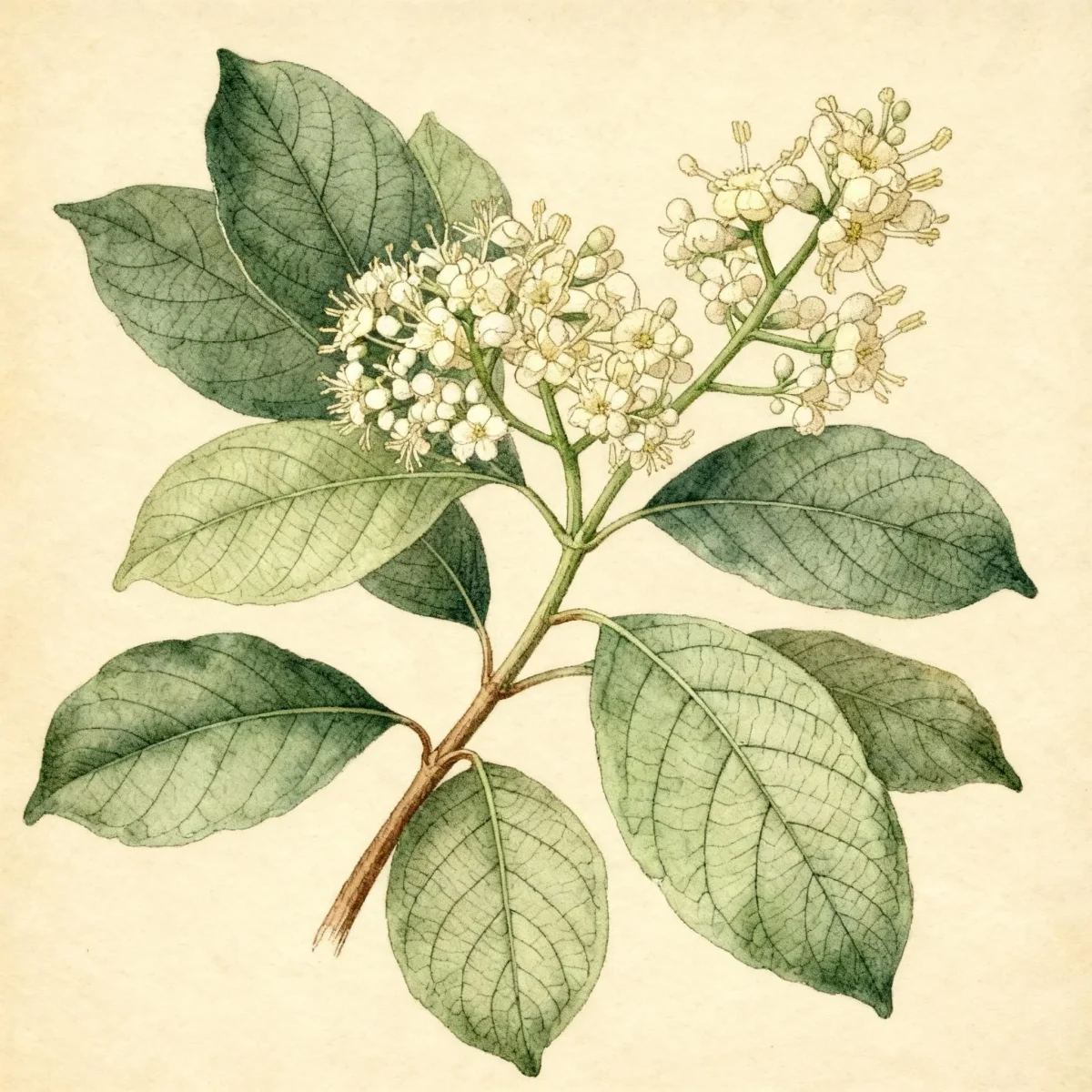
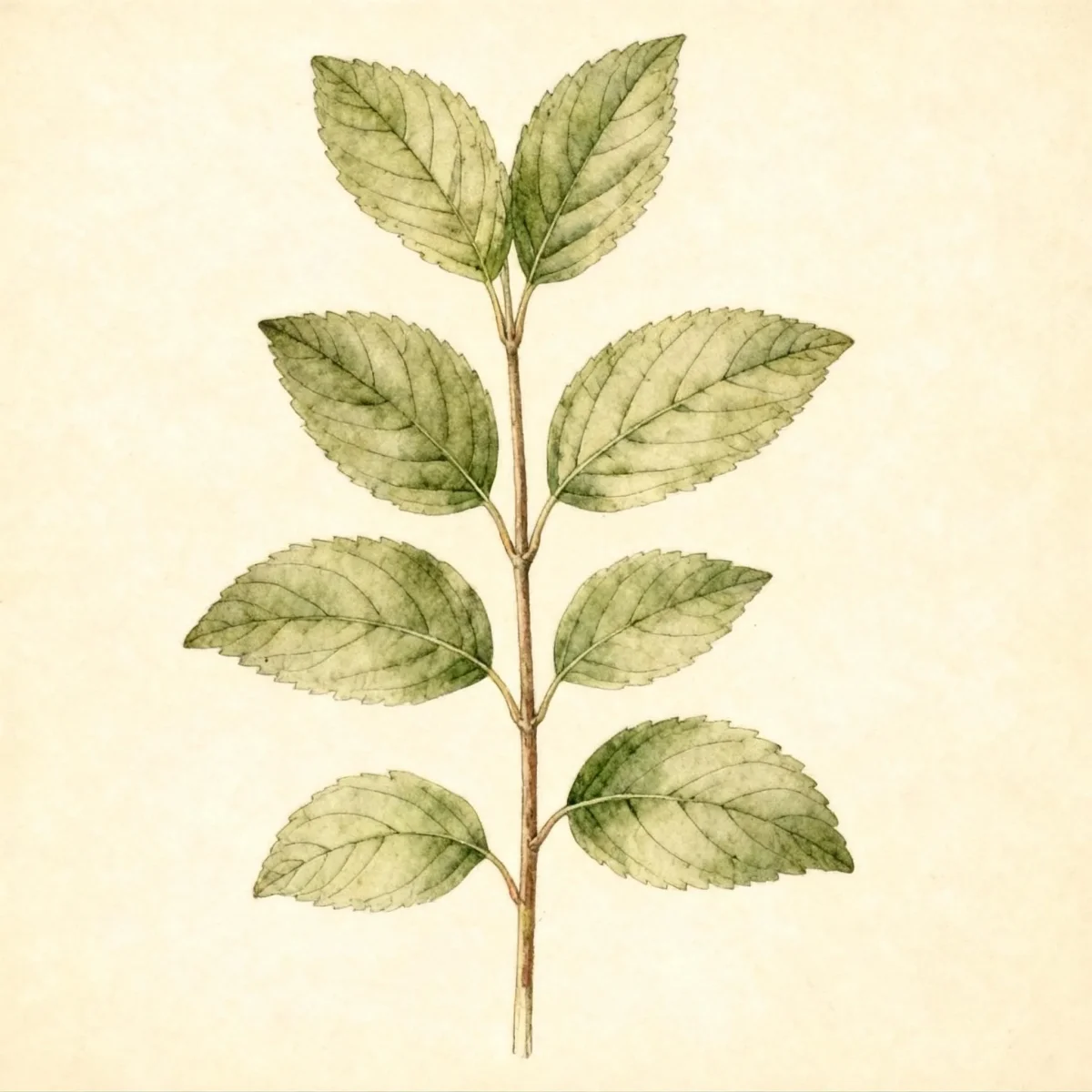
David viburnum (Viburnum davidii)
Viburnum davidii (David viburnum) is a compact, evergreen shrub prized for its metallic blue fruit and deeply veined foliage, ideal for low maintenance hedges.
Scroll down to discover growing tips, care requirements, companion plants, and more
Complete Plant Information
Overview
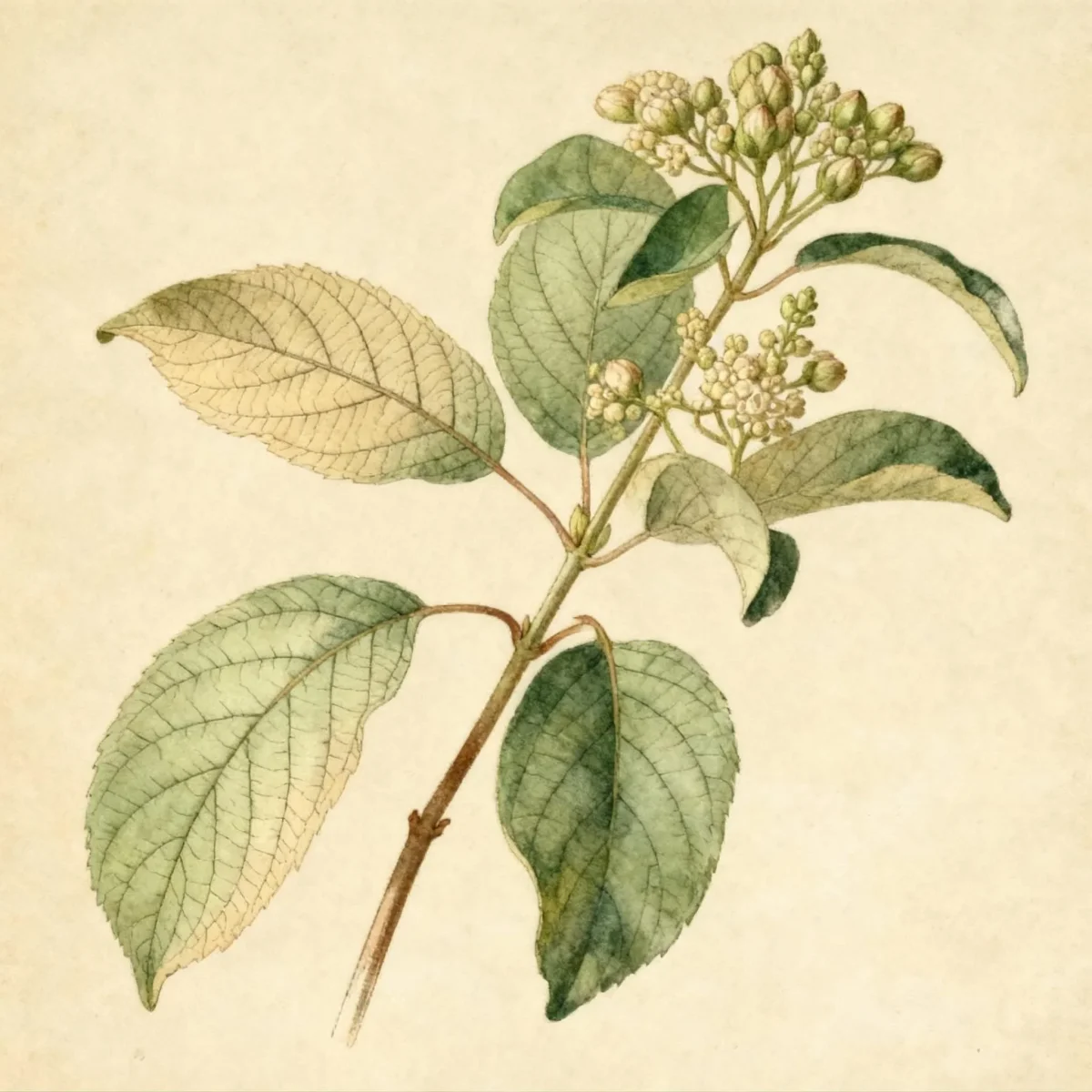
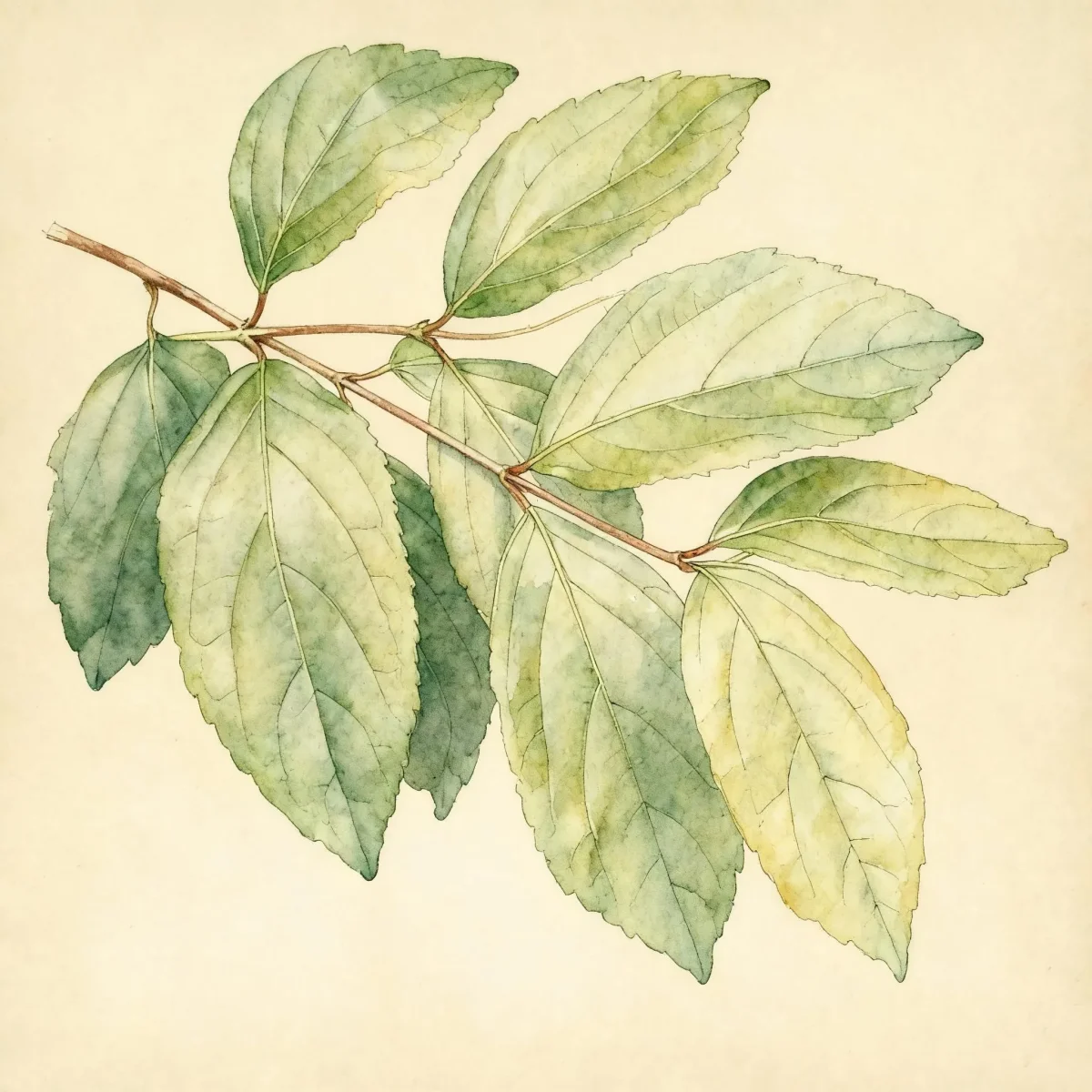
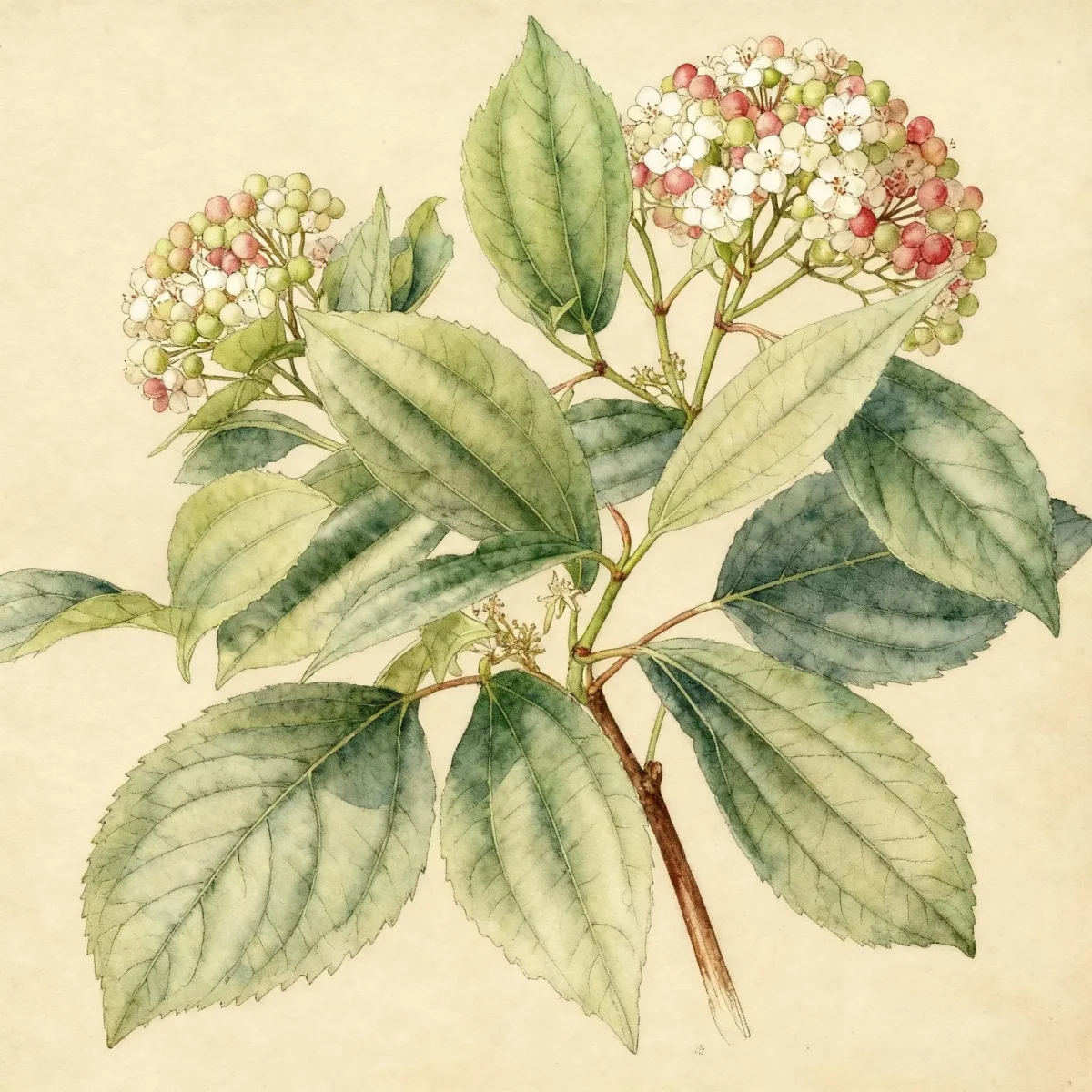
The David viburnum, Viburnum davidii, is a highly valued broadleaf evergreen prized for its multi-seasonal interest, particularly in small-to-medium landscape settings. This compact shrub offers leathery, deeply-veined blue-green foliage that remains attractive throughout the year, contrasting beautifully with its spring blooms. Its most famous feature is the striking fruit display; fertilized female plants produce metallic turquoise-blue berries that persist well into winter.
Viburnum davidii is a low-maintenance specimen, generally forming a neat mound 2 to 3 feet tall and spreading slightly wider. While native to Western China, it adapts well to garden conditions in USDA Zones 7 through 9, provided its moisture needs are met. Gardeners appreciate this plant for its texture and understated elegance, making it an excellent choice for borders or specimen planting.
A crucial aspect of cultivating this shrub is its reproductive nature, as it is dioecious, meaning male and female plants are separate. For the celebrated blue fruits to appear on female Viburnum davidii, a nearby male pollinator is essential. This characteristic requires a bit of planning but rewards the gardener with exceptional late-season color.
Fast Facts
- Plant Family: Adoxaceae
- Plant Type: Broadleaf evergreen
- Native Range: Western China
- Hardiness Zones: USDA Zones 7-9
- Size at Maturity:
- Height: 2-3 ft
- Spread: 3-4 ft
- Bloom Time: April to May
- Bloom Description: White
- Sun Exposure: Full sun to part shade
- Water Needs: Medium
- Maintenance Level: Low
How to Grow
Planting the David viburnum is best done in the spring or fall when soil temperatures are moderate. Ensure the location offers average, well-drained soil; while Viburnum davidii tolerates full morning sun, afternoon shade is beneficial in hotter climates to prevent leaf scorch. Consistent, even soil moisture is key to establishing a healthy shrub, so plan your site location with irrigation or natural moisture in mind.
Ongoing care for this shrub is minimal, fitting its low-maintenance profile. Water regularly during dry spells, maintaining medium soil moisture, especially in its first few seasons. Since it is evergreen, avoid excessive or late-season pruning to prevent disturbing its winter structure. Fertilizing is generally unnecessary unless soils are severely depleted.
Be aware that Viburnum davidii exhibits slight variation depending on climate severity. In the colder reaches of Zone 7, the foliage may become semi-evergreen or even deciduous. Always site your shrub where it receives some protection during unforgiving winter weather to retain its evergreen characteristics. Remember the dioecious nature: plant adequate males near females to guarantee that glorious blue fruit display.
Landscape Uses
The compact and rounded habit of Viburnum davidii makes it an extremely functional plant for structured gardening designs. It shines when utilized as a low, informal hedge where a neat, evergreen barrier is needed without demanding constant shearing. Its uniform size allows it to serve perfectly as an edging plant along walkways or driveways, providing year-round structure.
Beyond formal uses, the David viburnum excels in mixed borders, offering textural contrast against finer-leaved plants. Its ability to thrive in partial shade also makes it suitable for brightening up foundation plantings near the home or integrating into open woodland garden schemes. Mass planting this shrub can achieve a sweeping ground cover effect, highlighting the texture of the leaves and the succession of seasonal interest provided by the flowers and blue fruit.
Standout Features
Flower Qualities
- Showy
Fruit Qualities
- Showy
Noteworthy Characteristics
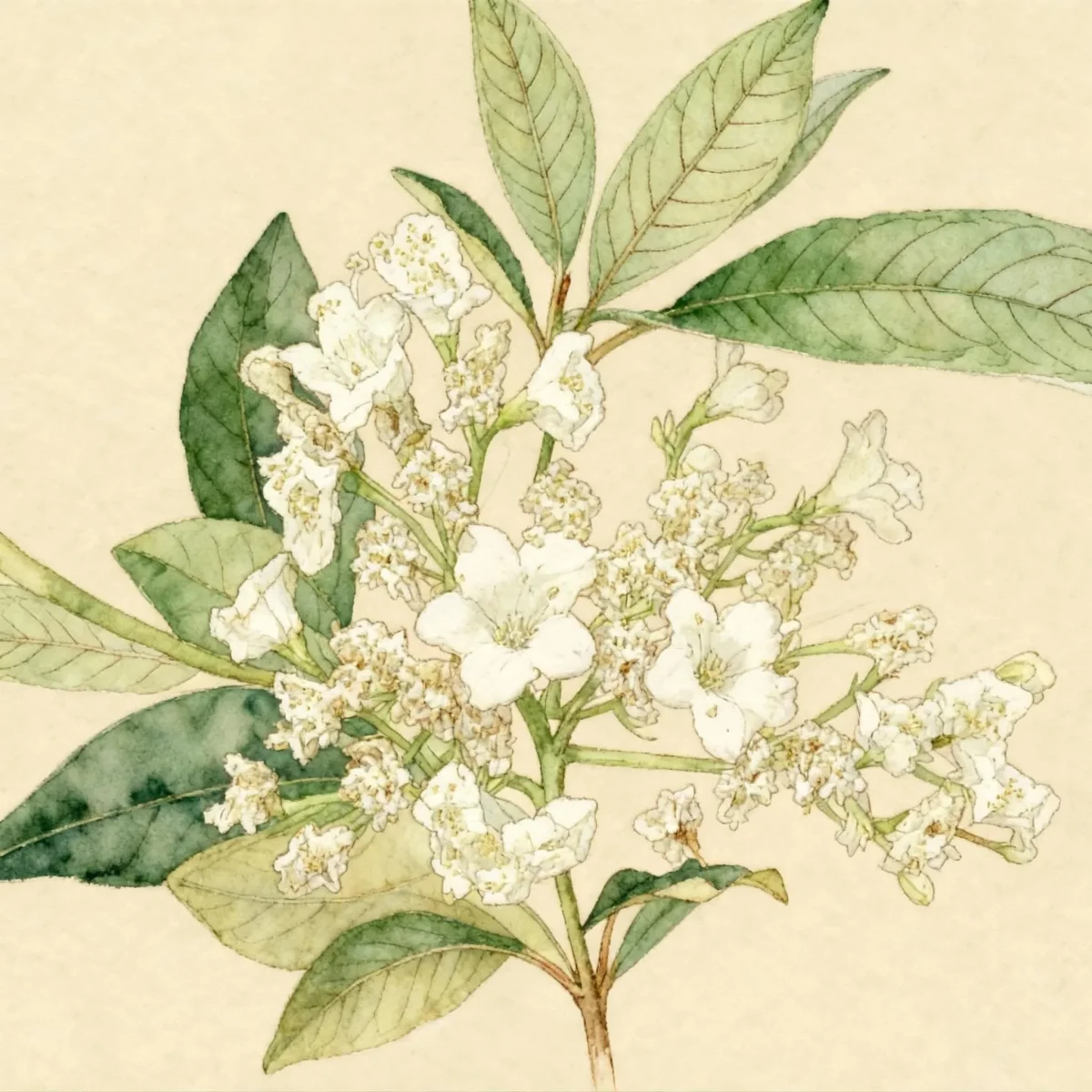
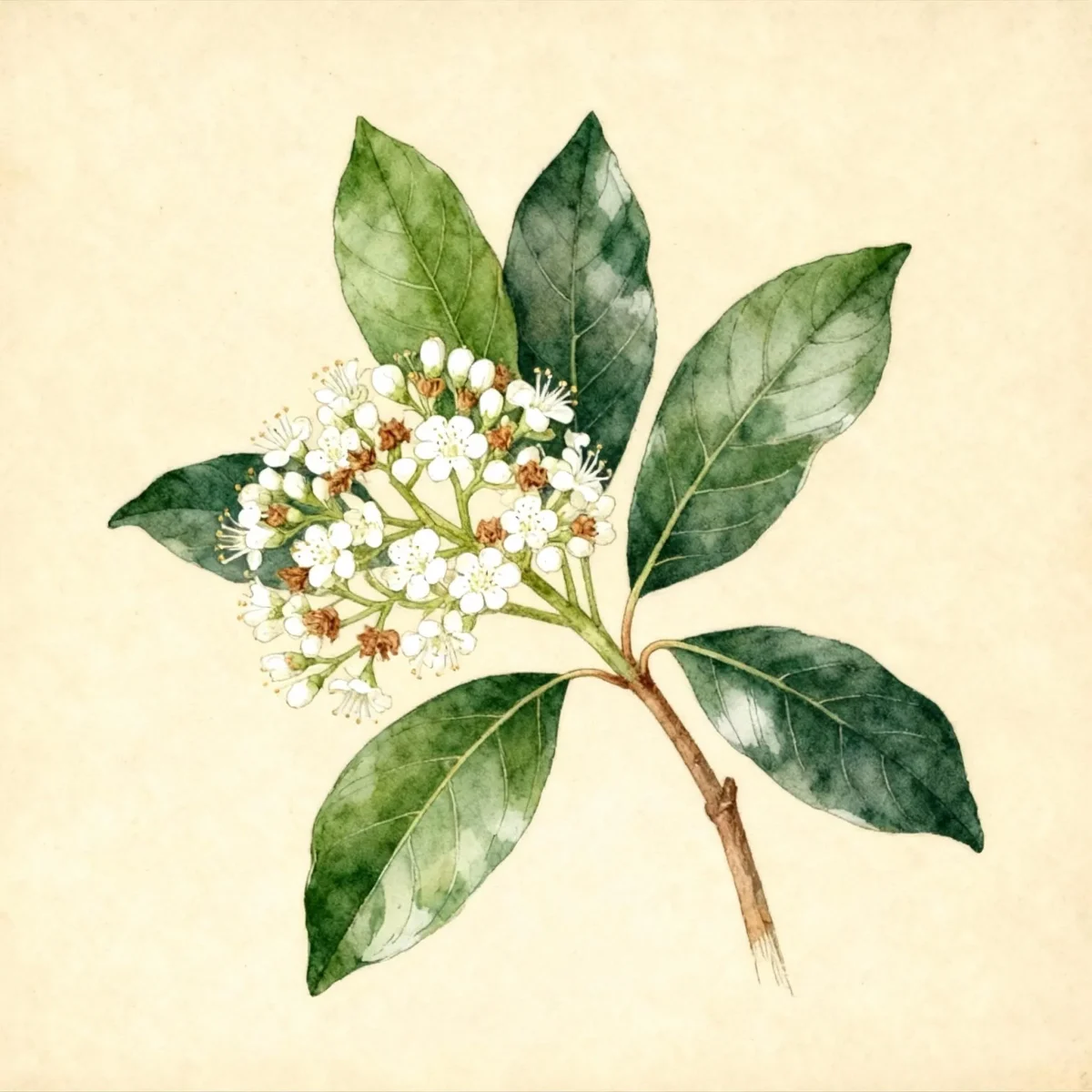
Viburnum davidii, commonly called David viburnum, is a compact, rounded, evergreen shrub that typically grows in a mound to 2-3’ tall and to 3-4’ wide. Small white flowers in showy rounded clusters bloom in spring, and fertilized female plants produce round fruits that ripen to a striking metallic turquoise blue, often persisting into winter. The leathery, deeply-veined, blue-green leaves provide year-round interest, sometimes acquiring burgundy tones in the cold season.
Tolerances
No specific tolerances were listed in the imported data.
Potential Problems
Viburnum davidii is generally resistant to serious insect and disease issues, which contributes to its low-maintenance appeal. The most common issue gardeners encounter is cosmetic leaf scorch. This typically occurs if the shrub is planted in intensely hot locations that receive prolonged, unimpeded afternoon sun, particularly when combined with drought stress. Ensure consistent watering in exposed sites to mitigate browning margins on the leaves.
Frequently Asked Questions
What hardiness zones is David viburnum suitable for?
The David viburnum is hardy in USDA Zones 7 through 9.
How large does Viburnum davidii grow?
This shrub typically matures to a height between 2 and 3 feet, with a slightly wider spread ranging from 3 to 4 feet.
What sun exposure does Viburnum davidii need?
It performs best in locations receiving full sun to part shade, though afternoon shade is recommended in very hot summer environments.
When does David viburnum bloom?
The small white flowers appear in spring, usually blooming from April through May.
Conclusion
The Viburnum davidii remains a stellar choice for gardeners seeking year-round structure, minimal upkeep, and brilliant fruit color, provided they ensure proper pollination setup. This rugged yet refined David viburnum adds texture and reliable performance across the mid-hardiness range. Before purchasing, check your local sunlight exposure and ensure you can provide the medium, consistent moisture needed for this beautiful evergreen.
Companion Planting
When designing a space for Viburnum davidii, consider companions that enjoy similar moisture and light conditions, complementing its unique foliage texture. Shade-tolerant perennials such as Hellebores (Lenten Rose) or Hostas provide lush ground cover beneath the shrub, especially where afternoon shade is present. For plants that echo its evergreen nature while offering different leaf shapes, consider Japanese Forest Grass (Hakonechloa macra), which creates graceful, arching mounds nearby.
Wildlife Benefits
While the white spring flowers are small, they provide an early nectar source for emerging pollinators early in the season. However, the true wildlife value of this shrub comes from its fruit. The metallic turquoise-blue berries of the fertilized female Viburnum davidii are highly attractive to numerous bird species, offering critical late-season or winter sustenance. Positioning this plant where its fruit display can be viewed from a window offers excellent opportunities for winter bird watching.