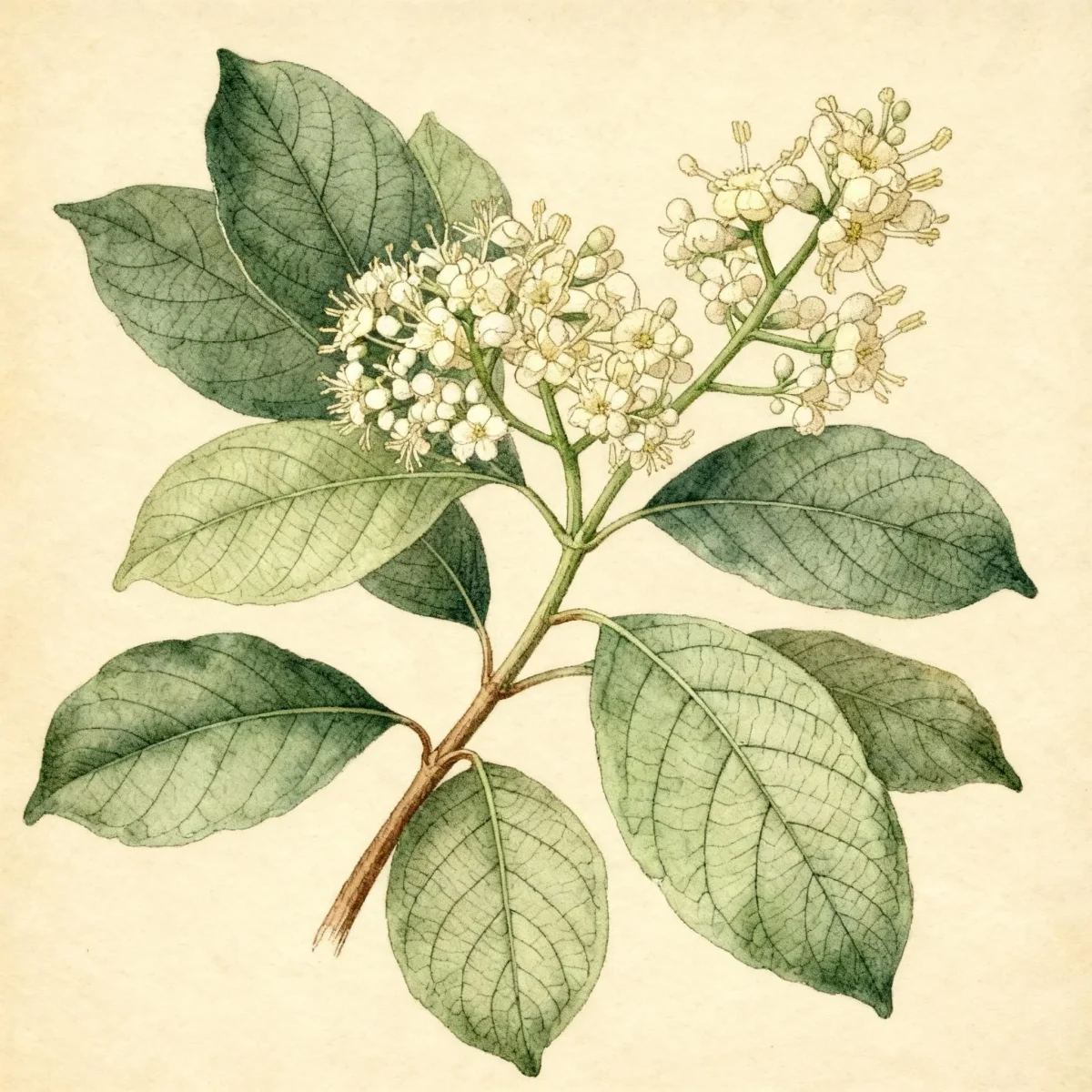
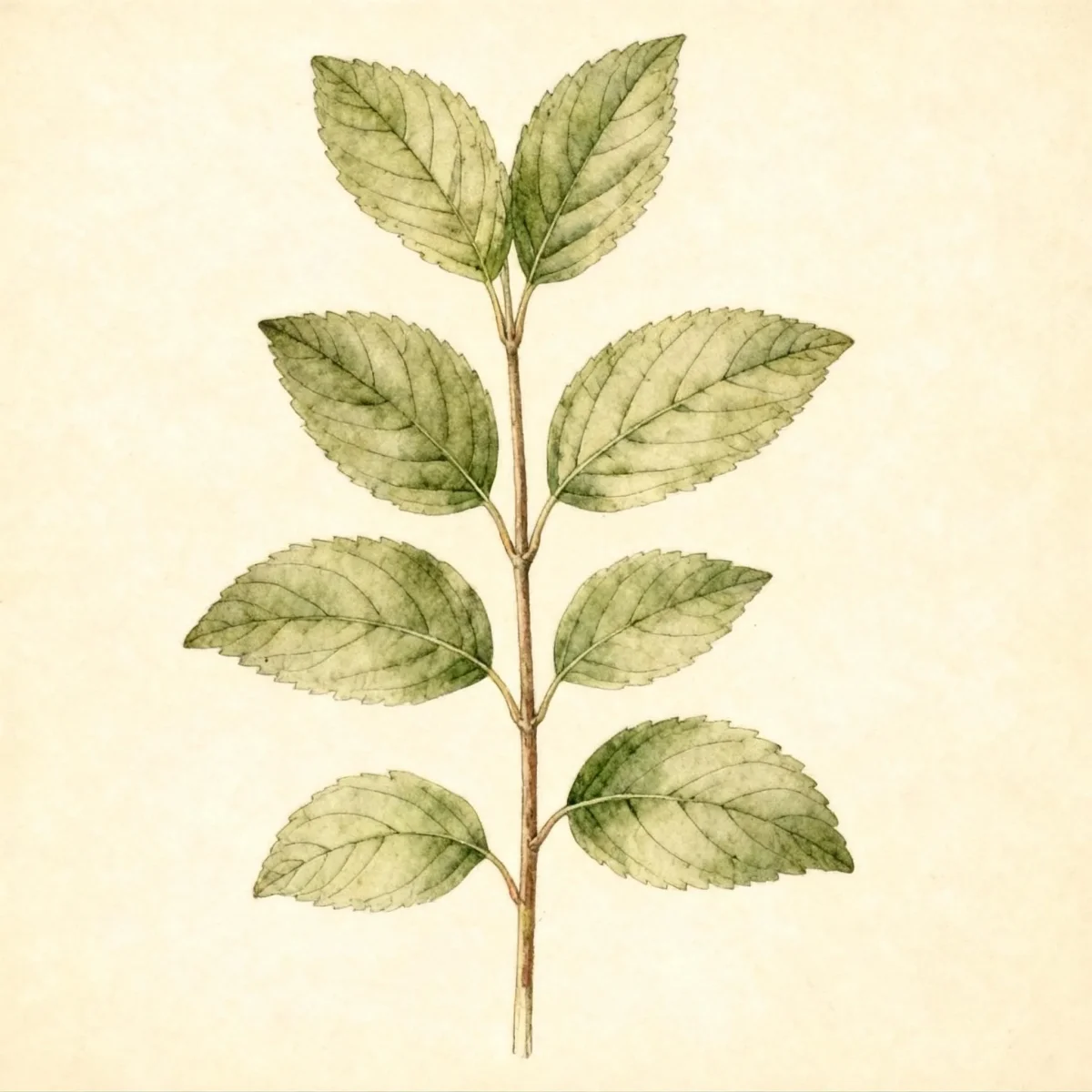
Sweet viburnum (Viburnum odoratissimum var. awabuki)
Sweet viburnum (Viburnum odoratissimum var. awabuki) is a low-maintenance, fragrant evergreen offering glossy leaves and white blooms.
Scroll down to discover growing tips, care requirements, companion plants, and more
Complete Plant Information
Overview
The Viburnum odoratissimum var. awabuki, often known simply as Sweet viburnum, is a highly valued broadleaf evergreen prized for its dense, glossy foliage and strikingly fragrant spring flowers. Native to a broad region stretching from India through Southeast Asia to Japan, this variety offers reliable year-round structure in moderate climates. Gardeners appreciate this cultivar for its low maintenance needs and its ability to serve as an excellent visual and structural element.
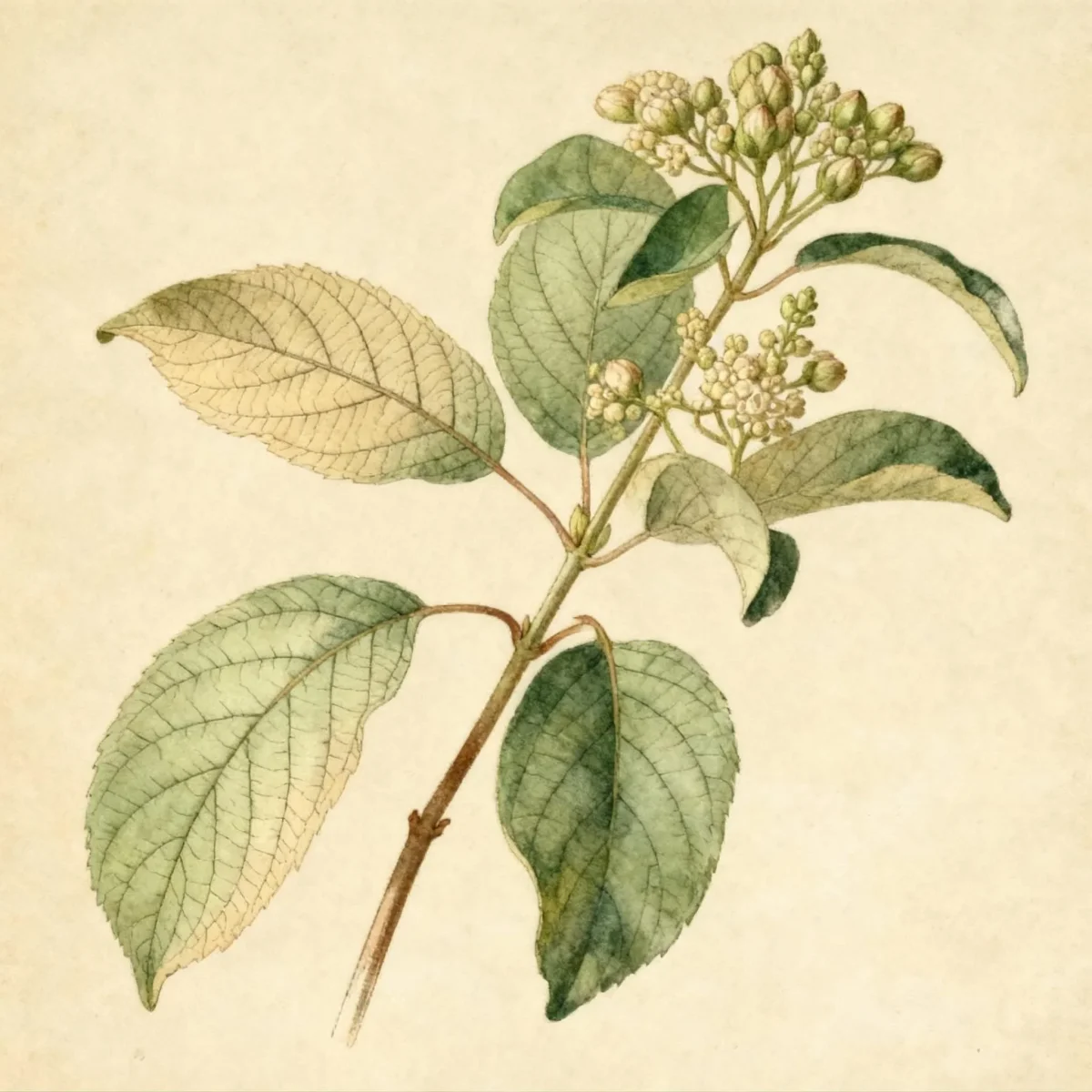
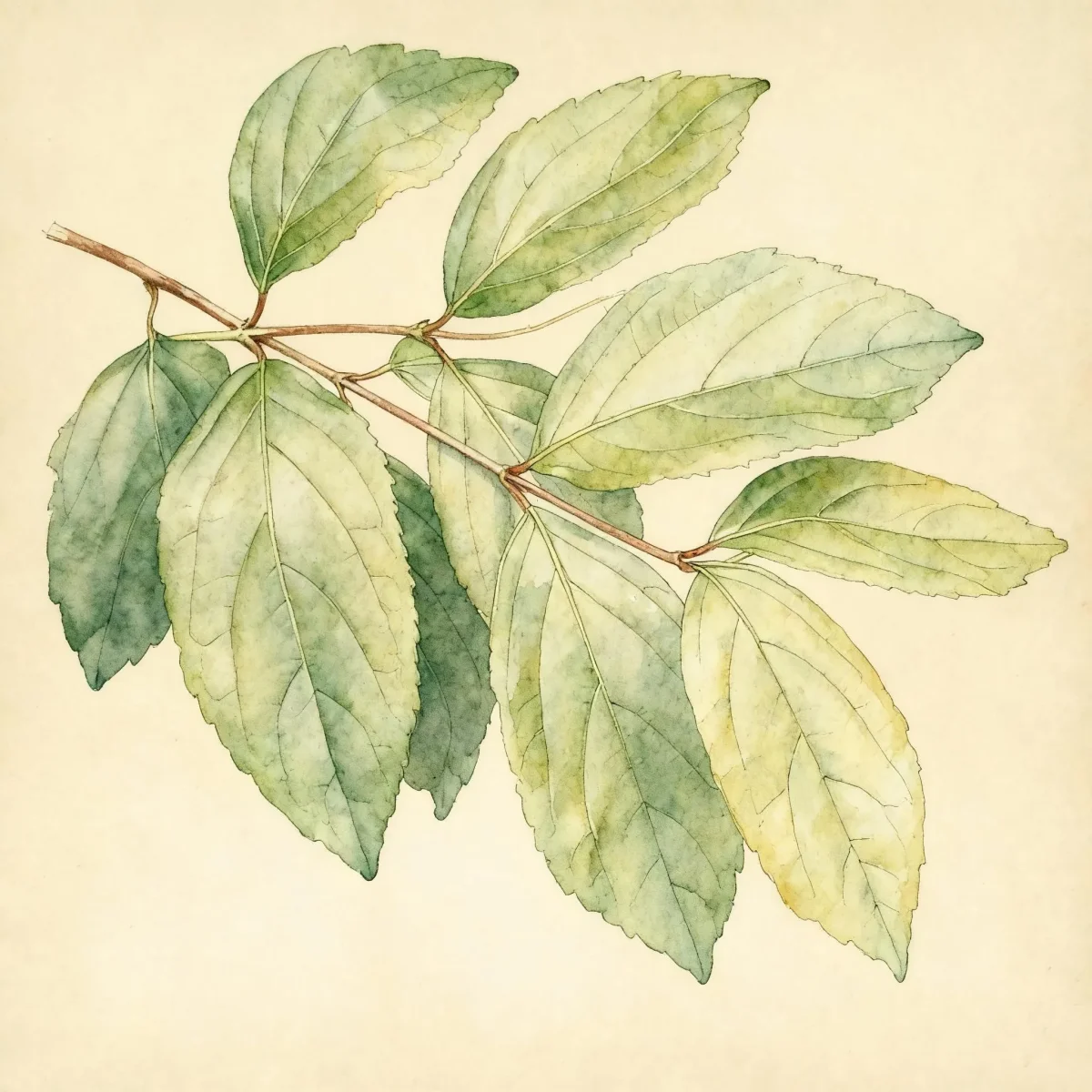
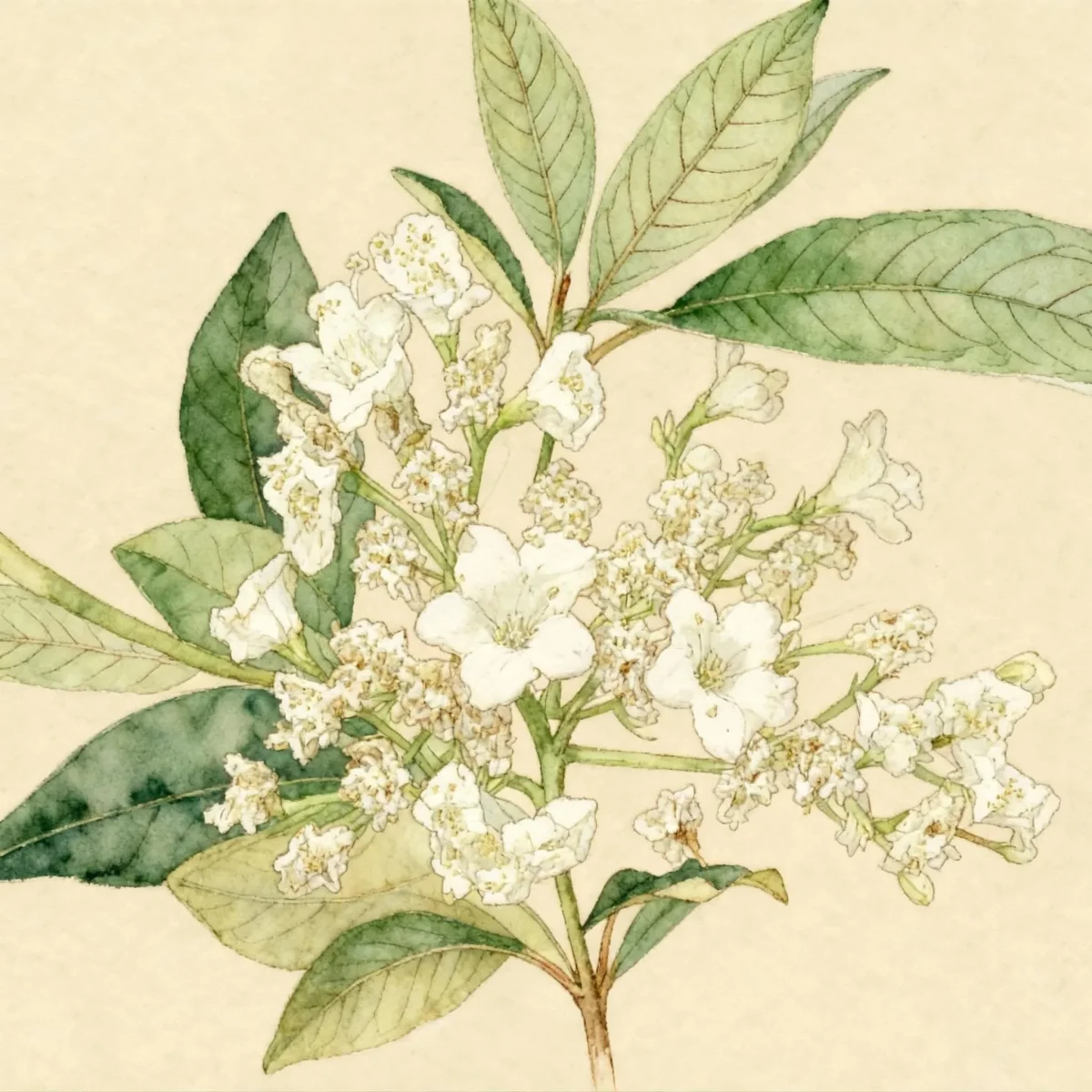
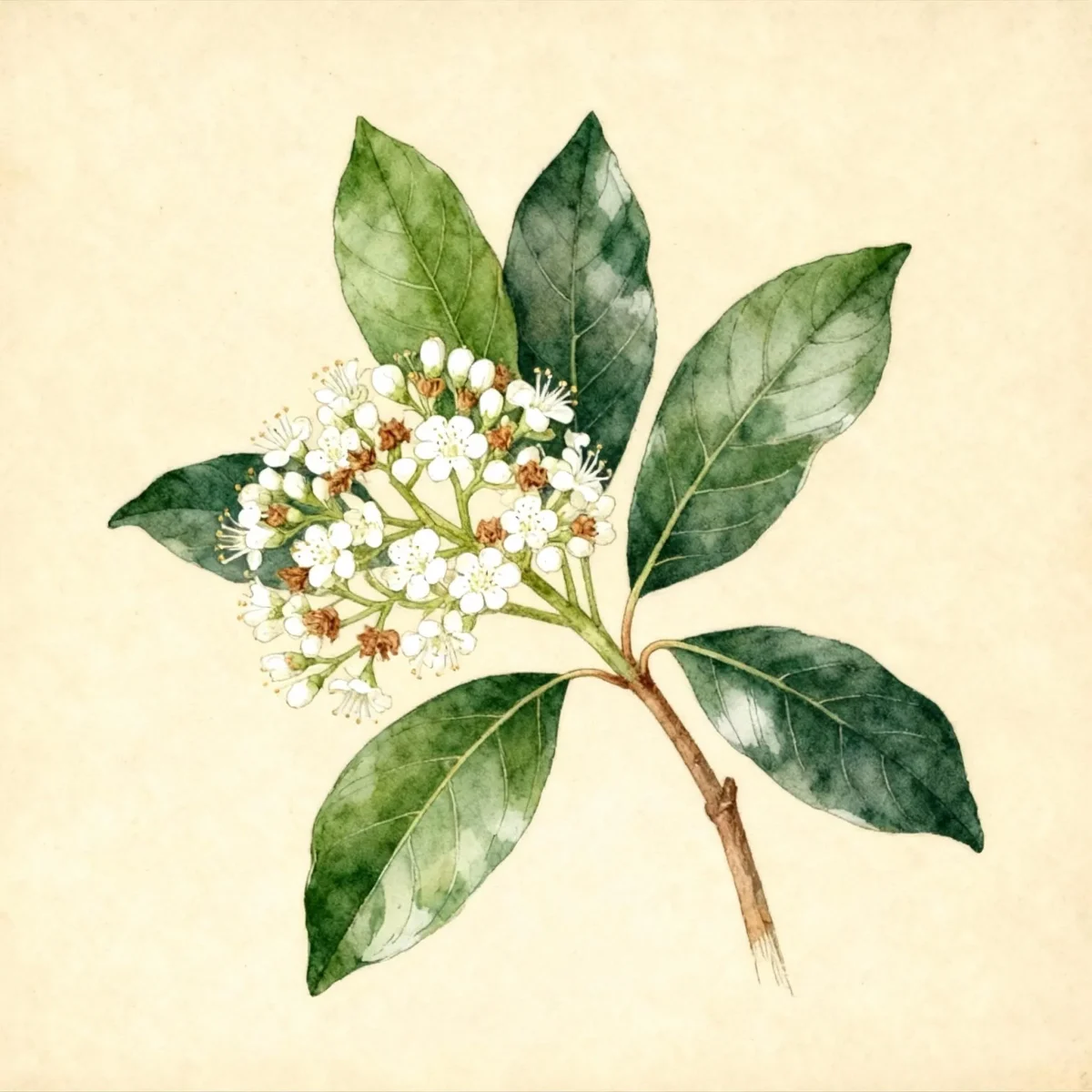
The characteristic feature of the Awabuki form is its thick, leathery leaves, which possess an extremely glossy upper surface, setting it apart from the standard V. odoratissimum. These leaves persist through winter in warmer areas, providing essential screening and backdrop for other plantings. When in bloom between May and July, the Viburnum odoratissimum var. Awabuki emits a powerful, sweet fragrance from its white, funnel-shaped flowers collected in terminal clusters.
This species offers significant functional utility due to its natural growth habit. It easily forms an effective informal hedge, screen, or barrier, adapting well to foundation plantings or woodland borders in USDA Zones 7 through 9. Its combination of evergreen appeal, attractive flowers, and wildlife-supporting fruit makes Sweet viburnum a versatile and handsome landscape anchor.
Fast Facts
- Plant Family: Adoxaceae
- Plant Type: Broadleaf evergreen
- Native Range: India, Burma, China to Japan and Philippines
- Hardiness Zones: USDA Zones 7-9
- Size at Maturity:
- Height: 12-18 ft
- Spread: 12-18 ft
- Bloom Time: May to July
- Bloom Description: White
- Sun Exposure: Full sun to part shade
- Water Needs: Medium
- Maintenance Level: Low
How to Grow
Planting Viburnum odoratissimum var. awabuki should ideally occur in the spring or early fall, allowing the roots time to establish before extreme weather arrives. This shrub thrives in average, well-drained soils, performing best when consistent and even moisture is maintained. Locate plants where they receive full sun, or accept partial shade, though afternoon shade is beneficial in very hot summer climates to prevent stress on the foliage.
Watering requirements are rated as medium; ensure deep, thorough watering, especially during the first couple of seasons after planting. While generally low maintenance, ensuring good drainage is paramount to prevent root issues. Pruning is typically minimal, focused mainly on shaping for hedges or removing errant growth, which should be done immediately after the flowering period concludes.
For gardeners operating near the northern limits of its hardiness range, special winter preparation is necessary. In USDA Zone 7, and especially if attempted in Zone 6, site the Sweet viburnum in protected locations, such as against a south-facing wall, and ensure a generous winter mulch is applied around the base to insulate the roots. Note that near the colder edge of its range, this typically evergreen shrub may display semi-evergreen or even deciduous tendencies.
Landscape Uses
The primary recommendation for Viburnum odoratissimum var. awabuki is utilizing its dense structure for architectural purposes in the landscape. Its predictable 12 to 18-foot height and spread make it an excellent choice for establishing informal hedges requiring little fuss once mature. Beyond hedging, the thick, dark green foliage provides outstanding screening for foundations or property lines, functioning effectively as a year-round barrier plant.
The combination of fragrant late spring flowers, attractive dark fruit in the fall, and persistent evergreen foliage means this shrub offers interest across multiple seasons. Consider using it as a bold backdrop plant in a mixed border, allowing its glossy leaves to contrast with fine-textured or brightly colored perennials. This robust growth makes Viburnum odoratissimum var. Awabuki a dependable choice for screening unsightly utility boxes or service areas.
For those seeking a slightly more relaxed look than a tightly sheared hedge, allow the Sweet viburnum to adopt its natural, layered form in open woodland settings. Its tolerance for part shade also permits integration into dappled light areas where fewer broadleaf evergreens perform reliably.
Flower Qualities
- Showy
- Fragrant
Noteworthy Characteristics
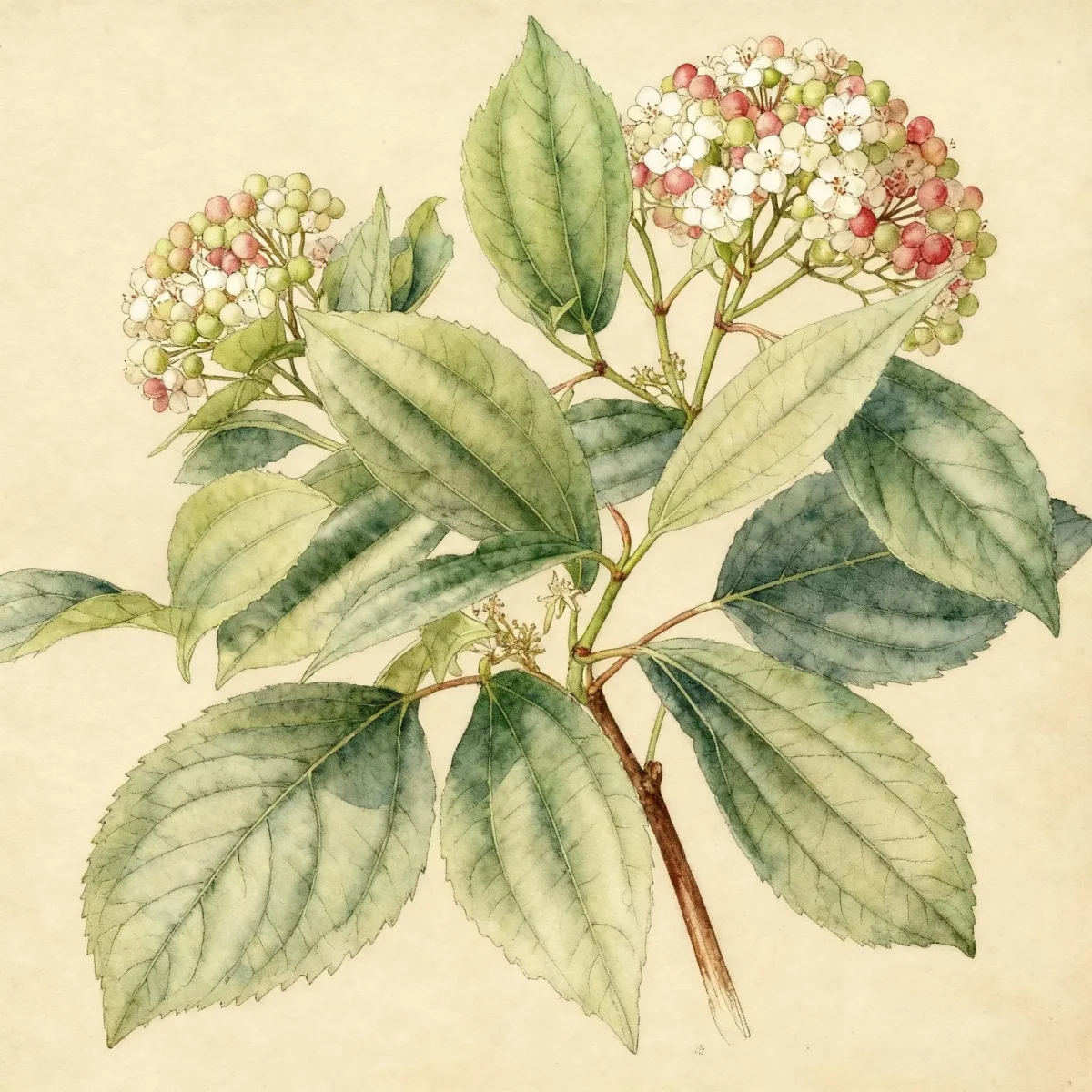
The defining aspect of Viburnum odoratissimum is its highly fragrant, funnel-shaped white flowers blooming in conical panicles from late spring into early summer. Var. Awabuki, native specifically to Taiwan and Japan, is recognized by its more compact mature size and its signature leaves, which are ovate-lanceolate, extremely glossy on the upper surface, and highly attractive. These showy flowers mature into single-seeded red fruits that turn black, acting as a food source for local birds.
Tolerances
No specific tolerances were provided in the source data.
Potential Problems
Fortunately, Viburnum odoratissimum var. awabuki is generally free from serious insect or widespread disease issues, contributing to its low maintenance rating. However, gardeners should remain vigilant for potential fungal issues such as mildews and bacterial leaf spot, particularly in humid conditions or where air circulation is poor. On the pest front, minor infestations of aphids or scale insects can occasionally occur.
Management usually involves good cultural practice; ensuring proper spacing promotes air circulation, which mitigates fungal risk. If pests like aphids appear, they can typically be controlled with a strong spray of water or applications of insecticidal soap, targeting the underside of the leaves where they commonly congregate. Consistent monitoring allows for immediate intervention before issues become widespread.
Frequently Asked Questions
What hardiness zones is Sweet viburnum suitable for?
The Viburnum odoratissimum var. awabuki is winter hardy across USDA Zones 7 through 9, making it a reliable evergreen in the Upper South and warmer regions.
How large does Sweet viburnum grow?
This variety typically achieves a mature height between 12 and 18 feet, with a matching spread of 12 to 18 feet when allowed to grow naturally.
When does Viburnum odoratissimum var. awabuki bloom?
The fragrant flowers of the Sweet viburnum appear during the late spring to early summer period, specifically from May through July, fading to give way to fruit.
What sun exposure does Viburnum odoratissimum var. awabuki need?
This adaptable shrub performs well under full sun conditions but will also accept part shade. Afternoon shade is recommended in the hottest segments of its hardiness range to maintain peak foliage quality.
Conclusion
The Viburnum odoratissimum var. awabuki stands out for blending year-round glossy evergreen texture with the high aesthetic reward of fragrant flowers and useful structure for hedges and screens. Because of its low maintenance requirements and broad adaptability across Zones 7-9, Sweet viburnum is an excellent investment for structure in the temperate garden. Before planting, confirm your climate aligns with these zones and plan for consistently medium moisture to ensure the best evergreen performance.
Wildlife Benefits
The transition from white flowers to fruit is a vital seasonal feature for local wildlife. The single-seeded drupes that mature to black color a highly attractive bounty for fruit-eating songbirds throughout the fall and into winter. Planting several Viburnum odoratissimum var. Awabuki near a bird feeding station or water source can help supplement their diet when other food sources become scarce.
Furthermore, the dense, broad canopy of this evergreen shrub offers invaluable protective cover. Its structure provides excellent shelter from inclement weather and potential predators for many small birds and beneficial insects throughout the dormant winter months.
Companion Planting
When selecting companions for Viburnum odoratissimum var. awabuki, aim for plants that share similar cultural needs—medium water, well-drained soil, and tolerance for high heat or partial shade. Consider pairing it with Japanese Maples (Acer palmatum) for contrast, utilizing the maple’s fine texture against the viburnum’s coarse, glossy leaves, especially where dappled light occurs.
For seasonal color beneath the shrub, low-growing evergreens or shade-tolerant perennials work well. Hostas (in shadier spots), Liriope, or evergreen Ferns are excellent choices that will maintain ground coverage year-round, mirroring the structural reliability of the Sweet viburnum. Ensure enough space is left between companions so that air can circulate freely around the base of the viburnum to discourage potential fungal issues.