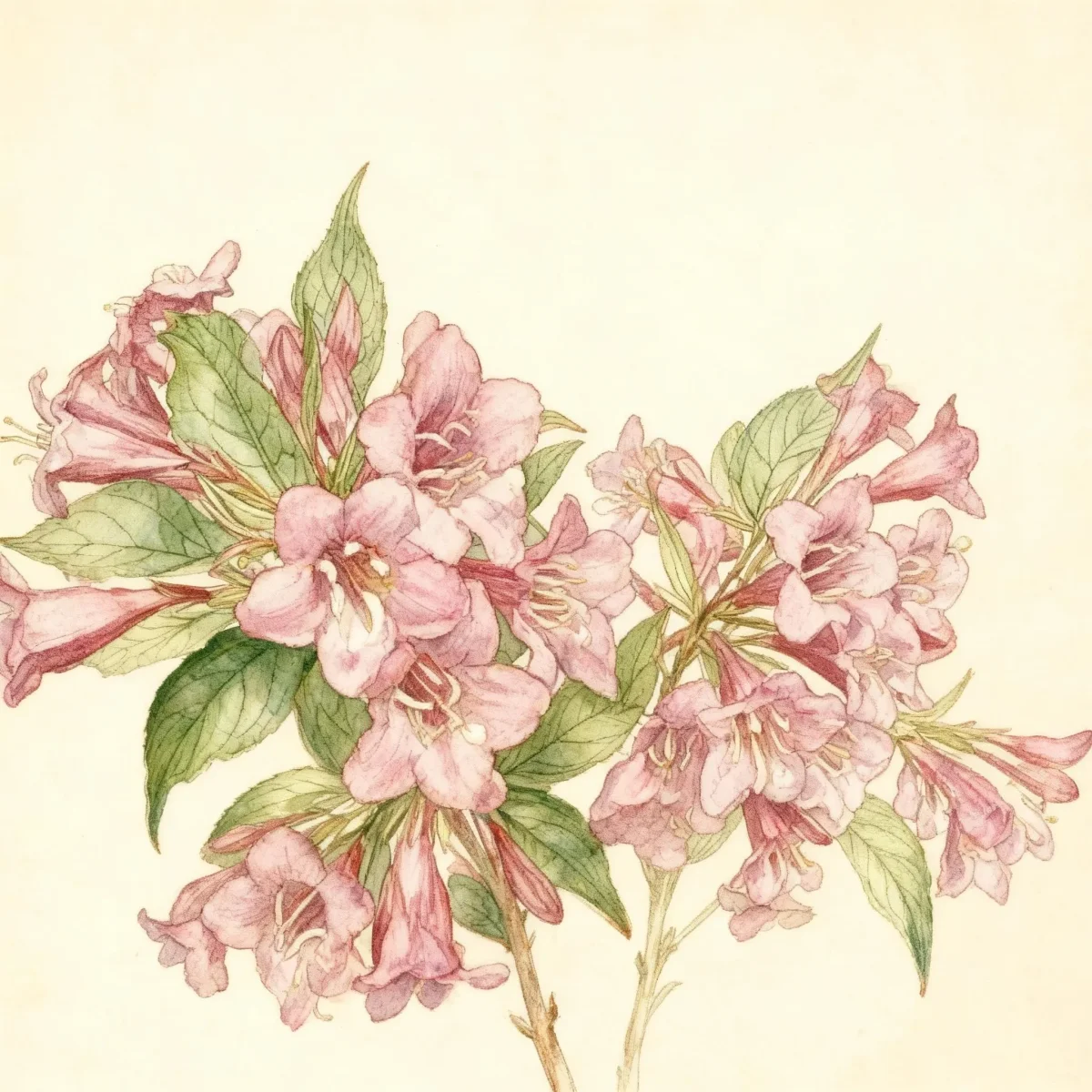
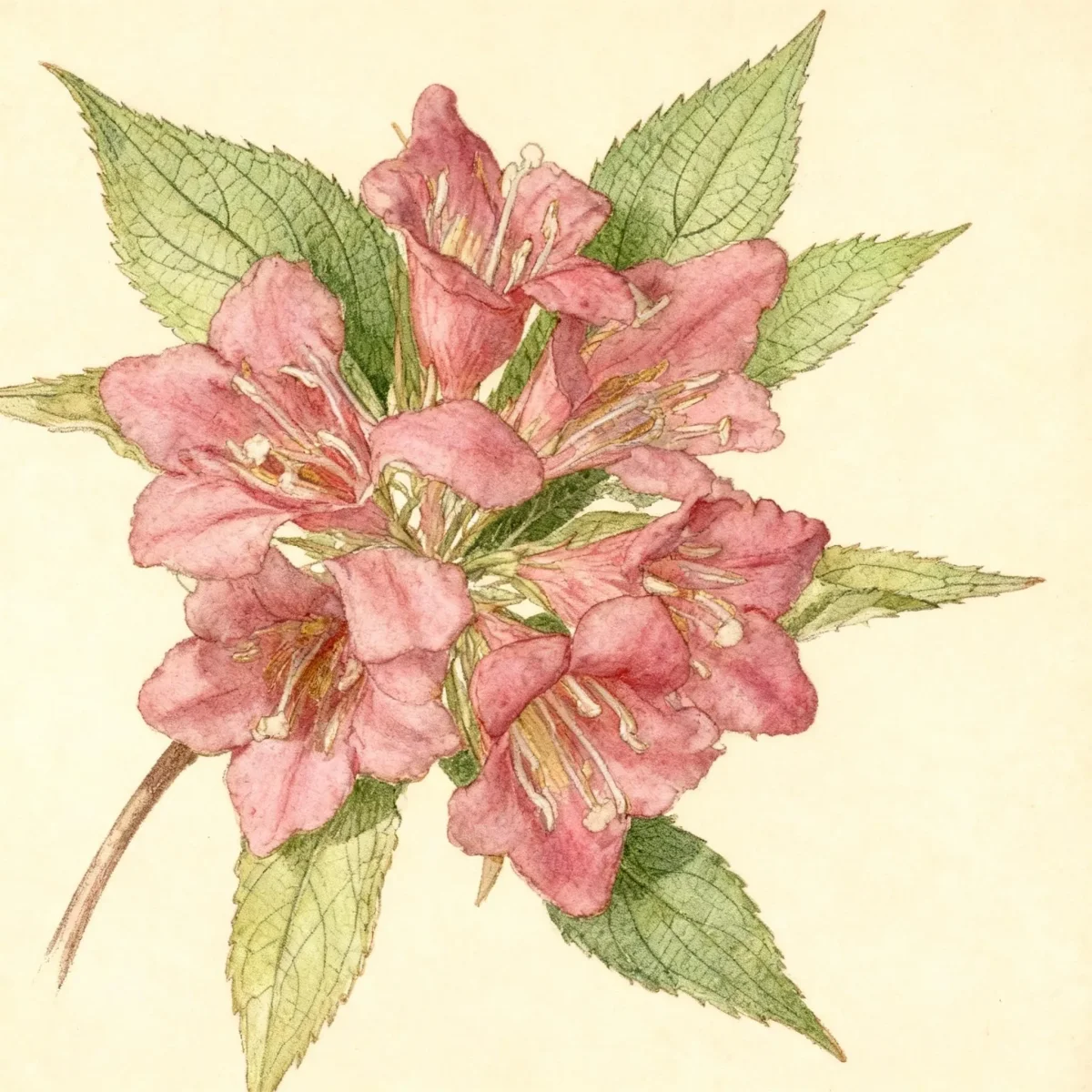
Weigela (Weigela florida)
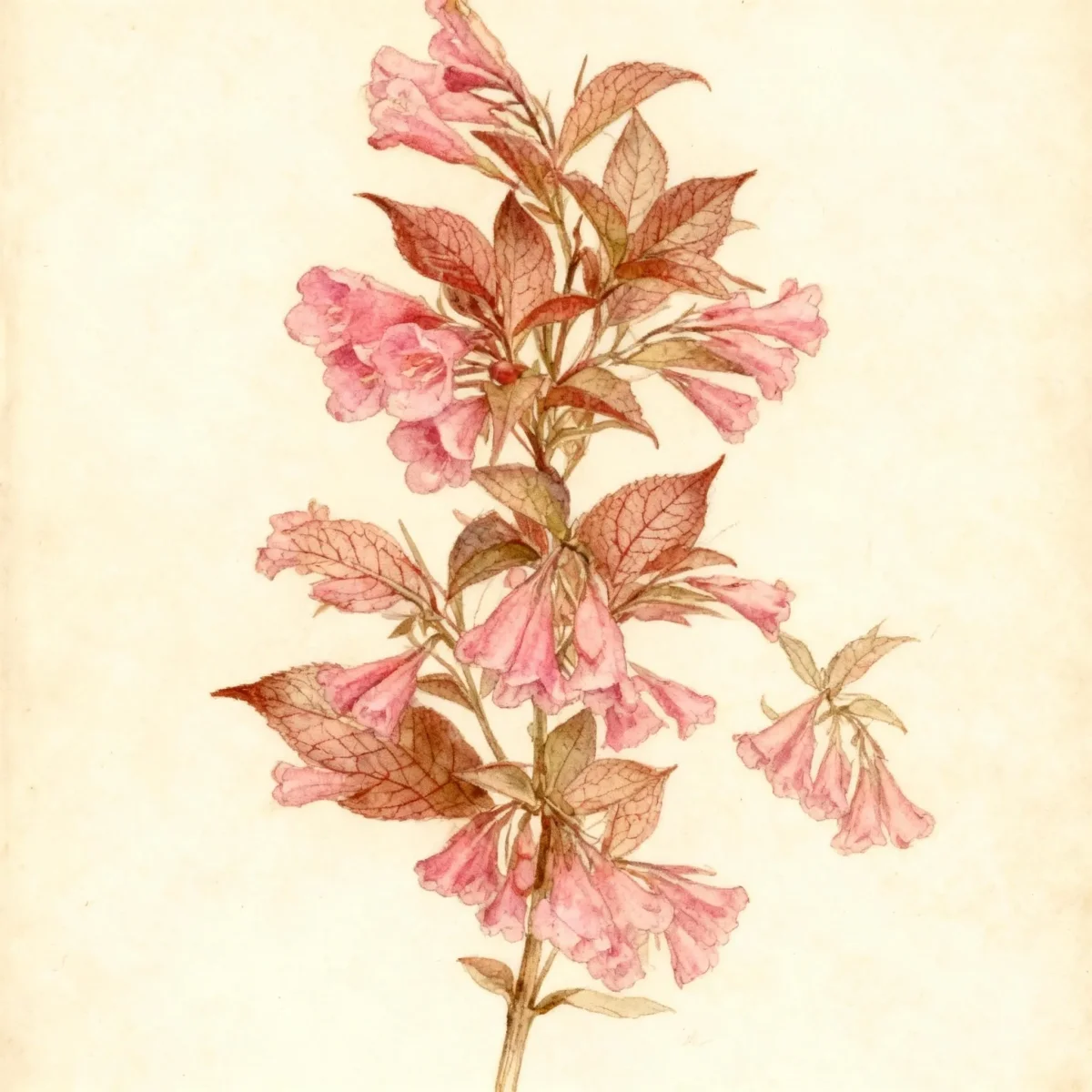
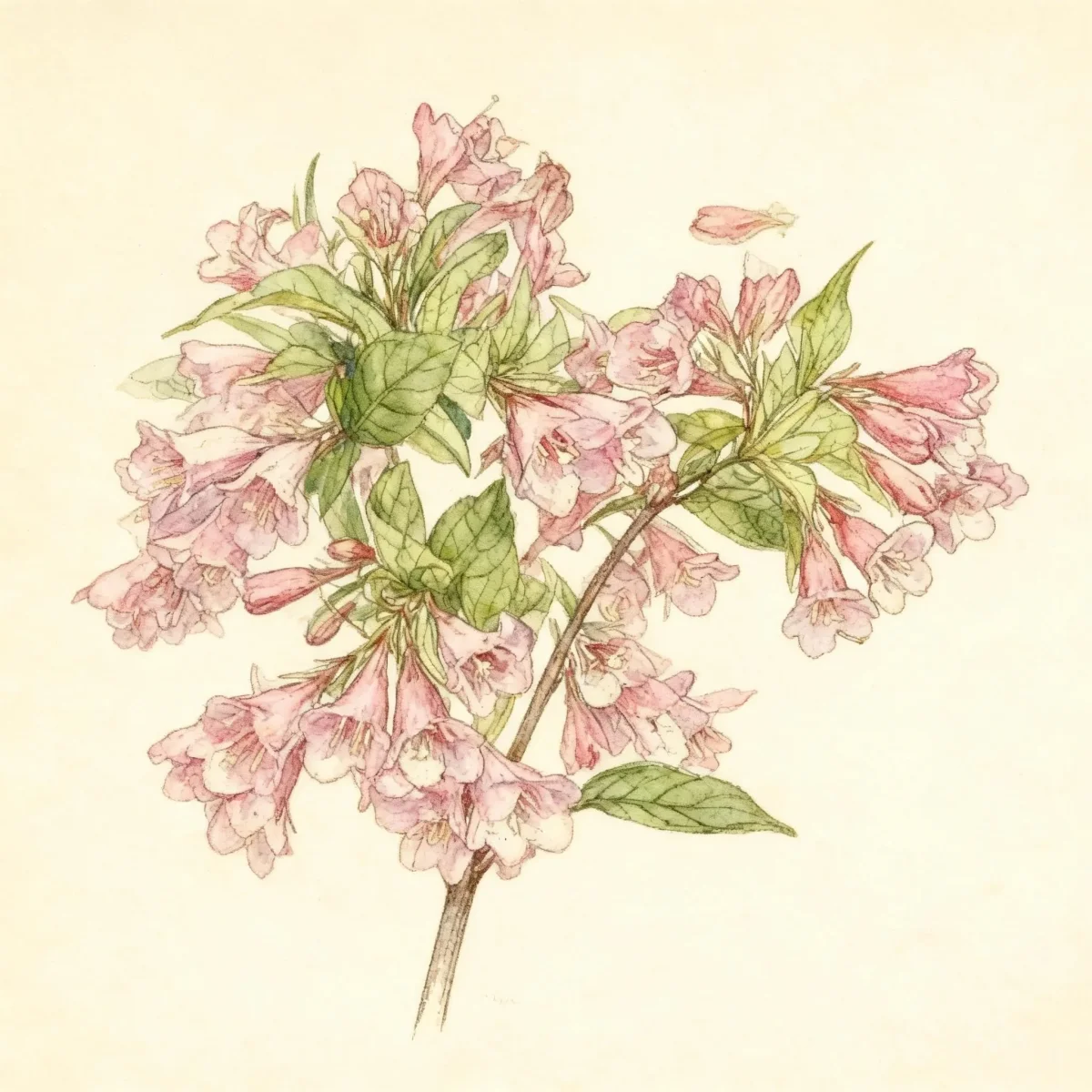
The Weigela florida is a dense, low-maintenance deciduous shrub blooming profusely with rose pink flowers from April to June.
Scroll down to discover growing tips, care requirements, companion plants, and more
Complete Plant Information
Overview
The Weigela, scientifically known as Weigela florida, is a highly valued deciduous shrub prized for its dense, rounded form and abundant spring flowering. Native to parts of China, Korea, and Japan, this species brings reliable structure and vibrant color to the garden landscape. Gardeners appreciate this shrub for its relatively low demands and significant aesthetic impact during the blooming season.
This robust specimen typically matures to a height between 6 and 10 feet and can spread significantly, often reaching 9 to 12 feet wide, making it excellent as a screen or hedge. The funnel-shaped flowers, appearing profusely from April through June, are characteristically rose pink, drawing attention and often attracting hummingbirds to the garden space.
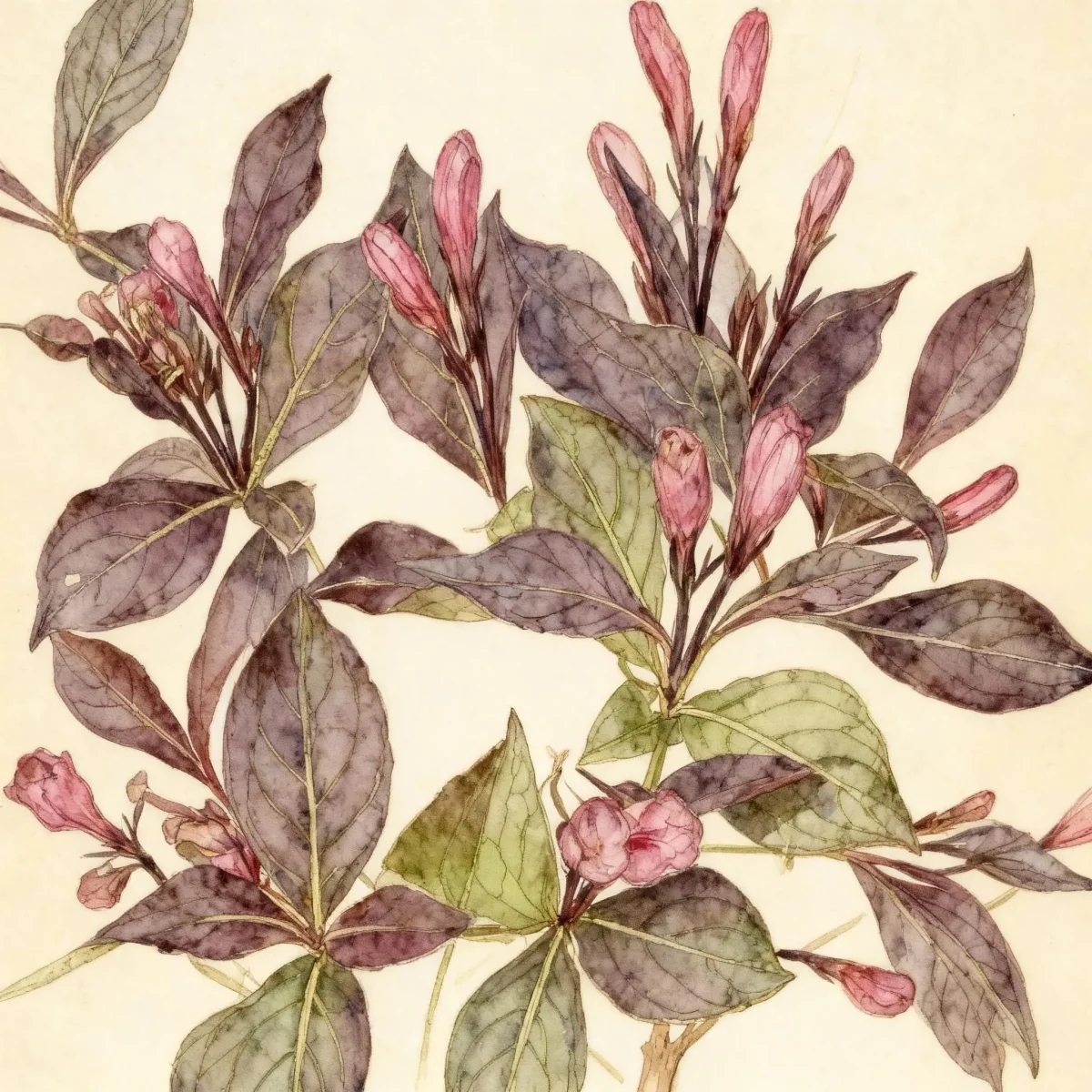
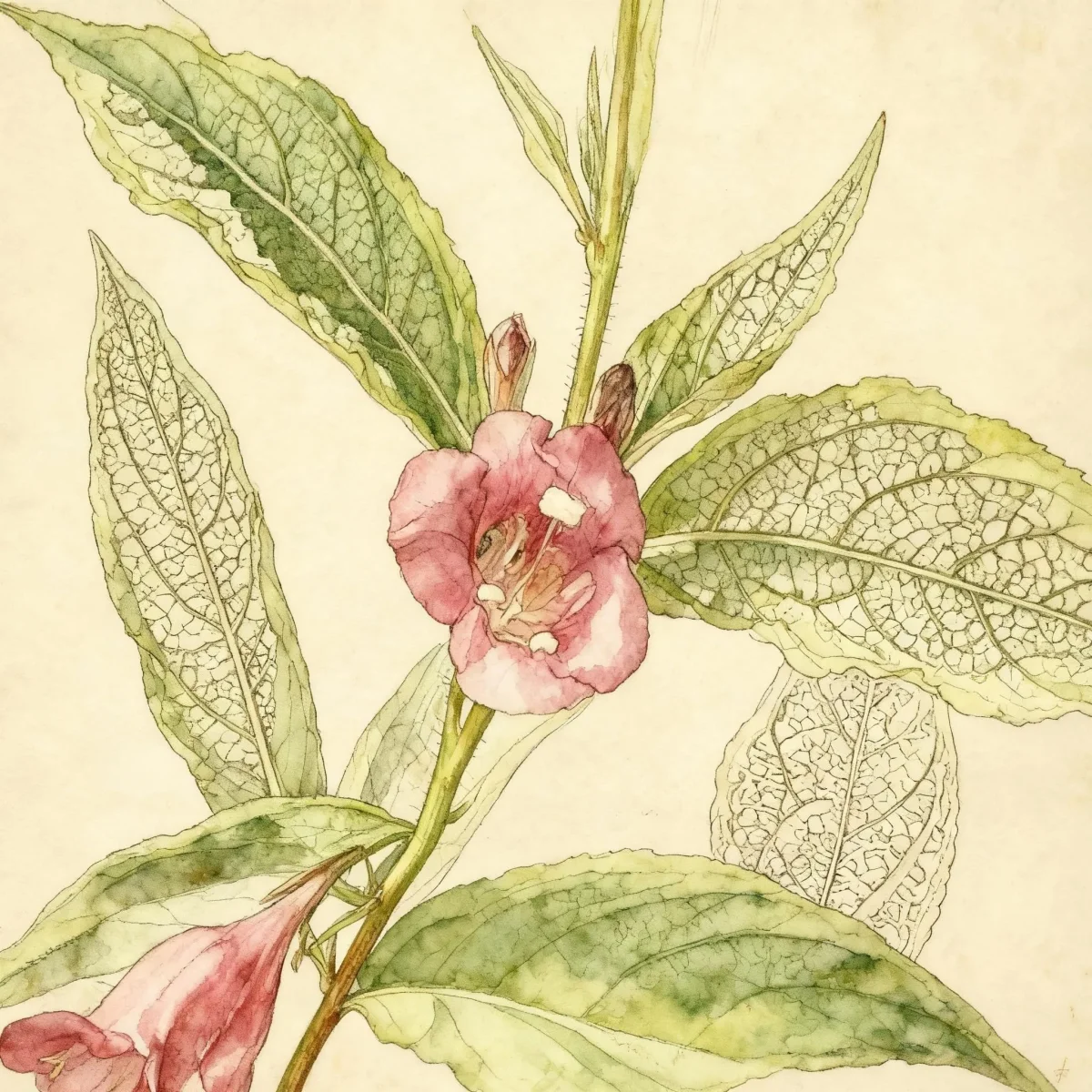
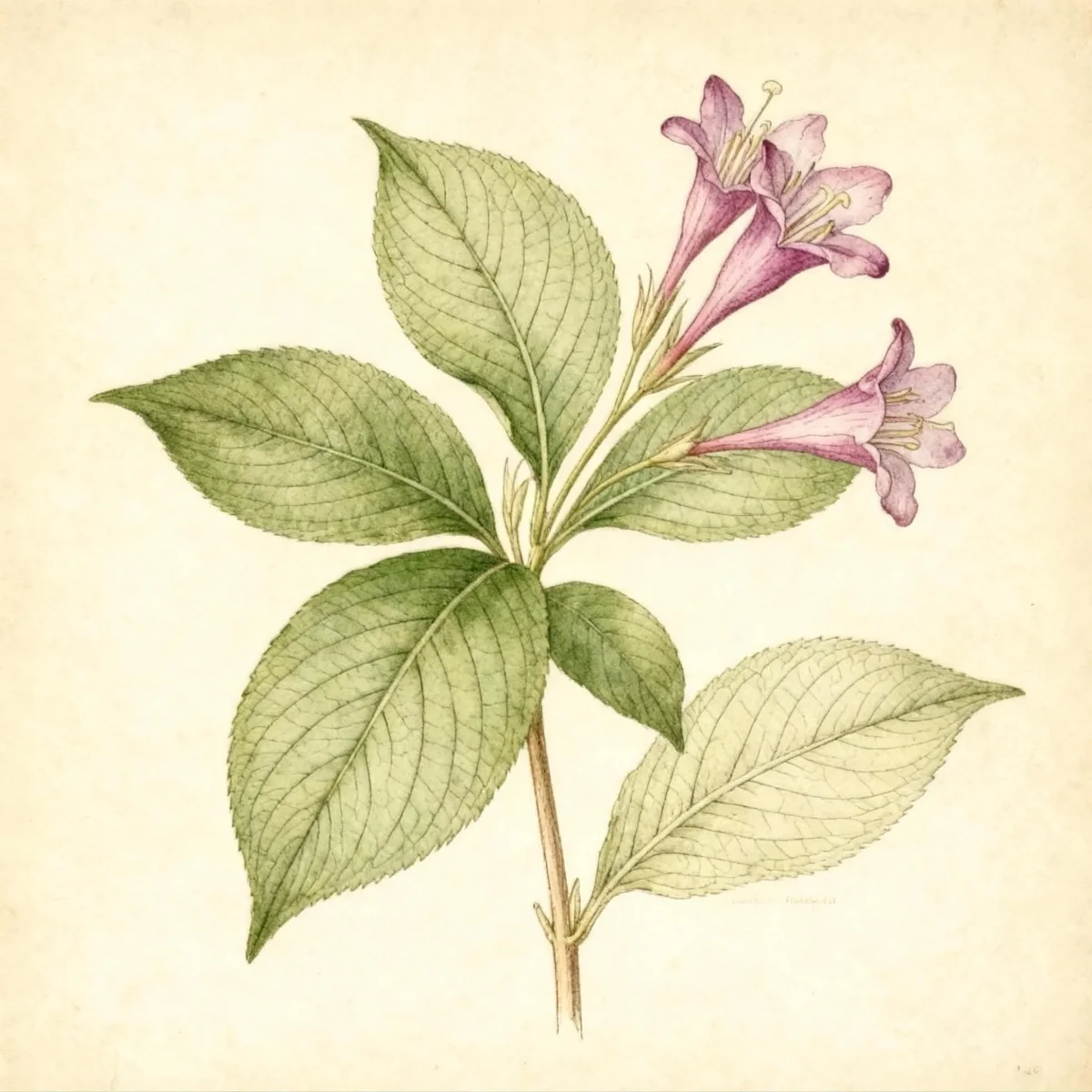
As a whole, the Weigela florida is recognized for its ease of care and adaptability in average garden soils, providing excellent structure with minimal intervention once established. Its elliptic, medium green leaves maintain good color throughout the growing season, offering consistent texture even after the main flowering cycle concludes.
Fast Facts
- Plant Family: Caprifoliaceae
- Plant Type: Deciduous shrub
- Native Range: Northern China, Korea, Japan
- Hardiness Zones: USDA Zones 4-8
- Size at Maturity:
- Height: 6-10 ft
- Spread: 9-12 ft
- Bloom Time: April to June
- Bloom Description: Rose pink
- Sun Exposure: Full sun
- Water Needs: Medium
- Maintenance Level: Low
How to Grow
Planting Weigela florida is best achieved in spring or fall to allow the roots time to establish before extreme weather hits. Ensure the location provides full sun exposure, as this is crucial for maximizing flower production and achieving the best foliage color, although dappled shade may be tolerated. This shrub thrives in average, moist, well-drained soils, but importantly, the Weigela is notably tolerant of clay soils, simplifying site selection for many gardeners.
Once established, watering needs are medium; maintain consistent moisture, especially during dry spells, but the plant should not sit in standing water. Fertilizing is rarely necessary unless the soil quality is extremely poor. Pruning should be done immediately after the main flowering flush subsides in early summer to encourage good shape and maximize blooms for the following year.
Avoid heavy pruning in late summer or fall, as this can remove next year’s flower buds. Propagation of the Weigela can be successfully achieved through stem cuttings taken after flowering. For long-term success, prioritize regular, light shaping rather than severe overhauls.
Landscape Uses
The broad, arching habit of the Weigela makes it exceptionally versatile in landscape design. Its mature size dictates its primary functional role as an excellent choice for property margins or informal summer screens where height and density are desired benefits. The prolific display of rose pink flowers in spring provides a significant seasonal focal point.
For more formal settings, the Weigela functions beautifully when strategically placed in borders, offering a substantial backdrop for smaller perennials or annuals arranged in front. While it performs best in mass plantings to create an impactful hedge, consider pairing it with shrubs that offer contrasting foliage texture or color, like evergreens, to provide year-round interest when the Weigela florida is not in bloom.
Standout Features
Flower Qualities
- Showy
Noteworthy Characteristics
Weigela florida is native to northern China, Korea and Japan, manifesting as a dense, rounded deciduous shrub that commonly reaches heights up to 10 feet and spreads to 12 feet wide with coarse, arching branches. Its hallmark is the profuse blooming of funnel-shaped, rose pink flowers, typically 1.25 inches long, occurring in spring with a possible scattered repeat in midsummer. The specific epithet florida aptly describes its abundant flowering habit which is highly attractive to hummingbirds.
Tolerances
- Clay Soil
Potential Problems
This plant generally exhibits a very low susceptibility to common garden issues, presenting no serious insect or disease problems that require intensive horticultural management. Monitoring for common sap-sucking pests like aphids is good practice, but rarely necessitate chemical intervention for healthy plants. Good garden hygiene and proper pruning, focusing on air circulation after the spring bloom, will help maintain the robustness of your Weigela.
Frequently Asked Questions
What hardiness zones is Weigela suitable for?
The Weigela florida is reliably hardy across USDA Zones 4 through 8, offering adaptability across a wide swath of temperate climates.
How large does Weigela grow?
This deciduous shrub typically reaches a mature height between 6 to 10 feet tall and spreads out to occupy an area of 9 to 12 feet wide.
What sun exposure does Weigela need?
For the best flowering performance and foliage color development, Weigela requires a location receiving full sun exposure.
When does Weigela bloom?
The primary, most spectacular blooming period for the Weigela is from April to June, featuring masses of rose pink flowers.
Conclusion
The Weigela florida stands out as an ideal choice for gardeners seeking a sturdy, low-maintenance shrub that delivers substantial seasonal impact. Its tolerance for clay soil and its impressive rose pink spring floral display make the Weigela a dependable structural plant. Check your local USDA hardiness zone compatibility and aim to plant this spring-flowering beauty during optimal planting windows for immediate success.
Companion Planting
When designing a border featuring Weigela, select companions that complement its medium water needs and desire for full sun. Plants with contrasting foliage, such as chartreuse Japanese Spirea cultivars or dark purple Ninebark (Physocarpus opulifolius), create excellent visual breaks against the Weigela’s medium green leaves. Consider planting early-blooming bulbs like Daffodils beneath the shrub; they will provide color before the Weigela fully leafs out and blooms, completing the early spring transition.
Wildlife Benefits
The showy, nectar-rich flowers of the Weigela are a significant draw for beneficial wildlife throughout the spring and early summer months. The trumpet shape of the rose pink blooms is perfectly suited for visitation by hummingbirds seeking nectar resources. Planting multiple Weigela specimens can create a reliable, dense feeding station that supports these energetic pollinators during their active seasons.