Burkwood viburnum (Viburnum × burkwoodii)
The fragrant Burkwood viburnum, Viburnum × burkwoodii, is a low-maintenance, showy deciduous shrub ideal for borders in USDA Zones 4-8.
Scroll down to discover growing tips, care requirements, companion plants, and more
Complete Plant Information
Overview
The Burkwood viburnum, scientifically known as Viburnum × burkwoodii, is a popular hybrid cherished for its outstanding springtime display. This densely-branched shrub provides significant aesthetic value through its fragrant, showy flowers that appear early in the season. It is highly valued by gardeners for its relatively low maintenance needs once established.
This specimen, which reaches heights of 8 to 10 feet, is adaptable to various conditions, thriving in full sun or light afternoon shade. While young plants appreciate consistent moisture, mature Viburnum × burkwoodii exhibits good drought tolerance, making it a reliable choice for many landscape settings. Its structure and dense branching lend themselves well to formal and informal plantings.
A key ornamental feature of the Burkwood viburnum is its foliage, which maintains a glossy dark green appearance, often persisting into winter in warmer zones before turning maroon in autumn. For optimal flowering and eventual fruit set, group several shrubs together to ensure effective cross-pollination, maximizing the benefit of this hybrid’s notable qualities.
Fast Facts
- Plant Family: Adoxaceae
- Plant Type: Deciduous shrub
- Native Range: Garden origin
- Hardiness Zones: USDA Zones 4-8
- Size at Maturity:
- Height: 8-10 ft
- Spread: 6-7 ft
- Bloom Time: April
- Bloom Description: Pinkish white
- Sun Exposure: Full sun to part shade
- Water Needs: Medium
- Maintenance Level: Low
How to Grow
Planting the Burkwood viburnum should ideally occur during the fall or early spring, ensuring the plant has time to establish before extreme weather. Select a location that provides average, well-draining soil. While this hybrid tolerates a wide soil range, it prefers moist loams. Avoid areas where water collects, as consistently soggy conditions are detrimental.
Care for Viburnum × burkwoodii involves consistent watering during the first growing season to encourage deep root formation. Mature shrubs require medium water; supplemental watering during prolonged dry spells is beneficial, though established plants show noticeable drought tolerance. Fertilization is rarely necessary if the soil is reasonably fertile.
Prune Viburnum × burkwoodii immediately following the April bloom period, focusing on removing any crossing or damaged branches. Be aware that pruning out spent flowers will eliminate the small clusters of red drupes that follow, as the summer fruit display is generally not considered very showy on this specific hybrid.
Landscape Uses
The versatile habit of the Burkwood viburnum makes it an excellent anchor plant in mixed shrub borders. Its medium size (8–10 ft tall) allows it to serve as a substantial backdrop plant or a transitional element between larger trees and smaller perennials. Planting in groups is highly recommended, not just for visual impact but to significantly enhance the pollination required for fruit development.
Use these shrubs to define property lines or create informal screening. The dense branching structure of Viburnum × burkwoodii lends itself well to creating soft hedges that offer structure year-round, particularly in Zones 7 and 8 where the foliage may remain semi-evergreen. They perform beautifully near foundations where their spring fragrance can be easily enjoyed.
Consider pairing the Burkwood viburnum with early spring flowering bulbs, as the mulch layer created by fallen leaves in autumn will help protect the bulbs through winter. Given their adaptability to part shade, they look excellent alongside shade-tolerant evergreens that contrast nicely with the lighter spring flower color.
Standout Features
Flower Qualities
- Showy
- Fragrant
Fruit Qualities
- Showy
Noteworthy Characteristics
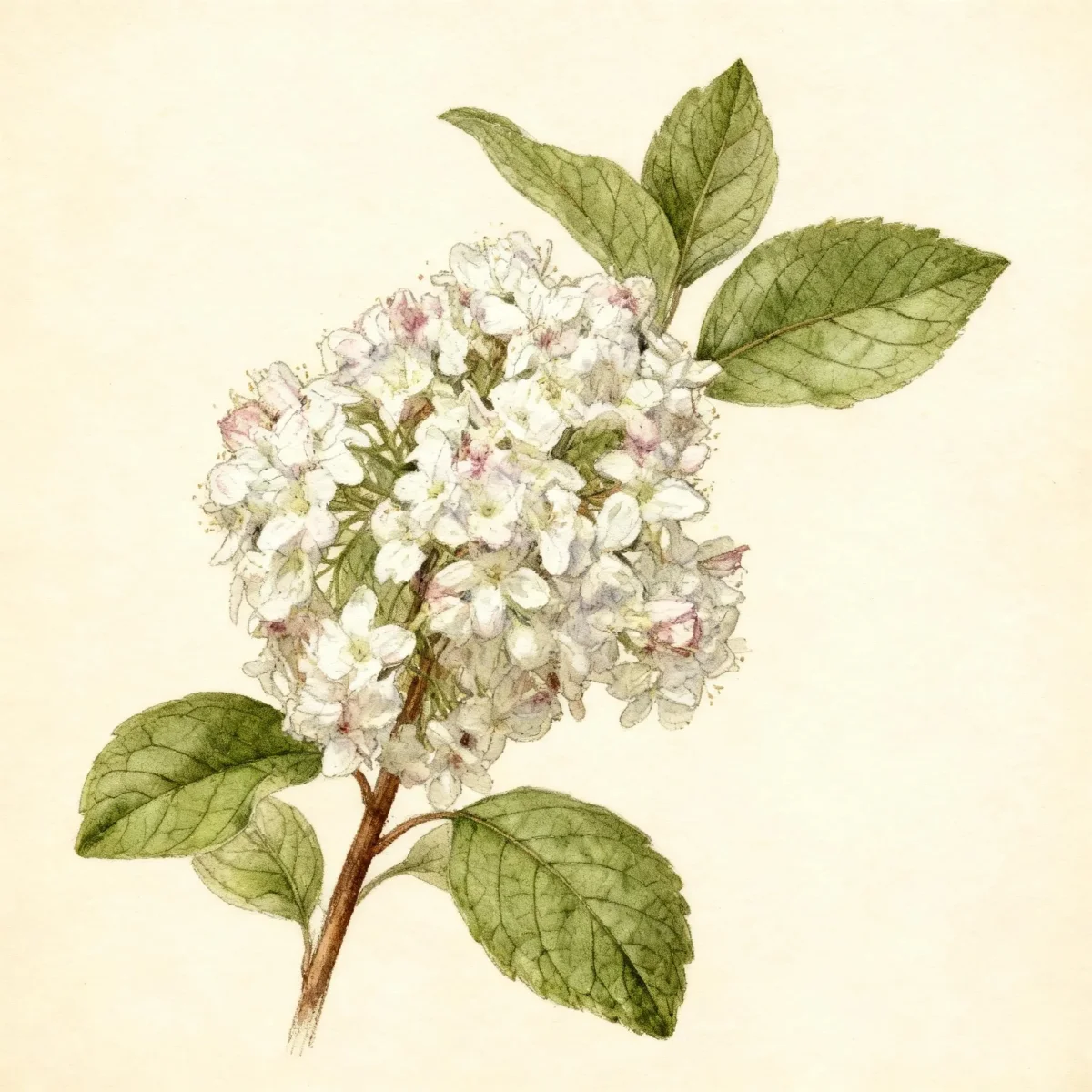
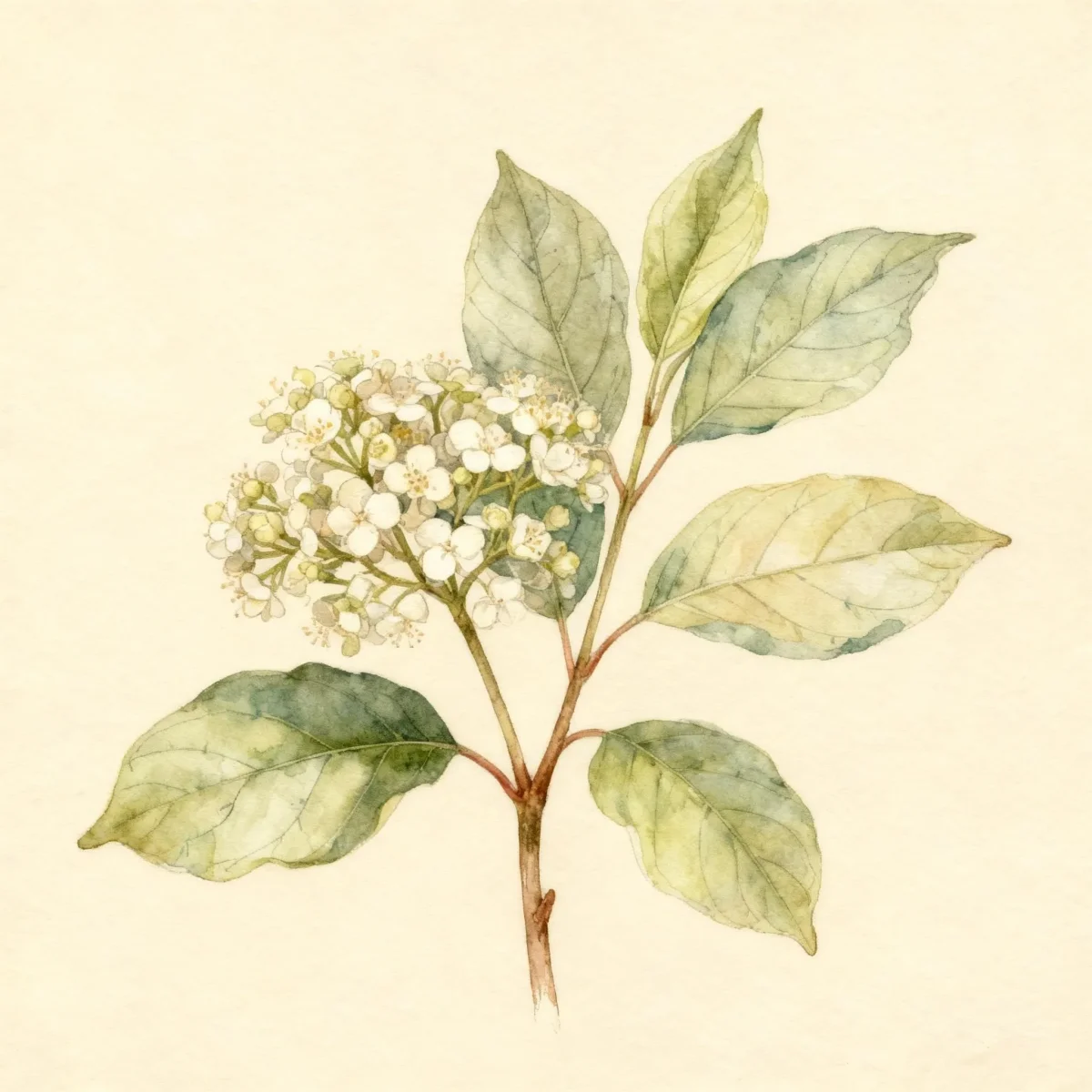
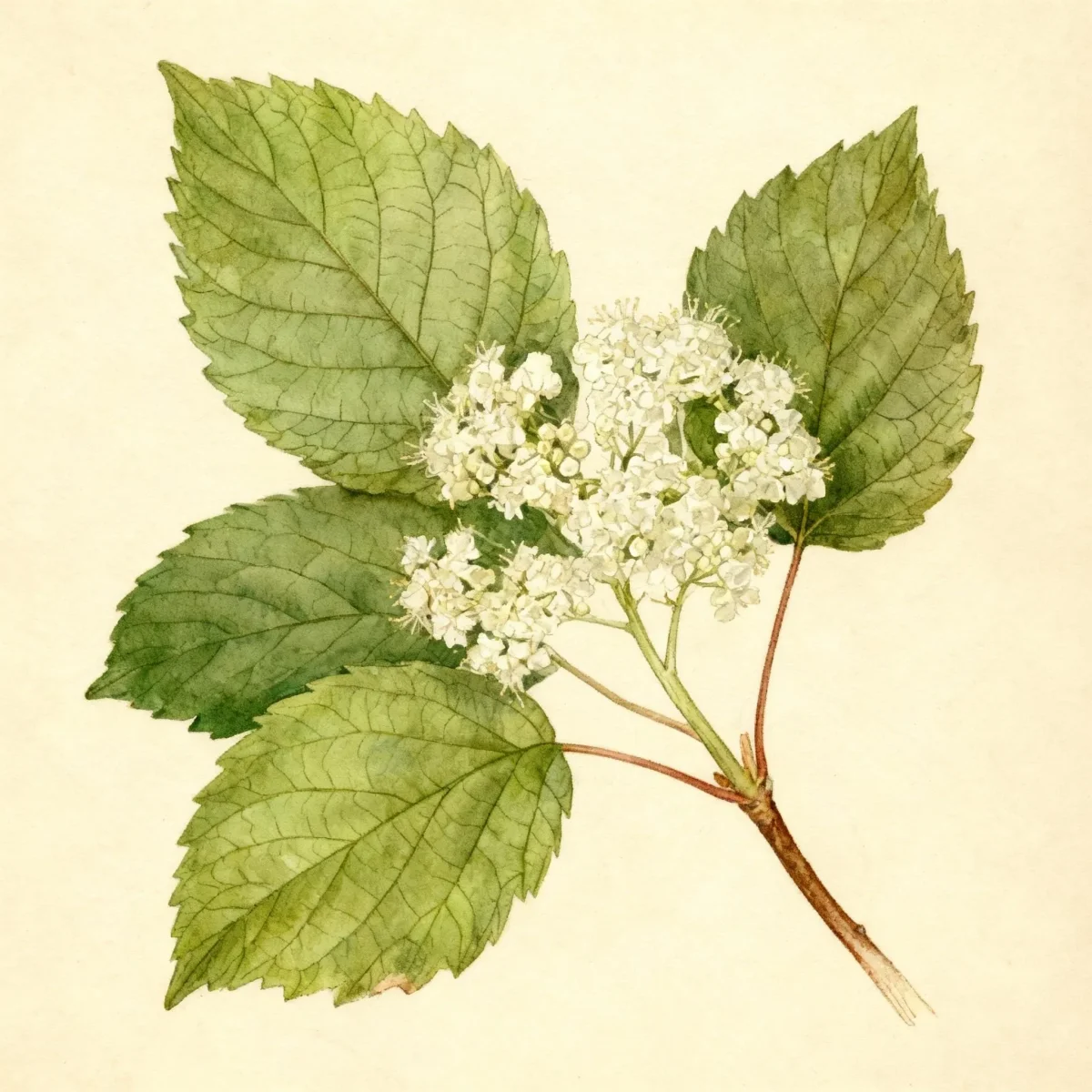
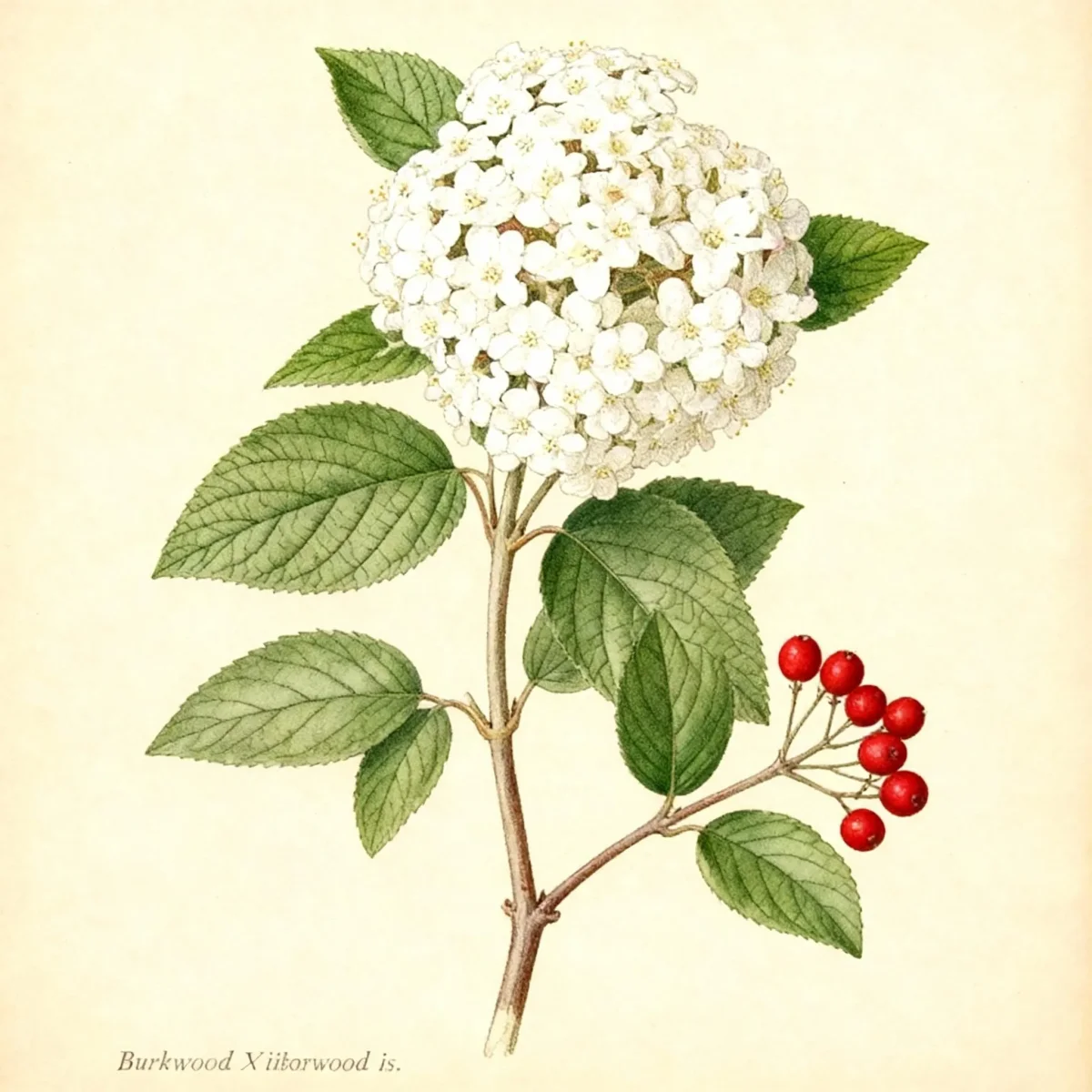
Viburnum × burkwoodii, commonly called Burkwood viburnum, is a densely-branched, multi-stemmed shrub which typically grows 8-10’ tall and 5-7’ wide. Features fragrant white flowers arranged in flat-topped cymes (2-4” wide) in April, followed by pendulous clusters of red berry-like drupes which ripen black. Ovate, glossy dark green leaves turn maroon in fall, though they remain evergreen in warmer climates, making this hybrid a valuable year-round specimen.
Tolerances
- Drought
Potential Problems
The Burkwood viburnum is celebrated for its resilience, generally suffering from no serious insect or disease problems under proper care. Gardeners should remain vigilant for common viburnum pests, although outbreaks are infrequent. Ensure good air circulation by avoiding overly crowded plantings to minimize the chance of fungal issues thriving in damp conditions.
Frequently Asked Questions
What hardiness zones is Burkwood viburnum suitable for?
Viburnum × burkwoodii is suitable for USDA Hardiness Zones 4 through 8.
How large does Burkwood viburnum grow?
This shrub typically matures to a height of 8 to 10 feet, with a comparable spread of 6 to 7 feet.
When does Burkwood viburnum bloom?
The fragrant, pinkish white blooms of the Burkwood viburnum appear reliably in April.
What sun exposure does Burkwood viburnum need?
This species performs best when positioned in full sun or an area that receives part shade throughout the day.
Conclusion
The Viburnum × burkwoodii offers outstanding fragrance, reliable spring color, and low-maintenance characteristics, securing its spot as a garden favorite. For the best results with your Burkwood viburnum, ensure placement in well-drained soil and plan your pruning schedule immediately after flowering concludes. Check your local USDA zone compatibility before planting this superb hybrid shrub.
Companion Planting
Selecting companions that share the medium water needs and soil preferences of Viburnum × burkwoodii ensures a cohesive garden bed. Consider planting low-growing spring ephemerals beneath the maturing shrub to take advantage of the dappled sunlight it provides before its leaf-out is complete. Plants like Hosta cultivars thrive in the filtered light offered by the shrub in late spring and summer.
For textural contrast, pair the broad, glossy leaves of the Burkwood viburnum with fine-leaved evergreens such as Japanese Holly (Ilex crenata) varieties. These contrasts highlight the form of the shrub throughout the year, especially during winter when the foliage display of the viburnum fades to maroon or drops.
Design Ideas
The multi-stemmed nature of this viburnum lends itself perfectly to softening the hard lines of architecture when used near foundations. Space specimens far enough away from the structure to allow for the mature 6-7 foot spread. A staggered planting of three or five Burkwood viburnums creates a sophisticated, natural-looking screen that screens less attractive utility areas.
In woodland-edge gardens, allow Viburnum × burkwoodii to mingle with shade-tolerant shrubs like Rhododendron or Azalea, which share similar cultural needs regarding soil acidity and moisture retention. The white fragrance of the viburnum provides a wonderful counterpoint to the evergreen structure provided by these associates.