Sweet William (Dianthus barbatus)
Sweet William (Dianthus barbatus) offers showy, fragrant blooms in red, pink, and white, thriving as a biennial or short-lived perennial.
Scroll down to discover growing tips, care requirements, companion plants, and more
Complete Plant Information
Overview
Dianthus barbatus, widely popular as Sweet William, brings vibrant color and delightful fragrance to the garden from late spring until frost. This species is cherished for its dense, flat-topped flower clusters displayed atop sturdy stems, making it an excellent addition to cottage-style plantings. While botanically a short-lived herbaceous perennial, it is frequently managed as a biennial or even an annual for reliable seasonal displays.
The genus name recognizes the flower’s divine status, linking dios (divine) and anthos (flower), a sentiment echoed by gardeners who prize its vivid palette of reds, pinks, whites, and bicolors. Sweet William often reseeds modestly in ideal environments, ensuring its continued presence year after year, enhancing beds and borders with its distinctive charm.
Ideal growing conditions involve deep, rich, well-drained soil and plenty of sunlight, though some relief from intense afternoon heat is appreciated in hotter regions. Successful cultivation of Dianthus barbatus results in a highly rewarding, colorful display that requires moderate attention throughout the season.
Fast Facts
- Plant Family: Caryophyllaceae
- Plant Type: Herbaceous perennial
- Native Range: Western Asia, eastern Europe, Korea
- Hardiness Zones: USDA Zones 3-9
- Size at Maturity:
- Height: 1-2 ft
- Spread: 0.5-1 ft
- Bloom Time: May to frost
- Bloom Description: Red, pink, white, and bicolors
- Sun Exposure: Full sun to part shade
- Water Needs: Medium
- Maintenance Level: Medium
How to Grow
For successful establishment, plant Dianthus barbatus in late spring or early fall, depending on whether you intend to grow it as a true perennial/biennial or an annual. Ensure the location provides full sun, though light afternoon shade is beneficial if you are gardening in very hot summer zones. Soil preparation is crucial; aim for deep, organically rich, and exceptionally well-drained media to prevent moisture-related issues like crown rot.
Ongoing care for Sweet William centers on moderate watering sessions; avoid consistently soggy conditions. Deadheading spent flowers promptly by shearing back large plantings is highly recommended, as this practice encourages the plant to maintain its perennial tendencies and promotes further blooming cycles. If growing cultivars with double flowers, remember that these traits will not breed true from seed, necessitating vegetative propagation or repeat purchases.
Gardeners utilizing seed should start them indoors early for first-year flowering, or sow directly in the late spring for blooms the subsequent year. Nursery-purchased seedlings available in early fall can be planted immediately for a spring show. This short-lived perennial often self-sows naturally, perpetuating the planting if conditions remain optimal.
Landscape Uses
Sweet William excels in contexts where classic charm and massed color are desired. They are absolute staples in traditional cottage gardens, lending vertical interest and fragrance among other clustered blooms. Dianthus barbatus also performs admirably in structured beds and borders where their compact, upright form provides mid-level texture.
Containers are another excellent application for Sweet William, particularly when short varieties are selected. Groupings of these upright flowering plants create impactful centerpieces, especially when paired with softer, trailing annuals in the same color palette. Wherever you place them, group plants together to maximize the visual impact of their dense terminal flower heads.
Standout Features
Flower Qualities
- Showy
- Fragrant
Noteworthy Characteristics
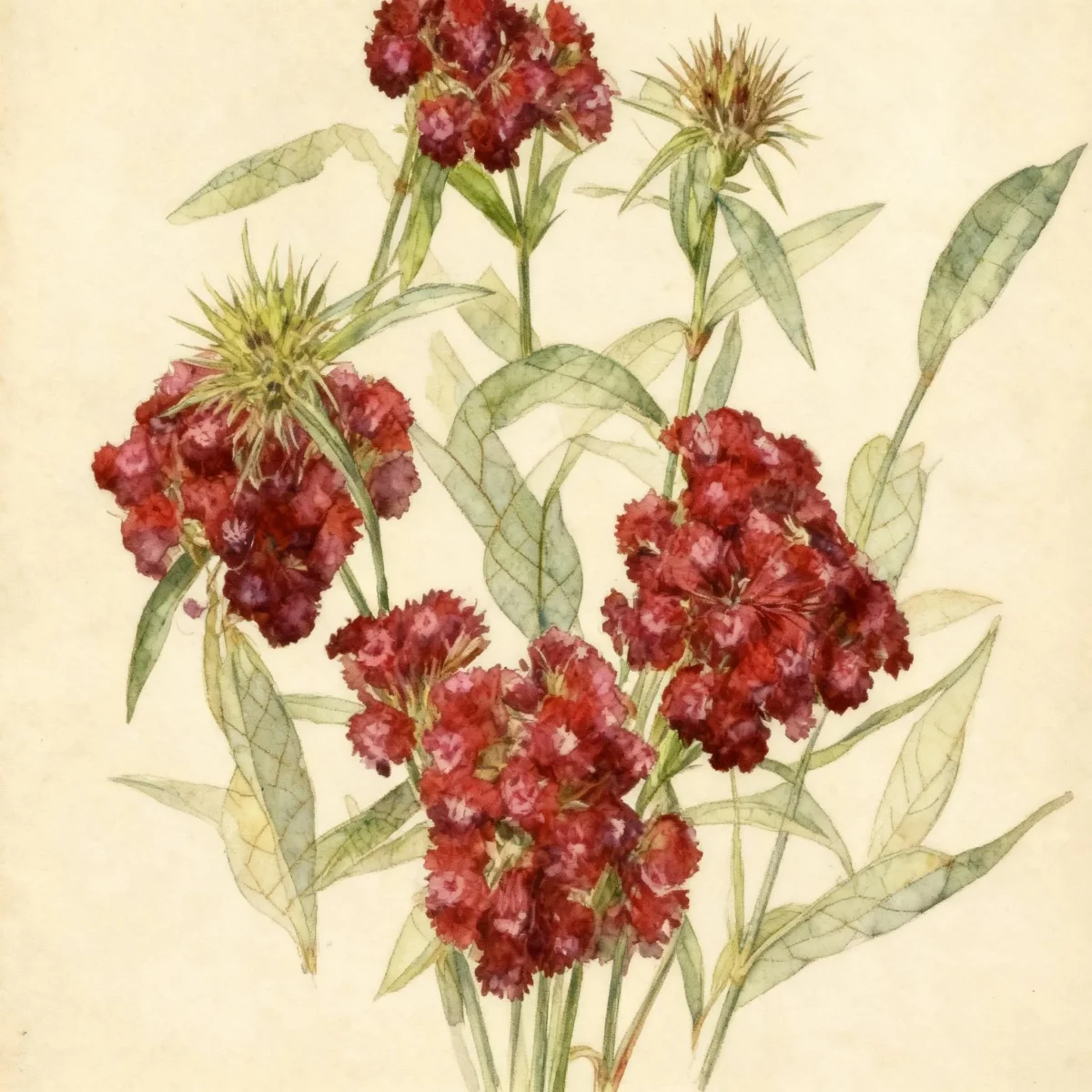
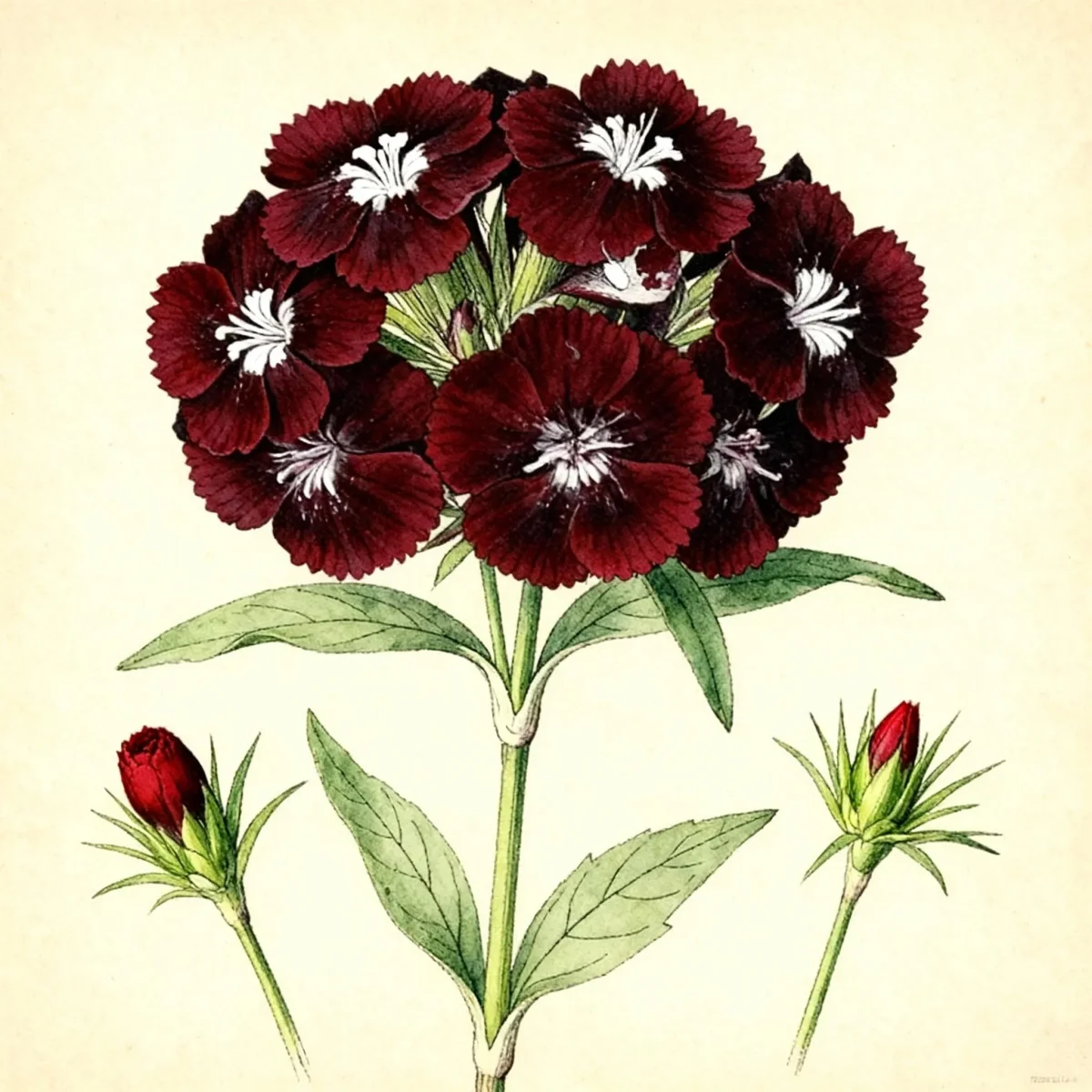
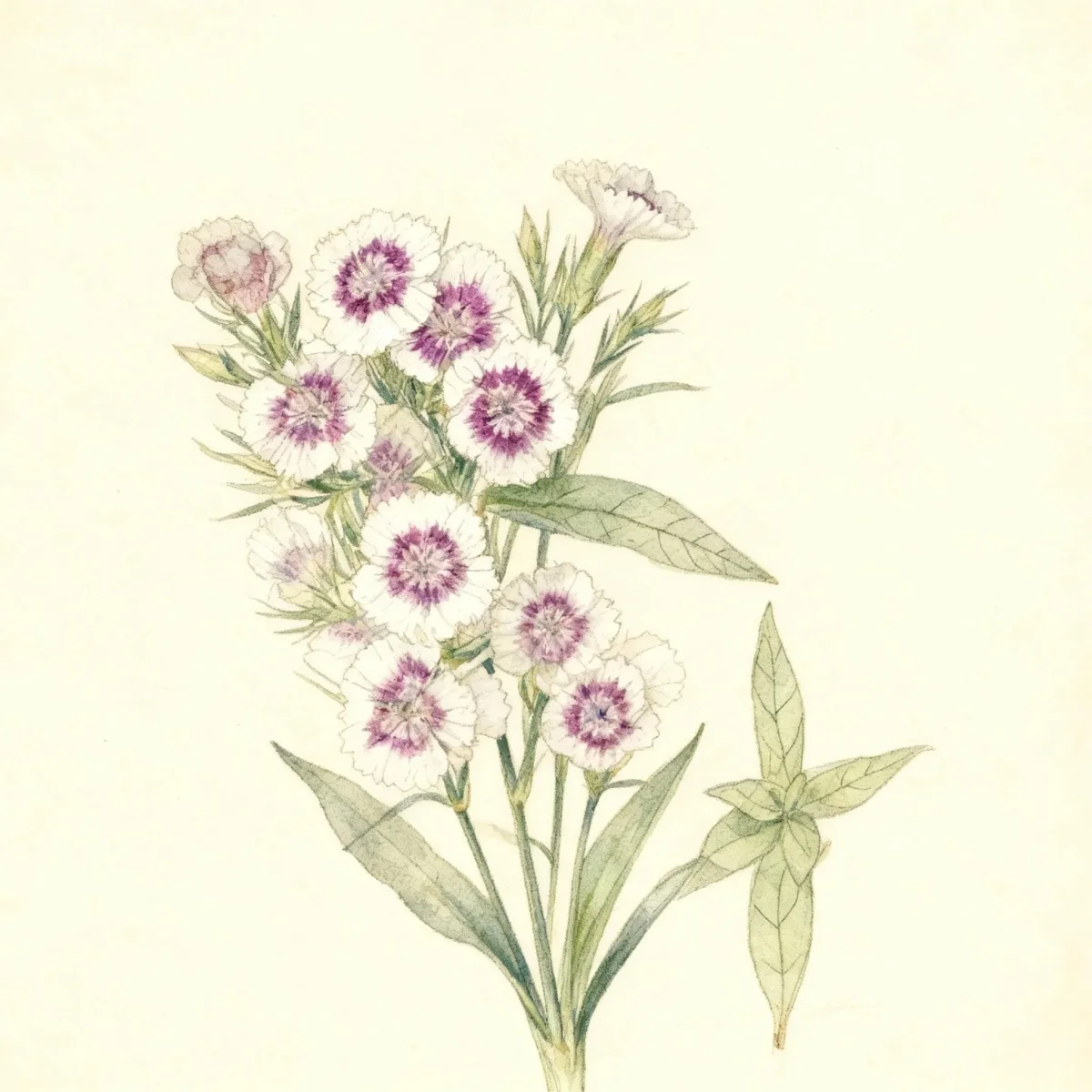
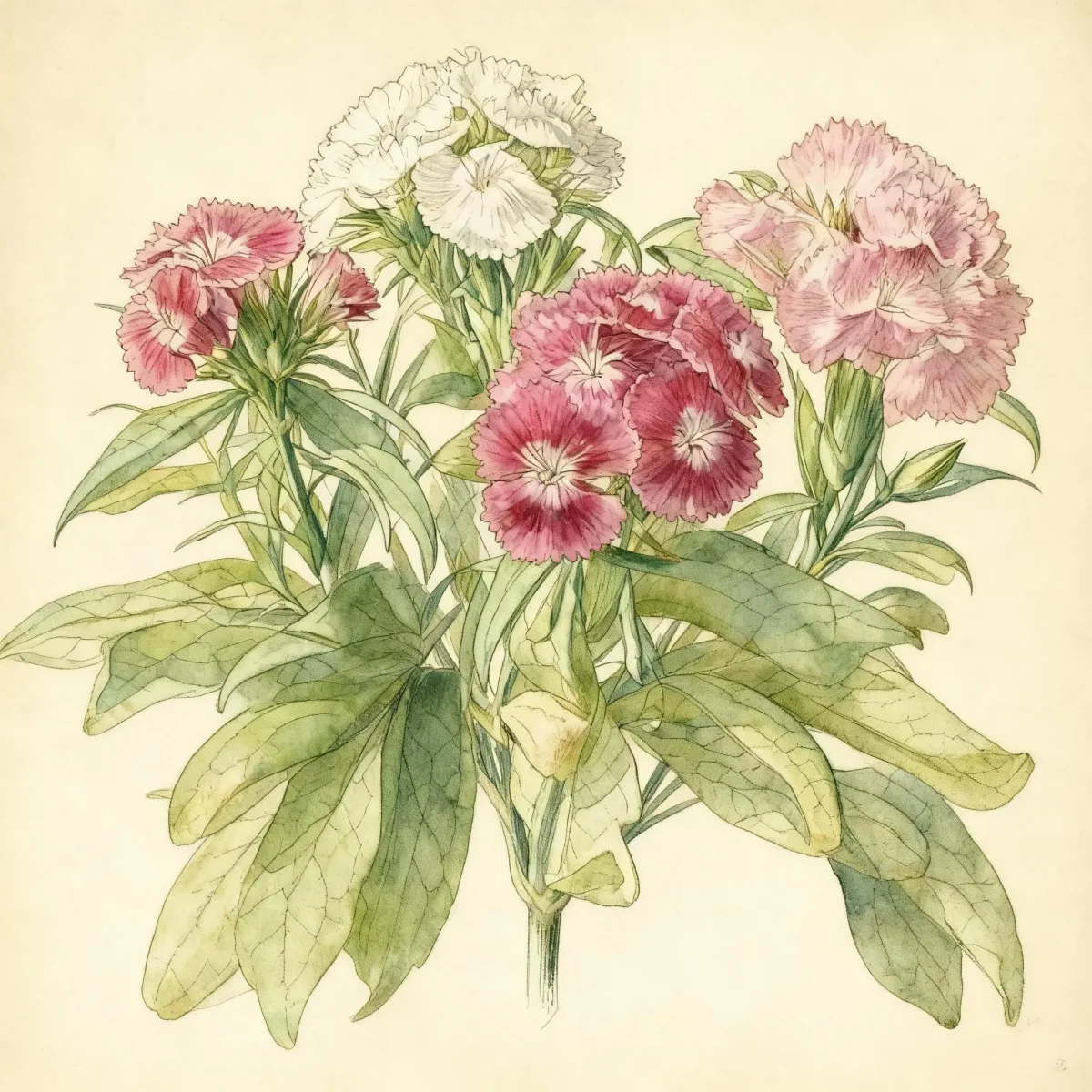
Dianthus barbatus, commonly called sweet William, typically grows 12-24” tall and features small flowers held in dense, flat-topped terminal clusters (3-5” wide). Many cultivars are available in commerce, including double-flowered forms as well as some dwarf plants (4-8” tall). Flowers come in vivid shades of red, pink, white and bicolor, sometimes with a contrasting eye, and with fringed petals that are bearded on the inside.
Tolerances
- Deer
Potential Problems
Dianthus barbatus is susceptible to fungal issues, most notably crown rot and rust, particularly when soil drainage is inadequate. Always ensure the planting site drains well, avoiding low spots where water collects after rain or irrigation. Snails and slugs pose a threat, especially to young seedlings, requiring diligent monitoring and placement of appropriate baits or barriers. While deer tend to avoid the established foliage, protection during early growth stages may be necessary where pest pressure is high.
Frequently Asked Questions
What hardiness zones is Sweet William suitable for?
Dianthus barbatus is quite adaptable, being winter hardy across USDA Zones 3 through 9.
How large does Sweet William grow?
When mature, Sweet William typically reaches a height between 1 and 2 feet, with a spread spanning 0.5 to 1 foot.
What sun exposure does Dianthus barbatus need?
This plant prefers full sun but benefits significantly from partial shade, especially during the hottest parts of the afternoon in warmer climates.
When does Sweet William bloom?
The flowering period for Sweet William generally commences in May and continues until the first hard frost arrives, showcasing colors like red, pink, white, and various bicolors.
Conclusion
Sweet William offers exceptional garden value through its sturdy structure and strikingly colorful, fragrant bloom clusters, making Dianthus barbatus a cornerstone of traditional flower beds. For sustained success, focus on providing rich, perfectly drained soil and utilize prompt deadheading to encourage prolonged perennial behavior. Check your local climate against USDA Zones 3-9 and plan your spring or fall planting time accordingly to enjoy this classic flower.
Companion Planting
Sweet William performs best when situated near companions that share its cultural needs for well-drained soil and moderate water. Consider pairing Dianthus barbatus with other cottage mainstays like traditional roses, lavender, or catmint (Nepeta). These companions often complement the upright stature of Sweet William while thriving in similar full sun to light shade conditions. Avoid placing them directly adjacent to plants that require consistently wet feet, as this increases the risk of fungal disease development in the Dianthus.
Propagation Tips
While many gardeners purchase ready-made plants, propagation via seed is straightforward for Dianthus barbatus. If you allow flowers to mature, you can collect seed from the faded flower heads after they dry down on the plant. For blooms the following year, plant seeds directly into the garden bed in late spring or early summer; these seedlings will establish roots over the summer and bloom robustly the next season. Note that highly desirable double-flowered forms usually require taking cuttings, as seeds from these varieties will revert to single-flowered types.