Rupture-wort (Herniaria hirsuta)
Herniaria hirsuta (Rupture-wort) is a diminutive, hairy annual ground cover thriving in full sun with low maintenance needs.
Scroll down to discover growing tips, care requirements, companion plants, and more
Complete Plant Information
Overview
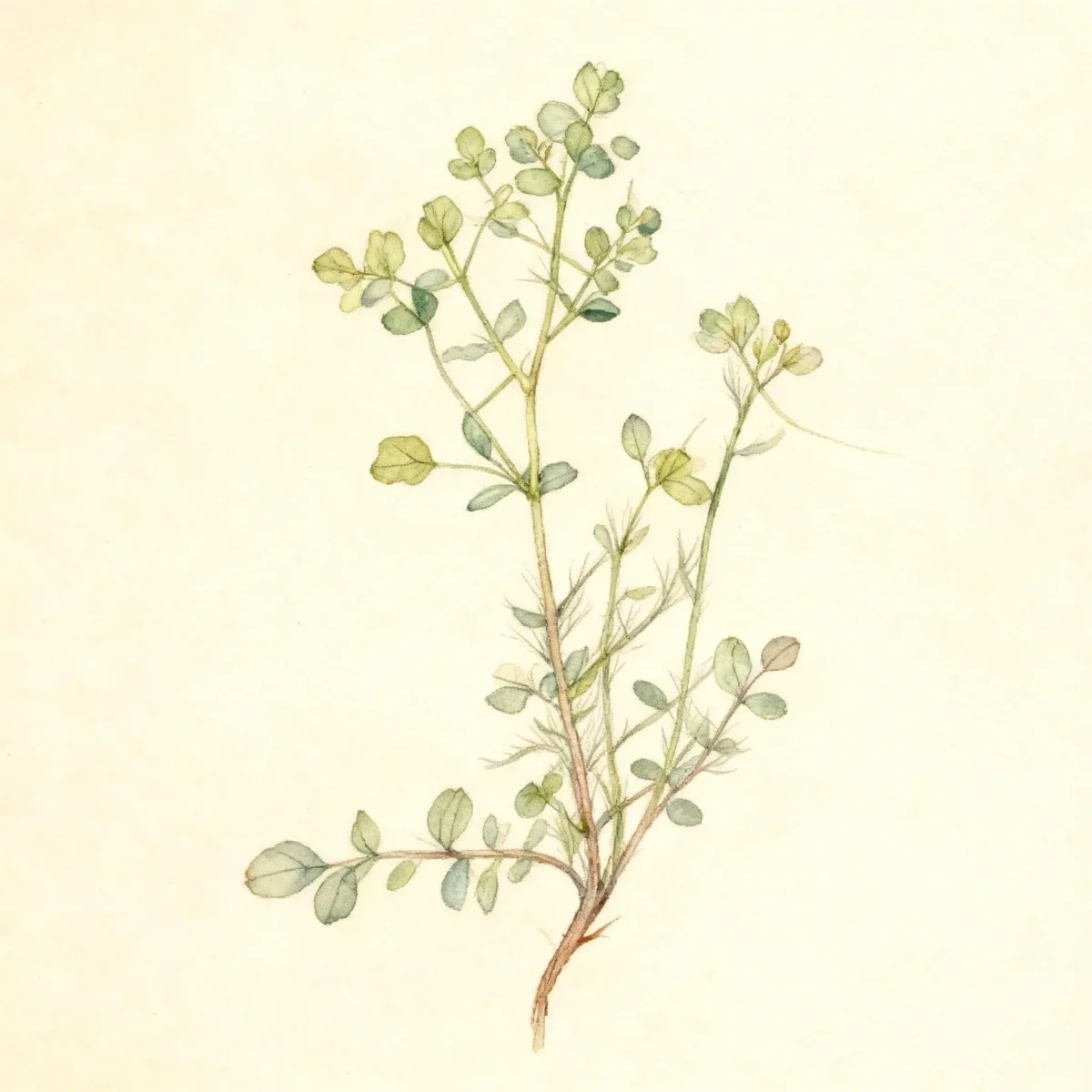
Herniaria hirsuta, commonly known as Rupture-wort, is a charmingly inconspicuous, low-growing annual valued for its mat-forming habit. This diminutive plant blankets the ground with stiffly-hairy stems, offering subtle texture in the landscape where larger plants might overwhelm. Despite its small size, Rupture-wort is remarkably adaptable across a wide range of climates.
The hairy annual nature of Herniaria hirsuta means it establishes quickly to suppress weeds and provide consistent coverage throughout the growing season. Its yellowish-green flowers, though tiny, bloom reliably from June into July, contributing soft color to rockeries or tightly edged borders. Gardeners appreciate this species for its very low maintenance requirements once established.
Historically famous for purported medicinal uses related to hernias—from which its common name is derived—today Herniaria hirsuta serves primarily as a resilient, naturalizing ground cover. It easily self-seeds in favorable spots, expanding its spread from 0.25 to 0.75 feet wide, making it an excellent choice for filling in gaps between pavers or along pathway edges.
Fast Facts
- Plant Family: Caryophyllaceae
- Plant Type: Annual
- Native Range: Pakistan
- Hardiness Zones: USDA Zones 2-9
- Size at Maturity:
- Height: 0-0.25 ft
- Spread: 0.25-0.75 ft
- Bloom Time: June to July
- Bloom Description: Yellowish-green
- Sun Exposure: Full sun
- Water Needs: Medium
- Maintenance Level: Low
How to Grow
To successfully establish Herniaria hirsuta, plant seeds or small starts after the danger of frost has passed in the spring. Full sun exposure is essential for dense growth and robust flowering. This Rupture-wort thrives in average, medium moisture, well-drained soils, showing a distinct preference for slightly sandy loams.
Watering needs are considered medium; consistent moisture is necessary during establishment, but avoid any conditions where soils become excessively moist, as this can lead to rot in such a shallow-rooted annual. Fertilization is rarely needed; over-fertilizing can lead to weaker, floppier growth in this naturally diminutive plant.
Once established, the care requirements for Herniaria hirsuta are minimal. Since this plant is low-growing and trailing, pruning is generally unnecessary unless stray stems need tucking back into the mat. Because plants are self-fertile, they readily produce seed, allowing the Rupture-wort to naturalize and reappear the following year in favorable locations.
Landscape Uses
Herniaria hirsuta excels as a tight, fine-textured ground cover perfect for blurring the hard lines between hardscaping elements. Its extremely low profile (under 3 inches) makes it ideal for planting between flagstones, letting the stems gently spill over edges without obscuring views. This characteristic also makes it a wonderful addition to rock gardens where it complements larger, slower-growing alpine selections.
As an annual ground cover, Rupture-wort provides excellent seasonal coverage for spring-flowering bulbs, such as tulips or daffodils. Once the bulbs have finished blooming and the foliage begins to yellow, the spreading mat of Herniaria hirsuta fills in the suddenly empty spaces, maintaining visual interest throughout the summer season.
Designers often utilize the mat-forming nature of this species in small bedding areas along borders where a very low edging plant is required. Because it draws little attention to itself but provides excellent coverage, it serves as a perfect green carpet base for taller, more colorful specimens.
Standout Features
Flower Qualities
- Showy
Noteworthy Characteristics
Herniaria hirsuta, commonly called hairy rupturewort, is a somewhat inconspicuous, low-growing annual. The genus name and common name relate to a formerly held belief that this plant was a useful remedy in the treatment of hernias. It is a low-growing, trailing to mat-forming, stiffly-hairy annual that typically rises to only 1-2” tall but spreads along the ground to 6-8” on branched prostrate stems clad with tiny, pale green leaves. The specific epithet hirsutus comes from the Latin word meaning hairy.
Tolerances
No data available for specific tolerances beyond general cultural requirements.
Potential Problems
Gardeners will be pleased to know that Herniaria hirsuta exhibits remarkable resistance to common garden pests and diseases. No serious insect or disease problems are typically associated with this species, making it an excellent “set-it-and-forget-it” annual ground cover option. Primary management concern involves ensuring adequate drainage to prevent crown or root issues associated with overly damp, heavy soils.
Frequently Asked Questions
What hardiness zones is Rupture-wort suitable for?
Herniaria hirsuta is surprisingly hardy, suitable for growing across USDA Zones 2 through 9.
How large does Herniaria hirsuta grow?
This annual typically remains very short, reaching only 0 to 0.25 feet tall, with a spread between 0.25 to 0.75 feet wide.
When does Rupture-wort bloom?
Rupture-wort displays its subtle yellowish-green blooms during the peak summer months, specifically from June to July.
What sun exposure does Herniaria hirsuta need?
This ground cover requires full sun exposure to develop its best mat-forming habit.
Conclusion
Herniaria hirsuta offers gardeners a valuable, low-maintenance solution for ground coverage, particularly in sunny, well-drained locations. The fine texture and easy naturalizing habit of Rupture-wort ensure that this tiny, hairy annual will provide consistent seasonal interest. Before planting, ensure your chosen area meets the full sun requirement and verify that your local climate falls within its wide hardiness range of Zones 2-9.
Companion Planting
When selecting companions for Herniaria hirsuta, focus on plants that share its affinity for full sun and well-drained, relatively lean soil conditions. Excellent partners include low-growing sedums or creeping thyme varieties, which offer contrasting textures while also serving as resilient ground covers. For rock gardens, consider pairing Rupture-wort with dwarf conifers or trailing campanulas, allowing the Herniaria to soften the edges of stone arrangements.
Since this annual is so low-growing, it pairs well visually with short, upright accents that still demand excellent drainage, such as certain species of sempervivum or low-growing ornamental grasses that prefer sandy conditions. Avoid setting Herniaria hirsuta in deep shade or overly rich perennial beds, as richer soil encourages excessive, leggy growth that compromises its tight mat structure.
Propagation Tips
Propagation of Herniaria hirsuta is straightforward, primarily achieved through seed sowing. As the plant is self-fertile, mature seed heads will shatter readily, leading to natural reseeding the following year if the foliage is left undisturbed over winter. For intentional planting, sow seeds directly into the prepared outdoor soil after the last frost date.
If starting indoors, begin seeds approximately 6-8 weeks before your anticipated transplant date, providing cool germination temperatures for the best results. Because this is a very delicate annual, handle seedlings gently when transplanting them to their final sunny location. Its successful naturalization often negates the need for extensive hands-on propagation efforts in established gardens.