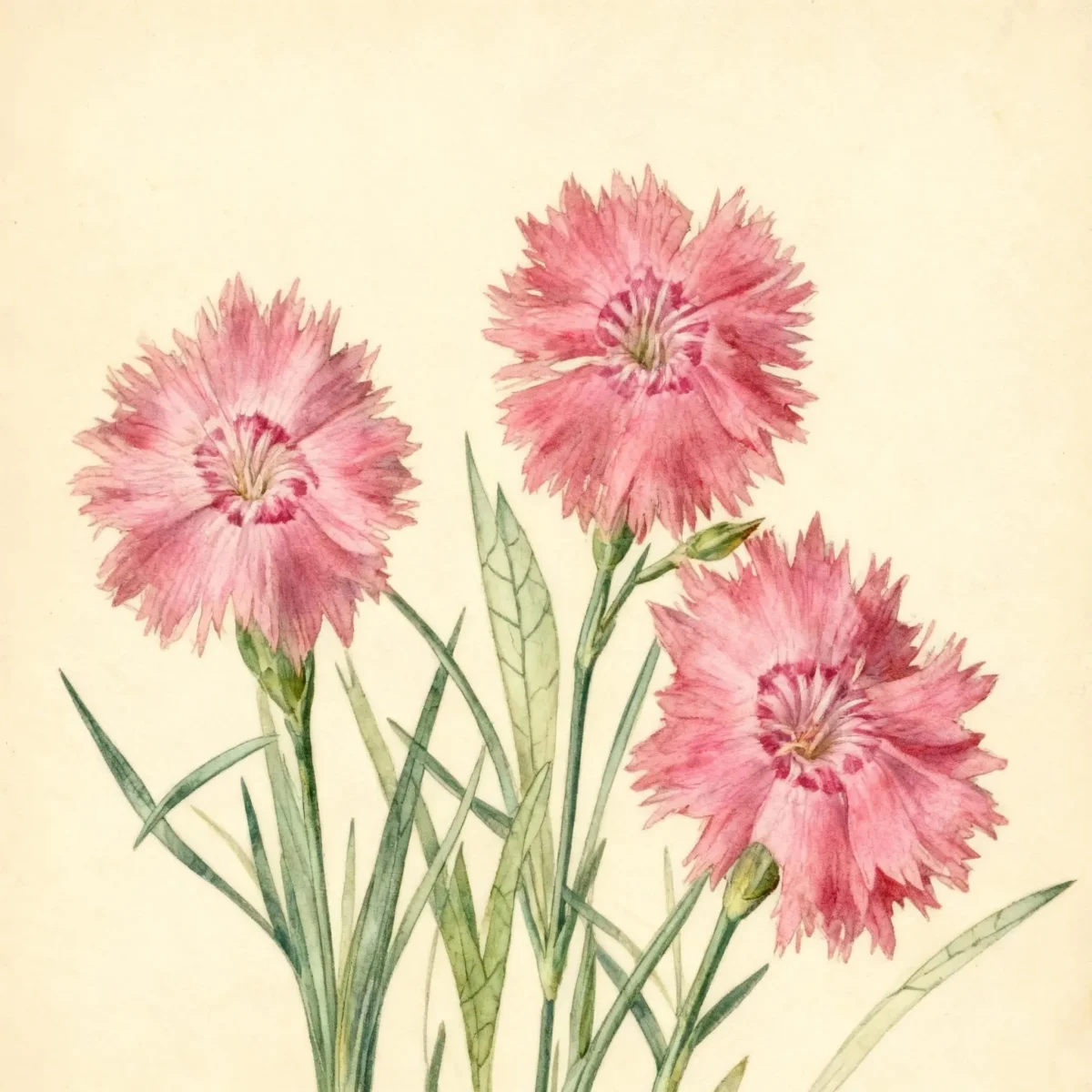
Petrorhagia (Petrorhagia saxifraga)
Petrorhagia saxifraga is a tough, low-growing perennial featuring small pink blooms, perfect for rock gardens and ground cover.
Scroll down to discover growing tips, care requirements, companion plants, and more
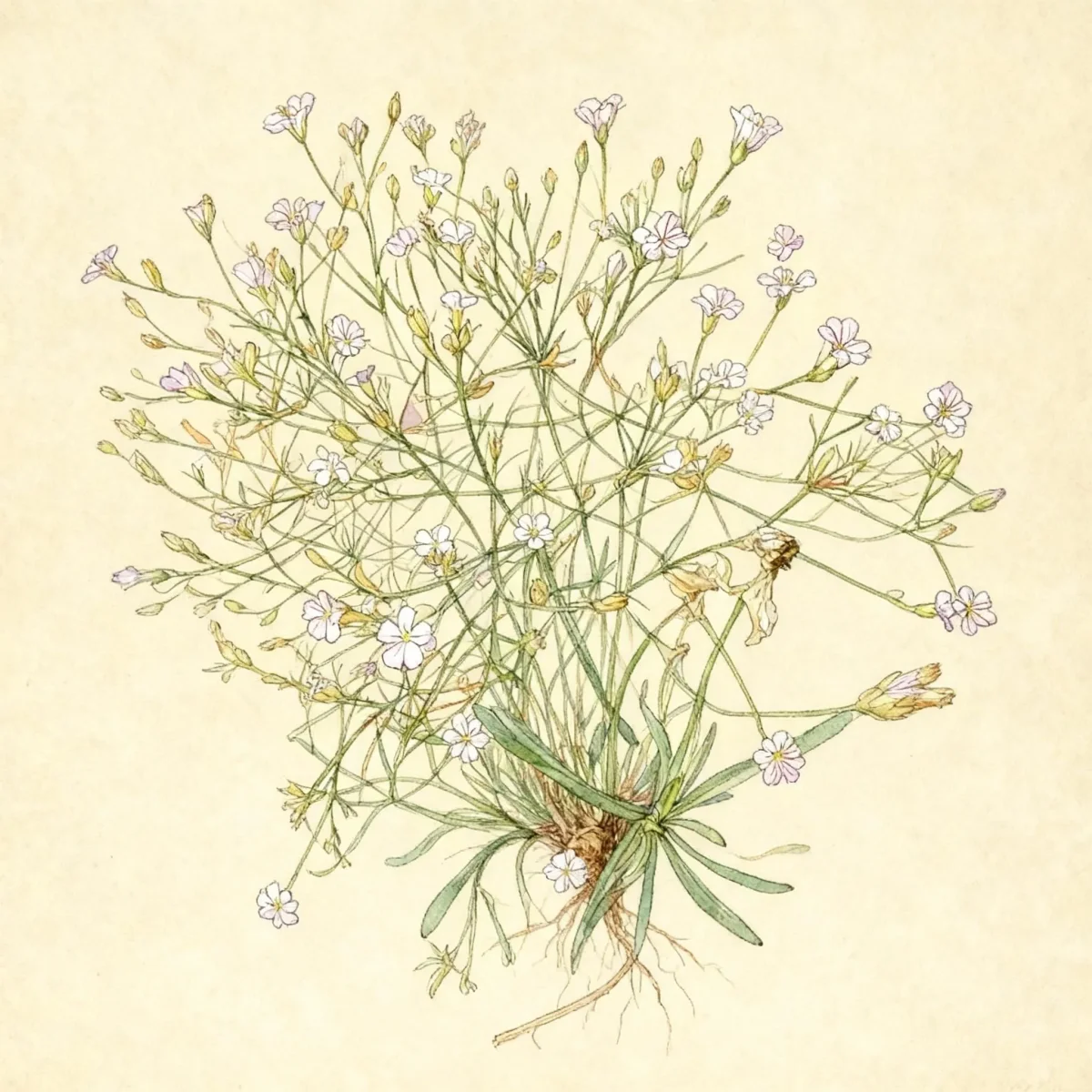
Complete Plant Information
Overview
Petrorhagia saxifraga, commonly known in the trade as Petrorhagia, is a highly valuable, spreading, mat-forming perennial prized for its tenacious nature in difficult spots. This species creates a dense, attractive foliage mat from which thin stems ascend, bearing charming, small, pinkish blooms throughout much of the summer. Gardeners appreciate this plant for its extremely low maintenance requirements and its rugged ability to thrive where other plants might struggle.
Native to the rocky regions of Southern and Central Europe, Petrorhagia saxifraga naturally adapts to well-drained, lean soils. As a tough ground cover, it provides excellent coverage, spreading slowly to stabilize slopes or fill in crevices. Its resilience and attractive springtime-to-summer flowering make this Petrorhagia an excellent choice for xeriscaping or naturalizing large areas.
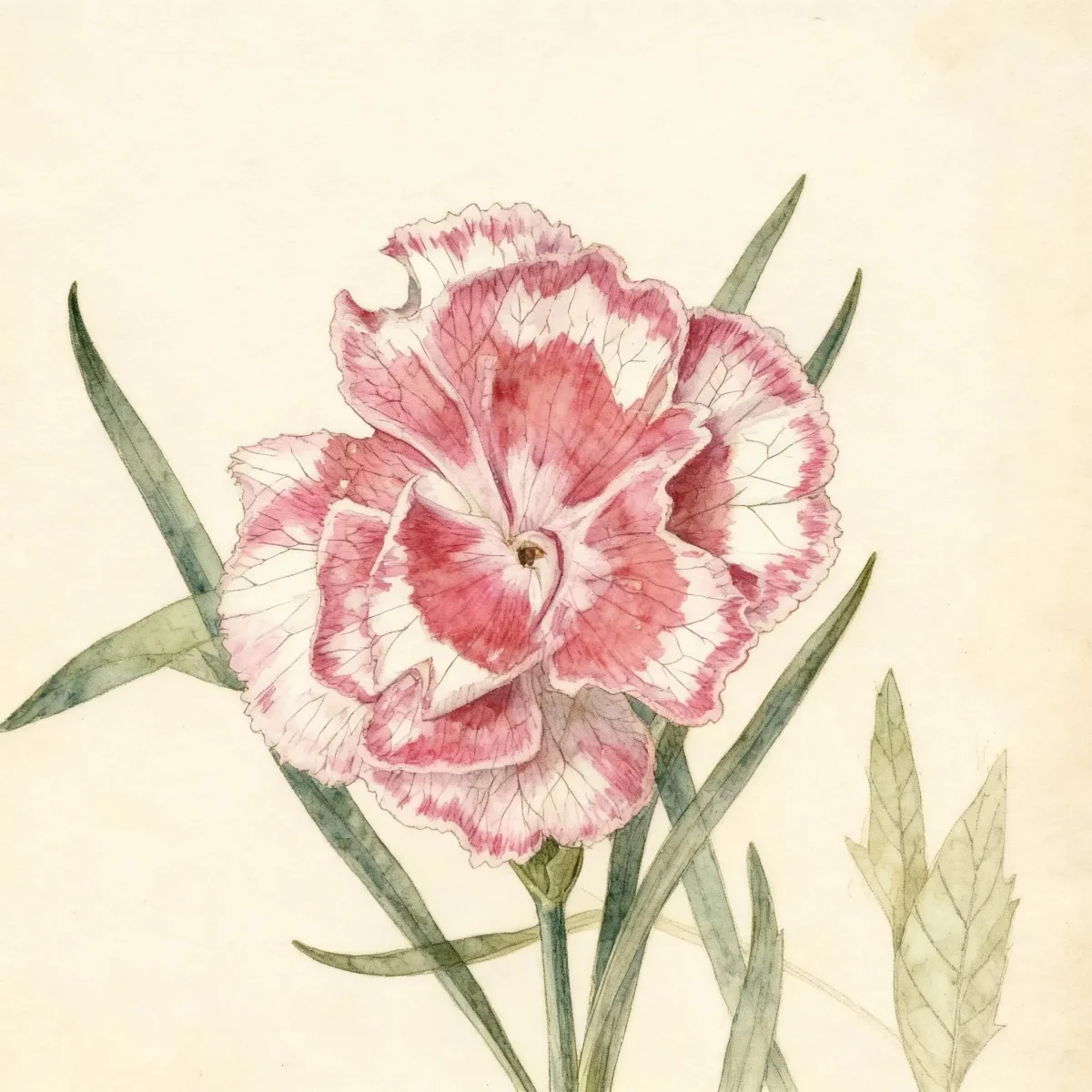
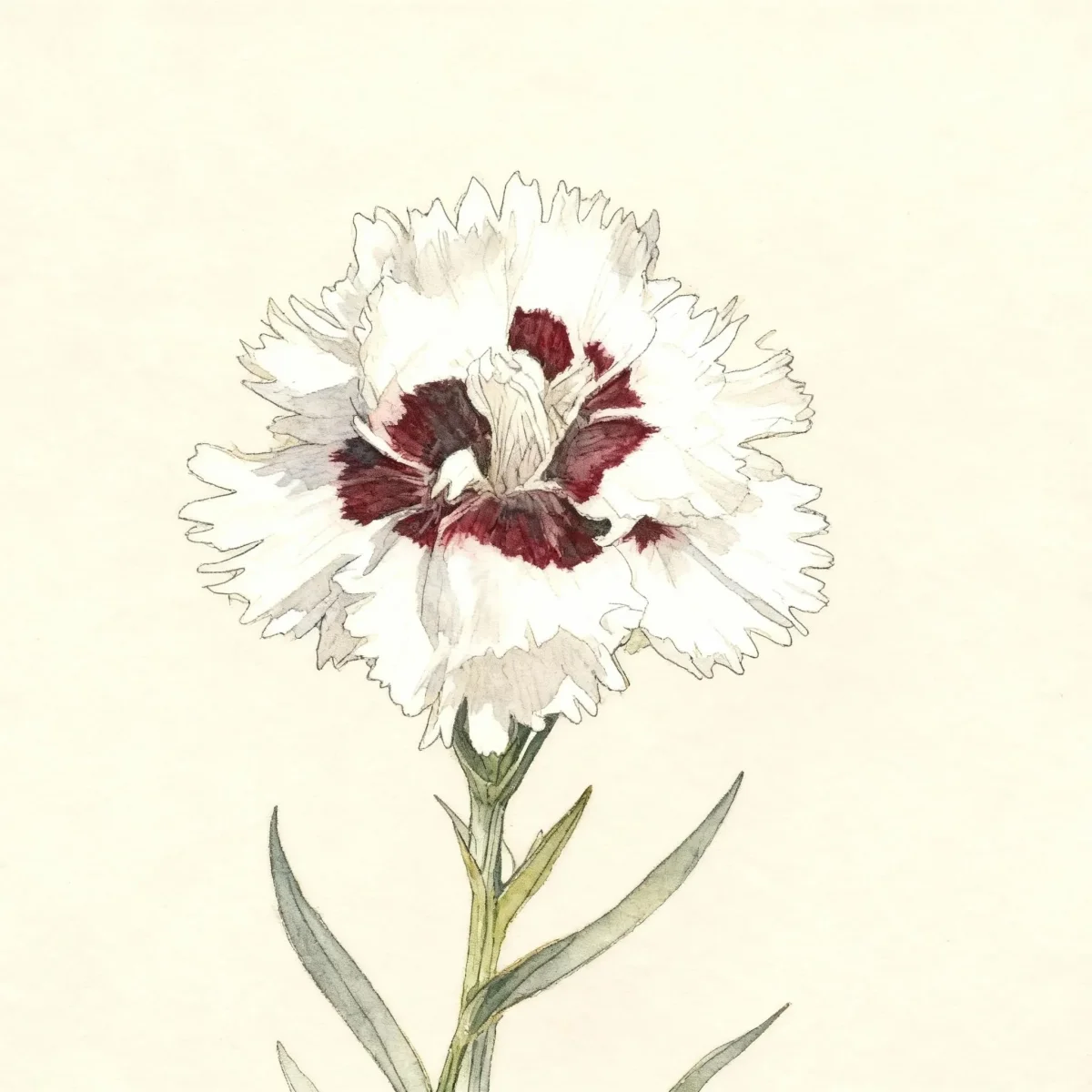
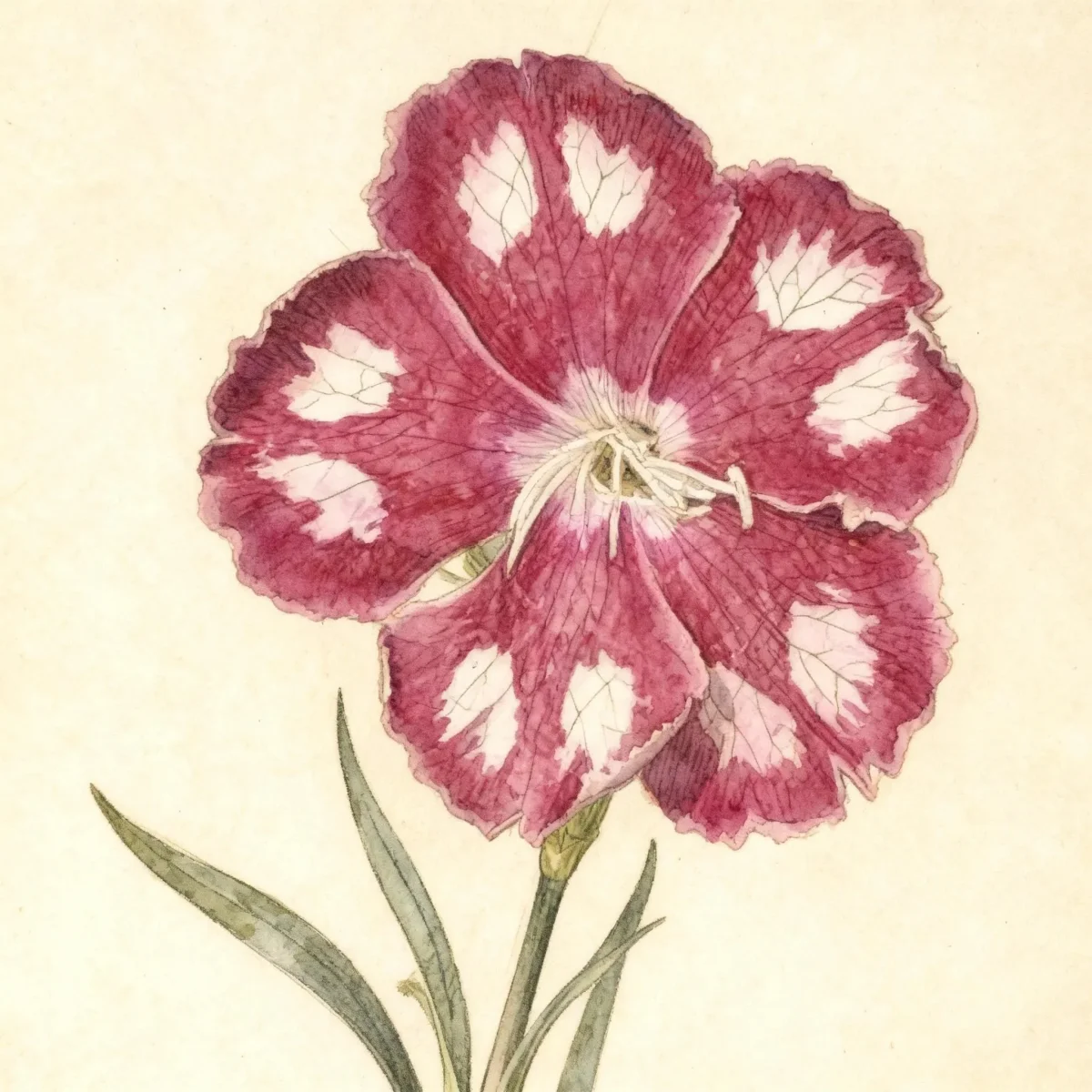
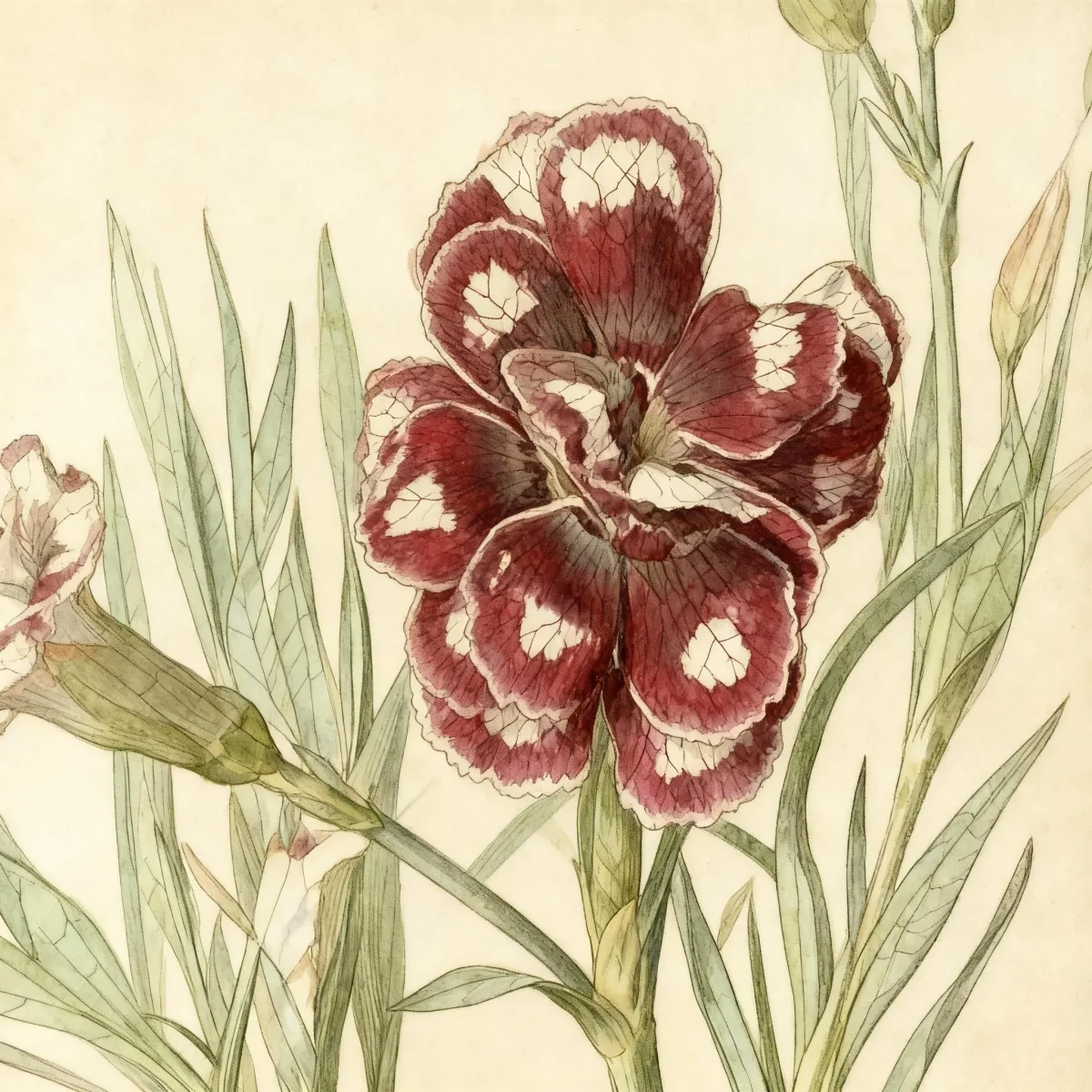
The small, dianthus-like flowers, which often start white and deepen to pink tones, lend a delicate air despite the plant’s rugged constitution. Growing Petrorhagia is simple, requiring full sun and tolerating poor soils, making it a fantastic, reliable addition to rock gardens and wall plantings where its cascading habit can be fully appreciated.
Fast Facts
- Plant Family: Caryophyllaceae
- Plant Type: Herbaceous perennial
- Native Range: Southern and central Europe
- Hardiness Zones: USDA Zones 5-7
- Size at Maturity:
- Height: 0.5-1 ft
- Spread: 0.75-1.5 ft
- Bloom Time: May to August
- Bloom Description: Pink
- Sun Exposure: Full sun
- Water Needs: Medium
- Maintenance Level: Low
How to Grow
Establish Petrorhagia in the spring or fall by planting plugs or small divisions in locations receiving full sun exposure. The ideal environment for Petrorhagia saxifraga involves medium moisture, but critically, the soil must be well-drained. This plant excels in rocky or sandy soils, happily tolerating poor nutritional content, which is a key attribute inherited from its native habitat among rock crevices.
Watering should be maintained at a medium consistency, particularly during establishment, as the plant’s shallow root system can dry out quickly, especially in hot, summer climates. Apply a layer of mulch specifically to help retain soil moisture around the base of the Petrorhagia, mitigating issues caused by its fine root structure. Generally, supplemental fertilization is unnecessary and often detrimental, as richness encourages weaker growth.
Maintenance for Petrorhagia is minimal. After the main flush of bloom concludes in mid-summer, you can cut the plants back moderately. This action often encourages a final round of flowering that can extend into the autumn. Be mindful that Petrorhagia aggressively self-seeds in favorable conditions, so monitor location if you prefer strict boundaries.
Landscape Uses
The trailing habit and drought tolerance of Petrorhagia make it an exceptional choice for softening hardscaping elements. Utilize this Petrorhagia species in rock gardens where its ability to fill crevices mimics its natural growth habit. It cascades beautifully over the edges of retaining walls or raised beds, creating a living curtain effect.
For larger efforts, Petrorhagia serves wonderfully as a low-maintenance ground cover across large areas or naturalized meadows, provided the spot is sunny and dry enough. Along border fronts, it forms a neat, low edge that seldom obstructs taller perennials. When planting near paths, use Petrorhagia saxifraga as a natural edging material that slowly spills onto the pavers, softening lines without becoming invasive.
Companion planting should focus on other sun-loving, lean-soil lovers such as Sedum, Thyme, or specific varieties of Dianthus, respecting the need for excellent drainage that Petrorhagia requires.
Standout Features
Flower Qualities
- Showy
Noteworthy Characteristics
Petrorhagia saxifrage, commonly called tunic flower, coat flower, tunic saxifrage or pink saxifrage, is a spreading, mat-forming, grass-like perennial of the pink family. It is noted for producing a spreading foliage mat of short, narrow, grass-like, linear, pointed green leaves rising to only 4” tall but spreading over time to as much as 18” wide. Stems are topped by small dianthus-like, 5-petaled white flowers which bloom from spring into summer, often showing pinkish tones by mid-summer.
Tolerances
- Shallow-Rocky Soil
Potential Problems
Petrorhagia saxifraga generally exhibits excellent resistance to common garden pests and diseases, meaning gardeners rarely need to intervene with chemical controls. The main cultural challenge involves ensuring adequate drainage, as sitting in wet soil, especially during the winter dormant period, can lead to crown rot. Avoid rich compost amendments, as these can promote excessive, weak foliage that is more susceptible to fungal issues in humid conditions.
Frequently Asked Questions
What hardiness zones is Petrorhagia suitable for?
Petrorhagia saxifraga is reliably hardy in USDA Zones 5 through 7, though it may survive Zone 4 in very protected, mild winter locations.
How large does Petrorhagia grow?
This plant typically reaches a height between 0.5 and 1 foot, spreading to occupy an area approximately 0.75 to 1.5 feet wide, forming a low mat of foliage.
What sun exposure does Petrorhagia need?
Petrorhagia requires full sun for optimal flowering and density, as insufficient light can lead to legginess and reduced bloom count.
When does Petrorhagia bloom?
The primary bloom time for Petrorhagia is from May through August, displaying delicate flowers described typically as pink.
Conclusion
The combination of rugged durability, minimal maintenance, and reliable low-growing summer flowers makes Petrorhagia saxifraga an essential inclusion for sunny, dry gardens. This tough Petrorhagia excels where others fail, especially in rocky crevices or poor soils. Before planting, always confirm your location falls within USDA Zones 5-7 and ensure the site provides full sun and excellent drainage for long-term success.
Companion Planting
When selecting neighbors for Petrorhagia, focus on drought-tolerant, sun-loving alpines and Mediterranean herbs. Plants like creeping Thyme (Thymus serpyllum) and various low-growing Sedums provide excellent textural contrast while sharing similar cultural needs for bright light and sharp drainage. Avoid aggressive spreaders, as the fine foliage of Petrorhagia can be easily smothered by larger neighbors if not given adequate space to form its mat.
Propagation Tips
While Petrorhagia is known to aggressively self-seed, ensuring new plants appear year after year, controlled propagation is simple when desired. Stem cuttings taken during the active growing season can root readily, providing genetically identical clones of successful established specimens. Alternatively, division of the root crown can be performed in early spring just as new growth begins, though care must be taken due to the shallow root system mentioned in its culture notes.