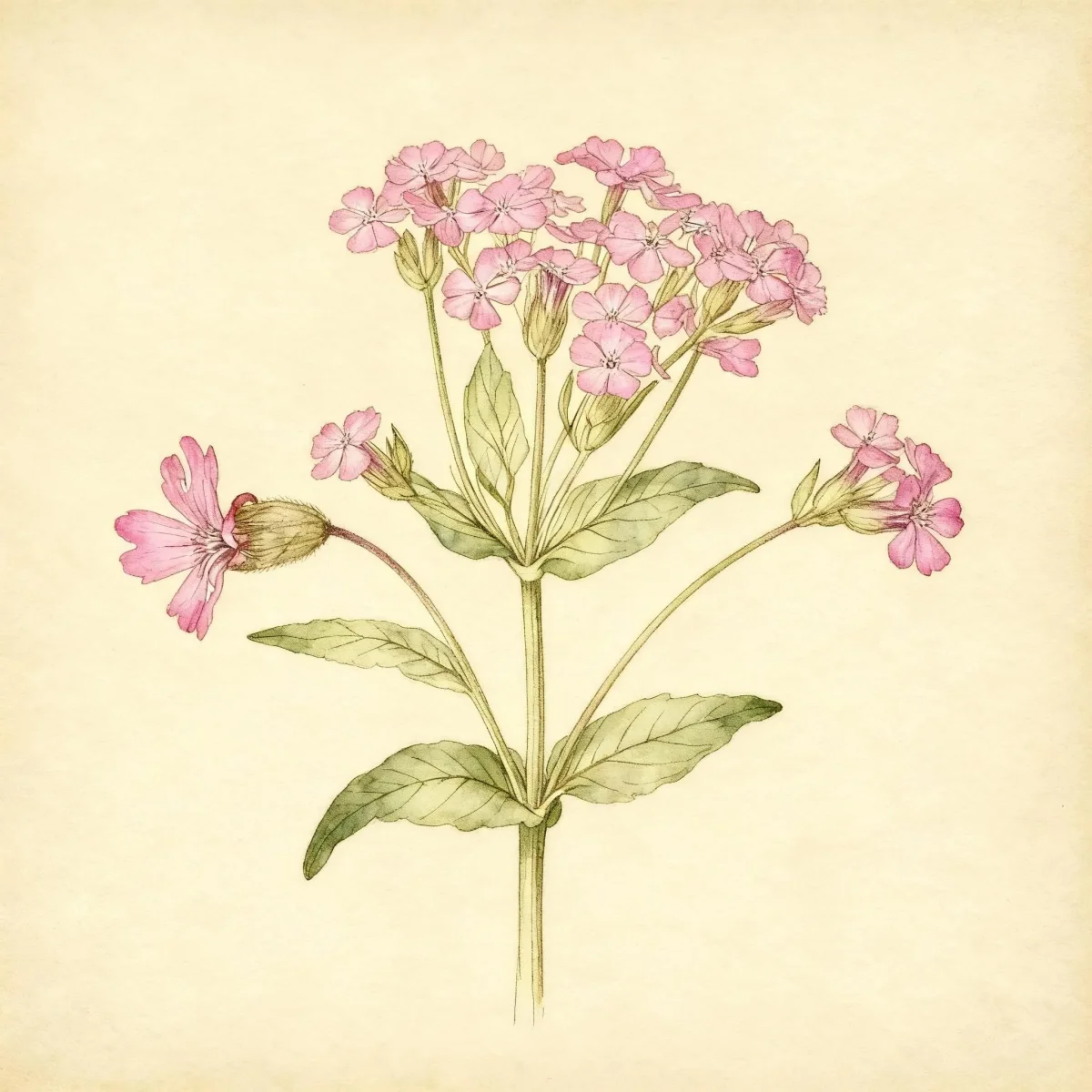
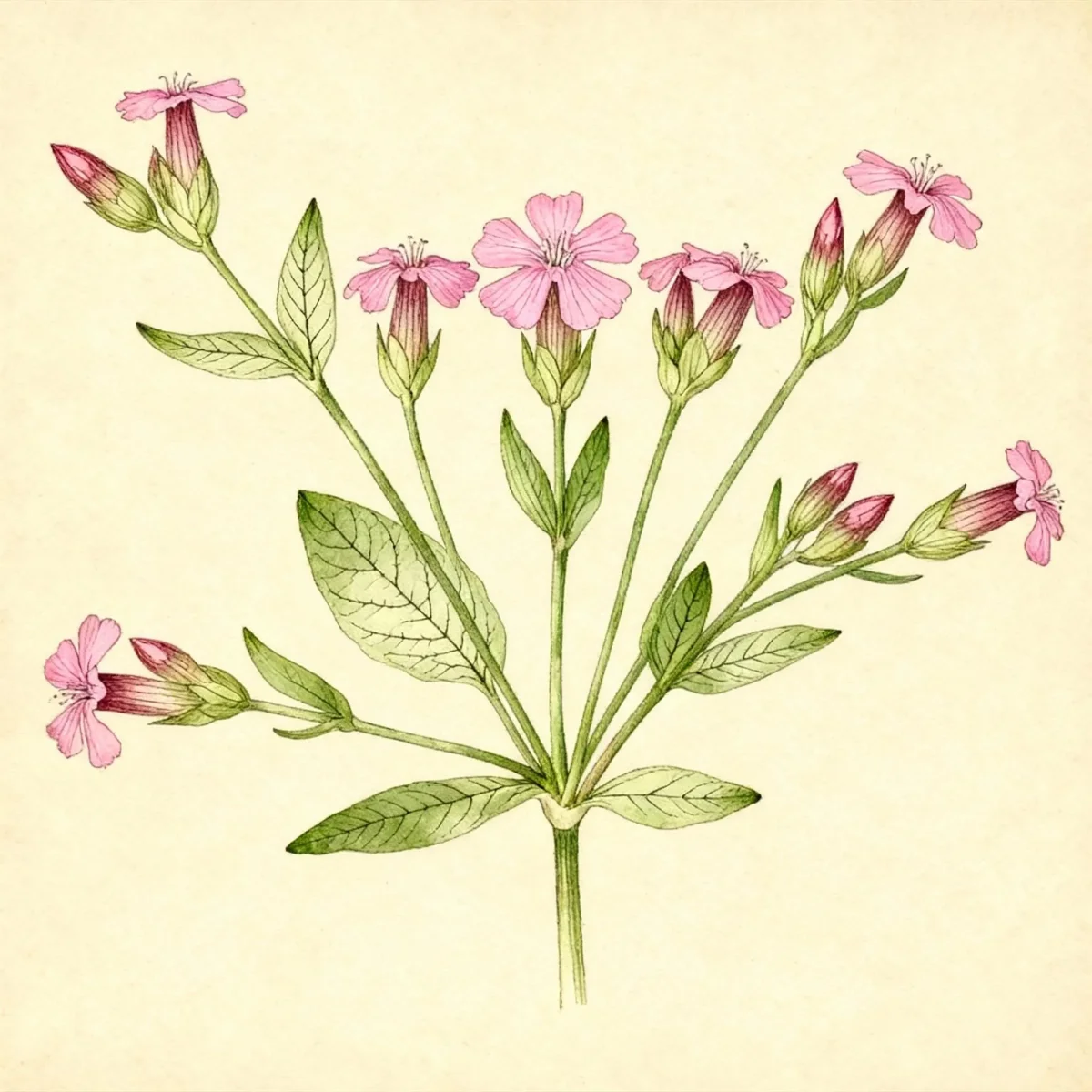
Bladder campion (Silene vulgaris)
Discover Bladder campion (Silene vulgaris), a resilient herbaceous perennial thriving in dry soils with unique white flowers.
Scroll down to discover growing tips, care requirements, companion plants, and more
Complete Plant Information
Overview
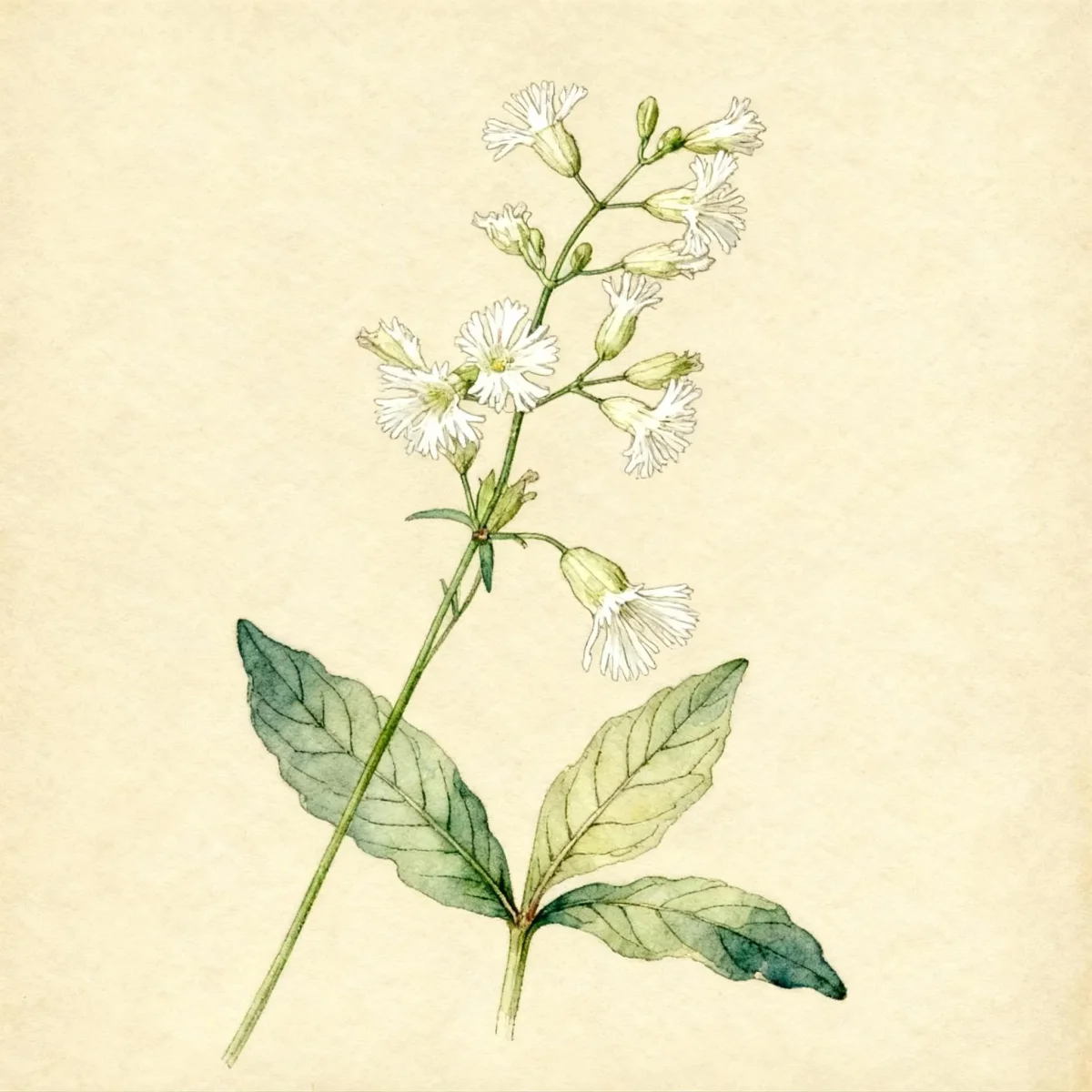
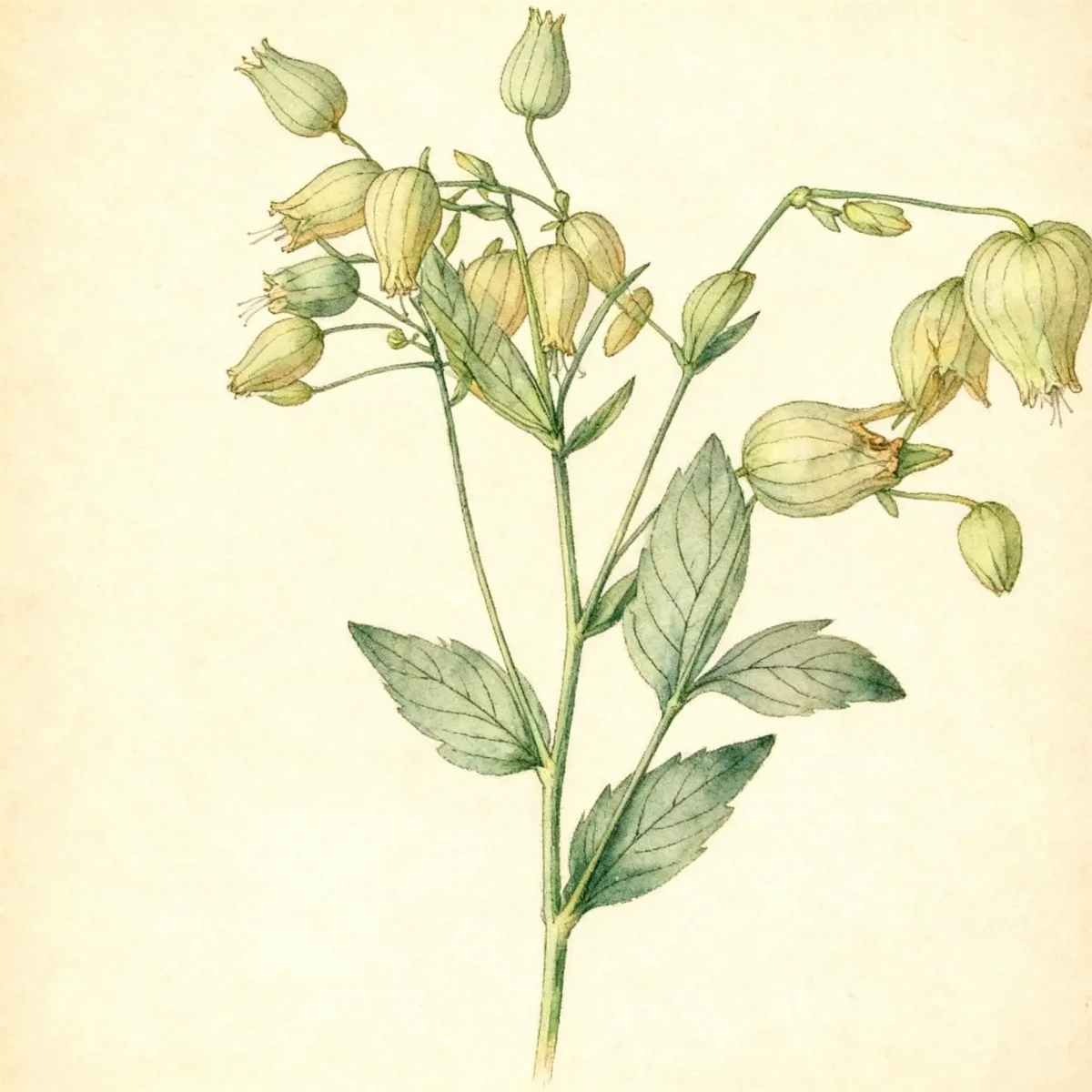
Silene vulgaris, commonly known as Bladder campion, is a distinctive herbaceous perennial valued for its resilience and unique floral structure. Its most striking feature is the inflated, bladder-like calyx that envelops the white, notched petals, giving the plant its common name. While native to Europe, Silene vulgaris has successfully naturalized across North America in various conditions.
This plant establishes itself as a weedy but charming addition to wilder garden areas, preferring well-drained soils. It is adaptable, tolerating both full sun and partial shade, making it flexible for different landscape placements where drier conditions prevail.
The upright stems grow to about 1.5 feet tall, bearing glaucous foliage and clusters of white blooms from late spring through mid-summer. Due to its relatively low demands and tolerance for poor soils, Bladder campion is an excellent choice for mass plantings or naturalized meadows.
Fast Facts
- Plant Family: Caryophyllaceae
- Plant Type: Herbaceous perennial
- Native Range: Europe, northwestern Africa, Asia
- Hardiness Zones: USDA Zones 4-7
- Size at Maturity:
- Height: 1-1.5 ft
- Spread: 1-1.5 ft
- Bloom Time: May to August
- Bloom Description: White
- Sun Exposure: Full sun to part shade
- Water Needs: Dry to medium
- Maintenance Level: Medium
How to Grow
Planting Silene vulgaris is straightforward, as it adapts well to average conditions provided the soil is well-drained. It performs best in its sunny locations, though it can tolerate some part afternoon shade. Incorporate grit or sand if planting in heavy loam, as sharp drainage is highly appreciated by this species.
Watering requirements are minimal once established; allow the soil to dry out between irrigation cycles, fitting well into xeriscaping plans. Fertilization is generally unnecessary, as rich soils can promote overly lush foliage at the expense of flowers. Maintenance focuses primarily on managing its self-seeding habit if you prefer tighter control over its spread.
As a robust perennial, spring clean-up involves removing old foliage. In very cold winters, while generally hardy, ensure the area is not waterlogged. Silene vulgaris will very freely self-seed in optimal growing conditions, so be mindful when deadheading if you do not desire offspring the following season.
Landscape Uses
Bladder campion is best utilized where its informal, somewhat weedy nature can be celebrated. It integrates perfectly into meadow plantings, open woodland areas, or general naturalized settings where it can mingle with other textural plants. Its tolerance for dryness makes it a dependable, low-maintenance choice for these expansive areas.
For more formal uses, Silene vulgaris can serve as a sturdy front-of-border plant, softening hard edges where it can contrast with lower-growing edging specimens. It also performs admirably tucked into rock gardens, particularly those featuring sandy or gravelly soil mixes that mimic its native rocky habitats. Its presence signals a relaxed, cottage-style aesthetic.
Standout Features
Flower Qualities
- Showy
Noteworthy Characteristics
Silene vulgaris, commonly called bladder campion, is native to Europe, but has escaped cultivation and naturalized over time in North America. It is a weedy herbaceous perennial typically found in the wild along roadsides and waste areas. The plant is characterized by its deeply taprooted structure and lanceolate leaves. Its white flowers are instantly recognizable by the prominently veined, greenish-pink, bladder-like calyx that clearly distinguishes Silene vulgaris from other genus members.
Tolerances
- Drought
- Dry Soil
- Shallow-Rocky Soil
Potential Problems
Potential problems for Bladder campion are minimal, as it is noted for having no serious insect or disease issues under proper cultural conditions. Its main management consideration is controlling its prolific self-seeding, which can result in it popping up throughout the garden unexpectedly.
If planted in heavy, poorly draining soil, the roots may suffer from rot, especially during wet winters. Ensure sharp drainage is provided to mitigate any moisture-related stress, as this species strongly prefers sharper soil conditions. Otherwise, Silene vulgaris remains a remarkably trouble-free plant.
Frequently Asked Questions
What hardiness zones is Bladder campion suitable for?
Silene vulgaris is resilient across a wide range, suitable for USDA Zones 4 through 7.
How large does Bladder campion grow?
This plant typically reaches a mature height between 1 and 1.5 feet tall, with a similar spread of 1 to 1.5 feet.
What sun exposure does Silene vulgaris need?
This species thrives best in conditions ranging from full sun to partial shade, adapting well to either exposure.
When does Bladder campion bloom?
The characteristic white flowers appear reliably from May through August, offering extended seasonal interest.
Conclusion
The Bladder campion (Silene vulgaris) offers gardeners a uniquely textured, low-maintenance perennial that excels in dry or rocky conditions. Its showy, inflated blooms provide visual interest unmatched by other common border plants. Check your USDA hardiness zone compatibility and plan to plant this adaptable species in a well-drained location to enjoy its robust performance year after year.
Companion Planting
For a meadow or naturalized setting, pair Silene vulgaris companions that share its preference for dry soil and full sun. Look towards other drought-tolerant perennials such as yarrow (Achillea spp.) or various species of Sedum. These companions offer contrasting textures and different bloom times, ensuring visual interest throughout the season without competing for heavy moisture.
In rock garden applications, consider pairing the low-growing habit of Bladder campion with creeping thyme or low-growing ornamental grasses. The airy white flowers of Silene vulgaris provide a vertical lift above the mounding foliage of these companions, preventing the display from looking flat.
Propagation Tips
Propagation of this robust plant is easiest through seed collection in the late summer after the seed capsules mature. Since Silene vulgaris will freely self-seed, allowing some flowers to fade naturally often restocks the area. For more controlled propagation, divide established clumps in early spring before new growth begins.
Division is the best method for maintaining desirable traits or rejuvenating older specimens. Ensure the new divisions have adequate root structure before replanting them into well-drained soil prepared to meet their dry-to-medium water needs.